Why Gnats Matter in Druid Hills
Every year, as the Atlanta metro area transitions from the heat of summer to the cooler evenings of early fall, a predictable pattern emerges: a series of brief, heavy rainstorms followed by lingering humidity. These post‑summer showers create the perfect breeding cocktail for gnats, and Druid Hills feels the surge almost immediately. Within 48 hours of a rain event, adult gnats can appear in swarms, hovering around porch lights, garden beds, and any standing water.
While gnats are often dismissed as merely a nuisance, the 2024 CDC report warns that gnat‑related dermatitis affected over 12,000 U.S. residents last year, with a notable spike in the Southeast. The tiny bites trigger itchy welts, secondary infections, and, for sensitive individuals, allergic reactions that can disrupt daily life.
Druid Hills isn’t a uniform landscape; it hosts several micro‑climates that amplify the problem. The lush, heavily‑treed Emory University campus retains moisture in its understory, while the historic stone walls and ornamental fountains of the Druid Hills Historic District trap dew. Even the newer, densely‑planted streets of Decatur Village create shaded pockets where organic debris accumulates, providing gnats with constant food and shelter.
For homeowners, the impact goes beyond skin irritation. Outdoor gatherings become uncomfortable, patio furniture must be covered, and property values can dip when neighbors associate a neighborhood with persistent insect swarms. Local businesses also feel the pinch—restaurants with outdoor seating report lower patronage during peak gnat weeks, and landscaping services see increased demand for rapid drainage solutions.
Understanding these dynamics is the first step toward relief. This guide will walk Druid Hills residents through the process of identifying gnat hotspots, choosing the most effective treatment plan, and, most importantly, finding a reliable gnat exterminator who knows the neighborhood’s unique challenges. With the right partner, you can reclaim your yard, protect your family’s health, and enjoy the beautiful Druid Hills climate—gnat‑free.
Identifying Common Gnat Species in Druid Hills
Fungus Gnats – The Plant Lovers’ Nuisance
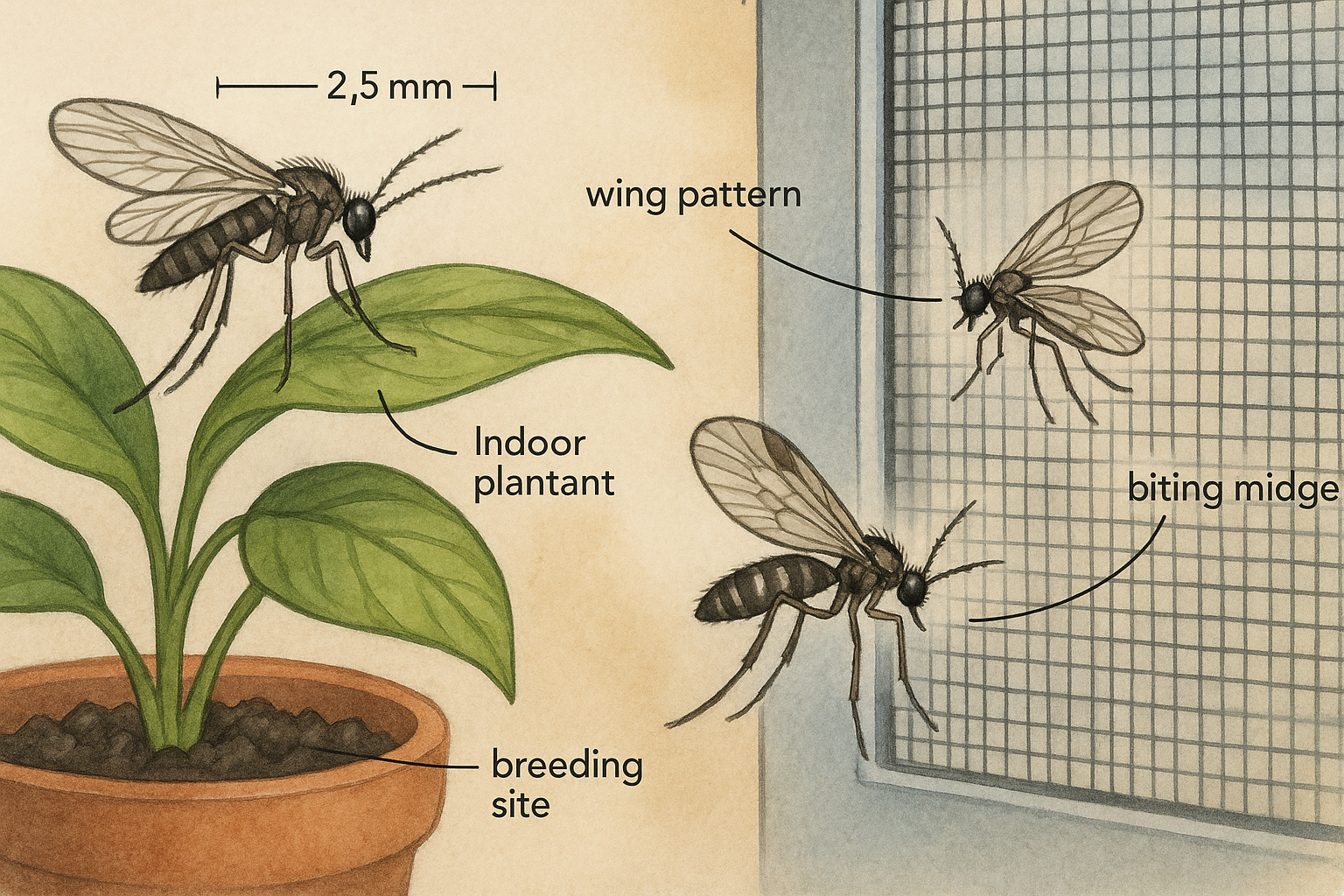
Fungus gnats are tiny, usually 1‑3 mm long, with dark, slender bodies and delicate, clear wings that lack any noticeable markings. They tend to fly in a weak, erratic “bobbing” pattern close to the soil surface, especially when you disturb a potted plant. If you notice a steady stream of these faint flyers hovering around indoor foliage, you’re most likely dealing with fungus gnats. Their larvae thrive in the moist, organic matter of over‑watered potting mix, feeding on fungi and decaying roots, which can stress houseplants over time.
Biting Midges – The Pond‑side Pesters
Biting midges, often called “no‑see‑ums,” are slightly larger than fungus gnats—about 2‑4 mm—and have a more robust, hump‑backed appearance. Their wings are clear but may show faint veins or a subtle iridescent sheen. Unlike the weak flight of fungus gnats, midges dart quickly and hover in a tight, buzzing cloud, especially near standing water. In Druid Hills, they’re most common around the pond and wetland areas of Druid Hills Park, where they emerge at dusk and can deliver a painful bite that leaves a red, itchy welt.
Shore Flies – The Ground‑level Hoverers
Shore flies are the least familiar of the three, measuring 2‑5 mm with a stout, dark body and short, clear wings that often display a faint speckled pattern. They tend to stay low to the ground, skimming moist leaf litter, mulch, or damp garden beds. Their flight is more deliberate than the erratic hops of fungus gnats but less aggressive than the rapid darts of biting midges. Shore flies are attracted to the damp micro‑habitats found under shrubs, near compost piles, or along the edges of irrigation lines.
According to the EPA’s 2023 Georgia pest survey, 68% of homeowners report indoor gnat activity during humid months. This high prevalence underscores the importance of correctly identifying the species before choosing a treatment plan. For more detailed guidance, visit the EPA’s gnat‑control page: EPA – Gnat Control.
Quick Identification Checklist
- Small, dark, weak flyers near houseplants → Fungus Gnats
- Hump‑backed, 2‑4 mm, fast‑darting near water → Biting Midges
- Stout body, low‑level hover over moist soil or mulch → Shore Flies
- Visible larvae in soggy potting mix → Fungus Gnats (larval stage)
- Red, itchy bite after evening outdoor activity → Biting Midges
Root Causes and Prevention Strategies
Where Gnats Like to Breed in Druid Hills Homes
Gnats are attracted to any moist, organic environment where they can lay eggs and find food. In Druid Hills, the most common breeding hotspots are right inside the spaces you already use:
- Over‑watered houseplant soil – When the soil stays soggy for days, it creates a perfect nursery for fungus‑gnat larvae.
- Standing water in birdbaths, pet water dishes, or clogged gutters – Even a shallow pool that isn’t refreshed weekly can become a gnat hatchery.
- Decaying organic debris in garden beds or mulch piles – Leaf litter, rotting fruit, and compost that stays damp give adult gnats a buffet and a place to lay eggs.
Local Prevention Tips That Won’t Break the Bank
Because Druid Hills’ historic homes often have mature landscaping and older drainage systems, a few targeted habits can keep gnats at bay without expensive treatments.
- Establish a proper watering schedule – Water indoor plants only when the top inch of soil feels dry. Using a moisture meter or simply sticking your finger into the soil can prevent the constant dampness gnats love.
- Clean gutters regularly – In the Historic District, leaves and pine needles accumulate quickly. Schedule a gutter sweep at least twice a year (spring and fall) to eliminate standing water and organic buildup.
- Install fine‑mesh screens on windows and doors. A 1‑mm mesh blocks adult gnats from entering while still allowing fresh air.
- Remove excess organic matter – Keep garden beds tidy, rake away fallen leaves, and turn compost weekly to maintain aeration and reduce moisture.
- Use DIY soil amendments – Adding a thin layer of sand or horticultural grit on top of potting mix speeds drying and discourages larvae development.
Cost Comparison: DIY vs. Professional Treatment
| Option | Cost Range | Typical Service |
|---|---|---|
| DIY soil amendments (sand, grit, moisture meter) | $20 – $40 | One‑time purchase; self‑applied |
| Professional treatment visits (soil drench, perimeter spray) | $100 – $250 | Licensed technician, follow‑up visit, warranty |
Integrating Integrated Pest Management (IPM) Best Practices
Anthem Pest Control follows the NPMA 2024 IPM best practices for gnats. The core idea is to combine cultural, mechanical, and, when necessary, chemical controls to keep populations low while protecting people, pets, and the historic environment of Druid Hills.
Start with the low‑cost cultural steps listed above. If gnats persist despite diligent watering, cleaning, and screening, a professional can apply a targeted, low‑toxicity treatment that fits seamlessly into the IPM framework. This layered approach ensures you’re not over‑relying on chemicals and keeps your home comfortable year‑round.
When to Call a Professional Gnat Exterminator
Most homeowners can manage a few stray gnats with a spray bottle or a homemade trap, but certain signs indicate that a DIY approach is no longer enough. Recognizing these red‑flag situations early can save you from sleepless nights, itchy bites, and the frustration of a persistent indoor invasion.
Red‑Flag Situations That Demand Expert Help
- Persistent indoor swarms despite DIY efforts: If gnats keep appearing around lights, windows, or houseplants after you’ve tried vinegar traps, bleach solutions, or over‑the‑counter sprays, the colony has likely established a hidden breeding site that only a trained technician can locate.
- Visible bites on skin: While many gnats are harmless, some species—like the biting midge—can leave itchy welts. An increase in bites, especially on exposed arms and legs, signals a population that’s breeding close to living spaces.
- Gnats gathering in outdoor entertaining areas: A steady cloud of gnats hovering over patios, decks, or outdoor kitchens can ruin family gatherings and may indicate nearby standing water or decaying organic matter that requires professional remediation.
Why Licensed Technicians Make a Difference
Anthem Pest’s certified technicians are equipped with EPA‑registered products that are both highly effective and safe for households with children and pets. These formulations are rigorously tested to target gnat life cycles without leaving harmful residues, a level of safety you won’t find in generic store‑bought sprays.
Transparent Pricing for Druid Hills Homeowners
- Inspection: $75‑$100
- Treatment (single‑visit): $120‑$250
- Annual maintenance plan: $199‑$299
“[Testimonial Placeholder – A satisfied Druid Hills homeowner will share how Anthem Pest quickly eliminated the gnat problem and gave us peace of mind for our kids and pets.]”
What to Expect During the Professional Inspection
- Initial walkthrough: The technician surveys indoor and outdoor zones, noting moisture sources, plant health, and potential entry points.
- Identification: Using a magnifying lens and specialized traps, they confirm the gnat species and pinpoint breeding hotspots.
- Targeted treatment plan: Based on the findings, they apply EPA‑registered solutions to soil, drainage areas, and any indoor hiding spots.
- Customer briefing: You receive a clear report outlining the treatment steps, preventive measures, and a schedule for follow‑up visits if needed.
How Anthem Pest Handles Gnat Extermination in Druid Hills

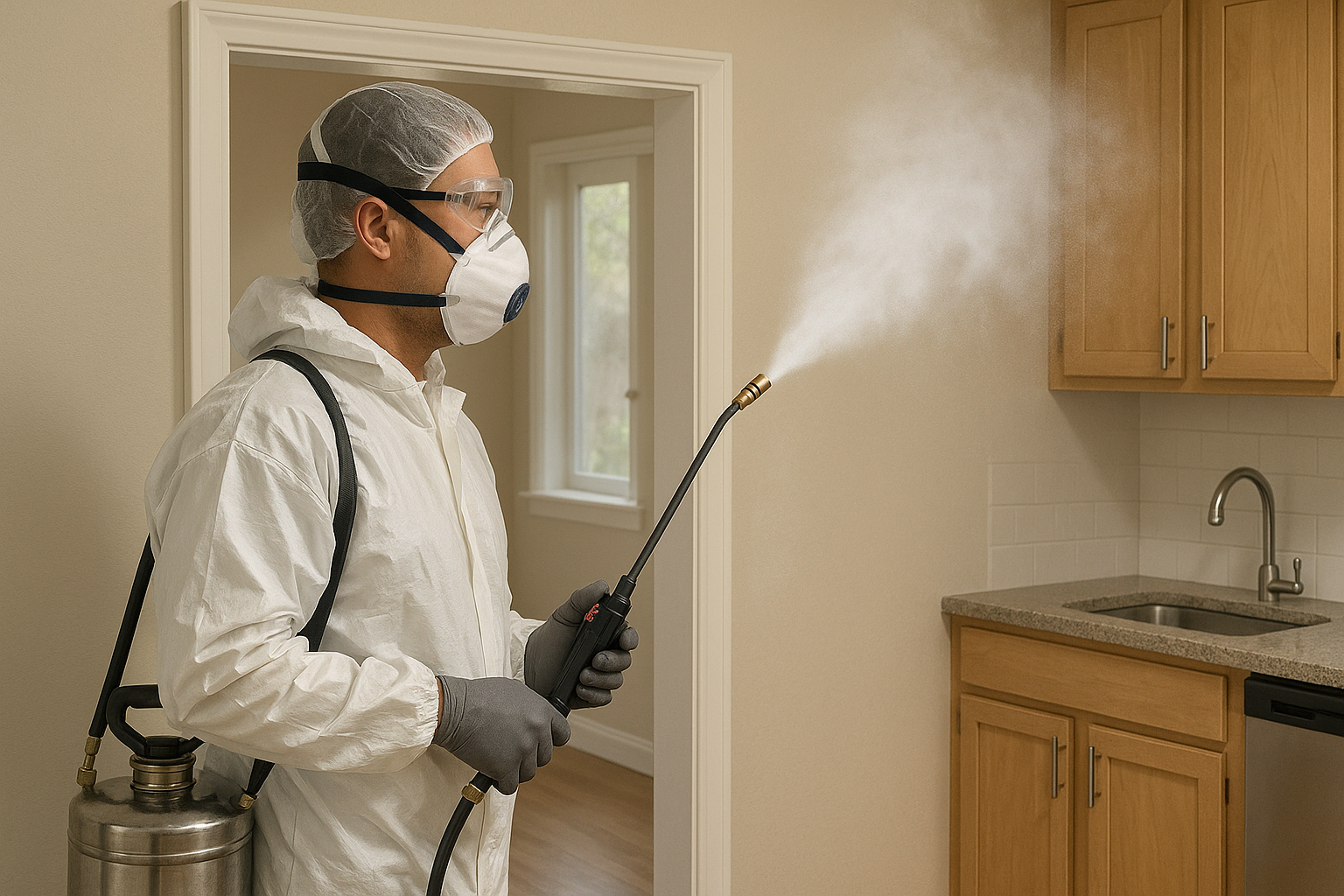
When gnat swarms infiltrate a Druid Hills yard, the solution must be swift, precise, and respectful of the neighborhood’s historic character. Anthem Pest’s Druid Hills team combines modern science with a deep appreciation for the area’s century‑old homes, towering oaks, and carefully tended gardens. Their four‑step service model ensures every tiny flyer is identified, treated, and kept at bay without compromising family safety or landscape beauty. Their commitment to environmentally conscious practices means you can enjoy a gnat‑free home while preserving the natural beauty of Druid Hills.
Step 1 – Thorough on‑site inspection and species identification
The process begins with a thorough on‑site inspection. A certified technician walks through every room, attic space, and exterior entry point, using a handheld magnifier and moisture meter to locate breeding sites. Simultaneously, they collect specimens for species identification, distinguishing gnats attracted to damp soil from those drawn to decaying organic matter. Accurate identification is the foundation of a targeted, cost‑effective treatment.
Step 2 – Customized treatment plan based on home layout, historic‑home considerations, and landscaping preservation
Next, the technician designs a customized treatment plan that respects the home’s layout and any historic preservation guidelines. For older brick façades or delicate plaster, they select low‑pressure applicators that avoid overspray. Landscaping preservation is a priority: drip‑line barriers are placed away from mature trees and flower beds, and any soil‑moisture treatments are calibrated to protect beneficial microbes. The result is a plan that eradicates gnats while keeping the property’s aesthetic integrity intact.
Step 3 – Application of EPA‑approved pyrethrin‑based sprays, detailing safety protocols for pets and children
For the actual eradication, Anthem Pest relies on EPA‑approved pyrethrin‑based sprays, a natural insecticide derived from chrysanthemum flowers. Technicians don’t just spray blindly; they apply the solution in targeted micro‑zones—under deck boards, around drainage grates, and along the base of garden beds—where gnats breed. Safety protocols include sealing off treated areas for 30 minutes, using pet‑friendly formulations, and providing homeowners with a clear post‑treatment ventilation checklist to protect children and animals.
Step 4 – Follow‑up monitoring and optional maintenance schedule
After treatment, the team returns for a follow‑up inspection within two weeks. They use sticky traps and visual checks to confirm that the gnat population has collapsed. Homeowners can opt into a quarterly maintenance schedule, during which technicians perform preventative fogging and habitat‑modification services—such as soil aeration and moisture control—to keep future infestations at bay. This proactive approach turns a one‑time fix into long‑term peace of mind.
Local expertise that protects historic homes and mature gardens
What sets Anthem Pest apart in Druid Hills is the technicians’ intimate knowledge of the area’s historic homes and mature gardens. They understand that a Victorian‑era porch may have hidden crawl spaces, and that oak trees with expansive canopies require careful spray drift management. By coordinating with homeowners on timing—avoiding peak bloom periods or community events—the team ensures effective gnat control without disrupting the neighborhood’s charm.
Seasonal Timing and Scheduling for Gnat Control
In Druid Hills, gnat activity spikes when the weather turns warm and moist. The most effective window for treatment runs from late May through early October. During this period, adult gnats emerge, mate, and lay eggs, creating the swarms you’ll notice around patios, decks, and indoor plants. Acting after a heavy rain—when the soil is saturated and larvae are most vulnerable—maximizes the impact of any larvicide or adulticide application.
Peak‑Month Calendar for Druid Hills Homeowners
| Month | Treatment Priority |
|---|---|
| May (late) | Start monitoring; schedule first treatment after rain |
| June | High activity – apply preventative spray |
| July | Peak season – consider a follow‑up treatment |
| August | Continue monitoring; second spray if needed |
| September | Begin winding down; final treatment before cool weather |
| October (early) | Last chance for effective control before winter |
Mark these months on your personal calendar and watch the weather forecast. If a thunderstorm dumps an inch or more of rain, that’s the perfect cue to call Anthem Pest Control. The moisture forces larvae to the surface, where our products can reach them more efficiently.
Limited‑Time Discount for Druid Hills Residents
To make it easier to act promptly, we’re offering a 10% discount on your first gnat‑control service. Use the code DRUIDGNAT10 when you schedule your appointment. This offer expires on September 30, 2024, so don’t wait until gnats have taken over your porch.
Booking early not only secures your preferred service window but also guarantees you’ll benefit from the discount before it ends. Call us at 877‑371‑8196 or visit anthempest.com to lock in a date. Our local technicians know the Druid Hills micro‑climate and will tailor the treatment schedule to your property’s unique conditions.
Remember, a proactive approach—timed with the seasonal peaks—keeps gnats at bay and protects your outdoor enjoyment all summer long. Let Anthem Pest Control handle the science; you enjoy the evenings without a single buzz.
Frequently Asked Questions About Gnat Treatment
Will the treatment affect my pets?
Our gnat control programs use EPA‑registered products that have been evaluated for safety around animals. When applied according to label directions, the residual levels are well below toxicity thresholds for dogs and cats. We also offer pet‑friendly application methods, such as targeted spot‑treatments and low‑odor formulations that dry quickly, minimizing exposure. For more detailed safety data, see the EPA pesticide safety page. As a precaution, we recommend keeping pets indoors for 30 minutes after indoor applications.
How long does a treatment last?
A professionally applied gnat treatment typically provides residual protection for 4–6 weeks, depending on the product used and environmental conditions. Warm, humid weather can accelerate degradation, so a follow‑up service may be necessary to maintain a gnat‑free yard during peak seasons. We schedule re‑inspections and, if needed, a booster application to ensure continuous control. Monitoring your property and reporting any resurgence helps us tailor the timing of future visits.
Can I prevent gnats without chemicals?
Absolutely. Integrated Pest Management (IPM) emphasizes non‑chemical tactics that reduce gnat breeding sites. Key steps include:
- Eliminating standing water in birdbaths, plant saucers, and clogged gutters.
- Using fine mesh screens on doors and windows to block entry.
- Installing yellow‑light traps that attract and capture adult gnats.
- Maintaining proper drainage and compost management.
These strategies are outlined in the NPMA’s IPM guidelines, which you can review at the National Pest Management Association website. Combining these practices with occasional, low‑impact treatments offers the most reliable, long‑term control.
Take Action Today – Protect Your Home from Gnats
Gnats may seem harmless, but they can spread bacterial contaminants and aggravate allergies, especially in the humid micro‑climates of Druid Hills, Decatur, and Brookhaven. Warm, damp soils and over‑watered gardens create perfect breeding grounds, turning a minor nuisance into a health risk within days.
While DIY sprays and cheap traps offer temporary relief, they rarely address the root cause. A professional assessment pinpoints hidden larvae in soil, clogged drains, and indoor moisture sources, delivering a cost‑effective, long‑lasting solution that saves you from repeated purchases and endless cleaning cycles.
Why Choose Anthem Pest?
Anthem Pest brings local expertise to every call, knowing the specific gnat hotspots of our neighborhoods. Their transparent pricing means you’ll see exactly what’s covered—inspection, treatment, and a follow‑up guarantee—without surprise fees. Plus, the satisfaction guarantee ensures that if gnats return, they’ll return to fix the problem at no extra charge.
Ready to reclaim your yard and home?
Give us a call today at 877‑371‑8196 or visit Anthem Pest Control for a free, no‑obligation quote. Share this guide with neighbors so the whole community can enjoy a gnat‑free summer.
Protect your family’s health, preserve the beauty of your outdoor space, and experience the peace of mind that comes from professional, reliable pest control—without the hard sell.