What Are Gnats and Why They Matter in Suwanee, GA
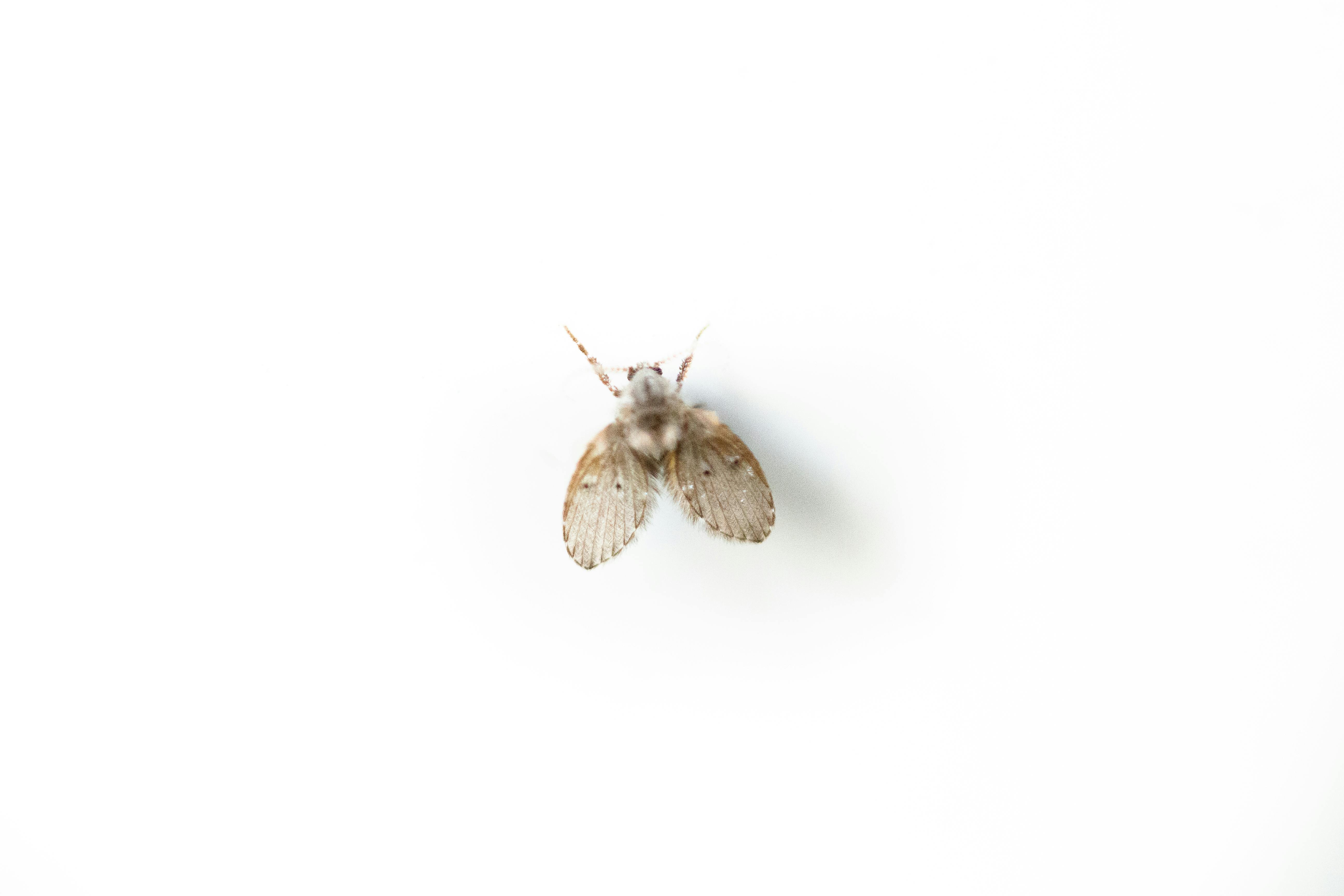
When you see a cloud of tiny, buzzing insects dancing around your porch light, you’re most likely looking at gnats—not mosquitoes, and often the first sign homeowners call a gnat exterminator Suwanee residents trust to identify. Gnats are a broad group of small flies that belong to several families. The three species you’ll encounter most often in Suwanee are:
- Fungus gnats: attracted to damp soil and decaying organic matter.
- Biting midges (often called “no-see-ums”): the ones that leave an itchy bite.
- Shore flies: prefer moist, shaded areas and can be found near ponds or over‑watered lawns.
Unlike mosquitoes, gnats do not require large bodies of standing water to complete their life cycle. Their larvae develop in the thin layer of moisture found in potting soil, compost heaps, and even the surface film of a sprinkler‑soaked lawn. This makes residential yards in Suwanee a perfect nursery, especially after a rainy season or when homeowners over‑water their landscapes.
Typical Habitat Hotspots
- Moist garden soil or potted‑plant containers.
- Compost piles and leaf mulches that stay damp.
- Standing water in birdbaths, rain barrels, or low spots in the lawn.
- Over‑watered turf and shaded areas where evaporation is slow.
What Homeowners Commonly Complain About
- Swarming around outdoor lights, creating a visible cloud that can be unsettling.
- Irritating bites from biting midges, which often feel like a mild pinprick followed by itching.
- Contamination of food surfaces—gnats can land on salads, fruit bowls, or outdoor grills, making meals feel unsafe.
Potential Health Impacts
While gnats are not major disease vectors for humans, they can still affect your family’s well‑being:
- Allergic reactions: Some people develop localized swelling or redness after a bite.
- Secondary infections: Scratching a bite can break the skin, opening the door to bacteria.
- Plant pathogen transmission: Fungus gnats can carry fungal spores from one plant to another, weakening garden beds and ornamental shrubs.
Why a Local Focus Matters
Suwanee’s humid subtropical climate, coupled with popular landscaping choices like lush lawns and ornamental mulches, creates an environment where gnats thrive year‑round. The combination of warm temperatures, frequent rain, and homeowners’ watering habits means that breeding sites appear quickly and persist longer than in drier regions.
Understanding the biology and habits of these tiny pests is the first step toward effective control. At Anthem Pest Control, we use that local knowledge to pinpoint breeding hotspots, recommend preventive practices, and apply targeted treatments that keep your yard comfortable without harming the surrounding ecosystem.
Seasonal Peaks: When Gnats Are Most Active in Suwanee
Gnats may seem like a minor nuisance, but their numbers can explode when the right conditions line up—often prompting homeowners to contact a gnat exterminator Suwanee residents rely on for fast relief. In Suwanee, the tiny flies follow a predictable yearly rhythm that is driven primarily by temperature and humidity. Warm days accelerate egg development, while moist soil and standing water give larvae the moisture they need to thrive. Understanding this cycle helps you spot the danger zone before the swarms arrive.
Life‑cycle basics and climate drivers
A typical gnat life cycle moves from egg to larva, then pupa, and finally adult in as little as two weeks when temperatures hover between 70°F and 85°F. The eggs are laid in damp organic material—think compost piles, over‑watered flower beds, or clogged gutters. As long as the air stays humid and the soil stays moist, each generation can produce dozens of new adults, creating a rapid population boom.
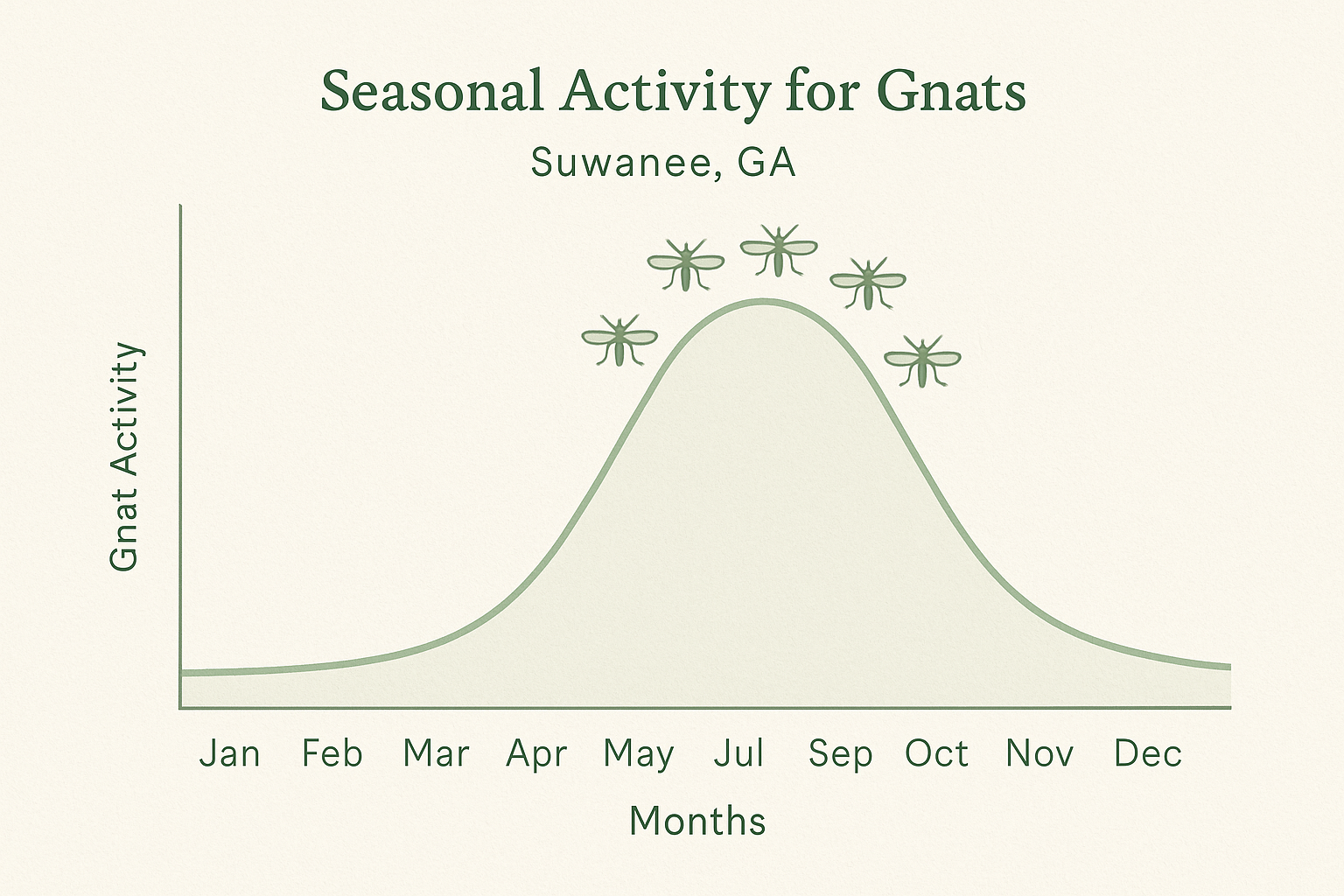
Peak activity: May through September
In Suwanee, the most aggressive gnat activity occurs from late May through September. Early spring may bring a few scattered adults, especially after a warm spell, but the real surge starts when daytime highs consistently exceed 75°F and nighttime lows stay above 55°F. By mid‑summer, the combination of heat and lingering moisture from summer thunderstorms pushes numbers to their highest point.
What intensifies the buzz?
- Heavy rains. A single downpour can saturate the soil, providing an instant breeding ground for larvae.
- Irrigation schedules. Over‑watering lawns or gardens in the evening leaves surface moisture overnight, a perfect incubator for eggs.
- Warm nights. When temperatures don’t drop much after sunset, adult gnats remain active later, increasing mating and egg‑laying cycles.
Practical tip sheet for homeowners
- Adjust sprinkler timing to early morning and avoid watering after 6 p.m.; this lets the soil dry before nightfall.
- Inspect and clean gutters regularly to prevent standing water that attracts gnats.
- Improve drainage around foundations by adding a slight slope or installing French drains.
- Remove or compost organic debris—leaf piles, rotting fruit, and excess mulch—every few weeks during the peak months.
- Consider using a fine mesh screen on vent openings to block adult gnats from entering indoor spaces.
For a deeper dive into environmentally safe practices, the U.S. Environmental Protection Agency offers a comprehensive guide on managing nuisance gnats. Visit the EPA’s resource here: EPA – Managing Nuisance Gnats.
Spotting a Gnat Infestation Early
Gnat problems don’t announce themselves with a loud buzz; they creep in quietly, and by the time you notice a nuisance, the colony may already be thriving. Catching the signs early lets you intervene before a few tiny insects turn into a full‑blown infestation that threatens plants, pets, and your peace of mind.
Indoor clues you shouldn’t ignore
- **Hovering near windows** – Tiny, delicate insects that seem to dance in the sunlight, often gathering on the glass or the sill.
- **Fruit‑fly‑like swarms in the kitchen** – Small black or tan flies buzzing around ripe fruit, trash cans, or damp sponges.
- **Gnats around houseplants** – A sudden increase in the number of insects on the soil surface or flying in circles above foliage.
- **Sticky traps filled with specimens** – If a trap you’ve placed for other pests is suddenly covered in tiny flies, it’s a red flag.
Outdoor clues that signal a growing problem
- **Dense swarms around porch lights** – Gnats are strongly attracted to light; a noticeable cloud at night is a classic warning sign.
- **Concentration near damp mulch or compost** – Moist organic material is a perfect breeding ground, and you’ll see gnats hovering close to the ground.
- **Increased activity near pet water dishes** – Stagnant water draws gnats, so a constant buzz around bowls means the population is expanding.
How to tell gnats apart from other flying pests
Not every tiny flyer is a gnat. Here’s a quick visual cheat‑sheet:
- Size: Gnats are usually 1‑3 mm long—smaller than fruit flies.
- Wing pattern: Their wings are clear and lack the distinct veins you see on flies or moths.
- Flight behavior: Gnats exhibit a weak, erratic flutter, often staying close to surfaces, whereas flies dart more aggressively.
The hidden cost of waiting
Delaying treatment doesn’t just let the numbers rise; it makes eradication harder and more expensive. A small, early‑stage infestation can often be managed with a single targeted spray or a simple DIY trap. Let it grow, and you’ll face:
- **Higher treatment complexity** – Larger colonies may require multiple visits and a broader range of products.
- **Increased pesticide use** – More chemicals mean higher costs and a greater impact on indoor air quality.
- **Potential damage to ornamental plants** – Gnats lay eggs in moist soil; larvae can stress roots, leading to yellowing leaves and stunted growth.
Quick DIY checks you can do today
- Vinegar‑water trap: Fill a small jar with equal parts apple cider vinegar and water, add a drop of dish soap, and cover with plastic wrap pierced with tiny holes. Check after 24 hours for captured gnats.
- Inspect soil moisture: Stick your finger about an inch into potting soil. If it feels soggy, dry it out—gnats love damp environments.
- Monitor light‑attracted swarms: Turn off indoor lights for a few minutes each evening and observe any lingering clouds near windows or doorways.
By staying alert to these early indicators, you can act before gnats become a costly, persistent problem. If the DIY steps reveal a sizable presence, give Anthem Pest Control a call at 877‑371‑8196 or visit our website for a fast, affordable solution tailored to Suwanee homeowners.
Professional Treatment Methods for Gnats
When gnats keep buzzing around your porch, kitchen, or garden, a homeowner-run spray often only offers temporary relief—prompting many residents to turn to a professional gnat exterminator Suwanee homeowners trust. Trained technicians from Anthem Pest Control apply EPA-approved strategies that target the insects at every life stage, reduce re-infestation risk, and keep your family safe. Below is a snapshot of the core methods we use to eliminate gnats efficiently.
Source‑reduction techniques
- Soil drying: Moist soil is a perfect breeding ground for gnat larvae. Professionals adjust irrigation schedules, improve drainage, and incorporate sand or organic mulch to lower moisture levels.
- Compost management: Over‑wet compost piles attract gnats. We advise homeowners to turn compost regularly, add carbon‑rich material, and cover the bin to block adult entry.
- Eliminating standing water: Birdbaths, clogged gutters, and plant saucers are common traps. Our technicians locate and remediate these sources, often installing drip‑irrigation or slope corrections to prevent future pooling.
Chemical options
When cultural controls alone aren’t enough, we turn to low‑toxicity pesticides that are specifically labeled for gnat control.
- Adulticides (perimeter sprays): Applied around the home’s exterior, these products create a protective barrier that kills flying adults before they enter.
- Larvicides (soil applications): Granular or liquid formulations are mixed into the top few inches of soil, disrupting the larval development cycle.
- ULV foggers: For severe outdoor swarms, ultra‑low volume foggers disperse a fine mist that rapidly contacts and immobilizes adult gnats over a wide area.
Barrier treatments
We often mist decks, patios, and entryways with a residual‑action spray. This creates a “no‑fly zone” that lasts several weeks, preventing gnats from re‑establishing on high‑traffic surfaces where families gather.
Integrated Pest Management (IPM) approach
Anthem’s IPM plan blends monitoring, cultural adjustments, and targeted pesticide use. Technicians set up sticky traps to gauge population levels, recommend plant selections that deter gnats, and apply chemicals only when thresholds are exceeded. This balanced strategy minimizes chemical exposure while maximizing long‑term control. Regular quarterly inspections keep the program on track and allow us to adjust treatments before gnats rebound.
Safety considerations
- All products are EPA‑registered and applied by technicians wearing protective gloves, goggles, and respirators.
- Homeowners are advised to keep children and pets indoors for at least two hours after a perimeter spray, and to ventilate indoor spaces if indoor treatments are performed.
- We provide a written safety sheet that outlines post‑treatment precautions, re‑entry times, and any required follow‑up visits.
Following these guidelines ensures that the residual barrier remains effective while protecting the health of everyone at home.
By trusting Anthem Pest Control’s EPA‑approved methods, homeowners in Suwanee gain a long‑lasting, low‑risk solution that DIY sprays simply can’t match.

How Much Does Gnat Extermination Cost in Suwanee and Nearby Cities?
What Drives the Price?
When you ask a pest‑control pro for a quote, three variables usually dictate the final number: the size of your property, the severity of the gnat infestation, and the treatment method you choose. A compact 1,500‑sq‑ft home with a light, isolated outbreak will cost far less than a sprawling 3,000‑sq‑ft property battling a full‑scale swarm. Likewise, a simple “spray‑and‑go” service is cheaper than a comprehensive approach that combines adult‑fly misting, larval drenches, and ongoing habitat modification.
Typical Residential Pricing in Suwanee
For most homeowners in Suwanee, GA, a standard gnat extermination visit falls between $120 and $180. This range assumes a single‑visit treatment that covers both adult gnats and their larvae, includes a follow‑up inspection, and provides a basic warranty on the work performed. Larger homes or severe infestations can push the price toward the upper end of the spectrum, while a quick, targeted spot‑treatment might dip just below $120.
Regional Comparison
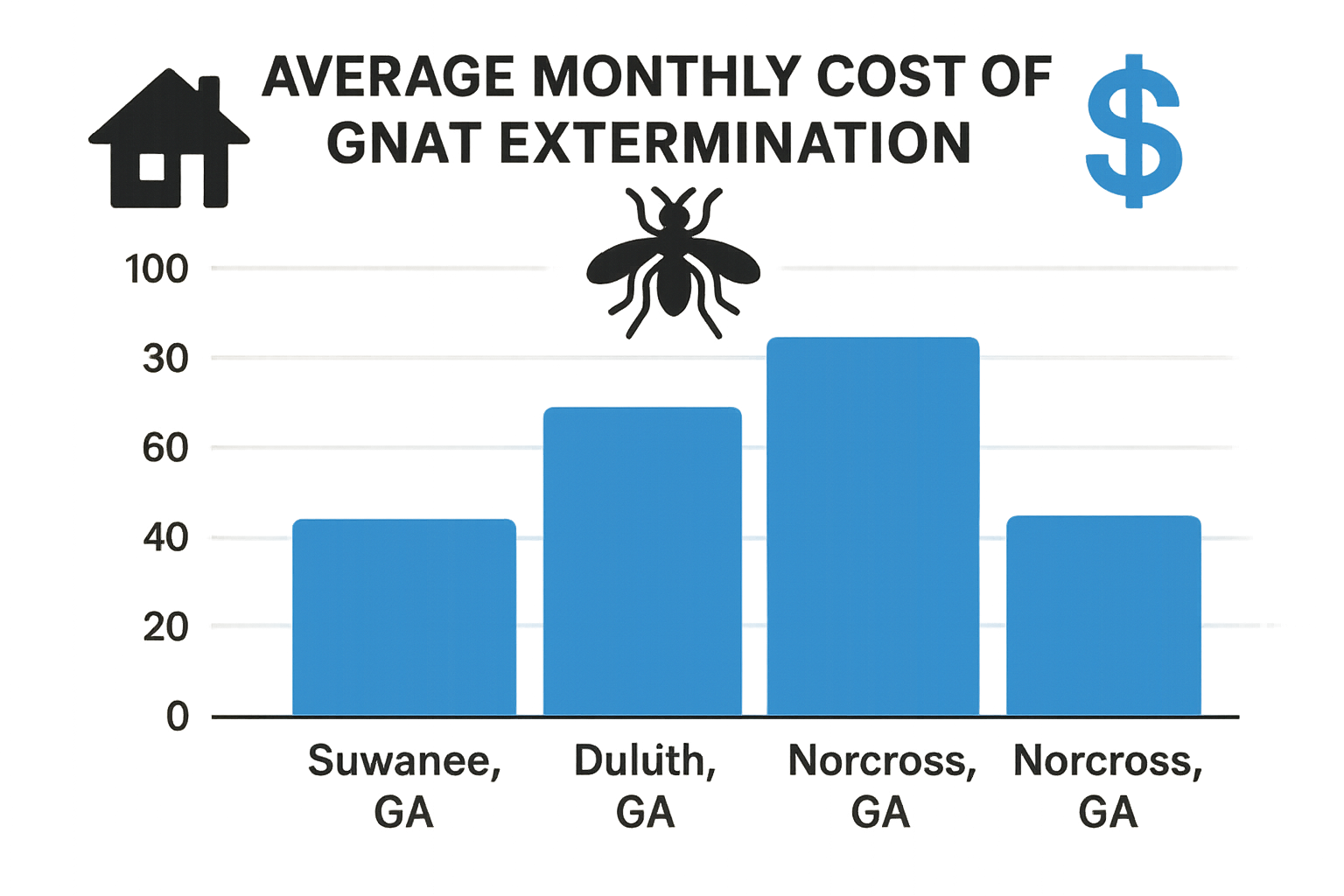
The chart above visualizes how Suwanee stacks up against neighboring cities. While Duluth typically sees prices $10‑$20 higher—often because of larger lot sizes—Norcross can be $5‑$15 cheaper, reflecting a more competitive market. Some providers in Duluth bundle extra services (like landscape sanitation) into their quotes, which explains the premium.
| City | Low End | Typical Range | High End |
|---|---|---|---|
| Suwanee | 120 | 120–180 | 190 |
| Duluth | 130 | 130–200 | 210 |
| Norcross | 115 | 115–175 | 185 |
Value‑Added Services Often Included
- Follow‑up visits: Most reputable companies schedule a complimentary check‑up 2‑4 weeks after the initial treatment.
- Warranty on treatment: Guarantees that gnats will not return within a set period, typically 30‑60 days.
- Preventive maintenance plans: Seasonal visits that keep breeding sites in check and often reduce the per‑visit cost.
Tips for Getting an Accurate Quote
- Request a thorough site inspection before any numbers are quoted; visual assessment beats guesswork.
- Ask explicitly about hidden fees—travel surcharges, equipment rentals, or extra chemicals can inflate the final bill.
- Confirm that the estimate covers both adult gnats and their larvae; some contractors separate these line items.
- Get the quote in writing and verify the warranty terms, so you know exactly what’s protected.
Protect Your Home Today with Anthem Pest Control
Gnats flare up each spring and summer in Suwanee, turning patios and indoor spaces into buzzing nuisances. Early detection—spotting the tiny flies near standing water or damp soil—lets you act before they multiply and invade every corner of your home.
When the problem escalates, professional treatment is the fastest way to restore comfort. Anthem Pest Control combines deep local knowledge of Suwanee’s climate with EPA‑compliant products that target gnats without risking your family or pets. Our transparent pricing means you know exactly what you’ll pay, and there are no hidden fees.
Ready to take the next step? Schedule a free, no‑obligation inspection at a time that fits your busy schedule. Our technicians will assess the source, recommend a tailored plan, and answer any questions you have on prevention.
Give us a call today at 877‑371‑8196 or click the link below to learn more. We’re here to help you enjoy a gnat‑free home all season long.
Visit Anthem Pest Control to connect with a trusted gnat exterminator Suwanee homeowners rely on for fast, effective relief.