Why Mosquitoes Are a Growing Concern in Decatur, GA
Mosquito exterminator Decatur services are increasingly in demand as the city sits in the heart of the Atlanta metropolitan area, where a humid subtropical climate brings hot, sticky summers, mild winters, and frequent rainfall. Decatur’s low-lying neighborhoods, tree-lined streets, and abundant water-holding features—such as storm-drain basins, ornamental ponds, and backyard birdbaths—create ideal breeding grounds for Aedes, Culex, and Anopheles mosquitoes. When temperatures consistently stay above 70°F (21°C) and humidity hovers around 70%, female mosquitoes can lay eggs every few days, allowing populations to explode in a matter of weeks.
Local data confirm that the problem is intensifying. Over the past three years Decatur’s 311 service and the Fulton County Health Department have recorded a 27 % increase in mosquito‑related complaints, ranging from swarms around residential backyards to bite reports on outdoor patios. Neighborhood watch groups on platforms like Nextdoor now post daily “mosquito alerts,” and the city’s vector‑control unit has expanded its weekly larvicide applications to keep pace. These trends show that the nuisance has shifted from an occasional annoyance to a persistent community concern.
National statistics put Decatur’s experience in a broader context:
- CDC: Mosquito‑borne diseases cause more than 1 million cases and over 500 deaths in the United States each year, with West Nile virus and Zika accounting for the majority of recent outbreaks.
- EPA: The Environmental Protection Agency estimates that mosquito control and related health costs exceed $5 billion annually across the country, a figure that rises sharply in regions with prolonged warm seasons.
- NPMA: According to the National Pest Management Association, roughly 60 % of homeowners treat for mosquitoes each summer, and the average household spends $300‑$500 on professional services or DIY products.
The seasonal spike in Decatur typically begins in late May, when daytime highs regularly surpass 80°F (27°C) and standing water from spring showers remains undisturbed. Female mosquitoes accelerate their life cycle, moving from egg to adult in as little as five days. By early July, the population can reach a tipping point, leading to dense swarms that make outdoor gatherings uncomfortable and increase the risk of disease transmission.
Because the window for effective intervention is narrow, early action matters. Treating standing water sources and applying barrier sprays before the peak breeding period can reduce adult mosquito numbers by up to 80 %. Moreover, proactive measures protect vulnerable family members—children, seniors, and anyone with compromised immunity—from bites that could carry West Nile virus, Eastern equine encephalitis, or other pathogens. Homeowners who partner with a local, licensed exterminator like Anthem Pest Control can benefit from targeted, EPA‑registered treatments that are safe for pets and the environment, ensuring a comfortable, bite‑free summer from the outset.
Identifying Mosquito Breeding Sites Around Your Home

Mosquitoes don’t need a pond to start their life cycle—just a tiny pocket of stagnant water. A single teaspoon left in a saucer can hatch dozens of larvae within a week. That’s why a proactive “mosquito audit” is the most cost‑effective first step before you even think about professional treatment.
Common Standing‑Water Sources to Inspect
- Birdbaths and pet water dishes: Empty and refill them daily. Even a shallow rim can hold enough water for larvae.
- Gutters and downspouts: Clogged leaves turn gutters into miniature reservoirs. Clean them at least twice a year.
- Pool covers and tarps: When rain pools on a cover, it creates a perfect hatchery. Remove standing water after storms.
- Old tires, buckets, and planters: These items collect rainwater and are often overlooked in backyards.
- Landscape features: Low‑lying depressions, soggy soil, or decorative fountains without proper circulation can become breeding hotspots.
Step‑by‑Step “Mosquito Audit” Checklist
- Walk the perimeter: Start at the front door and move clockwise. Look for any container that can hold water, no matter how small.
- Inspect indoor areas: Check under the fridge, behind appliances, and inside basements for leaks or puddles.
- Test water depth: Use a spoon; if it can hold a teaspoon of water, it’s enough for mosquito eggs.
- Drain or remove: Empty, scrub, and dry each item. If it can’t be emptied (e.g., a cracked pot), discard it.
- Document findings: Write down problem spots on a piece of paper or a phone note. Prioritize items that are hard to reach or frequently refilled.
- Schedule regular checks: Set a reminder for weekly inspections during the warm months.
Practical Tips for Drainage and Landscape Design
Good water management is the backbone of long‑term mosquito control. Here are a few homeowner‑friendly strategies:
- Improve slope: Ensure the ground around your home slopes at least 2% away from the foundation to prevent pooling.
- Install French drains or dry wells: These low‑maintenance systems move excess water underground where it can’t support larvae.
- Use moving water: A small solar‑powered fountain or a recirculating pump in ornamental ponds disrupts mosquito breeding cycles.
- Choose mosquito‑resistant plants: Native grasses and plants with dense foliage reduce open water exposure and create a less inviting environment.
- Seal cracks: Repair any cracks in patios, driveways, or foundation walls that could trap rainwater.
By eliminating standing water and encouraging proper drainage, you cut the mosquito population at its source. This proactive approach not only reduces the need for chemical treatments but also creates a healthier outdoor space for your family.
For a comprehensive, government‑backed guide on eliminating breeding sites, visit the CDC’s mosquito‑control page. It offers detailed recommendations that complement the steps outlined above.
Health Risks and Warning Signs of Mosquito‑Borne Illnesses
Common mosquito‑borne diseases in the Southeast
- West Nile virus (WNV) – The most frequently reported mosquito‑transmitted disease in the United States.
- Zika virus – Although rare in Georgia, it can cause serious birth defects when contracted during pregnancy.
- Dengue fever – An emerging threat in the Gulf Coast region, especially after heavy rains.
- Eastern equine encephalitis (EEE) – A rare but highly lethal virus that affects both humans and horses.
What the CDC tells us about each disease
The Centers for Disease Control and Prevention (CDC) tracks annual case numbers to gauge risk. In the past five years, the Southeast has seen the following approximate averages:
| Disease | Average U.S. Cases per Year | Typical Incidence in Georgia |
|---|---|---|
| West Nile virus | ≈2,000 | 120–150 (mostly summer) |
| Zika virus | ≈300 | Rare; occasional travel‑related cases |
| Dengue fever | ≈500 | 10–20 (imported, occasional local clusters) |
| Eastern equine encephalitis | ≈30 | 2–4 (sporadic, high‑mortality) |
Each virus follows a similar transmission cycle: an infected bird or mammal hosts the virus, a mosquito bites the host, becomes a carrier, and then passes the virus to humans during subsequent feeds. Warm, humid conditions in Decatur create ideal breeding grounds, accelerating that cycle.
Early warning signs you shouldn’t ignore
Because symptoms often mimic the flu, it’s easy to dismiss them—until they progress. Watch for these red flags:
- West Nile virus: Sudden fever, headache, body aches, joint pain, vomiting, or a skin rash. Severe cases develop neurological symptoms such as confusion, weakness, or paralysis.
- Zika virus: Low‑grade fever, rash, joint pain, conjunctivitis, and mild headache. In pregnant women, seek care immediately—Zika can cause microcephaly and other birth defects.
- Dengue fever: High fever, severe headache, pain behind the eyes, joint and muscle pain (“break‑bone” fever), and a rash that may appear after the fever subsides.
- Eastern equine encephalitis: Rapid onset of fever, chills, severe headache, and stiff neck, followed quickly by disorientation, seizures, or coma.
If you or a family member experiences any of these symptoms after a mosquito bite, especially with a fever that won’t break, contact a healthcare professional right away. Early diagnosis can be lifesaving.
Why untreated mosquito infestations hurt the whole community
The Environmental Protection Agency (EPA) estimates that mosquito control programs can reduce disease incidence by up to 70 % in high‑risk neighborhoods. Meanwhile, the National Pest Management Association (NPMA) reports that areas without regular mosquito management see a 2‑3 × higher rate of hospital visits for mosquito‑related illnesses during peak season.
Beyond personal health, unchecked mosquito populations strain local healthcare resources, increase public‑health spending, and can deter tourism—an economic hit for any community.
Professional control: your most effective line of defense
Homeowners who partner with a licensed exterminator, like Anthem Pest Control, benefit from targeted treatments that interrupt the transmission cycle at its source. Our technicians identify breeding sites, apply EPA‑registered larvicides, and treat adult mosquito hotspots—all while respecting family and pet safety.
When you invest in professional mosquito management, you’re not just protecting your backyard; you’re lowering the odds that West Nile, Zika, or any of the other serious viruses will find a foothold in your neighborhood. Consistent, science‑backed control is the single most reliable way to keep your family—and your community—healthy this summer.
Professional Treatment Options and How They Work
When mosquitoes turn your backyard into a buzzing nightmare, over‑the‑counter sprays rarely cut it. Professional pest control companies like Anthem Pest bring a science‑backed toolbox that attacks both adult mosquitoes and their hidden breeding stages. Below is a clear look at the three main treatment families, the chemistry behind them, and why a certified technician makes all the difference.
Barrier Sprays, Larvicides, and Misting Systems
- Barrier sprays – A residual formulation applied to the exterior of a home, fences, decks, and shaded vegetation. It creates a protective “invisible wall” that kills mosquitoes on contact for weeks.
- Larvicides – Targeted products placed in standing water (birdbaths, gutters, storm drains). They interrupt the life cycle before larvae become flying adults.
- Misting systems – Automated units that disperse a fine mist of EPA‑approved insecticide on a scheduled basis. Ideal for larger properties or community‑wide programs.

How EPA‑Approved Chemicals Target Mosquitoes Safely
All professional products must meet the Environmental Protection Agency’s rigorous safety standards. The most common active ingredients—such as pyrethroids (e.g., bifenthrin, permethrin) and insect growth regulators (IGRs) like methoprene—work in two complementary ways:
- Adult knock‑down: Pyrethroids interfere with the mosquito’s nervous system, causing rapid paralysis and death on contact.
- Larval disruption: IGRs mimic natural hormones, preventing larvae from maturing into biting adults.
Because these chemicals are applied at the lowest effective concentration and only to targeted zones, they pose minimal risk to people, pets, and beneficial insects when used by a trained professional.
Application Frequency and Seasonal Scheduling
Mosquito activity in Decatur peaks from late spring through early fall. A typical professional program follows this timeline:
| Month | Primary Action | Reason |
|---|---|---|
| April | Initial barrier spray & larvicide placement | Pre‑empt early emergence |
| May‑August | Re‑application every 4‑6 weeks | Maintain residual protection during peak season |
| September | Final barrier spray & final larvicide dose | Cover late‑season breeding before winter |
Homeowners who skip these repeat visits often see a resurgence of mosquitoes within days, because the residual effect of the spray diminishes and new breeding sites appear after rain.
Why Trained Technicians Matter
Applying a barrier spray sounds simple, but getting it right requires expertise:
- Correct dosage – Professionals calibrate equipment to deliver the exact amount of product per square foot, ensuring effectiveness without waste.
- Targeted equipment – High‑pressure sprayers, low‑volume foggers, and backpack units each serve specific surfaces. Using the wrong tool can leave gaps or over‑apply chemicals.
- Safety gear – Technicians wear respirators, gloves, and eye protection, reducing exposure for themselves and the household.
- Regulatory compliance – Certified crews keep detailed records, follow local ordinances, and stay current on EPA label updates.
Anthem Pest’s technicians undergo continuous training, so they recognize the most productive spray angles, the safest times to treat near children’s play areas, and how to adjust treatments after heavy rain.
Real‑World Example: A Technician Applying a Barrier Spray
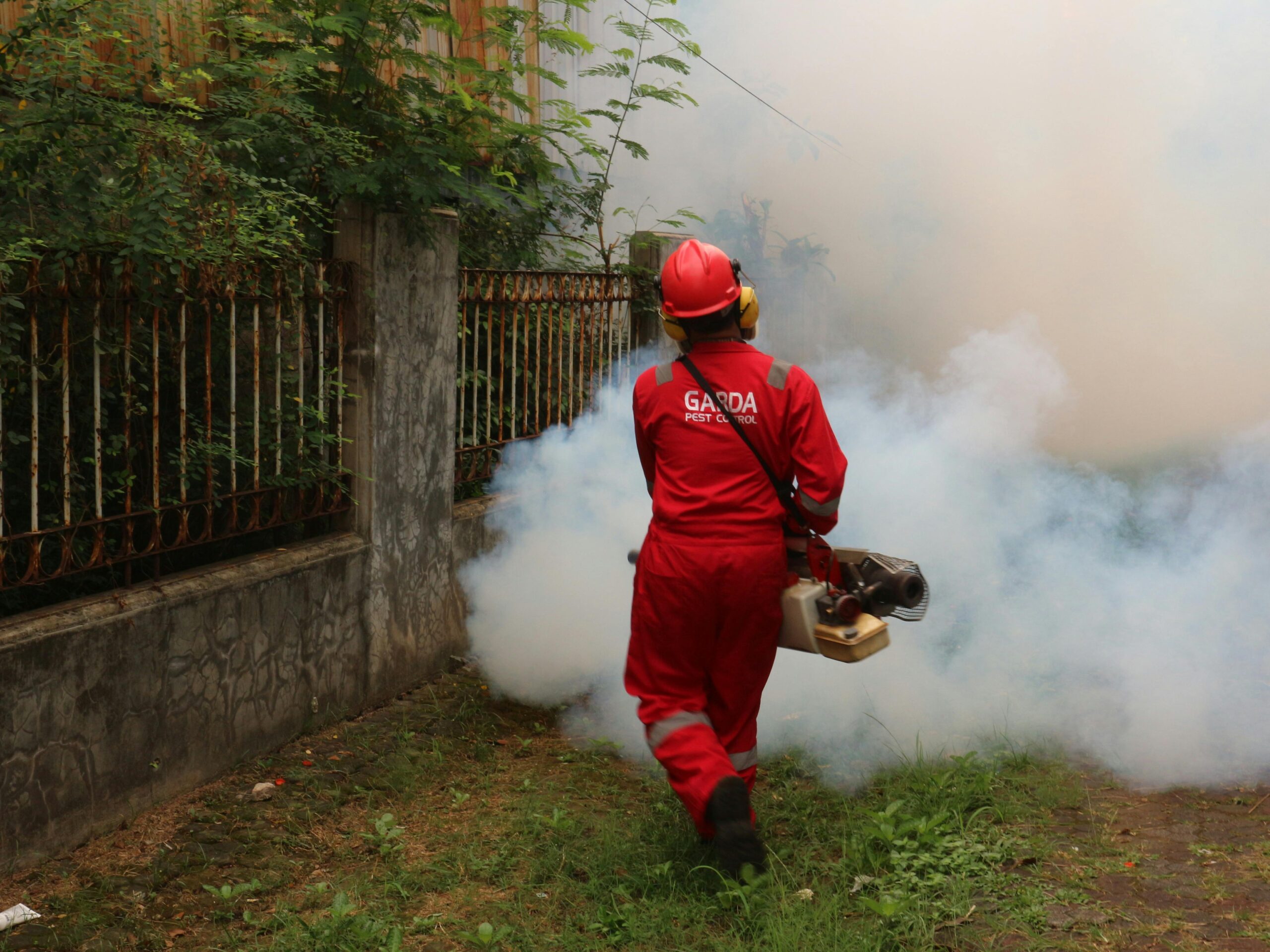
Imagine a warm June evening in Decatur. A homeowner calls Anthem Pest after noticing a surge of mosquitoes around the patio. The assigned technician arrives with a backpack sprayer, a calibrated nozzle, and a handheld GPS map of the property.
First, they walk the perimeter, identifying high‑risk zones: shaded shrubbery, the underside of the deck, and the garage door frame. Using a low‑volume mist, they apply a pyrethroid‑based barrier spray in a thin, even coat, ensuring the droplets cling to foliage and hard surfaces without runoff.
Next, they locate two birdbaths and a clogged gutter that hold stagnant water. A measured dose of methoprene larvicide is added directly to each water source, creating a chemical “time bomb” that stops larvae from maturing.
Finally, the technician logs the exact square footage treated, the product batch number, and the next recommended re‑application date—four weeks later. The homeowner receives a simple report, a reminder for the upcoming service, and peace of mind knowing the mosquito population will be dramatically reduced for the rest of the season.
That hands‑on expertise, precise dosing, and follow‑up documentation are why professional mosquito control consistently outperforms DIY sprays, foggers, or citronella candles. When you choose Anthem Pest, you’re not just buying a product; you’re investing in a proven process that protects your family, your pets, and your outdoor enjoyment.
Pricing, Service Plans, and Seasonal Timing for Mosquito Control
Three Service Options at a Glance
Anthem Pest Control structures its mosquito programs to fit any homeowner’s needs and budget. All three tiers include a thorough property inspection, EPA‑registered adulticide, and a follow‑up call to ensure you’re satisfied with the results.

| Service Tier | Frequency | Price Range | Key Inclusions |
|---|---|---|---|
| One‑Time Treatment | Single visit | $120 – $180 | Initial inspection, spot‑treatment of breeding zones, 30‑day residual protection |
| Quarterly Service | Four visits per season | $380 – $460 | Season‑wide monitoring, barrier sprays every 6‑8 weeks, larvicide application to standing water |
| Annual Subscription | Monthly or bimonthly visits (8–10 total) | $720 – $860 | Comprehensive perimeter protection, continuous larvicide, priority scheduling, complimentary yard assessment each spring |
Cost‑Benefit Analysis
Choosing a longer‑term plan isn’t just about convenience—it’s a smart financial move. Homeowners who opt for quarterly or annual coverage typically see a 30‑40 % reduction in total spend compared with repeated one‑time treatments because each visit builds on the residual barrier left by the previous application.
- Reduced disease risk: Consistent barrier sprays keep adult mosquito populations below the threshold that carries West Nile or Zika viruses, protecting families and pets.
- Property value protection: A well‑maintained yard free of buzzing pests enhances curb appeal and can positively influence resale value, especially in neighborhoods where outdoor living is a selling point.
- Lower long‑term chemical usage: Fewer, strategically timed applications mean less overall pesticide volume while still delivering superior control.
Seasonal Activity in Decatur

The line graph above tracks average mosquito counts from March through November, based on Decatur’s historic climate data. You’ll notice a sharp climb beginning in late May, peaking between June and August, then tapering off as temperatures dip in September.
Anthem recommends initiating your first treatment no later than the first week of May—right before the population surge. Follow‑up applications should be scheduled every 6‑8 weeks during the peak window (June‑August) and then spaced to every 10‑12 weeks as activity wanes in September and October. This timing aligns with the mosquito life cycle: adult emergence, egg laying, and larval development.
Customizing a Plan for Your Home
Every yard is unique, so tailoring a program ensures you pay only for what you truly need. Consider these three factors when deciding which tier fits best:
- Property size: Small suburban lots (under ¼ acre) often thrive on a quarterly schedule, while larger estates or homes with multiple outdoor structures benefit from the annual subscription’s added visits.
- Budget flexibility: If cash flow is a concern, the one‑time treatment can serve as a “test run.” Should you notice lingering hotspots, you can upgrade to a quarterly plan later in the season.
- Risk tolerance: Families with young children, pets, or anyone with a compromised immune system may prefer the continuous protection an annual plan offers, minimizing exposure to disease‑carrying mosquitoes.
Our technicians will conduct a detailed site assessment, map out standing‑water sources, and recommend the optimal spray schedule. By pairing the right service tier with Decatur’s seasonal activity pattern, you’ll enjoy a backyard that’s safe for barbecues, evening gatherings, and quiet evenings on the porch—all without the constant buzz of mosquitoes.
Protect Your Home with Anthem Pest Control Today
In Decatur, the warm evenings and abundant standing water create the perfect breeding ground for mosquitoes. These tiny pests do more than cause itchy bites—they can transmit diseases such as West Nile virus and Zika, and their constant buzzing disrupts outdoor gatherings, backyard barbecues, and even a quiet evening on the porch. Because the mosquito season can start as early as late spring, waiting until the problem is obvious often means you’re already dealing with a large, established population. Early, professional intervention is the most reliable way to keep your yard and home mosquito‑free before the insects become a nuisance.
Why choose Anthem Pest Control? Anthem brings a blend of science, local knowledge, and transparent service that sets it apart from generic pest‑control options.
- EPA‑registered treatments: All products used are approved by the Environmental Protection Agency, ensuring they are effective against mosquitoes while meeting strict safety standards for families, pets, and the environment.
- Locally trained technicians: Anthem’s crew members live and work in the Decatur area. They understand the specific habitats—like the city’s historic oak‑lined streets and nearby wetlands—that attract mosquitoes, allowing them to target problem zones with precision.
- Transparent pricing: No hidden fees or surprise add‑ons. Customers receive a clear, itemized estimate before any work begins, so you know exactly what you’re paying for.
To make the decision even easier, Anthem offers a free, no‑obligation quote for any residential property. Whether you need a one‑time barrier treatment, a seasonal maintenance plan, or a comprehensive year‑round protection package, the company can tailor a solution that fits your budget and your schedule.
Getting started is simple. Call 877‑371‑8196 to speak with a certified technician who will schedule a thorough inspection at a time that works for you. During the visit, the technician will assess standing water sources, shade patterns, and any existing barriers, then recommend the most effective treatment plan.
Ready to enjoy a bite‑free summer? Visit Anthem Pest Control online to learn more about the science behind their mosquito programs, read customer testimonials, and explore flexible service plans that keep your yard protected year‑round.