Why Brookhaven Homeowners Need a Quick Moth Solution

Beyond the annoyance, moth damage can erode your property’s market value. The larvae of pantry moths chew through fabrics, carpets, and stored food, leaving holes, stains, and a lingering odor that potential buyers notice instantly. A well‑documented case in a nearby subdivision showed a $12,000 reduction in resale price after a moth infestation was discovered during the home inspection. The same pattern holds for clothing moths, which can ruin high‑end upholstery and heirloom garments, diminishing the aesthetic appeal that drives higher offers.
Health concerns add another layer of urgency. Moth droppings and shed skins become airborne allergens, triggering asthma attacks and skin irritation for sensitive family members. Moreover, pantry moths contaminate dry goods with feces and webbing, creating a breeding ground for bacteria that can lead to food‑borne illnesses. In a recent survey of Brookhaven households, 18 % of respondents reported allergic reactions after discovering a moth problem, underscoring the hidden medical costs of delayed treatment.
Because moths reproduce rapidly—an adult can lay up to 200 eggs in a single night—waiting even a few weeks allows the population to explode. Engaging a local professional like Anthem Pest Control means you benefit from rapid identification, targeted treatment, and a follow‑up plan that fits Brookhaven’s climate. Our technicians know the specific species that thrive in Georgia’s humid summers and can apply safe, EPA‑approved solutions that protect both your family and your belongings.
In the sections that follow, we’ll walk you through the most common signs of a moth invasion, outline step‑by‑step treatment options, and break down the pricing you can expect from a trusted Brookhaven exterminator. You’ll also find a quick‑reference checklist to help you spot trouble early and a timeline for when to schedule preventative treatments before the next summer surge.
Understanding Brookhaven’s Moth Landscape
When you hear a faint flutter in the pantry or notice tiny holes in a favorite sweater, it’s often the work of two unsuspecting invaders: the pantry moth (Plodia interpunctella) and the clothes moth (Tineola bisselliella). Both species thrive in residential settings, but they target very different resources. Knowing their life cycles and preferred habitats is the first step toward keeping Brookhaven homes moth‑free.
Pantry Moth (Plodia interpunctura)
The pantry moth, sometimes called the Indian meal moth, is a small, amber‑gray flyer with distinctive coppery spots on its wings. Its life cycle can be completed in as little as six weeks under ideal conditions, allowing populations to explode quickly.
- Egg stage: A female lays 100–400 eggs on the surface of stored foods or nearby cracks.
- Larval stage: After hatching, the larvae burrow into grains, cereals, nuts, and dried fruit, feeding voraciously and producing silken tunnels.
- Pupal stage: When ready to transform, larvae spin a cocoon inside the food source or in hidden crevices.
- Adult stage: The adult moth emerges, seeks a mate, and the cycle begins anew.
Pantry moths prefer warm, dry storage areas with abundant food—think kitchen cabinets, pantry shelves, and even pet food bins. They’re especially drawn to products that aren’t airtight, providing easy access for egg‑laying females.
Clothes Moth (Tineola bisselliella)
The common clothes moth is a modest, golden‑brown moth that prefers darkness and low light. Its larvae are the real culprits, feeding on natural fibers such as wool, silk, fur, and even hair.
- Egg stage: Females scatter up to 300 eggs in secluded spots—under seams, in drawers, or behind closets.
- Larval stage: The larvae hatch and begin chewing tiny, irregular holes in fabrics, excreting silk that creates a webbed “tunnel” on the material.
- Pupal stage: After several weeks of feeding, larvae spin a cocoon within the fabric or in nearby crevices.
- Adult stage: The adult moth emerges, lives only long enough to reproduce, and then the cycle repeats.
Clothes moths thrive in undisturbed, humid areas where natural fibers are stored—wardrobes, under‑bed storage, and rarely used blankets. Even a single forgotten sweater can become a breeding ground.
Economic impact: According to the U.S. Environmental Protection Agency, “Moth‑related food loss in the U.S. averages $1.2 billion annually” (EPA). That figure underscores how quickly these insects can turn a minor nuisance into a costly problem.
Why Brookhaven’s Environment Fuels Moth Activity
Brookhaven’s humid subtropical climate creates the perfect backdrop for both pantry and clothes moths. Here’s how local conditions play a role:
- Year‑round humidity: Average relative humidity hovers around 70 % for much of the year. Moisture softens food particles and fibers, making them easier for larvae to digest.
- Proximity to green spaces: The city’s parks and tree‑lined streets contribute organic debris and pollen that can drift into homes, providing additional food sources for pantry moths.
- Seasonal humidity spikes: Spring and early summer bring sudden humidity surges, often coinciding with the opening of windows and doors. Those spikes accelerate egg hatch rates and shorten larval development times.
- Temperature stability: Average summer temperatures stay between 78–85 °F (25–29 °C), a sweet spot for rapid moth reproduction.
Because these factors are largely outside a homeowner’s direct control, the best defense is vigilance. Recognizing the signs—silky webs in closets, clusters of tiny larvae in pantry goods, or a faint “crinkling” sound from fabric—lets you act before an infestation spreads.
In the next sections, we’ll walk you through practical identification tips and the most effective treatment options, so you can protect your Brookhaven home with confidence.
Spotting the Culprits – Moth Identification Checklist

Adult pantry moths (Indian meal moth)
These moths are easy to recognize once you know what to look for. Their wings are a reddish‑brown hue with a distinctive fringe of lighter speckles along the edges. The wingspan measures roughly a half‑inch (about 12‑15 mm), and the insects tend to flutter in a loose, erratic pattern around open food containers, grain bins, or cereal boxes. If you see tiny moths dancing near your pantry shelves, you’re likely dealing with pantry moths.
Adult clothes moths (Webbing or carpet moth)
Clothes moths sport a more muted palette—tan to gray bodies with narrow, pointed wings that lie flat when at rest. They are typically spotted in dark, undisturbed areas such as closets, under beds, or inside storage bins filled with wool, silk, or cashmere garments. Unlike pantry moths, they rarely appear near food; instead, they hover near fabrics, especially when the room is dim.
Larval stage – the real damage agents
Both species share similar larval characteristics. The caterpillar‑like larvae are creamy‑white to light brown, often covered in fine hairs. They spin silk webbing as they feed, creating a silvery‑gray mesh that can be seen on grain piles, cereal boxes, or inside fabric folds. Look for tell‑tale signs such as small holes in clothing, irregular webs in pantry items, or clusters of frass (tiny black droppings) near the damage.
Quick visual checklist
- Inspect pantry items for webbing: Open each bag or box and look for a fine, silvery film or clumped debris.
- Examine closets for cocoons: Pull fabrics apart and search for silky, oval‑shaped cocoons tucked in seams or corners.
- Look for shed skins: As larvae grow, they molt. Tiny, translucent shells left behind are a clear indicator of an active infestation.
- Use sticky traps: Place pheromone‑baited traps in pantry corners and wardrobe shelves; captured adults confirm the species present.
Quick tip: Grab a flashlight and sweep it across dark corners, baseboards, and the backs of pantry shelves. The beam will illuminate hidden larvae and webbing that would otherwise blend into the shadows, giving you a faster, more accurate assessment.
The Edge of Professional Moth Extermination
Over‑the‑counter sprays: limited power, lasting risks
Store‑bought aerosol sprays promise instant knock‑down, but their effectiveness evaporates within days. The residual life is short because the chemicals are formulated to be safe for household use, not to persist against hardy moth populations. Over time, moths can develop resistance, rendering the same bottle useless after a few applications. Moreover, these products often contain pyrethroids or other irritants that can linger on surfaces, posing inhalation and skin‑contact hazards for children and pets.
DIY traps: good for monitoring, poor for eradication
Sticky pheromone traps are popular for “seeing” the problem, and they do a solid job of catching a few adult moths. However, traps capture only the flying stage; they do nothing to eliminate larvae hidden in fabrics, stored grains, or carpet fibers. As a result, a trap‑filled room can still harbor a thriving population that continues to reproduce unnoticed.
What the research says
According to the National Pest Management Association (NPMA), professionally applied treatments achieve an average **85 % reduction in moth activity within just two weeks**. This dramatic drop stems from a combination of EPA‑registered chemicals, targeted application techniques, and follow‑up inspections that address hidden life stages most DIY methods miss.
Cost‑benefit in real terms
Consider a typical residential service: Anthem Pest Control charges roughly $150 for a comprehensive moth treatment, which includes inspection, treatment, and a one‑year warranty. Contrast that with the hidden costs of a failed DIY approach—food loss, ruined clothing, and repeated purchases of ineffective sprays can easily exceed $300 over a year. The professional route not only saves money but also spares you the frustration of repeated damage.
Health and safety advantages
Professional technicians use EPA‑registered products that are applied at concentrations safe for indoor environments while remaining lethal to moths at every life stage. These formulations are vetted for minimal residue, and applicators follow strict safety protocols—something a homeowner rarely replicates when spraying from a can. By entrusting the job to trained pros, you reduce toxic exposure for your family and pets while ensuring the infestation is truly eliminated.
Selecting a Trusted Brookhaven Moth Exterminator
Brookhaven‑Based Technicians Who Speak Your Home’s Language
Anthem Pest maintains a dedicated Brookhaven office staffed by EPA‑registered technicians who have spent years navigating the neighborhood’s classic bungalows, modern townhomes, and sprawling single‑family houses. Because they know the typical construction materials, ventilation patterns, and common entry points in our area, they can pinpoint where moths are hiding—whether it’s the attic insulation of a 1960s ranch or the tight crawl spaces of newer developments.
Credentials You Can Verify
- EPA‑registered: All treatments comply with federal environmental standards, ensuring safety for your family and pets.
- Georgia state‑licensed: Technicians hold the state’s required pest‑control licenses, reflecting rigorous training and ongoing education.
- National Pest Management Association (NPMA) member: Membership signals a commitment to industry best practices and continuous improvement.
What Brookhaven Homeowners Are Saying
“I called Anthem Pest after discovering moth larvae in my wool blankets. They arrived within an hour, identified the source in the attic, and completed a thorough treatment. The follow‑up call the next day gave me peace of mind—my home feels moth‑free again!”
— Sarah J., Brookhaven homeowner
Quick Comparison: Anthem Pest vs. Local Competitors
| Company | Price Transparency | Warranty | Average Response Time |
|---|---|---|---|
| Anthem Pest | Up‑front, all‑inclusive quote | 2‑year treatment guarantee | Within 60 minutes |
| Local Co. A | Estimate after inspection | 6‑month guarantee | 2–4 hours |
| Local Co. B | Variable pricing, hidden fees possible | No formal warranty | Same‑day, but often after peak hours |
Choosing a provider that offers clear pricing, a solid warranty, and rapid response can save you both time and money. Anthem Pest checks every box, giving Brookhaven residents confidence that the moth problem will be handled efficiently and responsibly.
Ready to protect your wardrobe and home? Call Anthem Pest at 877‑371‑8196 or visit anthempest.com to schedule your local, certified treatment today.
Treatment Options and Transparent Pricing
When it comes to moth infestations, a one‑size‑fits‑all approach rarely works. At Anthem Pest Control we offer three clearly defined service packages that let you choose the level of protection that matches your home’s needs and your budget. Each package includes a thorough on‑site inspection, all necessary treatment materials, professional labor, and a post‑treatment warranty so you know exactly what you’re paying for—no hidden fees.
Service 1: Targeted Spray for Attic and Clothing Storage
This package zeroes in on the hotspots where moth larvae love to hide—attics, closets, and any storage areas that hold fabrics. Our certified technician first inspects the space, identifies any unseen infestations, and then applies a low‑toxicity, fast‑acting spray that kills both larvae and adult moths. The treatment is followed by a 30‑day warranty; if you see new activity within that window, we’ll re‑treat at no extra charge. Pricing for a single visit ranges from $120 to $180, depending on square footage and the severity of the problem.
Service 2: Whole‑Home Pheromone Trap Installation
For homeowners who prefer a non‑chemical, continuous‑monitoring solution, our pheromone trap package is ideal. We strategically place traps throughout the house—near windows, in hallways, and inside wardrobes—to attract male moths and disrupt their mating cycle. Each trap comes with a clear placement guide, and we return after two weeks to replace any saturated units and review the capture data with you. This proactive approach helps keep the population from ever reaching damaging levels. The flat fee for a complete whole‑home installation is $150 to $200.
Service 3: Integrated Pest‑Management (IPM) Package
The IPM package combines the best of both worlds: a targeted spray, a full set of pheromone traps, and quarterly follow‑up visits that fine‑tune the treatment as the season changes. After the initial inspection, we apply the spray to vulnerable zones, install traps, and provide you with a detailed report that outlines findings, actions taken, and recommendations for long‑term prevention. Quarterly visits include trap checks, re‑application of spray where needed, and a written guarantee that your home will remain moth‑free for at least one year. This comprehensive solution is priced between $200 and $250, reflecting the added labor and materials involved.
Regardless of which package you select, Anthem Pest Control ensures that every step of the process is transparent. Our technicians document the inspection findings, explain the chemistry behind the products, and walk you through the warranty terms so you never wonder about a charge.
What’s Covered in Every Package
- Comprehensive on‑site inspection by a licensed technician.
- All treatment chemicals, traps, or spray equipment required for the chosen service.
- Professional labor, including application, placement, and clean‑up.
- Post‑treatment warranty or guarantee specific to each package.
Optional Add‑Ons for Extra Peace of Mind
- Food‑grade storage containers to keep textiles and pantry items sealed from moth access.
- Closet liners treated with moth‑repellent compounds for an added barrier.
- Seasonal reminder service—an automated call or email when it’s time for the next preventive visit.
These extras are priced individually, typically $25–$45 each, and can be bundled into any package for a seamless, all‑in‑one invoice. Investing in a storage container or a closet liner not only protects your fabrics but also reduces the likelihood of a future re‑infestation.
DIY Prevention Strategies for Long‑Term Protection
Even after a professional treatment, the best defense against moths is a solid, everyday routine you can manage yourself. The following low‑cost steps keep your home inhospitable to larvae and eggs, turning your pantry and closets into moth‑free zones without breaking the bank.
Airtight Food Storage
Pantry staples—flour, grains, cereals, nuts, and dried fruit—are moth magnets when left in flimsy packaging. Transfer these items into glass jars or heavy‑duty plastic containers that seal tightly. Look for containers with a silicone gasket and a “snap‑lock” lid; they create an oxygen‑free barrier that moths can’t penetrate. Not only does this stop new infestations, it also preserves freshness and prevents cross‑contamination.
Regular Vacuuming
Vacuuming isn’t just for dust; it’s a proven way to remove hidden moth life stages. Schedule a quick vacuum of closets, pantry corners, and the undersides of furniture at least once a week. Focus on seams, folds, and crevices where larvae and eggs love to hide. After each pass, immediately empty the vacuum bag or canister into a sealed trash bag and discard it outside the home. This eliminates any stray eggs before they can hatch.
Seasonal Clothing Rotation
Out‑of‑season garments are prime real estate for adult moths seeking a place to lay eggs. Before you tuck sweaters, scarves, or coats away, give them a hot wash (or dry‑clean if the label requires) to kill any unnoticed larvae. Then, store each item in a zip‑top garment bag or a vacuum‑sealed bag. For extra protection, add a few sachets of cedar or lavender—natural repellents that won’t harm fabrics.
Seasonal Checklist
Breaking prevention into four easy‑to‑remember tasks helps you stay on track all year long:
- Spring Pantry Audit: Pull everything out, discard expired goods, and transfer remaining items to airtight containers.
- Summer Deep‑Clean: Vacuum shelves, wipe down surfaces with a mild detergent, and inspect for any signs of moth activity.
- Fall Clothing Storage Prep: Launder, dry, and seal garments in garment bags before placing them in a climate‑controlled closet.
- Winter Inspection: Check stored clothing and pantry items for fresh damage; repeat vacuuming and re‑seal any containers that look compromised.
Following this cyclical routine reduces the chance of a hidden infestation resurfacing after a professional service.
For added confidence, align your pantry practices with the CDC’s pantry safety recommendations. The agency emphasizes sealing food, maintaining cleanliness, and regular inspections—exactly the steps outlined above.
By integrating these simple habits into your weekly and seasonal chores, you create a long‑term barrier that keeps moths at bay, protects your belongings, and lets you enjoy a pest‑free home year after year.
Timing Is Key – Seasonal Moth Activity in Brookhaven
Understanding when moths are most active in Brookhaven lets you stay one step ahead of a potential infestation. The local climate creates a predictable rhythm, and a quick glance at the activity chart below shows exactly when the pressure builds.
| Month | Activity Level |
|---|---|
| May | Rising |
| June | High |
| July | Peak |
| August | Peak |
| September | Tapering |
| October – April | Low/Inactive |
Why June‑August Is a Moth Hotspot
Brookhaven’s warm, humid summer days provide the perfect incubator for moth eggs and larvae. Temperatures consistently sit between 78°F and 90°F, while nighttime humidity often exceeds 70 %. These conditions accelerate egg development and give caterpillars the moisture they need to thrive on fabrics, stored foods, and outdoor vegetation.
By the time July rolls around, a single female can have laid hundreds of eggs, each destined to hatch within a week. Without interruption, the population can explode, leading to the noticeable damage homeowners associate with “summer moths.”
Early Summer Treatment Stops the Cycle
Targeting the rise in May—before the first wave of eggs reaches maturity—disrupts the reproductive cycle at its most vulnerable point. A professional treatment applied in early May eliminates adult moths that are just beginning to lay eggs, and it creates a residual barrier that prevents newly hatched larvae from establishing a foothold.
When you act early, you:
- Reduce the number of eggs that can hatch in June.
- Limit the size of the July‑August peak.
- Save on future control costs by avoiding a massive summer outbreak.
“Brookhaven’s subtropical climate means moths can complete two full generations before fall. Intervening in May cuts that cycle short, keeping populations manageable throughout the season.” – Dr. Lena Carter, Local Entomologist
Quick tip: Call Anthem Pest Control for a pre‑summer inspection by the first week of May. Our certified technicians will assess vulnerable entry points, set up targeted treatments, and give you a clear plan to keep moths at bay all summer long.
Frequently Asked Questions About Moth Control
Below are answers to the most common questions we hear from Brookhaven homeowners about moth control.
Do moth treatments affect pets?
At Anthem Pest Control we use EPA‑approved, low‑toxicity formulations that are designed to be safe for people and animals. The chemicals are applied in a fine mist that quickly settles on surfaces where moths hide. While the product is non‑lethal to pets, we recommend keeping cats, dogs, and other animals out of the treated area for the short re‑entry period specified on the label—usually 30 minutes to an hour. Once that time has passed, normal household activity can resume and your furry friends are safe to roam again. After the re‑entry time, simply wipe down surfaces with a mild soap solution if you’re concerned about residue.
How long before I see results?
Moth populations respond quickly to a properly applied treatment. Most homeowners notice a noticeable knock‑down in adult moth activity within 48–72 hours. Eggs and larvae take a bit longer to die off, so you may continue to see a few remnants for a week or two. In severe infestations, a second visit is often scheduled to target any survivors and to apply a residual barrier that prevents new moths from establishing. With the follow‑up, complete eradication is typically achieved within two to three weeks. If you notice activity persisting beyond the second week, give us a call and we’ll schedule a follow‑up at no extra charge.
Will my insurance cover pest control?
Generally, homeowner’s insurance treats routine pest control as a maintenance expense, which means it’s not covered under most policies. However, some insurers offer limited coverage for damage that results directly from an untreated infestation—such as structural damage caused by extensive moth larvae feeding on fabrics or wood. The safest approach is to review your policy’s fine print or call your agent to ask whether any portion of the cost can be reimbursed. In most cases, budgeting for a professional moth treatment as a preventive investment will protect both your home and your wallet. Some policies also include an optional rider for pest‑related claims, so ask your insurer if that’s available for added peace of mind.
Contact Anthem Pest for a Free Brookhaven Inspection
Ready to stop moths before they turn your closet into a pantry? Call our toll‑free line at 877‑371‑8196. The number is dedicated to Brookhaven residents, so you’ll reach a local specialist instantly—no routing, no wait.
Our online booking page lets you lock in a free 15‑minute inspection with just a few clicks. Whether you’re on a desktop or a mobile device, the process is quick, secure, and designed for busy homeowners.
Schedule your free 15‑minute inspection today and protect your home before the summer surge. In under a quarter‑hour, our certified technician will assess your property, identify any moth activity, and outline a customized action plan—all at no cost to you.
What You Get With Anthem Pest
- 30‑day satisfaction warranty: If you’re not completely happy with the results, we’ll return and make it right.
- Transparent pricing: No hidden fees, no surprise charges—just a clear, upfront quote.
- Local expertise: Our technicians know Brookhaven’s housing styles, from historic bungalows to modern townhomes, and understand how the local climate influences moth behavior.
- Safe, effective solutions: We use EPA‑approved products that protect your family and pets while eliminating pests.
Brookhaven’s summer heat can accelerate moth life cycles, making early detection crucial. Our team’s familiarity with the area means they can spot hidden hotspots—like attic corners, stored clothing, and pantry shelves—before an infestation takes hold.
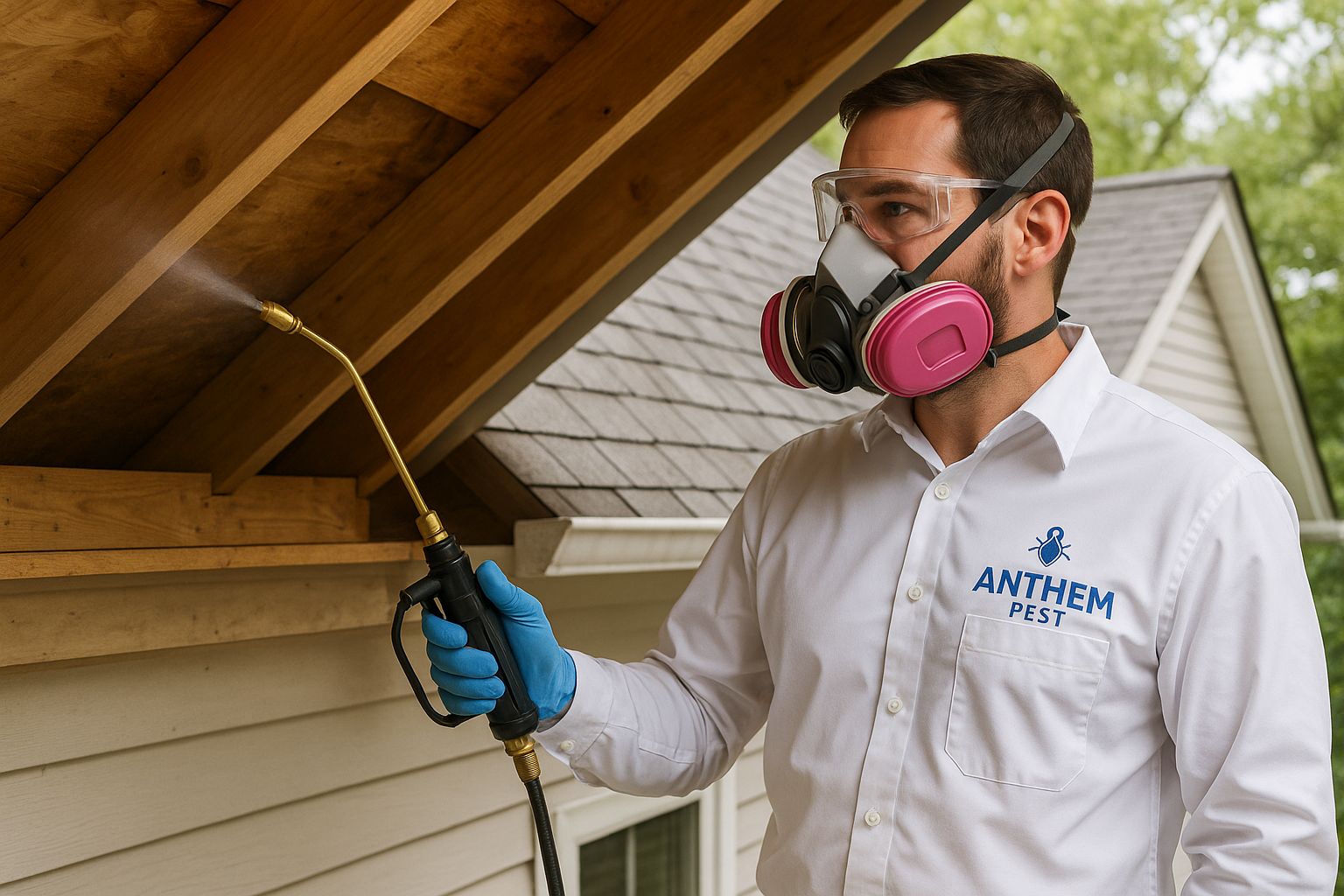
Don’t wait for the damage to become visible. Pick up the phone, tap the link, or use our mobile app to claim your free inspection. With Anthem Pest, Brookhaven homeowners get the peace of mind that comes from a proactive, locally‑focused pest control partner.
Take Action Now – Secure Your Home with Anthem Pest
Moth infestations don’t wait for the right season—they strike as soon as they sense an easy food source. Left unchecked, they can chew through pantry staples, ruin delicate fabrics, and even diminish your property’s resale value. The fastest, most reliable defense is a professional intervention before the problem spreads.
Why Anthem Pest Is Your Best Defense
Anthem Pest combines local expertise with EPA‑registered treatments that target moths at every life stage. Our technicians know Brookhaven’s unique climate patterns, allowing us to apply the right product at the optimal time. Transparent pricing means you’ll never encounter hidden fees, and our satisfaction guarantee ensures we stay until the job is done right.
Early Action Saves Money
Every day you delay, the risk of costly damage rises. A single moth larva can ruin an entire sack of flour, and a small infestation in closets can destroy months of clothing. By scheduling a free inspection now, you lock in a preventive plan that protects your pantry, wardrobe, and home equity—all without breaking the bank.
Schedule Your Free Inspection Today
Our complimentary inspection is designed to pinpoint the exact source of the moth activity and recommend a tailored treatment plan. There’s no obligation, just a clear roadmap to a moth‑free home. Give yourself peace of mind and avoid the expense of emergency repairs.
Ready to act? Call us at 877‑371‑8196 or click the link below for an instant quote. Our friendly team is standing by to answer your questions and set up a convenient appointment.