
Moth Threats Rising in Dunwoody

Just last week, a resident of Perimeter Center called in frantic about a pantry that smelled “old and musty.” When our technician opened the cabinet, dozens of pantry moth larvae were crawling over cereal boxes, turning a simple snack stash into a breeding ground. A similar story unfolded in Dunwoody Village, where a family discovered tiny holes in their favorite throw blankets after a summer of quiet evenings. These anecdotes aren’t isolated incidents; they illustrate a sharp uptick in moth complaints across the area.
Moths may seem harmless, but their larvae are relentless destroyers. In the kitchen, they infest grains, flour, nuts, and dried fruit, contaminating food stores with silk, droppings, and shed skins. In closets and living rooms, they chew through wool, cotton, and even synthetic fibers, leaving unsightly holes and weakening the integrity of cherished garments and upholstery. Beyond the visible damage, moth debris can trigger allergic reactions, especially in sensitive individuals, leading to sneezing, itchy eyes, and respiratory irritation. For a deeper look at these health concerns, see the CDC’s overview of indoor allergens.
That’s why Anthem Pest is stepping in as Dunwoody’s trusted moth‑control partner. Our team offers a 24‑hour response window, meaning we’re on call day or night to assess the infestation, contain the spread, and implement targeted treatments that protect both food supplies and fabrics. We combine proven, low‑toxicity products with thorough inspections to locate hidden larvae and prevent future outbreaks.
Understanding the scope of the problem is the first step. In the sections that follow, we’ll walk you through the life cycle of common household moths, the warning signs to watch for, and the proactive measures you can take to keep your home moth‑free. With Anthem Pest’s rapid response and local expertise, you’ll have the confidence to protect your pantry, wardrobe, and family health before the next surge hits.
Common Moth Species in Dunwoody Homes
Pantry Moths (Indian Meal Moth)
Pantry moths, scientifically known as Plodia interpunctella, are the most frequent kitchen invader in Georgia homes. Adult moths are small—about ½ inch long—with a distinctive two‑tone wing pattern: amber forewings crossed by a dark band and silvery‑gray hindwings. Their larvae are creamy, silk‑spinning caterpillars that tunnel through grains, cereals, nuts, and dried fruit, leaving behind webby tunnels and tiny fecal pellets.
Clothes Moths (Webbing and Carpet Moths)
Clothes moths, primarily Tineola bisselliella (webbing moth) and Trichophaga tapetzella (carpet moth), target natural fibers. The adult webbing moth is a plain, tan‑gray moth about ¼ inch long, while the carpet moth is slightly larger with a mottled brown appearance. Their larvae feed on wool, silk, fur, and even felt, creating irregular, silken tunnels that appear as “webbing” on the surface of garments or upholstery.
Webbing Moths (Case‑Bearing Moth)
Often confused with clothes moths, the webbing or case‑bearing moth (Tinea pellionella) builds a protective case from silk and fabric fibers. The adult is a tiny, dull‑brown moth that rarely flies far from its food source. The hallmark of an infestation is a silvery‑white, portable case that the larva carries as it chews through wool blankets, stored sweaters, or even pet bedding.
EPA statistic: Approximately 12 % of U.S. households experience pantry moth infestations each year, according to the Environmental Protection Agency’s pesticide usage report. Source.
Case Study – A Dunwoody Kitchen Overrun
When Sarah M., a homeowner in the heart of Dunwoody, opened her pantry for a routine snack, she found a carpet of tiny moths fluttering among her cereal boxes. Within days, the larvae had spun a dense web across her flour, rice, and even her unopened spice jars. By the time she called Anthem Pest Control, the infestation had spread to three shelves, prompting a comprehensive removal of all contaminated dry goods and a targeted treatment that eliminated the moths and sealed future entry points.
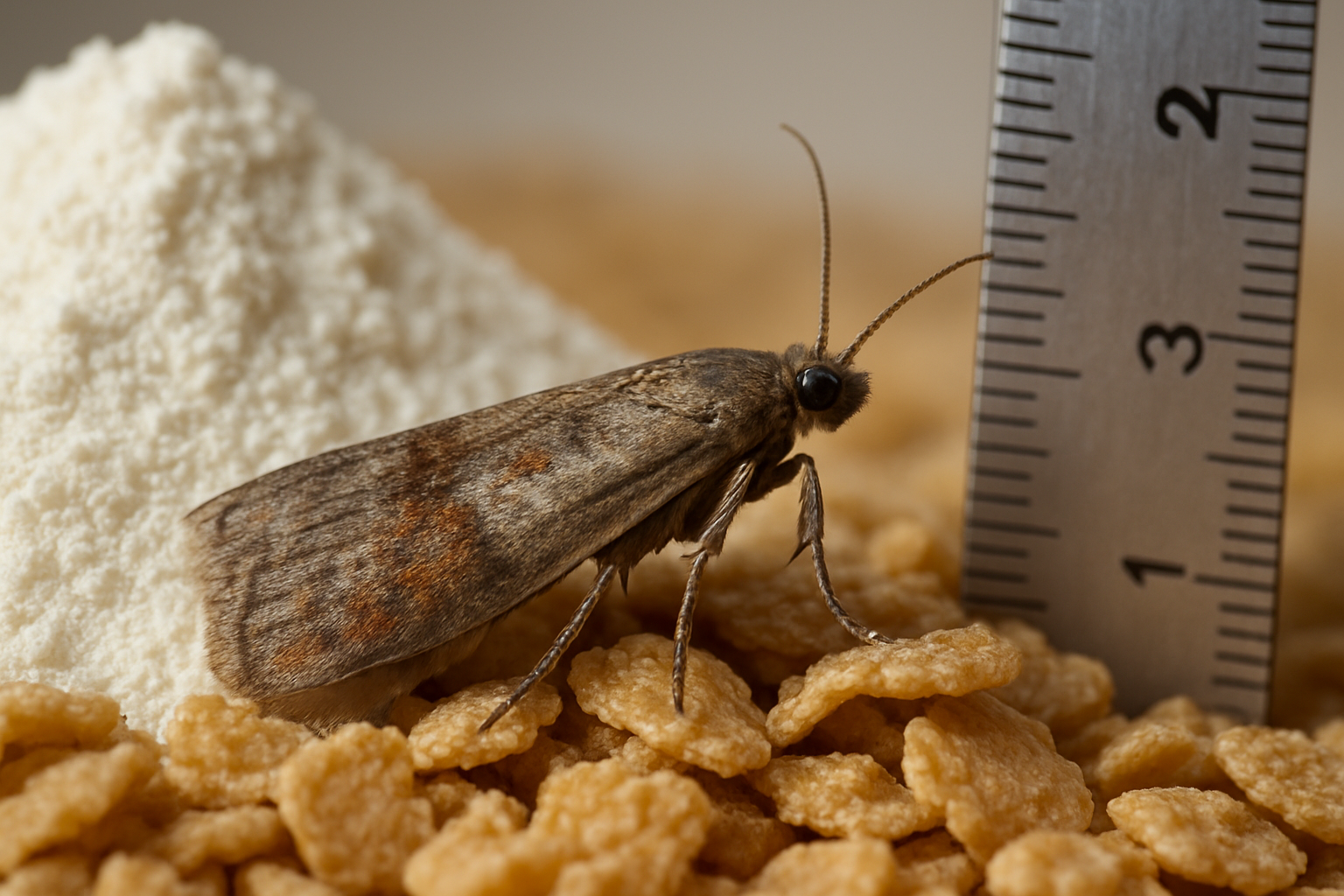
By learning the visual cues—wing color, size, and the type of webbing each species leaves—you can quickly confirm which moth is lurking in your home. Early detection lets you act before the larvae cause irreversible damage to food stores, clothing, or upholstery, and it gives Anthem Pest Control a clear starting point for an effective, targeted treatment plan.
Early Signs of a Moth Infestation
Before a moth problem spirals into a full‑blown invasion, the tell‑tale clues are often right under your nose. Spotting these hints early not only saves you time and money, it also prevents damage to pantry items, fabrics, and even your family’s health.
Common Hallmark Signs
- Larvae in flour or grains: Small, creamy‑white caterpillars weaving through pantry staples like rice, cereal, or flour are a classic red flag.
- Silken webs in closets or drawers: A fine, cobweb‑like film on wool sweaters, scarves, or stored linens signals that adult moths have been laying eggs nearby.
- Adult moths fluttering at night: If you notice tiny, tan or gray moths dancing around lights after dusk, they’re likely the adult stage seeking mates and new food sources.
“Moth particles can trigger allergic reactions and asthma symptoms in sensitive individuals.” – Centers for Disease Control and Prevention
The CDC warns that airborne scales and droppings from moths act as allergens, especially for children, the elderly, and anyone with pre‑existing respiratory conditions. That’s why catching the problem early is as much about health as it is about protecting your home.
Early‑Detection Checklist
- Inspect pantry items weekly for tiny, moving larvae or webbing.
- Shake out clothing and linens stored for longer than six months; look for silky threads or small holes.
- Turn on a light at night and watch for fluttering moths near windows or lamps.
- Check vacuum bags and filters for moth scales after cleaning closets.
- Smell for a musty, “old fabric” odor, which can indicate a hidden infestation.
- Note any family members experiencing unexplained sneezing, coughing, or itchy eyes after spending time in kitchens or closets.
Keep this checklist on your refrigerator or in a kitchen drawer. A quick visual scan each week can catch a budding moth problem before it spreads to your entire home. When you do spot any of these signs, contact a trusted local professional—like Anthem Pest Control—to assess the situation and implement a safe, targeted treatment plan.
Why DIY Moth Control Often Fails
Common DIY Tactics and Their Limits
Many homeowners reach for the nearest pantry staple or a cheap store‑bought trap when moths appear. Pheromone traps, often marketed as “catch‑and‑release” solutions, can lure a few adult moths but rarely intercept the larvae hidden in closets or pantry shelves. Vinegar or essential‑oil sprays are popular because they’re inexpensive and “natural,” yet they evaporate quickly and lack the residual activity needed to break a life cycle. Homemade mixtures—such as soap‑and‑water or rubbing alcohol blends—may knock back a few insects, but studies consistently show success rates hovering around 30‑50 % at best.
What the Numbers Really Say
That gap isn’t just anecdotal. The National Pest Management Association’s 2023 survey of over 2,000 residential treatments found a 95 % eradication rate when licensed technicians applied EPA‑approved moth formulations, compared with only about 45 % success for DIY attempts using over‑the‑counter products. The professional edge comes from calibrated application methods, proper coverage of hidden crevices, and follow‑up visits that catch any late‑emerging larvae. The data underscores why a qualified exterminator can deliver near‑complete control in a single service window. Source
Safety and Chemical Efficacy
Beyond effectiveness, safety is a major differentiator. EPA‑registered moth insecticides are formulated to target the pest while minimizing residue on fabrics and food‑storage areas, and they must meet strict toxicity thresholds before reaching the market. In contrast, many DIY sprays rely on undiluted vinegar, essential oils, or homemade bleach solutions that can damage delicate fibers, corrode metal hardware, or even irritate skin and respiratory passages if applied incorrectly. Professional technicians also wear protective gear and follow containment protocols, reducing the risk of accidental exposure for the entire household.
Risk of Incomplete Control and Re‑infestation
Because moths spend most of their life hidden as larvae, a superficial spray rarely reaches the source of the infestation. Homeowners who stop after a single DIY application often see adult moths return weeks later, a clear sign that the underlying larvae survived. Moreover, incomplete treatment can push surviving insects to migrate to neighboring rooms, spreading damage to clothing, upholstery, and stored foods. Investing in a professional service eliminates these blind spots, delivers a thorough, residual barrier, and gives you peace of mind that the problem is truly resolved.
Selecting a Trusted Moth Exterminator
When a moth infestation shows up in your attic or pantry, you need a professional who can eliminate the problem quickly and safely. Not every pest‑control outfit has the same level of expertise, so use a simple checklist to separate the qualified from the “just‑in‑the‑neighborhood” options.
Checklist of Qualifications
- Proper licensing and insurance. In Georgia, a reputable exterminator must hold a state‑issued pest‑control license and carry liability insurance that protects you if something goes wrong during treatment.
- EPA‑registered products. Look for companies that only apply
Anthem Pest’s Step‑by‑Step Treatment Process
Phase 1: On‑site Inspection and Species Identification
When our certified technician arrives, the first 30‑45 minutes are spent walking through your home, focusing on kitchens, pantries, closets, and any cracks or gaps where moths could be entering. Using a handheld magnifier and a portable light source, they locate larvae, webbing, and adult moths, then collect a few specimens for lab confirmation. Accurate species identification—whether it’s the pantry moth Plodia interpunctella or the clothes moth Tineola bisselliella—guides the choice of treatment, ensuring you don’t pay for unnecessary chemicals.
Phase 2: Targeted Application of EPA‑registered Treatment
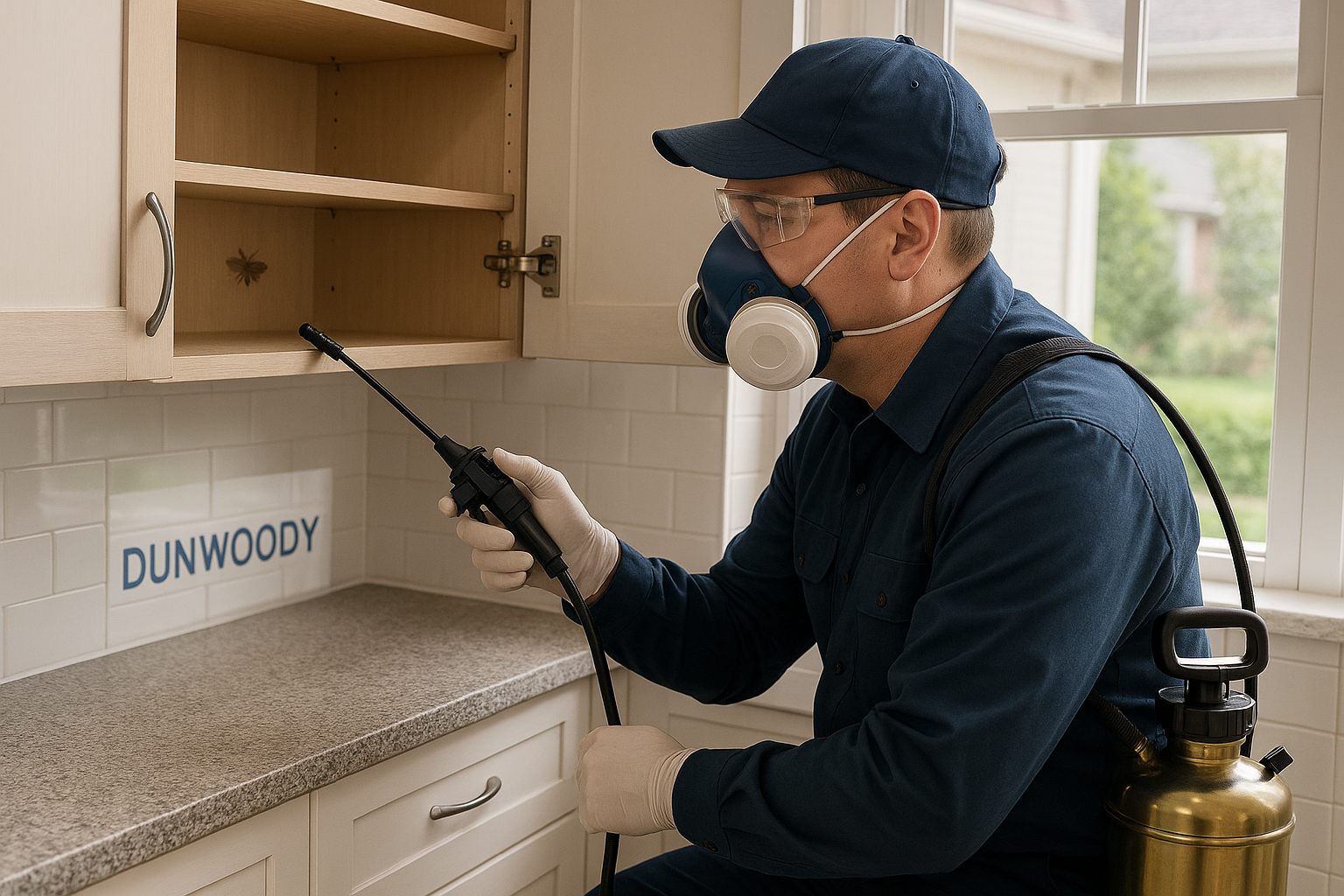
Once the pest is confirmed, we apply a low‑odor, EPA‑registered formulation precisely where it’s needed. In pantry areas, the spray is directed onto shelves, corners, and the undersides of stored‑food containers, creating a residual barrier that kills larvae and prevents eggs from hatching. For closets and garment storage, we treat baseboards, hanging rods, and the interior of wardrobes, focusing on seams and dark crevices where moth larvae love to hide. All products are approved for indoor use around children and pets, and our technicians wear protective gear to keep your household safe. The entire application typically takes 20‑30 minutes, after which we give you simple instructions on how long to keep food sealed and when to vacuum treated zones.
Phase 3: Post‑treatment Monitoring and Follow‑up Visit Schedule
Eliminating moths isn’t a one‑time event; we back our work with a structured monitoring plan. Within 7‑10 days after the initial treatment, a technician returns to inspect for any surviving insects, replace monitoring traps, and assess the effectiveness of the residual barrier. If activity persists, a second, lighter application is performed at no extra charge. After the second visit, we schedule quarterly check‑ins during peak moth season (late summer through early winter) to catch any new introductions before they become infestations.
AI-generated image Pricing Overview
- Pantry‑only treatment: $150 – $300 (covers inspection, targeted spray, and first follow‑up)
- Combined pantry & clothing service: $200 – $350 (includes additional closet applications and extra monitoring)
Optional Preventive Package
For homeowners who want peace of mind year‑round, Anthem Pest offers an annual monitoring and seasonal treatment bundle. The package includes two comprehensive inspections, four targeted applications (spring, summer, fall, winter), and unlimited trap replacements. Pricing starts at $450 per year, a modest investment compared to the cost of replacing damaged food stocks or ruined garments.
Dunwoody Resources and Community Support
Keeping your home pest‑free isn’t just about treatments; the city, your neighbors, and proper waste disposal all play a part.
Waste‑Management Guidelines
- Separate food scraps from recyclables and place them in sealed compost bins or the city’s green‑waste containers.
- Avoid dumping grease, meat, or dairy down the sink; instead, pour them into a disposable container before trash.
- Schedule bulk‑waste pickups for large food‑related items to prevent attracting insects and rodents.
Neighborhood Association Pest‑Watch Programs
- The Dunwoody Community Association runs a quarterly pest‑watch newsletter—sign up at the neighborhood office or online.
- Volunteer for the “Spot‑and‑Report” patrol; members receive a simple checklist to flag ant trails, cockroach sightings, or rodent activity.
- Participating homes get a free home‑inspection coupon from local partners like Anthem Pest Control.
Georgia Department of Agriculture Pest Hotline
Georgia’s Department of Agriculture operates a 24‑hour pest hotline. Call (800) 555‑0199 or email pesthelp@ga.gov for immediate advice on insects, rodents, or wildlife intrusions.
Quick Links to City‑Provided Pest‑Control Resources
- Dunwoody City Pest‑Management Page
- Official Waste‑Disposal Guidelines
- City Hall – General Inquiries
- GA Dept. of Agriculture Pest Hotline
Leveraging these resources helps you stay ahead of infestations and keeps Dunwoody a healthier place to call home.
Protect Your Home – Call Anthem Pest Today
When moths, bed bugs, or any unwanted critters start to appear, every day you wait gives them more time to multiply, damage fabrics, and spread allergens. A swift, professional treatment stops the infestation before it turns into costly repairs or health concerns for your family.
Anthem Pest Control combines local knowledge of Dunwoody’s pest patterns with a 24‑hour response team that’s ready to act the moment you call. Our technicians are trained to identify the species, assess the severity, and apply the safest, most effective solution—all backed by a satisfaction guarantee that ensures you’re completely protected.
Here’s why choosing Anthem Pest today is the smartest move:
- Rapid action: Immediate scheduling prevents damage from spreading.
- Local expertise: We know which moth species thrive in Dunwoody and the best timing for treatment.
- 24‑hour availability: Night or weekend, we’re on standby.
- Guarantee of results: If pests return, we’ll re‑treat at no extra charge.
Ready to safeguard your home? Call us now at 877‑371‑8196 or visit Anthem Pest Control for a free, no‑obligation quote. Our friendly team will walk you through the process, answer every question, and set up a treatment plan that fits your schedule and budget.
Take the first step toward a pest‑free home and enjoy the peace of mind that comes with knowing Anthem Pest has you covered.