Why Mice Are a Growing Concern for Homeowners
Mouse sightings aren’t a rare anomaly—they’re a nationwide reality. According to Active Pest Control – Peachtree City, more than 30 % of households in suburban neighborhoods report at least one mouse encounter each year. In Peachtree City, the combination of lush landscaping, abundant food sources, and older homes creates an ideal corridor for these tiny intruders.
Health risks that can’t be ignored
Mice are carriers of several pathogens, including Hantavirus, Salmonella, and Leptospirosis. Their droppings, urine, and shed hair easily contaminate pantry items, kitchen surfaces, and even air ducts, turning a simple snack into a health hazard. Beyond disease, mouse allergens are a leading cause of indoor asthma flare‑ups, especially for children and seniors who spend most of their time at home.
Structural damage that adds up quickly
Rodents gnaw instinctively, and their ever‑growing incisors can chew through electrical wiring, insulation, and even drywall. A chewed wire isn’t just a repair bill; it’s a fire risk. Insulation damage reduces energy efficiency, while gnawed stored goods—clothing, paper, and canned foods—require replacement, inflating the overall cost of an infestation.
The true cost of doing nothing
Homeowners who postpone professional treatment often face escalating expenses. A single mouse can cause $200–$500 in damage within weeks, whereas a comprehensive rodent control plan from Anthem Pest Control typically starts at a fraction of that price and includes preventive measures that keep the problem from returning.
What’s coming up next?
In the sections that follow, we’ll walk you through:
- How to identify mouse activity before it spreads
- Seasonal patterns that influence mouse behavior in Peachtree City
- Effective treatment options—from traps to safe, EPA‑approved baits
- Transparent pricing models and what to expect on the bill
- Key questions to ask when choosing a local exterminator
Understanding these factors empowers you to protect your home, your health, and your wallet—without the guesswork.
Spotting Early Signs of a Mouse Problem
Before a handful of rodents turn your home into a bustling pantry, they leave a trail of subtle hints. Learning to read those clues lets you intervene early—saving you time, money, and the stress of a full‑blown infestation.
Visual clues you can’t afford to miss
- Droppings: Small, dark pellets about the size of a grain of rice. Look along baseboards, behind appliances, and in pantry corners.
- Gnaw marks: Fresh chew lines on wood, plastic, or wiring. Mice love to test materials; a clean, smooth bite suggests recent activity.
- Shredded materials: Torn paper, fabric, or insulation that looks like a miniature nest. Mice use anything soft to line their burrows.
- Grease smears: Dark, oily streaks where a mouse has traveled along walls or under cabinets. The residue often feels tacky to the touch.
Auditory clues that speak volumes
At night, walls and ceilings become concert halls for tiny percussionists. Listen for faint scratching or scurrying sounds, especially behind drywall or in attic spaces. A sudden increase in these noises usually means a growing population.
Olfactory clue: the unmistakable musk
Old, musky odor—sometimes described as “wet fur” or “ammonia‑like”—can linger in hidden corners. If you notice this scent without any obvious source, it’s a strong indicator that mice are nesting nearby.
Simple tools for a thorough inspection
Grab a bright flashlight and a magnifying glass. Shine the light into dark crevices, under sinks, and behind appliances; the magnifier helps spot tiny droppings or fresh gnaw marks that the naked eye might miss. A quick sweep with these tools can reveal activity before you even see a mouse.

Why a snap mouse trap remains an effective early‑detection tool
The snap trap is inexpensive, silent, and instantly confirms presence. Place one along known pathways—near walls, behind the fridge, or in the pantry. If you catch a mouse, you have concrete proof that the problem is real, which helps you decide whether to call a professional like Anthem Pest Control for a comprehensive solution.
Safety tips for handling traps
- Wear thick gloves when setting or retrieving traps to prevent bites.
- Position traps out of reach of children and pets; consider using bait stations if you have curious youngsters.
- Check traps daily. A dead mouse left unattended can attract other pests and produce a foul odor.
- Dispose of captured rodents in a sealed plastic bag and wash your hands thoroughly afterward.
By staying alert to these visual, auditory, and olfactory signals—and using a flashlight, magnifier, and snap trap—you can catch a mouse problem in its infancy, keeping your Peachtree City home safe and rodent‑free.
How Mouse Activity Changes Through the Seasons
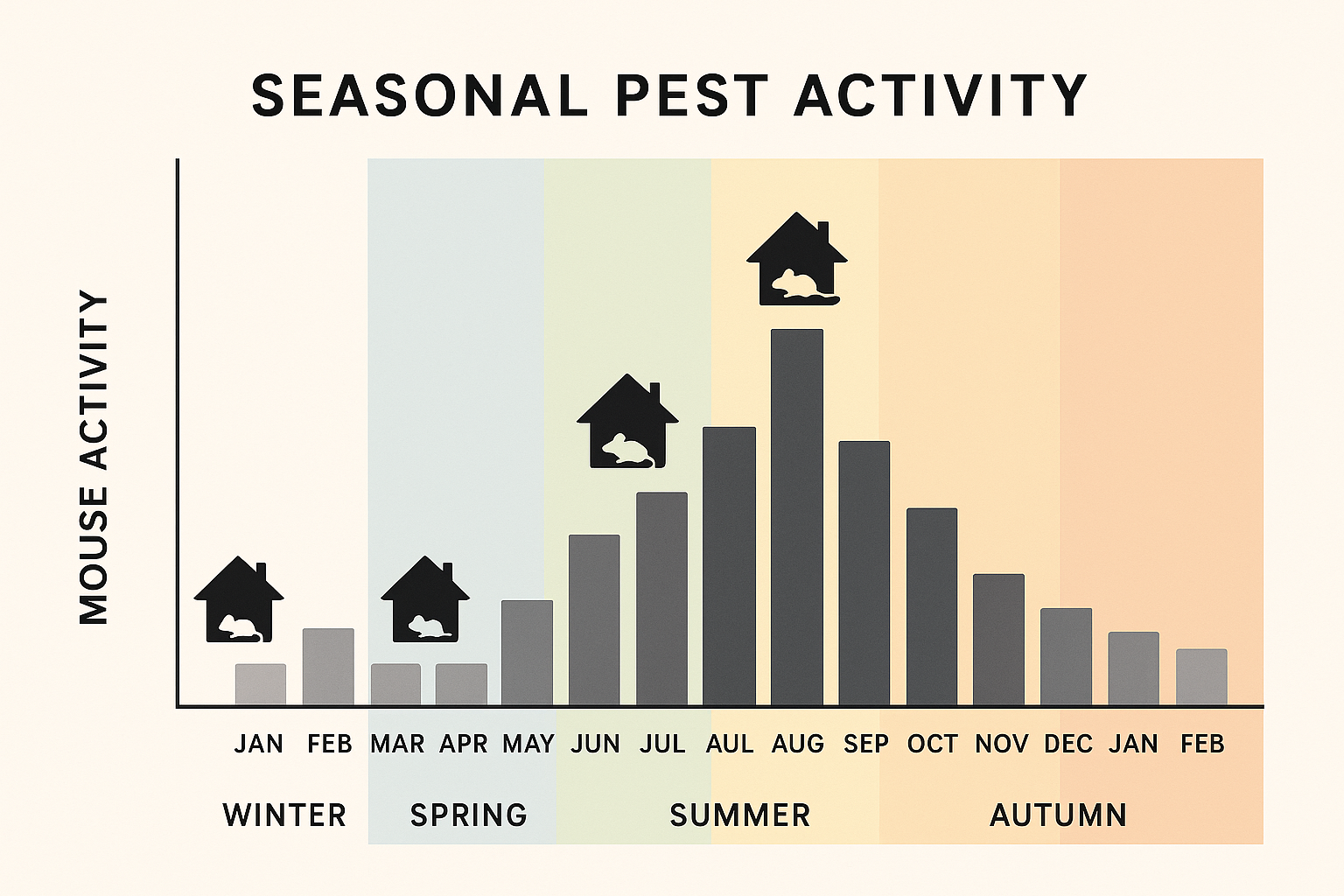
House mice are opportunistic survivors. Their movements are driven by temperature, food availability, and the need to protect young. Understanding the seasonal rhythm lets you schedule inspections before populations explode and apply treatments when they’ll be most effective. Mice can travel up to 200 feet in a single night, slipping through gaps as small as a quarter‑inch.
Winter: Seeking Warmth
As temperatures dip below 50°F, mice abandon outdoor burrows and look for insulated spaces. Walls, attics, and crawl‑spaces become prime real estate. Activity spikes in late November and remains high through February, even though you may not see many tracks outside. They also hoard food in hidden corners, which can lead to gnaw damage if left unchecked.
Spring & Fall: Breeding Surge
Both spring and early autumn trigger a reproductive boom. A single female can produce five litters a year, each with 5‑8 pups. In March‑May and September‑October you’ll notice a surge in indoor sightings, especially near stored food and clutter.
Summer: Outdoor Foraging, Indoor Retreats
Warm weather encourages mice to forage outdoors, but heat waves push them back inside to escape the scorching ground. Outdoor activity peaks in June and July, while indoor activity dips slightly, only to rise again when humidity climbs. During prolonged drought, they may gnaw on plumbing to access moisture, increasing the risk of water damage.
Weather Extremes: Heat Waves & Heavy Snow
Severe conditions act like a magnet. A sudden snowstorm can drive entire colonies into basements, while an intense heat wave forces them into cool, damp areas such as kitchens or laundry rooms. These spikes are short‑lived but perfect windows for a targeted treatment.
Seasonal Prevention Checklist
- Fall: Seal cracks around foundations, vents, and utility openings before the first frost.
- Winter: Inspect insulation and store food in airtight containers; keep firewood away from the house.
- Spring: Trim vegetation that touches the exterior, and clear debris that could hide nests.
- Summer: Reduce indoor clutter, especially in garages and sheds, and fix any leaky pipes that create damp shelters.
By aligning your inspections with these seasonal patterns, you give Anthem Pest Control the best chance to intervene early, protect your home, and keep mouse populations at bay year‑round.
Effective Treatment Options for Mouse Control
Traditional Snap Traps
Snap traps are the most economical immediate solution. Place them along walls, behind appliances, and in dark corners where droppings appear. Set the trigger side against the wall so mice run into it. Bait with high‑protein foods like peanut butter or chocolate. Check daily, wear gloves, and seal captured rodents in a bag before disposing in an outdoor trash bin. Replace traps once they’ve been triggered to maintain effectiveness.
Live‑Catch Traps
If you prefer a humane option, use live‑catch traps placed like snap traps and bait with the same foods. Release captured mice at least half a mile away, preferably in a wooded area. Check traps often; stressed mice can dehydrate quickly.
Rodenticides
Rodenticides act fast but demand strict safety. Common types are anticoagulants (warfarin, bromadiolone) and acute toxins like zinc phosphide. Because of risks to pets, children, and wildlife, only licensed professionals should apply them. Anthem Pest Control’s technicians place bait stations in tamper‑proof locations, monitor use, and remove any remaining product after control.
Integrated Pest Management (IPM)
Integrated Pest Management (IPM) blends exclusion, sanitation, and monitoring. Seal gaps as small as ¼ inch with steel wool or caulk. Store food in airtight containers and clean crumbs promptly. Keep a baseline of traps and inspect weekly to catch new activity early. Regularly rotate trap locations to prevent mouse habituation.
When to Call a Professional
DIY can miss hidden nests or structural entryways. A professional inspection reveals concealed pathways and creates a tailored treatment plan. Anthem Pest Control provides a thorough walk‑through, targeted bait placement, trap deployment, and a follow‑up visit to confirm success. We also provide a detailed report outlining future prevention steps.
Quick FAQ
- Will traps harm pets? Snap traps placed in wall voids are out of reach of cats and dogs. For curious pets, use tamper‑proof bait stations in inaccessible spots.
- Are rodenticides safe around children? Only certified technicians should handle them. Properly installed bait stations keep poison sealed from curious hands.
- Do mouse allergies affect treatment? Mouse droppings can trigger reactions. Prompt removal, thorough cleaning, and professional treatment reduce allergen exposure.
- How often should I monitor for mice? After control, inspect traps and entry points weekly for a month, then monthly as preventive maintenance.
Understanding Mouse Extermination Pricing
Pricing Models: One‑Time vs. Recurring Plans
Most pest‑control companies, including Anthem Pest Control, offer two core pricing structures. A one‑time treatment covers a single visit to assess, trap, and eliminate the current mouse activity. This option works well for minor infestations or seasonal checks. In contrast, a recurring service plan spreads the cost over several months, providing regular inspections, trap maintenance, and proactive exclusion work to keep rodents from returning.
Service Tiers and What They Include
- Basic: Initial inspection, placement of snap traps, and a single follow‑up visit.
- Standard: All Basic features plus bait stations, two follow‑up visits, and a 30‑day warranty on mouse activity.
- Premium: Comprehensive coverage with detailed inspection, multiple trap types (snap, live‑catch, and bait), unlimited follow‑ups for the first 90 days, exclusion sealing of entry points, and a 90‑day guarantee.
Factors That Influence the Price
Several variables shape the final quote:
- Property size – Larger homes or multi‑unit buildings require more traps and longer inspection times.
- Infestation severity – A heavy mouse population means additional bait, more frequent visits, and possibly structural repairs.
- Exclusion needs – Sealing gaps, repairing vents, or installing door sweeps adds labor and material costs.
- Location specifics – Easy‑access homes may cost less than properties with difficult entry points or extensive landscaping.
Transparent Pricing Builds Trust
When homeowners see a clear breakdown of what they’re paying for, confidence in the service grows. Anthem Pest Control provides itemized estimates, so you know exactly how many traps, visits, and warranties are included. No hidden fees mean you can budget ahead of time and avoid surprise charges after the job is done.
Pricing Comparison Infographic
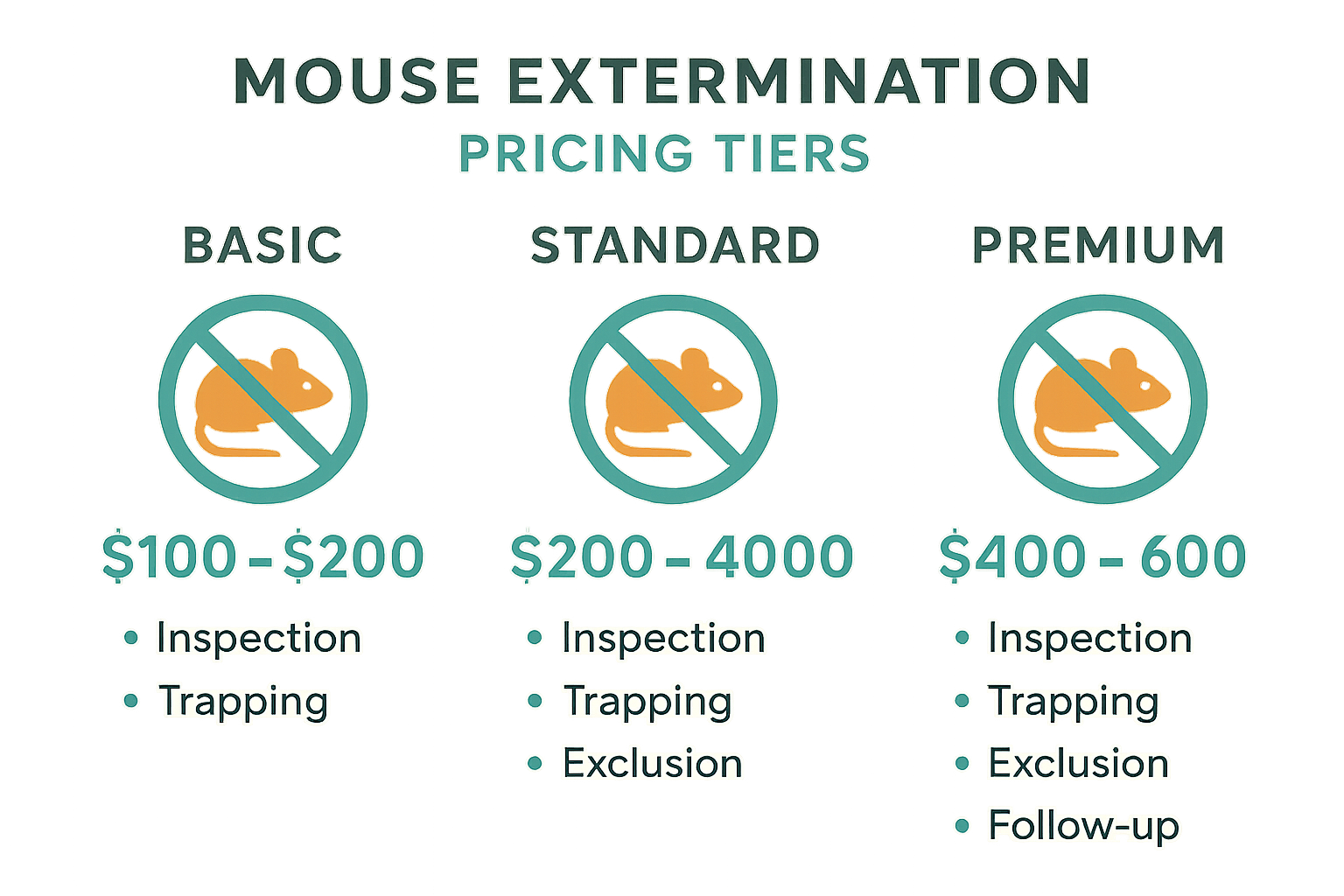
The infographic above places the Basic, Standard, and Premium tiers side‑by‑side, showing typical price ranges (from $99 to $299) and the corresponding services. Use it as a quick reference when you call local providers, ensuring you select the plan that matches your budget and mouse‑control needs.
Choosing a Local Mouse Control Expert
When a mouse invasion threatens your Peachtree City home, the right pest‑control partner can mean the difference between a quick fix and a lingering problem. Below are the essential criteria to evaluate any service and why Anthem Pest Control stands out as the neighborhood’s go‑to mouse specialist.
Key Criteria to Vet a Pest‑Control Company
- Licensing & insurance: Verify that the company holds a valid Georgia pest‑control license and carries liability insurance. This protects you if an accident occurs during treatment.
- Customer reviews: Look for consistent five‑star feedback on Google, Yelp, or the Better Business Bureau. Real homeowner stories reveal reliability and effectiveness.
- Response time: Mice reproduce fast. A reputable provider offers same‑day or next‑day service for urgent calls.
- Transparent pricing: Detailed estimates with no hidden fees build trust and help you compare options fairly.
Why Local Knowledge Matters
Peachtree City’s unique layout—its canals, cul‑de‑sacs, and seasonal landscaping—creates specific rodent hot spots. A local expert knows which neighborhoods experience higher mouse activity, which entry points are most common, and which treatment methods work best in our climate. Anthem Pest Control’s technicians have spent years mapping these patterns, so they can target the problem before it spreads.

Service Guarantees & Warranty Terms
Before you sign, ask for a written guarantee. Anthem offers a 30‑day mouse‑free guarantee—if you see activity again, they’ll re‑treat at no extra cost. Confirm whether the warranty covers follow‑up visits, bait replacement, or structural repairs.
Quick Pre‑Call Checklist
- Ask about licensing numbers and insurance coverage.
- Request recent local customer references or online reviews.
- Inquire about response time for emergency mouse calls.
- Clarify the details of any guarantee or warranty.
- Prepare a brief description of the infestation (e.g., sighting locations, frequency, any damage).
Armed with this checklist, you’ll feel confident dialing 877‑371‑8196 and choosing a partner who truly understands Peachtree City’s mouse challenges. Anthem Pest Control combines licensed expertise, local insight, and a solid guarantee—making them the smart, reliable choice for homeowners who demand peace of mind.
Protect Your Home Today with Anthem Pest Control
Early detection, seasonal awareness, and proper treatment are the three pillars that keep mouse invasions from turning into costly, stressful battles. Spotting the first signs—tiny droppings, gnaw marks, or a faint scratching sound—allows you to act before a small family of rodents multiplies into a full‑blown infestation. Knowing that mice are most active in the cooler months helps you schedule inspections at the right time, while a thorough, science‑backed treatment eliminates the problem at its source.
Anthem Pest Control delivers exactly that peace of mind. Our solutions are safe for children and pets, clinically proven effective, and priced with full transparency—no hidden fees, just a clear quote you can trust. Whether you need a one‑time removal or a year‑long prevention plan, we tailor the approach to fit your home’s layout and your budget.
- Integrated baiting and sealing for lasting results
- EPA‑approved products that protect family and pets
- Transparent, upfront pricing with no surprise fees
Ready to take the next step? Call us today for a free, no‑obligation quote. Our local technicians are just a phone call away and can often schedule a same‑day visit, so you won’t be waiting weeks for relief. Our technicians follow a strict safety protocol, wearing protective gear and using low‑odor formulations to minimize disruption to your daily routine.
Give us a ring at 877‑371‑8196 or click the link below to request your quote online. We pride ourselves on rapid response times, friendly service, and a commitment to protecting your property for the long haul.
Don’t let another night’s scurrying keep you up—let Anthem’s experts handle the problem while you focus on what matters most. Visit Anthem Pest Control now and secure a mouse‑free home today.