What Are Silverfish and Why They Matter
Silverfish, scientifically known as Lepisma saccharina, are small, wing-less insects that most homeowners recognize by their silvery-gray, fish-like scales and rapid, wriggling movements—often prompting a search for a silverfish exterminator Peachtree City homeowners can trust. Commonly called “fish-moths” or “bristletails,” these nocturnal critters have been sharing our homes for centuries, slipping into cracks and crevices the moment the lights go out.
Where Silverfish Like to Hide
These pests thrive in environments that stay cool, damp, and dark. Basements, bathrooms, kitchens, and laundry rooms provide the perfect humidity, while closets, under sinks, and the backs of bookcases offer the shadowy hideaways they love. Even the seams of wallpaper or the joints of floorboards can become a silverfish highway, especially in older homes where moisture can linger unnoticed.
Why They’re More Than Just a Nuisance
Silverfish are notorious for feeding on starchy or protein‑rich materials. That includes paper, book bindings, photographs, and even the glue that holds wallpaper in place. When they chew through these items, they can leave behind irregular, ragged holes that mar treasured family heirlooms, important documents, or favorite clothing. Over time, the cumulative damage can become costly to repair.
Potential Health Concerns
While silverfish are not disease vectors, their shed skins and droppings can trigger allergic reactions in sensitive individuals. The fine, powdery waste they leave behind may irritate the respiratory system, especially for those with asthma or chronic allergies. In addition, their presence often signals excess moisture—a condition that can also encourage mold growth, which poses its own health risks.
Impact on Your Home’s Structure
Beyond damaging personal items, silverfish can affect the integrity of building materials. Their diet includes cellulose, the main component of paper and wood pulp, meaning they may nibble at cardboard boxes, insulation, and even the edges of wooden trim if moisture levels are high enough. While they rarely cause catastrophic structural failure, unchecked infestations can weaken non‑load‑bearing components and lead to costly replacements.
When to Call a Professional
If you start noticing the tell-tale silvery trails, tiny holes in paper products, or a sudden increase in household dust, it’s time to act and contact a silverfish exterminator Peachtree City homeowners trust. A professional pest control service can assess humidity levels, identify entry points, and implement targeted treatments that reduce silverfish populations without jeopardizing the safety of your family or pets.
For a deeper dive into silverfish biology and control methods, the University of Georgia’s Extension Service offers an excellent, evidence‑based overview: Silverfish – Identification and Management.
Spotting Silverfish – Identification and Warning Signs
What a Silverfish Looks Like
Silverfish are slender, wing‑less insects that typically measure 12‑19 mm in length—about the size of a small paperclip. Their bodies are covered in overlapping, silvery‑gray scales that catch the light, giving them a metallic sheen. The most distinctive behavior is their fish‑like wriggling motion: they dart forward in quick, side‑to‑side undulations, often disappearing into cracks before you can get a good look. This rapid, serpentine movement, combined with their glossy appearance, makes them instantly recognizable once you know what to watch for.
How to Differentiate from Look‑Alikes
Many homeowners mistake silverfish for other household pests. A common confusion is with German cockroaches, which are similar in size but have a broader, flattened body, visible antennae, and a darker brown color. Cockroaches also move in a more erratic, hopping fashion, whereas silverfish glide smoothly. Moth larvae (such as pantry moth caterpillars) can appear elongated, but they usually have a softer, creamy body and lack the metallic scales. Unlike silverfish, moth larvae often leave behind silken threads and are found near stored grains rather than damp, hidden areas.
Tell‑tale Signs of an Active Infestation
Even if you haven’t seen a silverfish, several clues can point to an active infestation:
- Tiny yellowish droppings—about the size of a grain of sand—often accumulate near baseboards or behind appliances.
- Paper damage—thin, irregular holes or shredded edges on books, magazines, and cardboard.
- Shedding skins—silverfish molt as they grow, leaving translucent exoskeletons that look like tiny, empty shells.
- Musty, stale odor—a faint, damp smell can linger in heavily infested areas, especially in basements or closets.
Finding any combination of these signs should prompt a closer inspection, because silverfish reproduce quickly and can spread to multiple rooms before you notice the damage.
Where Silverfish Hide in Your Home
Silverfish thrive in environments that are dark, humid, and rich in starches or proteins. The most common hotspots include:
- Bathrooms—around shower curtains, under sinks, and behind tiles.
- Kitchens—inside pantry cabinets, beneath the refrigerator, and near leaky pipes.
- Basements and attics—especially where insulation or stored boxes create a damp micro‑climate.
- Closets and laundry rooms—inside shoe boxes, folded clothing, or woolen fabrics.
- Under appliances—dishwashers, washing machines, and dryers provide both warmth and occasional moisture.
When you’re conducting a visual sweep, lift appliances, pull back baseboard trim, and check the backs of picture frames. Silverfish are masters of hiding in the tiniest crevices, so a flashlight and a patient eye are your best tools.
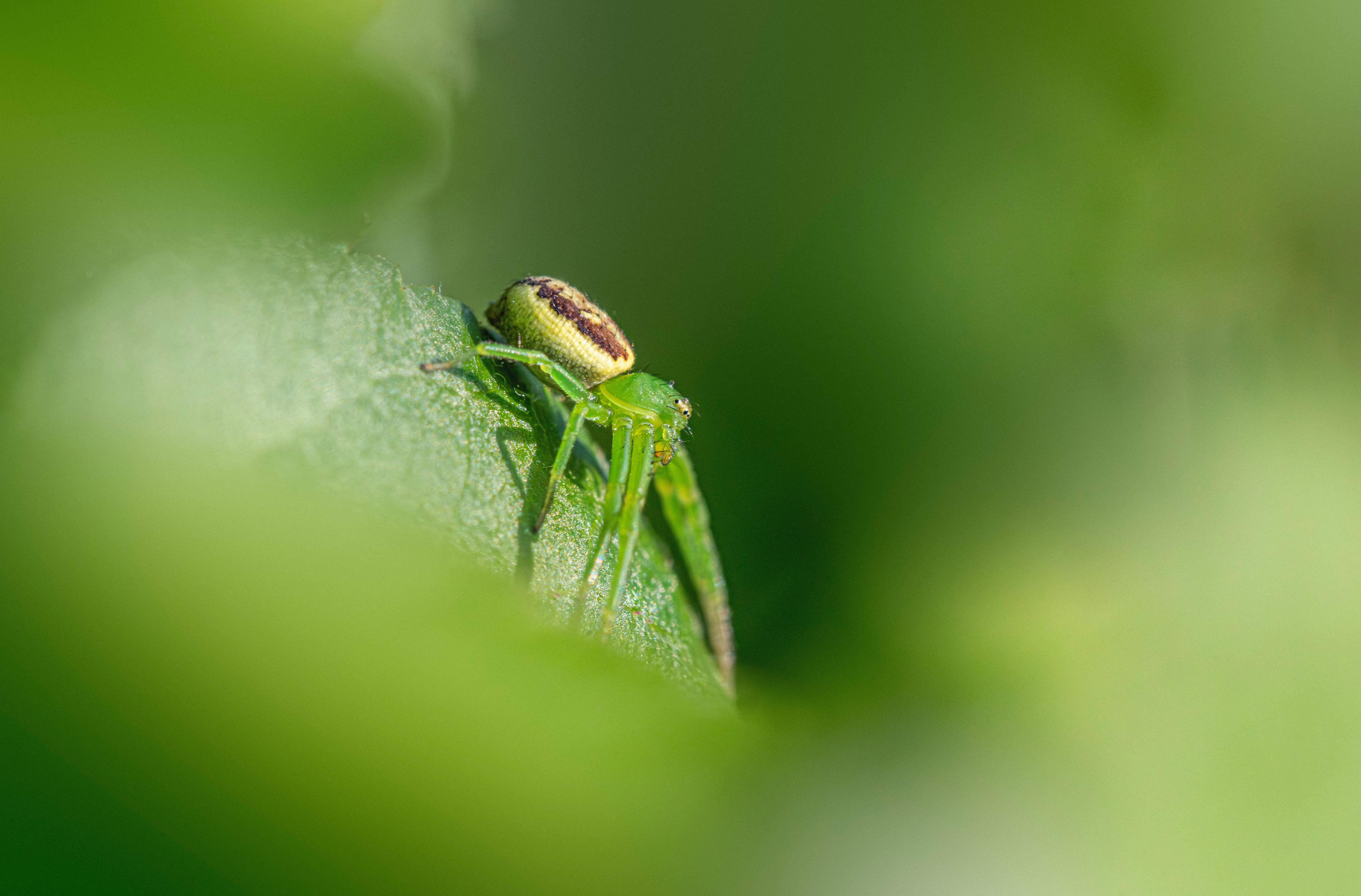
For a deeper dive into identification tips—such as differentiating silverfish from booklice or learning the seasonal peaks of activity—visit the University of Minnesota Extension guide on silverfish. Armed with these visual cues and warning signs, you’ll be able to spot an infestation early and take action before the damage spreads.
Why Silverfish Invade Homes – Causes and Conditions
Silverfish aren’t looking for a snack; they’re simply following the conditions that make a house feel like a comfortable, humid hideaway. Understanding those conditions lets you cut off the invitation before the insects start marching in.
Moisture and Humidity – The Core Attractor
Silverfish thrive in damp environments where the relative humidity stays above 60 %. Leaky pipes, drippy faucets, and even a slow roof leak can raise moisture levels in walls, cabinets, and under floorboards. Poor ventilation compounds the problem—stagnant air traps moisture, especially in bathrooms, kitchens, and basements. When the air feels “sticky,” you’re essentially laying out a welcome mat for these nocturnal pests.
Food Sources You Might Not Notice
Silverfish are opportunistic eaters. Their diet includes:
- Starches and sugars found in flour, cereal, rice, and even cracked corn.
- Paper products, cardboard, and book bindings that contain cellulose.
- Glue from book spines, wallpaper, or adhesive labels.
- Dead skin cells and hair that accumulate in closets and under furniture.
These foods are often hidden in pantry corners, under appliances, or tucked away in storage boxes—places that also tend to retain moisture.
Clutter and Hidden Spaces Provide Shelter
Stacks of newspapers, cardboard boxes, and piles of laundry create the perfect shelter for silverfish. They love the dark, undisturbed crevices behind baseboards, inside wall voids, and under radiators. The more clutter you have, the more nooks they can claim as breeding grounds. Even a well‑sealed home can become a silverfish hotspot if you give them enough hiding places.
Seasonal Humidity Spikes and Indoor Climate Control
In Peachtree City, the summer months bring outdoor humidity that can seep indoors through open windows, unsealed doors, and ventilation shafts—often leading homeowners to contact a silverfish exterminator Peachtree City residents trust. When indoor humidity spikes, silverfish populations can explode within weeks. Conversely, using air conditioners or dehumidifiers to keep indoor humidity below 50% can dramatically reduce their activity. Consistent climate control is one of the most effective long-term prevention tools.
Simple Diagnostic Steps to Spot Moisture Problems
Before calling a professional, you can run a quick check to locate hidden moisture:
- Condensation Check: Feel the outside of cold water pipes, windows, and exterior walls for droplets. Persistent condensation indicates excess humidity.
- Hygrometer Test: Place a digital hygrometer in problem areas (basement, bathroom, pantry). Readings above 60 % signal a moisture issue that needs attention.
- Visual Inspection: Look for water stains, mold, or a musty odor on walls, ceilings, and under sinks. Even a small stain can point to a slow leak.
- Floor and Baseboard Survey: Lift a corner of carpet or peel back baseboard trim to see if the wood feels damp or warped.
Identifying and fixing these moisture sources—tightening leaky fixtures, improving ventilation, or adding a dehumidifier—removes the primary lure for silverfish. Once the environment is dry, the insects lose their foothold, making any treatment far more effective.
At Anthem Pest Control, we combine these preventative insights with safe, targeted treatments to keep silverfish out of your home for good. If you’ve spotted signs of an infestation despite your best efforts, give us a call at 877‑371‑8196 or visit our website for a professional evaluation.
DIY vs Professional Treatment Options
DIY Approaches at a Glance
Many homeowners start with over‑the‑counter solutions because they’re cheap and easy to find. The most common do‑it‑yourself (DIY) tools for silverfish include:
- Boric acid – a powder applied in cracks and behind baseboards.
- Diatomaceous earth – a natural, abrasive dust that dehydrates insects.
- Sticky traps – adhesive pads placed in dark corners to catch wandering silverfish.
- Essential‑oil sprays – blends of tea tree, lavender, or citrus oils marketed as “natural repellents.”
Pros and Cons of DIY
DIY methods have clear advantages, but they also come with notable drawbacks.
- Low upfront cost: A bag of boric acid or a pack of traps typically costs under $20.
- Immediate availability: You can buy these products at any hardware store without waiting for an appointment.
- Limited reach: Silverfish hide in wall voids, under floorboards, and inside insulation—places a powder or spray rarely penetrates.
- Potential health hazards: Boric acid and diatomaceous earth can irritate skin, eyes, and lungs, especially in homes with children or pets.
- Repeat applications: Because DIY products don’t provide residual protection, you’ll likely need to reapply every few weeks, turning a “one‑time fix” into a recurring chore.
What Professionals Bring to the Table
When a certified technician from Anthem Pest Control steps in, the strategy shifts from “sprinkle and hope” to a targeted, science‑based plan.
- EPA‑approved baits: Gel or granular baits are placed in concealed pathways, attracting silverfish and delivering a slow‑acting poison that eliminates the entire colony.
- Residual sprays: Formulated to remain active for months, these sprays coat baseboards, joists, and other structural cracks, creating a barrier that repels reinfestation.
- Structural fumigation: In severe cases, a technician may apply a low‑toxicity fog that penetrates hidden voids, reaching insects that surface treatments miss.
- Heat treatment: Raising interior temperatures to 120‑130°F for several hours kills silverfish at all life stages without chemicals, ideal for homes with sensitive occupants.
Safety, Guarantees, and Peace of Mind
Professional treatments are designed with family safety in mind. Technicians use products that are rigorously tested and labeled for indoor use, and they follow strict protocols to protect children, pets, and indoor air quality. Additionally, Anthem Pest offers a warranty on silverfish control—if the pests return within the guarantee period, a follow‑up visit is free of charge. That kind of assurance simply isn’t available with a DIY kit.
The Value of a Professional Inspection
Before any product is applied, a certified technician from a silverfish exterminator Peachtree City homeowners trust conducts a thorough home assessment. This inspection identifies the exact entry points, moisture sources, and structural niches where silverfish thrive. Understanding the infestation’s scope allows the pest-control plan to be both efficient and cost-effective.

In short, DIY solutions can be a useful first step for a minor sighting, but they rarely eradicate a well‑established silverfish population. Professional treatment delivers deeper penetration, longer‑lasting protection, and the peace of mind that comes with expert handling and a warranty. For homeowners in Peachtree City who want a swift, safe, and permanent solution, calling Anthem Pest Control is the smarter choice.
Understanding Silverfish Extermination Costs
Three pricing tiers you’ll encounter
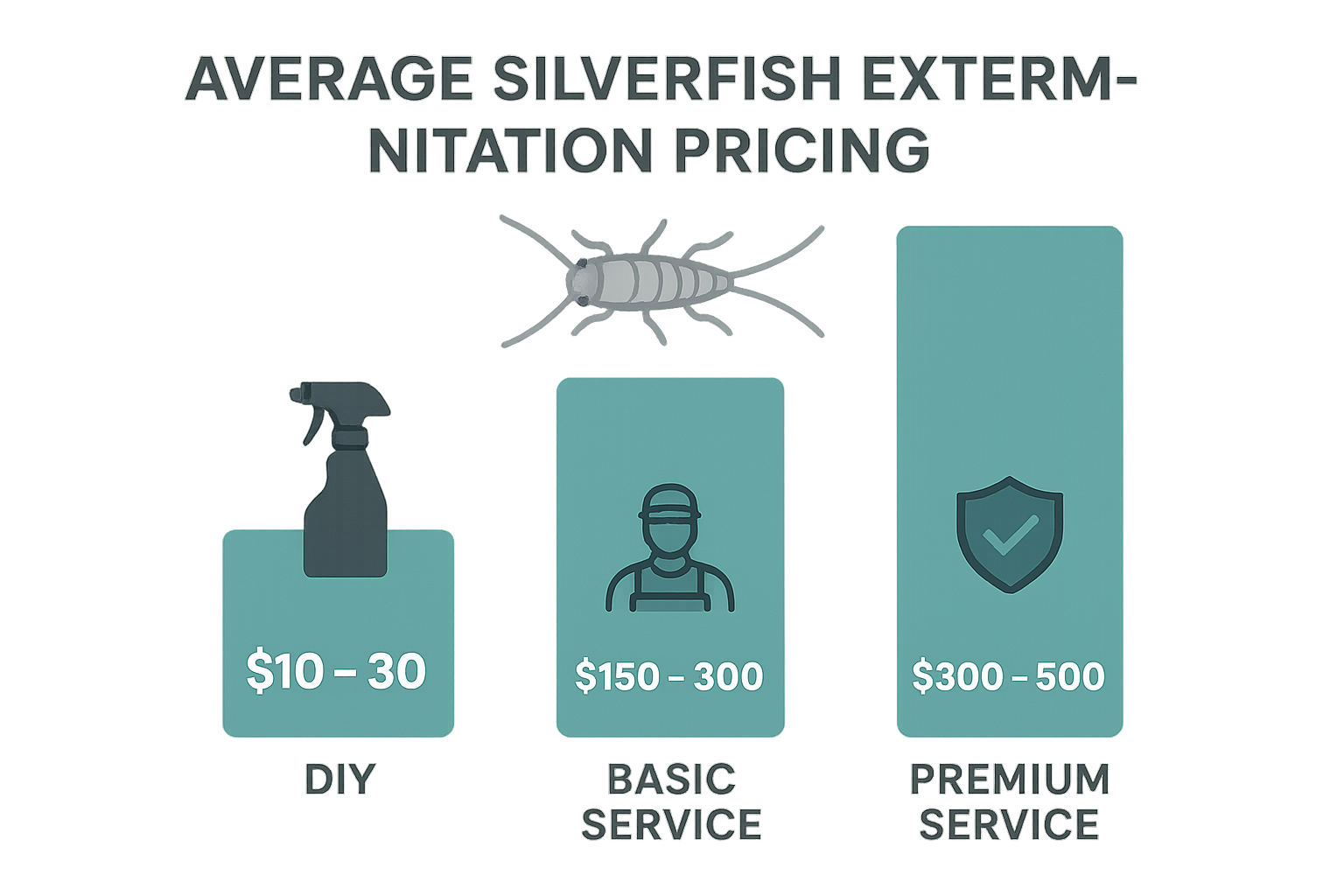
When you start looking for a silverfish exterminator Peachtree City homeowners rely on, you’ll quickly notice that most companies group their offerings into three distinct tiers. The first tier is a do-it-yourself (DIY) kit you can order online or pick up at a local hardware store. The second tier is a basic professional service that covers a single treatment round, while the third tier is a premium, fully managed plan that includes multiple visits, ongoing monitoring, and a longer guarantee. Knowing which tier matches your budget and infestation level is the first step toward a stress-free solution.
What each tier typically includes
- DIY kits – One‑time application of a dust or spray, instructions for homeowner use, and a limited 30‑day re‑treatment guarantee if the problem persists.
- Basic service – One to two technician visits, professional‑grade baits or residual sprays, a 60‑day guarantee, and a brief walkthrough of preventive steps for the homeowner.
- Premium service – Three to four scheduled visits, a combination of baits, dusts, and structural treatments, a 90‑day or longer guarantee, detailed post‑treatment reporting, and seasonal follow‑up checks.
Average price ranges
Based on recent quotes from reputable providers in the Peachtree City area, you can expect the following ballpark figures:
| Tier | Typical Visits | Products Used | Guarantee Period | Price Range |
|---|---|---|---|---|
| DIY Kit | 1 (self‑applied) | Dust or spray | 30 days | $30 – $50 |
| Basic Service | 1‑2 technician visits | Professional baits & residual spray | 60 days | $150 – $250 |
| Premium Service | 3‑4 visits + seasonal check‑ins | Combination of baits, dusts, structural treatments | 90+ days | $300 – $500 |
Factors that can shift the cost
Even within these tiers, a few variables can push the final bill higher or lower. A severe infestation—where silverfish are found in multiple rooms, closets, and bathroom cabinets—usually requires more product and additional visits, nudging you toward the premium tier. The overall square footage of your home matters, too; larger homes need more coverage, which can add to labor and material costs. Seasonal demand also plays a role: spring and early summer see a spike in pest‑control requests, and some companies adjust pricing to reflect the higher workload. Finally, any special considerations—such as pet‑friendly formulations or treatment in historic homes with delicate finishes—may incur extra fees.
Seasonal Patterns and Best Times for Treatment
Silverfish are most active when the air holds more moisture, which usually means late summer through early fall in Peachtree City. As outdoor humidity climbs, the moisture seeps into basements, crawl spaces, and the corners of your home, creating the perfect environment for these nocturnal insects to thrive. Homeowners often notice a surge in sightings after July, especially during periods of rain or when the temperature hovers in the mid‑70s to low 80s °F.
Indoor Humidity Mirrors Outdoor Weather
When the outside air is damp, indoor humidity can rise quickly, even if you keep windows closed. A simple hygrometer will show levels above 60 % during the peak months, and that is the sweet spot for silverfish breeding. Conversely, during the cooler, drier winter months, indoor humidity drops, and the insects become less active, often retreating deeper into wall voids where moisture still lingers.
Optimal Treatment Windows
The most effective strategy is a two‑phase approach. Start with a pre‑emptive treatment in early summer (late May to early June) before the humidity spikes. This timing targets the initial wave of egg‑laying adults and reduces the population before it can explode. Follow up with a second application in early fall (mid‑September to early October) when humidity peaks again, ensuring any survivors or newly hatched nymphs are eliminated before winter sets in.
Flattening the Seasonal Spike with Climate Control
While professional treatments are essential, homeowners can blunt the seasonal surge by managing indoor moisture. Running a dehumidifier in basements, laundry rooms, and bathrooms keeps relative humidity below 50 %—a level that discourages silverfish reproduction. Improving ventilation, especially in kitchens and bathrooms, helps excess steam escape. Sealing cracks around pipes and foundation walls also prevents external humidity from infiltrating your home’s interior.
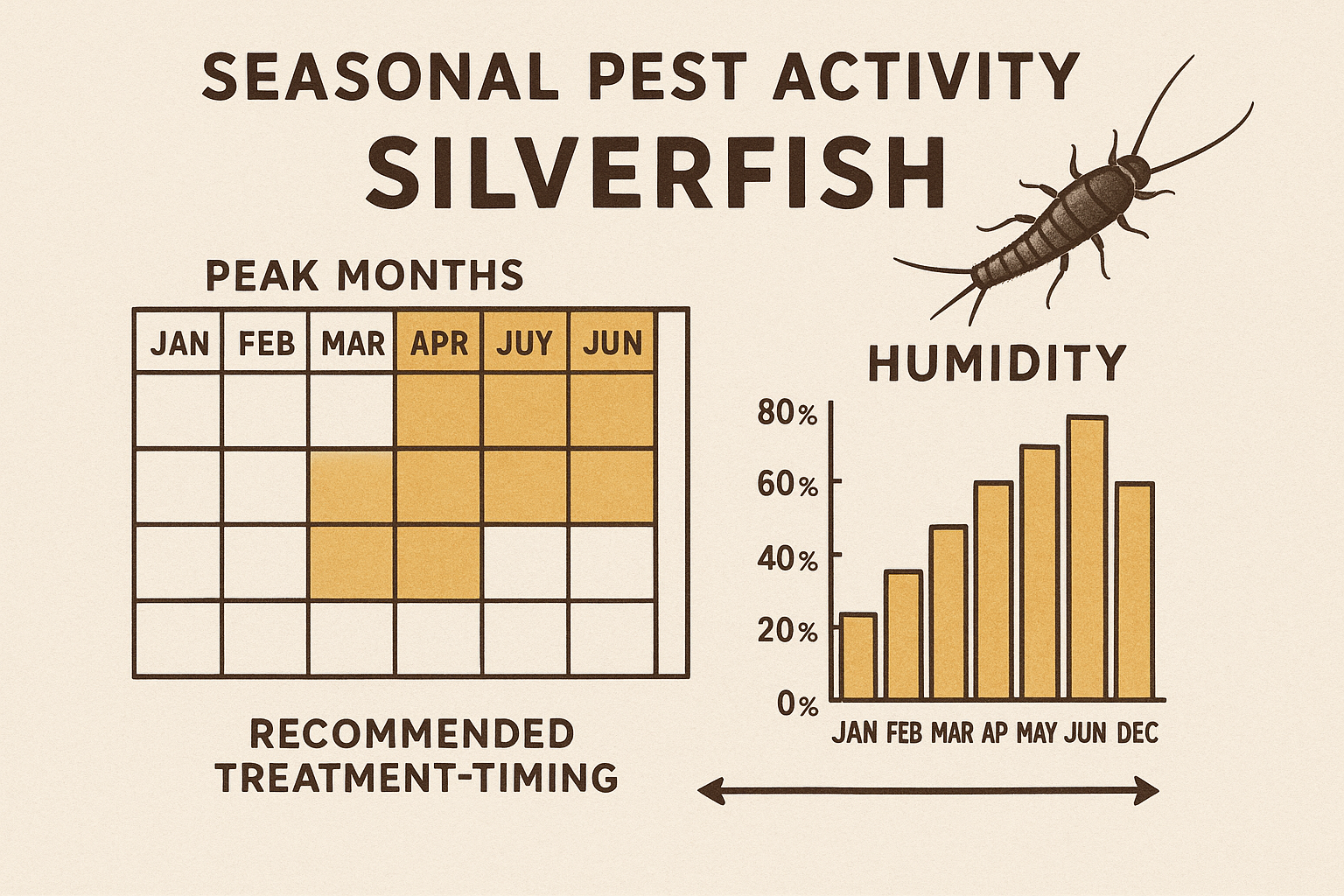
The chart above visualizes the typical activity curve for silverfish in Peachtree City. Notice the sharp rise from July through September, which aligns with the highest indoor humidity readings. The recommended actions—early‑summer preventive treatment, fall follow‑up, and continuous dehumidification—are plotted alongside each peak, giving you a clear, at‑a‑glance roadmap.
Putting It All Together
By syncing your pest‑control schedule with the natural humidity cycle, you stay one step ahead of silverfish. Schedule your first professional service in early summer, keep a dehumidifier running in moisture‑prone rooms, and plan a second visit in the fall. This coordinated effort not only curtails the current infestation but also reduces the likelihood of future outbreaks, protecting your home year after year.
Choose Anthem Pest Control for Silverfish Management
Why early detection and moisture control matter
Silverfish thrive in damp, hidden corners of a home. Spotting the tell‑tale signs—tiny fish‑shaped specks, yellowed paper, or a faint, musty odor—early can stop a minor nuisance from becoming a full‑blown infestation. Addressing moisture sources such as leaky pipes, bathroom condensation, or humid basements removes the environment they love, making any treatment far more effective. Pairing prompt detection with the right treatment tier—whether a single‑visit spot‑treatment or a comprehensive, multi‑month program—protects your belongings and your peace of mind.
Anthem Pest Control’s expertise at your service
When you choose Anthem Pest Control, you’re partnering with a team of licensed technicians who specialize in silverfish biology and behavior. Our crew uses only EPA‑approved, low‑toxicity products that target silverfish without compromising the safety of your family or pets. Transparent pricing means you’ll know exactly what’s included—no hidden fees, no surprise add‑ons. Whether you need a quick spot‑treatment or a long‑term prevention plan, we tailor the solution to fit your home’s specific risk factors.
Nationwide coverage and a commitment to education
Anthem Pest Control operates across the United States, bringing the same high‑quality service to Peachtree City, GA, as we do in every market we serve. Beyond extermination, we empower homeowners with practical tips—how to ventilate crawl spaces, the best storage practices for paper goods, and simple DIY moisture‑reduction steps. Our goal is not just to eliminate silverfish today, but to give you the knowledge to keep them away tomorrow.
Take the next step—no pressure, just a free quote
Ready to protect your home without breaking the bank? Request a free, no-obligation quote from a silverfish exterminator Peachtree City homeowners trust at Anthem Pest Control today. Our friendly staff will walk you through the process, answer any questions, and schedule an inspection at a time that works for you.
Call now: 877‑371‑8196
Or visit: Anthem Pest Control to schedule your free quote.