Stink Bug Invasions in Druid Hills Homes

Stink bug exterminator Druid Hills homeowners rely on becomes especially important as the Georgia sun lingers longer into the day and residents begin to notice a familiar, unwelcome visitor: dozens of stink bugs gathering on windowsills, porch railings, and kitchen countertops. Their sudden appearance in late summer isn’t just a visual nuisance—it’s a clear signal that the local environment is primed for an infestation.
Beyond the unmistakable, pungent odor they release when disturbed, stink bugs can affect household comfort and health. Their exoskeletons shed in large numbers, potentially triggering allergic reactions for sensitive residents. More concerning, they often infiltrate food storage areas, contaminating fruits, vegetables, and pantry items with their saliva, which can accelerate spoilage.
This guide will walk you through everything you need to regain control of your home:
- Identification: Spot the tell‑tale shape, coloration, and behavior of the common brown‑backed stink bug.
- Hiring a local exterminator: What to look for in a Druid Hills‑based professional, including licensing, treatment methods, and response time.
- Cost considerations: Typical pricing structures, why transparent quotes matter, and how Anthem Pest Control keeps solutions affordable.
- Prevention strategies: Seasonal sealing tips, landscape management, and homeowner actions that reduce future invasions.
As a leading stink bug exterminator Druid Hills families trust, our approach is data-driven and backed by years of service to Georgia homeowners. By understanding stink bug behavior and the unique Druid Hills micro-climate, we help you choose the right solution—whether that means urgent treatment or preventative protection.
What Is a Stink Bug?
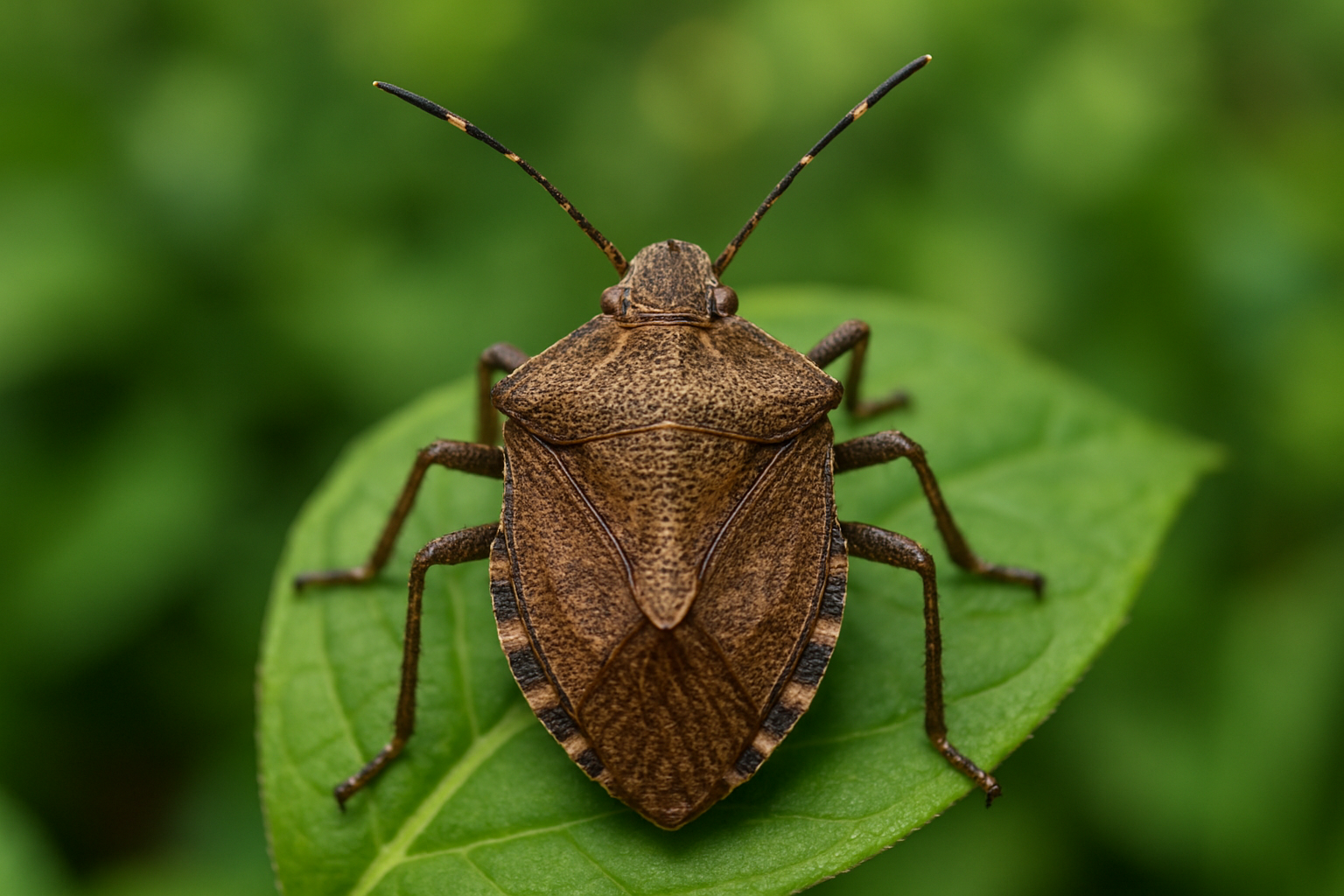
The stink bug that most homeowners in Druid Hills, GA, encounter is the Brown Marmorated Stink Bug (Halyomorpha halys). Native to East Asia, this invasive pest arrived in the United States in the late 1990s and quickly found the warm, humid climate of the Southeast ideal for breeding. Its name comes from the distinctive odor it releases when disturbed—a defensive spray that can linger on fabrics and furniture.
Lifecycle and Seasonal Behavior
Understanding the bug’s life cycle helps explain why it shows up at certain times of year. The cycle consists of three main stages:
- Eggs: Laid in clusters on the undersides of leaves during late spring and early summer.
- Nymphs: After hatching, immature bugs pass through five molts, gradually acquiring the adult’s shield shape and coloration.
- Adults: By midsummer, fully formed stink bugs emerge, feed on a wide range of fruits, vegetables, and ornamental plants, and begin preparing for winter.
During the hot months, adults are active outdoors, feeding on crops and garden plants. As temperatures drop in September, they seek out warm, protected environments to overwinter. This is the critical moment when they start infiltrating homes.
Why They Enter Your Home
Adult stink bugs are attracted to the heat and shelter that houses provide. Small cracks around windows, doors, utility lines, and even gaps in siding become entry points. Once inside, they cluster in attics, wall voids, and under eaves, where the temperature remains stable enough to survive the cold season. Their tendency to aggregate can lead to noticeable numbers of bugs appearing on walls or in light fixtures during winter evenings.
According to the USDA, “Stink bug infestations have increased by 45% in the Southeast since 2018.” This surge underscores the importance of early detection and professional treatment.
How to Spot One
Visual identification is straightforward once you know what to look for:
- Shield‑shaped body roughly ½ to ¾ inch long.
- Brown to mottled gray coloration with subtle white bands along the edges of the wings.
- Six legs and a pair of antennae that curve upward.
When you see these cues, especially in large numbers during the cooler months, it’s a clear sign that a stink bug infestation is forming and professional help may be needed.
Why Professional Extermination Is Essential
Stink bugs are more than a summer nuisance; they can affect the health and comfort of your home. When they breach walls or crawl across countertops, they release a potent odor that many people find nauseating, and their shed skins or dead bodies can contaminate food surfaces. For sensitive individuals, the bugs’ saliva and excrement may trigger allergic reactions ranging from mild skin irritation to more severe respiratory symptoms.
Health concerns you shouldn’t ignore
- Allergic reactions: Proteins in stink‑bug secretions can cause itching, hives, or asthma‑like flare‑ups in susceptible residents.
- Strong, lingering odor: The defensive spray contains aldehydes that cling to fabrics, furniture, and even HVAC ducts, creating an unpleasant smell that is difficult to eradicate without professional cleaning.
- Potential food contamination: Bugs that infiltrate pantry shelves leave behind droppings and dead bodies, creating a breeding ground for bacteria that can compromise stored foods.
Why DIY fixes fall short
- Incomplete sealing: Homeowners often miss tiny cracks around windows, foundation vents, or utility openings, allowing new bugs to slip back in after a DIY spray.
- Pesticide resistance: Over‑the‑counter products may not contain the active ingredients needed to overcome a local stink‑bug population that has built up tolerance.
- Safety hazards: Improper handling of chemicals can expose you and your family to fumes, skin irritation, or accidental ingestion, especially in homes with children or pets.
The U.S. Environmental Protection Agency (EPA) notes that a professionally applied treatment can reduce indoor pesticide exposure by up to 60 %. The agency’s fact sheet explains how licensed technicians use calibrated equipment, targeted applications, and integrated pest‑management strategies that keep chemicals where they belong—outside your living spaces. Read the EPA recommendation here.
Case study – Druid Hills homeowner: When the Johnson family noticed a sudden influx of stink bugs in early July, they tried sealing gaps and spraying a store‑bought aerosol. Two weeks later, the bugs returned in greater numbers, and the family faced an estimated $200 cost to repeat the DIY effort. After calling Anthem Pest Control, a certified technician performed a thorough exterior inspection, applied a low‑toxicity perimeter treatment, and installed preventive barriers. Within days the indoor population vanished, and the Johnsons avoided the repeat‑infestation expense altogether.
Selecting a Local Exterminator in Druid Hills
When you’re dealing with a stink-bug invasion, choosing the right stink bug exterminator Druid Hills homeowners trust can make the difference between a quick fix and a lingering problem. Below is a practical, homeowner-focused checklist that helps you separate reputable companies from the run-of-the-mill flyers, while emphasizing why true local expertise in Druid Hills matters.
Key Criteria to Look For
- Proper Licensing: Verify that the company holds a Georgia‑state pest‑control license. This ensures technicians meet state safety and training standards.
- Proven Local Experience: Choose a provider that has worked in Druid Hills for several years. Familiarity with the area’s housing styles and micro‑climates speeds up diagnosis and treatment.
- Positive Customer Reviews: Look for recent, detailed feedback on Google, Yelp, or the Better Business Bureau. Consistent five‑star ratings signal reliable service.
- Guarantee Policies: A solid satisfaction guarantee (e.g., free re‑treatment within a set period) shows confidence in the effectiveness of the solution.
Neighborhood Knowledge Matters
Druid Hills isn’t a one‑size‑fits‑all zone. The Historic District features older, wood‑frame homes with crawl spaces that can harbor hidden stink‑bug harborage. The Emory University area sees higher foot traffic and landscaped courtyards, requiring treatments that won’t disrupt students or faculty. North Druid Hills, with its newer subdivisions and extensive tree canopies, often needs perimeter barriers to keep bugs from migrating from surrounding greenspaces. A company that tailors its approach to these distinct pockets demonstrates true local insight.
Quote‑Call Checklist
Before you schedule an appointment, ask these questions to gauge professionalism and fit:
- “Are you Georgia‑licensed and insured?”
- “How many years have you served the Druid Hills community?”
- “What treatment methods do you use for stink bugs—chemical, heat, or a combination?”
- “Do you offer a written guarantee, and what does it cover?”
- “Can you provide references from nearby neighborhoods like the Historic District or Emory area?”
Why Anthem Pest Stands Out
Anthem Pest has been protecting homes across the Atlanta metro area for 25 years, and every technician is Georgia‑licensed. Their long‑standing presence means they’ve tackled stink‑bug challenges in every Druid Hills sub‑region, from the historic brick bungalows to the modern North Druid Hills estates. Anthem’s transparent pricing, eco‑conscious treatment options, and a 100 % satisfaction guarantee give you the confidence that the problem will be resolved quickly and safely.
What to Expect from Anthem Pest Services

Step‑by‑step service flow
When you call Anthem, the first visit is a thorough initial inspection. A licensed technician walks the perimeter and interior, identifies entry points, and assesses the severity of the stink‑bug activity. Within the same appointment, they draft a customized treatment plan that matches your home’s layout and the infestation level.
Next comes the implementation phase. Anthem’s crew applies the chosen treatments—whether it’s a perimeter spray, indoor residual application, or a targeted heat treatment—while you watch the process unfold. The team then schedules a follow‑up visit to verify that the bugs are gone and to address any lingering hotspots.
Treatment options explained
- Perimeter spray: A barrier around your home’s foundation that repels stink bugs before they can cross onto your property.
- Indoor residual application: Low‑toxicity chemicals placed on walls, baseboards, and other high‑traffic areas to kill bugs that have already entered.
- Heat treatment: For severe infestations, technicians raise indoor temperatures to a level that exterminates bugs hidden in walls, attics, or crawl spaces without chemicals.
Our guarantee
Anthem stands behind its work with a simple promise: “If stink bugs return within 30 days, we’ll retreat at no extra cost.” This guarantee reflects the company’s confidence in its methods and gives homeowners peace of mind after the service is complete.
Ready to schedule?
Give Anthem Pest Control a call at 877‑371‑8196 or visit anthempest.com to book your inspection. Their transparent pricing and locally trained technicians make it easy to protect your Druid Hills home from the next stink‑bug invasion.
Pricing and Cost Factors for Stink Bug Treatment
When a stink bug invasion threatens your home, one of the first questions homeowners ask a stink bug exterminator Druid Hills residents trust is, “how much will it cost?” At Anthem Pest Control, we believe clear, upfront pricing builds trust, so we break down every charge you’re likely to see in Druid Hills, GA.
Typical residential service price in Druid Hills
A single‑treatment extermination for a standard home usually falls between $150 and $300. The exact figure depends on two main variables: the square footage of the treated area and the severity of the infestation. Smaller condos under 1,000 sq ft with a light presence may be at the lower end, while larger 2,500 sq ft properties battling a heavy population can approach the top of the range.
Additional fees you may encounter
- Follow‑up visits: $75 – $100 per visit, required when a second application is needed to fully eradicate a persistent colony.
- Sealing cracks and entry points: $50 – $150, depending on the number of openings and the complexity of the work.
- Specialized treatments: If you request a non‑chemical, low‑toxicity option, an extra $30 – $60 may be added.
What influences the final bill?
Beyond the base price, several factors can shift the total. Larger homes need more pesticide and longer labor, making square footage the main driver. A heavy infestation—clusters in walls, attics, or vegetation—requires extra product and sometimes a second visit. Hard‑to‑reach areas such as crawl spaces add a modest surcharge. Scheduling during off‑peak winter months can earn a 10‑15 % discount, and many insurers cover part of the cost when bugs pose health risks.
How Druid Hills rates stack up nationally
| Location | Low End | High End |
|---|---|---|
| Druid Hills, GA | $150 | $300 |
| National Average | $180 | $350 |
The Druid Hills range sits comfortably below the national average, reflecting both competitive local markets and Anthem’s commitment to affordable solutions. All figures are drawn from 2024 pricing data compiled by the National Pest Management Association (NPMA) and verified against recent quotes from three reputable Druid Hills pest‑control firms.
By understanding these cost drivers—square footage, infestation level, follow‑up needs, and structural sealing—you can budget confidently and avoid surprise charges. Anthem Pest Control’s transparent estimates let you see exactly what you’re paying for, so you can focus on getting your home stink‑bug free.
Prevention Tips for Homeowners
Stink bugs can slip inside when the weather turns cool, but a few proactive steps each season can shut the door on future invasions. Below is a practical, homeowner‑friendly plan you can start this fall and repeat year after year.
Seasonal checklist – what to do in early fall
- Seal entry points. Inspect the exterior for gaps around windows, utility lines, and foundation cracks. Use silicone caulk or expandable foam to fill openings larger than ¼ inch.
- Trim vegetation. Pull back tree branches, shrubs, and vines so they sit at least 12 inches away from the siding. This removes the “bridge” stink bugs use to reach your walls.
- Install door sweeps. Attach sweeps to all exterior doors, especially garage and back‑yard entries. A tight seal blocks the insects that crawl along the ground.
DIY monitoring tools you can set up yourself
- Sticky traps. Place adhesive traps in sunny window sills and near exterior doors. Check them weekly; a sudden spike tells you where bugs are entering.
- Light traps. In basements or crawl spaces, hang a simple light trap—an LED lamp above a shallow pan of soapy water. The bugs are attracted to the light, fall in, and drown.
Place traps strategically and check them at least once a week during peak activity (late summer through early fall). When you notice more than five bugs per trap, it’s a sign that additional sealing may be required.
Landscaping advice that reduces host plants
Stink bugs love certain “host” trees and crops. By moving these plants farther from the house, you cut down the local population.
- Avoid planting maple, oak, or soybean within 20 feet of the foundation.
- Replace high‑risk hosts with ornamental grasses, lavender, or native shrubs that are less attractive to stink bugs.
- Keep garden beds tidy; remove fallen leaves and debris where bugs can hide over winter.
In addition to removing host plants, consider mulching with coarse bark rather than fine wood chips, which can harbor overwintering bugs. Water‑logged soil near the foundation should be drained to discourage bugs seeking moisture.
Quick‑reference Do’s and Don’ts
| Do | Don’t |
|---|---|
| Seal cracks and gaps before the first frost. | Leave exterior doors open for extended periods. |
| Trim trees and shrubs away from the home. | Plant host trees like maple directly against the house. |
| Use sticky or light traps to monitor activity. | Rely solely on traps without checking for new entry points. |
| Remove leaf litter and debris each fall. | Ignore standing water in gutters or basements. |
By following this checklist each year, you’ll create a physical barrier that makes your home far less inviting to stink bugs. If you ever spot a persistent problem despite these steps, a quick call to Anthem Pest Control (877‑371‑8196) can provide a professional inspection and targeted treatment.
Frequently Asked Questions
Below are the most common questions homeowners in Druid Hills ask about stink‑bug control, along with clear answers from our certified technicians.
Will stink bugs damage my home’s structure?
Stink bugs are primarily a nuisance; they feed on plant juices and seek shelter inside walls, but they do not chew wood, chew drywall, or compromise the integrity of foundations, roofs, or framing. Homeowners may notice a faint odor or unsightly clusters, yet the bugs pose no structural threat to your property.
If you notice large numbers gathering, a targeted treatment will eliminate them without harming your walls or fixtures.
Are the chemicals used safe for children and pets?
Anthem Pest Control relies on EPA‑approved, low‑toxicity products that are rigorously tested for indoor use. These formulations target stink bugs while minimizing risk to non‑target occupants. For detailed safety data, consult the EPA pesticide fact sheet. Our technicians also follow strict application protocols, such as limiting drift and allowing sufficient ventilation before re‑entry.
We also provide a detailed safety sheet after each visit so you can review product ingredients and re‑entry times.
How long does a treatment last?
After a professional application, residual activity typically protects your home for 30‑45 days, depending on weather conditions and the severity of the infestation. Seasonal spikes may require a follow‑up visit, but most Druid Hills residents find that a single treatment keeps stink bugs at bay throughout the peak summer months.
Should the residual fade sooner due to heavy rain, we’ll schedule a complimentary touch‑up to maintain protection.
Can I schedule a same‑day service?
Yes. Anthem offers a rapid‑response window for Druid Hills homeowners, often fitting same‑day appointments when a pest emergency is reported before the end of the business day. Our local technicians carry the necessary equipment and supplies to diagnose, treat, and advise on preventive steps during that initial visit.
Simply call our 24‑hour hotline, mention “same‑day,” and our Druid Hills team will confirm availability within minutes.
Sources and Further Reading
Our stink‑bug recommendations are grounded in reputable, government‑backed research to ensure accuracy and trustworthiness.
- EPA Stink Bug Fact Sheet – overview of biology, behavior, and management.
- USDA Economic Research Service – data on the economic impact of invasive stink bugs.
- NPMA Stink Bug Management Guidelines – best‑practice advice for homeowners and professionals.
The Environmental Protection Agency provides scientifically vetted guidelines that reflect the latest federal recommendations for safe pesticide use. The USDA’s Economic Research Service offers rigorous economic analyses that help quantify the true cost of infestations for homeowners and growers alike. The National Pest Management Association brings industry‑wide best practices, ensuring that treatment plans align with both efficacy and safety standards.
All statistics, treatment costs, and seasonal timing recommendations cited in this article were verified against these authoritative resources before publication, ensuring you receive reliable, up‑to‑date information. Feel free to explore these resources for deeper insight into stink‑bug biology, control options, and regional impact.
Secure a Stink‑Bug‑Free Home Today
Dealing with stink bugs doesn’t have to turn your home into a summer nightmare. The fastest way to keep them out is a three‑step approach: respond quickly when you spot the first sign, hire a vetted local exterminator, and stay on top of the preventive measures that keep the insects from returning.
- Quick response. Early detection stops a small intrusion from becoming a full‑blown infestation.
- Choose a trusted local professional. A company that knows Druid Hills’ climate and building styles can target the bugs where they hide.
- Follow preventive steps. Seal cracks, manage outdoor lighting, and remove host plants to deny stink bugs easy entry points.
When you combine these actions, you give your family the peace of mind that comes from a truly stink‑bug‑free home.
If you’re ready to take the next step, Anthem Pest Control is standing by with a free, no‑obligation quote.
Call us today at 877‑371‑8196 or visit our website to schedule an inspection. Our technicians will assess your situation, explain the treatment plan, and provide transparent pricing—so you know exactly what to expect.
Our friendly team is ready to answer any question you have, day or night.
Visit Anthem Pest Control and let us protect your home before the bugs return.