Identifying the Brown‑Marmorated Stink Bug
The brown-marmorated stink bug (Halyomorpha halys) is an invasive pest that originated in East Asia—specifically China, Japan, and Korea—before hitching rides on global trade shipments. First detected in the United States in the late 1990s, it has since spread to every state east of the Rocky Mountains, including Georgia. Understanding its taxonomy helps homeowners recognize why this bug behaves differently from native stink bugs and why early identification is crucial before contacting a stink bug exterminator near me Suwanee for effective control.
Key Physical Characteristics
- Size: Approximately ½ inch (12‑14 mm) long, making it larger than most native stink bugs.
- Shape: A distinct shield‑shaped back (pronotum) that tapers toward the abdomen.
- Coloration: Mottled brown‑gray body with a subtle amber sheen; the edges often appear lighter.
- Antennae: Each segment features a thin white‑yellow band, a reliable field marker.

The macro photograph above captures the bug’s defining traits. Notice the pronounced “V”‑shaped ridge running down the center of the thorax and the pale band at the base of each antenna segment. These details differentiate it from look‑alikes at a glance, even without a magnifying lens.
Where You’re Likely to Spot It First
BMSB adults are attracted to warm, sunny surfaces. Homeowners often first encounter them on garden vegetables such as tomatoes, peppers, and beans, where they feed on sap and cause fruit deformation. In late summer, they gravitate toward outdoor lights, congregating on porch railings, window sills, and house exteriors. During cooler months, they seek shelter inside walls, attics, and even kitchen cabinets, leading to the infamous “winter invasion” that catches many families off guard.
How It Differs From Native Stink Bugs
Native stink bugs, like the green stink bug (Acrosternum hilare), are generally smaller (≈ ¼ inch), uniformly green, and lack the distinctive white‑yellow antenna bands. Their shield is smoother, without the pronounced dorsal ridge seen in BMSB. Additionally, native species tend to remain outdoors year‑round, whereas the brown‑marmorated variety will aggressively seek indoor refuge when temperatures dip below 55 °F (13 °C). Misidentifying a native bug as BMSB can lead to unnecessary treatments, while overlooking an actual BMSB can allow a population to establish unchecked.
For a comprehensive, CDC‑approved identification guide, visit the CDC fact sheet on brown‑marmorated stink bugs. The resource includes detailed diagrams, seasonal activity charts, and tips on distinguishing BMSB from harmless relatives.
How Stink Bugs Turn Into a Home Issue
When the days start to shorten and temperatures dip in late summer, the brown‑marmorated stink bug (BMSB) begins its seasonal migration. Seeking shelter from the chill, thousands of bugs swarm toward the warmest places they can find—your home. This natural behavior is the first reason these insects become a household nuisance.
Why They Come Inside
Stink bugs are drawn to heat and light. Sun‑lit windows, bright indoor lamps, and the residual warmth of appliances create an inviting climate. As the bugs follow the sun’s path, they slip through cracks around doors, windows, and utility openings, slipping inside just as the first frost arrives.
What They Do Once Inside
- Feeding on plants: BMSB feed on the juices of fruits, vegetables, and ornamental foliage. In a kitchen garden or potted plant, their piercing‑sucking mouthparts cause wilting, stunted growth, and unsightly “shot‑hole” damage.
- Staining fabrics and walls: When disturbed, stink bugs release a defensive odor that can seep into curtains, upholstery, and even drywall. The oily compounds leave yellow‑brown stains that are difficult to remove.
- Odor complaints: The same defensive spray that protects the bug also creates a pervasive, sour smell. In enclosed spaces the odor lingers, prompting occupants to open windows and increase energy use.
Health Concerns for Occupants
Although stink bugs are not disease vectors, their presence can trigger allergic reactions in sensitive individuals. Skin irritation, sneezing, and watery eyes are reported after prolonged exposure to the insects or their secretions. For families with asthma or allergies, the added indoor allergen load can exacerbate symptoms.
Economic Impact on Homeowners
Beyond the immediate annoyance, stink bugs impose hidden costs. Home gardeners lose marketable produce, which translates to wasted time and money. The need for professional cleaning or fabric replacement adds to household expenses. In severe infestations, homeowners may even need to replace damaged insulation or repaint walls stained by the bug’s odor.
EPA Integrated Pest Management (IPM) Context
The EPA’s IPM framework emphasizes monitoring, exclusion, and targeted treatment to keep indoor pest pressure low. For stink bugs, this means:
- Regularly inspecting entry points and sealing cracks.
- Reducing outdoor attractants by trimming vegetation away from the house.
- Using low‑toxicity traps or spot‑treatments only when populations exceed threshold levels.
By following IPM principles, homeowners can minimize the need for broad‑spectrum insecticides while still protecting their property from the costly damage stink bugs cause.
Seasonal Activity and Timing for Effective Control
Life‑Cycle Basics and Temperature Effects
The brown marmorated stink bug (BMSB) moves through three distinct stages: egg, nymph, and adult. Eggs are laid in clusters on the undersides of leaves during late spring, and each clutch can contain 20–30 eggs. As temperatures rise above 55 °F (13 °C), eggs hatch in 4–7 days, and nymphs progress through five instars, each requiring roughly a week of warm weather. Adults emerge by midsummer, and their development accelerates dramatically when daytime highs exceed 80 °F (27 °C)—a key reason homeowners often begin searching for a stink bug exterminator near me Suwanee before the damaging adult flight season peaks. Conversely, cooler nights slow growth, extending the nymphal period and delaying the onset of widespread infestations.
Seasonal Activity Chart
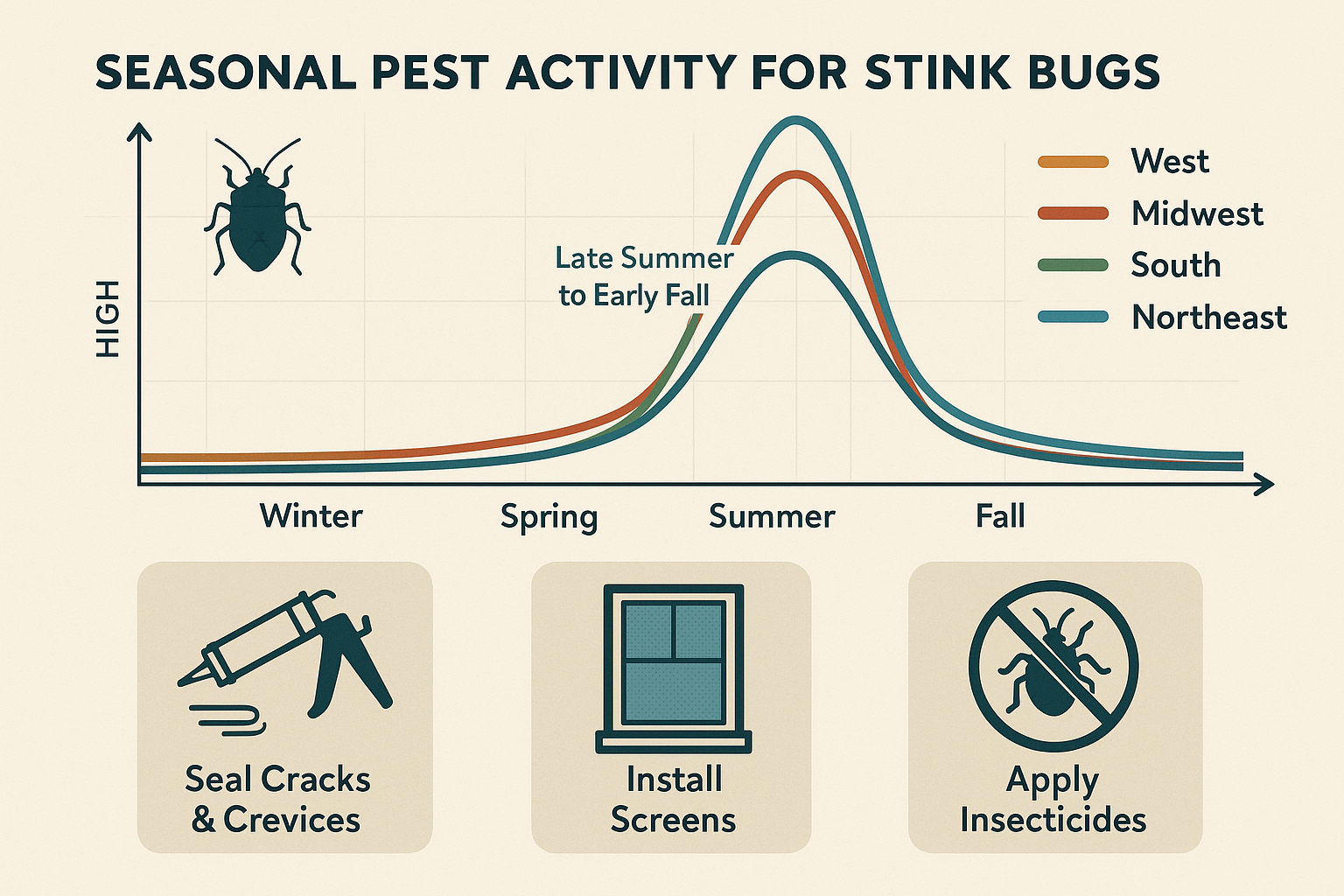
The line graph above visualizes typical BMSB population trends across major U.S. regions. Notice the sharp rise in trap counts beginning in late July, peaking in early October, then tapering off as temperatures drop below 50 °F (10 °C). This pattern repeats annually, providing a reliable roadmap for timing interventions.
Regional Peaks: Mid‑Atlantic vs. Pacific Northwest
In the Mid‑Atlantic, warm, humid summers produce the highest peaks—often exceeding 200 traps per week. The Pacific Northwest, with its cooler, wetter climate, sees a delayed and lower peak, usually under 80 traps per week. These differences matter because the window for effective exterior treatment shifts later in the season for northern, cooler regions, while southern, hotter zones demand earlier action.
Optimal Timing for Exterior Treatments
- Pre‑harvest (late June‑early July): Apply a residual perimeter spray before nymphs become mobile. This creates a barrier that reduces the number of adults that later seek shelter in homes.
- Early fall (mid‑August‑early September): Conduct a second treatment as adults begin their migration to overwintering sites. Targeting the canopy and building foundations at this stage interrupts the bulk of the seasonal influx.
Both applications should be spaced at least 30 days apart to maintain efficacy while respecting label restrictions on active ingredients.
Interior Interventions After Entry
Once adults have entered your home—typically from late August through October—focus on interior control:
- Seal cracks around windows, doors, and utility penetrations.
- Deploy indoor residual sprays in wall voids, attic spaces, and crawl‑spaces where bugs hide.
- Use sticky traps near light fixtures to monitor ongoing activity and gauge the need for follow‑up treatments.
Integrating EPA IPM Timing Guidelines
The EPA’s Integrated Pest Management (IPM) framework emphasizes “monitor‑first, treat‑later.” Align your schedule with its recommended thresholds: initiate exterior sprays when trap counts exceed 20 bugs per week per trap, and shift to interior measures once indoor sightings surpass five bugs per day in any room. By synchronizing these EPA benchmarks with the seasonal chart, you ensure that each application is both timely and justified, reducing unnecessary pesticide use while maximizing control.
Why Timing Matters for Homeowners
Stink bugs are most vulnerable during the transition from nymph to adult and again when they seek overwintering sites. Missing the early‑summer window can lead to a heavier indoor infestation, which is harder and costlier to eradicate. Conversely, treating too early—before populations build—wastes resources and may require re‑application. Following the seasonal timeline outlined here lets Anthem Pest Control deliver precise, cost‑effective solutions that keep your home bug‑free year after year.
Prevention Strategies Homeowners Can Implement
Seal Entry Points
Stink bugs are expert hitch‑hikers, slipping through the tiniest cracks around doors, windows, and utility openings. Start by caulking gaps around window frames, baseboards, and where pipes penetrate walls. Replace torn or missing screen mesh, and fit door sweeps on all exterior doors. A well‑sealed perimeter removes the most common invitation for these pests.
Landscape Management
Plants that serve as food sources—such as tomatoes, beans, and ornamental shrubs—should be kept at least three feet away from your home’s foundation. Prune overhanging branches that brush against the siding, because they create bridges for bugs to walk directly onto the roof and into vents. Likewise, avoid piling mulch directly against exterior walls; a two‑foot buffer prevents moisture buildup and gives stink bugs fewer hiding spots.
Outdoor Lighting Adjustments
Bright white lights attract many insects, including stink bugs, which in turn draw predators and increase the chance of entry. Swap traditional bulbs for warm‑yellow or sodium‑vapor lights on porch fixtures and exterior wall sconces. The softer spectrum is far less appealing to stink bugs while still providing adequate illumination for safety.
Seasonal Clean‑up
Late summer is when adult stink bugs begin seeking shelter for the winter. Conduct a thorough sweep of your property, removing leaf litter, fallen branches, and any debris that could serve as a temporary hideout. Dispose of the material in sealed bags to keep bugs from hitching a ride back inside.
Physical Barriers and Traps
Install fine‑mesh screens (no larger than 1/8 inch) over attic vents, crawl‑space openings, and chimney flues. These barriers block entry without compromising airflow. For interior monitoring, set up simple glue traps near suspected entry points; they provide early warning and help you gauge the effectiveness of your prevention measures.
Spot‑Treatment with Low‑Impact Sprays
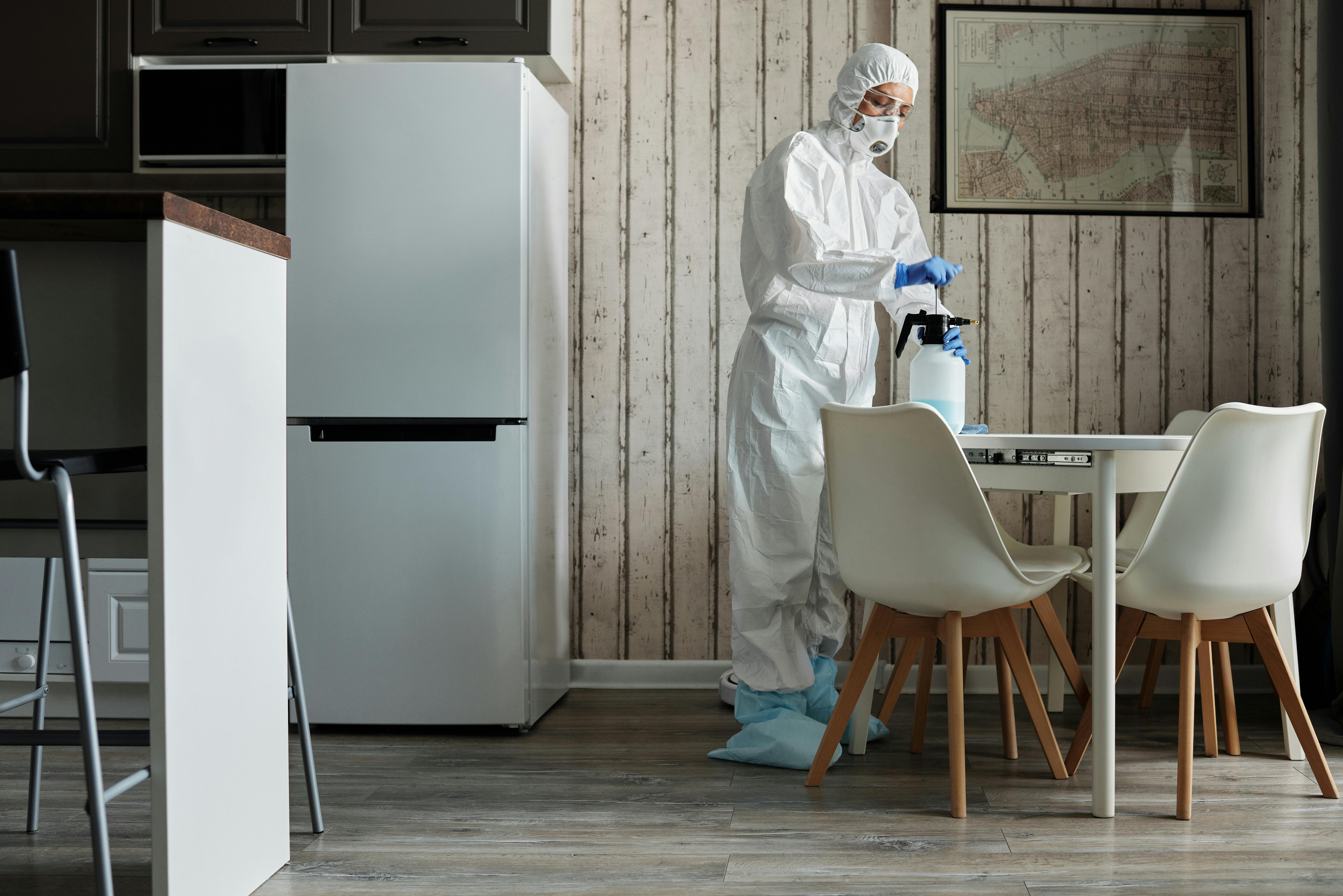
If you spot a few stragglers inside, a targeted indoor spray can finish the job without flooding the home with chemicals. Choose products labeled as safe for indoor use and follow the label’s instructions—wearing protective gear such as gloves and a mask (as shown in the image above) ensures you stay safe while treating the problem.
By combining these DIY steps—sealing cracks, managing the yard, adjusting lighting, cleaning seasonally, adding physical barriers, and using low‑impact sprays—you dramatically lower the odds of a stink‑bug invasion. Consistent vigilance is the most affordable, long‑term defense, and it gives you peace of mind while waiting for professional help, should you ever need it.
Treatment Options and Pricing Comparison
When stink bugs invade a Suwanee home, the right professional treatment—often delivered by a stink bug exterminator near me Suwanee homeowners trust—can mean the difference between a quick fix and a season-long battle. In this section, we break down the four most common commercial approaches, weigh their strengths and drawbacks, and then show you a side-by-side pricing snapshot for the three providers that dominate the local market. Armed with that data, you’ll be able to compare cost against value rather than guessing at the bottom line.
Overview of Common Professional Methods
- Perimeter Sprays – Technicians apply an EPA‑approved insecticide around the exterior walls, foundation, and entry points. The spray creates a barrier that kills bugs on contact as they try to get inside.
- Indoor Residual Treatments – A low‑toxicity dust or foam is placed in cracks, voids, and wall voids inside the house. It continues to work for weeks, targeting bugs that have already crossed the perimeter.
- Heat Treatment – Professionals raise the indoor temperature to 120‑130°F for several hours, a range that is lethal to stink bugs at all life stages. No chemicals are used, making it a favorite for allergy‑sensitive households.
- Exclusion Services – This isn’t a chemical method; it’s a structural fix. Technicians seal gaps, repair screens, and install door sweeps to stop bugs from entering in the first place.
Pros and Cons of Each Method
- Perimeter Sprays – Pros: Immediate knock‑down, relatively low cost, works well for seasonal invasions. Cons: Requires re‑application every 30‑45 days, limited indoor protection, potential concerns for pets if not applied correctly.
- Indoor Residual Treatments – Pros: Extends protection inside the home, targets hidden populations, usually covered under a single service call. Cons: May need a follow‑up visit for deep‑wall voids, effectiveness depends on proper placement.
- Heat Treatment – Pros: Chemical‑free, 100 % kill rate when done correctly, eliminates eggs and larvae. Cons: Higher upfront cost, requires homeowners to vacate the home for several hours, not suitable for all furnishings.
- Exclusion Services – Pros: Long‑term solution, reduces need for repeat chemical applications, adds energy‑efficiency benefits. Cons: Upfront labor cost, may need periodic inspections to maintain seal integrity.
Pricing Infographic
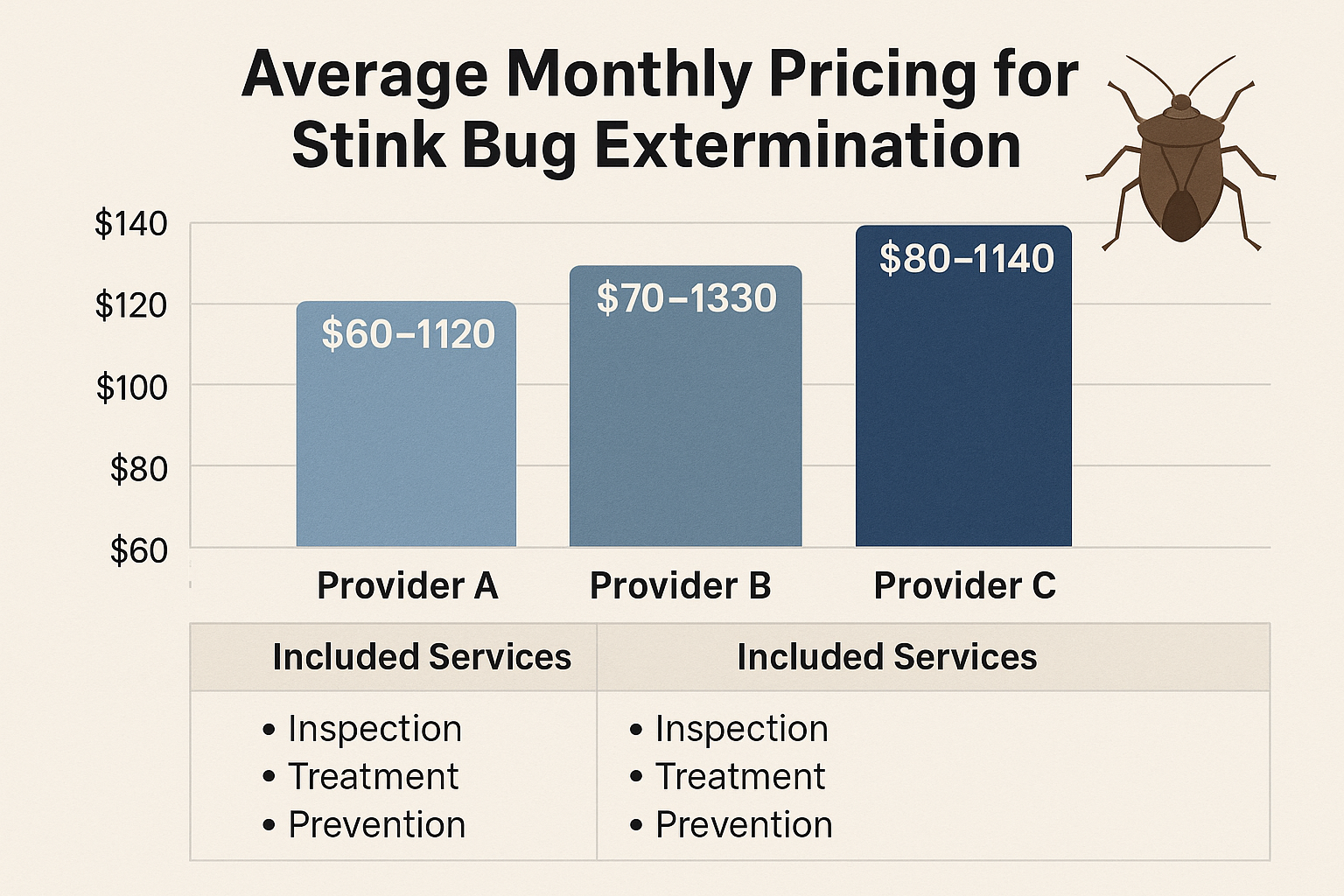
What “Average Monthly Pricing” Really Means
Many pest‑control firms in Suwanee bundle stink‑bug services into a seasonal contract that spreads the total cost over twelve months. The “average monthly price” you see in the infographic is simply the total contract amount divided by twelve, not a recurring charge. For example, a $600 annual plan appears as $50 per month, but you’ll still pay the full $600 at the start of the season, often with a discount for early payment. One‑time treatments, by contrast, are billed as a single invoice and do not appear in the monthly average column.
Getting a Detailed Quote
When you call a provider, ask for a line‑item breakdown that includes:
- Product name and EPA registration number.
- Number of service visits required for full season coverage.
- Warranty length (e.g., “30‑day re‑treat guarantee”).
- Any additional fees for exclusion work or heat treatment.
A transparent quote lets you compare apples‑to‑apples across companies and spot hidden add‑ons before you sign a contract.
Why EPA‑Approved Products and Technician Certification Matter
Stink bugs are hardy, but the chemicals that control them must be both effective and safe for families and pets. EPA‑approved products have undergone rigorous testing for toxicity and environmental impact. Moreover, certified technicians have completed the National Pest Management Association’s (NPMA) training modules, ensuring they apply products at the correct dosage and follow state‑mandated safety protocols. Insist on seeing the technician’s certification badge and the product’s EPA label before any spray is applied.
Pricing data sourced from the National Pest Management Association (NPMA) 2023 regional survey of residential pest‑control contracts.
Protect Your Home with Anthem Pest Control
If you’ve spotted the tell‑tale shield‑shaped bodies, noticed the sweet‑smelling odor in late summer, or found their tiny egg clusters on your siding, you already know the basics of stink‑bug identification. The bug’s activity peaks in the warm months, then it seeks shelter inside as temperatures drop. Simple prevention—seal cracks, trim vegetation, and reduce outdoor lighting—can buy you weeks, but it rarely eliminates a determined infestation.
That’s where a licensed, local professional makes all the difference. Trained technicians know the exact entry points unique to Suwanee homes and carry EPA‑approved products that work safely around children and pets. Because they follow a written service agreement, you get guaranteed results—if the bugs return, they’ll re‑treat at no extra charge. In short, you trade guesswork for proven, accountable protection.
Anthem Pest Control brings that expertise to every stink‑bug job in the region. Their technicians follow Integrated Pest Management (IPM) principles, meaning they start with a thorough inspection, target only the problem areas, and limit chemical use to what’s truly needed. Pricing is transparent—no hidden fees, just a clear quote that outlines treatment steps and follow‑up visits. Whether you need a one‑time eradication or a seasonal protection plan, Anthem tailors the service to fit your budget and your home’s layout.
Ready to stop the stink‑bug invasion before it settles in? Request a free, no‑obligation quote today—just click the link below, call 877‑371‑8196, or email the team. Our friendly specialists will schedule a quick inspection and walk you through the exact steps to keep your home bug‑free this season.
Visit Anthem Pest Control for your free quote now and connect with a trusted stink bug exterminator near me Suwanee homeowners rely on.