Recognizing Fruit Flies and Their Health Risks
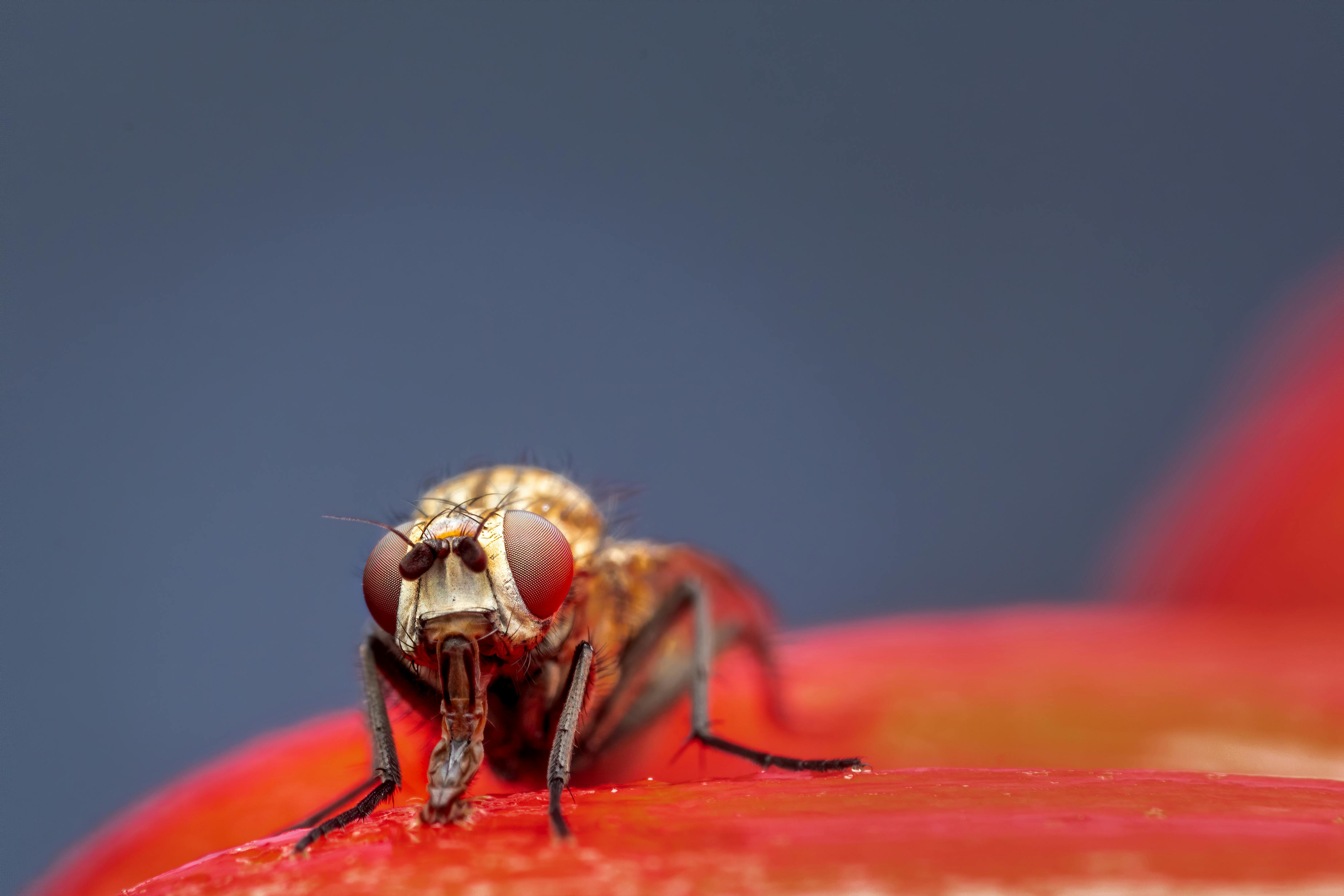
Fruit flies are tiny, typically 1/8 in (3 mm) long, with a tan-to-brown body and distinct red-eye spots that glisten in the light—often the first sign homeowners notice before searching for a fruit fly exterminator Peachtree City. Their wings sport a subtle pattern of dark veins, giving them a slightly mottled appearance. What truly sets them apart is their relentless attraction to fermenting fruit, sugary liquids, and any organic matter that’s beginning to break down. This instinct drives them straight into the heart of a kitchen, where they can multiply in minutes.
Where They Hang Out
- Kitchen counters and fruit bowls: Ripe bananas, overripe berries, or a forgotten slice of melon are prime real estate.
- Trash cans and compost bins: The moist, decomposing waste provides both food and a breeding ground.
- Drains and sink traps: Stagnant water and food scraps in pipes create a hidden nursery.
- Refrigerator spills: Even a tiny puddle of juice can lure a swarm.
Health Risks You Shouldn’t Ignore
The CDC warns that fruit flies can mechanically transfer bacteria and fungi from contaminated surfaces to food items, increasing the risk of food‑borne illness. While they don’t bite or sting, their bodies can pick up pathogens like E. coli, Salmonella, and mold spores, then deposit them onto fresh produce, kitchen utensils, or even your hands as you prepare meals. In a home where food safety is paramount, even a modest fly presence can become a silent threat.
Spotting an Infestation
Early signs are often subtle:
- Small, hovering adults buzzing near fruit or trash.
- White, worm‑like larvae (often called “maggots”) inside softened fruit or at the bottom of a fruit bowl.
- “Mushy” spots on fruit that feel overly soft or emit a faint, yeasty odor.
If you notice a steady stream of flies landing and taking off within seconds, it’s time to investigate further.
Quick Visual Check
Use the close‑up photo below as a reference. Compare the fly’s size, wing pattern, and red eyes to any insects you see around your kitchen. If the match is clear, you’re likely dealing with fruit flies and should act promptly.
Preventing Fruit Fly Infestations Through Sanitation
Fruit flies are attracted to the tiniest bits of organic matter. By tightening up everyday sanitation habits, you cut off the food and moisture they need to reproduce. The following steps are simple, low‑cost actions you can weave into your regular household routine.
Eliminate Food Sources
- Store all fresh produce—especially bananas, berries, and melons—in airtight containers or the refrigerator.
- Inspect fruit daily and discard any that are bruised, over‑ripe, or beginning to rot.
- Cover bowls of sliced fruit or keep them in the fridge; never leave them exposed on the counter.
Manage Waste Effectively
- Use trash cans with snug‑fitting lids and empty them at least once a week.
- Rinse and scrub recycling bins after each use to remove sugary residues.
- Maintain a compost bin outdoors; if you compost indoors, empty it every 2–3 days and keep the lid sealed.
Clean Drains and Garbage Disposals
Organic buildup in drains is a hidden breeding ground. Pour a kettle of boiling water down each sink drain weekly, or use a food‑safe enzymatic cleaner that breaks down residue without harming pipes.
Reduce Moisture
- Repair leaky faucets and pipe joints promptly.
- Wipe countertops, sink edges, and stovetops dry after cooking or cleaning.
- Use a dehumidifier in damp areas such as basements or laundry rooms.
EPA Food‑Waste Reduction Tips
The EPA recommends three core practices to shrink food waste and, by extension, fruit‑fly attractants:
- Plan meals to buy only what you’ll use.
- Store food properly using clear containers so you see what’s inside.
- Serve smaller portions and refrigerate leftovers within two hours.
Weekly Fruit‑Fly Audit Checklist
- ☑ Check all fruit bowls; move any exposed fruit to the fridge.
- ☑ Empty and clean trash and recycling bins.
- ☑ Run boiling water through kitchen and bathroom drains.
- ☑ Inspect sinks and countertops for standing water; wipe dry.
- ☑ Verify that all food containers are sealed.
- ☑ Review compost bin; add a lid if missing.
By turning these actions into a quick, weekly audit, you create an environment that’s inhospitable to fruit flies before they even get a chance to lay eggs. Consistent sanitation not only protects your home from these tiny pests but also supports a healthier, cleaner kitchen for your family.
Safe Treatment Options for Existing Fruit Fly Problems
DIY Traps That Work
Apple-cider vinegar traps are the go-to home remedy for fruit flies and are often tried before homeowners contact a fruit fly exterminator Peachtree City for professional help. Fill a small jar with a half-cup of apple-cider vinegar, add a drop of dish soap, and cover it with plastic wrap pierced with a few slits. The flies are attracted to the scent, slip through the slits, and drown in the solution. Commercial sticky traps work similarly—place them near drains, trash cans, and fruit bowls, and replace them every few days for maximum capture. For a sweeter lure, replace half the vinegar with red wine; the alcohol intensifies the scent and catches even the most reluctant flies.
Placement Tips for Maximum Capture
Position traps at eye level and away from direct sunlight, which can evaporate the lure faster. In the kitchen, set one trap beside the sink, another on the countertop, and a third near the compost bin. Consistency is key; leave the traps in place for at least 48 hours before judging effectiveness. Rotate the traps every two days to keep the attractant fresh and prevent the flies from learning the escape routes.
When DIY Isn’t Enough
If you still see swarms after a week of trapping, it’s time to call a professional. Licensed technicians can apply indoor spray formulations that reach hidden breeding sites—under appliances, in wall voids, and inside drain lines—where DIY methods rarely penetrate.

EPA‑Approved Insecticides and PPE
Professional fruit‑fly programs rely on EPA‑registered products such as pyrethrin‑based sprays or low‑toxicity organophosphates. These chemicals are effective at low concentrations, but they demand strict personal protective equipment (PPE): gloves, goggles, and a respirator when mixing or applying. Proper PPE protects both the technician and the occupants of the home.
What a Typical Professional Visit Looks Like
- Inspection: The technician identifies breeding hotspots—drain traps, overripe fruit, and organic debris.
- Targeted spray: A calibrated applicator delivers a fine mist directly onto the identified sites, ensuring coverage without overspray.
- Follow‑up: A second visit is scheduled 7–10 days later to assess residual activity and re‑treat if needed.
Post‑Treatment Best Practices
After spraying, keep windows and doors open for at least 30 minutes to ventilate the treated rooms. Avoid preparing or consuming food for the next 2–4 hours, and store all produce in the refrigerator. Regularly empty trash and clean drains with a mild bleach solution to deny flies any chance to rebound. Check the traps daily for a week; if activity persists, schedule a follow‑up visit with your pest professional.
For a deeper dive into the science behind fruit‑fly control, consult the NPMA pest guide, which details product labels, resistance management, and safety protocols.
Comparing Fruit Fly Treatment Costs to Other Common Pests
One‑time vs. Recurring Service Models
Most pest‑control companies offer two pricing structures: a single, one‑time visit that targets the immediate infestation, or a recurring monthly plan that includes regular monitoring and preventive treatments. One‑time treatments typically range from $100 to $250, while monthly plans can run $30‑$70 per month, depending on the pest and the scope of service.
Cost Benchmark: Fruit Flies vs. Ants, Roaches, and Rodents
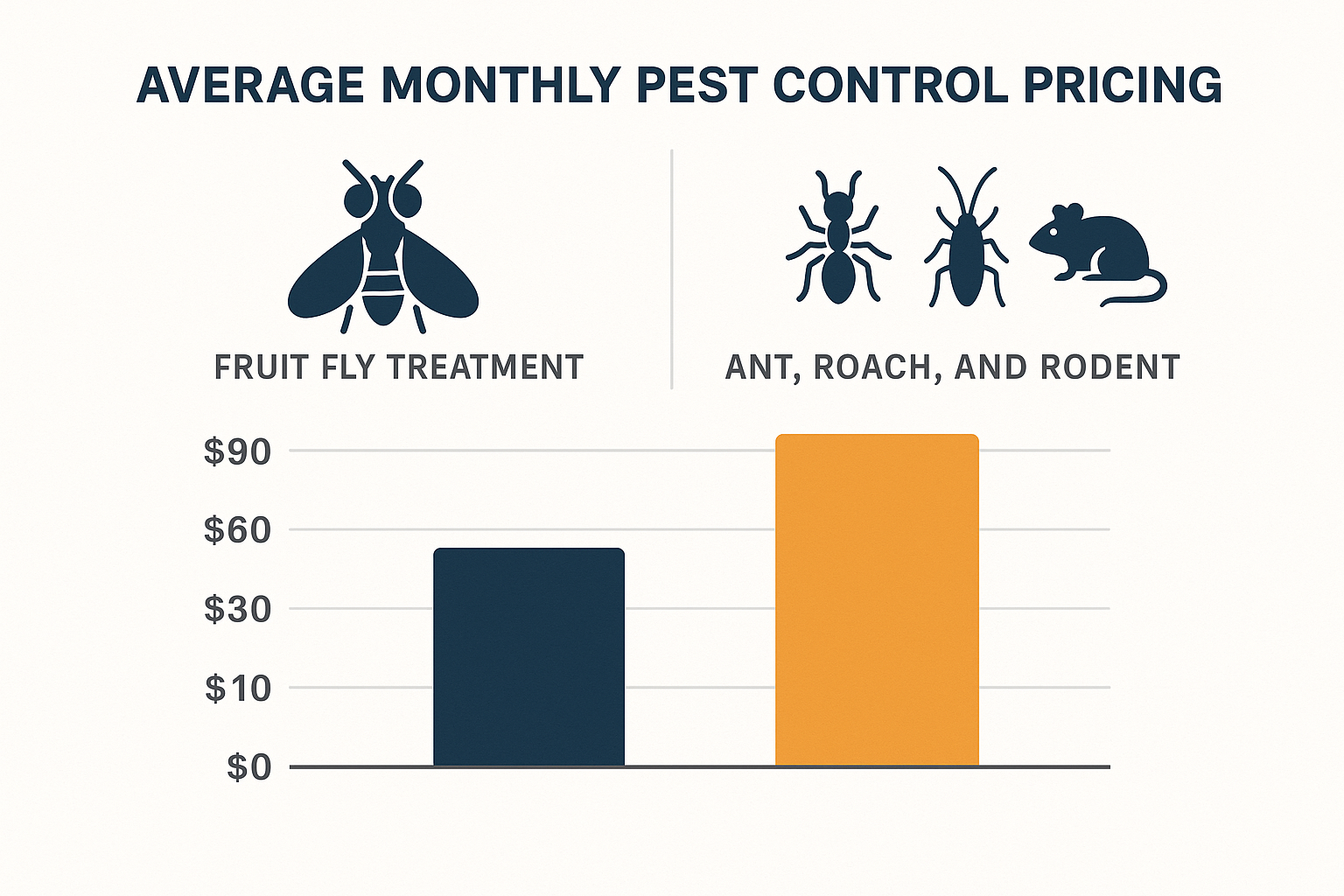
The chart above illustrates typical monthly expenses for four common household pests, data often reviewed by a fruit fly exterminator Peachtree City when helping homeowners compare service options. Fruit fly treatments sit near the lower end of the spectrum—usually $35–$45 per month—while ant and roach services average $45–$60, and rodent control can climb to $70–$85 because of more intensive trapping and monitoring requirements.
What Drives the Price?
- Infestation severity: A light fruit‑fly problem may need only a single spray, whereas a heavy outbreak could require multiple visits and ongoing bait stations.
- Treatment type: Chemical fogging, UV‑light traps, or environmentally‑friendly baits each carry different material costs.
- Geographic location: Service rates in Peachtree City, GA, reflect local labor rates and travel distances.
- Seasonality: Peak summer months may see higher demand, influencing pricing or prompting discounts for early bookings.
Anthem Pest Control’s Transparent Pricing
Anthem Pest Control sets a clear baseline: a fruit‑fly inspection is free, and the subsequent treatment starts at $119 for a one‑time service. Their recurring plan—$39 per month—includes quarterly follow‑ups, a guarantee that pests won’t return within the service period, and a written warranty. Homeowners also receive a detailed report after each visit, so they know exactly what was done.
Quick Tip
Before signing up, ask for a written quote that breaks down labor, materials, and any guarantees. Compare that document side‑by‑side with the bar‑chart above to ensure you’re getting the best value for your budget.
Seasonal Fruit Fly Activity in Peachtree City
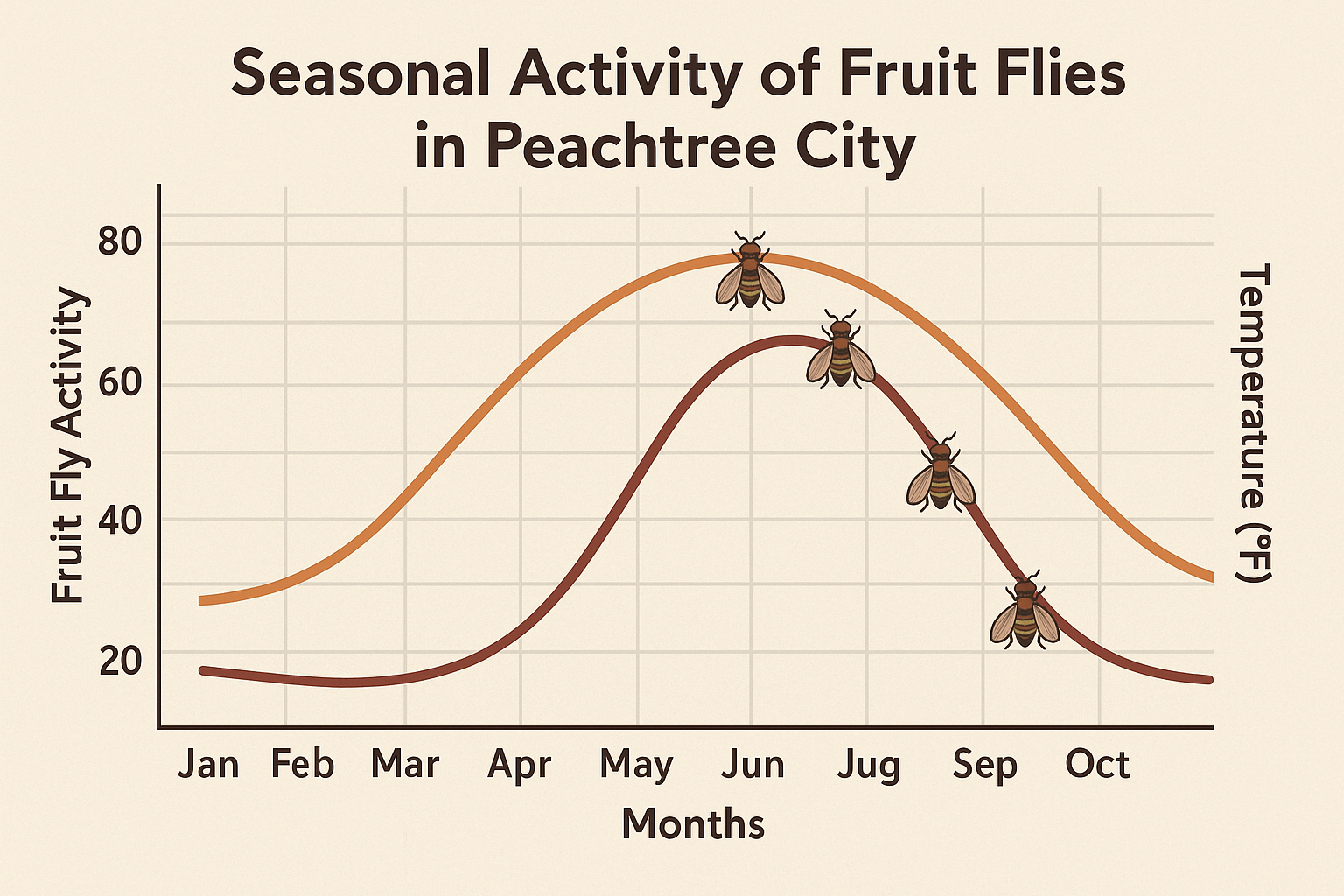
Fruit flies thrive when warmth and moisture intersect, a pattern a fruit fly exterminator Peachtree City sees regularly during peak seasons. In Peachtree City, average daytime temperatures above 70°F (21°C) accelerate egg development, while relative humidity levels above 60% keep larvae from desiccating. When both factors rise together, the life cycle—from egg to adult—can compress to just five days, leading to rapid population spikes.
What the chart tells us
The line‑chart above maps fruit‑fly captures against typical monthly climate patterns. Notice the steep climb from late May through August, aligning with the city’s hottest and most humid period (average highs 85‑90 °F, humidity 65‑70 %). Activity eases in September, dips sharply through winter, and remains low until the spring warming begins again.
| Month | Avg. High (°F) | Avg. Humidity (%) |
|---|---|---|
| May | 78 | 58 |
| June | 85 | 62 |
| July | 90 | 68 |
| August | 89 | 66 |
| September | 82 | 60 |
| October | 73 | 55 |
| November | 64 | 50 |
| December | 55 | 48 |
| January | 53 | 45 |
| February | 57 | 48 |
| March | 66 | 52 |
| April | 73 | 55 |
When to act
- Pre‑summer deep clean (late April‑early May): Remove fermenting fruit, clean drains, and store produce in sealed containers.
- Mid‑summer inspection (mid‑July): Schedule a professional check‑up to catch hidden breeding sites before the peak.
- Early fall touch‑up (late September): A targeted treatment can suppress the residual population that survives the cooler months.
“Seasonal pest management is most effective when interventions are timed to the pest’s biology and local climate. Aligning treatment windows with peak activity reduces chemical use and improves control outcomes.” – National Pest Management Association (NPMA)
Protect Your Home Today with Anthem Pest Control
Quick Recap
Fruit flies are tiny, tan‑brown insects that love damp, sugary environments. They often appear near overripe fruit, trash cans, or standing water. Maintaining a clean kitchen—wiping counters, sealing food, and emptying compost regularly—keeps their numbers down. If you notice swarms, persistent larvae, or the flies returning despite your best efforts, it’s time to call a professional.
Why Choose Anthem?
Anthem Pest Control brings decades of experience to every fruit‑fly job. Our technicians use EPA‑approved, low‑toxicity treatments that target the insects without jeopardizing your family or pets. We don’t just eliminate the current infestation; we set up a year‑round prevention plan that tackles breeding sites and future incursions. Transparent pricing means you’ll receive a detailed, no‑obligation quote before any work begins—no hidden fees, just clear, affordable solutions.
Simple Next Steps
- Give us a call at 877‑371‑8196 for a free, no‑obligation quote.
- Our friendly staff will schedule a same‑day inspection if needed.
- We’ll outline a customized treatment and prevention strategy tailored to your home.
If you’ve spotted fruit flies or simply want peace of mind knowing your home is protected, reach out today. Our team is ready to safeguard your kitchen, pantry, and entire house with the expertise you deserve.
Visit Anthem Pest Control to schedule your service with a trusted fruit fly exterminator Peachtree City and get expert help eliminating fruit flies for good.