Recognizing Fruit Flies in Your Home
In Georgia’s warm climate the most common fruit fly you’ll encounter is Drosophila melanogaster. This tiny pest thrives in kitchens and pantries where sugary residues linger. Knowing its appearance and habits lets you catch it before a few dozen turn into a full‑blown nuisance.
Key visual identifiers
Fruit flies are about 1/8‑inch (3 mm) long—roughly the size of a grain of rice. Their bodies are a tan‑brown hue, and they sport bright red eyes that stand out against the muted background. The wings are clear with a faint, mottled pattern that resembles a tiny fingerprint. When you hold a fly up to a light, you’ll notice the wings beat rapidly, creating a faint buzzing sound.
Where they like to hang out
These insects are attracted to fermenting sugars, so they congregate in predictable hotspots:
- Trash cans and recycling bins that hold food scraps.
- Kitchen drains, especially if there’s a buildup of organic matter.
- Overripe or rotting fruit left on countertops or in fruit bowls.
- Compost bins and outdoor garbage areas.
Fruit flies are drawn to kitchens because the combination of moisture, warm temperatures, and abundant food sources creates an ideal breeding ground. Even a small splash of juice under a fridge or a forgotten banana peel can provide enough nutrients for a female to lay dozens of eggs, each hatching in just 24 hours.

Use a macro photo like the one above to confirm identification. Zoom in on the red eyes and wing pattern; house flies (Musca domestica) are larger (about ¼‑inch) and have striped thoraxes, while fungus gnats have longer legs and a darker, more slender body.
Warning signs of a growing infestation
If you start noticing any of the following, it’s time to act:
- Frequent sightings near fruit bowls, sinks, or trash.
- Visible fruit spoilage that seems to accelerate.
- Sticky traps or homemade vinegar traps catching dozens of flies in a single day.
These indicators suggest that breeding sites are established and the population could explode within days. Early detection lets you target the source—usually a clogged drain or forgotten fruit—before the flies spread to other rooms.
For a deeper dive into the biology and control methods for D. melanogaster, consult the Anthem Pest fruit fly guide. The guide outlines practical steps homeowners can take right now, from proper waste management to professional treatment options that keep your kitchen fly‑free.
Fruit Fly Life Cycle and Seasonal Peaks in Georgia
Four‑Stage Life Cycle
Fruit flies (family Drosophilidae) move through a rapid, four‑stage life cycle: egg, larva, pupa, and adult. Under Georgia’s warm spring and summer temperatures, a full cycle can be completed in just 8–10 days. Females lay tiny, white eggs on the surface of fermenting fruit or any moist, sugary substrate. Within a day, the eggs hatch into larvae that feed voraciously, growing into mature pupae in another 3–4 days before emerging as fully winged adults ready to reproduce.
What Speeds Up Their Development?
The speed of this cycle is driven primarily by three environmental factors:
- Temperature: Temperatures between 75°F – 85°F (24°C – 29°C) accelerate metabolism, shaving days off each stage.
- Moisture: High humidity keeps eggs from desiccating and provides the damp conditions larvae need to thrive.
- Abundant Food Sources: Overripe fruit, sugary drinks, compost, and even damp garbage create a buffet that fuels rapid growth.
When these conditions align, a single female can generate dozens of offspring in a matter of weeks, leading to exponential population spikes.
Georgia’s Seasonal Activity
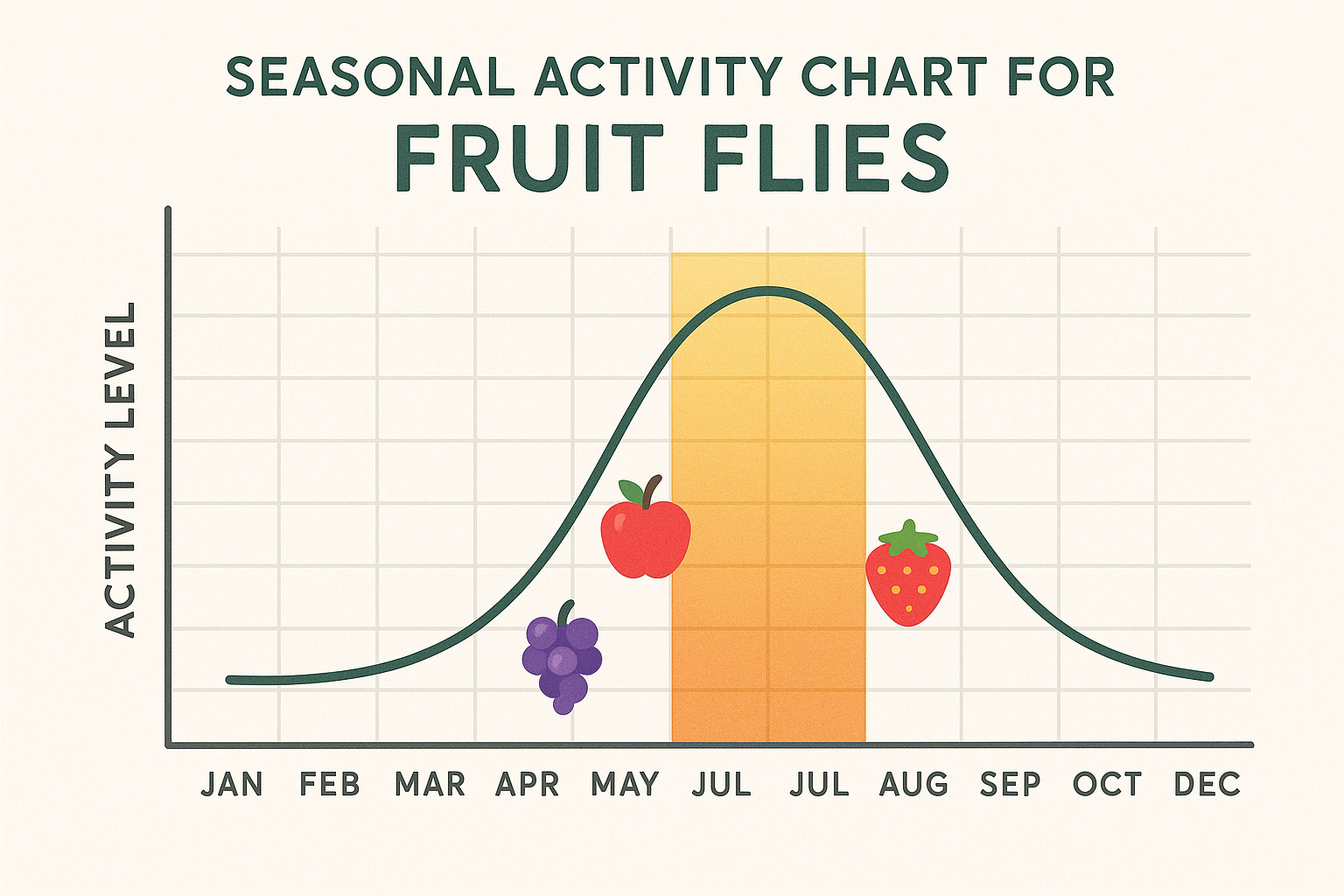
The chart above illustrates the typical ebb and flow of fruit fly numbers across the year. Winter months (December – February) see minimal activity because low temperatures stall development. As temperatures climb in March, a gradual rise begins, culminating in a pronounced peak from July through September. Activity then tapers off in October and November as cooler nights inhibit breeding.
| Month | Activity Level |
|---|---|
| January – February | Low |
| March – May | Moderate |
| June – September | High |
| October – November | Moderate |
Climate Twists: Heat Waves and Rainy Spells
Georgia’s unpredictable weather can create secondary spikes outside the normal peak. A sudden heat wave pushes temperatures above 90°F (32°C), compressing the life cycle to under a week. Likewise, a period of heavy rain raises ambient humidity, preserving eggs and larvae that might otherwise desiccate. These short‑term surges often catch homeowners off guard, especially if they assume the main season has passed.
What Homeowners Should Watch For
If you spot fruit flies buzzing around fruit bowls or kitchen drains in early summer, treat it as an early warning sign. Because the insects can multiply tenfold in just a few days, a handful of sightings can quickly evolve into a full‑blown infestation if left unchecked. Prompt removal of overripe produce, regular trash disposal, and a professional inspection from Anthem Pest Control can halt the cycle before the July‑September peak overwhelms your home.
Preventing Fruit Flies Before They Take Over
Fruit flies love the sweet, damp spots we often overlook in our kitchens and homes. The good news is that a few disciplined habits can shut down their breeding cycle before it even starts, saving you both a nuisance and a pricey professional treatment.
Eliminate breeding sites
- Proper waste disposal: Empty kitchen trash daily and keep the bin sealed with a tight‑fit lid. Compost bins should be kept outdoors and covered.
- Clean drains: Fruit‑fly larvae thrive in the organic film that builds up inside sink and floor‑drain pipes. Pour a mixture of boiling water, white vinegar, and a splash of baking soda down each drain once a week.
- Cover compost and fruit: Store ripe fruit in the refrigerator or in airtight containers. If you keep a countertop bowl of fruit, replace it every 24‑48 hours.
- Refrigerate produce: Even sliced vegetables should be sealed in plastic bags or containers before they go into the fridge.
Kitchen hygiene tips
- Wipe countertops, tables, and appliance surfaces after each meal. A quick spray of diluted dish soap removes the sugary residue fruit flies love.
- Clean up spillages immediately, especially juice, wine, or soda.
- Store open packages of cereal, nuts, and snacks in resealable bags or containers.
- Use airtight trash bags and replace them before they become overfilled.
Structural fixes
- Install fine‑mesh window screens and inspect them regularly for tears.
- Seal cracks and gaps around doors, windows, and utility openings with caulk or weather‑stripping.
- Fit door sweeps on exterior doors to block the tiny entry points fruit flies use.
Natural deterrents
- Set a simple apple‑cider‑vinegar trap: a shallow dish with a splash of vinegar, a drop of dish soap, and a piece of fruit. The flies are attracted, then drown.
- Grow basil or mint in pots on a sunny windowsill; their strong scent repels fruit flies.
- Mix a few drops of peppermint or eucalyptus essential oil with water in a spray bottle and mist countertops and door frames.
Quick prevention checklist
- Daily
- Take out trash and replace the bag.
- Wipe any food or drink spills.
- Store fruit in the fridge or sealed containers.
- Weekly
- Run boiling‑water/vinegar drain cleaner.
- Inspect and repair any screen or door gaps.
- Refresh apple‑cider‑vinegar traps.
- Monthly
- Deep‑clean pantry shelves.
- Rotate and clean compost containers.
- Check outdoor lighting for attracting other insects.
By keeping these tasks on a simple schedule, you create an environment that fruit flies find hostile, dramatically cutting the chance you’ll need to call a professional. Consistent prevention is the most affordable, effective line of defense.
Treatment Options – DIY vs. Professional Extermination
If you’ve spotted fruit flies buzzing around your kitchen, the first instinct is often to reach for a quick fix. While a few at‑home tricks can reduce numbers temporarily, understanding the strengths and gaps of DIY methods versus a certified pest‑control service will help you choose the most effective, safest path to a fly‑free home.
DIY Methods: What Works and What Doesn’t
Homeowners commonly rely on three low‑cost tactics:
- Vinegar traps: A shallow dish of apple‑cider vinegar topped with a few drops of dish soap lures flies and traps them. It’s inexpensive and easy, but the trap only captures flies that happen to land on the surface.
- Boiling water: Pouring boiling water into drains can kill larvae hiding in the pipe. This method is safe for the homeowner but may not reach deep, clogged sections where eggs are protected.
- Insecticidal sprays: Over‑the‑counter aerosols claim quick knock‑down. They can be effective for visible adults, yet the chemicals often lack residual action, leaving the hidden breeding sites untouched.
Pros of DIY include low upfront cost and immediate action, but the cons quickly surface: limited reach, potential resistance from mature fly populations, and the need to handle chemicals without professional training.
Why DIY Can Fall Short
Fruit flies thrive in moist, organic matter—drains, garbage disposals, fermenting produce, and even damp houseplants. A trap on the countertop won’t address larvae nesting deep inside a clogged sink pipe. Moreover, repeated use of generic sprays can lead to reduced efficacy as flies develop tolerance. Finally, many household chemicals pose health risks to children and pets if misapplied, especially in confined kitchen spaces.
Professional Approach: Thorough, Targeted, and Safe
When you call a licensed technician, the first step is a comprehensive inspection. The expert identifies all potential breeding grounds—drain lines, garbage bins, compost containers, and even hidden cracks in countertops. Based on this assessment, they apply EPA‑approved residual sprays that remain active for weeks, treat drains with specialized larvicides, and install exclusion measures such as mesh screens or sealants to block re‑entry.

The technician’s role goes beyond spraying. They customize a plan that matches the severity of the infestation, the layout of your home, and any sensitivities you have—whether you need child‑friendly formulations or pet‑safe alternatives.
Safety First: EPA‑Approved & Pet‑Friendly Options
Professional products must meet strict EPA standards, ensuring they’re effective without compromising indoor air quality. Many companies, including Anthem Pest Control, offer:
- Low‑odor, fast‑drying residuals that won’t linger on surfaces.
- Biodegradable drain treatments safe for septic systems.
- Non‑toxic exclusion barriers that keep flies out without chemicals.
When to Call in the Pros
DIY tricks are worth a try for the first few days, but if you still see fruit flies after two weeks, or if the problem spreads to multiple rooms, it’s time to upgrade. Large infestations, persistent sightings despite traps, and evidence of larvae in drains all signal that a professional’s expertise will save you time, money, and the frustration of endless home remedies.
Pricing Guide for Fruit Fly Extermination
One‑Time Treatment vs. Monthly Subscription
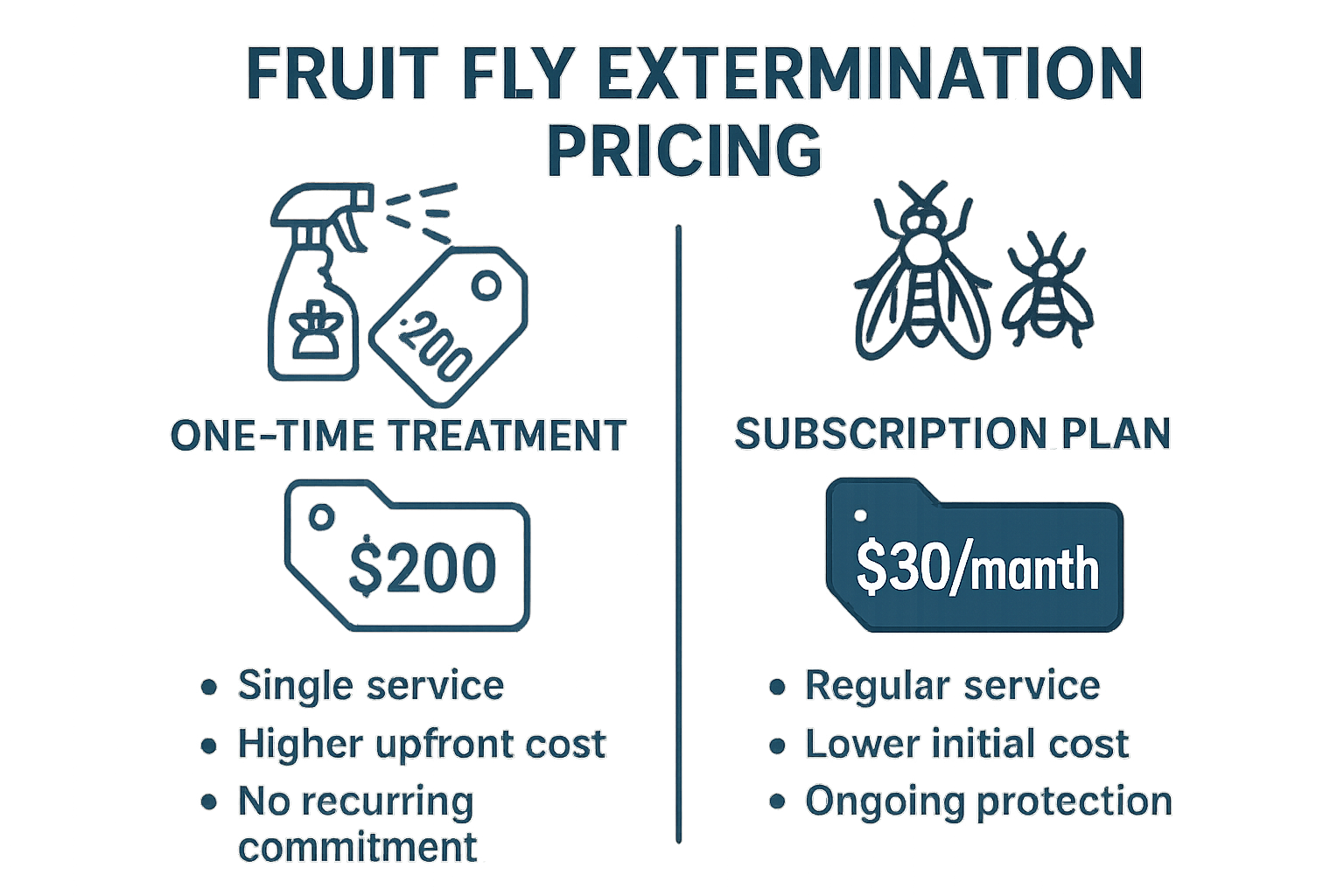
Most pest‑control companies in Roswell offer two main pricing models. A one‑time treatment charges a flat fee for a single visit that includes inspection, treatment, and a short‑term guarantee. A monthly subscription spreads the cost over recurring visits, providing ongoing monitoring, repeat treatments, and a longer protection window.
What’s Included in Each Plan
Both options start with a thorough initial inspection to locate breeding sites and assess infestation severity. The one‑time package typically covers:
- Inspection and identification
- Application of a fruit‑fly specific spray or trap system
- One follow‑up visit within 30 days
- 30‑day guarantee against re‑infestation
The subscription plan expands on that foundation, adding:
- Quarterly inspections and treatments
- Unlimited trap replacements
- Extended guarantee (up to 90 days after each visit)
- Optional add‑ons such as drain cleaning or kitchen‑area sealing
Typical Price Ranges in Georgia
In the Roswell area, homeowners can expect the following ballpark figures:
- One‑time treatment: $99–$149
- Monthly subscription: $29–$49 per month
These numbers reflect standard service levels; premium plans with added drain cleaning or larger homes may sit at the higher end of each range.
| Plan | Upfront Cost | Monthly Cost | Includes | Guarantee |
|---|---|---|---|---|
| One‑Time | $99–$149 | None | Inspection, treatment, 1 follow‑up | 30 days |
| Monthly Subscription | None | $29–$49 | Quarterly inspections, unlimited traps, optional drain cleaning | 90 days after each visit |
Factors That Influence the Price
Several variables can shift the quoted amount:
- Home size: Larger square footage requires more product and labor.
- Infestation severity: Heavy infestations often need multiple treatments.
- Additional services: Drain cleaning, kitchen sealing, or pet‑safe formulations add to the total.
How to Evaluate a Quote
When you receive a proposal from Anthem Pest Control or any local provider, look for:
- Clear itemization of each service (inspection, treatment, follow‑up, guarantees).
- No hidden fees such as “service call” or “fuel surcharge.”
- A written guarantee that specifies the re‑treatment policy.
- Transparent pricing for optional add‑ons, so you can decide what you truly need.
By comparing these elements side‑by‑side, you’ll be able to choose the plan that offers the best value for your home and keep fruit flies from turning your kitchen into a buffet.
Protect Your Home Today with Anthem Pest Control
Fruit flies may be tiny, but they’re a clear sign that something in your home needs attention. By now you should be able to identify fruit flies, recognize the seasonal peaks when they’re most active, and put basic prevention steps in place. You also know the treatment options—from DIY traps to professional interventions.
- Identify: Small tan or brown flies hovering near fruit, drains, or compost.
- Seasonal peaks: Late spring through early fall, especially after warm, humid days.
- Prevention: Store produce in sealed containers, clean up spills promptly, and keep garbage bins covered.
- Treatment: Targeted sprays, bait stations, and thorough sanitation performed by trained technicians.
While DIY measures can reduce numbers, only a professional team can guarantee complete eradication and long‑term protection. Anthem Pest Control’s technicians bring years of experience, EPA‑approved products, and a systematic approach that tackles the problem at its source—especially crucial during the high‑risk months.
Ready for a hassle‑free solution? We invite you to schedule a complimentary inspection and receive a personalized, no‑obligation quote. Our experts will assess your home, explain the most effective treatment plan, and answer any questions you have.
Call us today at 877‑371‑8196 or visit Anthem Pest Control to book your free inspection. We’re here to help you enjoy a fruit‑fly‑free home—no pressure, just reliable guidance.