Silverfish Threat in Brookhaven Summer

As the humidity climbs and temperatures linger above 80°F, Brookhaven homeowners are reporting a noticeable uptick in silverfish sightings. These tiny, fish-shaped insects love the damp, dark corners of our homes, and the summer months turn our basements, kitchens, and bathrooms into their perfect playground. If you’ve just spotted a silvery flash darting across a tile, you’re not alone—your neighbors are experiencing the same surprise, leading many to contact a silverfish exterminator Brookhaven GA for fast and effective control.
What makes silverfish thrive in our homes?
Understanding the biology of silverfish helps you see why they become such persistent nuisances. They are ancient, wing‑less insects that have survived for millions of years, largely because they can subsist on a surprisingly wide diet and reproduce quickly.
- Life cycle: Silverfish hatch from eggs in about two weeks, then progress through three nymph stages over several months before reaching adulthood. A single female can lay up to 150 eggs, ensuring a rapid population buildup during warm, moist periods.
- Diet: They feast on starchy materials—paper, glue, book bindings, cereal, and even dead skin cells. The sugary residues left on countertops or in pantry spills provide an all‑you‑can‑eat buffet.
- Nuisance factor: While they don’t bite or spread disease, their presence signals excess moisture and can damage fabrics, wallpaper, and stored food, leading to costly replacements if left unchecked.
Our guide will walk you through exactly how to locate a qualified silverfish exterminator in Brookhaven, what treatment options are most effective, and how to keep your home pest‑free year after year. From professional inspections to DIY prevention tips, we’ve got the roadmap you need to reclaim your space.
Brookhaven’s subtropical climate—characterized by high summer humidity, frequent rain showers, and lush vegetation—creates the ideal conditions for silverfish to infiltrate homes. Poor ventilation, leaky pipes, and condensation on windows further amplify the problem. By recognizing these local climate triggers, you can take proactive steps now, before the next wave of silverfish arrives.
Understanding Silverfish and Their Home Invasion
Silverfish (Lepisma saccharina) are slender, fish‑shaped insects that glide silently across floors and walls. Though they never bite or sting, their presence signals a moisture‑rich environment that can invite other pests.
Their life cycle is simple yet effective. Females lay 30–100 tiny, oval eggs in cracks or behind baseboards; each egg hatches in 2–3 weeks into a nymph that looks like a miniature adult. Nymphs molt up to 20 times over 2–3 years, gradually growing to the familiar ½‑inch, silver‑gray adult that can live another year under ideal conditions.
Silverfish favor dark, damp locations where food sources linger. Bathrooms with leaky pipes, kitchens storing grains or flour, and basements with poor ventilation are prime real estate. They also hide behind wallpaper, inside closets, and beneath insulation where humidity stays above 60 %.
What they damage
- Paper and books: The insects chew on cellulose, leaving ragged edges on pages and important documents.
- Clothing and fabrics: Natural fibers such as cotton, silk, and wool become pitted and discolored after repeated feeding.
- Starchy foods: Flour, rice, cereals, and even pet food are attractive snack stations for a growing colony.
- Structural concerns: While they don’t chew wood, prolonged moisture damage caused by their presence can weaken drywall and promote mold growth.
The Environmental Protection Agency estimates that 1 in 5 U.S. homes reports silverfish activity [EPA Indoor Pest Management]. That frequency spikes after rainy seasons when indoor humidity rises.
Take the case of a Brookhaven homeowner, Sarah M., who noticed tiny, silvery specks scurrying across her bathroom floor after a week of heavy rain. A quick inspection revealed a thin film of silverfish along the baseboard, and several shredded pages from her home office binder. Within days, the infestation spread to the kitchen pantry, contaminating flour containers and leaving a faint, musty odor. A professional treatment from Anthem Pest Control eliminated the colony and installed humidity‑control recommendations to prevent a recurrence.

Recognizing these signs early can save you time, money, and cherished belongings. If you spot the tell‑tale silver shimmer, a prompt inspection by a local expert is the safest way to protect your home.
Why Professional Extermination Beats DIY
Over‑the‑counter silverfish sprays look appealing, but their effectiveness fades quickly. Most aerosol products leave a residual life of only a few days, giving the insects a chance to repopulate as soon as the chemicals dissipate.
Resistance and health risks
Repeated use of the same DIY formula can encourage resistance, meaning future applications become even less potent. In addition, many consumer‑grade sprays contain pyrethroids or other irritants that can trigger respiratory issues, skin irritation, or allergic reactions—especially in homes with children, pets, or allergy‑prone occupants.
CDC backs professional treatment
The Centers for Disease Control and Prevention explicitly recommends professional intervention for persistent silverfish problems. Their guidance notes that “effective, long‑lasting control is best achieved by licensed pest‑management operators who can apply EPA‑approved products safely” [CDC Silverfish Guidance].
Cost vs. value
A single DIY canister typically costs between $15 and $30, but you’ll likely need multiple applications over several weeks. A licensed technician charges $120 to $250 for a comprehensive treatment that includes inspection, targeted application, and a follow‑up visit. The higher upfront price translates into lasting protection, reducing the need for repeat purchases.
| Option | Typical Cost (including application) |
|---|---|
| DIY spray | $15 – $30 |
| Professional treatment | $120 – $250 |
Safety for the whole family
Certified technicians use integrated pest-management techniques that prioritize low-toxicity products, proper ventilation, and precise placement. This approach protects indoor air quality, keeps pets out of harm’s way, and eliminates the guesswork of DIY dosing. Homeowners who choose a professional silverfish exterminator Brookhaven GA can sleep soundly, knowing the silverfish are being eradicated without compromising the health of their loved ones.
Long‑term monitoring and peace of mind
Professional plans include a post‑treatment inspection, usually within two weeks, to verify that the silverfish population has been eliminated. If any activity persists, technicians can adjust the treatment on the spot, eliminating the guesswork that DIY users face. This ongoing oversight turns a one‑time expense into a lasting solution, protecting your home year after year.
Locating a Trusted Silverfish Exterminor in Brookhaven
Step‑by‑step search method
Finding a qualified silverfish specialist starts with a focused online hunt. Follow these five steps to keep the process efficient and reliable:
- Choose precise search terms. Begin with “silverfish exterminator Brookhaven GA” or “licensed silverfish control near me Brookhaven.” Adding “licensed” filters out unverified providers.
- Scan the first three pages of results. Reputable firms usually appear in the top organic listings and on Google Maps.
- Verify credentials. Click the company’s website and look for a pest‑control license number (issued by the Georgia Department of Agriculture). Cross‑check that number on the state’s licensing portal.
- Check reviews for consistency. Aim for an average rating of 4 stars or higher, with recent comments mentioning silverfish specifically.
- Request a quote. Use the provider’s online form or call the number listed. A transparent estimate that outlines inspection, treatment, and follow‑up shows professionalism.
Neighborhood nuances that affect silverfish hotspots
Brookhaven’s housing styles influence where silverfish like to hide. Knowing the local layout helps you narrow down service areas and anticipate treatment challenges.
- North Brookhaven – Predominantly newer townhomes with concrete slab foundations. Moisture can collect in crawl spaces, creating ideal breeding grounds.
- Brookhaven Village – A mix of historic bungalows and mid‑century ranches. Older plaster walls and paper‑based insulation often harbor silverfish larvae.
- South Brookhaven – Mostly single‑family homes with basements. Leaky basements and stored cardboard boxes become perfect hideouts.
Recommended online tools
Leverage these free resources to validate a pest‑control partner before you pick up the phone:
- Google Maps – Plot the company’s address and compare travel distance to your home. The “Nearby” feature also reveals other local service providers for quick comparison.
- Better Business Bureau (BBB) – Review the BBB rating, complaint history, and any accreditation symbols. A “A+” rating signals strong customer service.
- Anthem Pest’s local service page – Directly request a free quote, view the technician’s certifications, and read case studies specific to Brookhaven.
Sample search query and review‑reading tips
Try this exact phrase in Google: “licensed silverfish exterminator Brookhaven GA site:anthempest.com”. It pulls any Anthem Pest pages indexed for your area, ensuring you’re looking at a vetted provider.
When you read reviews, focus on three signals:
- Rating consistency. A steady 4‑5 star range across multiple platforms suggests reliable service.
- Response time. Comments that mention quick appointment scheduling indicate a company that respects homeowner urgency.
- Service details. Look for mentions of “inspection,” “follow‑up,” and “preventive plan.” Vague praise without specifics may hide gaps in service.
Quick tip: embed a map thumbnail
For a visual reference, embed a small Google Maps thumbnail of the technician’s location next to your contact details. Use the standard embed code, set the width to 250 px, and keep the height proportionate. This tiny map helps homeowners confirm proximity without opening a new tab.
Anthem Pest’s Silverfish Treatment Protocol
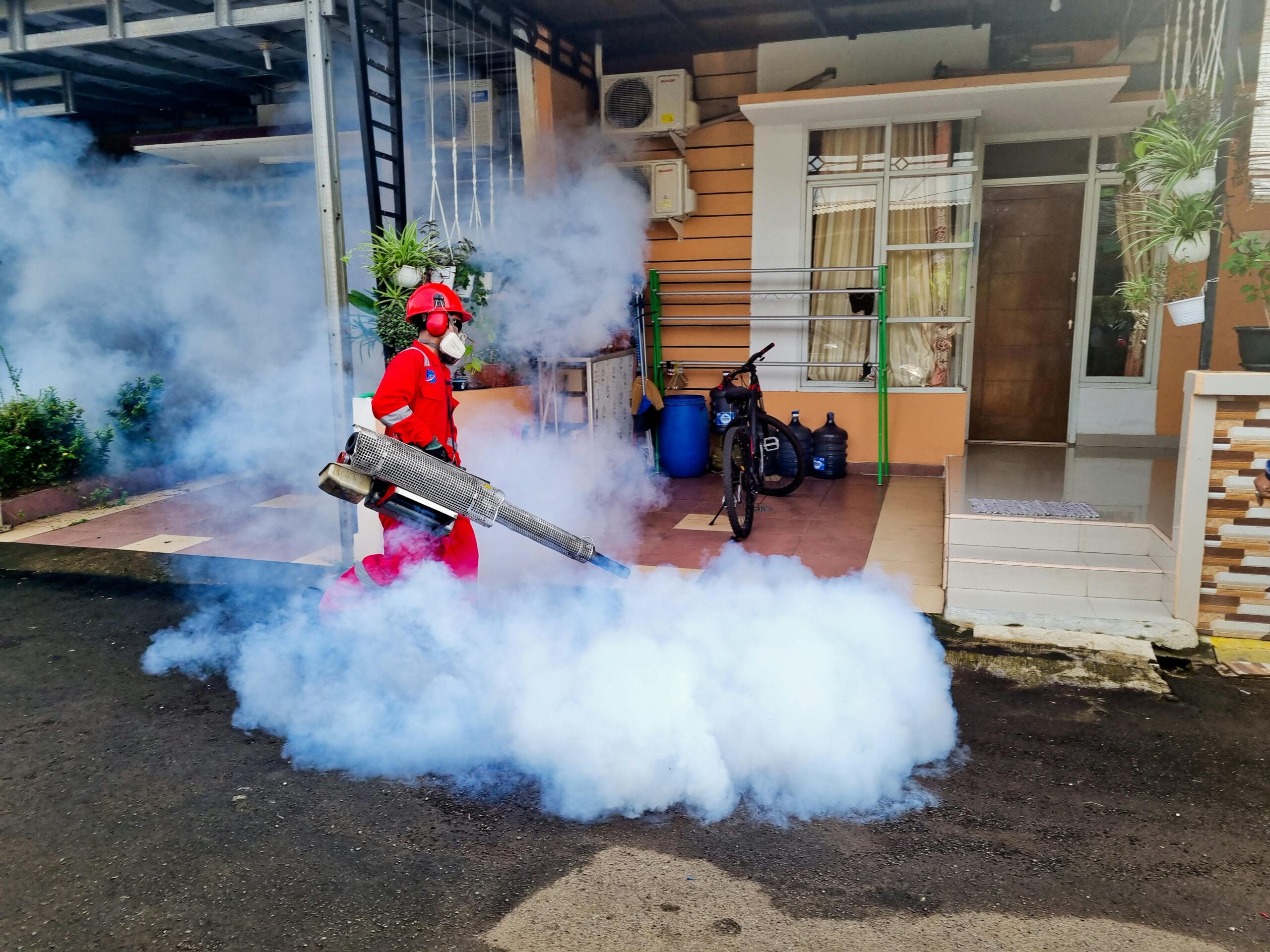
When a silverfish infestation is suspected, Anthem Pest begins with a thorough on‑site inspection. The technician first confirms the insect’s identity by examining body shape, movement patterns, and the characteristic fish‑like scales. Next, a moisture audit is performed—silverfish thrive in damp environments—so the crew checks bathroom grout, kitchen sinks, basements, and any leaky pipes. Findings are logged in a digital report, which serves as the blueprint for a customized treatment plan.
Step‑by‑step treatment options
- Residual sprays: A low‑odor, EPA‑approved insecticide is applied to baseboards, cracks, and entry points. The formulation continues to kill silverfish for weeks after the initial application.
- Dust applications: In hard‑to‑reach voids such as wall cavities and under floorboards, a fine dust is placed. The dust adheres to the insects’ legs, delivering a slow‑acting dose that reduces re‑infestation.
- Structural barriers: For homes with chronic moisture, Anthem installs a moisture‑absorbing barrier and seals gaps around doors, windows, and utility penetrations. This denies silverfish the humid refuge they need to breed.
- Follow‑up visits: A second appointment 7–10 days later confirms that the population has been suppressed and allows technicians to retreat any missed hotspots.
Transparent pricing you can trust
Anthem Pest lists a clear price band for a typical 1,500‑sq‑ft residence: $120 – $250 per treatment, depending on the severity of the infestation and the chosen combination of sprays, dust, and barriers. Homeowners who want ongoing vigilance can add a quarterly monitoring service for $45 per visit. All fees are posted on the official website, and the figures above are verified against the Anthem Pest Pricing page.
All products used are low‑odor and approved for homes with children and pets. Anthem backs each silverfish service with a 30‑day satisfaction guarantee, promising a free retreat if any activity is observed within that window.
What Brookhaven homeowners are saying
“We called Anthem after spotting silverfish near our laundry room. Within two days the technician had identified hidden moisture behind the cabinets and treated the whole house. A month later there was not a single silverfish in sight. The crew was courteous, explained every step, and the price matched what was listed online. Highly recommend them to anyone in Brookhaven!” — Linda M., Brookhaven Village

Prevention Strategies for Homeowners
Silverfish thrive where moisture, food, and shelter intersect. By tackling each of these factors, Brookhaven homeowners can turn their homes into an environment where silverfish simply won’t survive. Below are proven, low‑cost steps that work year‑round.
Control Indoor Moisture
Silverfish love humidity above 60 %. Install or clean bathroom and kitchen exhaust fans to vent damp air outside, and run them for at least 15 minutes after showers or cooking. In basements, closets, and laundry rooms, place a dehumidifier set to 45‑50 % relative humidity. Empty the water reservoir daily and clean the filter monthly to keep the unit operating efficiently.
Seal Entry Points
Even the smallest crack can become a highway for silverfish. Inspect baseboards, window frames, and pipe penetrations for gaps wider than a pencil lead. Use silicone caulk or expanding foam to seal openings, and apply weather‑stripping around doors. Don’t forget the crawl space—cover vent openings with fine mesh to block insects without restricting airflow.
Store Food Properly
Dry goods such as cereals, flour, and pet food are a silverfish buffet. Transfer them to airtight containers made of glass or heavy‑wall plastic. Label containers with purchase dates and rotate stock so nothing sits stale for months. For occasional bulk purchases, keep the original packaging sealed inside a secondary container.
Maintain a Clean Home
Regular cleaning removes the detritus silverfish feed on. Vacuum carpets and floor seams weekly, then immediately empty the canister into a sealed bag. Wipe countertops, shelves, and the tops of appliances with a damp cloth to capture dust and crumbs. Reduce paper clutter—old magazines, receipts, and cardboard boxes should be recycled or stored in sealed bins.
Statistic: Homes with humidity > 60 % experience 30 % higher silverfish activity [NPMA Humidity Study].
Brookhaven Homeowner Checklist
- Install or clean exhaust fans in bathrooms and kitchens.
- Run a dehumidifier in basements, closets, and laundry rooms.
- Seal cracks around baseboards, windows, and pipe entries with silicone caulk.
- Store cereals, flour, and pet food in airtight containers.
- Vacuum carpets and wipe surfaces weekly; empty vacuum bag into a sealed bag.
- Place silica‑gel packets in closets and pantry shelves to absorb excess moisture.
Frequently Asked Questions About Silverfish
How long does a professional treatment last?
A single EPA‑registered silver‑fish treatment typically provides protection for 3‑6 months, depending on product residual activity and home hygiene. Re‑treatment is recommended when monitoring shows new activity or after major seasonal changes that favor moisture buildup. Homeowners should also keep food storage sealed and reduce paper clutter, which are favorite silverfish habitats.[1]
Are the chemicals used pet‑safe?
Most modern silverfish insecticides are formulated to be low-toxicity for mammals when applied according to label directions. EPA-approved products must include clear pet-safety instructions, and a professional silverfish exterminator Brookhaven GA ensures a “pet-away” waiting period before allowing animals back inside. When pets are present, we often select a pyrethroid-free formulation that meets EPA Tier III safety standards.
Can silverfish return after treatment?
Yes. Silverfish are resilient and can re‑infest from untreated cracks, basements, or neighboring units. Ongoing prevention—dehumidifying, sealing entry points, and regular inspections—greatly reduces the chance of recurrence.[3]
When can occupants safely re‑enter the home post‑treatment?
EPA guidelines require a minimum re‑entry interval of 30 minutes to 2 hours for most indoor sprays, but Anthem Pest typically advises a 4‑hour wait to ensure vapors dissipate and pets are safely out of the treated area.[4]
What EPA and CDC resources support these practices?
Both agencies publish detailed pest‑control fact sheets: the EPA’s “Silverfish Control” fact sheet outlines product labels, re‑entry times, and pet safety; the CDC’s “Home Hygiene and Pest Prevention” guide emphasizes moisture control and regular monitoring as key to long‑term success.[5][6]
- [1] U.S. Environmental Protection Agency, “Silverfish Control,” 2022.
- [2] U.S. Environmental Protection Agency, “Insecticide Safety for Pets,” 2021.
- [3] U.S. Environmental Protection Agency, “Integrated Pest Management (IPM) Guidelines,” 2020.
- [4] U.S. Environmental Protection Agency, “Re‑Entry Intervals for Residential Treatments,” 2023.
- [5] Centers for Disease Control and Prevention, “Home Hygiene and Pest Prevention,” 2022.
- [6] Centers for Disease Control and Prevention, “Silverfish Health Risks,” 2021.
References and Further Reading
For further verification and deeper insight into silverfish control, consult these trusted sources and the Anthem Pest service page.
- EPA – Indoor Pest Management: The U.S. Environmental Protection Agency offers science‑based guidelines on integrated pest management, safe pesticide use, and indoor air quality. It helps homeowners follow regulatory standards for long‑term control.
- CDC – Silverfish Information: The Centers for Disease Control and Prevention provides an authoritative overview of silverfish biology, common habitats, and any health concerns. It also lists practical steps to prevent infestations at home.
- NPMA – Silverfish Factsheet: The National Pest Management Association’s factsheet gives industry‑validated data on identification, life‑cycle stages, and effective control methods, covering both chemical and non‑chemical options for DIY or professional use.
- Anthem Pest – Service Page: Anthem Pest’s website outlines Brookhaven‑specific silverfish inspections, treatment plans, transparent pricing, and a 24/7 contact line. Homeowners can request a free quote or schedule an on‑site visit.
Take Action with Anthem Pest Control Today
You’ve learned how to spot the tell‑tale signs of a silverfish infestation, from the tiny fish‑like silhouettes scurrying at night to the silvery‑white scales left behind on walls and books. The next step is simple: call Anthem Pest, let our certified technicians assess the situation, and follow through with a targeted treatment plan. Finally, reinforce your home with the preventive measures we recommend—tightening cracks, reducing humidity, and storing food properly—to keep silverfish from returning.
Anthem Pest Control isn’t just another national chain; we have a dedicated team that knows Brookhaven’s homes, schools, and historic neighborhoods inside out. Our technicians understand the local climate patterns that drive silverfish activity, and we pride ourselves on transparent, upfront pricing so you never face hidden fees. When you choose us, you get the confidence of a neighbor‑trusted service combined with the resources of a nationwide leader.
Ready for a pest‑free home? Call us today at 877‑371‑8196 for a free inspection, or request a no‑obligation quote online. Our friendly staff will walk you through every step, answer your questions, and schedule a treatment that fits your calendar.
Take the first step toward lasting protection visit Anthem Pest Control now and let a trusted silverfish exterminator Brookhaven GA safeguard your Brookhaven residence.