Understanding Termites and Why They Matter in Decatur, GA
What Types of Termites Call Georgia Home?
Georgia’s warm, humid climate supports three main termite species that regularly show up in Decatur homes:
- Subterranean termites – the most common culprits. They live in the soil, build mud tubes to reach wood, and can remain hidden for years.
- Drywood termites – thrive in dry, interior wood without direct soil contact. Their colonies are often discovered only after a sudden wood‑shattering event.
- Dampwood termites – prefer moist, decaying wood. Though less destructive than their subterranean cousins, they signal excess moisture problems that can lead to mold.
Why Georgia’s Climate and Soil Are a Termite Playground
Decatur experiences mild winters, hot summers, and an average annual rainfall of 50 inches. This combination keeps the ground consistently moist, creating the perfect tunnel network for subterranean termites. The region’s sandy‑loam soils drain slowly, allowing moisture to linger around foundations—exactly the environment termites love. Moreover, the abundance of mature trees and wooden structures provides ample food sources, encouraging colonies to expand right up to your doorstep.
The Real Cost of Ignoring Termite Activity
Termite damage isn’t just an eyesore; it’s a financial burden. The EPA estimates that homeowners spend an average of $2,500–$5,000 on repairs after a single infestation, with severe cases exceeding $10,000. Beyond repair bills, untreated damage can shave 5–10 % off a home’s resale value. In a market as competitive as Decatur’s, that loss can mean thousands of dollars slipping through your fingers.
Seasonal Trends: Timing Is Everything
Termite activity spikes during the spring and early summer when soil temperatures rise above 55 °F. In Decatur, this window typically runs from March through June. Early detection during this period gives pest‑control professionals a chance to intercept colonies before they establish extensive foraging networks. Delaying treatment until fall often means battling a fully entrenched colony, which requires more intensive (and costly) interventions.
EPA Guidance and Indoor Air Quality Concerns
The EPA emphasizes that effective termite control should prioritize both structural protection and indoor air quality. Many traditional termiticides release volatile compounds that can linger indoors if not applied correctly. EPA‑approved products are formulated to minimize off‑gassing, reducing the risk of respiratory irritation for occupants, especially children and pets. Choosing a licensed provider—like Anthem Pest Control—ensures that any chemicals used meet EPA safety standards and are applied with proper ventilation protocols.
Understanding the species that inhabit Decatur, the climate that fuels them, and the economic stakes of an infestation sets the foundation for smart, proactive pest management. Armed with this knowledge, you can recognize early warning signs, schedule inspections at the optimal time, and partner with a trusted local expert to protect both your home and your peace of mind.
Spotting Early Warning Signs of Termite Activity
Visual clues on wood
Termites are master carpenters, but they leave tell‑tale marks that a careful eye can spot. Look for mud tubes—smooth, pencil‑thin tunnels that run from the soil up onto wooden surfaces. These tubes protect the colony from predators and maintain the required humidity level.
Another red flag is hollowed wood. When you tap a beam or a floor joist, a hollow sound indicates that the interior has been eaten away, leaving only a thin shell of outer wood. Finally, keep an eye out for tiny “kick‑out” holes in the wood grain; these are exit points where worker termites push out frass (their waste) and shed wings.
Signs inside walls and foundations
Termites often work unseen, so damage can appear as secondary problems. Sagging floors or a sudden dip in a hallway can mean the supporting joists have been compromised. Buckling paint or cracked plaster may signal moisture buildup caused by hidden tunnels.
Small, pellet‑like piles of frass—dry, sand‑colored droppings—often accumulate near baseboards, in crawl spaces, or around foundation walls. Though they look harmless, a few grams of frass can represent a thriving colony behind the scenes.
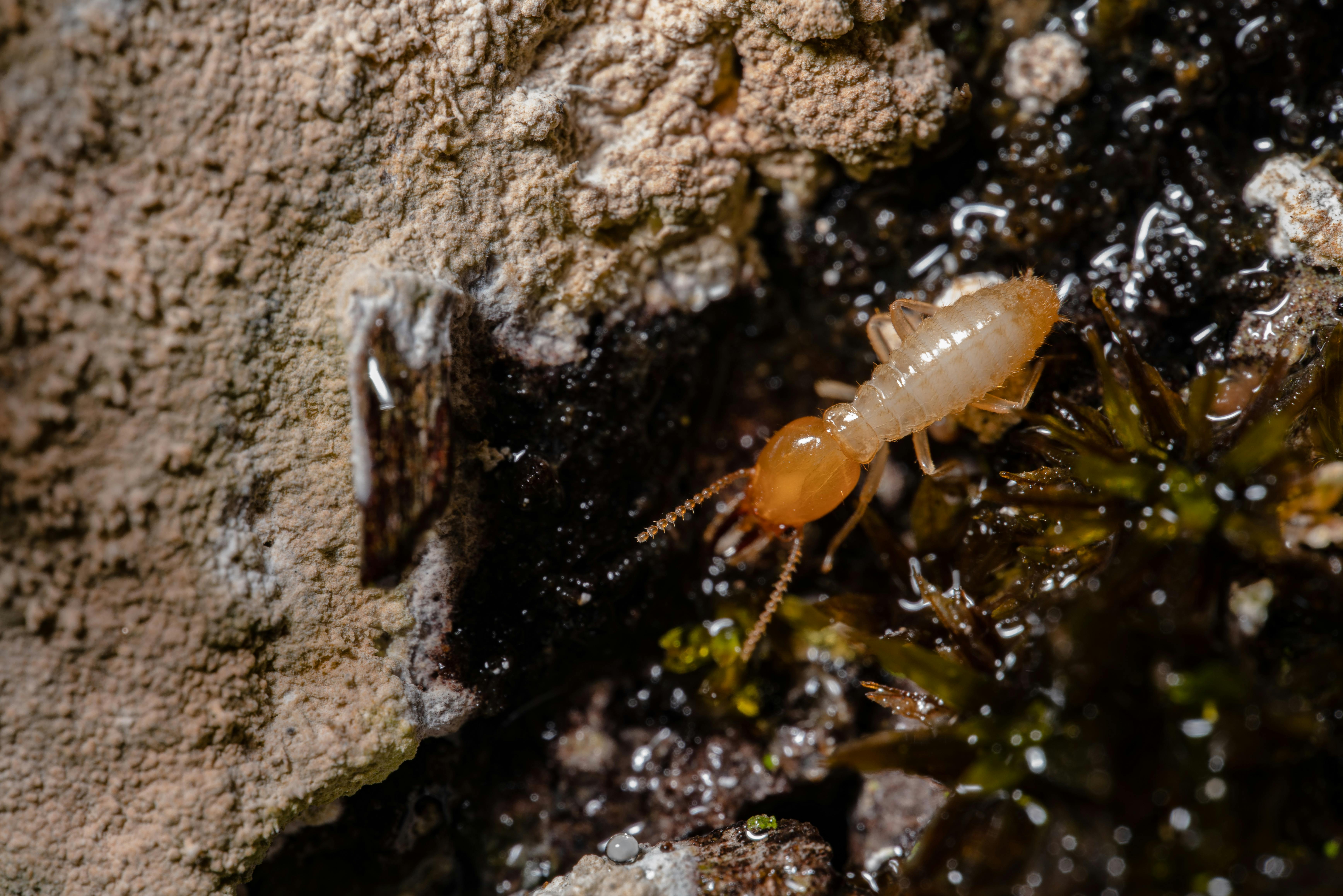
Macro photograph illustration
The macro image above highlights the characteristic “chewed‑out” pattern on a wooden surface. Notice how the damage radiates outward from a central point, creating a honeycomb‑like texture. This pattern is distinct from water rot, which tends to be more uniform and lacks the fine, tunnel‑like channels.
Seasonal inspection checklist
Regular, systematic inspections are the cheapest insurance policy against costly repairs. Follow this simple checklist each season:
- Spring: Examine exterior foundations for mud tubes and moisture stains. Use a flashlight to peer into crawl spaces.
- Summer: Test wood integrity by tapping beams and joists. Bring a screwdriver to probe for soft spots.
- Fall: Check interior walls for buckling paint, especially near windows and doors where moisture can collect.
- Winter: Look for frass piles around baseboards and in attic insulation.
Essential tools include a sturdy flashlight, a flat‑head screwdriver, a moisture meter (optional but helpful), and a notepad to record any findings. If you spot any of the warning signs, contact a licensed exterminator promptly.
Why early detection saves money
Delaying treatment can turn a minor repair into a structural nightmare. Replacing a single compromised joist may cost a few hundred dollars, but if the infestation spreads, you could be looking at thousands in foundation repairs, flooring replacement, and professional remediation.
Early intervention, on the other hand, often requires only localized baiting or spot treatments—services that Anthem Pest Control can perform quickly and affordably. By catching the problem when the colony is still small, you protect both your home’s integrity and your wallet.
Comparing DIY Kits and Professional Termite Treatments
What’s Available in the DIY Aisle?
When you walk down the hardware store aisle, you’ll find a handful of termite‑control products marketed for the “handy homeowner.” The most common options are:
- Boric acid powders or sprays – a low‑toxicity mineral that disrupts the insect’s digestive system.
- Termite bait stations – pre‑filled containers that lure foraging workers, which then carry a slow‑acting toxin back to the colony.
- Liquid termiticides – concentrated chemicals (often fipronil or chlorpyrifos) that you mix with water and apply around foundations, crawl spaces, and entry points.
These products promise a quick fix and a modest price tag, which makes them tempting for anyone trying to keep costs down.
Why DIY Isn’t Always Enough
Even the best‑selling kits have built‑in limitations that can leave your home vulnerable:
- Coverage gaps – DIY sprays rarely reach deep soil layers or hidden voids where termites thrive, creating blind spots that the colony can exploit.
- Improper application – Without professional training, you may dilute the termiticide incorrectly, miss critical perimeter zones, or fail to install bait stations at the right depth.
- Health risks – Many liquid termiticides are hazardous if inhaled or absorbed through skin. Homeowners without proper protective equipment risk irritation, respiratory issues, or even longer‑term exposure.
- Short‑term effectiveness – DIY baits often lack the sustained monitoring that a pest‑control company provides, meaning a colony can rebound before you notice.
- No warranty or guarantee – If the infestation returns, you’re left paying for another round of products, which can quickly exceed the original cost.
Professional Treatment Options
Licensed pest‑control technicians bring a toolbox of proven methods that address termites at every stage of their life cycle:
- Soil‑borne termiticides – Applied by trained crews using calibrated equipment, these chemicals form a continuous, invisible barrier that repels or kills termites before they breach your foundation.
- Stationary bait systems – Professionals strategically place multiple bait stations around the property, then monitor and replace them as needed. This approach targets the colony directly and can eradicate it over several months.
- Structural fumigation – For severe infestations, a whole‑house tenting with a gas such as sulfuryl fluoride reaches every hidden crevice, delivering a one‑time, complete kill.
- Barrier treatments with foam or granules – These newer formulations expand into cracks and voids, providing superior coverage compared to a DIY spray.
Because each method is tailored to the specific species, soil type, and construction style, a professional can design a plan that maximizes long‑term protection.
Safety and EPA Regulations
All professional termite products are EPA‑registered and must be applied by certified applicators. This means:
- Strict adherence to label directions, ensuring the correct concentration and placement.
- Use of personal protective equipment (PPE) such as respirators, gloves, and goggles.
- Documentation of the chemicals used, which can be important for future home sales or insurance claims.
- Compliance with local ordinances that may restrict certain chemicals in residential neighborhoods.
When you hire a reputable company like Anthem Pest Control, you get the peace of mind that comes from knowing every step meets federal safety standards.
Cost Comparison
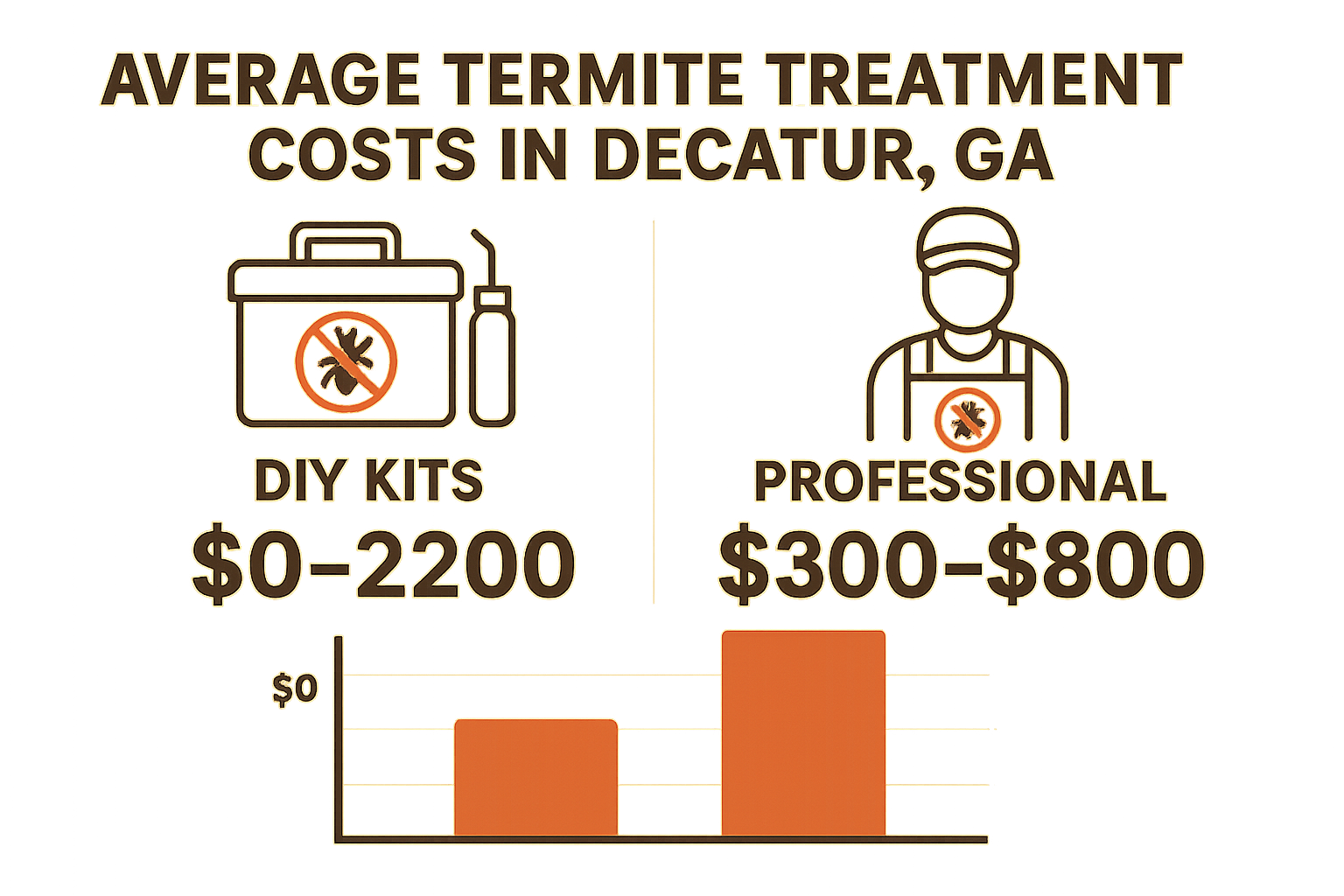
The infographic above illustrates typical price ranges: a DIY kit usually falls between $0‑$200, while professional services range from $300‑$800 depending on the method, square footage, and severity of the infestation. Remember, the upfront cost of a professional treatment often includes a multi‑year warranty and ongoing monitoring, which can offset future expenses.
Decision‑Making Checklist for Homeowners
- Budget – Can you allocate $300‑$800 now for a solution that may last 5‑10 years?
- Infestation severity – Are termites visible, or is the damage limited to a few spots? Severe cases usually require professional intervention.
- Long‑term protection – Do you want a one‑time fix or a sustained barrier that deters future colonies?
- Health considerations – Are there children, pets, or allergy‑prone residents who could be affected by DIY chemicals?
- Property value – A professional treatment with a documented warranty can be a selling point if you plan to move.
- Regulatory compliance – Does your local municipality require licensed applicators for certain termiticides?
- Peace of mind – Would you feel comfortable monitoring bait stations yourself, or would you prefer a technician to handle ongoing checks?
Use this checklist as a quick reference when you’re weighing the convenience of a DIY kit against the comprehensive, regulated approach offered by a licensed professional. The right choice depends on your specific situation, but the goal is the same: a termite‑free home that stays safe and sound for years to come.
Seasonal Pest Activity in Georgia and Optimal Treatment Timing

Georgia’s climate creates a rolling calendar of pest activity, and knowing the rhythm can save you time, money, and sleepless nights. Below is a quick snapshot of the typical peak periods for the most common household invaders in Decatur:
- Termites: April – September, with the highest foraging in May, June, and early July.
- Ants (carpenter & fire ants): March – October, peaking in late summer (July‑August).
- Rodents (mice & rats): October – April, especially during the cooler, wetter months.
- Flies (house & fruit flies): May – September, thriving after summer rains.
Why Late Spring Through Early Fall Is the Prime Window for Termite Control
Termites are most active when soil temperatures consistently stay above 55 °F (13 °C) and moisture levels are high enough for them to travel between colonies and food sources. In Decatur, this condition usually settles in late April and lasts until early October. During this window, subterranean termites expand their foraging tunnels, increasing the likelihood of discovering a structural breach in your home.
Targeting treatment during this growth phase means you’re intercepting a larger, more mobile colony. A well‑timed liquid barrier or bait system can cut off the foraging pathways before they become entrenched, dramatically reducing the chance of future reinfestation.
How Weather Patterns Influence Termite Foraging Behavior
Rainfall and temperature are the two biggest drivers of termite activity:
- Rainfall: After a steady series of rain events, the soil’s moisture content spikes, encouraging termites to venture farther from the nest. This is why you’ll often see a surge in activity right after a wet week in May or June.
- Temperature: Warm days accelerate termite metabolism, prompting faster colony expansion. Conversely, a sudden cold snap can stall movement, giving you a brief lull to conduct inspections without the distraction of heavy traffic.
Understanding these patterns lets you anticipate “boom” periods. For example, a late‑May thunderstorm can trigger a noticeable uptick in foraging the following 3‑5 days—an ideal moment to schedule a professional inspection.
Scheduling Inspections and Treatments Aligned With Seasonal Peaks
Here’s a practical timeline for Decatur homeowners:
- Early April: Book a pre‑season inspection. Technicians can locate existing damage, identify moisture problems, and map potential entry points before termites are fully active.
- Mid‑May to Early June: Implement the primary treatment—whether a liquid barrier, bait stations, or a combination. This aligns with the first major foraging wave.
- Late July: Conduct a follow‑up check. If bait stations are in use, this is the time to assess consumption rates and adjust placement.
- September: Perform a final “season‑end” inspection to ensure no late‑season colonies slipped through the cracks.
For homeowners who prefer a single annual appointment, the September window still captures the tail end of activity while allowing enough time for the product to set before the colder months.
Complementary Pest Threats Worth Watching Simultaneously
While termites dominate the summer calendar, ants, rodents, and flies don’t take a vacation. Ant colonies often explode in July and August, taking advantage of the same warm, moist conditions that favor termites. A thorough termite service can include ant bait placement, addressing both problems in one visit.
Rodents, on the other hand, become a concern as temperatures dip in October. If you’ve already sealed cracks for termites, you’re also reducing entry points for mice and rats. A quick rodent exclusion sweep during your September termite follow‑up can pre‑empt a winter infestation.
Finally, flies thrive after summer rains. Treating moisture issues—such as leaky gutters or standing water—during your termite service helps cut down on fly breeding sites, creating a healthier indoor environment overall.
By syncing your pest‑management calendar with Georgia’s natural cycles, you’ll stay one step ahead of the bugs, protect your home’s structural integrity, and keep the peace with your neighbors. When in doubt, give Anthem Pest Control a call at 877‑371‑8196 or visit anthempest.com to schedule a seasonal inspection tailored to Decatur’s climate.
Protect Your Home with Anthem Pest Control
When it comes to termites, early detection is your first line of defense. Spotting mud tubes, hollow‑sounding wood, or tiny winged swarmers can save you from costly structural repairs. Pair that vigilance with cost‑effective treatment choices—whether it’s a liquid barrier, baiting system, or localized foam—and you’ll keep the infestation under control before it spreads.
Key Takeaways
- Early detection: Regular inspections catch termites before they cause damage.
- Smart treatment options: Choose the method that fits your budget and property layout.
- Timing matters: Spring and early summer are ideal for preventative work, while prompt action is critical once signs appear.
Anthem Pest Control brings that expertise straight to Decatur, GA. Our technicians are Georgia‑certified, meaning they’ve completed rigorous training on the latest EPA‑approved termite solutions. Transparent pricing means you’ll know exactly what you’re paying for—no hidden fees, no surprise add‑ons.
We pride ourselves on using only EPA‑compliant products that protect your family, pets, and the environment. Every application follows strict safety protocols, and our post‑treatment follow‑up ensures the job stays done. Customer satisfaction isn’t just a slogan; it’s backed by a 100 % guarantee on our termite services.
Ready to take the next step? Schedule a free home inspection and receive a personalized treatment plan tailored to your property’s unique risk factors. Our friendly team will walk you through the findings, explain the recommended approach, and answer any questions you might have.
Give us a call today at 877‑371‑8196 or click the link below to request your complimentary quote. We’ll be in touch quickly to set up a convenient appointment.
Visit Anthem Pest Control for more information