Identifying Deer Ticks and Their Risks
What Is the Black‑Legged Deer Tick?
The black-legged deer tick (Ixodes scapularis) is the most prevalent tick species in the United States, especially in the Northeast, Mid-Atlantic, and Upper Midwest. It earned the nickname “deer tick” because adult females preferentially feed on white-tailed deer, which serve as a primary host for the next generation. Despite its small size, this tick is a heavyweight carrier of several serious illnesses, making it a top concern for homeowners in Suwanee, GA—many of whom begin searching for a tick exterminator near me Suwanee as peak seasons approach.
How to Spot a Deer Tick
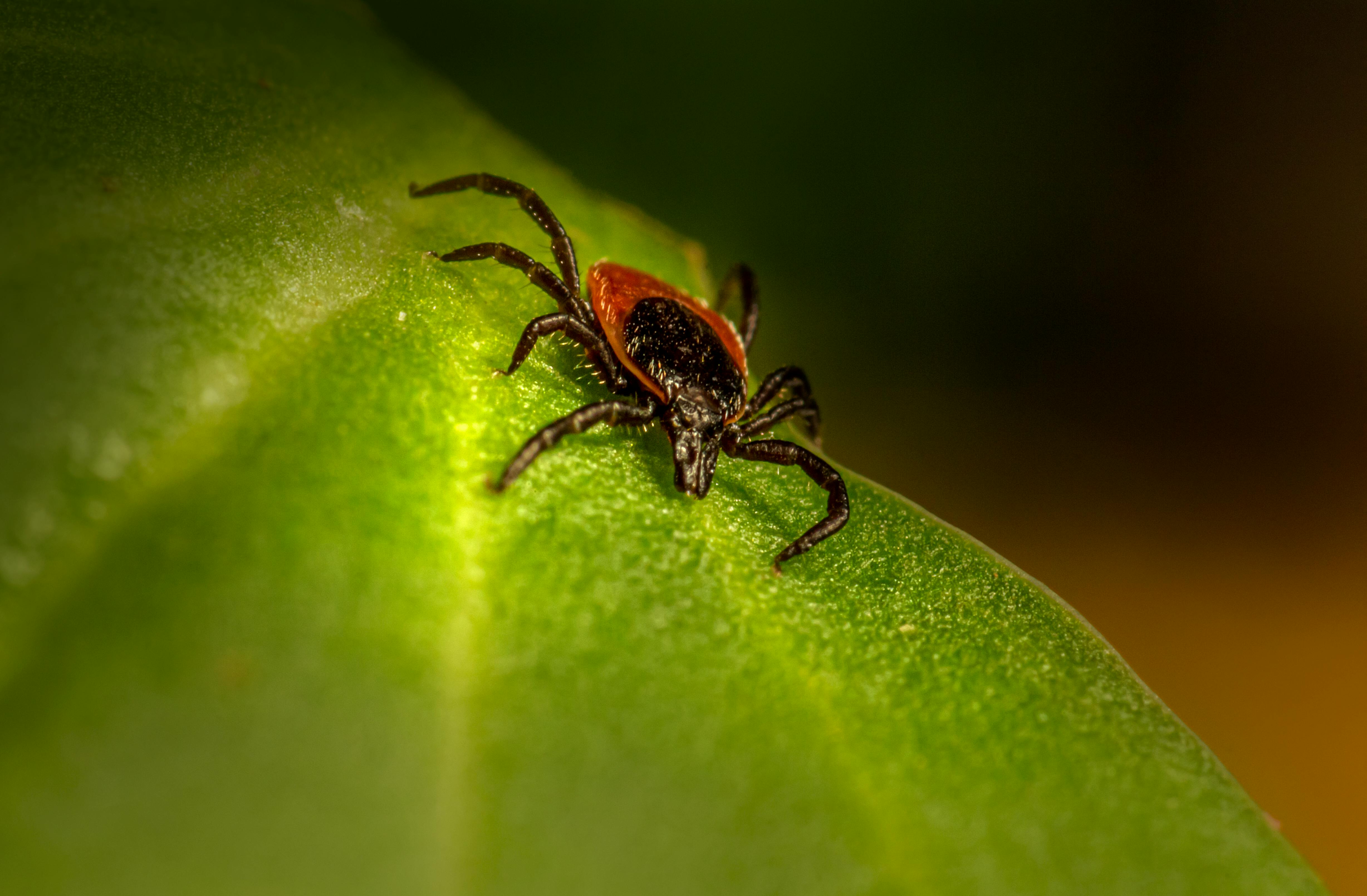
Recognizing a deer tick early can prevent a bite from going unnoticed. Adult ticks are about 3–5 mm long—roughly the size of a sesame seed—while nymphs are even smaller, often invisible to the naked eye. Key visual cues include:
- Silky, dark legs: The legs appear glossy and are noticeably darker than the body.
- Ornate back pattern: Adults display a distinctive, mottled “ornate” pattern on the dorsal shield, unlike the solid brown of many other ticks.
- Coloration: Adults are brown to reddish‑brown; nymphs are more translucent and may look pinkish.
Life Cycle and Where They Hide
Deer ticks undergo a four‑stage life cycle: egg → larva → nymph → adult. Each stage requires a blood meal before moving to the next:
- Eggs: Laid in the spring on leaf litter, hatching into six‑legged larvae.
- Larvae: Seek tiny hosts such as mice or birds, often found in leaf litter or low grass.
- Nymphs: The most dangerous stage for humans because they’re tiny enough to go unnoticed; they hide in tall grass, shrubbery, and the upper leaf layer.
- Adults: Prefer larger mammals—especially deer—but will also attach to humans and pets when they brush against vegetation.
Typical habitats around a home include shaded leaf piles, wooded edges, tall grasses, and low‑lying shrubs. Keeping these areas trimmed reduces the likelihood of ticks waiting for a host.
Diseases You Need to Fear
Deer ticks are vectors for three of the most common tick‑borne diseases in the U.S. According to the CDC (2023 data):
| Disease | Annual Cases (Estimated) | Geographic Hotspots |
|---|---|---|
| Lyme disease | ≈ 34,000 reported (≈ 300,000 actual) | Northeast, Upper Midwest |
| Anaplasmosis | ≈ 4,500 reported | Mid‑Atlantic, Great Lakes |
| Babesiosis | ≈ 2,000 reported | Northeast, Upper Midwest |
Lyme disease, caused by Borrelia burgdorferi, is the most widely recognized, but Anaplasmosis and Babesiosis can be just as severe, especially for older adults or immunocompromised individuals.
Signs of a Tick Bite
After a bite, the skin may react in several ways:
- A small, red bump at the attachment site, often painless.
- A “bull’s‑eye” rash (erythema migrans) that expands over days, a hallmark of early Lyme disease.
- Flu‑like symptoms—fever, headache, muscle aches—within a week of the bite.
- Pets may develop localized redness, itching, or lethargy, and should be examined by a veterinarian if a tick is found.
Quick Self‑Inspection Checklist
Before you relax after a hike, gardening session, or yard work, run through these three steps:
- Whole‑body sweep: Use a hand mirror to check behind ears, underarms, scalp, and between toes.
- Clothing check: Examine socks, shoes, and pant legs; tap out any ticks into a container of rubbing alcohol.
- Pet inspection: Run your fingers through fur, especially around the neck, ears, and paws.
If you locate a tick, use fine‑tipped tweezers to grasp it as close to the skin as possible and pull upward with steady pressure. Clean the area with antiseptic and monitor for any symptoms over the next two weeks.
For detailed, up‑to‑date identification guides and disease information, visit the CDC – Ticks website.
When and Where Ticks Are Most Active
Seasonal rhythms that drive tick behavior
Ticks are not active year‑round; they respond to the same cues that tell us when to swap a jacket for a T‑shirt. Warm daytime temperatures combined with moderate humidity create the perfect micro‑climate for larvae, nymphs, and adults to quest for a host. When the air is dry or the mercury drops below 45 °F (7 °C), most species retreat into leaf litter and go dormant until conditions improve. Understanding these patterns lets you schedule prevention before the bugs even appear.
Peak activity windows in Georgia
In the Suwanee area, two distinct spikes dominate the tick calendar:
- Spring surge (April – June): Emerging nymphs, the stage most likely to transmit disease, are abundant as grasses green and humidity climbs.
- Summer surge (July – September): Adult ticks, especially the lone‑star and black‑legged varieties, become aggressive during hot, humid afternoons.
Local micro‑climates can shift these windows a week earlier in low‑lying, moisture‑rich neighborhoods, or push them later in higher, breezier spots. The key takeaway is that both spring and summer demand heightened vigilance.
Climate change is stretching the season
Long‑term weather data shows milder winters and longer warm periods across the Southeast. That means ticks are waking up earlier in March and lingering into October in many counties. The extended window doesn’t just increase the number of bites; it also expands the time homeowners have to protect lawns, decks, and pets. Staying ahead of this shift is the best defense against a surprise infestation.
Quarter‑by‑quarter prevention checklist
Use the table below as a quick reference for what to do each three‑month block. Treat it like a seasonal home‑maintenance calendar, and you’ll keep tick populations below the threshold where treatment becomes necessary.
| Quarter | Key Actions |
|---|---|
| Q1 (Jan‑Mar) | Inspect stored firewood, keep indoor humidity below 50 %, and begin early‑season yard cleanup. |
| Q2 (Apr‑Jun) | Wear long sleeves and light‑colored pants, apply EPA‑approved repellent, treat perimeter with a tick‑specific pesticide, and perform weekly pet tick checks. |
| Q3 (Jul‑Sep) | Maintain short grass, remove leaf litter, re‑apply repellent after heavy sweat, and schedule a professional yard treatment before the first frost. |
| Q4 (Oct‑Dec) | Store outdoor gear in sealed containers, continue pet checks, and consider a final low‑toxicity barrier spray if ticks were abundant earlier. |
Reading the seasonal activity chart
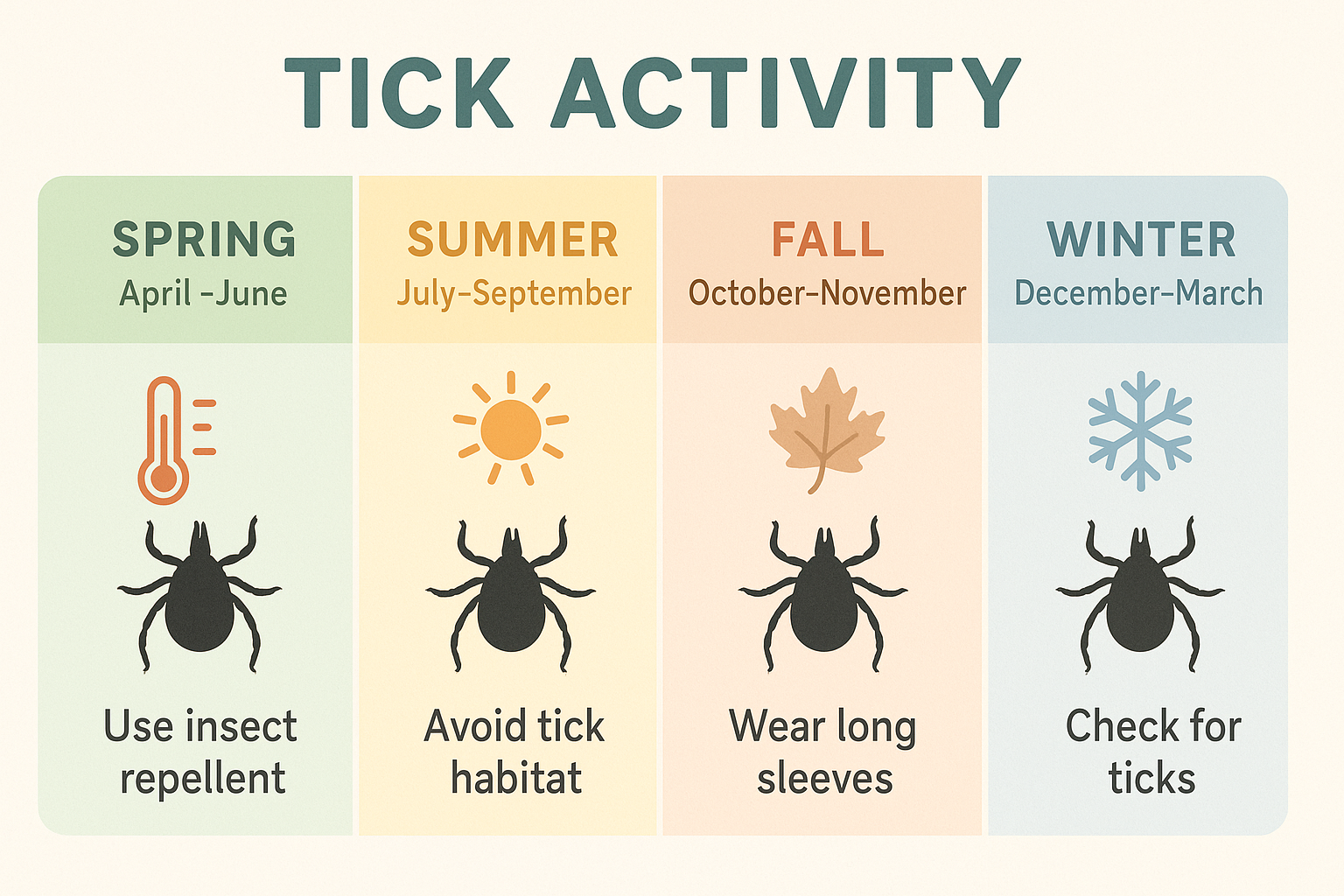
The infographic plots average tick counts against month, with two peaks highlighted in green. The height of each bar reflects the relative abundance of nymphs (spring) and adults (summer). Hovering over the chart (when interactive) reveals temperature and humidity averages that drive those spikes—often signaling when homeowners begin searching for a tick exterminator near me Suwanee. Use it as a visual cue: if the bar for May is rising, double-check your yard perimeter and your family’s clothing choices.
Why early intervention matters
Ticks reproduce quickly once they find a host, and a small early population can explode into a backyard infestation within weeks. Treating the environment before the first wave of nymphs appear reduces the need for repeated pesticide applications, saves money, and lowers the risk of disease transmission to people and pets. In short, a proactive approach in March or early April pays dividends throughout the hot months.
For homeowners who prefer a professional touch, the EPA’s guidance on pesticide use outlines best practices for safe application, timing, and environmental protection. Following those recommendations ensures your yard stays tick‑free without harming beneficial insects or nearby water sources.
Effective Tick Control Methods for Homeowners
Ticks thrive in the transition zones between a tidy lawn and the wild edges of your property. By combining smart yard habits, the right products, and professional expertise, you can keep these parasites away from your family and pets. Below is a step‑by‑step guide that walks you through everything from weekend‑project DIY to the full service offered by Anthem Pest Control.

DIY Yard Preparation
Before you reach for any spray can, start with the basics. Mow your grass to a maximum height of 3 inches; shorter blades let sunlight dry the soil, creating a less hospitable environment for tick larvae. Remove leaf piles, tall weeds, and brush that can hide questing ticks. Finally, establish a 3‑foot barrier of wood chips, gravel, or mulch around the perimeter of play areas, decks, and garden beds. This physical separation forces ticks to cross an inhospitable surface, dramatically lowering the chance they’ll crawl onto a child or pet.
Chemical Options
When a yard needs extra protection, synthetic insecticides are the most reliable choice. Pyrethroids (e.g., permethrin, bifenthrin) disrupt the nervous system of ticks, causing rapid paralysis. Carbamates such as carbaryl work similarly but have a slightly longer residual effect. Both classes are EPA‑registered for residential use and are applied as a perimeter spray that can remain active for up to six weeks, depending on weather conditions. Always follow label directions and consider rotating products to prevent resistance buildup.
Natural Alternatives
If you prefer a low‑impact approach, several non‑synthetic options can complement your yard routine:
- Diatomaceous earth – a fine powder of fossilized algae that abrades the tick’s exoskeleton. It works best when kept dry and must be reapplied after rain.
- Nematodes (Steinernema spp.) – microscopic worms that parasitize tick larvae in the soil. They’re harmless to humans and pets but require moist conditions to stay active.
- Essential‑oil repellents – blends containing citronella, clove, or eucalyptus can deter ticks when applied to landscaping fabrics. Their effectiveness is short‑lived and they may need frequent re‑application.
Natural methods are safe for children and pets, yet they usually provide only modest, short‑term control compared with regulated chemicals.
| Method | Pros | Cons |
|---|---|---|
| DIY Yard Prep | Low cost, immediate visual improvement | Requires regular maintenance |
| Synthetic Pyrethroids | Fast‑acting, long residual | Potential toxicity, resistance risk |
| Carbamates | Effective against all life stages | Shorter residual than pyrethroids |
| Diatomaceous Earth | Non‑chemical, safe around pets | Losss effectiveness when wet |
| Nematodes | Biological, self‑replicating | Requires moisture, slower action |
| Essential‑Oil Repellents | Natural scent, easy to apply | Short‑term protection, variable efficacy |
Professional Treatment Steps
When ticks become entrenched, a licensed technician can provide a systematic solution:
- Inspection – A thorough walk‑through identifies hot spots, tick species, and any micro‑habitats that need special attention.
- Perimeter barrier spray – Using EPA‑registered products, the technician creates a continuous chemical shield around the home’s foundation, driveway, and outdoor living spaces.
- Targeted spot treatments – Areas such as shaded garden beds, pet kennels, or wood piles receive focused applications to eliminate hidden larvae.
- Follow‑up visits – Most programs include a second visit 2–4 weeks later to address any newly hatched ticks and to verify the barrier’s integrity.
Anthem Pest Control aligns each step with the NPMA’s Integrated Pest Management standards, ensuring that treatments are both effective and environmentally responsible.
Safety Considerations
Whether you’re applying a DIY spray or watching a professional work, safety never takes a back seat. Wear personal protective equipment (PPE) such as gloves, long sleeves, and eye protection when handling chemicals. Verify that any product you use is listed on the EPA’s Registered Pesticide Products database. Keep children and pets off treated zones until the label’s re‑entry interval has elapsed—usually a few hours for most residential sprays. Finally, store all pesticides out of reach, in their original containers, and dispose of empty cans according to local hazardous‑waste guidelines.
The Role of the Pest‑Control Technician
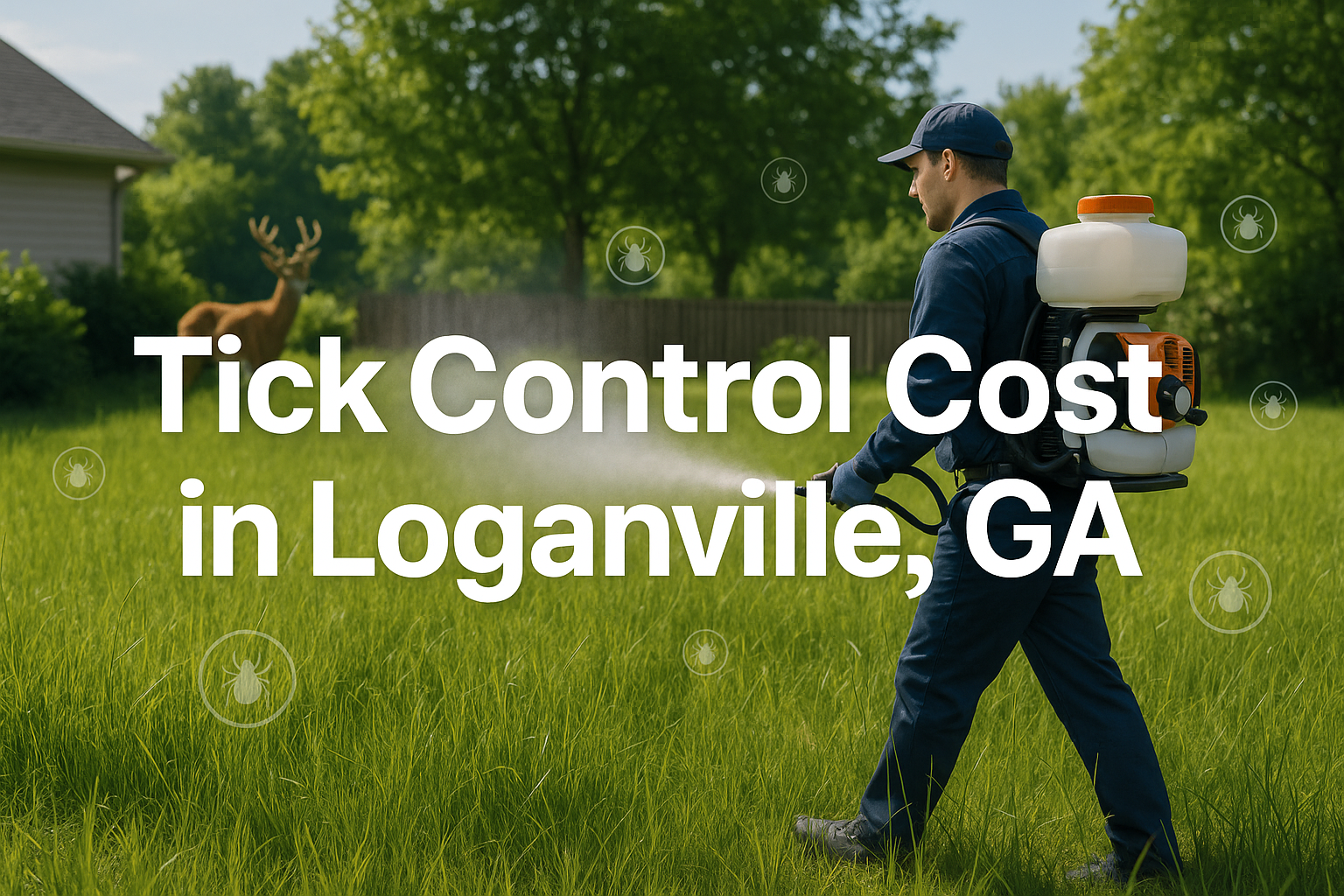
A seasoned technician does more than spray a can. They assess landscape design, recommend long‑term yard‑maintenance practices, and educate homeowners on how to spot early tick activity. By watching a professional in action, you’ll see the precise calibration of spray equipment, the careful placement of barrier lines, and the documentation of treated zones—steps that guarantee consistent coverage and reduce the likelihood of missed spots.
Understanding Tick Extermination Pricing and Service Tiers
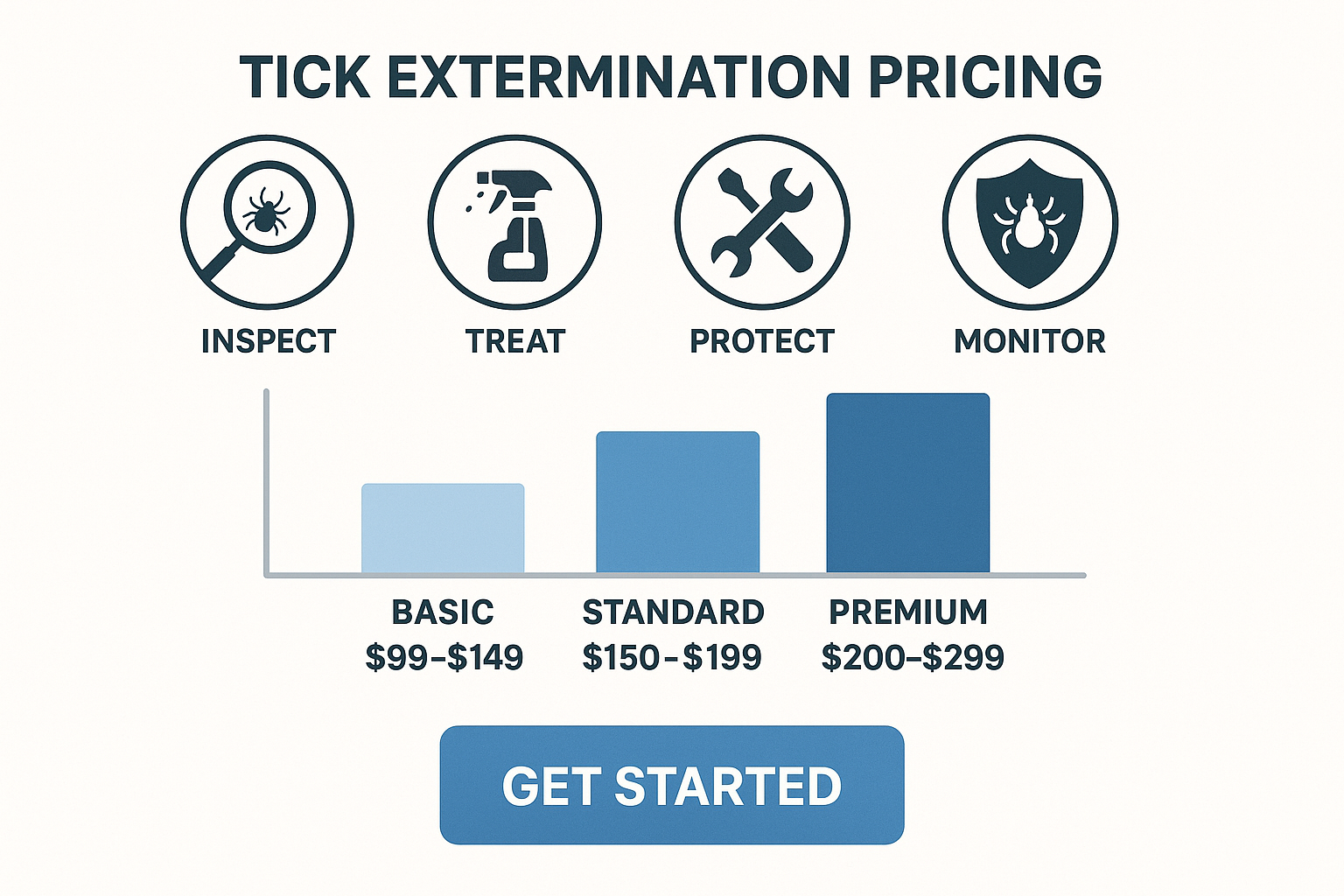
At Anthem Pest Control, we believe that pricing should be as clear as the sky on a summer afternoon in Suwanee. When you call for a tick exterminator near me Suwanee, you shouldn’t have to guess whether the quoted amount covers a single spray or a full-season protection plan. Our transparent pricing philosophy breaks every service down into distinct tiers, so you can see exactly what you’re paying for and why it matters for your yard’s health.
Three Service Tiers at a Glance
| Tier | Price Range | Number of Visits | Treatment Areas | Warranty / Guarantee | Supplemental Services |
|---|---|---|---|---|---|
| Basic | $99‑$149 | 1 | Perimeter (up to 5,000 sq ft) | 30‑day re‑treat if ticks persist | None |
| Standard | $150‑$199 | 2 (initial + 2‑week follow‑up) | Perimeter + spot‑treat high‑risk zones | 60‑day re‑treat | Basic rodent exclusion (door seal check) |
| Premium | $200‑$299 | 3‑4 (initial, mid‑season, post‑season, optional) | Full‑yard coverage, including shaded and wooded areas | One‑year guarantee – free re‑treat if ticks return | Comprehensive rodent exclusion, seasonal monitoring report |
What Each Tier Actually Includes
Basic ($99‑$149) is ideal for smaller properties or homeowners who have only a light, seasonal tick presence. The single‑visit perimeter spray creates a barrier around the home’s exterior, and a 30‑day warranty ensures a free re‑treatment if ticks are still detected.
Standard ($150‑$199) adds a second visit, allowing technicians to target “hot spots” such as garden beds, play areas, or dense shrubbery where ticks love to hide. The extended 60‑day warranty and a quick rodent‑exclusion check give you extra peace of mind without a huge price jump.
Premium ($200‑$299) is the full‑service package. It covers every square foot of your yard, even those tricky shaded patches where ticks thrive. Multiple follow‑ups throughout the tick season keep the barrier active, while a one‑year guarantee backs the work. The added rodent‑exclusion service and seasonal monitoring report turn a tick treatment into a year‑round pest‑prevention strategy.
Choosing the Right Tier for Your Property
Start by measuring your yard’s square footage and noting high‑risk zones—dense leaf litter, wooded edges, or pet‑frequented areas. If you have under 5,000 sq ft and only occasional tick sightings, the Basic tier may be sufficient. Larger lots, especially those with irregular terrain, benefit from the Standard or Premium tiers because the extra visits address hidden reservoirs that a single spray can’t reach.
Infestation level also matters. A few ticks on a dog’s coat usually indicate a low‑level problem, while multiple reports from family members or a noticeable tick “cloud” after a walk suggest a moderate to severe issue—time to consider Standard or Premium. Remember, the cost difference between tiers is often offset by the reduced need for emergency, after‑the‑fact eradication, which can run $300‑$500 per visit.
Early, Regular Treatments Are the Most Cost‑Effective Strategy
Ticks have a life cycle that thrives on consistent, humid environments. By treating early—before nymphs emerge—you break the cycle before it multiplies. Regular, scheduled applications keep the environment hostile to ticks, meaning you avoid the steep price tag of an emergency “tick outbreak” call, which typically includes intensive labor, multiple chemicals, and a rushed guarantee.
Think of it like a health check‑up: a routine visit costs far less than an emergency room stay. The same principle applies to your lawn. Investing in a Standard or Premium tier at the start of spring can save you both money and the anxiety of discovering a tick‑infested yard later in the season.
Get Your Free, Customized Quote Today
Every home is unique, so we encourage you to reach out for a no‑obligation, personalized estimate. Our technicians will assess your property size, landscape features, and current tick activity to recommend the tier that delivers the best value for your specific situation. Call us at 877‑371‑8196 or visit anthempest.com to start the conversation.
Protect Your Home with Professional Tick Services
Accurately identifying the tick species in your yard, staying aware of peak activity seasons, and opting for professional treatment are the three pillars of a tick‑free home. Misidentifying a harmless spider as a tick can lead to unnecessary chemicals, while ignoring the early spring surge lets nymphs establish a foothold that spreads quickly in summer. A qualified exterminator knows the life cycle, can pinpoint hotspots, and applies the right control measures at the right time—protecting you, your family, and your pets from disease‑carrying bites.
Why Anthem Pest Control Stands Out
Anthem Pest Control brings a nationwide network of certified technicians to Suwanee, GA, backed by EPA‑registered products that meet the strictest safety standards. Our transparent pricing tiers make budgeting simple:
- Basic Tier: One‑time tick sweep with follow‑up check, ideal for occasional visitors.
- Standard Tier: Quarterly treatments plus perimeter barrier, perfect for year‑round protection.
- Premium Tier: Monthly monitoring, rapid‑response visits, and a comprehensive pest‑prevention plan for the whole property.
Each tier includes a detailed service report, so you always know what’s been done and why.
Safe, Effective, and Affordable Solutions
Our technicians prioritize safety without compromising efficacy. We use low‑toxicity, targeted applications that protect your lawn, pets, and children while eliminating ticks at every life stage. Because we understand homeowner budgets, we pair our high‑performance products with clear, upfront pricing—no hidden fees, no surprise invoices. This commitment to transparency builds trust and ensures you feel confident in every step of the process.
Ready for a Tick‑Free Yard?
Take the first step toward lasting protection by scheduling a free inspection. During the visit, we’ll assess your property, discuss your specific concerns, and craft a personalized quote that aligns with your needs and budget. There’s no obligation—just expert advice and a clear path forward.
Call us today at 877-371-8196 or click the link below to book your complimentary inspection with a trusted tick exterminator near me Suwanee. Let Anthem Pest Control safeguard your home so you can enjoy the outdoors without worry.