
Why Flea Problems Threaten Your Home
Understanding Flea Biology and Their Life Cycle
Fleas are tiny, wing-less insects that thrive on warm-blooded hosts. An adult female can lay up to 50 eggs per day, which fall off the animal and hatch within 2–5 days. The larvae feed on organic debris, then spin cocoons and emerge as pupae. Under optimal conditions—temperatures between 70°F and 85°F and high humidity—the entire cycle from egg to adult can be completed in as little as three weeks. This rapid turnover means a few stray bites can quickly become a full-blown infestation, highlighting the importance of early flea inspection Peachtree City services.
Health Risks for Humans
While fleas prefer animal blood, they will bite humans when pets are scarce or when an infestation is severe. Those bites appear as small, red, itchy welts that can become inflamed or infected if scratched. Some people develop allergic reactions, ranging from mild redness to intense swelling and hives. More concerning, fleas are capable vectors for diseases such as murine typhus and, in rare cases, plague. Even though these illnesses are uncommon in Peachtree City, the potential exposure underscores why fleas are more than a nuisance.
Impact on Your Pets
Pets bear the brunt of flea activity. Repeated feeding can lead to anemia, especially in kittens and puppies, because each flea consumes a measurable amount of blood. Skin irritation manifests as scratching, hair loss, and hot spots—conditions that often require veterinary attention. Moreover, fleas can transmit the tapeworm Dipylidium caninum when pets ingest infected fleas during grooming, leading to gastrointestinal distress and the need for prescription medication.
Economic Consequences for Your Home
Beyond health, fleas impose tangible financial costs. Flea feces (tiny black specks) and shed skins embed themselves in carpet fibers, upholstery, and bedding, prompting expensive deep‑cleaning or carpet replacement. The constant need for flea sprays, shampoos, and pet medications adds up quickly. If left unchecked, the infestation can spread to neighboring units, potentially resulting in landlord‑mandated remediation fees.
The Power of Early Detection
Flea populations grow exponentially: one female can produce hundreds of offspring in a single month. Spotting the first signs—tiny bites on your skin, a “sand”‑like residue on pet fur, or a sudden increase in pet scratching—allows you to intervene before the numbers explode. Prompt treatment, combined with regular vacuuming and pet grooming, can halt the life cycle at each stage, saving you both discomfort and dollars.
Local Relevance in Peachtree City
Peachtree City’s warm climate and lush landscaping create an ideal environment for fleas to flourish year‑round. According to the pest‑service guide for Peachtree City, homeowners who act quickly see a 70% reduction in treatment costs compared to those who wait until an infestation is visible throughout the home. Leveraging local expertise ensures you’re using the most effective, environmentally responsible solutions for our community.
Spotting the Signs of a Flea Infestation
Visual clues you can’t ignore
Fleas are tiny—about the size of a pinhead—but they leave unmistakable evidence. Look for small dark specks on sheets, rugs, or pet bedding; these are flea feces, often called “flea dirt.” When you dampen a speck, it turns reddish‑brown, confirming the presence of digested blood. Adult fleas may also be seen crawling on bedding, in the folds of curtains, or directly on your pet’s fur. Their rapid, erratic jumps make them hard to catch, but a quick flash of a dark silhouette is a clear warning sign.
Behavioral signs in pets
Pets are the first line of detection. If your dog or cat is scratching, biting, or shaking more than usual, fleas are likely at work. Many owners describe the sensation as “black pepper” on the skin—tiny, prickly particles that feel like they’re being sprinkled onto the fur. Pay attention to areas around the neck, tail base, and under the legs, where fleas tend to congregate.
Human symptoms you might notice
Flea bites on people usually appear as small, red papules grouped in clusters, often on the ankles, calves, or lower legs. The bites can be intensely itchy, and some individuals develop a slight swelling or a rash that lasts several days. If you notice these bite patterns emerging after a recent pet visit to the vet or a trip to a park, it’s a strong indicator that fleas have entered your home.
Environmental clues around the house
Fleas reproduce quickly, and their eggs are less than a millimeter long. Check carpet seams, under furniture, and in the cracks of hardwood floors. You may also find eggs or larvae in pet bedding, on sofa cushions, or in the folds of curtains. These stages look like tiny white specks or moving grains; a flashlight and a close inspection can reveal them.
Inspection checklist – a room‑by‑room approach
Using a systematic checklist helps you cover every nook before calling a professional. Follow these steps in each room:
- Inspect pet sleeping areas first—lift bedding, examine seams, and shake out cushions.
- Run a white sheet or light-colored towel over carpet fibers; any dark specks that appear are likely flea dirt.
- Use a flashlight to scan baseboards, cracks, and under furniture for eggs or larvae.
- Check pet fur with a fine‑toothed comb; pull a few hairs and look for tiny black insects or specks.
- Look for bite marks on family members, especially on lower legs, and note the pattern.
- Document each finding with a quick photo or written note—date, location, and type of evidence.
Why documenting matters
Before you pick up the phone, recording what you’ve found gives a pest professional a clear picture of the infestation’s scope. Photos of flea dirt, screenshots of bite clusters, or a simple checklist can speed up the diagnostic process and help the technician recommend the most effective treatment plan. In short, a well‑documented inspection saves time, reduces guesswork, and ensures you get the right solution the first time.
How Professionals Conduct a Flea Inspection

1. Pre‑inspection Consultation
Before stepping foot inside, a certified technician conducting a flea inspection Peachtree City starts with a brief conversation. They ask about the household’s flea history, the number and type of pets, and any previous chemical or natural treatments. This information helps the pro gauge the likely severity of the infestation and decide which detection tools will be most effective. Homeowners are encouraged to share details such as recent trips, new pets, or changes in the yard that could have introduced fleas.
2. Mapping the Home into Zones
The technician then creates a quick “zone map” of the property. Rooms are grouped into three primary categories: bedrooms and sleeping areas, common living spaces, and pet zones (where beds, crates, or litter boxes reside). By visualizing the house in zones, the inspector can prioritize high‑risk spots and allocate time efficiently.
3. Blueprint Visualization of High‑Risk Areas
Using a simple floor‑plan sketch—or a digital blueprint on a tablet—the pro marks entry points (doors, windows, pet doors) and potential flea harborage zones such as carpet edges, baseboards, and under furniture. This visual aid ensures nothing is overlooked, especially hidden cracks or wall voids where adult fleas like to hide.
4. Visual Sweep with Magnifying Lamp and White‑Paper Test
Armed with a bright magnifying lamp, the technician conducts a systematic visual sweep. They pause over each zone and perform the classic white‑paper test: a piece of white paper is brushed across carpet fibers and upholstery. Flea dirt—tiny black specks that turn reddish when moistened—will appear on the paper, confirming recent flea activity.
5. Mechanical Tools: Flea Combs, Sticky Traps, and Handheld Vacuums
- Flea combs: Gently run through pet bedding and fabric to capture adult fleas and eggs for immediate identification.
- Sticky traps: Small adhesive pads are placed in corners and under pet furniture for a 24‑hour period. Trapped insects provide a clear picture of adult movement.
- Handheld vacuum inspections: A vacuum with a clear canister lets the technician see captured debris. Vacuuming also removes flea larvae and eggs from carpets and cracks.
6. Chemical/Thermal Detection
If visual and mechanical methods don’t reveal a full picture, the inspector may employ a low‑dose fogger or spot‑treatment that contains a fast‑acting insect growth regulator (IGR). The fogger releases a fine mist that forces hidden adult fleas to emerge, making them visible for collection. In some cases, a handheld thermal camera is used to detect temperature variations caused by flea clusters in wall voids.
7. Documentation and Recommendations
All findings are recorded in a detailed inspection report. The report includes:
- A zone‑by‑zone heat map highlighting confirmed and suspected flea activity.
- Photographic evidence of flea dirt, trapped adults, or larvae.
- Specific recommendations—ranging from immediate pet treatment and targeted indoor sprays to long‑term yard management and seasonal monitoring.
Homeowners receive a printed copy and a digital version, ensuring they understand each step and can track progress after treatment.
By following this structured, step-by-step process, Anthem Pest Control technicians conducting a flea inspection Peachtree City guarantee a thorough inspection, pinpoint the exact source of the problem, and set the stage for an effective, safe eradication plan.
Blueprint‑Based Zone Mapping for Precise Inspection
When a flea infestation hides behind walls, under floorboards, or in that cozy corner where the dog naps, a simple visual reference can be the difference between a quick fix and a repeated battle. A floor‑plan blueprint turns a vague “somewhere in the house” into a concrete map of where fleas are most likely to thrive, allowing both the technician and the homeowner to see exactly which areas need attention.
Why a blueprint matters
Blueprints reveal structural gaps, wall voids, crawl‑space entries, and hidden conduits that are invisible during a cursory walk‑through. By overlaying these features with known flea habitats—such as baseboard cracks, pet sleeping zones, and upholstered furniture—you gain a three‑dimensional picture of the pest’s highway system. This visual cue helps technicians target treatment spots and prevents missed hotspots that could cause a resurgence.
Steps to create a simple home blueprint
- Locate the architectural drawing from the builder, or use a free online tool to sketch each level.
- Mark walls, doors, and windows with straight lines; keep the scale about 1/4 inch = 1 foot.
- Identify crawl spaces, attics, and basement openings; shade them lightly.
- Print or save the sketch; it becomes the canvas for your zone map.
Spotting the “hot spots”
Fleas love warm, humid micro‑environments. On your blueprint, highlight:
- Pet sleeping areas—especially where pets share a bed or carpeted rug.
- Upholstered sofas, chairs, and pet‑friendly cushions.
- Baseboard cracks, floor‑board gaps, and any visible wall voids.
- Under‑furniture spaces that are rarely moved.
Aligning inspection zones with treatment plans
Divide the home into logical zones—typically 10‑15 sq‑ft sections—that correspond to the highlighted hotspots. Each zone receives a treatment intensity rating (low, medium, high) based on flea activity potential. This systematic approach prevents over‑application of insecticides in low‑risk areas and ensures sufficient coverage where the infestation is most severe.

Example zone map
| Zone | Location | Activity Level |
|---|---|---|
| 1 | Master bedroom – pet bed & carpet | High |
| 2 | Living room – sofa cushions | Medium |
| 3 | Basement crawl space | Low |
| 4 | Hallway – baseboard cracks | Medium |
| 5 | Guest bedroom – hardwood floor | Low |
Tips for keeping your blueprint useful year after year
- Store a digital copy on your phone; you can annotate new hotspots after each treatment.
- Update the map whenever you add furniture, remodel a room, or notice a new pet‑friendly area.
- Share the latest version with your Anthem Pest technician before each inspection to streamline the process.
- Label each zone with a simple code (e.g., “B‑03”) so you can quickly reference it in maintenance logs.
By treating your home like a well‑drawn map rather than a vague space, you empower both yourself and the pest‑control professional to eliminate fleas efficiently, safely, and once for all.
Pricing Options for Flea Inspection Services
Industry‑wide pricing structures
Most pest-control firms in Peachtree City quote flea inspection Peachtree City services in one of three ways: a flat-fee per visit, a tiered package that bundles inspection with treatment, or a subscription model that spreads cost over several months. The flat-fee is simple but often leaves out follow-up care. Tiered packages give you a clear “what-you-get” list, while subscriptions reward long-term protection with lower per-visit prices.
Three service tiers explained
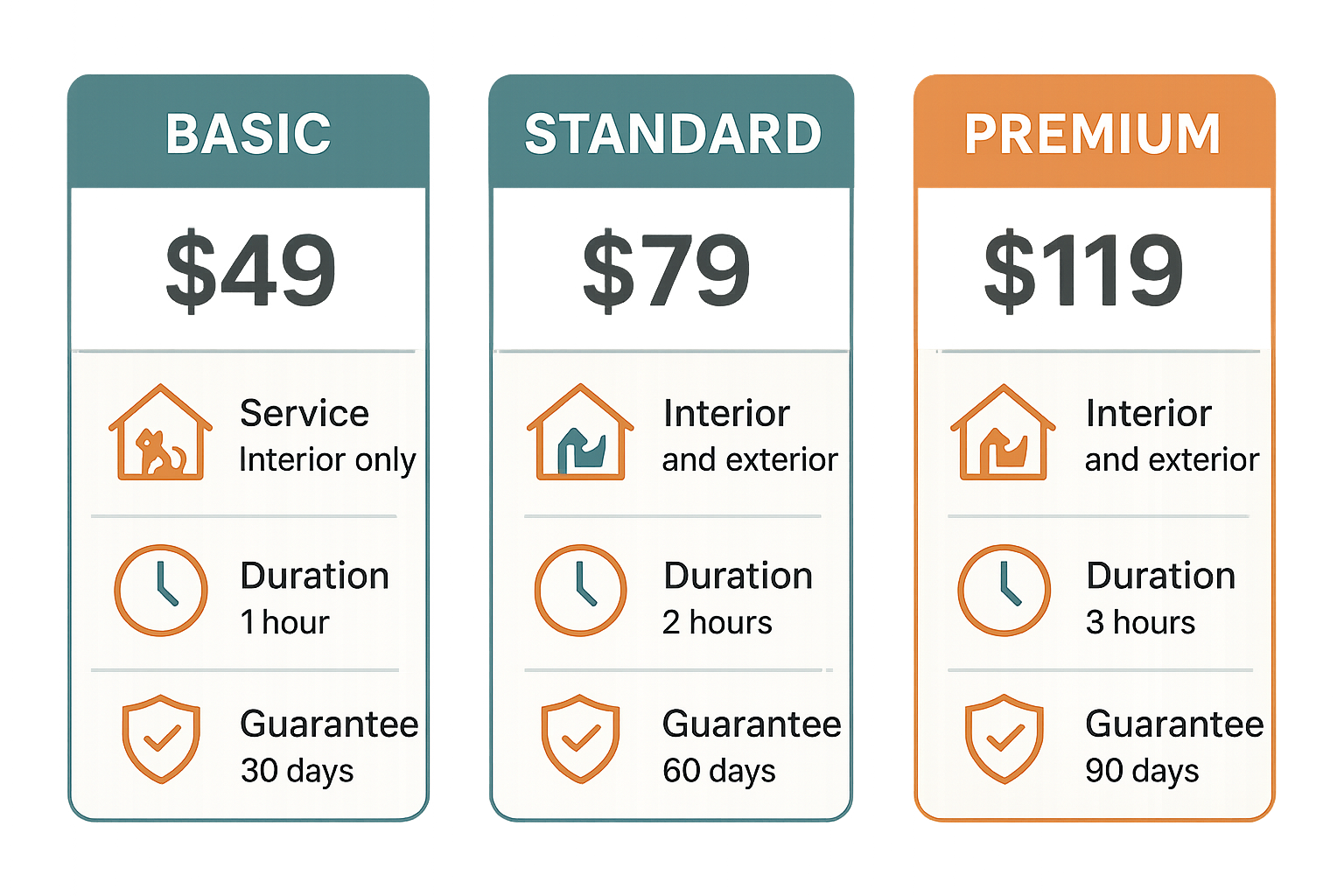
Anthem Pest Control organizes its flea‑inspection offerings into Basic, Standard, and Premium tiers. Each tier scales up in inspection depth, treatment scope, and guarantee length.
- Basic – A visual walkthrough of the most common flea hotspots (carpets, pet bedding, and entry points). Technicians apply a single, pet‑safe spot‑on treatment and issue a 30‑day guarantee against re‑infestation.
- Standard – Includes everything in Basic plus a thorough infrared‑camera inspection of walls, baseboards, and under‑furniture areas. Treatment expands to a full‑room fogger and a second follow‑up visit after two weeks. The guarantee extends to 60 days.
- Premium – The most comprehensive option. Technicians perform the Standard inspection, add a detailed flea‑egg and larva count, and treat both indoor and immediate outdoor zones (porch, garage). Two additional follow‑up visits are scheduled at 7‑day intervals, and the service comes with a 90‑day warranty and a complimentary pet‑safe spray refill.
Cost‑vs‑benefit checklist
When you compare the price tags, weigh these factors:
- Frequency of follow‑up visits – More visits usually mean higher upfront cost but lower risk of a second infestation.
- Inclusion of pet‑safe products – Some low‑price plans use generic chemicals; the Premium tier guarantees EPA‑approved, pet‑friendly formulas.
- Warranty length – A longer guarantee can save you money if fleas return after the initial treatment.
- Home size and layout – Larger homes may need extra fogger time, which can push a Basic plan into Standard pricing.
Choosing the right tier for your home
Use these quick guidelines to match a tier to your situation:
| Home size (sq ft.) | Pet count | Infestation severity | Suggested tier |
|---|---|---|---|
| Under 1,500 | 1–2 small pets | Low (few sightings) | Basic |
| 1,500–2,500 | 2–3 medium pets | Moderate (regular bites) | Standard |
| Over 2,500 | 3+ pets or large breeds | High (multiple life‑stages present) | Premium |
If you’re on the fence, start with the Standard tier and let the technician assess the infestation level during the first visit. Most homeowners find the added follow‑up visits and longer warranty worth the modest price increase, especially when pets share the living space.
Remember, transparent pricing isn’t just about the dollar amount—it’s about knowing exactly what you’ll receive, how long you’ll be protected, and whether the solution fits your family’s lifestyle. With Anthem Pest Control’s tiered approach, you can pick the plan that balances cost with peace of mind, and you’ll always know when it’s time to call a professional.
Tip: Request a detailed written estimate before any work begins so you can compare line items across providers and avoid hidden fees.
Seasonal Flea Activity and Timing Your Treatment
Flea Life‑Cycle Speed Up in Warm Weather
Fleas thrive on heat. When temperatures climb above 70°F (21°C) and humidity stays above 50%, the egg, larva, pupa and adult stages compress into a matter of weeks instead of months. In Peachtree City’s summer, a single adult can produce several generations before the season ends, dramatically raising indoor and outdoor pressure.
Seasonal Activity Chart
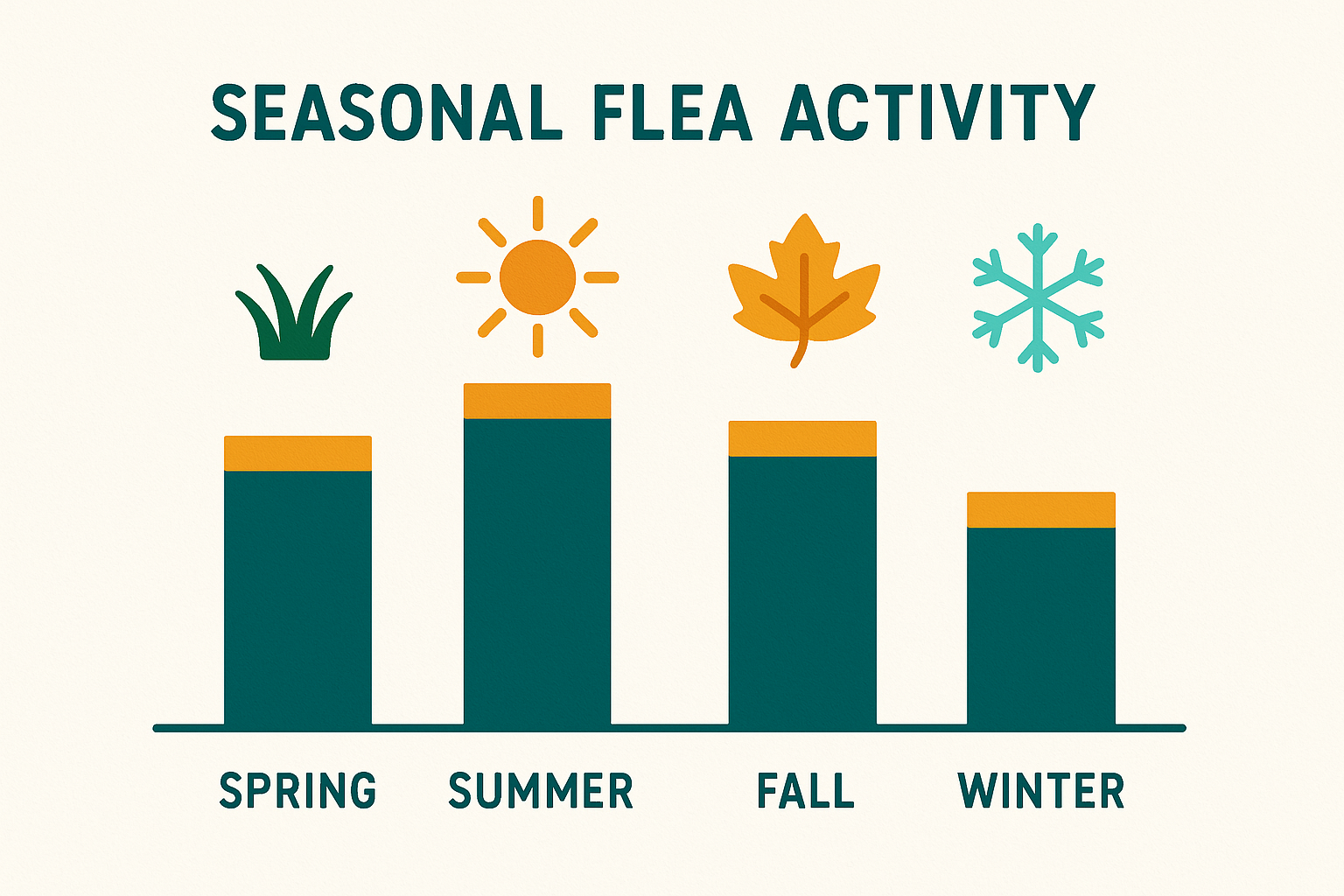
| Season | Average Temperature (°F) | Humidity % | Flea Activity Level |
|---|---|---|---|
| Spring (Mar‑May) | 60‑75 | 55‑70 | High – first wave of eggs and larvae |
| Summer (Jun‑Aug) | 80‑90 | 60‑80 | Peak – rapid life‑cycle turnover |
| Fall (Sep‑Nov) | 65‑78 | 55‑70 | Moderate – adults seek shelter indoors |
| Winter (Dec‑Feb) | 40‑55 | 45‑60 | Low – eggs and pupae remain dormant |
How Climate Shapes Flea Pressure in Peachtree City
Peachtree City’s humid subtropical climate means the summer months stay warm and moist, perfect for flea development and a key reason why regular flea inspection Peachtree City services are recommended. Even a brief heat spike in early spring can jump-start the cycle, while cooler, drier winters force fleas into a dormant pupal stage in the yard. Understanding these patterns lets you anticipate when the bugs are most likely to invade your home.
Inspection Schedule You Can Follow
Early‑spring pre‑emptive check (late March): Walk the perimeter, examine pet bedding, and look for flea dirt in carpet seams. A quick visual inspection now catches the first wave before it spreads.
Mid‑summer follow‑up (mid‑July): Re‑inspect high‑traffic zones, especially outdoor pet hangouts and shaded garden beds. At this point, adult fleas are actively seeking hosts, so a thorough spot‑treatment can break the cycle.
Fall “cleanup” inspection (early October): Focus on indoor corners, baseboards, and stored firewood. Removing residual eggs and pupae before winter prevents a hidden reservoir that could emerge when temperatures rise again.
Season‑Specific Treatment Strategies
During the warm months, an outdoor barrier spray around the home’s foundation, dog runs, and shaded patios creates a chemical shield that stops adult fleas from jumping onto pets. Inside, a targeted fogger applied in summer can reach hidden cracks where larvae hide.
In winter, when outdoor activity drops, concentrate on indoor fogging or a low‑dose, continuous vapor system. This keeps dormant pupae from hatching as soon as the house warms up in spring. Pairing the right method with the right season maximizes efficacy while minimizing chemical use—a core principle at Anthem Pest Control.
Take Action with Anthem Pest Control Today
Early flea detection isn’t just a convenience—it’s the difference between a quick fix and a full‑blown infestation that can threaten your pets, family, and peace of mind. A professional inspection catches hidden nests, identifies breeding hotspots, and lets you act before fleas multiply beyond control.
That’s why Anthem Pest Control stands out. Our technicians are certified, fully licensed, and trained in the latest flea‑management techniques. They arrive with transparent pricing, so you know exactly what each step costs before any work begins. Most importantly, every product we apply is pet‑friendly and environmentally safe, giving you confidence that your furry companions stay protected while the pests are eradicated.
While Anthem is a nationwide leader, we never treat your home like just another address on a map. Our local teams in Peachtree City, Georgia, combine national resources with neighborhood knowledge—understanding the specific climate, common wildlife, and seasonal patterns that affect flea activity in your area.
- Certified technicians who specialize in flea biology and control.
- Transparent, upfront pricing with no hidden fees.
- Pet‑safe, EPA‑approved solutions that protect your family.
- Nationwide support backed by local expertise.
When you choose Anthem, you also get a satisfaction guarantee. If fleas return within 30 days, we’ll revisit at no extra charge and adjust the treatment until the problem is resolved. Our rapid response team typically arrives within 24 hours of your request, because we know every day counts when pets are itching.
Ready to protect your home and family from fleas? Give us a call at 877‑371‑8196 for a free, no‑obligation quote. One of our friendly specialists will schedule a thorough inspection, walk you through your options, and design a treatment plan that fits both your budget and your schedule.
Don’t wait for the next bite to remind you that fleas are lurking. Visit Anthem Pest Control today or schedule a professional flea inspection Peachtree City to take the first step toward a flea-free home. Our team is standing by to turn your concern into confidence.