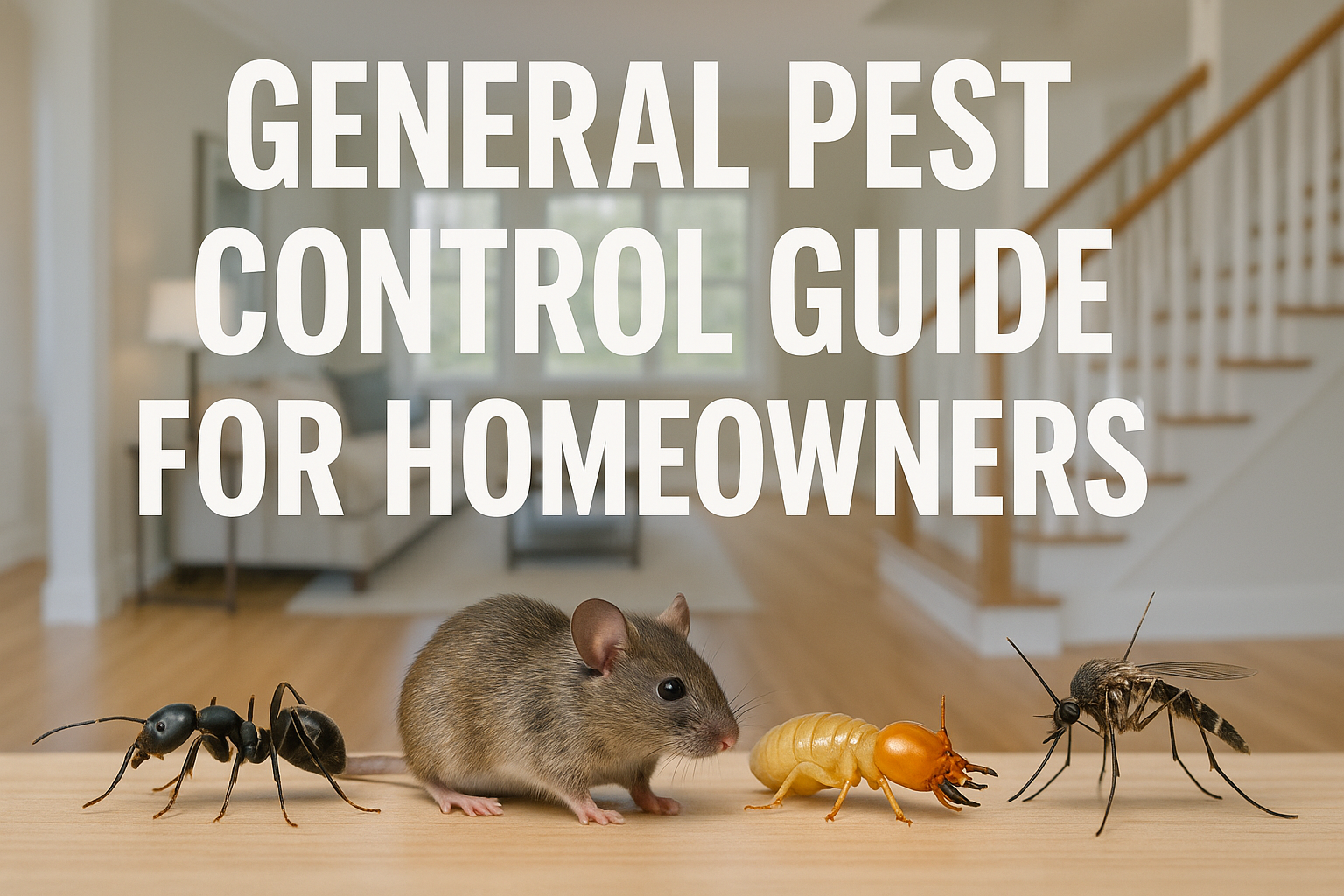
The Scope of Household Pest Problems in America
When you step inside a typical American home, you’re likely sharing the space with more than just family members. From the silent march of termites in wooden framing to the nocturnal scurry of rodents in attics, pests are an everyday reality for millions of households. The Environmental Protection Agency (EPA) estimates that these unwelcome guests cause between $5 billion and $10 billion in property damage each year across the United States. That figure includes structural damage, lost food, and the hidden costs of reduced home value.
Recent data from the Centers for Disease Control and Prevention (CDC) paints an even clearer picture: in 2023, 1 in 5 homes reported rodent activity. Whether it’s a mouse gnawing on wiring or a rat leaving droppings in the pantry, the presence of rodents is not only a nuisance—it’s a health risk. Rodent‑borne pathogens can trigger allergies, asthma attacks, and even serious diseases such as hantavirus.
Understanding the magnitude of the problem is the first step toward protection. This guide is built on a professional, data‑driven approach, and it will walk you through three essential stages:
- Identification: Learn the tell‑tale signs of common pests—what to look for in walls, foundations, and outdoor spaces.
- Prevention: Discover practical, affordable steps you can take now to seal entry points, reduce attractants, and create an environment that’s inhospitable to pests.
- Treatment: Explore effective treatment options, from DIY interventions to professional services, and understand how transparent pricing from trusted providers like Anthem Pest Control can keep costs predictable.
By the end of this guide, you’ll have a clear roadmap for safeguarding both your family’s health and the long‑term value of your property. We’ll break down complex entomology and rodent behavior into simple, actionable advice—just the kind of knowledge a homeowner needs when pests knock on the door.
Our commitment to safety and efficacy means every recommendation is backed by the latest research and field experience. Whether you’re dealing with a sudden ant invasion in the kitchen or planning a seasonal inspection to stay ahead of termite damage, the information here is designed to empower you to make informed decisions without the guesswork.
In short, pest problems are far more common—and far more costly—than most homeowners realize. Armed with the facts and a clear plan of action, you can turn that statistic into a personal victory. Let’s dive into the details, starting with how to spot the early warning signs of an infestation.
How to Spot Early Signs of Infestation
Before a pest problem turns into a costly repair, the clues are already on your doorstep. Homeowners who learn to read those clues can call Anthem Pest Control early, preventing structural damage, health risks, and surprise invoices. Below we break down the visual cues you’ll see around the house, give you a ready‑to‑use checklist for the seven most common household pests, and share a real‑world story that shows how a simple inspection saved a Dallas family thousands of dollars.

Common Visual Indicators
- Droppings: Small, dark pellets (cockroaches, rodents) or fine, sand‑like specks (termites).
- Gnaw marks: Shiny, crescent‑shaped chew lines on wood, plastic, or wiring—typical of rodents and some beetles.
- Mud tubes: Pencil‑thin, mud‑filled tunnels pressed against foundations, walls, or wooden beams—classic termite activity.
- Nests or shelters: Silky paper‑like structures (ants), clustered egg cases (cockroaches), or hidden fabric piles (bed bugs).
- Discoloration: Yellowing or water‑stained wood, often a sign of termite feeding or moisture‑attracting insects.
- Unusual odors: Musty, sweet, or oily smells can indicate cockroach infestations, rodent urine, or bed‑bug colonies.
Quick‑Check Checklist by Pest
| Pest | Key Visual Cue | Where to Look |
|---|---|---|
| Termites | Mud tubes, hollow‑sounding wood, discarded wings | Foundation walls, crawl spaces, behind baseboards |
| Ants | Ant trails, small soil mounds, crushed bodies | Kitchen countertops, window sills, outdoor mulch |
| Rodents | Gnaw marks, droppings, shredded insulation | Attic rafters, garage corners, behind appliances |
| Cockroaches | Dark droppings, egg cases, oily smell | Under sinks, behind refrigerators, dark damp areas |
| Bed Bugs | Rust‑colored spots, tiny white eggs, shed skins | Mattress seams, headboards, behind picture frames |
| Mosquitoes | Standing water, adult mosquitoes resting on walls | Patios, gutters, birdbaths, any container holding water |
| Flies (including fruit flies) | Small clusters around fruit, damp drains, garbage | Kitchen counters, trash cans, indoor plant soil |
Real‑World Example: Dallas Homeowner
When Maria Gonzalez of Dallas performed her annual “look‑around” before the summer heat, she noticed a faint line of mud running behind the living‑room baseboard. The material was soft, slightly damp, and stretched a foot across the wall. A quick photo search confirmed it was a termite mud tube. Maria called Anthem Pest Control immediately. Our certified technician inspected the area, identified a localized colony, and treated the zone with a targeted termiticide. By addressing the problem at the mud‑tube stage, Maria avoided a full‑scale structural repair that could have cost $12,000–$15,000.
Why Early Detection Saves Money
Detecting pests early cuts treatment costs by up to 70 %, according to industry studies. A small infestation often requires a single, localized application, while a hidden, mature colony may demand extensive fumigation, wall removal, or even foundation repair. Early action also protects your home’s resale value and prevents health hazards—especially with rodents. The CDC’s 2024 rodent‑related illness report notes that rodents are linked to thousands of human disease cases each year in the United States, ranging from Hantavirus to leptospirosis. Prompt identification and removal dramatically reduces those risks.
Keep this checklist handy, perform a quick visual sweep each season, and don’t hesitate to call Anthem Pest Control at 877‑371‑8196 when you spot any of the signs above. Early detection isn’t just smart—it’s the most affordable way to keep your home pest‑free.
Year‑Round Prevention: What to Do Each Season

Spring – Seal, Screen, and Drain
As Phoenix’s average temperature climbs from the mid‑60s to the high 80s °F in March and April, ant colonies and subterranean termites awaken. The city also receives about 0.2 inches of rain per month during this period, creating pockets of standing water that attract insects.
- Seal cracks and gaps around foundations, windows, and utility penetrations. Termites use these openings to access wood, while ants march through them in search of food.
- Repair or replace damaged screens on doors and windows. A torn screen is an open invitation for flying insects, including the early‑season mosquito adults that begin breeding in any residual water.
- Eliminate standing water by clearing birdbaths, plant saucers, and clogged gutters. Even a shallow puddle can become a breeding ground for mosquitoes and a water source for ant foragers.
Summer – Mosquito Management and Outdoor Maintenance
June through August in Phoenix brings scorching highs above 105 °F and occasional monsoonal bursts that dump 1–2 inches of rain in a single event. Those sudden pools are prime mosquito nurseries, while the heat drives pests indoors.
- Focus on mosquito control by treating standing water with larvicides and installing fine‑mesh screens on patio enclosures.
- Adjust outdoor lighting to amber or sodium‑vapor bulbs. Mosquitoes are less attracted to longer‑wavelength light, reducing night‑time bites.
- Maintain pools and gutters regularly. Clean skimmer baskets, run pool filters, and ensure gutters are free of debris to prevent water accumulation that fuels mosquito breeding.
Fall – Rodent Proofing and Leaf Management
Temperatures dip into the 70s °F in October, prompting rodents to seek shelter before winter. Phoenix’s fall brings a modest increase in leaf fall—about 0.5 inches—providing cover for mice and rats near homes.
- Rodent proof your home by sealing entry points larger than a quarter‑inch, installing door sweeps, and storing firewood at least 18 inches off the ground.
- Remove fallen leaves and debris from around the foundation and rooflines. Leaves create hidden pathways for rodents and conceal nests of cockroaches.
- Inspect attic and crawl spaces for gnaw marks, droppings, and insulation damage. Early detection stops a small mouse problem from becoming a full‑blown infestation.
Winter – Duct Checks, Termite Barriers, and Humidity Control
Winter in Phoenix is mild, with daytime highs in the mid‑60s °F, but indoor heating can raise indoor humidity, creating a favorable environment for termites and cockroaches.
- Inspect heating ducts and vents for gaps that allow pest entry. Termites can travel through ductwork, and rodents may use vents to access heated rooms.
- Reinforce termite barriers around the perimeter, especially after any landscaping work that may have disturbed soil.
- Keep indoor humidity below 50 % by using dehumidifiers and fixing leaky pipes. Low humidity discourages termite activity and reduces the likelihood of cockroach sightings.
“New customers can schedule Anthem Pest’s free seasonal home inspection to get a professional assessment of any potential pest hotspots before they become a problem.”
Effective Treatments and What They Cost
Understanding the Main Treatment Categories
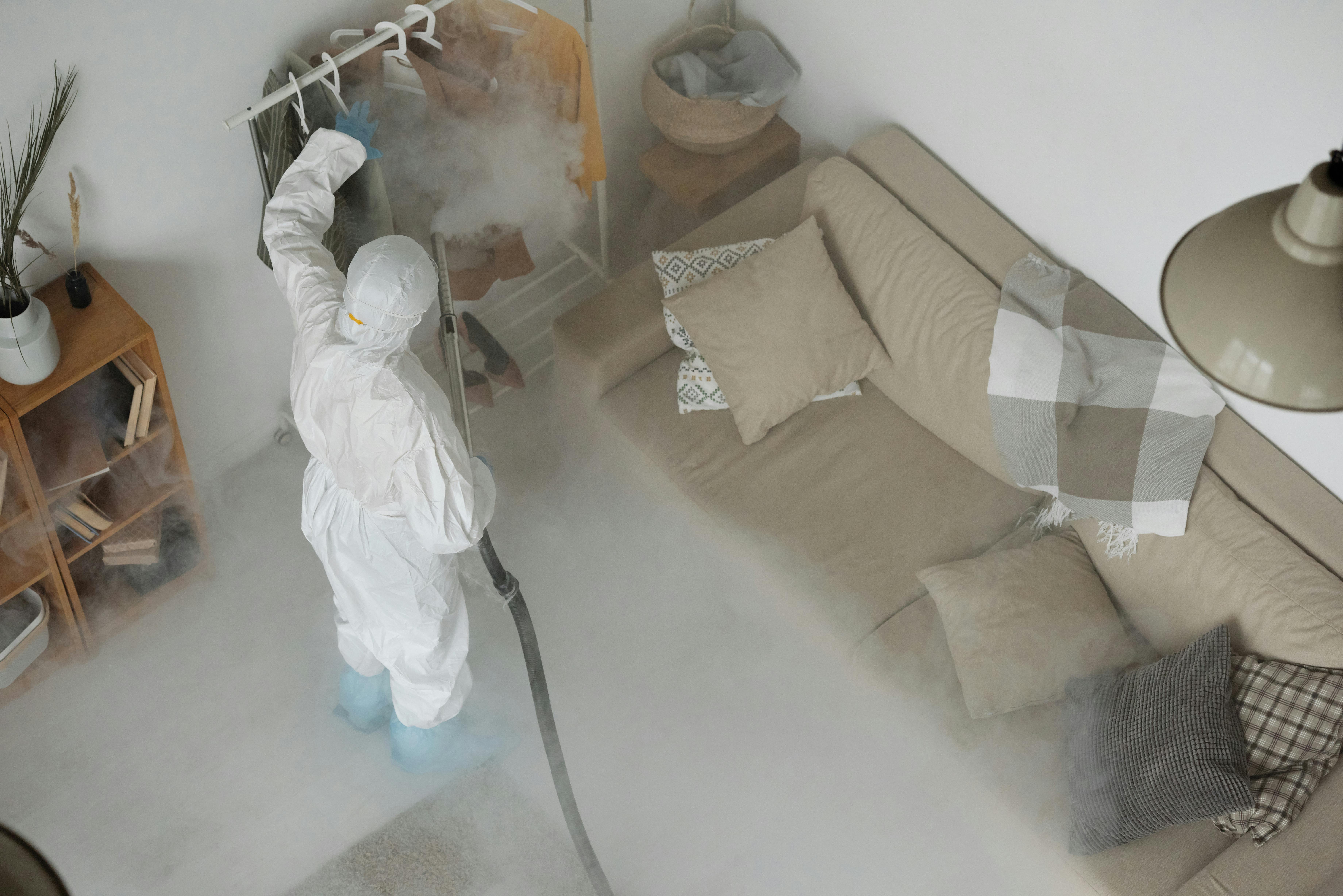
When you call a pest‑control professional, the first thing you’ll hear is a description of the treatment modality they recommend. Knowing the differences helps you decide what fits your home, budget, and comfort level.
- Chemical barrier – A liquid termiticide or insecticide is applied around the foundation, crawl spaces, and other entry points. It creates an invisible wall that kills pests on contact.
- Baiting systems – Stations filled with attractants and slow‑acting toxins are placed strategically. Pests carry the poison back to the colony, providing a “kill‑the‑queen” effect for termites or a population‑wide knock‑down for rodents.
- Integrated Pest Management (IPM) – A science‑based approach that blends inspection, sanitation, exclusion, and targeted chemicals. IPM focuses on long‑term prevention rather than a one‑off spray.
- Eco‑friendly/low‑toxicity options – Formulations derived from botanical extracts, diatomaceous earth, or microbial agents. They’re designed to minimize health risks while still delivering control, especially in homes with children or pets.
2024 Pricing Snapshot (EPA Guidelines)
The EPA’s 2024 pesticide pricing guide provides a reliable benchmark for most residential services. Below is a quick look at the average cost ranges you’ll encounter across the United States.
| Treatment Type | Price Range (per treatment or annually) |
|---|---|
| Termite barrier (chemical or bait) | $1,200 – $2,500 per treatment |
| Mosquito spray (single visit) | $75 – $150 per visit |
| Rodent bait stations (setup & initial fill) | $150 – $300 per setup |
| Ant/roach IPM program (annual service) | $200 – $500 annually |
These figures reflect the “average” market price after accounting for regional labor differences, product markup, and EPA‑approved application standards. Your actual quote may vary, but any reputable company should stay within these bands.
Why Transparent Quotes Matter
Homeowners often feel blindsided by hidden fees—travel charges, “material surcharges,” or “emergency service premiums.” A clear, itemized estimate does three things:
- Builds trust. When you see exactly what you’re paying for (inspection, product, labor, monitoring), you know the company isn’t padding the bill.
- Enables budgeting. Fixed‑price or subscription models let you plan for seasonal spikes (like summer mosquito control) without surprise invoices.
- Ensures ongoing protection. Transparent quotes usually include follow‑up visits or monitoring devices, which are essential for long‑term success—especially for termites and rodents that can re‑infest quickly.
Anthem Pest’s “Protect Package” – A Fixed‑Price Peace of Mind
Anthem Pest Control has taken the “transparent quote” concept a step further with its Protect Package. Starting at $199, the package bundles:
- Annual IPM inspection for ants, roaches, and other interior pests
- Quarterly perimeter barrier re‑application for termites and other wood‑destroying insects
- Two seasonal mosquito spray visits (spring and summer)
- One rodent bait‑station installation and a follow‑up check
- Unlimited phone support and a digital dashboard that logs every service, product batch number, and next‑due date
Because the price is fixed, you avoid the “up‑sell” trap that many traditional pest‑control contracts use after the first year. The package also includes a guaranteed response time—if pests reappear within the coverage period, Anthem will revisit at no extra charge.
For homeowners who prefer a clear, predictable expense while still receiving the full suite of modern, EPA‑compliant treatments, the Protect Package offers a compelling alternative to piecemeal, per‑visit billing.
Why Local Expertise Matters When Choosing a Provider
When a pest invasion hits your home, the speed and precision of the response can make the difference between a quick fix and a recurring nightmare. A provider that understands the unique biology of pests in your region, as well as the local climate patterns that drive their activity, is far more likely to deliver lasting results. That is why hiring locally licensed technicians is a non‑negotiable part of any smart pest‑control strategy.
Benefits of Local Expertise
First, local technicians know the seasonal pest cycles that affect each state or county. They can anticipate when termites begin swarming, when mosquitoes peak, or when rodent activity spikes, allowing them to schedule treatments at the optimal moment. Second, a nearby service team can arrive on the same day or within a few hours, dramatically reducing the window of exposure for your family. Finally, every state has its own licensing requirements and pesticide regulations; a locally certified professional guarantees compliance, protecting you from illegal applications and potential fines.
Anthem Pest’s Nationwide, Locally Based Team
Anthem Pest combines the advantage of a national brand with the intimacy of local service. With technicians stationed in more than 30 states, the company leverages a centralized knowledge base while empowering each field crew to act as a neighborhood expert. Whether you live in a humid Gulf Coast town battling mosquitoes or a cooler Mid‑Atlantic suburb dealing with carpenter ants, an Anthem technician who lives nearby will already be familiar with the pest pressures you face. This hybrid model ensures you receive the consistency of a large company—standardized protocols, reliable guarantees, and transparent pricing—paired with the nuanced, on‑the‑ground insight that only a local professional can provide.
Vetting Checklist for Pest‑Control Companies
- Valid license and insurance: Verify the technician’s state license number and confirm that the company carries adequate liability coverage.
- Written guarantees and warranty terms: Look for clear, written statements about what is covered, how long the guarantee lasts, and the process for follow‑up visits.
- Transparent pricing and no hidden fees: Request a detailed estimate that breaks down labor, products, and any optional services before work begins.
- Customer reviews and BBB rating: Check independent review sites and the Better Business Bureau to gauge satisfaction and dispute resolution history.
- Availability of eco‑friendly options: Ask whether the provider offers low‑toxicity or organic treatments, especially if you have children, pets, or a preference for greener solutions.
Running through this checklist will help you separate reputable firms from fly‑by‑night operators. For homeowners who want the confidence of a national brand without sacrificing local insight, Anthem Pest’s service‑area lookup page lets you confirm that a qualified technician is just a short drive away.
FAQ – Quick Answers for Homeowners
Q1: How often should I schedule treatments?
Most homeowners benefit from 2‑4 treatments per year, but the exact frequency depends on the type of pest and the seasonal risk in your area. For example, mosquito and ant activity spikes in the warm months, while termites require regular monitoring year‑round. Adjusting the schedule to match local climate patterns ensures you stay ahead of infestations without over‑treating. The EPA pest‑control guidelines recommend tailoring treatment plans to the specific pest lifecycle and regional weather trends.
Q2: Are treatments safe for kids and pets?
Yes—when a reputable provider uses EPA‑registered products, the risk to children and pets is minimal. Many companies, including Anthem Pest, offer low‑toxicity or organic formulations that further reduce exposure. These options are designed to target pests while leaving the surrounding environment safe for family members. Always ask your technician about the product’s safety data sheet; the EPA safety data confirms that approved products meet strict health standards when applied correctly.
Q3: What is the warranty on termite work?
Industry standards typically provide a 5‑10‑year warranty on termite treatments and barrier installations. Anthem Pest goes a step further, offering a 10‑year guarantee on its comprehensive termite barrier system. This warranty covers both the structural integrity of the barrier and any re‑treatment needed if termites breach it within the covered period. A solid warranty not only protects your home but also reflects the confidence a professional service has in its own work.
Protect Your Home with Professional Help Today
Key Takeaways
Detecting a pest problem early can save you hundreds of dollars in damage control and treatment costs. By acting before insects or rodents establish a foothold, you avoid the expensive structural repairs that often follow. Seasonal prevention—whether it’s spring‑time ant control or fall‑time rodent exclusion—reduces the overall pest pressure in your yard and home, making each subsequent treatment easier and less invasive. Transparent, upfront pricing builds trust; you know exactly what you’re paying for and why. Finally, partnering with a local expert ensures rapid response times, knowledge of regional pest habits, and service that’s tailored to your neighborhood’s unique challenges.
Take the First Step
Ready to put those insights into action? Anthem Pest offers a complimentary home inspection that pinpoints entry points, nesting sites, and early warning signs—all at no cost to you. Our technicians will walk you through the findings, explain the most effective treatment options, and provide a clear, itemized quote before any work begins.
Contact Details
Give us a call today at 877‑371‑8196 to schedule your free inspection. Our friendly scheduling team can find a convenient slot that fits your busy calendar.
Why Choose Anthem Pest?
Anthem Pest has earned a reputation for data‑driven, science‑backed pest management that prioritizes safety for your family and pets. Our technicians use the latest monitoring tools to identify the exact species and infestation level, allowing us to apply the most targeted, effective treatment. Because we believe in affordable protection, every service comes with transparent pricing—no hidden fees, no surprise add‑ons. Our commitment to the community means we stay up‑to‑date on local pest trends, delivering solutions that work for your specific climate and home construction. Whether you’re battling termites, mosquitoes, cockroaches, or any other common invader, you can trust Anthem to provide a thorough, courteous, and timely resolution.
Take control of your home’s health today—Visit Anthem Pest Control and schedule your free inspection.