What House Flies Are and Why They Matter

When a fly lands on your kitchen counter or hovers near the front door, it’s more than a minor annoyance. The common house fly (Musca domestica) is a hardy, fast-reproducing insect that can turn a tidy home into a health hazard in just a few days. Understanding what these flies are and how they operate helps you recognize when a simple cleanup won’t cut it—and when a house fly inspection Suwanee homeowners rely on becomes essential.
Life Cycle of the Common House Fly
House flies complete their entire life cycle in roughly 7–10 days under warm conditions. An adult female can lay up to 150 eggs on moist organic material—think garbage, compost, or pet waste. Within a day, the eggs hatch into tiny, legless larvae (maggots) that feed voraciously on the same material. After 3–5 days, they pupate, emerging as adult flies ready to reproduce again. This rapid turnover means a single pair can generate hundreds of descendants in a single summer, especially in the humid climate of Suwanee, Georgia.
Health Risks
The EPA flags house flies as “mechanical vectors” that physically transfer pathogens from contaminated sites to human food and surfaces. The CDC confirms that flies can spread bacterial agents such as Salmonella, E. coli, and Shigella, as well as viral agents like hepatitis A. When a fly lands on a pile of rotting fruit, then alights on your sandwich, it deposits microscopic droplets of vomit and feces—each capable of initiating food‑borne illness. For families with children, seniors, or immunocompromised members, this risk is amplified.
Impact on Home Comfort
Beyond disease, flies erode everyday comfort. Their constant buzzing near doors and windows creates a persistent nuisance, especially during evening gatherings. They are attracted to sugary drinks, open trash cans, and pet food, leading to food contamination that can spoil meals and attract even more insects. In large numbers, flies can produce a faint, unpleasant odor that lingers in kitchens and dining areas, making your home feel less inviting.
Where Flies Thrive in Suburban Suwanee
In a typical Suwanee neighborhood, flies gravitate toward moist, organic hotspots. Common breeding grounds include:
- Outdoor garbage cans without tight-fitting lids.
- Pet waste left on lawns or in litter boxes.
- Compost piles that are too wet or not turned regularly.
- Overripe fruit or vegetables left on countertops.
- Standing water in birdbaths or clogged gutters.
These environments provide the perfect combination of warmth, moisture, and food that fuels their rapid life cycle.
Spotting the Signs
Homeowners can catch a fly problem early by watching for these visual cues:
- Flies buzzing persistently around entry points—doors, windows, and screened porches.
- Increased activity near garbage bins, compost containers, or pet feeding stations.
- Visible flies landing on food, dishes, or countertops during meal preparation.
If you notice any of these patterns, it’s time to consider a professional house fly inspection. Anthem Pest Control can identify hidden breeding sites, recommend targeted treatments, and help you implement long‑term prevention strategies to keep your home fly‑free.
Seasonal Fly Activity in Suwanee, GA
Suwnane’s Climate Sets the Stage
Living in Suwanee means dealing with a humid subtropical climate—warm summers, mild winters, and ample rainfall throughout the year. House flies (Musca domestica) thrive when temperatures hover between 75°F and 85°F and when organic matter stays moist. In spring, rising daytime highs jump from the 50s to the 70s, jump‑starting the breeding cycle. Summer brings consistent heat and humidity, creating an ideal “fly factory” in any backyard compost bin or pet waste area. Fall cools things down, but occasional warm spells can still produce a late‑season surge, while winter’s chill usually forces the population into a dormant state.
Reading the Seasonal Activity Chart
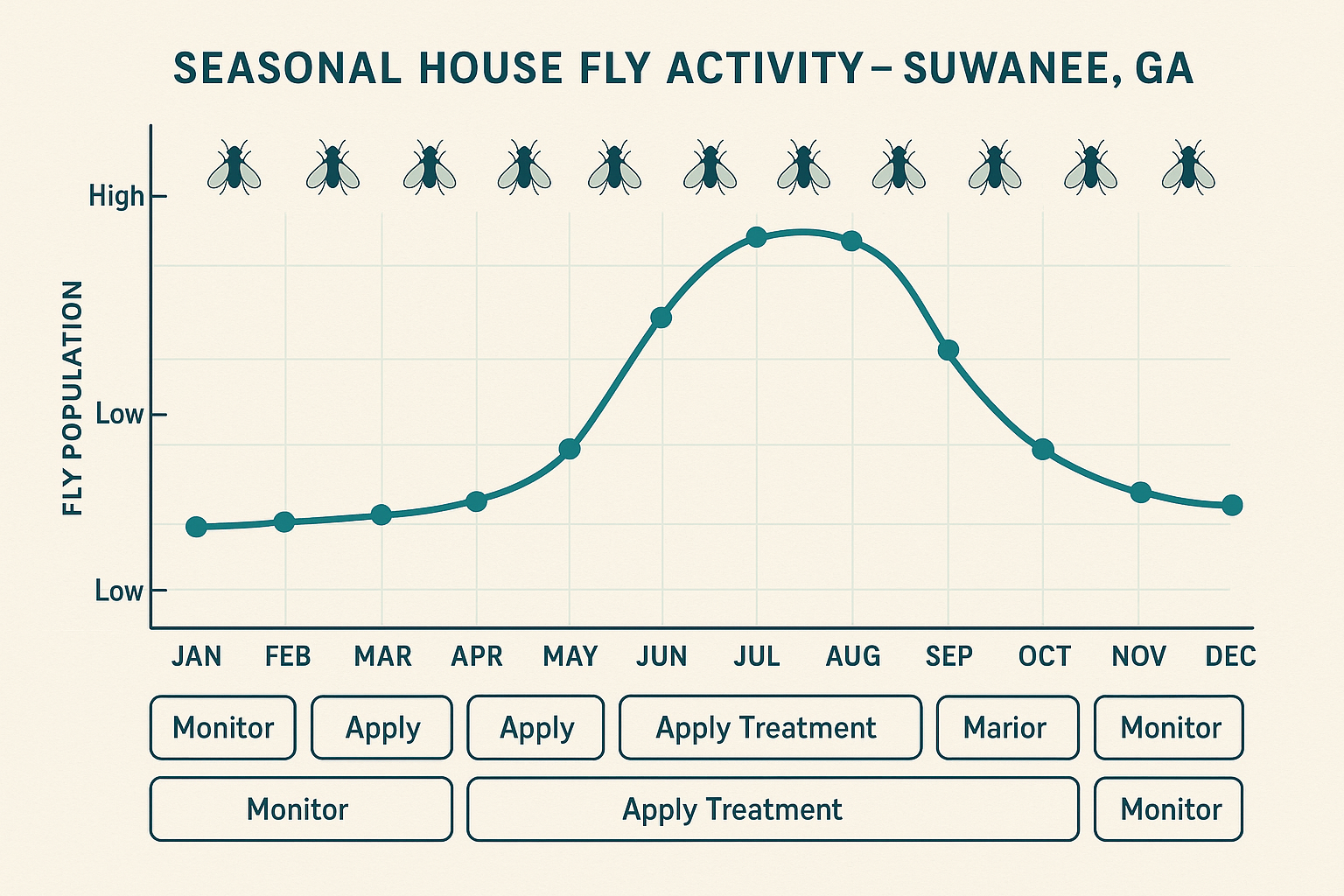
The chart above plots average monthly fly counts based on local trap data. Notice three distinct peaks:
- April–May: A modest rise as eggs hatch after the first warm days.
- July–August: The highest concentration, coinciding with peak temperatures and frequent rain that keeps breeding sites moist.
- October: A secondary bump when warm fronts linger before the first frost.
Conversely, the lowest activity occurs in December through February, when average highs dip below 60°F and flies enter a state of reduced activity.
Month‑by‑Month Treatment Checklist
| Month | Key Action | Why It Works |
|---|---|---|
| January–February | Inspect and seal entry points | Prevents early indoor activity when flies seek warmth. |
| March | Deep sanitation of outdoor waste | Eliminates breeding sites before the first egg batch. |
| April–May | Apply residual barrier sprays around doors, windows, and patio doors | Stops emerging adults from entering the home. |
| June–August | Weekly outdoor misting or ULV fogging plus regular trash removal | Targets the peak population when flies are most active. |
| September | Reduce moisture in compost piles and mulch | Limits late‑season breeding as temperatures start to fall. |
| October | Final barrier treatment and interior fly traps | Catches the October resurgence before winter sets in. |
| November–December | Maintain clean gutters and store pet waste indoors | Prevents overwintering sites and prepares for the next cycle. |
Weather Triggers and Fly Surges
Rainfall is a double‑edged sword. Light, frequent showers keep organic debris damp, perfect for larvae, while heavy downpours can wash away eggs and force adults to seek shelter indoors—often resulting in a sudden indoor spike. Temperature spikes above 90°F accelerate the fly life cycle, shortening the time from egg to adult to just 7‑10 days. Conversely, a cold snap of three nights below 50°F can dramatically reduce the next month’s population.
Plan Ahead, Stay Ahead
Understanding these patterns lets you act before flies become a nuisance. By aligning sanitation, barrier treatments, and monitoring with the calendar, you keep the population low and avoid costly emergency calls. A proactive approach—checking for standing water after a rainstorm, tightening screens before summer, and scheduling a professional barrier spray in early May—means you’ll spend less time swatting and more time enjoying your home.
Spotting a Fly Infestation Early
House flies may seem harmless at first, but a few stray insects can quickly turn into a full‑blown nuisance. Catching the problem before it spreads saves you time, money, and the peace of mind that comes with a clean home. Below are the tell‑tale signs that a fly population is taking root in your Suwanee house.
Visual signs to watch for
- Swarming activity near doors, windows, or any uncovered entry point, especially in the early evening.
- Flies landing on countertops, food prep surfaces, or open packages—anywhere food is exposed.
- Noticeable increase in fly movement at dusk; they tend to gather in clusters as daylight fades.
Behavioral clues around the house
- Flies gravitating toward trash cans, compost bins, or any area where organic waste accumulates.
- Frequent visits to pet feeding stations, litter boxes, or water bowls—these spots provide both food and moisture.
- Presence of flies around standing water, such as clogged gutters, bird baths, or puddles on the patio.
Health red flags for your family
- Reports of foodborne illness symptoms (upset stomach, nausea) after meals prepared in the kitchen.
- Increased itching or skin irritation among family members, especially after outdoor gatherings.
- Allergic reactions or respiratory discomfort that coincide with heightened fly activity.
Simple inspection checklist
| Room | What to Inspect |
|---|---|
| Kitchen | Countertops, open food containers, trash can lids, sink drains, and door/window screens. |
| Garage | Garbage bags, recycling bins, pet food storage, and any cracks or gaps in the foundation. |
| Outdoor Patio | Outdoor dining area, grill surfaces, standing water, and nearby vegetation that can harbor waste. |
When to move from DIY monitoring to a professional evaluation
If you notice any two of the visual or behavioral signs within a week, or if health red flags appear, it’s time to call a pest‑control professional. Anthem Pest Control can assess the extent of the infestation, identify hidden breeding sites, and implement a targeted treatment plan that respects your family’s safety and your budget. Early intervention prevents flies from establishing permanent colonies and protects your home from the secondary risks of bacterial contamination.
DIY Fly Control – Costs, Effectiveness, and Limitations
Popular DIY Tools
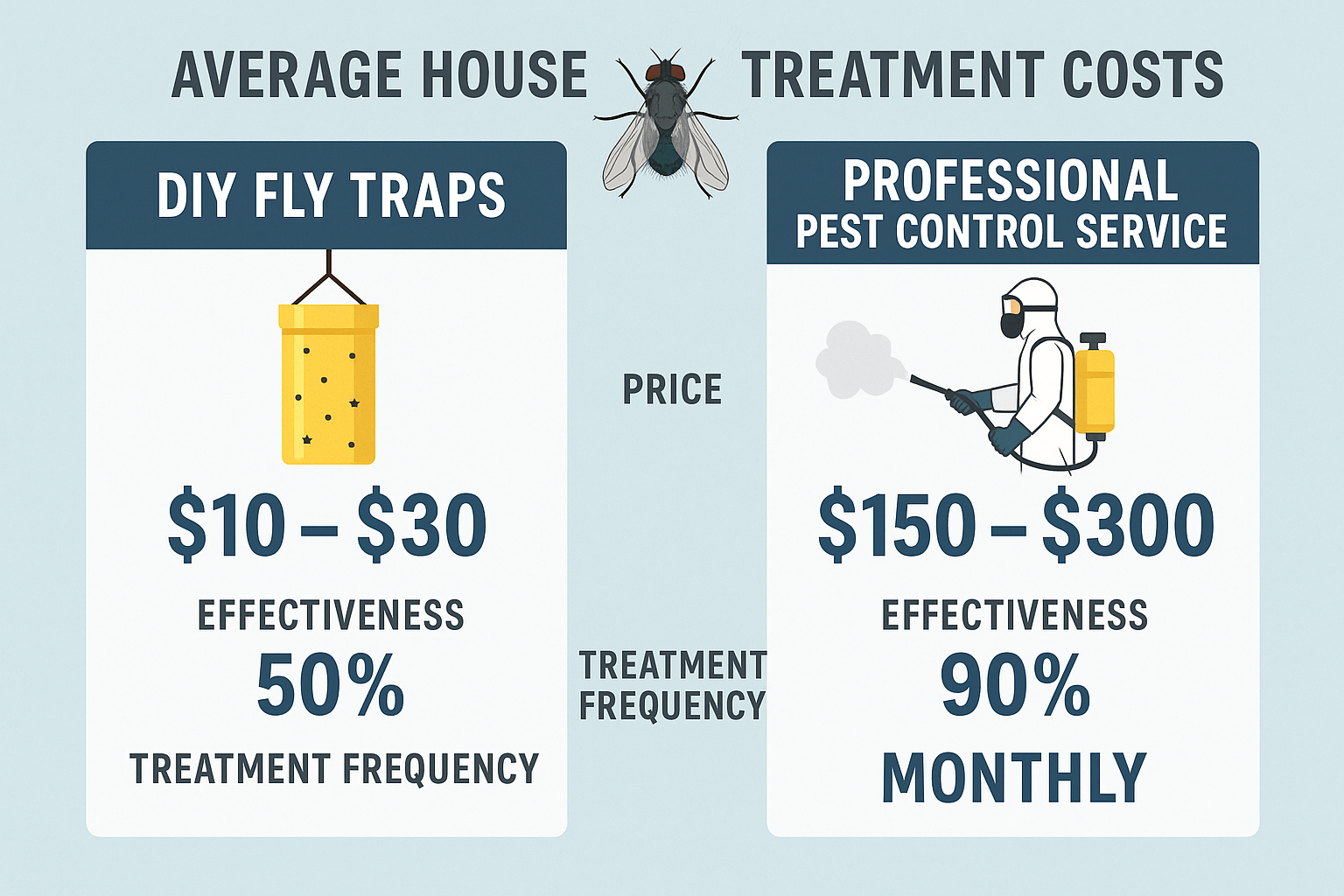
Most homeowners start with a handful of low-cost solutions: sticky fly traps that lure insects with a sweet scent, electric zappers that electrocute flies on contact, homemade sprays made from vinegar or essential oils, and a strict sanitation routine that eliminates breeding sites. These methods are attractive because they require little technical knowledge and can be purchased at a local hardware store, but they often delay the need for a professional house fly inspection Suwanee homeowners may ultimately require.
Cost Breakdown
Below is a typical budget for a three‑month DIY campaign in a Suwanee home.
| Item | Typical Cost | Time Investment (hrs) |
|---|---|---|
| Sticky traps (pack of 10) | $12‑$18 | 0.5 per month |
| Electric zapper | $30‑$45 | 0.2 per month (setup) |
| Homemade spray ingredients | $8‑$15 | 1‑2 (mixing) |
| Sanitation supplies (trash bags, cleaners) | $20‑$35 | 2‑3 (deep clean) |
Effectiveness Percentages
Field data from local pest‑management studies show the following average success rates when each method is used alone.
| Method | Average Reduction in Fly Activity |
|---|---|
| Sticky traps | 30‑45% |
| Electric zapper | 25‑40% |
| Homemade spray | 15‑30% |
| Sanitation routine | 40‑60% (when rigorously applied) |
Common Pitfalls
- Resistance & Re‑infestation: Flies quickly learn to avoid poorly placed traps, and a single missed cleaning spot can become a new breeding hotspot.
- Safety Concerns: Electric zappers pose a shock risk to children and pets, while homemade sprays may irritate skin or damage finishes if over‑applied.
- Time Commitment: Consistent sanitation requires weekly effort; many homeowners abandon the routine once flies appear to have subsided.
Decision Matrix: DIY vs. Professional Help
Use this quick guide to decide whether a DIY approach will likely solve the problem or if it’s time to schedule a house fly inspection Suwanee homeowners trust with Anthem Pest Control.
| Situation | DIY Viable? | Recommend Professional Service |
|---|---|---|
| Isolated indoor sightings (≤5 flies) | Yes – traps + sanitation | No |
| Persistent indoor activity despite traps | Limited | Yes – targeted residual spray |
| Outdoor breeding near garbage or pet waste | Partial – remove source + traps | Yes – habitat elimination & perimeter treatment |
| Seasonal surge affecting multiple rooms | Unlikely | Yes – comprehensive inspection & treatment |
| Allergic family members or small children | No – chemical exposure risk | Yes – safe, EPA‑registered solutions |
If your fly activity fits the “Professional Service” column, a licensed technician can locate hidden breeding sites, apply long‑lasting treatments, and provide a warranty that DIY methods simply cannot match. For homeowners who prefer a hands‑on approach, the tables above outline realistic expectations and budget considerations.
Professional Fly Treatments Explained
Standard professional methods
When a homeowner in Suwanee calls Anthem Pest Control, the technician brings a toolbox of proven solutions. The most common approaches include:
- Residual sprays – EPA‑registered chemicals applied to walls, ceilings, and other surfaces where flies rest. The formulation clings for weeks, killing any fly that lands on it.
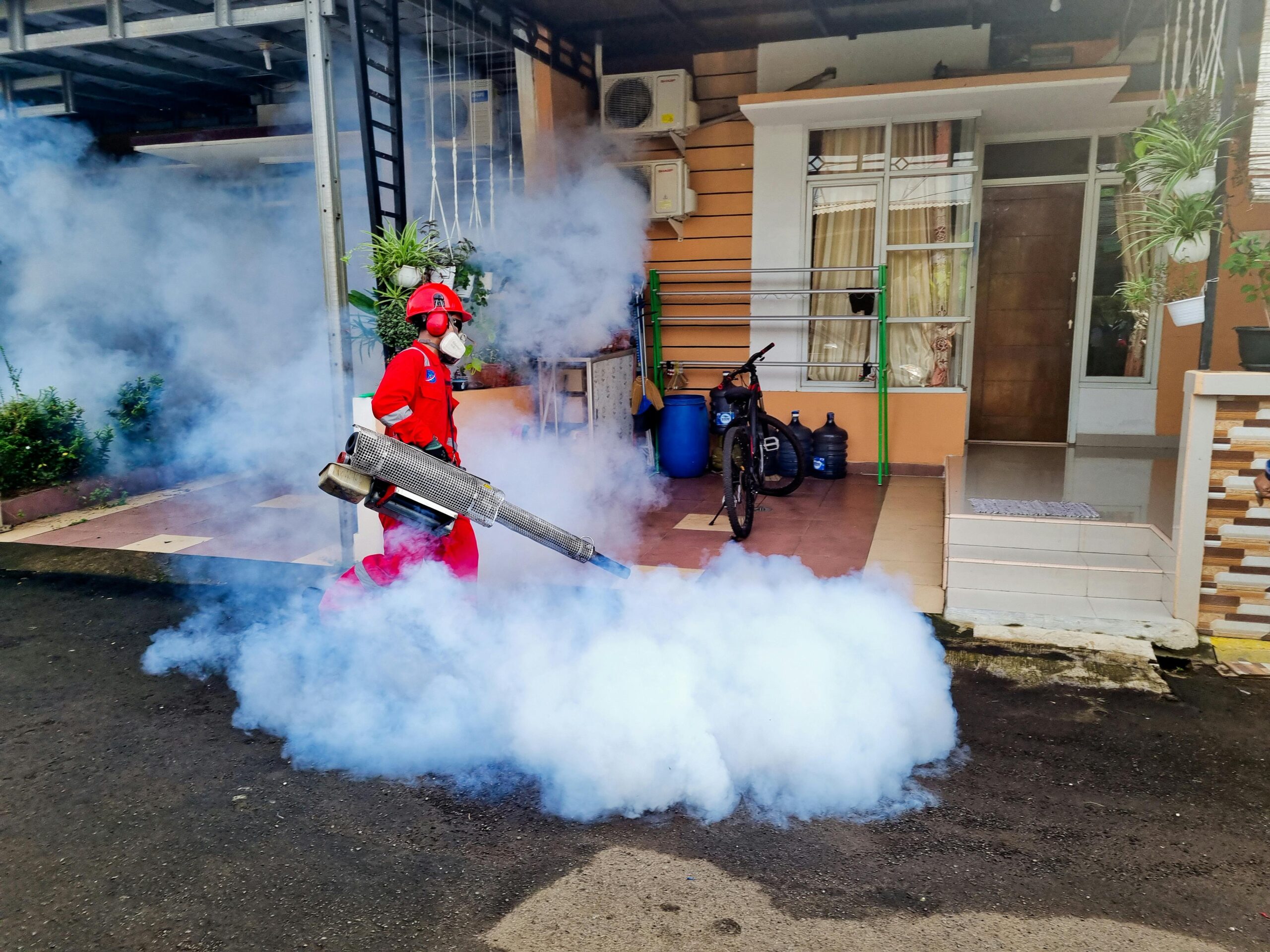
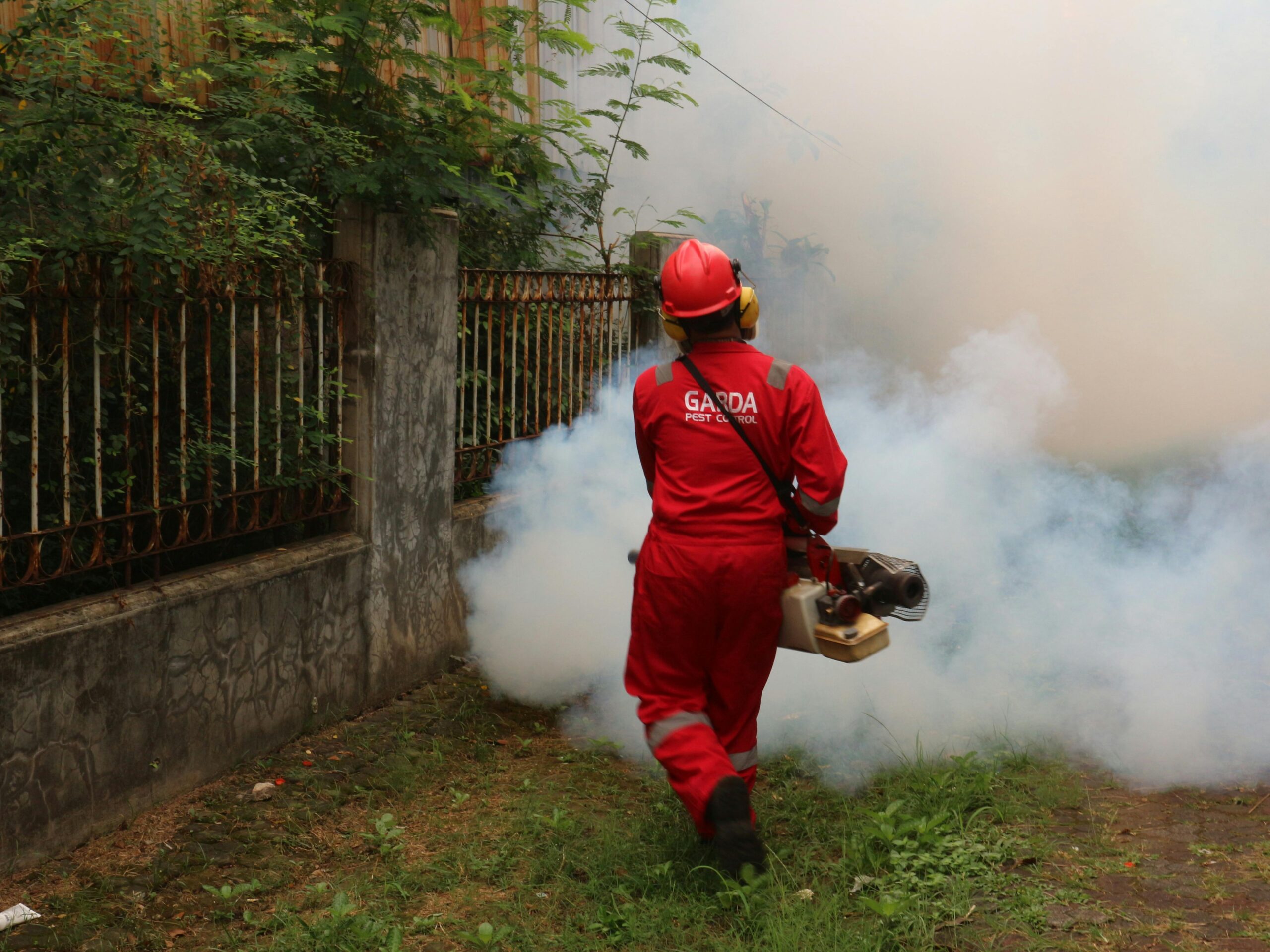
- Fogging or smoke treatments – A fine mist or smoke‑filled aerosol that penetrates cracks, crevices, and hard‑to‑reach spots, delivering an instant knock‑down of adult flies.
- Bait stations – Strategically placed containers that contain attractants and slow‑acting insecticides. Flies feed, return to the colony, and the poison spreads.
- Exclusion techniques – Sealing entry points such as window screens, vent gaps, and door sweeps to prevent new flies from entering the home.
How a licensed technician assesses the property
Before any product touches a wall, the technician conducts a thorough inspection. This starts with a visual walk‑through to locate adult fly activity, followed by a search for breeding sites—often hidden in garbage areas, pet waste, or damp organic matter. Using a handheld flashlight and moisture meter, the pro pinpoints moisture‑rich zones where larvae can develop. Identifying these hotspots allows the treatment plan to target the source, not just the symptoms.
Safety protocols
Anthem’s technicians are trained to handle EPA‑registered products with the utmost caution. They wear protective gloves, goggles, and respirators when applying sprays or foggers, ensuring no residue contaminates food surfaces. Homeowners are asked to vacate the treated rooms for a short period—usually 30 minutes for fogging and up to two hours for residual sprays—then ventilate the space by opening windows. All chemicals used meet federal safety standards, and the company provides a detailed safety data sheet upon request.
Expected results timeline
Fly control delivers results on two fronts. The fogging or smoke machine provides an immediate knock‑down; most adult flies are dead within minutes, giving the home instant relief. Residual sprays and bait stations, however, work over days to weeks, eradicating newly emerging flies and preventing reinfestation. Homeowners can typically expect a noticeable drop in activity after the first 24 hours, with long‑term control stabilizing within 7–10 days as the residual barrier builds up.
Example: Smoke‑machine application during a house fly inspection

In the image above, a certified Anthem technician deploys a portable smoke machine directly into a kitchen corner where flies have been spotted. The dense, odor‑free smoke penetrates tiny gaps around cabinets and under appliances, ensuring the insecticide reaches hidden larvae. After the fog clears, the technician reviews the treated zones with the homeowner, pointing out any additional steps—like tightening trash can lids—to keep flies from returning.
By combining rapid‑acting fogging with lasting residual barriers and meticulous exclusion, Anthem Pest Control offers a comprehensive, safe, and effective fly treatment plan that restores comfort to Suwanee homes.
Choosing a Reliable Pest Control Partner
What to Look for in a Pest‑Control Company
When you start hunting for a professional to handle house flies, the first step is to verify the basics: a valid Georgia state license, adequate liability insurance, and industry‑recognized certifications such as the National Pest Management Association (NPMA) or the Certified Pest Management Professional (CPMP) badge. These credentials prove the company follows state regulations and stays current on safe treatment methods. Equally important are real‑world experiences from neighbors—read online reviews, ask for references, and watch for patterns of punctuality, thoroughness, and respectful service.
Transparent Pricing and Service Guarantees
Nothing erodes trust faster than hidden fees. A reputable provider will present a clear, itemized quote before any work begins, outlining labor, materials, and any follow‑up visits. Look for service guarantees that spell out what happens if flies return within a specified window—most trustworthy firms will offer a complimentary re‑treatment or a partial refund. This upfront honesty not only protects your wallet but also signals confidence in the effectiveness of their approach.
Anthem Pest Control: Meeting the Standards
Anthem Pest Control checks every box on the checklist. As a nationwide operation, Anthem brings the logistical strength of a large network while maintaining a local focus in Suwanee, GA. All technicians are EPA‑registered and undergo continuous training on the latest eco‑friendly formulations, ensuring treatments are both effective against flies and safe for families, pets, and the surrounding environment. The company’s transparent pricing model is posted on its website, and every service comes with a written guarantee that covers re‑treatment if the problem persists.
Typical Pricing Models for Fly Control
| Model | What’s Included | Typical Price Range |
|---|---|---|
| One‑time treatment | Initial inspection, targeted spray, and a follow‑up call | $120 – $180 |
| Quarterly plan | Four seasonal visits, preventive barrier applications, and unlimited fly‑specific calls | $350 – $460 per year |
| Annual contract | Monthly monitoring, comprehensive pest barrier, priority scheduling, and a satisfaction guarantee | $480 – $620 per year |
Quick FAQ
- What’s included in a standard fly treatment? A certified technician conducts a visual inspection, identifies breeding sites, applies a low‑odor residual spray to interior and exterior entry points, and provides a written after‑care plan for homeowners.
- How soon will I see results? Most customers notice a dramatic drop in fly activity within 24‑48 hours after treatment. Full control is typically achieved after the first week, especially when combined with recommended sanitation steps.
Monthly Fly‑Control Action Plan for Homeowners
Flies thrive on easy food sources and warm, moist environments. By breaking their life cycle month after month, you can keep your Suwanee home fly‑free without relying solely on emergency treatments. Follow this concise checklist to stay ahead of the season.
January – February: Indoor Sanitation Focus
- Wipe down countertops, sinks, and appliances daily; remove crumbs and spills promptly.
- Store all pantry items in sealed containers; avoid open bags of flour, sugar, or pet food.
- Inspect and seal cracks around windows, doors, and utility openings to block entry points.
- Empty trash cans each night and use liners with tight‑fitting lids.
- Run a low‑temperature vacuum on floor crevices and under appliances to capture hidden larvae.
March – May: Spring Clean‑up and Perimeter Defense
- Clear gutters, downspouts, and yard debris to eliminate standing water where flies breed.
- Trim back vegetation that touches the house, reducing moisture‑rich bridges for insects.
- Set up perimeter traps (sticky or baited) along the foundation and near exterior doors.
- Inspect outdoor garbage bins; line them and keep lids sealed.
- Conduct a quick visual sweep of crawl spaces and basements for damp spots.
June – August: Peak Activity – Professional Barrier & Lighting
- Schedule a professional barrier treatment with Anthem Pest Control; it creates a residual shield on exterior walls.
- Replace bright white outdoor lights with yellow or sodium‑vapor bulbs to deter fly attraction.
- Maintain a dry patio area; wipe away spilled drinks and clean grill surfaces after use.
- Refresh perimeter traps weekly, moving them to shaded spots if they become saturated.
- Keep doors and windows screened; repair any tears before evening hours.
September – October: Post‑Summer Review
- Remove any decaying organic matter such as fallen leaves, rotting fruit, or compost piles near the house.
- Turn the compost bin away from the home and cover it with a tight‑fitting lid.
- Inspect and clean outdoor pet feeding stations; store food in sealed containers.
- Check for new cracks or gaps that may have opened during summer heat expansion.
- Perform a final sweep of outdoor trash areas and ensure bins are tightly sealed.
November – December: Preparing for Cooler Months
- Inspect all window and door screens for damage; replace or repair as needed.
- Store seasonal outdoor furniture indoors or cover it tightly to eliminate hiding spots.
- Maintain a tidy kitchen; continue sealed storage and nightly trash removal.
- Schedule a year‑end professional inspection with Anthem Pest to verify that residual barriers remain effective.
- Document any fly sightings in a simple log; share the record with your technician for targeted follow‑up.
Tips for Integrating DIY Steps with Professional Visits
- Use the monthly checklist as a “pre‑service” routine; a cleaner home lets professional treatments work faster and last longer.
- Before a technician arrives, clear the treatment zones (e.g., remove pet dishes, move potted plants) to ensure even coverage.
- After each professional visit, keep traps and barriers in place for at least two weeks to maintain the residual effect.
- Communicate any recurring fly hotspots you notice in your log; this helps the pros fine‑tune their next application.
Take the Next Step to a Fly‑Free Home
House flies may seem harmless, but they carry bacteria from garbage, feces, and decaying matter straight onto your kitchen counters and dining tables. The result? A higher risk of food‑borne illnesses for your family and an uncomfortable, buzzing presence that spoils the enjoyment of your home.
Spring and early summer in Suwanee are prime fly‑breeding months. Treating the problem early not only prevents a full‑blown infestation but also saves you money—professional treatment costs far less than the cumulative expense of repeated DIY sprays, lost food, and potential health issues.
At Anthem Pest Control we combine safety, efficacy, and affordability. Our certified technicians use EPA‑approved products that target flies without endangering children, pets, or the environment. Pricing is transparent from the start, so you know exactly what you’re paying for—no hidden fees, no surprise add‑ons.
Ready for a hassle‑free solution? Simply request a free, no‑obligation quote or schedule an on‑site inspection. Our team will assess your property, explain the treatment plan, and fit the service into your calendar.
Give us a call today at 877‑371‑8196 or visit Anthem Pest Control to start the process. We’ll work with you to create a personalized fly‑control strategy that keeps your home comfortable and healthy all season long.
We look forward to helping you enjoy a fly-free environment through a trusted house fly inspection Suwanee homeowners can rely on—because your peace of mind is our top priority.