Introduction to Ant Issues in Chamblee, GA
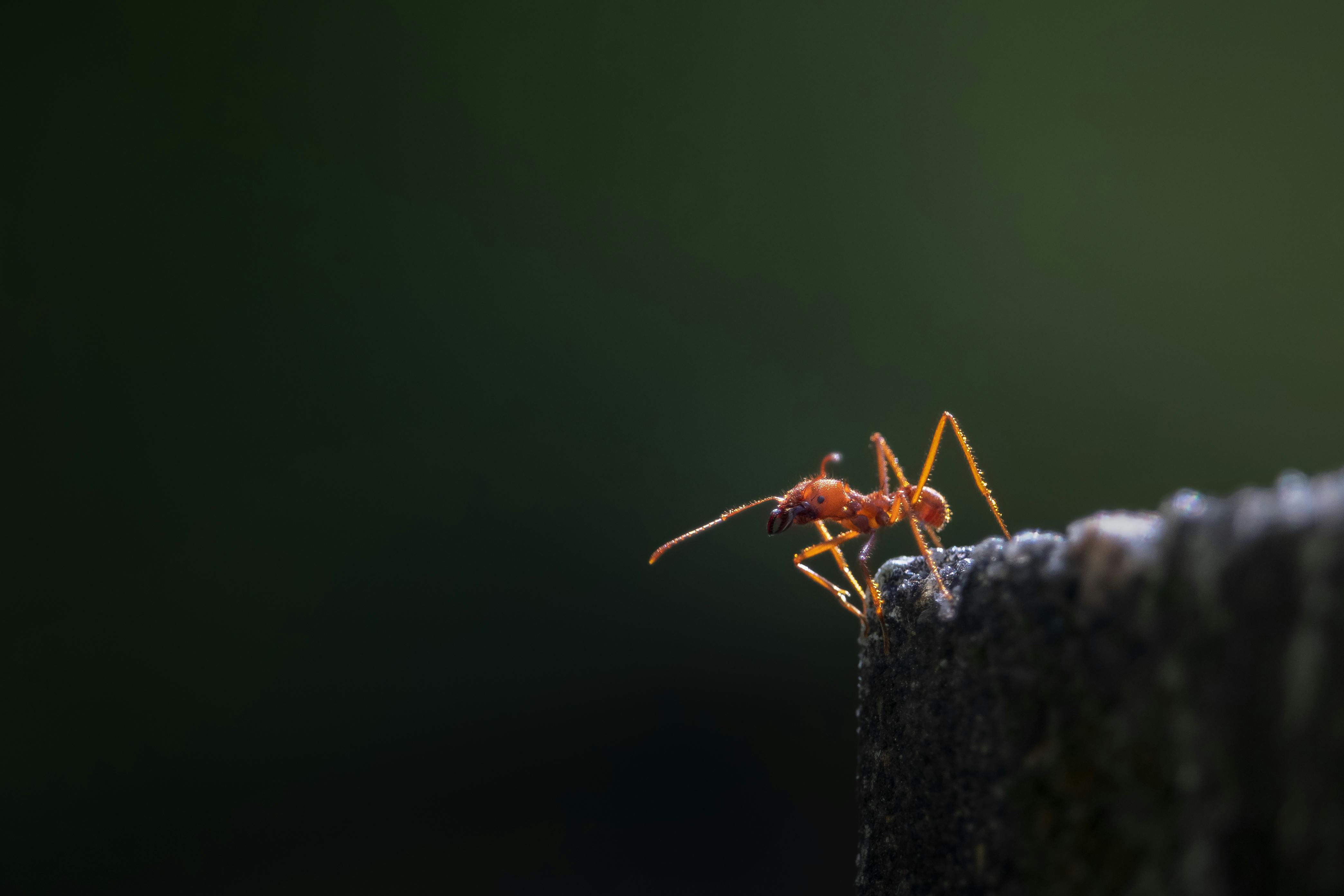
The three species you’ll encounter most often are:
- Carpenter ants – larger, black or reddish workers that can damage wood structures.
- Pavement ants – small, dark brown ants that nest under sidewalks, driveways, and building foundations.
- Odorous house ants – known for their faint, coconut‑like smell when crushed; they thrive indoors, especially near sugary foods.
According to the 2024 EPA pest‑service data, “Georgia ranks among the top 5 states for ant‑related service calls.” This statistic underscores how prevalent ant activity is across the Peach State, and Chamblee is right in the middle of that hotspot.
Our guide is designed to cut through the confusion by delivering transparent pricing, proven treatment options, and practical, locally‑focused prevention tips. Whether you’re battling a single kitchen invasion or a full‑scale carpenter‑ant infestation, you’ll find the information you need to make an informed decision.
Here’s a quick roadmap of what’s ahead:
- Species identification – learn how to spot the ant type invading your home.
- Cost drivers – understand what factors influence the price of ant control.
- Treatment methods – explore chemical, bait, and non‑chemical solutions.
- Local provider advantage – why choosing a Chamblee‑based service matters.
- Timing – the best seasons and conditions for effective treatment.
- FAQs – answers to the most common homeowner questions.
By the end of this article, you’ll have a clear picture of what to expect, how much it will cost, and how to keep your home ant‑free for the long term.
Which Ants Are Invading Your Home?
In Chamblee, Georgia, three ant species show up more often than any others. Knowing how they look, where they like to nest, and what damage they can cause helps you spot an invasion early and decide whether you need professional help.
Carpenter Ants
Carpenter ants are the largest common ants in Georgia, ranging from ¼ to ½ inch long. They have a smooth, black or dark‑brown body with a slightly glossy thorax and a distinct “waist” (petiole) that’s wider than the head. Unlike termites, they don’t eat wood; they hollow out moist, decaying timber to create galleries for their colonies. Over time, these tunnels weaken structural members such as joists, support beams, or window frames, leading to costly repairs if left unchecked.
Pavement Ants
Pavement ants are small, about ⅛ inch, and usually dark brown to black. Their heads are wider than their thorax, and they leave a faint, irregular trail of pheromones that you may notice on kitchen counters or along baseboards. They thrive outdoors under sidewalks, driveways, and mulch, but they’ll venture inside when food or water is abundant. While they rarely cause structural damage, their constant foraging can become a serious nuisance, especially in kitchens and bathrooms.
Odorous House Ants
Odorous house ants measure roughly ⅜ inch and are light to dark brown with a faint metallic sheen. The most telling sign is their “rotten‑egg” smell when they’re crushed—a quick way to confirm their identity. These ants are relentless food‑seekers; they’ll crawl through wall voids to reach sugary crumbs, pet food, or spilled drinks. Though they don’t damage wood, the contamination of food surfaces and the potential for large numbers to appear make them a priority for treatment.

| Species | Key Identifying Traits | Typical Entry Points |
|---|---|---|
| Carpenter Ant | Large (¼‑½ in), black or dark‑brown, glossy thorax, wide petiole | Wood cracks, window frames, door jambs, damp wood |
| Pavement Ant | Small (⅛ in), dark brown/black, head wider than thorax | Cracks in foundation, gaps around pipes, outdoor pavement seams |
| Odorous House Ant | Medium (⅜ in), light‑brown, metallic sheen, emits “rotten‑egg” odor when crushed | Kitchen gaps, utility line penetrations, window screens |
For detailed biology and control recommendations, see the Georgia Department of Agriculture’s ant fact sheet (GDA pest fact sheet).
Why Prices Vary: The Key Cost Drivers
Species Severity and Treatment Intensity
Not all ants are created equal. Carpenter ants, for example, can damage wood structures, so technicians often apply a more aggressive, multi‑step regimen that includes both a deep‑penetrating chemical barrier and targeted bait stations. By contrast, sugar‑ant species usually require a lighter touch—primarily baiting and surface sprays. The greater the pest’s potential for damage, the higher the labor and product costs, which is reflected in the final invoice.
Infestation Size Matters
From a single kitchen trail to a sprawling colony that threads through walls, the amount of ant activity directly influences how much time a technician spends on site. A small, localized problem may be resolved in a single hour with a few sprays, while a medium‑sized infestation often demands multiple service windows, additional bait placement, and thorough inspection of hidden voids. Large infestations can double or triple the material usage, driving up the price per visit.
Treatment Type: Chemical Barriers, Baiting, Integrated Approaches
Homeowners can choose from three primary strategies. A chemical barrier creates a protective ring around the structure and is the most labor‑intensive, thus costing more per visit. Baiting relies on ants carrying toxic stations back to the nest; it’s less invasive but may require several follow‑ups. The most effective—and often most economical in the long run—is an integrated approach that combines both methods, tailoring the mix to the species and infestation level.
Property Footprint and Multi‑Unit Complexes
Square footage is a straightforward metric for pricing. A compact condo (under 1,500 sq ft) typically needs fewer spray points and bait stations, while a larger single‑family home or a multi‑unit building demands more extensive coverage. Multi‑unit complexes also introduce shared walls, common areas, and additional access points, all of which increase labor hours and product quantities.
Seasonal Timing and Pricing
Typical Price Matrix for Chamblee Homes
| Property Size | Typical Cost per Visit |
|---|---|
| ≤ 1,500 sq ft | $95 – $150 |
| 1,500 – 2,500 sq ft | $130 – $210 |
| > 2,500 sq ft or multi‑unit | $180 – $300 |
For homeowners who prefer a set‑and‑forget solution, Anthem Pest offers optional annual service agreements ranging from $120 to $250 per year. These contracts typically include two scheduled visits, ongoing monitoring, and priority scheduling during peak ant season. One‑time treatments remain available for those who need immediate relief without a long‑term commitment.
Our pricing aligns with industry benchmarks, such as the NPMA 2023 Pricing Survey, ensuring transparency and fairness for every Chamblee resident.
From Baits to Barriers: What Works Best
Baiting Programs
Ant baiting is the most common “set‑and‑forget” strategy for homeowners. Tiny stations are placed near ant trails, each containing a slow‑acting insecticide mixed with a food attractant. Workers carry the poison back to the nest, where it spreads through the colony’s trophallaxis system, ultimately killing the queen and the entire population. Because the bait works from the inside out, it can eradicate hidden colonies that surface treatments miss.
In Chamblee, a typical residential baiting service from Anthem Pest Control runs between $100 and $180, depending on the size of the property and the number of stations required. Most clients see a noticeable reduction in ant activity after the first 7‑10 days, with full elimination often achieved within three weeks.
Perimeter Chemical Barriers
Perimeter barriers focus on protecting the home’s exterior entry points. A professional applies a residual insecticide along foundations, door thresholds, window sills, and other likely ingress sites. The chemical creates an invisible wall that kills ants on contact and discourages new colonies from establishing a foothold.
Costs for a comprehensive barrier in the Chamblee area range from $130 to $220. The price reflects the labor involved in inspecting the property, identifying vulnerable zones, and applying the product to a precise depth for maximum efficacy. While barriers don’t eradicate an existing nest, they are highly effective for preventing reinfestations after a baiting or IPM program.
Integrated Pest Management (IPM)
IPM is a holistic approach that blends inspection, sanitation, targeted treatments, and ongoing monitoring. First, a technician conducts a thorough walk‑through to locate ant species, assess nesting sites, and identify contributing factors such as food debris or moisture. Next, recommendations are made to eliminate attractants—tightening food storage, fixing leaks, and clearing clutter. Finally, a combination of baits, spot‑treatments, and, when necessary, a perimeter barrier is applied.
The flexibility of IPM means you pay only for the services you truly need. In Chamblee, a full IPM package typically costs between $150 and $300. Seasonal IPM plans, which include two to three follow‑up visits per year, can spread the expense while keeping ant pressure low year‑round.
Local Case Study: Seasonal IPM Saves a Homeowner $75
The Miller’s opted for the seasonal IPM option, which was priced at $225 for the year. Had they chosen a one‑time full‑service baiting program, the cost would have been $300. By selecting the tailored IPM approach, they saved $75 while still achieving complete colony elimination and long‑term protection against future invasions.
Guidelines from Health Authorities
For additional safety tips on preventing ant bites and managing infestations, refer to the Centers for Disease Control and Prevention’s ant‑bite prevention guidelines. The CDC recommends sealing cracks, keeping food sealed, and using professional services for persistent problems. Read the CDC guidelines here.
Why Choose Anthem Pest in Chamblee
When an ant invasion threatens your kitchen or patio, you need a partner that understands the local landscape and can act fast. Anthem Pest’s technicians are trained right here in Chamblee, so they know the species that favor our climate, the neighborhoods where colonies spread, and the most effective treatment windows. With a 24‑hour response promise, EPA‑registered products, transparent pricing and a satisfaction guarantee, you get a solution that’s both safe and dependable.
- Locally‑trained technicians: Every crew member completes a Chamblee‑specific certification program that covers the region’s ant species and seasonal behavior.
- 24‑hour emergency response: Whether you spot a trail at midnight or during a weekend barbecue, we’re on call to schedule an inspection within the same day.
- EPA‑registered, low‑toxicity products: Our treatments meet federal safety standards, protecting children, pets, and the surrounding environment.
- Transparent, upfront pricing: No hidden fees—what you see in the estimate is what you pay.
- 100 % satisfaction guarantee: If ants return within 30 days, we’ll re‑treat at no extra cost.
Because Chamblee’s climate shifts between humid summers and mild winters, ant colonies can appear at any time. Anthem Pest monitors these patterns and adjusts treatment schedules so you stay protected year‑round, without surprise visits or hidden fees.
| Service | Price (USD) |
|---|---|
| Initial inspection | $45 |
| One‑time treatment | $150 |
| Optional quarterly follow‑up | $80 |
“I called Anthem Pest after seeing ants marching across my kitchen counter. They arrived the same afternoon, explained the process, and had the trail gone by the next morning. The technician was friendly, the price matched the estimate, and I haven’t seen a single ant since. Highly recommend their prompt service!”
Ready to see the exact cost for your home? Visit our ant control pricing page for a personalized quote and schedule your first inspection today. Our team also offers a free follow‑up inspection to ensure the treatment holds, giving you peace of mind for the seasons ahead.
When to Act and How to Keep Ants Away
Ants in Chamblee, Georgia, follow a predictable seasonal rhythm. The colonies ramp up their foraging activity as temperatures rise, with the busiest period stretching from April through September. This window is when you’ll see the most traffic along kitchen counters, patio doors, and even in your garden beds. By targeting the early‑spring months—right after the last frost—homeowners can intercept the queen’s expansion before the nest reaches its full size, dramatically cutting the amount of product and labor needed later in the season.

Peak Ant Activity in Chamblee
During the warm months, ants exploit any moisture source and food crumbs they can find. The combination of higher humidity and abundant outdoor vegetation creates a perfect corridor from the yard to your home’s foundation. If you wait until you see a trail of workers marching across your kitchen floor, the colony is likely already well‑established, meaning a larger treatment area and higher cost. Starting treatment in early April—or as soon as the soil thaws—keeps the infestation small and the bill manageable.
DIY Prevention Checklist
Even if you schedule a professional service, everyday habits can keep ant colonies from gaining a foothold. Use the checklist below as a quick, actionable guide for every homeowner.
- Seal cracks and gaps: Inspect the exterior for openings around windows, doors, and the foundation. Apply a silicone‑based caulk to block entry points.
- Keep counters clean: Wipe down surfaces after meals, store food in airtight containers, and sweep up crumbs before they become a buffet.
- Eliminate standing water: Fix leaky pipes, empty pet water dishes at night, and ensure gutters direct water away from the house.
- Trim vegetation: Keep shrubs, trees, and lawn edges at least six inches from the foundation to reduce bridge pathways for ants.
- Remove debris: Clear leaf piles, firewood stacks, and compost heaps that sit too close to the home.
For a printable version, download our DIY Ant Prevention PDF checklist. Keep it on your fridge or in your home office for quick reference.
Why Early Intervention Saves Money
Professional ant control isn’t just about eliminating the current swarm; it’s about preventing future colonies from taking root. An early‑spring treatment typically requires a single, low‑dose application because the colony is still small. By contrast, a late‑summer call often involves multiple visits, higher pesticide concentrations, and additional labor to treat a sprawling nest that has already penetrated walls and crawl spaces. Homeowners who act in April or May usually see a 20‑30% reduction in total service cost compared with those who wait until August.
In short, timing is the hidden lever that turns a routine pest service into a cost‑effective investment. Pair a professional early‑season visit with the DIY checklist above, and you’ll enjoy an ant‑free home all the way through the hottest months without breaking the bank.
Frequently Asked Questions about Ant Control
How long does a treatment last?
A standard ant control application typically protects your home for 4‑6 weeks. The exact duration depends on factors such as the ant species, the size of the infestation, seasonal weather patterns, and how well you maintain a clean environment. High‑traffic outdoor areas or homes with heavy foot traffic may need a touch‑up sooner, while a well‑sealed interior can often enjoy the full six‑week window.
Will chemicals affect pets?
At Anthem Pest Control we prioritize the safety of your family and pets. All products we use are EPA‑registered and applied according to the label instructions, which include strict re‑entry intervals. For homes with dogs, cats, or other animals, we often select low‑toxicity, pet‑friendly formulations that leave no harmful residues on floors or surfaces. After each treatment, we advise keeping pets away from treated zones for the recommended short period—usually 30 minutes to an hour—before they resume normal activity. For detailed safety information, see the EPA safety data sheet.
Can I combine ant control with other pest services?
Absolutely. Combining ant control with services such as termite inspections, mosquito barrier treatments, or rodent exclusion can save you time and money. Our technicians coordinate schedules so that multiple treatments are applied efficiently, often in a single visit. Bundled services also allow us to tailor a comprehensive prevention plan, ensuring that each pest is addressed without overlapping chemicals or conflicting application methods.
Take the Next Step with Anthem Pest
When you’ve identified the ant species in your home, the price tag becomes clearer. In Chamblee, expect treatment costs between $100 and $300 for a single‑service visit, while a full‑year prevention plan typically ranges from $250 to $500. Knowing whether you’re dealing with carpenter ants, odorous house ants, or fire ants helps a professional choose the right product and application method, saving you time, money, and future infestations.
Anthem Pest brings local expertise to every job. Our technicians live and work in the Chamblee area, so they understand the seasonal patterns and nest locations unique to this region. We pride ourselves on transparent pricing—no hidden fees, just a clear estimate before any work begins. Plus, every service is backed by our satisfaction guarantee, ensuring you’re completely happy with the results.
Ready to protect your home? Call us today at 877‑371‑8196 or schedule an online estimate for a free, no‑obligation quote. Our friendly staff will walk you through the process, answer any questions, and set up a treatment plan that fits your budget.
Choosing Anthem Pest means gaining peace of mind and taking control of your home’s health. You’ll feel empowered knowing a trained professional is handling the problem, leaving you free to enjoy a pest‑free environment without the guesswork.