Recognizing Ants and Their Early Warning Signs
Common Household Ant Species
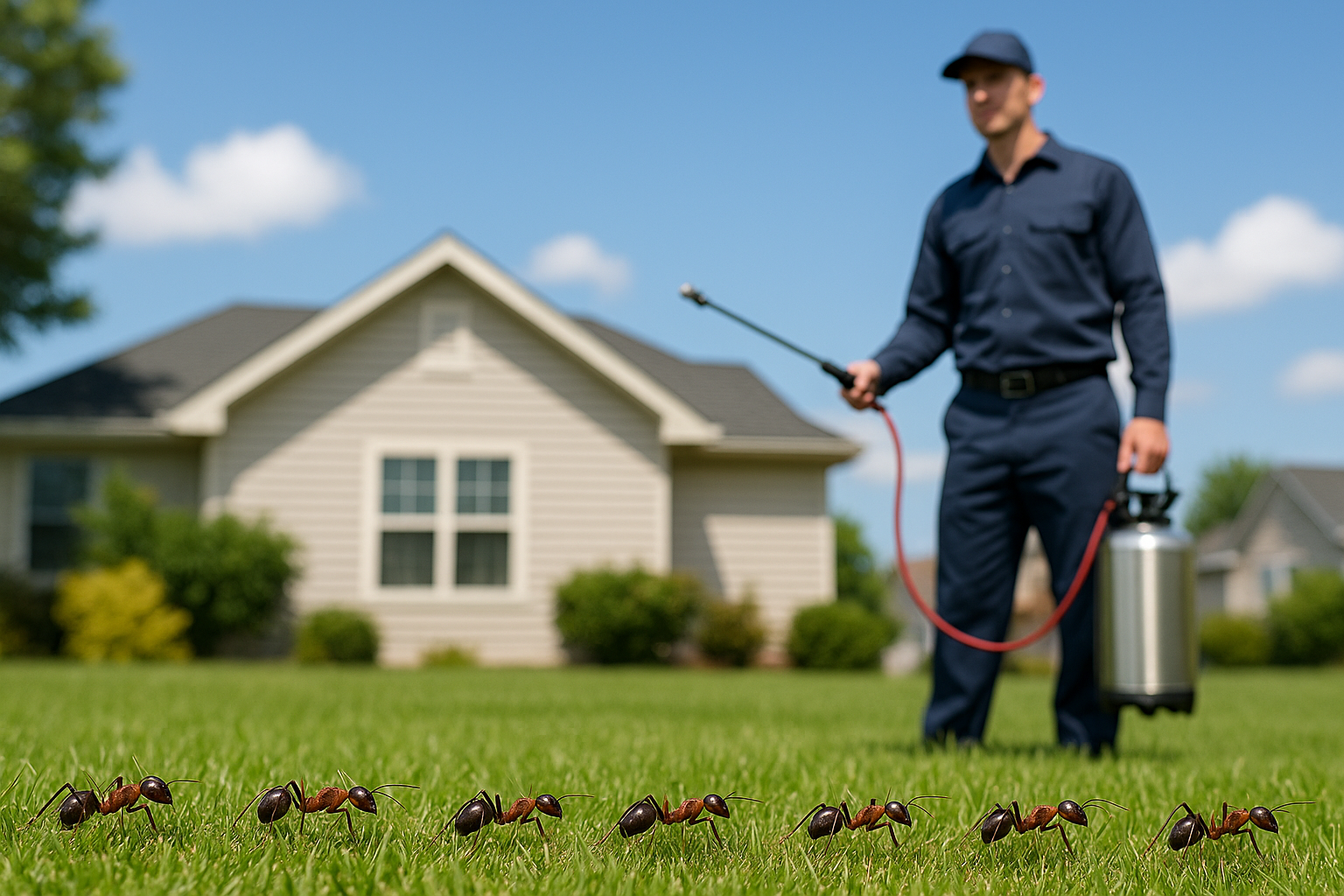
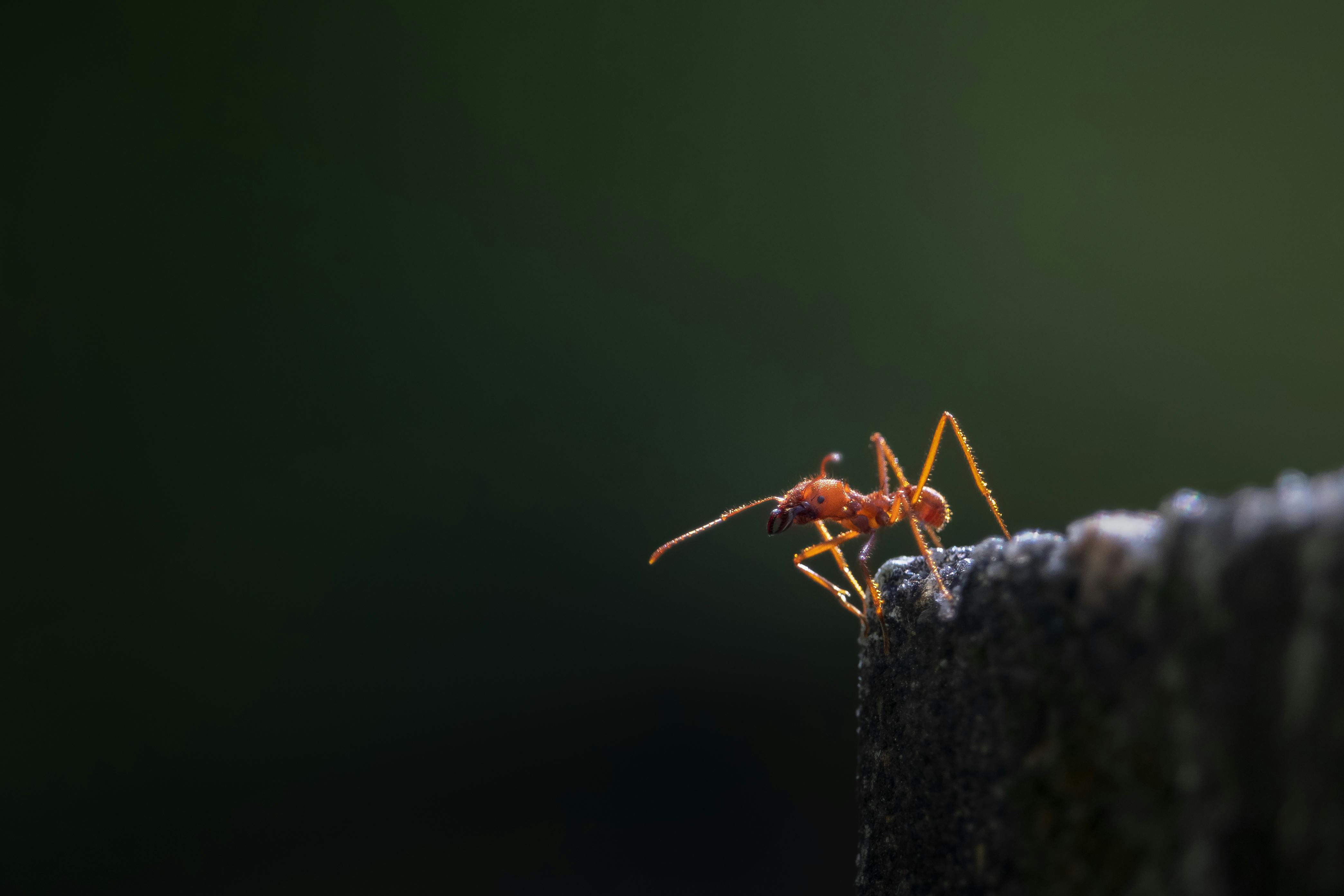
Ant control cost Sugar Hill homeowners pay often depends on the type of ant species invading the property. In Sugar Hill and most U.S. neighborhoods, four ant species cause the most headaches for homeowners: carpenter ants, odorous house ants, pavement ants, and fire ants. Carpenter ants love wood and can damage structural elements, while odorous house ants emit a faint, rotten-egg smell when crushed. Pavement ants thrive near concrete walkways and outdoor lighting, and fire ants—known for their painful sting—often nest in sunny, disturbed soil.
Physical Characteristics to Differentiate Species
When evaluating ant control cost Sugar Hill homeowners may face, identifying the culprit early hinges on size, color, and body shape. Carpenter ants are the largest, ranging from ¼ to ½ inch, with a black or dark brown body and a smooth, evenly rounded thorax. Odorous house ants are smaller (about ⅛ inch), light to dark brown, and have a slightly uneven “waist.” Pavement ants are tiny (¼ inch) and usually dark brown to black with a distinct, narrow petiole. Fire ants are ¼ inch long, reddish-brown, and have a stinger visible at the abdomen’s tip.
Typical Entry Points and Habitats
Understanding where ants enter and nest can help reduce ant control cost Sugar Hill homeowners often face. Ants exploit the same everyday spots you use. Kitchen countertops become a buffet when crumbs or sugary spills linger, while pet food left out overnight offers protein and fats. Outdoors, mulch, garden beds, and cracks around foundation walls serve as highways for pavement and fire ants. Carpenter ants, on the other hand, tunnel through damp wood in basements, crawl spaces, or even door frames to reach the interior.
Early Warning Signs
Spotting an infestation before it spreads saves you time and money. Look for these red flags:
- Ant trails—a thin, steady line of ants moving between a food source and a hidden nest.
- Soil or sand piles near entry points, indicating excavation by fire or pavement ants.
- Damaged wood with hollowed or blistered sections, a hallmark of carpenter ant activity.
- Unexplained food disappearances—even sealed packages can be emptied by determined foragers.
Early detection lets you act before colonies establish permanent nests, reducing the need for extensive treatment. For more detailed species information, consult the EPA’s ant pest management guide and the CDC’s ant facts page.
Conducting a Thorough Ant Inspection in Your Home

Before you reach for a spray can, a systematic inspection can reveal exactly where ants are entering and nesting. By treating the problem at its source, you save money and avoid unnecessary chemicals. Grab a few simple tools, follow a clear checklist, and you’ll be able to pinpoint the hotspots that are feeding the colony.
Prepare Your Inspection Toolkit
- Flashlight: Bright light exposes hidden trails in dark corners.
- Magnifying glass: Helps you see tiny workers and eggs.
- Notebook & pen: Jot down locations, species clues, and dates.
- Paper for trail tracking: A small strip of paper can capture a moving line for later analysis.
Target High‑Risk Zones First
Ants love food, moisture, and easy access points. Start your walk‑through in the areas they frequent most:
- Kitchen countertops and backsplashes – look for crumbs, sticky residues, and tiny pheromone lines.
- Pantry shelves – inspect boxes, especially those with torn packaging.
- Bathroom sinks and under‑cabinet cabinets – moisture attracts both carpenter and odorous house ants.
- Outdoor entryways – door thresholds, pet doors, and any cracks leading to the yard.
Following Ant Trails Without Disrupting the Colony
When you spot a line, place the paper strip across it and gently tap. The ants will continue marching onto the paper, creating a clear, uninterrupted trail you can trace back. Avoid crushing the ants; a broken trail can mislead you and may cause the colony to relocate deeper into your home.
Spotting Hidden Nests
Once you’ve mapped a trail, look for the nest’s likely hiding spots:
- Wall voids – lift baseboards or remove outlet covers to peek inside.
- Under appliances – refrigerators, stoves, and dishwashers often harbor moisture‑loving species.
- Yard mulch and garden beds – ant hills blend with organic debris; a gentle probe with a stick can reveal activity.
Remember, some species build satellite nests near food sources, so you may find several small colonies rather than one large one.
When It’s Time to Call a Professional
If you encounter any of the following, schedule a professional inspection:
- Large, sprawling colonies that cover multiple rooms.
- Signs of structural damage, such as wood erosion from carpenter ants.
- Repeated infestations despite thorough DIY attempts.
Anthem Pest Control’s certified technicians can locate concealed nests, assess damage, and apply safe, targeted treatments that keep your family and pets protected.
Ready for a professional eye? Schedule an ant inspection with Anthem Pest Control today and eliminate the problem before it spreads.
Effective Ant Treatment Options and How They Work
DIY Solutions You Can Try Today
Homeowners who prefer a hands‑on approach have several low‑cost tools at their fingertips. Bait stations, boric‑acid powders, and natural repellents such as vinegar or diatomaceous earth can all be deployed without a professional’s schedule.
- Bait stations: Pre‑filled containers that attract foraging ants, allowing them to carry a slow‑acting poison back to the nest.
- Boric acid powder: Sprinkled in cracks and along ant trails, it adheres to the insects’ exoskeleton and is ingested when they groom themselves.
- Vinegar solution: A 1:1 mix of white vinegar and water disrupts scent trails, confusing ants and discouraging re‑entry.
- Diatomaceous earth: A fine, abrasive powder that punctures the exoskeleton of ants that walk over it, leading to dehydration.
Professional Single‑Visit Treatments
When an infestation is beyond the reach of DIY methods, a licensed technician can deliver a comprehensive, one‑time service that targets the colony at its source.
- Perimeter sprays: EPA‑registered insecticides are applied around the home’s exterior foundation, creating a barrier that kills ants before they cross onto the property.
- Crack‑and‑crevice applications: Specialized nozzles inject a precise dose of product into hidden entry points, reaching nests that hide behind baseboards, behind appliances, or under flooring.
- Targeted bait placements: Professionals strategically position bait stations in high‑traffic zones, using formulations that are more attractive than over‑the‑counter options.
Full‑Year Service Plans
Ant activity in Sugar Hill spikes during warm months and can linger into early fall. A year‑long contract smooths out those seasonal peaks by providing ongoing vigilance.
- Regular monitoring visits: Technicians inspect for new entry points, assess colony size, and adjust treatment zones before ants become a visible problem.
- Seasonal adjustments: Formulations are swapped out as temperatures change, ensuring effectiveness against species that vary their foraging patterns.
- Warranty coverage: Most plans include a guarantee that additional visits are free if ants return within the service window, giving homeowners peace of mind.
Why Bait Stations Are the Backbone of Ant Control
Bait stations work by exploiting the ants’ social structure. Foragers locate the sweet or protein‑rich bait, ingest the slow‑acting toxin, and return to the nest. Inside the colony, they share the contaminated food with workers, queens, and larvae. Because the poison is designed to act only after several days, the colony continues normal activity, spreading the toxin widely and ultimately collapsing from within.
Safety First: Protecting People and Pets
Both DIY and professional products must be chosen with family health in mind. EPA‑registered formulations undergo rigorous testing for human and animal safety when applied according to label directions. Low‑toxicity alternatives—such as boric acid, diatomaceous earth, or botanical oils—offer effective control with minimal risk. Professionals at Anthem Pest Control always discuss placement, drying times, and any necessary evacuation of pets or children before treatment.
Industry Best Practices
Ant control strategies that follow the NPMA ant control guidelines emphasize accurate identification, proper bait selection, and integrated pest management (IPM) principles. By combining thorough inspection, targeted treatment, and preventive maintenance, homeowners can achieve long‑lasting results while keeping their environment safe.
Comparing Ant Control Pricing Tiers
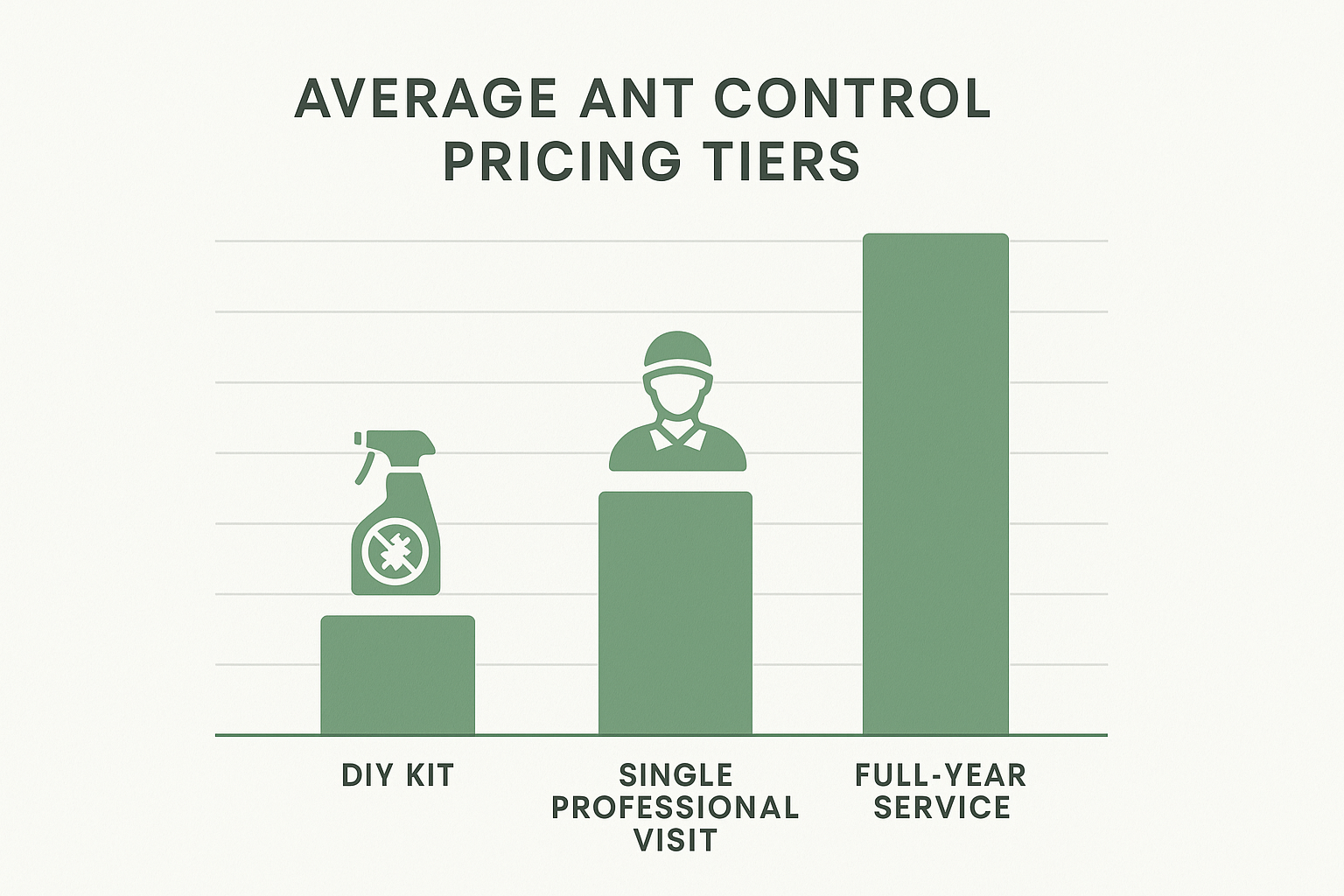
When it comes to keeping ants out of your Sugar Hill home, you’ll usually run into three pricing models: a do‑it‑yourself (DIY) kit, a single professional visit, or a full‑year service plan. Each model fits a different homeowner scenario, from the budget‑conscious DIYer to the family that wants “set‑and‑forget” protection.
| Tier | Typical Cost | What’s Included |
|---|---|---|
| DIY Kit | $20‑$50 | Pre‑measured baits or sprays, user instructions, no labor |
| Single Professional Visit | $150‑$250 | Inspection, treatment, one‑time labor, limited follow‑up |
| Full‑Year Service Plan | $400‑$600 | Annual inspection, multiple treatments, warranty, ongoing monitoring |
Value Factors Beyond the Sticker Price
- Labor: DIY kits rely on your time and technique, while a professional visit includes trained technicians who know where ants hide.
- Follow‑up Visits: A single visit may leave a gap for re‑infestation; yearly plans schedule quarterly checks to catch colonies early.
- Warranty: Many full‑year plans come with a guarantee that the treatment will hold, saving you money on repeat calls.
- Long‑term Effectiveness: Consistent monitoring reduces the chance of a massive ant invasion, protecting your home’s structure and your peace of mind.
Why Anthem Pest Control’s Full‑Year Plan Stands Out
Anthem Pest Control offers a transparent, all‑inclusive yearly plan that lands squarely in the $400‑$600 range. The price covers an initial deep treatment, quarterly follow‑ups, and a warranty that covers any resurgence of ants within the year. Homeowners appreciate knowing exactly what they’re paying for—no hidden fees, no surprise add‑ons.
Think ROI, Not Just Up‑Front Cost
While a DIY kit looks cheap at $30, the hidden costs of repeated purchases, missed spots, and potential damage can quickly outpace a professional plan. Conversely, a single $200 visit may solve a problem today but could require another call in a few months. Investing in a full‑year service often delivers a higher return on investment by preventing future infestations, protecting your home’s value, and saving you time.
Seasonal Ant Activity Trends in Sugar Hill, GA
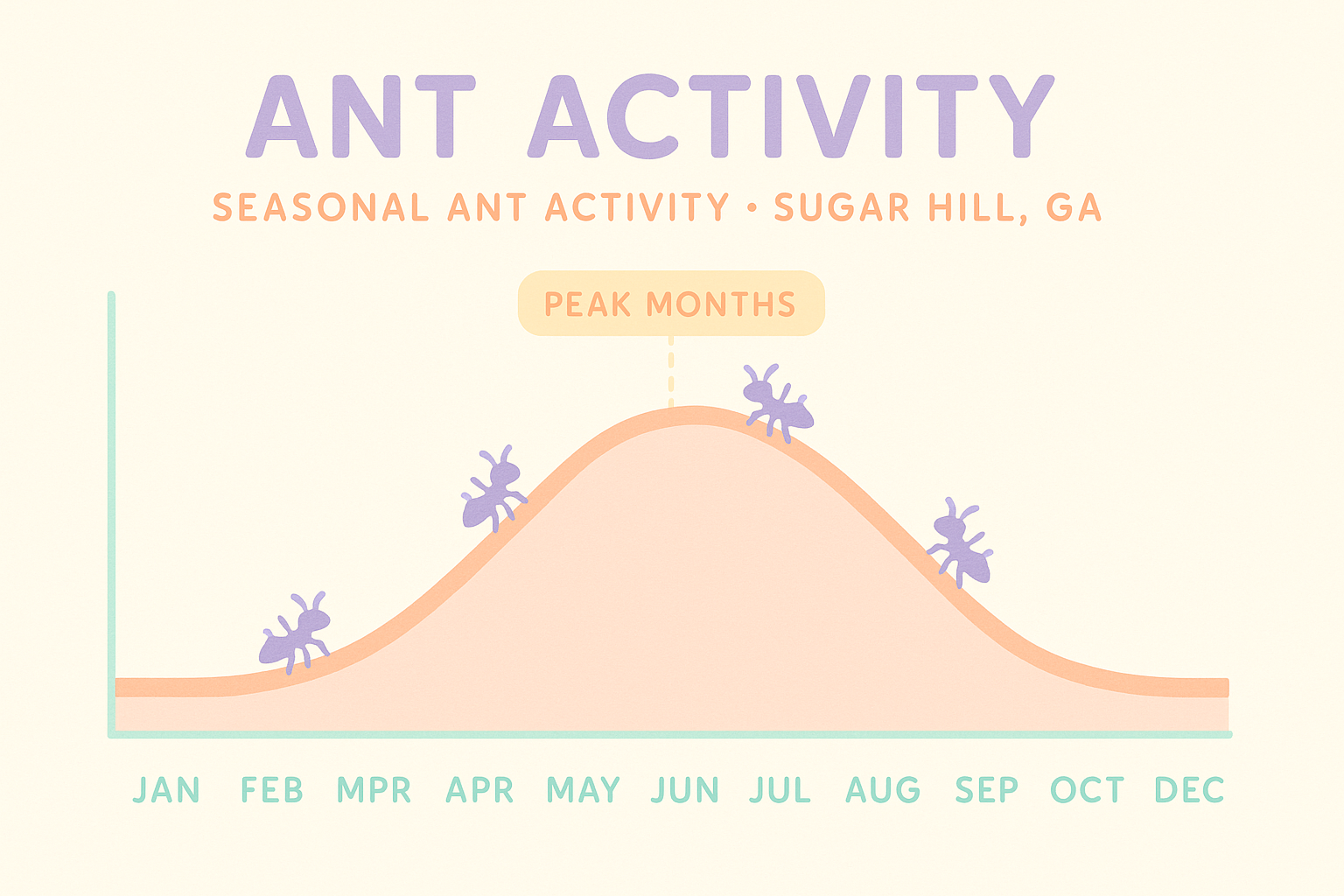
The graph plots average monthly trap counts collected by local pest technicians. Notice the baseline in January and February, a sharp rise beginning in March, a brief lull in June, then the second surge in July‑August before tapering off in October and November.
Ant populations in Sugar Hill don’t stay steady all year. The line graph above tracks the average number of ant sightings from January through December, showing two distinct spikes—one in early spring and another in midsummer. Understanding these peaks helps you plan inspections before the insects become a nuisance.
Why spring and late summer spike
From March to May, daytime temperatures rise above 65°F (18°C) and the soil warms enough for colonies to expand. At the same time, outdoor flowering plants release nectar and fallen fruit provides a ready food source, prompting workers to scout inside homes.
Timing your treatments
Schedule a pre‑emptive barrier treatment in early March, before colonies begin their outward march. This creates a protective shield around your foundation while the ants are still relatively dormant. Follow up with a targeted interior treatment in late July, when the summer peak threatens to spill over into kitchens and pantries. Two well‑timed applications usually keep ant activity at bay for the rest of the year.
Landscaping practices that matter
Mulch and wood chips retain moisture and offer hidden pathways for ants. If you spread fresh mulch in spring, wait at least two weeks before applying a perimeter spray. Likewise, excessive irrigation in June can raise soil humidity, encouraging ants to search for drier indoor environments. Adjust watering schedules to early morning or late evening to let the surface dry before nightfall.
Low‑activity month maintenance
When ant sightings dip in winter and early fall, focus on exclusion. Seal cracks around windows, doors, and utility entry points with caulk. Trim back vegetation that touches the house, and clean up leaf litter that can hold moisture. These preventive steps reduce the entry points that ants exploit during the next active season.
Protect Your Home with Professional Ant Control
Early identification of ant activity, a thorough on‑site inspection, and the right treatment are the three pillars of lasting protection. Spotting a trail or a few foraging workers before the colony spreads gives technicians the information they need to target the nest directly, rather than relying on guesswork that can leave hidden pockets of infestation.
A full‑year service plan takes that foundation a step further. By scheduling regular visits, Anthem Pest Control provides continuous monitoring that catches new colonies as they emerge, adjusts treatments to match seasonal shifts in ant behavior, and eliminates the need for you to remember when the next service is due. The result is a home that stays ant‑free year‑round, freeing you from the anxiety of surprise invasions.
When you choose Anthem Pest Control, you’re tapping into a team of certified technicians who use EPA‑approved, low‑toxicity products that are safe for children and pets. Our transparent pricing means you’ll know exactly what each service includes—no hidden fees, no surprise add‑ons. We combine local knowledge of Sugar Hill’s ant species with proven treatment protocols, ensuring every job is handled efficiently and effectively.
Because we prioritize safety, our treatments leave no lingering residues on countertops or pet bedding, allowing your family to resume normal life immediately after each visit.
Our pricing sheets break down each step—from inspection to follow‑up—so you see exactly where your investment goes, reinforcing trust and eliminating surprise costs.
Ready to take the next step? Schedule a complimentary inspection today and receive a personalized, no‑obligation quote. Call us at 877‑371‑8196 or click Anthem Pest Control to book online. Let our experts safeguard your home, so you can enjoy peace of mind all year long.