What Are Carpet Beetles and Why They Matter

Carpet beetles might sound harmless, but to a homeowner they can be a silent, destructive force. These tiny insects belong to the family Dermestidae and are commonly encountered in North American homes. The two species you’ll most likely see in Holly Springs are the Varied Carpet Beetle (Anthrenus verbasci) and the Black Carpet Beetle (Attagenus unicolor). Both share a knack for turning your cherished textiles into a feeding ground.
Life Cycle – From Egg to Damage Agent
The carpet beetle’s life cycle is a four‑stage process that directly influences the type of damage you’ll notice.
- Egg: Females lay clusters of 30‑50 eggs in dark, undisturbed corners—think closets or under furniture. Eggs hatch in about 10‑14 days.
- Larva: This is the destructive stage. The larvae, often called “woolly bears,” are 2‑7 mm long, covered in bristly hairs, and feed voraciously on keratin‑rich materials such as wool, silk, fur, and even dried pet food. Their chewing creates the characteristic holes and thinning you see in carpets and upholstery.
- Pupa: After 2‑3 months of feeding, larvae spin a silken cocoon and transform into pupae. They remain hidden for a few weeks, emerging as adults ready to reproduce.
- Adult: Adult beetles live for a few weeks, primarily focused on mating and laying eggs. While they don’t cause structural damage, they can be a nuisance when they flutter around lights at night.
Where They Hide Inside Your Home
Carpet beetles are opportunistic indoor dwellers. Their preferred habitats include:
- Carpets and rugs: Fibers trap eggs and provide a steady food source for larvae.
- Upholstery: Sofas and chairs made of natural fibers are prime real estate.
- Stored fabrics: Blankets, clothing, and heirloom quilts tucked away in basements or attics become feeding stations.
- Pet bedding: The combination of animal hair and dander is a buffet for hungry larvae.
- Pantry items: Dried goods like grains or pet food can attract adult beetles looking for a place to lay eggs.
Why They Matter to Homeowners
Beyond the obvious cosmetic damage, carpet beetles pose several other concerns:
- Textile destruction: A small infestation can thin out a carpet or create holes in delicate garments, leading to costly replacements.
- Allergen potential: The shed skins and hairs of larvae can trigger allergic reactions, especially in sensitive individuals.
- Distinguishing them from other pests: Unlike moths, carpet beetles don’t spin cocoons in fabric; their larvae are more robust and bristly. Compared to bed bugs, they’re not blood‑sucking and are typically found in dry, not damp, areas.
Quick Fact Box – Spotting Carpet Beetles
- Size: 2–7 mm (about the width of a pencil eraser).
- Color: Varied species display mottled patterns of brown, black, and white; black carpet beetles are uniformly dark.
- Key markings: Varied carpet beetles have distinctive white or yellowish scales forming a “V” or “X” on their back.
- Habitat clues: Look for small, irregular holes in wool blankets, carpet edges, or the underside of furniture.
- Seasonality: Adults are most active in late spring and early summer, but larvae can be present year‑round.
Understanding the biology and habits of carpet beetles is the first step toward effective control. When you recognize the signs early—tiny holes, shed skins, or the occasional adult fluttering near a light—you can act before the larvae cause irreversible damage. At Anthem Pest Control, we combine this knowledge with safe, targeted treatments to keep your home’s fabrics intact and your family comfortable.
Spotting Carpet Beetle Damage and Warning Signs
Carpet beetles are tiny, but the damage they leave behind can be striking. The first clue is a series of small, round holes scattered across fabrics—often looking like a peppered surface. These holes are usually irregular in size and appear most often on wool blankets, area rugs, and stored clothing.
Irregular patches and a “peppered” appearance
Beyond holes, you may notice faded or thinned patches where the beetle larvae have been feeding. The fabric takes on a speckled, almost sand‑paper texture, especially where the insects have chewed away at natural fibers. This “peppered” look is a hallmark sign that distinguishes carpet beetle activity from moth damage, which tends to create larger, more uniform holes.
Shed skins, fecal pellets, and webbing
As the larvae grow, they shed their skins, leaving behind translucent casings that look like tiny, empty shells. Alongside these skins you’ll find fine, dark fecal pellets—often mistaken for dust. In corners, closets, or under furniture, the larvae spin a thin webbing to protect themselves; spotting these silken threads is another red flag.
Adult beetles near light sources
When the larvae mature, the adult beetles emerge and are attracted to bright windows or lamps. They are small (2–5 mm), rounded, and may be mottled brown or black. Unlike flies, they have a hard, compact body and lack wings that fold flat. If you see these beetles fluttering near a light, it usually means an established infestation is present.
Commonly affected items
Carpet beetles favor natural fibers. Wool blankets, area rugs, curtains, upholstery, and even stored seasonal clothing are prime targets. Pet hair, feathers, and silk are also on their menu. Synthetic fabrics such as polyester are generally safe, which is why mixed‑material items often show damage only on the natural‑fiber sections.
Quick home inspection checklist
- Inspect seams, folds, and edges of carpets, rugs, and blankets for tiny holes.
- Look for shed skins or silken webbing in closets, under furniture, and in baseboard cracks.
- Check for dark fecal pellets on fabric surfaces or nearby floor areas.
- Observe windowsills and light fixtures for adult beetles, especially in the evening.
- Examine stored clothing—especially wool or cashmere—in airtight containers for any signs of damage.
- Note any unexplained “peppered” discoloration on curtains or drapes.
Finding one or more of these signs warrants immediate action. Early detection lets you treat the problem before larvae spread to other rooms, saving both time and money.
For a deeper dive into identification and prevention tactics, the University of Georgia Extension provides an excellent guide. Their research‑backed recommendations can help you confirm an infestation and decide on the best next steps. Read the full UGA Extension publication here.
At Anthem Pest Control, we understand that spotting these subtle clues can be overwhelming. Our local technicians are trained to verify carpet beetle activity quickly and recommend a tailored treatment plan that fits your budget. Give us a call at 877‑371‑8196 or visit our website for a free inspection.
Preventing Carpet Beetle Infestations in Your Home

Carpet beetles are tiny, but their larvae can cause big damage to clothing, upholstery, and even stored food. The good news is that most infestations can be stopped before they start with a few disciplined habits. Below are the most effective, homeowner‑friendly steps you can take right now to keep these pests out of your Holly Springs home.
Establish a Consistent Cleaning Routine
A regular cleaning schedule is the single most powerful tool against carpet beetles because it removes both adult insects and the hair‑laden debris they love to feed on. Aim for a weekly sweep of high‑traffic areas and a deeper clean of hidden spots each month.
- Carpets and rugs: Vacuum slowly, overlapping each pass. Use the hose attachment to reach along baseboards, under furniture legs, and into stair treads where larvae often hide.
- Upholstery and cushions: Lift cushions and vacuum seams, folds, and the underside of cushions. Pay special attention to pet‑friendly furniture that can harbor eggs.
- Cracks and crevices: A narrow crevice tool pulls out dust, lint, and beetle eggs from wall–floor joints, window frames, and around radiators.
- Launder fabrics: Wash all removable textiles—blankets, pillowcases, curtains—in water that’s at least 130 °F (54 °C). Heat kills any eggs or larvae that survive vacuuming.
Store Seasonal Items the Right Way
Winter coats, holiday decorations, and extra linens are prime beetle real estate if left exposed. Proper storage eliminates the food source and the shelter they need to thrive.
- Place clothing and linens in airtight plastic containers or heavy‑duty zip‑lock bags. Avoid cardboard boxes, which can be chewed through.
- Insert cedar blocks or lavender sachets into each container. Both emit natural oils that repel adult beetles without harming fabrics.
- Before sealing, give each item a quick shake‑out and a brief vacuum to dislodge any stray larvae that may be clinging to fibers.
Minimize Outdoor Attractants
Carpet beetles often enter homes from the yard, especially when pet bedding or plant debris provides a feeding ground. Keeping the perimeter tidy reduces the chance of an indoor invasion.
- Wash pet beds, blankets, and toys weekly in hot water; dry them on high heat to destroy any hidden eggs.
- Trim shrubs, vines, and tree branches so they don’t brush against the house. This cuts off a direct bridge for beetles.
- Remove leaf litter, pine needles, and dead wood from the foundation area. These materials attract adult beetles looking for a place to lay eggs.
Seal Potential Entry Points
Even the tiniest gap can become a highway for beetles. A quick inspection and a few simple fixes can lock them out for good.
- Caulk all gaps around windows, doors, baseboards, and utility penetrations. Use a silicone‑based sealant for flexibility and long‑term durability.
- Install door sweeps on exterior doors. Adjust them so they brush the floor without dragging, creating a tight seal that blocks insects.
- Check for damaged weather‑stripping and replace it promptly; cracked or missing strips are common entryways.
- Cover vent openings with fine mesh screens that are too small for beetles to squeeze through while still allowing airflow.
Know When to Call a Professional
If you notice persistent beetle activity despite your preventive efforts—such as small, pepper‑shaped larvae in seams, shed skins on furniture, or unexplained holes in fabrics—it’s time to enlist a licensed technician.
A certified pest‑control professional can apply EPA‑approved perimeter sprays and targeted indoor treatments that are both safe for families and highly effective against carpet beetles. These products are formulated to penetrate cracks, voids, and carpet fibers where larvae hide, providing a level of protection that over‑the‑counter options simply can’t match. Our technicians at Anthem Pest Control are trained to assess your home’s unique risk factors, recommend the most appropriate EPA‑approved products, and apply them with precision to protect your belongings while complying with all safety regulations source.
| Task | How Often | Why It Matters |
|---|---|---|
| Vacuum carpets and upholstery | Weekly (deep clean monthly) | Removes eggs, larvae, and food debris |
| Launder removable fabrics | Monthly or after storage | Heat kills hidden stages |
| Inspect and seal gaps | Quarterly | Prevents entry points |
| Clean pet bedding | Weekly | Eliminates outdoor attractants |
| Professional preventive treatment | Annually or as advised | EPA‑approved chemicals protect hard‑to‑reach areas |
By combining these everyday habits with an annual professional check‑up, you create a layered defense that keeps carpet beetles at bay and protects your home’s furnishings for years to come.
Treatment Options: DIY vs Professional Services
DIY kits – what’s on the shelf?
Many home‑improvement stores now stock carpet‑beetle kits that promise quick relief. Typical kits contain an insecticidal spray formulated for fabrics, a set of pheromone or sticky traps to monitor activity, and a short instruction sheet. Application is straightforward: spray the product on affected carpets, upholstery, and storage areas, then place traps in closets and under furniture. Most kits advise wearing gloves, opening windows, and keeping pets and children out of treated zones for at least 30 minutes. For a homeowner who enjoys a hands‑on approach, these kits can appear cost‑effective and easy to use.
Why DIY often falls short
Despite their convenience, DIY solutions have several drawbacks. First, coverage is usually incomplete. Sprays may not penetrate deep into carpet padding or reach hidden cracks where beetle larvae hide, leaving a reservoir for reinfestation. Second, repeated use of the same over‑the‑counter chemicals can lead to resistance, diminishing effectiveness over time. Third, the chemicals in many consumer sprays are not as tightly regulated as professional-grade products, raising health concerns for households with young children, pets, or allergy sufferers. Finally, DIY kits lack the systematic follow‑up that ensures the pest is truly eradicated, often resulting in recurring treatments and higher long‑term costs.
Professional treatment methods
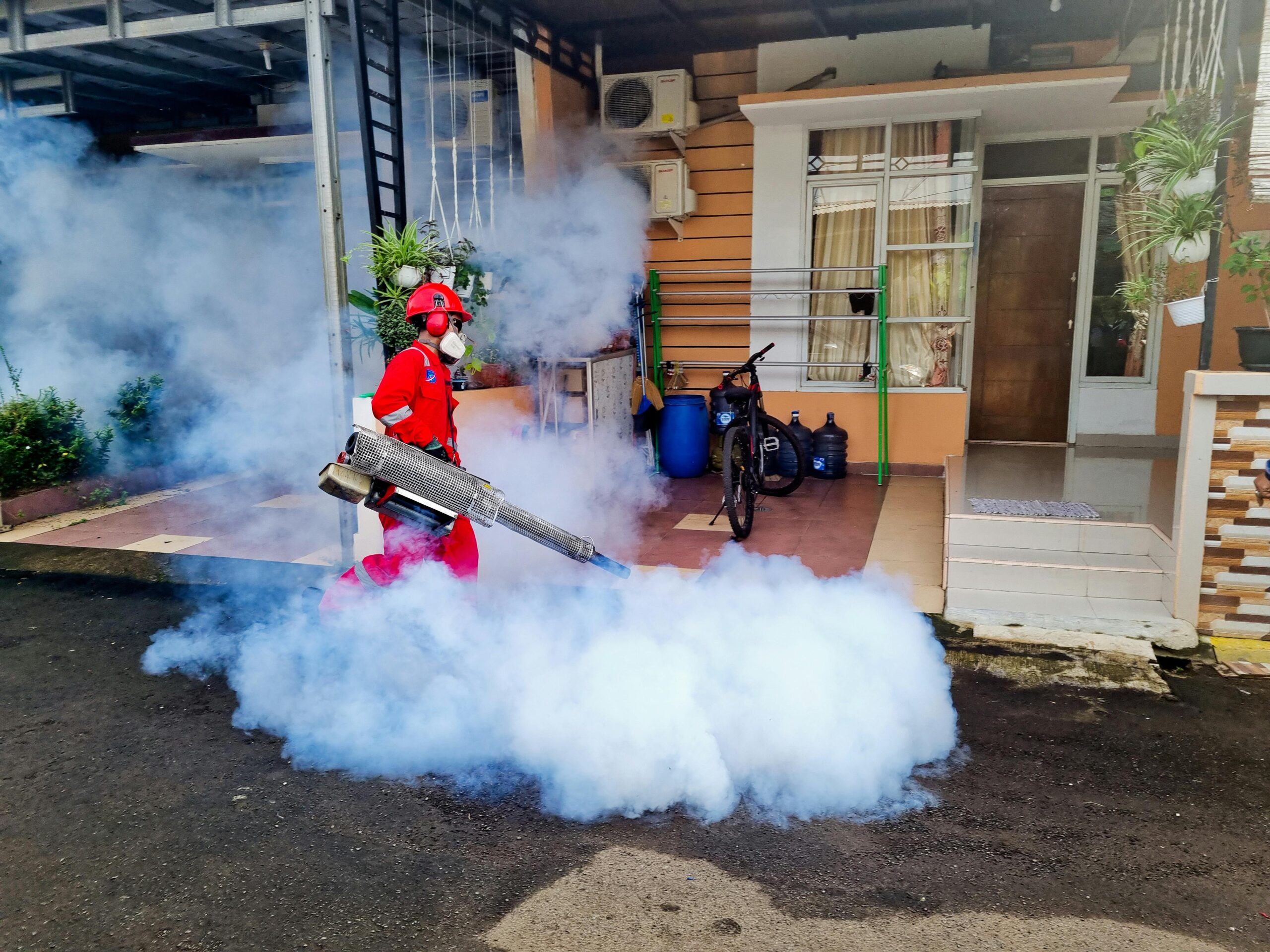
Licensed pest‑control companies employ a broader arsenal. Whole‑home fogging disperses a fine mist of EPA‑approved insecticide, reaching carpet fibers, padding, and voids that a spray cannot. Targeted spot treatments focus on identified hotspots, using concentrated formulations that break the beetle life cycle more efficiently. Many providers also integrate Integrated Pest Management (IPM) practices—regular inspections, sanitation recommendations, and preventive barriers—to keep beetles from returning. These methods are designed for complete eradication rather than temporary knock‑down.
Benefits of hiring a licensed company
When you bring in a professional, you gain guaranteed results. Companies like Anthem Pest Control follow strict EPA guidelines, ensuring that the chemicals used are both effective and safe when applied correctly. A typical service includes a follow‑up inspection within 30 days to confirm that the infestation is gone and to address any lingering activity. Licensed technicians also have access to tools such as infrared cameras and moisture meters, which help locate hidden infestations that DIY kits miss. Finally, professional services provide transparent pricing and often bundle treatments with ongoing prevention plans, delivering long‑term value.
Cost comparison
Below is a snapshot of average costs drawn from the 2023 NPMA pricing report. Prices vary by region and severity, but the table illustrates the typical financial gap between DIY kits and professional services.
| Service Type | Typical Cost (USD) | Coverage Area | Estimated Effectiveness |
|---|---|---|---|
| DIY Spray Kit (single‑use) | $25‑$45 | Up to 500 sq ft | Low‑moderate |
| DIY Trap Set (3‑pack) | $15‑$30 | Monitoring only | Low |
| Professional Spot Treatment | $120‑$180 | Up to 1,000 sq ft | High |
| Whole‑home Fogging | $250‑$350 | Entire residence (2,500 sq ft) | Very High |
| Integrated Pest Management Plan (annual) | $400‑$600 | Full property | Very High + prevention |
Decision‑making flowchart for homeowners
Use the following steps to decide whether DIY or professional treatment is right for you:
- Assess the infestation level. If you see only a few beetles or damage, start with a DIY kit.
- Check coverage needs. Large homes, multiple rooms, or carpet padding require professional reach.
- Consider health sensitivities. Families with infants, pets, or respiratory issues should avoid over‑the‑counter chemicals.
- Evaluate budget vs. long‑term cost. A cheap DIY kit may lead to repeated purchases; professional services often resolve the problem in one or two visits.
- Contact a licensed provider. Request a free inspection; many companies, including Anthem Pest Control, will give a written guarantee and outline a preventive schedule.
By weighing these factors, you can choose the approach that protects your home, your family’s health, and your wallet.
Understanding Costs and Seasonal Activity
When it comes to carpet beetle control in Holly Springs, Georgia, the price tag can feel like a mystery—especially if you’re juggling a DIY mindset with the desire for professional peace of mind. Below, we break down the most common expense categories, walk you through the cost infographic, and show how the beetles’ seasonal rhythm can help you time your treatment for maximum bang for your buck.
Typical Expense Breakdown
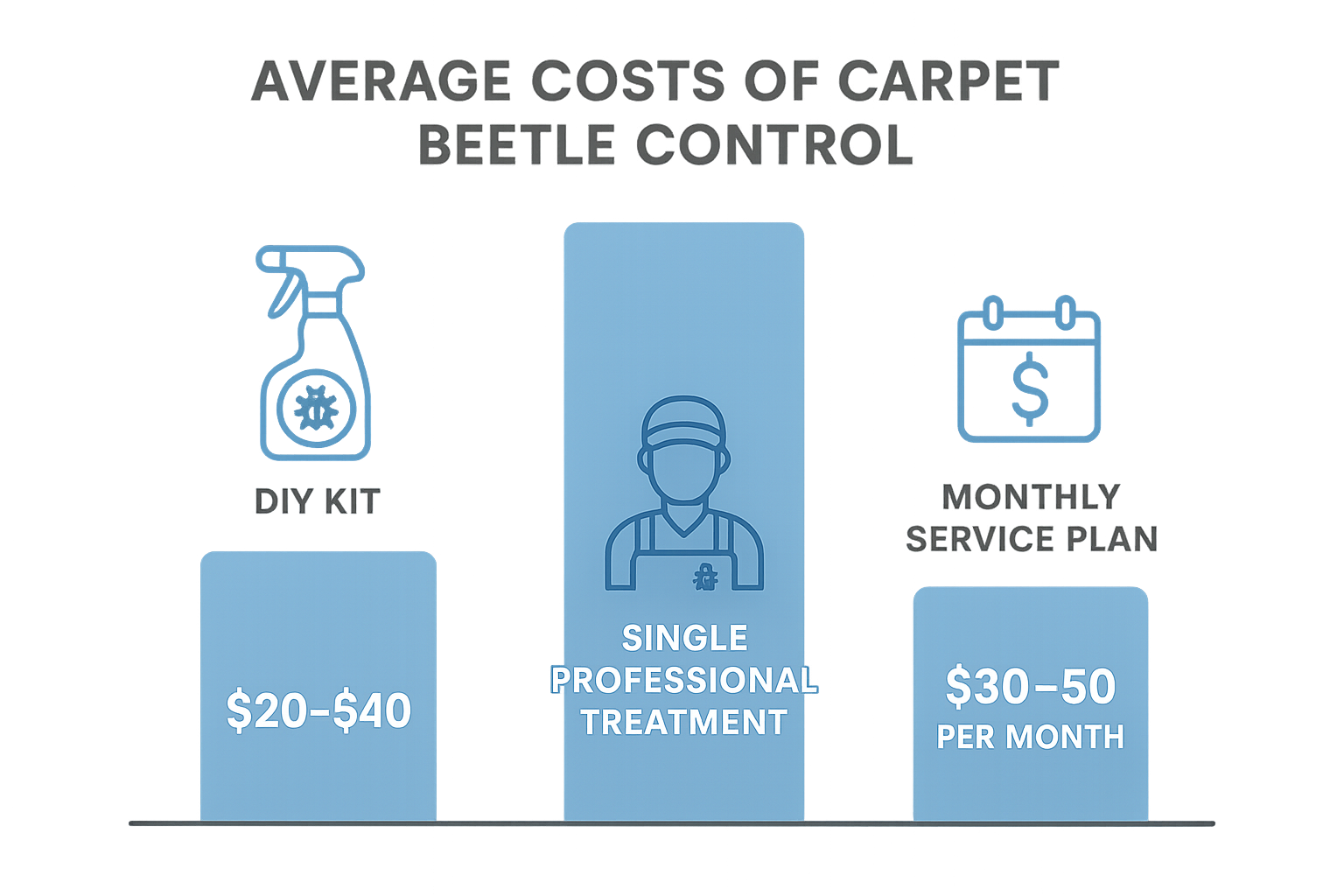
- DIY kit: $20 – $40. A basic kit usually includes a spray concentrate and a few applicator bottles. It’s a low‑cost entry point, but you’ll need to apply it yourself every few weeks and monitor results closely.
- Single professional treatment: $150 – $250. This covers one‑time application of a licensed pesticide, a thorough inspection, and a follow‑up visit if needed. Ideal for a sudden outbreak.
- Monthly service plan: $30 – $50 per month. A subscription‑style plan spreads the cost over twelve months, includes quarterly inspections, and often adds preventive treatments that keep beetles from returning.
These figures are averages for the Holly Springs area; exact pricing can shift based on home size, infestation severity, and any additional services you bundle (like rodent exclusion or mold remediation).
What the Cost Infographic Shows
The infographic compares the three expense tiers side‑by‑side and highlights the long‑term savings of a preventive plan. Notice how the monthly plan’s total annual cost ($360‑$600) often undercuts the “single treatment” range when you factor in the likelihood of a repeat visit during peak summer months. In other words, paying a modest monthly fee can protect you from the higher, unpredictable costs of emergency calls.
Seasonal Activity Overview
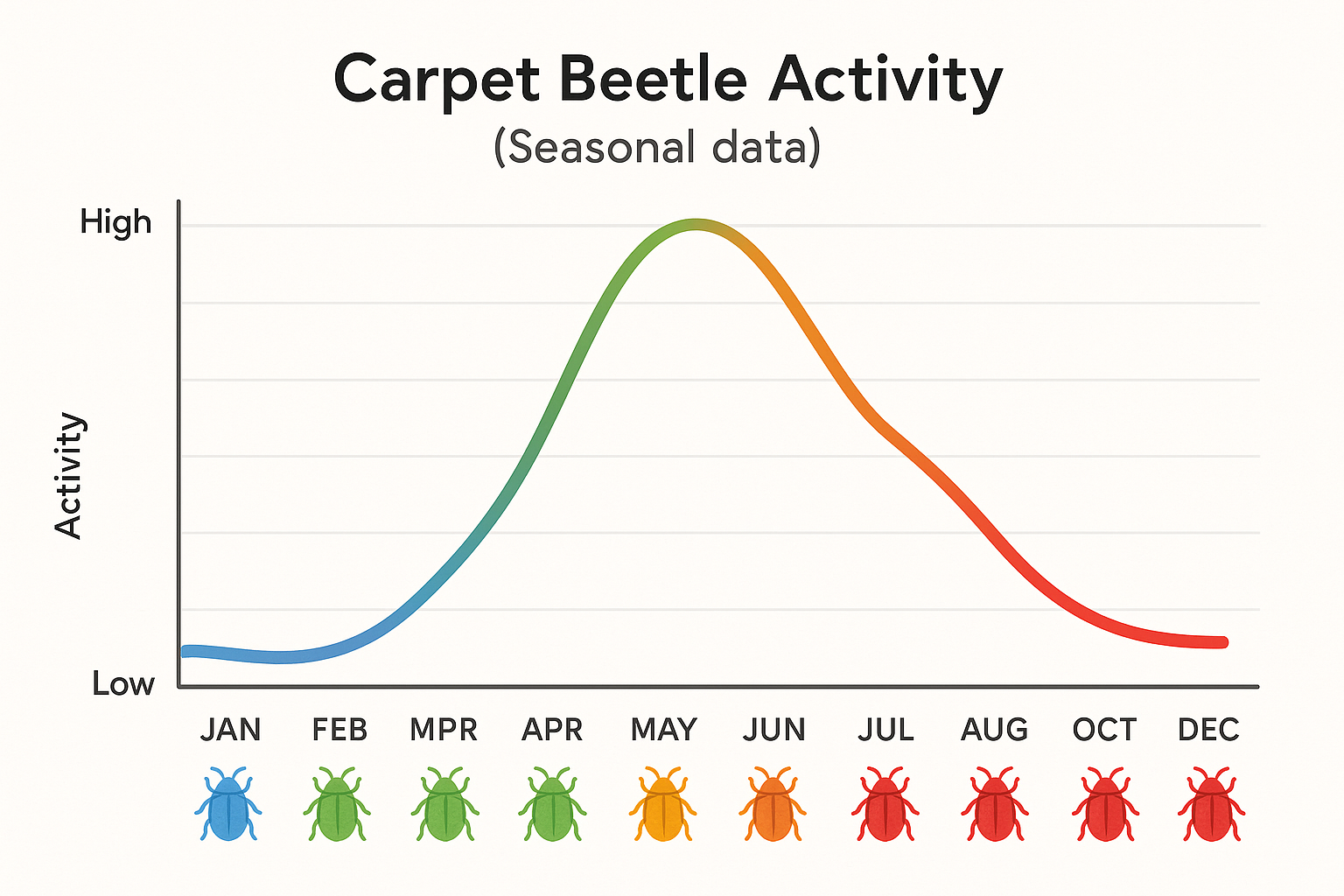
Carpet beetles are cold‑blooded insects, so temperature drives their life cycle. The line chart in the infographic illustrates a classic bell curve for Holly Springs:
- Winter (December – February): Activity drops to a trickle. Adults hide in insulated spaces, and larvae development slows dramatically.
- Spring (March – May): Temperatures rise, and beetles emerge to mate. This is the first window where a preventive spray can stop the next generation before it spreads.
- Summer (June – August): Peak activity. Eggs hatch quickly, and larvae feast on natural fibers, pet hair, and stored food products.
- Fall (September – November): Activity tapers as beetles seek shelter for winter, but residual larvae can still cause damage if left unchecked.
Understanding this cycle lets you align your budget with the most effective treatment timing.
Optimal Treatment Windows
Early Spring (late March‑early April): This is the sweet spot for a preventive application. A professional treatment at this stage creates a barrier before the beetles start reproducing, reducing the need for later interventions.
Late Summer (late August‑early September): If you notice signs of an active infestation—such as shed skins, irregular holes in fabrics, or a distinct “fuzzy” odor—a targeted treatment now catches the beetles before they settle for winter, protecting your home through the colder months.
Both windows align with the cost infographic’s recommendation to pair a preventive plan with a “spring boost” spray for the best value.
Climate Zones and Local Expertise
Holly Springs sits in USDA Hardiness Zone 7b, which means milder winters and a longer warm season than more northern Georgia counties. This extended warmth can stretch the peak beetle period into early September, giving homeowners a slightly larger window for late‑summer treatments.
Because micro‑climates (urban heat islands, shaded basements, or sun‑exposed attics) can shift beetle activity by weeks, the safest bet is to consult a local pest professional. Anthem Pest Control’s technicians know the nuances of Holly Springs’ weather patterns and can tailor a schedule that fits your home’s layout, budget, and risk tolerance.
In short, matching your spend to the beetles’ calendar—preventive spending in early spring and focused treatment in late summer—delivers the most cost‑effective protection. When you pair that strategy with a trusted local partner, you’ll keep carpet beetles out of your home without breaking the bank.
Protect Your Home with Anthem Pest Control
By now you should be able to spot the tell‑tale signs of a carpet beetle invasion, know how they get into your home, and understand the most effective prevention and treatment steps. Let’s quickly recap the essentials so you feel confident taking the next move.
Quick Recap
- Identification: Small, oval beetles, shed skins, and tiny holes in natural fibers.
- Warning signs: Carpet or upholstery damage, larvae in closets, and a faint, “curry‑spice” odor.
- Prevention: Regular vacuuming, proper storage of woolens, and sealing cracks.
- Treatment options: Targeted EPA‑approved sprays, heat treatments, and professional monitoring.
While DIY methods can help with minor sightings, a full‑scale infestation often requires the precision and safety standards that only a licensed professional can provide. That’s where Anthem Pest Control steps in.
Why Choose Anthem?
Anthem’s technicians are trained to handle carpet beetles using EPA‑approved products that protect your family, pets, and the environment. Our approach blends science‑backed treatments with a thorough inspection, ensuring we target the beetles where they hide—under carpets, inside wall voids, and within stored fabrics.
We pride ourselves on transparent pricing. From the moment you call, you’ll receive a clear, itemized quote with no hidden fees. Whether you need a one‑time eradication or an ongoing prevention plan, our rates are designed to fit a homeowner’s budget without sacrificing effectiveness.
Nationwide Service & Satisfaction Guarantee
Although we serve customers across the United States, we treat every home with the same local expertise. Our technicians understand regional pest pressures, seasonal trends, and the construction styles common in places like Holly Springs, Georgia. If you’re not completely satisfied with the results, our guarantee ensures we’ll re‑treat at no additional cost.
Soft Invitation
If you suspect carpet beetles are making themselves at home—or simply want the peace of mind that comes with a professional inspection—give us a call. We’ll schedule a complimentary inspection, walk you through the findings, and provide a free, no‑obligation quote.
Phone: 877‑371‑8196
Website: Visit Anthem Pest Control