Rising Carpet Beetle Complaints in Loganville
Over the past year, homeowners in Loganville’s quiet subdivisions have started reporting a noticeable uptick in carpet beetle sightings. From the cul‑de‑sacs of Oak Ridge to the newer developments near Lake Logan, neighbors are discovering tiny, speck‑specked insects crawling along baseboards, in closets, and even on freshly laundered linens. The surge isn’t just a seasonal blip; it reflects a broader shift in local pest dynamics driven by milder winters and the region’s growing collection of upholstered furniture and natural‑fiber rugs.
What often goes unnoticed is that carpet beetles spend most of their life hidden inside the very fabrics we cherish. Their larvae tunnel through wool, silk, cotton, and even stored pet food, leaving behind a trail of tiny holes, yellowish stains, and a faint, “cheesy” odor. By the time a homeowner spots the adult beetles fluttering near a window, the infestation may already have caused hundreds of dollars in damage—replacing drapes, repairing carpet, or discarding cherished heirloom blankets.
That’s why knowing the exact cost of treatment before any work begins is critical. Hidden infestations can quickly become expensive, and many pest‑control companies bundle services or add hidden fees that inflate the final bill. Transparent pricing lets you weigh the true value of a professional intervention against the potential cost of fabric replacement.
Enter Anthem Pest Control, Loganville’s trusted partner for carpet beetle management. Anthem Pest has built a reputation on clear, upfront quotes that detail every step of the process—from initial inspection and identification to the choice of low‑toxicity treatments and follow‑up monitoring. Their local technicians understand the unique construction styles and climate patterns of the area, ensuring each recommendation is effective and cost‑efficient.
With Anthem Pest’s transparent approach, you’ll receive a written estimate that breaks down labor, materials, and any optional preventive measures. No surprise charges, no guesswork—just a straightforward path to protecting your upholstery, carpets, and personal belongings.
Now that you see why beetle outbreaks are rising and why clear pricing matters, the next section outlines the typical cost range for a full‑service treatment in Loganville, so you can plan confidently.
What Are Carpet Beetles and Why They Threaten Your Home
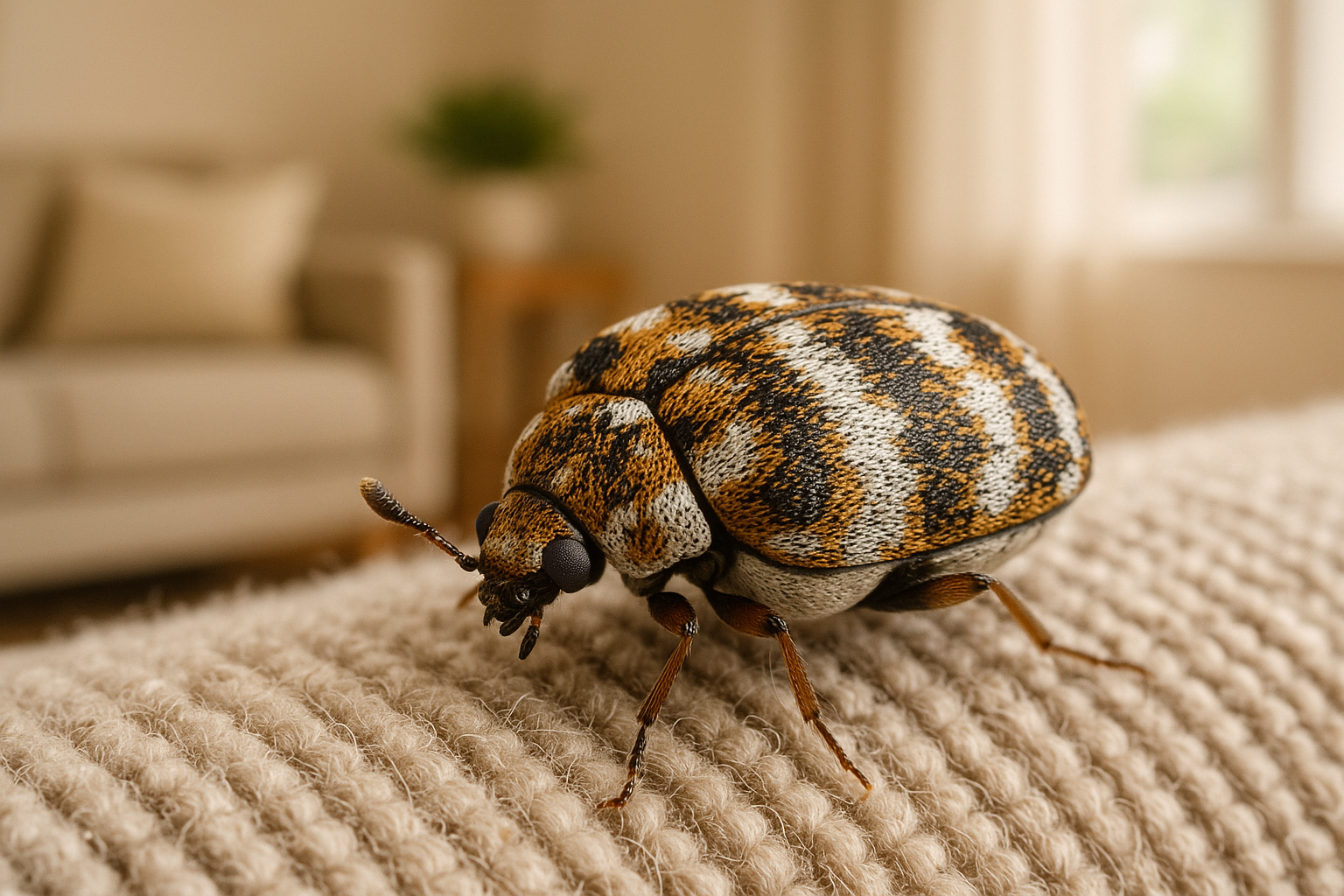
Carpet beetles may sound harmless, but their tiny bodies hide a voracious appetite for the fabrics that keep your home cozy. As a homeowner in Loganville, you’ll quickly notice the threat when once‑soft blankets become ragged, upholstery frays, and seasonal clothing disappears into tiny, unrecognizable holes.
Understanding their biology is the first step in stopping them. A female carpet beetle lays dozens of eggs in hidden crevices—often near natural fibers. Those eggs hatch into larvae, the true culprits, which then wander for weeks or months feeding before spinning a cocoon to become pupae. Finally, the adult emerges, lives only a few weeks, and focuses on mating and laying more eggs.
Larvae are indiscriminate eaters when it comes to protein‑rich fibers. Their favorite meals include:
- Wool and other natural‑fiber blankets
- Fur from pet coats
- Feathers in down comforters
- Stored clothing made of silk, cashmere, or cotton
- Upholstery and carpet fibers
The problem isn’t isolated to a few homes. According to the 2024 EPA report, roughly one in five U.S. households—about 20 %—has experienced fabric‑pest damage, and carpet beetles rank among the top culprits.
In a typical Loganville living room, you might find a once‑plush sofa with frayed seams where larvae have chewed away the backing. A winter wool blanket left in the attic can emerge shredded, resembling a tumbleweed of fibers. Even a sealed suitcase of holiday outfits can develop tiny, irregular holes that reveal a hidden infestation.
Loganville’s warm, humid summers create the perfect breeding ground. Moisture softens natural fibers, making them easier for larvae to digest, while the extended warm periods accelerate their development cycle. This means an infestation that might take months to grow in drier regions can explode in just a few weeks here, demanding prompt professional intervention.
Because the larvae work hidden inside seams and under cushions, damage often isn’t obvious until it’s extensive. Regular inspections—checking pillowcases, under couch cushions, and stored garments—can catch the first tell‑tale signs: tiny, brownish specks (the larvae) or shed skins. Once spotted, a targeted treatment that combines thorough vacuuming, steam cleaning, and a low‑toxicity insect growth regulator can halt the life cycle before the next generation hatches.
Anthem Pest Control leverages Loganville‑specific data to schedule treatments during peak beetle activity, typically late summer through early fall. By applying a combination of area‑wide sprays and localized treatments, they not only eradicate the current infestation but also create a barrier that discourages new beetles from establishing colonies in your home.
Identifying Carpet Beetle Activity in Loganville Homes
Carpet beetles are tiny, but they leave unmistakable clues that a homeowner can spot with a quick look around the house. Catching the problem early saves you from costly damage to clothing, upholstery, and even stored food items.
Visible signs to keep on your radar
- Shed skins – As larvae grow, they molt. You’ll find translucent, paper‑like skins tucked into seams, drawers, or under furniture.
- Fecal pellets – Small, dark specks that look like pepper grains often accumulate near infested fabrics or in carpet corners.
- Tiny irregular holes – Unlike clean, round holes made by moths, carpet beetles chew ragged, uneven openings in wool, silk, or cotton items.
Neighborhoods where infestations appear most often
Loganville’s mix of historic homes and newer developments creates perfect hiding spots for carpet beetles. Pay extra attention in these areas:
- Westside Loganville – Older homes with original hardwood floors and closets that haven’t been renovated in years.
- Historic downtown district – Brick buildings with attic spaces and vintage furnishings that can harbor beetle larvae.
- Lake Logan Estates – Newer homes near the lake often have outdoor storage sheds where beetles can enter and later migrate indoors.
Expert advice on early detection
“Regular inspection of clothing, upholstery, and stored textiles is the most effective strategy for early carpet beetle detection. Homeowners should look for shed skins and fecal pellets at least once each season.” – 2024 Georgia UGA Extension guide
Quick self‑inspection checklist
- Walk through closets and drawers; note any shed skins or tiny holes.
- Inspect under furniture and along baseboards for dark specks.
- Check stored blankets, wool rugs, and pet bedding for damage.
- Look in attic corners, especially near insulation, for larvae or skins.
- Document any findings with photos and note the rooms affected before calling a professional.
By scanning for these tell‑tale signs and focusing on the neighborhoods most prone to infestations, you can catch carpet beetles before they turn a small nuisance into a major repair bill. When the checklist reveals multiple red flags, reach out to Anthem Pest Control for a targeted, affordable treatment plan tailored to Loganville homes.
Control Methods: DIY vs. Professional Solutions
DIY Tactics
Most homeowners start with a hands‑on approach because it feels immediate and budget‑friendly. The cornerstone of a DIY carpet‑beetle attack is a thorough vacuum of carpets, rugs, and upholstered furniture—pay special attention to seams, crevices, and under‑furniture spaces where larvae hide. Follow up by washing all removable fabrics in hot water (at least 130°F) and drying them on high heat; the temperature kills both eggs and larvae.
Over‑the‑counter insecticidal sprays are the next line of defense. Products containing EPA‑registered active ingredients such as bifenthrin or cyfluthrin can be misted on baseboards, under cushions, and in closets. These chemicals provide quick knock‑down, but they have limitations: they often fail to penetrate deep into carpet fibers, and repeated applications are needed to keep the beetles at bay. Moreover, DIY sprays leave residues that can be hazardous to pets and children if not applied correctly.
- Pros: Low upfront cost, immediate action, full control over product choice.
- Cons: Variable efficacy, time‑consuming prep, risk of improper application, limited residual protection.
Professional Options
When an infestation spreads beyond a few rooms or persists despite your best efforts, a licensed pest‑control technician brings tools and expertise that DIY kits simply can’t match. The most common professional strategies include:
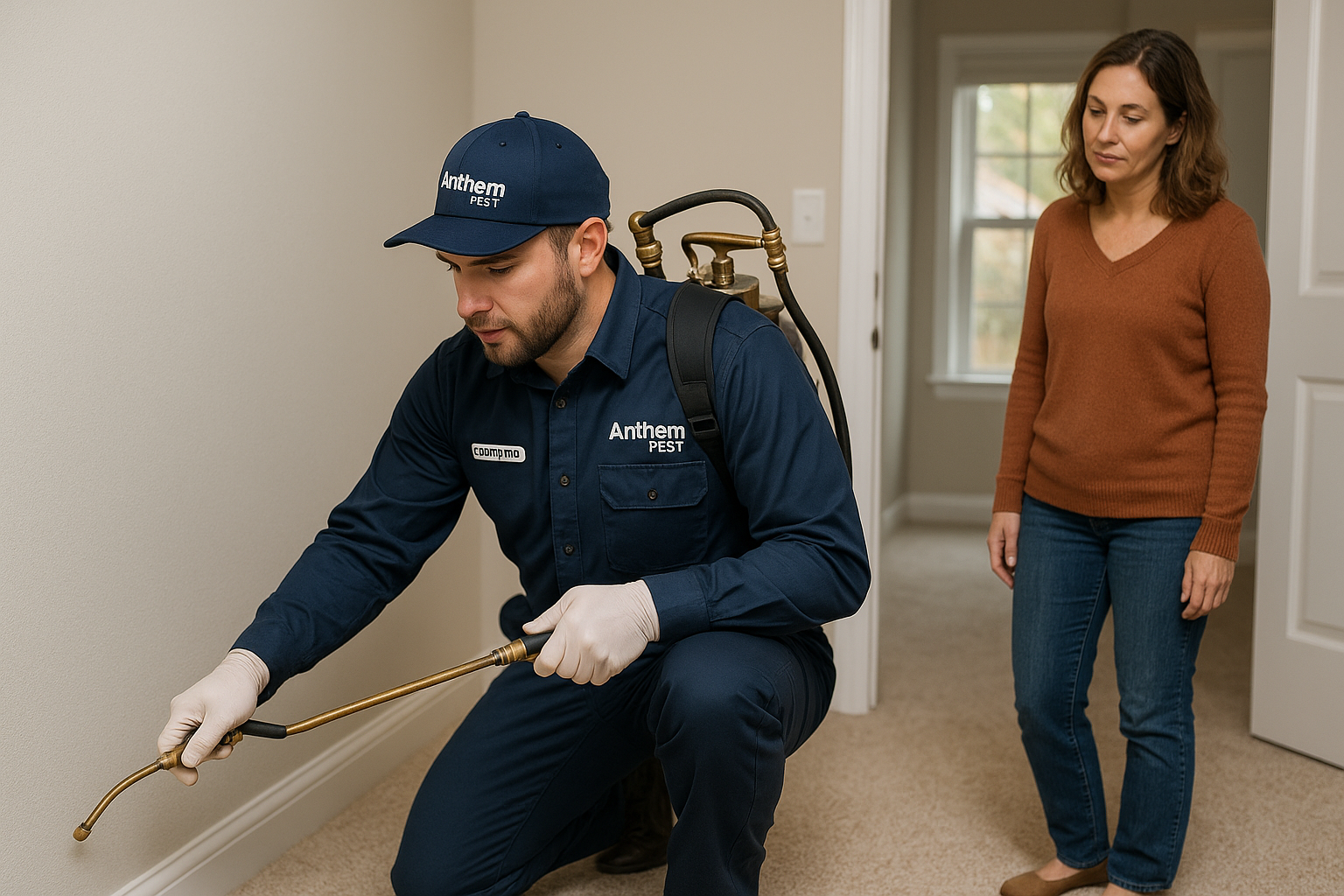
- Perimeter fogging: A fine mist of EPA‑registered insecticide is applied around the home’s exterior and interior baseboards, creating a barrier that targets adult beetles before they enter.
- Targeted spot‑treatments: Technicians locate hotspots—such as infested closets or under floorboards—and apply a concentrated dose of bifenthrin or cyfluthrin directly to those areas.
- Whole‑home applications: Using specialized equipment, the crew distributes a low‑dose residual spray throughout the entire living space, ensuring long‑lasting protection on carpets, drapes, and hidden crevices.
Professional services also include a detailed inspection, identification of the beetle species, and a customized follow‑up schedule. Because technicians are trained to read the signs of hidden infestations, they can often prevent a re‑emergence that DIY methods miss.
Safety Considerations
Whether you’re spraying a bottle yourself or inviting a crew into your home, safety is non‑negotiable. Always read the label on any EPA‑registered product and wear protective gloves and a mask during application. Keep children and pets out of treated zones for the recommended ventilation period—typically 2–4 hours for bifenthrin‑based sprays. Professional technicians follow strict protocols: they seal off treated rooms, use calibrated applicators, and provide a written safety sheet that outlines post‑treatment precautions.
| Method | Cost Range (USD) | Efficacy | Time Investment | Required Equipment |
|---|---|---|---|---|
| DIY | $30 – $120 (sprays, vacuum bags, laundry) | Moderate – effective for light infestations only | 4 – 8 hours (prep, vacuuming, laundering, re‑application) | Vacuum, laundry machine, EPA‑registered spray, protective gloves |
| Professional | $250 – $650 (per treatment) | High – designed for moderate to severe infestations | 1 – 2 hours (inspection + treatment) | Licensed technician, fogger or spray equipment, EPA‑registered formulations |
Carpet Beetle Control Pricing in Loganville, GA
When it comes to protecting your home from carpet beetles, knowing the exact cost breakdown helps you budget confidently. At Anthem Pest Control we keep pricing transparent, so you’ll never be surprised by a hidden fee. Below is a detailed look at each component you’ll encounter in a typical Loganville service, from the initial inspection to optional upgrades.
Base Inspection Fee
The first step is a thorough inspection of your property. Our certified technicians spend 30‑45 minutes checking closets, carpets, upholstery, and attics for signs of beetle activity. In Loganville the inspection fee ranges from $120 to $150. This fee covers the labor, a detailed report, and a customized treatment plan. If you decide to proceed with treatment, the inspection cost is usually credited toward the total service price.
Spot Treatment Pricing
Spot treatments target specific infestations—ideal for homeowners who have a few problem areas rather than a full‑home invasion. We charge $150‑$250 per room, depending on the size of the space and the severity of the infestation. Most families in Loganville find themselves treating two to three rooms, which translates to a total spot‑treatment cost of roughly $300‑$750. This approach allows you to address hot spots quickly without committing to a whole‑home service.
Whole‑Home Treatment
For comprehensive protection, a whole‑home treatment is the most effective solution. Prices are calculated based on square footage, with Loganville homes typically falling between 1,800 sq ft and 2,500 sq ft. Expect a range of $300‑$550 for a full‑coverage application that treats carpets, rugs, upholstery, and hidden crevices throughout the house. The treatment includes a pre‑application walkthrough, a one‑hour application, and a follow‑up check to ensure all beetles are eliminated.
Additional Fees
- Follow‑up visit: $80‑$120. A second appointment 2‑4 weeks after the initial treatment to verify results and address any lingering activity.
- Pet‑friendly formulations: +$30‑$50. Safe, low‑toxicity products for households with cats, dogs, or other animals.
- Emergency service surcharge: $50‑$75 for same‑day appointments outside regular business hours.
Sample Quote for a 2,200 sq ft Home (Eastside Neighborhood)
| Service | Quantity | Unit Price | Total |
|---|---|---|---|
| Base inspection | 1 | $135 | $135 |
| Whole‑home treatment | 1 | $425 | $425 |
| Follow‑up visit | 1 | $100 | $100 |
| Pet‑friendly formulation | 1 | $40 | $40 |
| Grand Total | $700 |
Seasonal Promotion Example: Spring Special
To encourage early‑year prevention, Anthem Pest runs a “Spring Special” that bundles the inspection, whole‑home treatment, and a single follow‑up visit for a flat rate of $199. The promotion excludes pet‑friendly add‑ons, but it’s an excellent way to lock in a low price before beetle activity spikes in late spring.
How These Numbers Stack Up Against the Regional Market
Across the greater Atlanta metro area, carpet beetle control typically runs between $250 and $800 for full‑home services. Loganville’s pricing sits comfortably in the middle of that range, offering competitive rates without sacrificing quality. The base inspection fee of $120‑$150 is slightly lower than the regional average of $130‑$170, while spot‑treatment costs are on par with neighboring counties. In short, Loganville homeowners receive a fair, market‑aligned price—especially when they take advantage of seasonal discounts or bundled packages.
Why Carpet Beetle Treatment Costs Vary Locally
Carpet beetle control isn’t a one‑size‑fits‑all job, and in Loganville the final invoice reflects a handful of local factors. Understanding those variables helps you see why two seemingly identical houses can receive different price quotes.
Home Size and Layout
Every square foot adds to the amount of insecticide needed and the time technicians spend moving furniture, vacuuming, and applying treatment. A modest 1,200‑sq‑ft ranch with an open floor plan may require a single‑day visit, while a 3,000‑sq‑ft two‑story home with multiple closets, hallways, and a finished basement can double both material and labor costs.
Severity Levels Drive Treatment Intensity
Technicians grade infestations as light, moderate, or severe. A light case—perhaps a few beetles trapped in a single carpet—might be handled with a spot‑treatment spray and a simple preventive fog. Moderate infestations usually demand whole‑home coverage, multiple applications, and sometimes the use of growth‑inhibiting powders. Severe outbreaks, where larvae are found in upholstery, storage boxes, and wall voids, often require extended follow‑up visits and a higher concentration of EPA‑registered products, which raises the price proportionally.
Accessibility Challenges
Attics, crawl spaces, and basements are prime carpet beetle hideouts, but they’re also the hardest places to reach. Narrow stairwells, low‑ceiling crawl spaces, or a cluttered attic can add extra setup time, specialized equipment (such as extension wands or respirators), and sometimes the need for a second technician. Those added labor minutes are reflected directly in the service estimate.
Neighborhood Income and Service Bundles
Loganville neighborhoods with higher median incomes often see pest‑control companies offering bundled packages—combining carpet beetle treatment with seasonal mosquito or termite monitoring. These bundles spread the cost of equipment and licensing across several services, which can lower the per‑treatment price for residents. Conversely, in lower‑income areas providers may limit quotes to the essential beetle control only, resulting in a higher unit cost.
State Regulations and Their Pricing Impact
Georgia’s Department of Agriculture regulates which pesticides can be used, how they must be applied, and the record‑keeping required after each job. The agency’s pesticide guideline (see GA Department of Agriculture Pesticide Guidelines) mandates certified applicators, specific safety equipment, and sometimes a surcharge for restricted‑use chemicals. Those compliance steps add both material expense and administrative time, which is reflected in the final quote.
Best Seasons and Prevention for Carpet Beetles
Carpet beetles spend most of their life hidden in fabric, but the larvae become most active when temperatures rise and humidity climbs. In Loganville, that window usually opens in late‑spring (mid‑May) and closes by early‑fall (late‑September). Scheduling a professional treatment during this period hits the beetles when they’re feeding and reproducing, giving you the highest chance of a clean break.
Why Late Spring to Early Fall Works
The warm days and mild nights of May through September accelerate the beetle life cycle. Eggs hatch faster, larvae grow quickly, and adult beetles emerge to lay new eggs. Treating before the peak (late‑spring) or after the peak (early‑fall) means you’re either fighting a dormant population or missing the bulk of the damage.
Everyday Prevention Habits
Even after a treatment, simple habits keep beetles from returning:
- Vacuum carpets, rugs, and upholstery at least once a week. Pay special attention to edges, under furniture, and pet bedding where larvae love to hide.
- Store off‑season clothing, blankets, and linens in airtight plastic containers or heavy‑duty zip‑lock bags.
- Place cedar blocks, lavender sachets, or moth‑repellent pouches in closets and drawers; the natural oils deter adult beetles from laying eggs.
- Wipe down windowsills and door frames regularly to remove dust that can harbor eggs.
Moisture Management in Loganville’s Humid Climate
Loganville’s average humidity sits above 70 % in the summer months, creating a perfect breeding ground for beetle larvae that thrive on damp organic material. Using a dehumidifier in basements, laundry rooms, and closets can lower moisture levels below 50 %, making the environment less inviting. Fix any leaky pipes or roof vents promptly, and ensure good airflow by opening windows or using fans when weather permits.
Do‑Something‑Today Checklist
- Set a reminder to vacuum high‑traffic carpet areas this week.
- Gather all seasonal clothing and place it in sealed containers.
- Add a cedar block or lavender sachet to each closet.
- Check for and repair any visible water leaks.
- Call Anthem Pest Control at 877‑371‑8196 to schedule a spring‑time inspection.
Anthem Pest: Loganville Carpet Beetle Experts
When carpet beetles invade a Loganville home, you need a partner that can act fast and work within the law. Anthem Pest holds a Georgia state pest‑control license, meets the city’s insurance requirements, and guarantees a 24‑hour response window for any infestation report. Our pricing is flat‑rate and posted online, so you never encounter hidden fees after the job is done. Our transparent model includes a detailed estimate before any work begins, so you know exactly what each service covers.
What Loganville homeowners are saying
“Anthem arrived the same day we called, identified the beetle hotspots, and completed the treatment in under two hours. The crew was courteous, explained every step, and the house has been beetle‑free ever since.”
Choosing a certified technician matters. Professionals carry EPA‑approved products, follow safety protocols, and understand the life cycle of carpet beetles—knowledge that DIY sprays simply lack. An untrained attempt can miss hidden larvae, spread chemicals incorrectly, and ultimately cost more in repeat visits.
Ready for a pest‑free home? Call Anthem Pest at 877‑371‑8196 or visit anthempest.com to request your free, no‑obligation quote today. Our Loganville team is ready to schedule a same‑day inspection, ensuring you never live with a beetle problem longer than necessary.
Protect Your Home with Professional Carpet Beetle Care
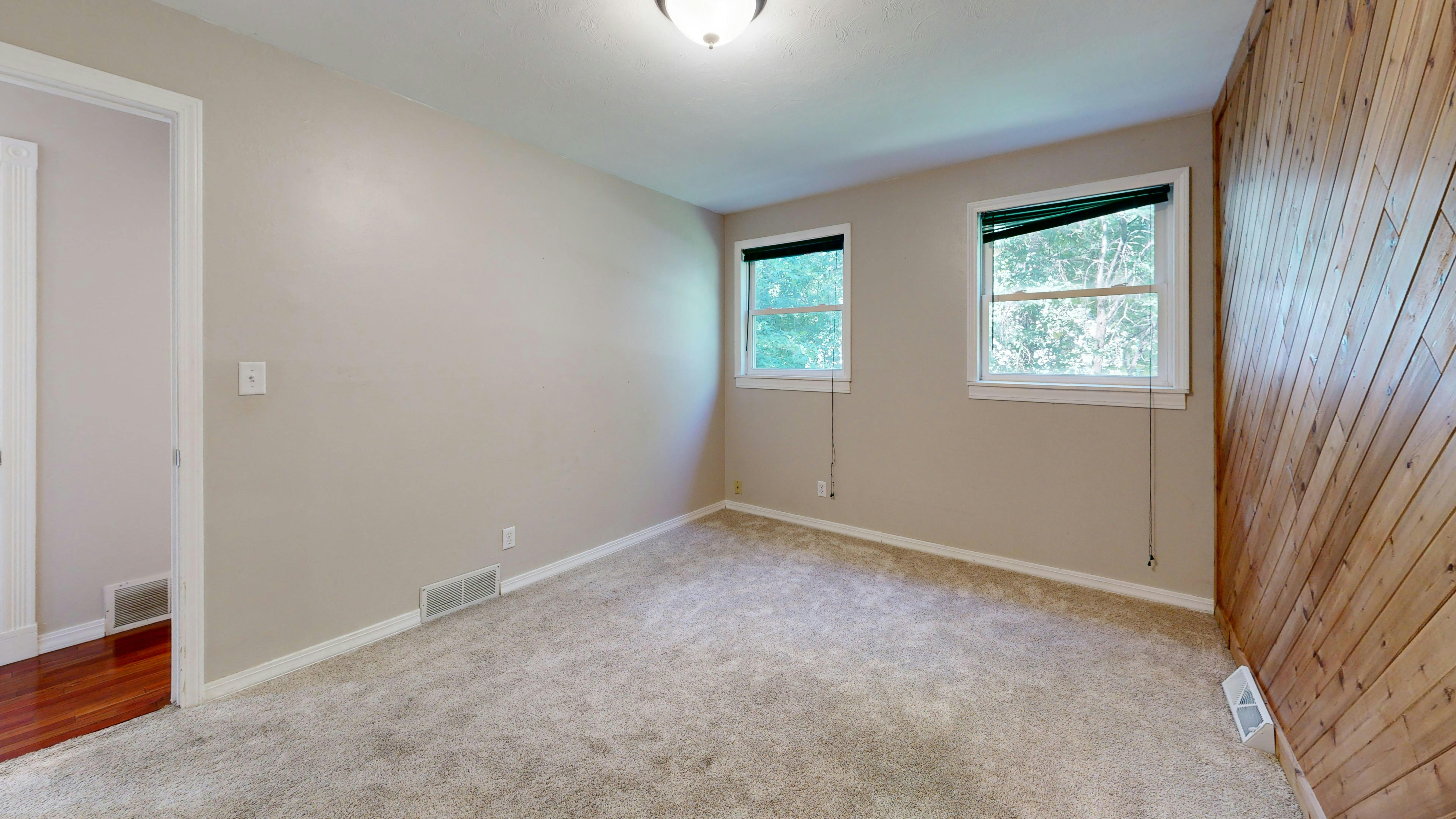
When carpet beetles infiltrate a Loganville home, the hidden damage can add up quickly. In our area, a professional inspection typically runs between $80 and $120, giving you a clear picture of infestation hotspots. If you need a targeted spot‑treatment, expect costs of $150‑$250, while a full‑home service—covering all rooms, closets, and storage areas—usually falls in the $300‑$500 range.
Choosing a licensed technician guarantees more than a quick knock‑down. Professionals apply EPA‑approved products, follow a systematic protocol, and verify that every life stage of the beetle is eliminated. That thorough approach protects delicate fabrics, heirloom quilts, and your family’s health, something DIY sprays often miss.
- Fully licensed technicians with local Loganville experience.
- EPA‑approved products safe for children and pets.
- Comprehensive coverage of all affected areas.
- Follow‑up inspection to confirm eradication.
- Transparent pricing and no hidden fees.
Professional treatment also includes a post‑service visit, a detailed report, and a guarantee that keeps you protected for up to six months.
Ready to eliminate carpet beetles and protect your home? Call Anthem Pest Control at 877‑371‑8196 or click the link below to book your inspection. Our free, no‑obligation quote lets you compare options without surprise fees.
Visit Anthem Pest Control