Why Carpet Beetles Matter to Sugar Hill Homeowners

Carpet beetles are small, oval-shaped insects that thrive in warm, humid environments—exactly the kind of climate you find in the Southeast. For homeowners researching carpet beetle control cost Sugar Hill, understanding the pests involved is an important first step. The two species most frequently encountered in Sugar Hill are Anthrenus verbasci (the varied carpet beetle) and Attagenus unicolor (the black carpet beetle). Both species are adept at slipping into homes through cracks, open windows, and even on moving items like furniture or laundry.
Once inside, these beetles become silent destroyers. Their larvae, often called “woolly bears,” feed on natural fibers such as wool, silk, and cotton, as well as synthetic blends that contain protein‑based stains. The damage manifests as:
- Small, irregular holes in carpets, rugs, and upholstery.
- Faded or discolored patches on clothing and blankets.
- Chewed edges on stored blankets, quilts, and even pet bedding.
- Contamination of pantry items—especially grains, dried fruit, and pet food—where larvae can chew through packaging.
Because the larvae work at night and hide in crevices during the day, homeowners often notice the damage long after the infestation has taken root.
Recent data from the Georgia Department of Agriculture show that approximately 12 % of suburban homes in Gwinnett County report carpet beetle activity each year. In neighborhoods like Sugar Hill, the typical single‑family layout—multiple bedrooms, carpeted hallways, and a basement storage area—creates an ideal network of pathways for beetles to move and breed. An aerial view of Sugar Hill illustrates the dense, tree‑lined streets and closely spaced homes where these pests can spread from one property to the next.
Beyond structural damage, carpet beetles can affect indoor health. The shed skins and fecal pellets of larvae are known allergens; exposure may trigger sneezing, itchy eyes, or asthma flare‑ups in sensitive individuals. The EPA and the CDC both list indoor insect allergens as a contributor to reduced air quality, especially in homes that lack regular vacuuming or professional cleaning. While carpet beetles are not disease vectors, their presence can exacerbate respiratory conditions and lower overall comfort in the home.
Recognizing the problem early is the most cost‑effective strategy. Look for the tell‑tale signs—tiny, brown‑black larvae near baseboards, a faint “coconut” odor from adult beetles, or the characteristic “cobweb” of shed skins in closets. Spotting these clues before the larvae have feasted on your fabrics can save you both time and money, and it sets the stage for a targeted treatment plan that Anthem Pest Control can tailor to Sugar Hill’s unique housing stock.
Spotting Carpet Beetle Infestations – What to Look For
Carpet beetles are small, unassuming insects, but their larvae can cause big damage to your home’s fabrics. Knowing exactly what the adult and larval stages look like—and where they love to hide—gives you a head start on catching an infestation before it spreads.
Adult Beetles: Size, Color, and the Signature Spots
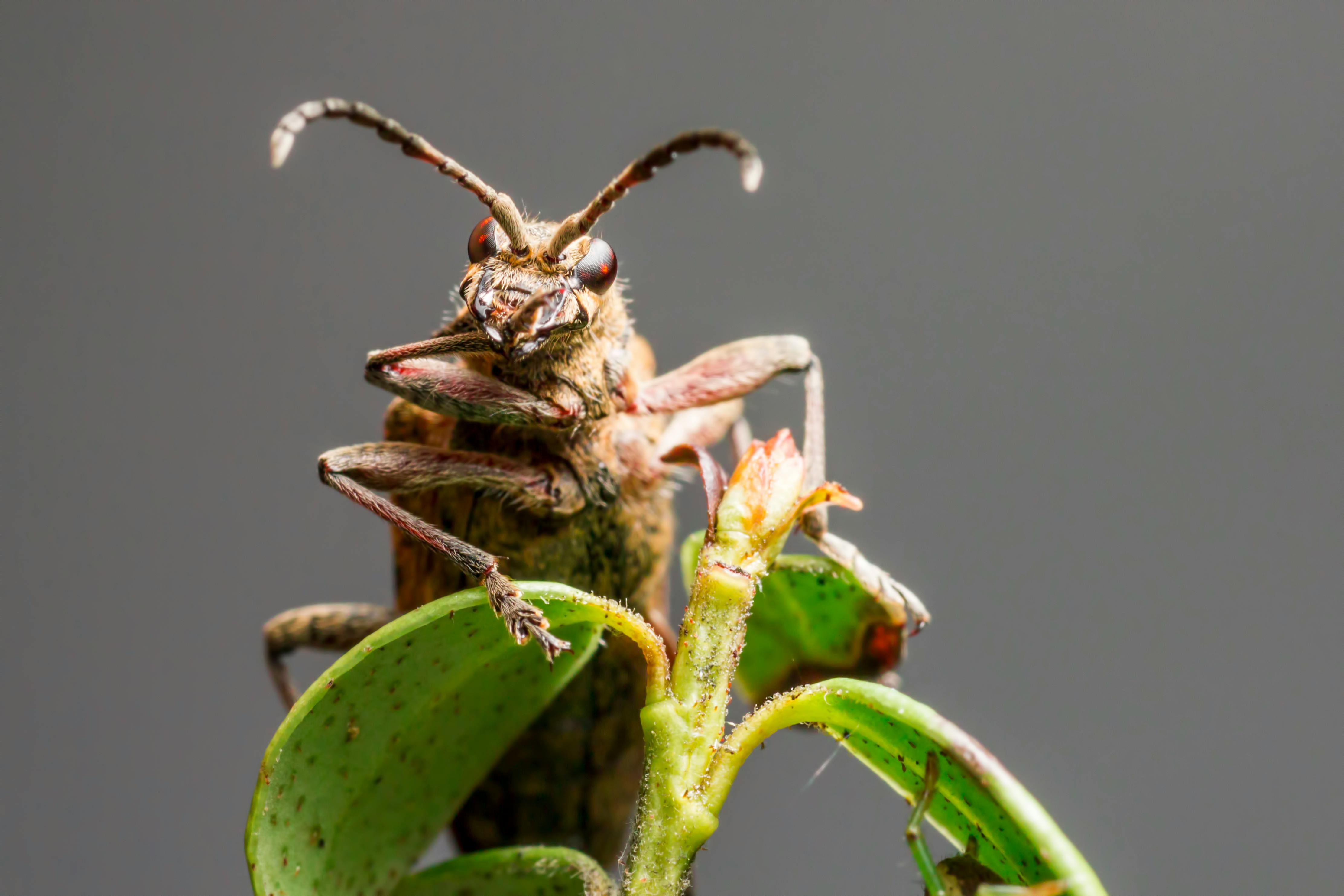
Adult carpet beetles measure roughly 2–5 mm (about the size of a grain of rice). Their bodies are oval and slightly flattened, with a mottled pattern of black, brown, and white scales. The most recognizable feature is a series of tiny, white‑to‑cream spots that form a “lace‑like” pattern across the wing covers. These spots are why they’re often called “varied” or “furniture” beetles.
Larvae: The “Carpet Beetle” Look
The larvae are the real culprits. They’re about ¼ inch long when fully grown, covered in dense, hair‑like bristles that give them a fuzzy appearance. Their bodies are usually tan or light brown with darker bands, and the bristles may appear darker at the rear, creating a “caterpillar‑like” silhouette. This fuzzy look is why many homeowners refer to them simply as “carpet beetles.”
Typical Hiding Places
Carpet beetles are opportunistic hide‑outs. Common sites include:
- Under area rugs and wall‑to‑wall carpeting, especially where the edge meets the baseboard.
- Inside closets, tucked into folds of wool sweaters, scarves, or stored blankets.
- Within HVAC ducts and vents, where they can ride the airflow to new rooms.
- In stored wool, silk, or cashmere items—think seasonal clothing boxes, blankets, and upholstery cushions.
Key Warning Signs
Even if you haven’t seen a beetle, the damage it leaves behind is a dead giveaway. Look for:
- Shed skins (exuviae): Tiny, translucent shells that fall off as larvae molt.
- Fecal pellets: Small, dark specks resembling pepper grains, often found near damaged fabric.
- Irregular holes: Small, round to oval holes ranging from 1 mm to 5 mm, typically in wool, silk, or cotton blends.
- “Beaded” damage: A series of tiny, punched‑out spots that give the fabric a beaded appearance, especially on natural fibers.
How to Differentiate Carpet Beetle Damage from Moths or Silverfish
While moths and silverfish also target fabrics, their signatures differ:
- Moth damage: Larger, irregular holes with a clean edge; often accompanied by silky webbing and a distinct “cocoon” near the damage.
- Silverfish damage: Small, ragged tears that appear more like shredded edges; usually found on paper, cardboard, or starch‑rich fabrics, not on wool or silk.
- Carpet beetle damage: The “beaded” pattern described above, plus the presence of shed skins and fecal pellets. The damage is usually confined to natural fibers, leaving synthetic fabrics largely untouched.
Quick Inspection Checklist for Homeowners
Grab a flashlight, a magnifying glass, and a pair of gloves. Run through this short list to spot an early infestation:
- Inspect the underside of all area rugs and carpet seams for shed skins or tiny pellets.
- Pull back closet doors and examine wool or silk garments for beaded holes and fuzzy larvae.
- Check HVAC vents and duct grilles for tiny beetles or larvae—use a vacuum with a HEPA filter to capture any you find.
- Open stored boxes of seasonal clothing; look for shed skins on the interior surfaces.
- Feel fabrics for a “fuzzy” texture that isn’t part of the material itself; this often indicates larvae hiding beneath the surface.
- Document any findings (photos, locations) before contacting a professional; this speeds up diagnosis and treatment.
By familiarizing yourself with these visual cues and following the checklist, you’ll catch carpet beetle activity early—saving you time, money, and the heartache of ruined heirloom fabrics. If you spot any of the signs above, reach out to Anthem Pest Control for a thorough inspection and a tailored treatment plan.
Carpet Beetle Seasonal Activity in Sugar Hill
Life Cycle Basics
Carpet beetles move through four distinct stages: egg, larva, pupa, and adult. Females lay tiny, white eggs in dark, undisturbed corners—often near natural fibers or stored food. Within a week, the eggs hatch into larvae, the stage that actually damages carpets, clothing, and upholstery. Larvae feed, grow, and molt several times before spinning a cocoon to become pupae. The adult beetle emerges after a few weeks, lives only a few weeks, and spends its time mating and seeking new sites to lay eggs. Temperature and humidity are the primary drivers of how quickly each stage progresses. Warm, humid conditions accelerate development, while cool, dry air can stall the cycle for months.
Seasonal Activity Chart

The line graph above visualizes average carpet beetle activity across the calendar year for Sugar Hill. Activity is plotted on a scale from 0 (inactive) to 10 (highly active). Peaks appear in late spring (May‑June) and early fall (September‑October). The line dips sharply during July‑August, when temperatures soar above 90°F, and again from December through February, when winter chill suppresses beetle metabolism.
Why Temperature and Humidity Matter
Sugar Hill’s climate averages 55°F in January and climbs to 80°F in July, with relative humidity hovering around 70% in spring and dropping to 55% in midsummer. Carpet beetle larvae thrive when temperatures sit between 70°F and 80°F and humidity stays above 60%. Those conditions are most common in May, June, September, and October, which explains the twin activity peaks. Conversely, the intense heat of July‑August dries out fabrics and reduces humidity, slowing larval feeding and slowing the life cycle. Winter cold forces larvae into a dormant state, extending the pupal stage until the weather warms.
Local Climate Correlation
| Month | Avg. Temp (°F) | Avg. Humidity (%) | Activity Level |
|---|---|---|---|
| January | 55 | 70 | 2 |
| February | 58 | 68 | 2 |
| March | 65 | 72 | 4 |
| April | 72 | 75 | 6 |
| May | 78 | 78 | 9 |
| June | 84 | 70 | 9 |
| July | 89 | 55 | 5 |
| August | 87 | 57 | 5 |
| September | 80 | 70 | 8 |
| October | 72 | 73 | 8 |
| November | 64 | 75 | 4 |
| December | 57 | 73 | 2 |
Optimal Inspection & Treatment Windows
Timing is everything when it comes to carpet beetle control. Based on the activity chart and local climate, the most effective windows are:
- Late Spring (mid‑May to early June) – Inspect before larvae reach full size; a targeted pre‑emptive treatment can stop the first major surge.
- Early Fall (mid‑September to early October) – Conduct a second inspection after summer dormancy; treat any lingering larvae before they lay a new batch of eggs.
- Mid‑Winter (January) – A light preventive spray can keep dormant larvae from re‑activating when temperatures rise.
By aligning inspections with these periods, homeowners in Sugar Hill can catch carpet beetles when they’re most vulnerable, reduce the need for repeated applications, and protect fabrics before damage becomes visible. If you suspect an infestation outside these windows, contact Anthem Pest Control for a customized assessment and prompt, affordable treatment.
Treatment Options and Cost Comparison for Sugar Hill Residents
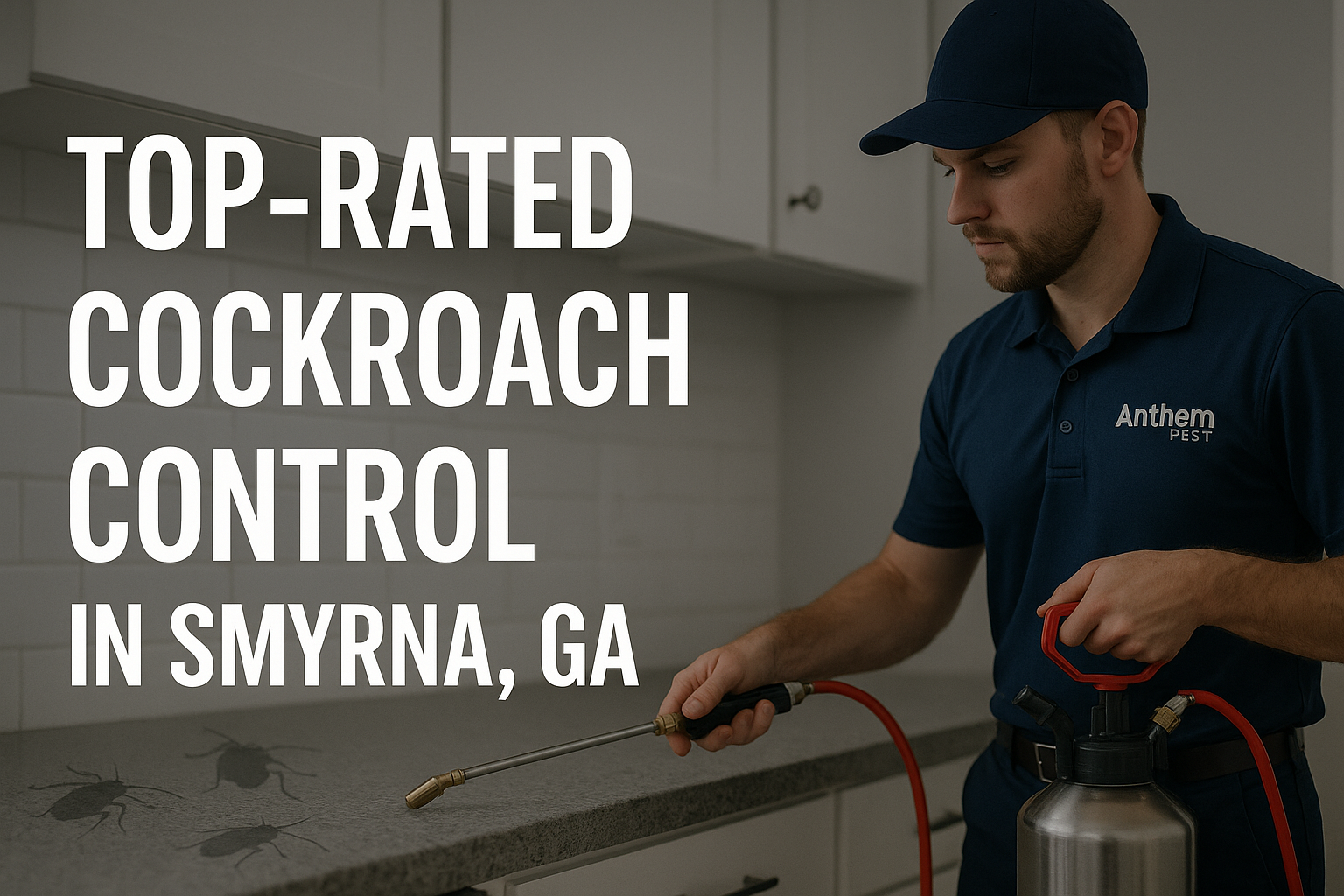
Carpet beetles may look harmless, but their larvae can chew through wool, silk, and even stored food. When evaluating carpet beetle control cost Sugar Hill, homeowners typically choose from four proven control methods: chemical sprays, heat treatments, fumigation, and a broader Integrated Pest Management (IPM) strategy that blends monitoring, sanitation, and targeted applications. Each option tackles the beetles at a different stage of their life cycle, and the right choice often depends on the size of the infestation, the type of items affected, and the homeowner’s comfort with chemicals.
DIY Products vs. Licensed Professionals
- Aerosol Sprays & Traps – Readily available at home‑improvement stores, these products are inexpensive (often $10‑$30) and easy to apply. They work best for a minor outbreak confined to a single room. However, they rarely reach hidden larvae inside wall voids or deep‑pile carpet, and repeated applications are usually needed.
- Professional Services – A licensed pest‑control company brings EPA‑approved formulations, specialized equipment, and the expertise to locate hidden infestations. While the upfront price is higher (typically $200‑$600 per treatment), the result is a comprehensive, long‑lasting elimination and a warranty that protects against re‑infestation.
In short, DIY solutions can buy you time, but for a persistent problem or a larger home, the professional route offers reliability, safety, and peace of mind.
What a Professional Carpet Beetle Treatment Looks Like
- Inspection – A certified technician conducts a thorough walk‑through, using flashlights, moisture meters, and sometimes pheromone traps to pinpoint adult beetles, larvae, and egg clusters.
- Targeted Application – Based on the findings, the technician selects the most effective product—often a residual spray or a dust formulation—and applies it to baseboards, under furniture, in wall cavities, and directly onto affected fabrics.
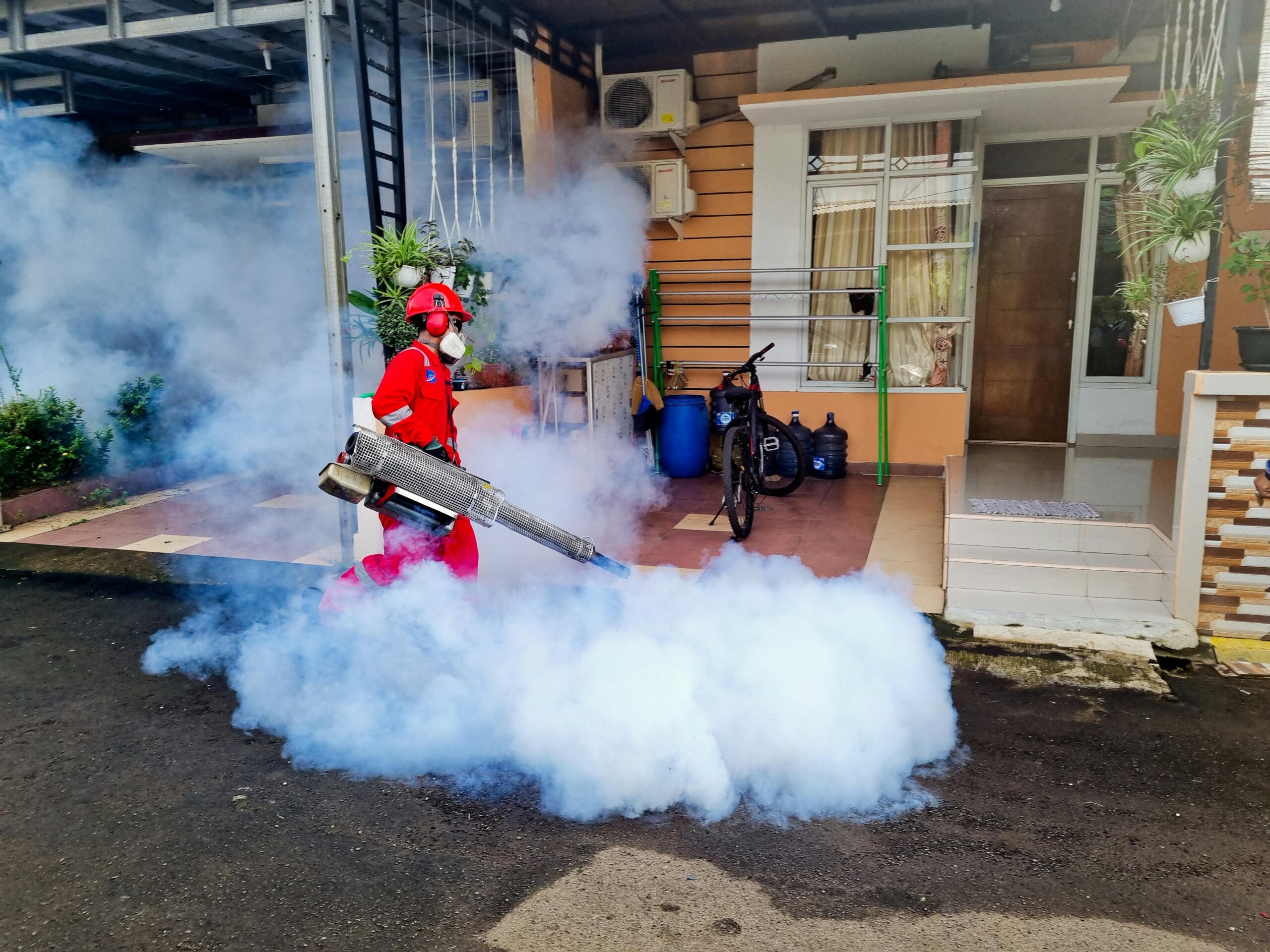
- Heat or Fumigation (if needed) – For severe infestations, the crew may raise room temperatures above 120°F for several hours or use a controlled fumigant to reach hidden larvae.
- Follow‑Up – One to two weeks later, the technician returns to assess progress, re‑treat any missed spots, and discuss preventative measures such as regular vacuuming, proper storage, and seasonal inspections.
Most homeowners in Sugar Hill find that a single professional visit, combined with a brief follow‑up, resolves the issue for up to a year—especially when paired with Anthem Pest Control’s warranty options.

Understanding the Numbers
The infographic above breaks down typical costs for Sugar Hill residents:
- Basic Chemical Spray – $180‑$250 (average 1,500‑sq ft home)
- Heat Treatment – $350‑$500 (covers up to 2,000 sq ft)
- Full IPM Package – $400‑$650 (includes inspection, treatment, and 12‑month warranty)
- National Average – $250‑$600 for comparable services
These figures illustrate that Sugar Hill pricing is generally in line with, or slightly lower than, the national average—thanks to competitive local markets and Anthem’s transparent pricing model.
Factors That Influence Your Final Quote
When you request a quote, expect the technician to consider four key variables:
- Property Size – Larger square footage requires more product and longer labor time.
- Infestation Severity – A light, isolated problem may need only a single spray, while a heavy, multi‑room infestation could call for heat or fumigation.
- Treatment Type – Integrated approaches that combine chemical, heat, and preventive measures carry a higher upfront cost but often reduce future expenses.
- Warranty Options – Adding a 12‑month guarantee typically adds $50‑$100 to the base price, protecting you from unexpected re‑infestations.
By understanding these drivers, you can ask the right questions and compare quotes more confidently.
For a deeper dive into pricing benchmarks and industry standards, visit the National Pest Management Association (NPMA). Their resources help homeowners gauge fair rates and ensure they’re getting value from their pest‑control investment.
Preventive Practices Every Homeowner Should Adopt
Carpet beetles are opportunistic feeders that love the cozy corners of a well‑kept home. The good news is that most infestations can be halted before they start by incorporating a few disciplined habits into your routine. Below are low‑cost, high‑impact steps that blend seamlessly with everyday life in Sugar Hill.
1. Regular housekeeping habits
- Vacuum frequently. Use a high‑efficiency vacuum on carpets, area rugs, and upholstered furniture at least once a week. Pay special attention to baseboards, under furniture, and the seams of cushions where larvae hide.
- Wash fabrics in hot water. Anything that can be laundered—blankets, pillowcases, curtains, and seasonal clothing—should be washed at 130°F (54°C) or higher. Heat kills eggs and larvae that may be clinging to fibers.
- Store seasonal items in sealed containers. Plastic bins with tight‑locking lids or vacuum‑seal bags keep mothballs, beetles, and their food sources from escaping into your living space.
2. Home maintenance tips
- Seal cracks and gaps. Apply caulk around windows, doors, baseboards, and any penetrations for utilities. Even a ¼‑inch opening can become a highway for beetles.
- Install door sweeps. Metal or rubber sweeps block insects from slipping under exterior doors, especially during the humid summer months.
- Control indoor humidity. Keep relative humidity below 60 % with a dehumidifier or proper ventilation. Dryer air discourages the fungal growth that carpet beetle larvae love to eat.
3. Seasonal checklist aligned with beetle activity
| Season | Key Tasks |
|---|---|
| Pre‑spring (February‑March) | Deep‑clean carpets and upholstery; launder winter blankets in hot water; inspect stored items for signs of damage. |
| Summer (June‑August) | Maintain humidity below 60 %; seal any new cracks from expansion; run the vacuum on high‑traffic areas twice weekly. |
| Fall (September‑October) | Perform a thorough inspection of attics and closets; store summer clothing in sealed containers; apply diatomaceous earth around baseboards. |
| Winter (December‑January) | Schedule a professional annual inspection; replace door sweeps if worn; continue regular vacuuming and laundry cycles. |
4. Professional annual inspections
Even the most diligent homeowner can miss hidden infestations. An annual visit from a certified pest‑control technician integrates the Integrated Pest Management (IPM) approach: identification, monitoring, and targeted treatment only when necessary. This partnership ensures that any early signs are caught before they evolve into costly damage.
5. Quick DIY treatment recipes
- Diatomaceous earth (DE) dust. Lightly sprinkle food‑grade DE along baseboards, under furniture, and in closet corners. The microscopic shards pierce the beetle’s exoskeleton, dehydrating it.
- Vinegar‑spray solution. Mix one part white vinegar with three parts water in a spray bottle. Lightly mist fabric surfaces that cannot be laundered; vinegar disrupts the beetle’s scent trails.
6. Safety cautions
When handling DE, wear a dust mask and avoid inhalation; it can irritate lungs. Vinegar is safe for most fabrics but test a hidden area first to prevent discoloration. Always keep DIY products out of reach of children and pets.
7. EPA and CDC guidance
The EPA’s indoor pesticide guidelines stress using the lowest‑effective dose and limiting applications to areas where people spend the most time. Likewise, the CDC’s indoor air quality recommendations advise proper ventilation during and after any pesticide use to protect respiratory health.
By weaving these preventive steps into your regular routine, you create a multi‑layered shield that keeps carpet beetles at bay year after year—saving you time, stress, and the expense of an emergency extermination.
Take Control of Carpet Beetles with Anthem Pest Control
Quick Recap: What You’ve Learned
Carpet beetles are tiny, sneaky pests that love to feast on natural fibers in your home. You’ve seen how to spot their tell‑tale signs—tiny holes in clothing, shed skins, and the distinctive “coconut‑scented” larvae. Seasonal risk peaks in late spring through early fall when adult beetles emerge and start laying eggs inside your house. Acting fast before the infestation spreads is the key to protecting your carpets, upholstery, and cherished heirlooms.
Why Anthem Pest Control Is Your Best Ally
When it comes to carpet beetle management, Anthem brings a blend of expertise and local insight that few can match. Our licensed technicians undergo rigorous training on the biology of carpet beetles and the most effective treatment protocols. We use only EPA‑approved products that target the insects at every life stage while keeping your family and pets safe.
Transparent Pricing, No Surprises
At Anthem, we believe you deserve clear, upfront costs. Our pricing structure is simple: a flat rate for the initial inspection, followed by a transparent fee for the treatment plan you choose. No hidden fees, no guesswork—just a straightforward quote that lets you budget with confidence.
Local Knowledge That Makes a Difference
We’ve serviced dozens of homes throughout Sugar Hill’s neighborhoods, from historic bungalows to newer cul‑de‑sacs. That on‑the‑ground experience means we know the common entry points, the types of furnishings most at risk, and the timing that works best for our community’s climate. Our technicians tailor each service to fit the unique layout of your home, ensuring thorough coverage and lasting results.
A Friendly Invitation
If you’ve noticed any of the signs above—or simply want peace of mind knowing your home is protected—our team is ready to help. We offer a free, no‑obligation quote so you can see exactly what’s involved before any work begins.
Get Started Today
Give us a call at 877‑371‑8196 or visit Anthem Pest Control to schedule your inspection. Our friendly staff will answer your questions, walk you through the process, and set up a convenient appointment time.
Take the first step toward a carpet-beetle-free home—visit Anthem Pest Control to learn more about carpet beetle control cost Sugar Hill and get your free quote today.