Identifying Centipedes in Canton, GA Homes
What a centipede looks like
Centipedes are the fast-moving, many-legged critters you sometimes spot darting across a bathroom floor at night. In Georgia, the most common species are the house centipede (Scutigera coleoptrata) and the larger soil centipede, both of which often raise questions about centipede control cost Canton homeowners may face. House centipedes typically measure 1½ to 2 inches long, have a sleek, yellow-ish body with three dark longitudinal stripes, and boast 15 pairs of long, slender legs that fan out from the front of their heads. Soil centipedes are bulkier, ranging from 2 to 4 inches, with a reddish-brown hue and a more rounded silhouette.
Where they slip in and set up shop
Centipedes are opportunistic house guests. They love cool, damp environments where their prey—spiders, silverfish, and other small insects—thrive. Typical entry points include:
- Cracks around foundations, windows, and doors.
- Gaps around utility penetrations (pipes, vents, and wiring).
- Openings in basement walls or crawl‑space vents.
Inside the home, you’ll most often find them in bathrooms, kitchens, and laundry rooms—places that stay moist after showers or dishwashing. Around the exterior, mulch beds, firewood piles, and leaf litter provide the perfect refuge for centipedes to hide during the day and emerge at night.
Early warning signs of activity
Before a full‑blown infestation, centipedes leave tell‑tale clues:
- Shed skins: As they grow, they molt. Tiny, translucent exoskeletons near baseboards or in bathroom corners are a clear indicator.
- Rapid, erratic movement: Spotting a centipede scurrying across a wall or floor—especially after a rainstorm—means they’re already inside.
- Bite marks: Though rare, a centipede bite can leave a small, red welt that may itch for a day or two.
- Seasonal spikes: Warm, humid weeks (late spring through early fall) often trigger increased sightings because centipedes seek cooler indoor spaces.
Health considerations you should know
Most centipede bites are harmless. The venom is weak, and a bite usually feels like a mild pinprick followed by brief redness. However, some individuals experience an allergic reaction—swelling, itching, or a rash that lasts longer than a few hours. If you notice any unusual swelling, difficulty breathing, or a spreading rash after a bite, seek medical attention promptly.
Centipedes vs. look‑alikes
It’s easy to confuse centipedes with other multi‑legged guests. Here’s a quick cheat sheet:
| Feature | Centipede | Millipede | Spider |
|---|---|---|---|
| Leg count | One pair per body segment (15‑23 pairs) | Two pairs per segment (30‑400 legs) | Eight legs total |
| Body shape | Sleek, flattened, fast‑moving | Rounded, slow, often curls into a coil | Varies; generally compact with distinct cephalothorax |
| Movement | Rapid, zig‑zag | Slow, deliberate | Quick bursts, often on webs |
| Defensive behavior | Can bite; releases defensive secretions | Coils and may release a foul odor | May bite or retreat to web |
Trusted resources for accurate identification
When in doubt, the EPA Integrated Pest Management (IPM) guidelines provide reliable identification tools and best‑practice advice for homeowners. Following IPM principles—inspection, proper identification, and targeted treatment—helps keep your home pest‑free while minimizing chemical use.
Seasonal Activity Patterns of Centipedes in Canton, GA
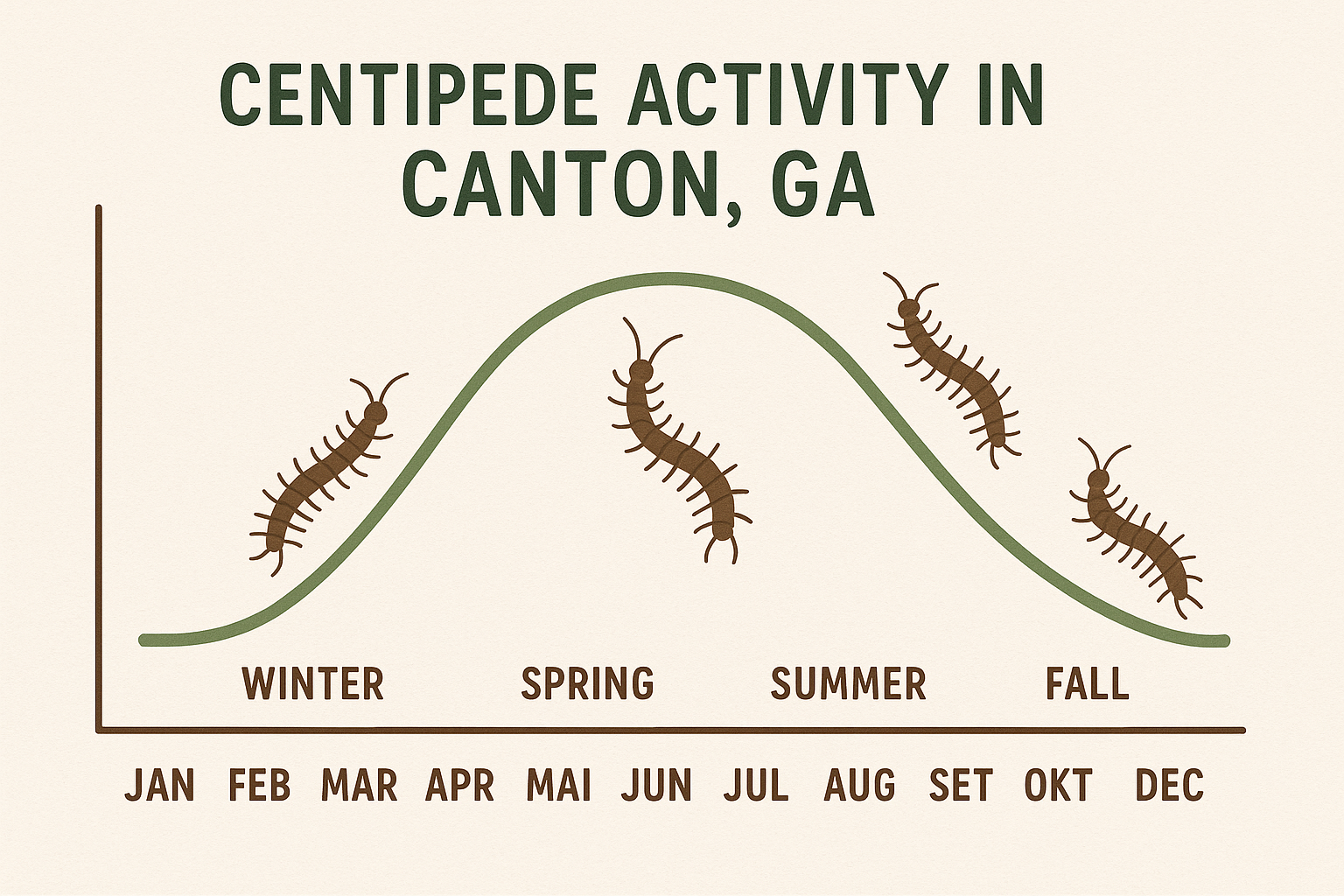
Centipedes thrive on a delicate balance of temperature and moisture, so their life cycle in Canton mirrors the region’s climate swings. After hatching, juveniles stay hidden in leaf litter, soil, or under stones, waiting for the right conditions to molt and grow. Warm, damp environments accelerate their metabolism, prompting faster development and more frequent breeding, which can influence overall centipede control cost Canton homeowners may face if activity goes unchecked. Conversely, dry, cool periods slow their activity, causing them to retreat deeper into shelter. Understanding this rhythm helps homeowners anticipate when centipedes are most likely to appear inside the house.
Peak Activity: Spring and Summer
From March through August, Canton experiences rising daytime highs and frequent rain showers—perfect fuel for centipede activity. The warmth raises soil temperatures, while humidity keeps the ground moist, creating ideal breeding grounds. Adult females lay clusters of eggs in protected, damp sites, and the hatchlings emerge quickly under these favorable conditions. As a result, you’ll notice more centipedes scurrying across basements, bathrooms, and crawl spaces during these months. Their increased foraging also means they’re more likely to wander into homes in search of prey.
Fall Transition and Winter Lull
When September rolls in, daytime temperatures begin to dip and rainfall becomes sporadic. Centipedes respond by reducing their foraging trips and seeking deeper refuge in the soil or under insulation. Activity remains moderate through October and early November, but by December most individuals have entered a state of dormancy, clustering in the warmest corners of your home—often near radiators, water heaters, or kitchen appliances. In the coldest weeks, they rarely emerge, making winter the lowest‑risk period for indoor sightings.
Monitoring Tips for Every Season
- Spring: Conduct visual inspections around entry points, especially after heavy rains. Look for shed exoskeletons near foundation cracks.
- Summer: Place sticky traps in damp areas such as basements, laundry rooms, and under sinks. Check traps weekly and replace as needed.
- Fall: Reduce indoor humidity with a dehumidifier and seal cracks where moisture accumulates.
- Winter: Perform a quick walkthrough of warm rooms; focus on corners near heating vents where centipedes may congregate.
Seasonal Activity Chart
| Month | Activity Level | Key Environmental Cue |
|---|---|---|
| January | Very Low | Cold temperatures; indoor heating |
| February | Very Low | Continued chill, limited moisture |
| March | Low to Moderate | Warming soil, early rains |
| April | Moderate | Consistent rain, comfortable temps |
| May | High | Peak humidity, breeding season starts |
| June | High | Warmest month, abundant moisture |
| July | High | Continued heat and humidity |
| August | High | Late‑summer rains sustain activity |
| September | Moderate | Temperatures begin to fall |
| October | Low to Moderate | Cooler nights, reduced moisture |
| November | Low | Approaching winter, insects scarce |
| December | Very Low | Cold snap, centipedes seek deep shelter |
By aligning inspections and treatments with these seasonal patterns, Canton homeowners can catch centipedes when they’re most active, reducing the chance of surprise encounters and keeping indoor spaces comfortable year‑round.
Treatment Options and Pricing for Centipede Infestations
Centipedes are fast-moving, nocturnal hunters that love the damp corners of your home. When they start showing up in kitchens or bathrooms, you need a solution that’s both effective and budget-friendly, especially when evaluating centipede control cost Canton homeowners may encounter. Below, we break down the three most common control methods, their price ranges in Canton, GA, and the factors that can shift the final bill.
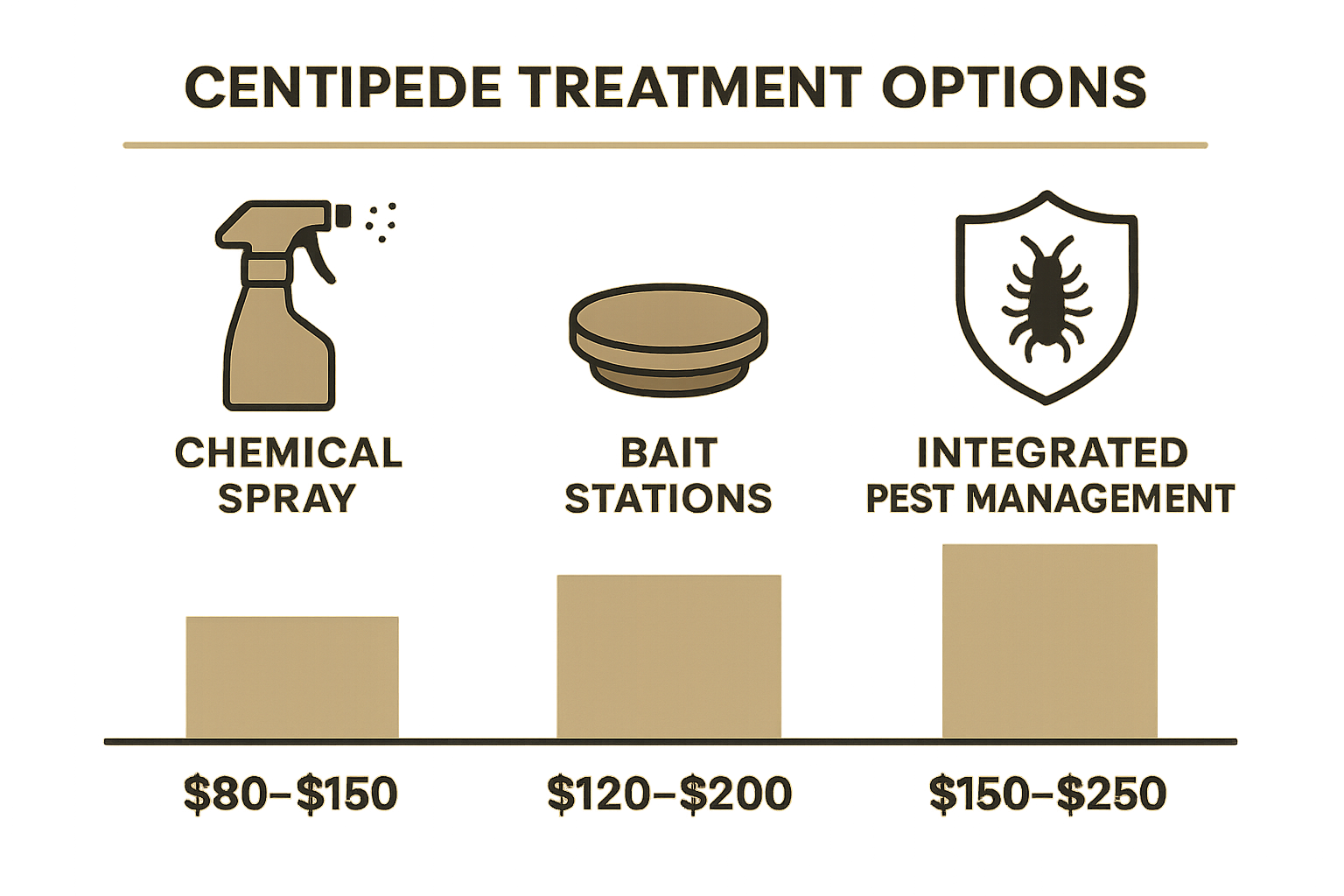
Chemical Spray
A professional-grade insecticide is applied directly to baseboards, cracks, and other entry points where centipedes hide. The spray creates a residual barrier that kills on contact and continues to work for several weeks.
- Typical application areas: baseboards, door frames, under sinks, and any cracks or crevices where moisture accumulates.
- Pros: Immediate knock‑down effect, broad coverage, and relatively low upfront cost.
- Cons: May require re‑application after heavy rain or thorough cleaning; some homeowners prefer fewer chemicals inside the home.
Price range: $80‑$150 per treatment, depending on square footage and severity of the infestation.
Bait Stations
Bait stations are placed in strategic locations—usually along walls, under appliances, and in dark, moist spots. The bait contains a slow‑acting toxin that centipedes carry back to their hiding places, effectively reducing the population from within.
- Placement strategy: 3‑5 stations for an average single‑family home; more for larger properties or severe infestations.
- Longevity: Baits can remain effective for 2‑3 months, providing ongoing control without daily visits.
- Pros: Low visibility, continuous action, and reduced need for repeated chemical applications.
- Cons: Takes time to see results (often 1‑2 weeks), and stations must be monitored and replaced periodically.
Price range: $120‑$200, which includes the bait material, placement, and a follow‑up check.
Integrated Pest Management (IPM)
IPM blends sanitation, structural exclusion, and targeted treatments to keep centipedes out for the long term. An IPM plan might involve sealing cracks, fixing leaky pipes, reducing clutter, and then applying a focused chemical or bait treatment where needed.
- Components: moisture control, habitat reduction, exclusion (door sweeps, window screens), and a customized chemical or bait regimen.
- Pros: Addresses the root causes, reduces future infestations, and often results in the best overall value.
- Cons: Higher initial investment and requires homeowner cooperation for sanitation steps.
Price range: $150‑$250, reflecting the comprehensive nature of the service and the additional labor involved.
Factors Influencing the Final Cost
While the price brackets above give a solid baseline, several variables can push the total up or down:
- Infestation severity: Heavy, multi‑room infestations demand more product and labor.
- Property size: Larger homes or those with extensive crawl spaces require additional treatment points.
- Repeat visits: Ongoing monitoring or follow‑up visits are often discounted when bundled into a yearly service plan.
- Home layout: Complex floor plans or hard‑to‑reach areas (basements, attics) can increase labor time.
Choosing the Right Method for Your Home
Start by assessing your situation:
- Is the infestation just beginning, or are you seeing centipedes daily? Light sightings often respond well to a single chemical spray.
- Do you prefer a set‑and‑forget approach? Bait stations provide continuous control with minimal homeowner effort.
- Are you looking for a long‑term solution that tackles moisture and entry points? IPM is the most comprehensive, though it requires a bit more upfront work.
Match your budget with your comfort level. If cost is the primary driver and you need fast results, a chemical spray in the $80‑$150 range may be the best start. For homeowners willing to invest a little more for ongoing protection, bait stations or an IPM package will pay off over time.
| Method | Typical Cost | Speed of Results | Duration of Effect | Key Pros | Key Cons |
|---|---|---|---|---|---|
| Chemical Spray | $80‑$150 | Immediate | 2‑4 weeks | Fast knock‑down, low upfront cost | May need re‑application after rain or cleaning |
| Bait Stations | $120‑$200 | 1‑2 weeks | 2‑3 months | Continuous action, hidden from view | Slower visible results, requires monitoring |
| Integrated Pest Management (IPM) | $150‑$250 | Varies (often 1‑2 weeks after initial treatment) | Long‑term (months to years) | Addresses root causes, best long‑term value | Higher initial cost, needs homeowner cooperation |
By weighing the pros, cons, and price points against your home’s specific conditions, you can choose a centipede control strategy that fits both your budget and your peace of mind. If you’re unsure which route to take, give Anthem Pest Control a call at 877‑371‑8196 or visit our website for a free, no‑obligation estimate tailored to Canton, Georgia.
Prevention Strategies and When to Call a Professional

Reduce Moisture – The First Line of Defense
Centipedes thrive in damp environments, so the moment you notice excess moisture, you’ve given them an invitation. Start by fixing any leaky pipes, faucets, or roof spots. A simple drip can keep a centipede colony comfortable for weeks.
Use dehumidifiers in basements, crawl spaces, and closets where humidity tends to linger. Aim for a relative humidity below 50 %; that level is uncomfortable for most moisture‑loving pests.
Finally, grade the soil around your home so water runs away from the foundation. A gentle slope of at least 6 inches over the first 10 feet prevents pooling and keeps the crawl‑space dry.
Eliminate Clutter – Remove Their Hiding Places
Stacks of firewood, boxes, or old furniture create perfect shelters. Store firewood at least three feet away from the house and elevate it on a pallet to allow air circulation.
Keep basements and garages tidy; sweep away leaf litter, cardboard, and any debris that could serve as a night‑time retreat. Trim back shrubs, vines, and tree branches that touch the siding—centipedes can use these natural bridges to slip indoors.
Seal Entry Points – Close the Gaps
Every crack in a foundation wall or gap around a pipe is a potential doorway. Use a high‑quality silicone or acrylic caulk to seal gaps larger than ¼ inch.
Install door sweeps on exterior doors and ensure weatherstripping is intact. Check window screens regularly; even a tiny tear can let a centipede slip through.
Outdoor Maintenance – Keep the Perimeter Unwelcoming
Mulch and leaf litter are moisture‑retaining blankets that attract centipedes. Keep a clear strip—about two feet—of bare soil or stone between your house and any mulch beds.
Rake leaves weekly during the fall and spring. This not only reduces moisture but also removes the shelter that centipedes use to hunt for insects around your home.
Routine Inspections – Spot Problems Before They Grow
Schedule quarterly walk‑throughs of your property. Look for shed skins (they look like translucent, flattened shells) and small, dark droppings near baseboards or in closets. These are early warning signs that centipedes are active.
Identify “hot spots” where you see the most activity and treat those areas with a targeted, low‑toxicity spray. Consistent monitoring can keep a minor issue from turning into a full‑blown infestation.
Red Flags That Warrant Expert Intervention
- Large numbers: A handful of centipedes is manageable; dozens crawling across floors signal a breeding site that DIY methods won’t reach.
- Bites or allergic reactions: While rare, centipede bites can cause localized pain and swelling. If you or a family member reacts, call a professional.
- Treatment failure: If you’ve applied sprays, traps, or moisture controls for more than a month with little change, it’s time to bring in a specialist.
Professional Fogging & Fumigation – Breaking the Cycle
When a homeowner’s efforts fall short, licensed technicians can apply fogging or fumigation treatments that penetrate cracks, voids, and hidden voids where centipedes hide. These methods deliver a residual barrier that not only kills existing insects but also disrupts the life cycle, preventing new hatchlings from emerging.
Anthem Pest Control uses EPA‑approved products that are safe for families and pets when applied correctly. A single fogging session can provide up to six months of protection, especially when paired with the moisture‑reduction steps outlined above.
Putting It All Together
Think of centipede prevention as a layered shield: dry the environment, clear the clutter, seal every entry, and keep a vigilant eye on the perimeter. When those layers are breached or the infestation grows beyond DIY control, a professional fogging or fumigation service becomes the most effective way to restore peace of mind.
Secure Expert Centipede Control with Anthem Pest Control

When centipedes keep showing up after DIY sprays, it’s a clear sign that a professional assessment is the safest, most effective route. A trained technician can identify the exact entry points, locate hidden harborage areas, and determine whether the infestation is seasonal or chronic. That level of detail simply isn’t possible with a store‑bought pesticide, and it prevents you from wasting time and money on temporary fixes.
Anthem Pest Control brings more than a decade of experience to every Canton home. Our certified technicians rely exclusively on EPA‑approved Integrated Pest Management (IPM) products, which blend low‑toxicity chemicals with proven cultural controls. Because we disclose every ingredient and cost up front, you never face hidden fees or surprise applications. The result is a transparent, science‑backed treatment plan that eliminates centipedes while keeping pets and children safe.
Living in Canton, GA means dealing with a unique seasonal rhythm. Warm, humid summers encourage centipedes to seek shelter indoors, while the cooler fall months trigger them to hide in wall voids and crawl spaces. Our local teams track these patterns year after year, allowing us to schedule pre‑emptive treatments just before peak activity. That timing, combined with a customized spray map for your property, maximizes protection and minimizes the chance of a surprise crawl‑in.
To give you peace of mind, Anthem backs every centipede treatment with a satisfaction guarantee. If you notice activity returning within 30 days, we’ll revisit your property at no extra charge and adjust the plan as needed. Additionally, we offer optional quarterly inspections that keep your home ahead of seasonal spikes, ensuring that once the centipedes are gone, they stay gone.
If you’ve started spotting centipedes in basements, bathrooms, or near outdoor lighting, or if you simply want to fortify your home before they become a nuisance, our certified technicians are ready to help. A free, no‑obligation quote takes just a few minutes over the phone, and we’ll walk you through the exact steps we’d take for your specific situation. Call us today at 877‑371‑8196 or click the link below to schedule your assessment.
For more details on our centipede management program, pricing structure, and the science behind our IPM approach, visit Anthem Pest Control website to learn more about centipede control cost Canton homeowners can expect. There you’ll find homeowner testimonials from Canton neighborhoods, a FAQ page that answers common concerns, and an easy online form if you prefer to request a quote in writing. Whatever method you choose, rest assured that you’re partnering with a team that values safety, transparency, and long-term protection.