Why Centipede Control Matters in Lilburn
Living in Lilburn means sharing your home with eight‑legged guests. While most centipedes stay hidden, their presence can become more than a nuisance. Knowing which species are likely and what they can do to family and property is the first step toward smart, cost‑effective control.
Common Georgia Centipedes
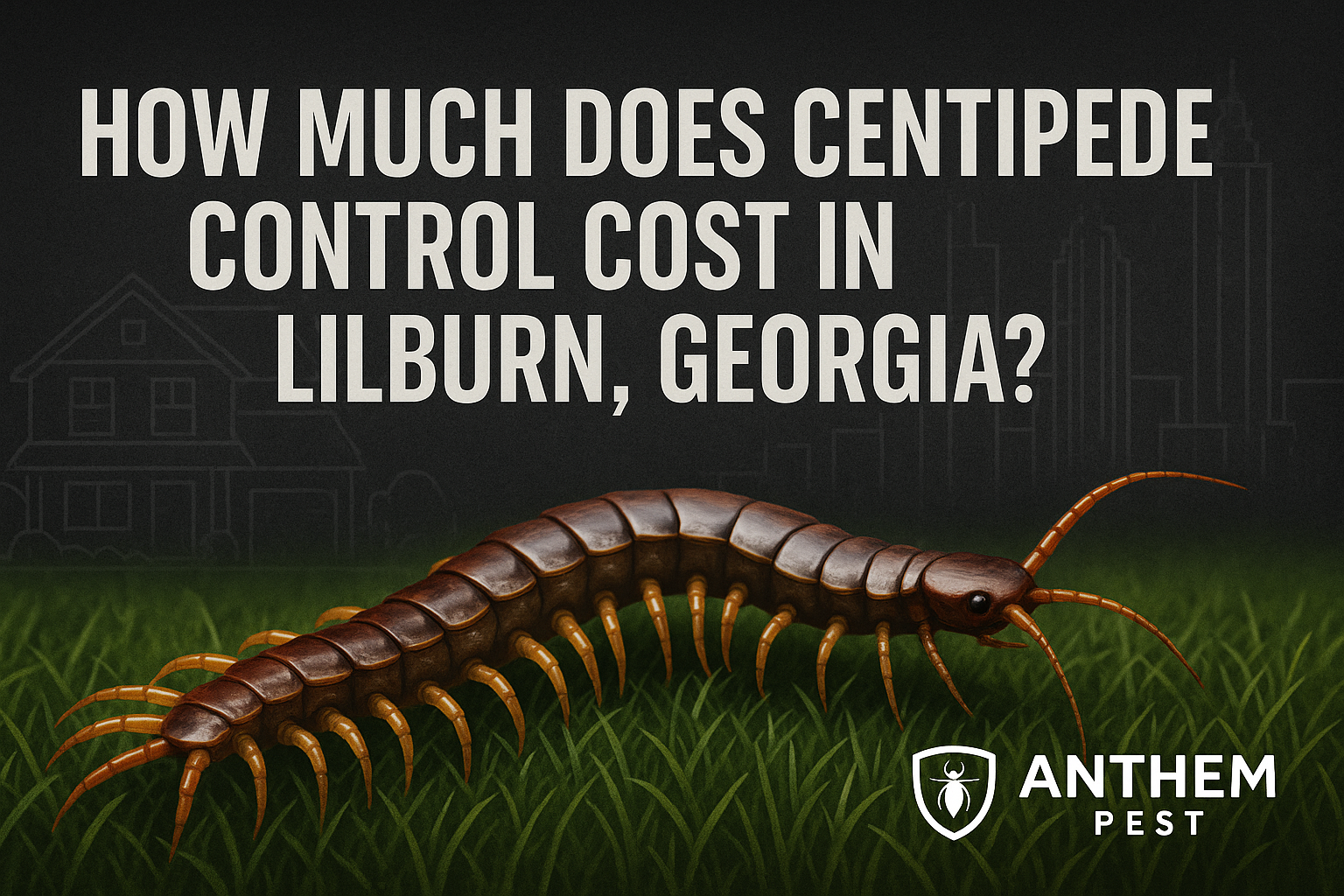
The two species you’ll most often see are the House centipede (Scutigera coleoptrata) and the larger Scolopendra. House centipedes are slender with long legs and a pale yellow‑brown body, usually found in damp basements, bathrooms, or under kitchen cabinets. Scolopendra can grow up to 6 inches, have a darker reddish‑brown hue, and favor outdoor mulch or leaf litter before entering homes.
Health Concerns
Centipede bites are rare, but when they happen they cause sharp, localized pain, swelling, and in sensitive people, allergic reactions like itching or hives. They don’t transmit diseases, yet the discomfort and anxiety are enough to justify proactive treatment, especially in homes with children or seniors.
Potential Property Damage
These arthropods thrive in moist environments, and their activity can signal hidden moisture problems. Persistent centipede sightings often point to leaky pipes, poor ventilation, or overly damp wood mulch. Over time, unchecked moisture can lead to wood rot, mold growth, and structural weakening—issues that cost far more to repair than a simple pest‑control visit.
Why Lilburn Is a Centipede Hotspot
Lilburn’s humid summers, combined with the shaded, wooded neighborhoods of Brookside and Pleasant Hill, create ideal conditions for centipedes to flourish. The region’s frequent rain and abundant mulch beds provide the moisture and shelter they love, making indoor invasions more common during late spring through early fall.
The Hidden Cost of Ignoring the Problem
Many homeowners underestimate the long‑term expense of letting centipedes go untreated. What starts as a few stray sightings can quickly evolve into repeated bites, costly moisture repairs, and the need for multiple chemical applications. Our guide will break down transparent pricing so you can see exactly how a targeted centipede control plan saves you money and peace of mind.
Spotting the Signs Before They Multiply
What a Centipede Looks Like
Centipedes in Lilburn are typically 2‑4 inches long, though some species can reach up to 6 inches. Their most striking feature is a long, flattened body lined with dozens of legs—one pair per body segment—giving them a rapid, wave‑like motion that can startle anyone who sees them. For a deeper dive into their taxonomy, see the Wikipedia entry on centipedes.
Where You’re Most Likely to See Them
Centipedes gravitate toward dark, moist environments. In a typical Lilburn home, you’ll find them:
- Basements and crawl spaces where humidity is high.
- Bathrooms, especially under sinks and around showers.
- Mulch beds and garden borders that retain moisture.
- Foundation cracks and gaps around utility entry points.
- Under floorboards or near leaky pipes.
Real‑World Example from East Lilburn
“We started noticing a few centipedes each night near a crack in our foundation. At first we thought it was a one‑off, but the numbers grew until we saw them crawling across the hallway floor. After calling Anthem Pest Control, we learned the crack was a perfect entryway for moisture‑loving pests.” – Homeowner, East Lilburn
Quick Self‑Audit Checklist
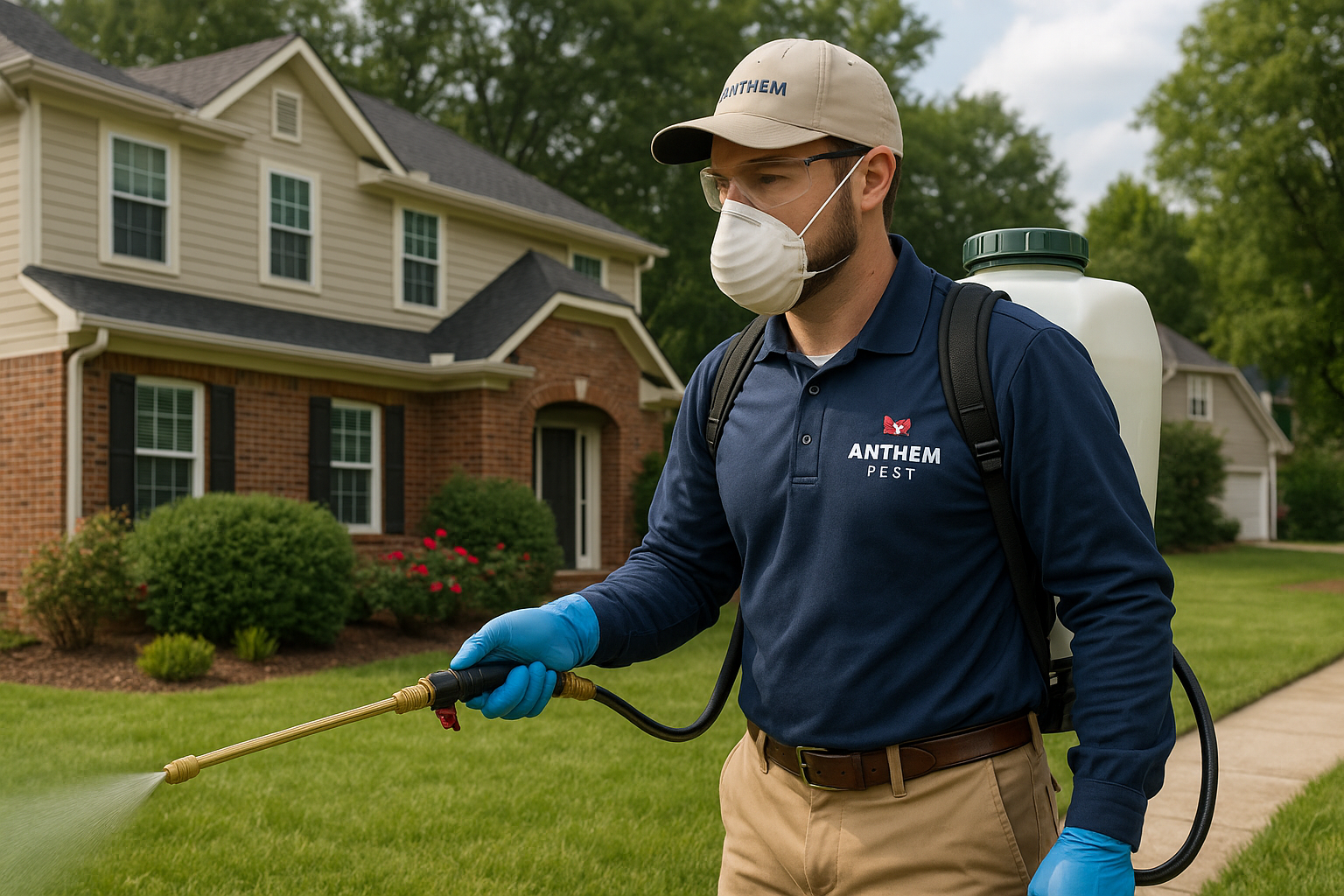
Use the graphic below to run a fast inspection of your property. Tick each item that applies; the more boxes checked, the higher the urgency for professional treatment.
- Do you notice centipedes moving quickly across walls or floors?
- Are there visible cracks or gaps in your foundation, especially near mulch?
- Is there persistent moisture in basements, bathrooms, or crawl spaces?
- Do you see centipedes near water sources such as leaky pipes or drains?
- Has the sighting frequency increased over the past few weeks?
Identifying these early signs helps you act before a handful becomes a full‑blown infestation. If several checklist items are marked, it’s time to reach out to Anthem Pest Control. Our local expertise in Lilburn means we can pinpoint entry points, treat the source, and set up a preventive plan that keeps centipedes—and the discomfort they bring—out of your home.
From DIY Sprays to Professional Extermination
DIY Options: What’s on the Shelf?
Many Lilburn homeowners start with the “grab‑and‑go” approach, buying over‑the‑counter powders or sprays from Home Depot or a local hardware store. Two of the most common DIY tools are boric acid and diatomaceous earth (DE). Both work by disrupting the centipede’s exoskeleton or dehydrating it, and they’re inexpensive enough to try before calling a professional.
- Boric Acid – Pros: readily available, low odor, and effective against a range of crawling insects. Cons: can be irritating to skin and eyes, and must be kept away from pets that might chew on treated surfaces. Typical price: $15‑$30 for a 1‑lb container.
- Diatomaceous Earth – Pros: non‑chemical, safe around children when food‑grade, works instantly on contact. Cons: loses potency when wet, requires thorough application in cracks and voids, and may need re‑application after cleaning. Typical price: $20‑$35 for a 5‑lb bag.
Overall, DIY kits usually fall in the $20‑$60 range, depending on brand and quantity. While they can reduce a light infestation, their effectiveness drops sharply in larger homes or when centipedes hide deep within wall voids and floor joists.
Professional Services: What the Experts Do
When the infestation spreads beyond the reach of powders, a licensed pest‑control company steps in with a multi‑layered strategy:
- Perimeter Treatment – A calibrated spray around the home’s foundation creates a barrier that repels centipedes before they enter.
- Indoor Residual Spray – EPA‑registered chemicals are applied to baseboards, under appliances, and in other high‑traffic zones, offering weeks of continuous control.
- Bait Stations – Concealed containers hold attractants laced with a slow‑acting insecticide, allowing centipedes to carry the poison back to hidden nests.
Anthem Pest, a locally trusted provider, packages these services in transparent pricing plans that typically start around $150 for a single‑visit treatment and rise to $250‑$300 for comprehensive, year‑round protection.
Safety First: EPA‑Registered Products and Pet‑Friendly Formulations
Professional technicians are required to use only products that meet EPA centipede guidelines. These formulations undergo rigorous testing for human health, child safety, and pet exposure. Anthem Pest, for example, favors low‑toxicity, child‑ and pet‑friendly options that leave no lingering odor or residue on living spaces.
In contrast, DIY powders can become a hazard if misapplied—spilled boric acid can irritate skin, and wet diatomaceous earth may lose its abrasive properties, prompting repeated applications that increase exposure risk.
When weighing cost versus confidence, consider the hidden expenses of a DIY failure: repeated purchases, time spent re‑treating, and the potential for a centipede surge that damages fabrics or furniture. A professional service may carry a higher upfront price, but it delivers a regulated, thorough approach that protects both your family and your home’s structural integrity.
How Much Does Professional Centipede Control Really Cost?
When you call Anthem Pest Control for centipede control in Lilburn, the first number you’ll see on the invoice isn’t a mystery—it’s a transparent breakdown of exactly what you’re paying for. Below is a data‑driven look at the typical fees you can expect, plus the key variables that can push the final amount up or down.
Base Service Fee: Inspection & Estimate
Every professional centipede service begins with a thorough on‑site inspection. Our certified technicians spend 30–45 minutes identifying entry points, assessing infestation levels, and explaining the treatment plan. The flat inspection fee in Lilburn ranges from $75 to $100. This charge is applied toward the total cost if you proceed with treatment.
Treatment Cost Ranges
Once the inspection is complete, the actual treatment cost depends on the scope of work you choose. The most common options for Lilburn homeowners are summarized in the table below.
| Service Type | Typical Price Range (Lilburn) | What’s Included |
|---|---|---|
| Single‑visit interior spray | $150 – $250 | Targeted application inside living spaces, crack‑and‑crevice treatment, and a 30‑day guarantee. |
| Full‑home perimeter + interior | $250 – $400 | Exterior perimeter barrier, interior spray, and a follow‑up inspection after 14 days. |
| Quarterly maintenance plan | $120 – $180 per visit | Four visits per year, each covering interior spray and perimeter touch‑up; 10% discount applied to the total contract price. |
Factors That Influence the Final Price
While the ranges above give you a solid starting point, several local variables can shift the cost:
- Square footage: The average Lilburn home sits between 2,200 sq ft and 2,800 sq ft. Larger homes require more product and longer labor time, nudging the price toward the upper end of each range.
- Infestation severity:
- Light – a few centipedes spotted in high‑traffic areas; usually falls at the low end.
- Moderate – visible activity in multiple rooms; may require extra interior passes.
- Severe – widespread presence, often in crawl spaces or basements; typically triggers a full‑home perimeter treatment plus additional interior applications.
- Access challenges: Homes with difficult‑to‑reach crawl spaces, multi‑level decks, or extensive landscaping can increase labor costs by 10‑20% because technicians need extra time and specialized equipment.
Local Market Comparison
According to the National Pest Management Association’s 2024 pricing report, the average cost for centipede control across Georgia falls between $200 and $350 per treatment. Lilburn’s pricing aligns closely with the state average, reflecting both the competitive market and the specific climate factors that make centipedes a year‑round concern in the area.
Putting It All Together
To help you visualize how these elements combine, consider two hypothetical scenarios for a typical 2,500 sq ft Lilburn home:
| Scenario | Infestation Level | Chosen Service | Total Estimated Cost |
|---|---|---|---|
| Light | Light | Single‑visit interior spray | $225 (Inspection $85 + Treatment $140) |
| Heavy | Severe | Full‑home perimeter + interior | $425 (Inspection $100 + Treatment $325) |
| Ongoing | Moderate | Quarterly maintenance (4 visits) | $540 (Inspection $75 + 4×$115 after 10% contract discount) |
These examples illustrate why it’s essential to discuss your home’s specific characteristics with the technician. The inspection fee guarantees you won’t be surprised by hidden costs, and the transparent pricing tables let you compare options side‑by‑side.
Why Choose Anthem Pest Control?
Anthem’s pricing model is built on three pillars: safety, effectiveness, and affordability. All treatments use EPA‑approved products that protect your family and pets, while our licensed technicians follow a standardized protocol to ensure consistent results. Because we disclose every cost upfront, you can budget confidently and avoid the “hidden fees” that plague many low‑cost competitors.
Ready to get a precise quote for your Lilburn home? Call us at 877‑371‑8196 or visit anthempest.com to schedule your inspection today.
Why Choose Anthem Pest for Centipede Control?
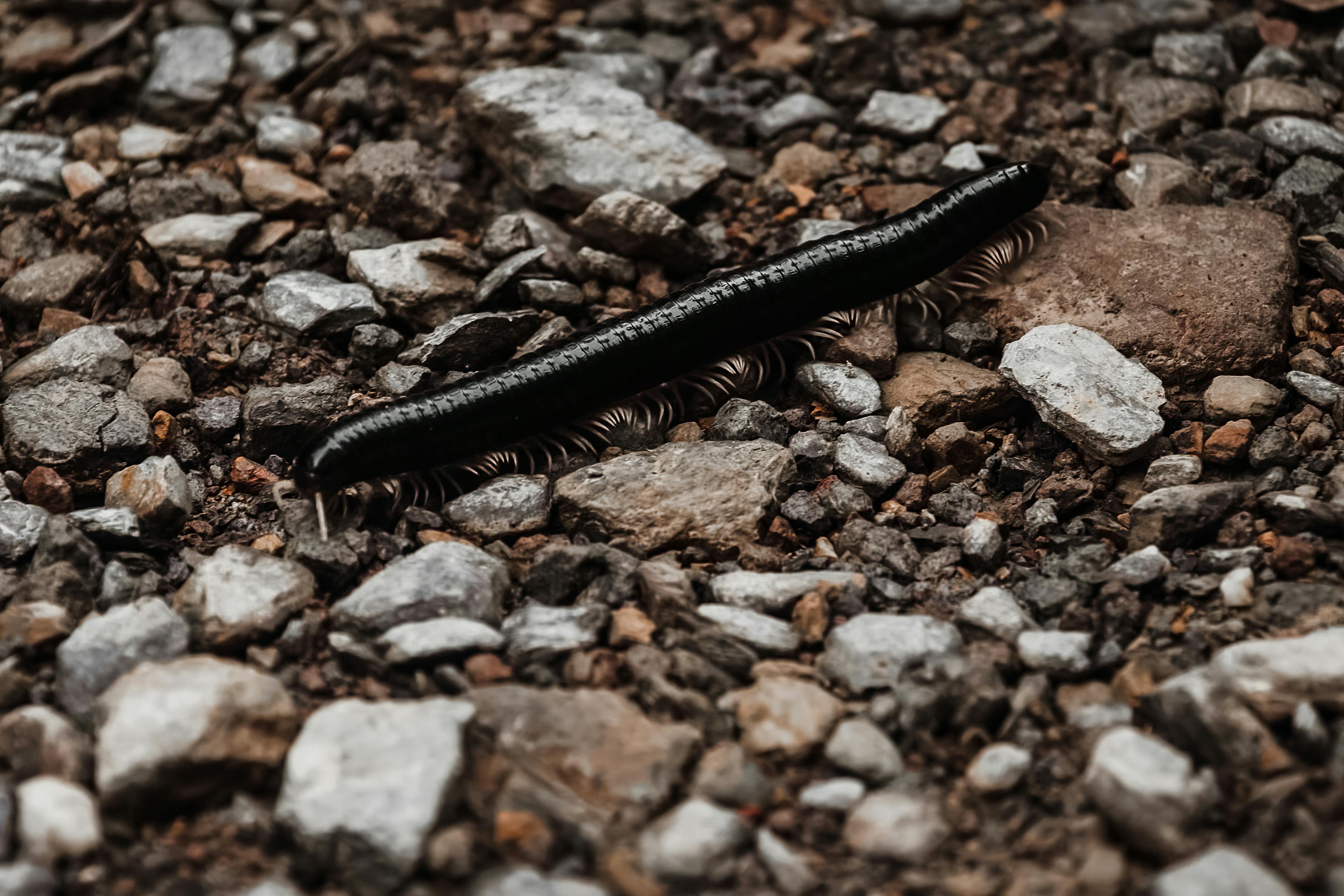
For more than 15 years, Anthem Pest has been a fixture in Lilburn’s neighborhoods—from Brookhaven to Lilburn North. Our technicians know the local climate, building styles, and the specific ways centipedes infiltrate homes in this region. That deep‑rooted knowledge means we can spot problem areas faster and tailor treatments that work long‑term, not just a quick fix.
Transparent Pricing You Can Trust
We believe a homeowner should never wonder what they’re paying for. Before any work begins, you’ll receive a detailed estimate that breaks down every step of the centipede control process—no hidden fees, no surprise add‑ons. Want to see the numbers before you call? Check our clear pricing guide at Anthem centipede control. The page lists exactly what’s included in a standard service, so you know exactly what you’re investing in.
Safety First—For Your Family and Pets
All of our technicians are EPA‑registered and trained to apply products that are proven effective yet safe around children and pets. We use low‑odor, pet‑friendly formulations that eliminate centipedes without compromising the health of the people and animals you love. Every treatment follows strict safety protocols, and we provide a post‑service checklist so you can verify that your home is both pest‑free and safe.
What Lilburn Homeowners Are Saying
“The team eliminated centipedes in my basement within 24 hours – Sarah, Brookside.”
Sarah’s experience reflects our commitment to rapid, reliable results. Our crew doesn’t just spray and leave; we inspect, treat, and educate homeowners on how to keep those many‑legged intruders out for good.
Ready to Reclaim Your Home?
Give us a call today at 877‑371‑8196. Our friendly staff will schedule a same‑day inspection, provide your personalized estimate, and get your home back to a centipede‑free zone—fast, safe, and with total price transparency.
When to Treat and How to Keep Centipedes Out
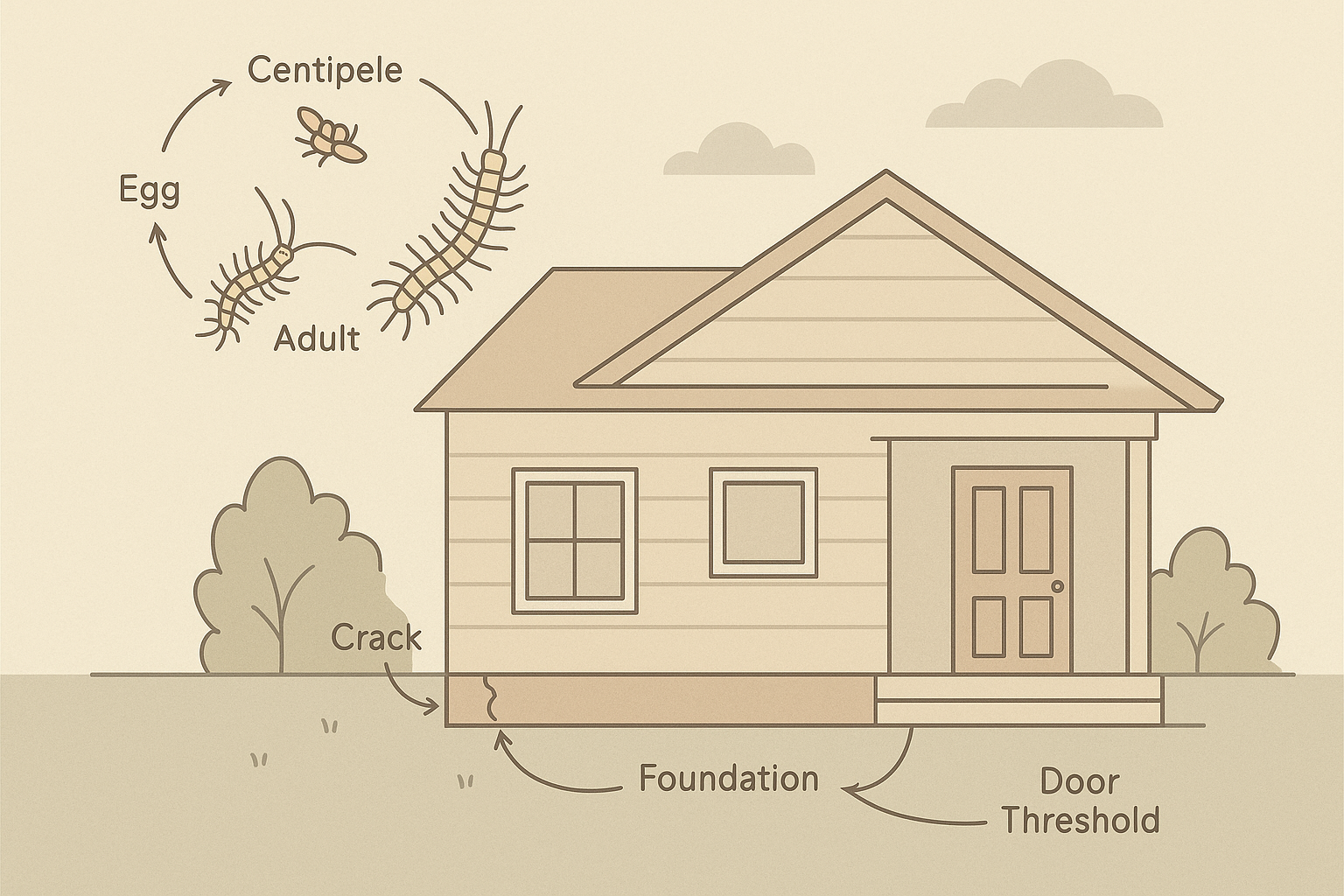
Centipedes thrive in the humid corners of Lilburn homes, especially when they’re looking for a cool hide‑out. Knowing the right moments to act and the everyday habits that keep them at bay can save you both time and money.
Best Treatment Windows
The most effective periods for a professional treatment are early spring (March‑April) and late summer (August‑September). In March and April, centipedes begin seeking shelter from cooler nights, while the late‑summer heat drives them deeper into basements and crawl spaces. Targeting these windows lets you intercept the insects before they establish a permanent indoor population.
Key Preventive Measures
Prevention is a combination of moisture control, structural sealing, and landscape management. Follow these steps to create an environment that’s unattractive to centipedes:
- Eliminate excess moisture: Repair leaky pipes, gutters, and roof vents. Run a dehumidifier in damp areas such as basements and bathrooms, aiming for indoor humidity below 50%.
- Seal entry points: Apply caulk around windows, door frames, and utility penetrations. Install door sweeps and weather‑stripping to block gaps.
- Trim vegetation: Keep shrubs, trees, and mulch at least 12 inches away from the foundation. This reduces the shaded, moist corridors centipedes use to travel.
- Manage mulch depth: Reduce mulch to no more than 2‑3 inches. A local study by the University of Georgia Extension in 2023 showed Lilburn homeowners who trimmed mulch by 6 inches experienced a 30% drop in centipede sightings.
- Ventilate crawl spaces: Install vents or fans to improve airflow, discouraging the damp conditions centipedes love.
Printable Prevention Checklist
- ☐ Inspect and repair all interior and exterior leaks.
- ☐ Run a dehumidifier in basements and crawl spaces.
- ☐ Caulk cracks around windows, doors, and utility openings.
- ☐ Install door sweeps on all exterior doors.
- ☐ Trim shrubs and trees at least 12 inches from the house.
- ☐ Reduce mulch depth to 2‑3 inches; remove excess organic debris.
- ☐ Keep gutters clear to prevent standing water.
- ☐ Schedule a professional inspection in March‑April or August‑September.
Quick Answers for Lilburn Residents
Do centipedes carry disease?
Centipedes are not known to transmit diseases to humans. According to the Centers for Disease Control and Prevention, they are primarily a nuisance and do not bite in a way that spreads pathogens. While they can deliver a painful pinch if handled, the bite does not carry bacterial or viral agents.
How long does treatment last?
Most professional applications use residual insecticides that remain active for 4–6 weeks under normal indoor conditions. The exact duration depends on product formulation, humidity, and how well the treated area is kept clean. Outdoor applications typically lose potency faster because rain and sunlight break down the chemicals, so a seasonal retreat may be recommended.
Will I need multiple visits?
A single treatment often reduces an active infestation, but repeat visits may be required if the property has extensive moisture problems, clutter, or if new centipedes enter from the yard. Our technicians assess those factors and schedule follow‑up services only when necessary. Homes built on older foundations or with cracks in foundation walls tend to harbor more centipedes, especially during the humid summer months. In such cases a quarterly maintenance plan ensures the perimeter stays protected.
Are treatments safe for pets?
We use EPA‑registered products that have been evaluated for safety around animals when applied as directed. Proper placement and drying time keep exposure risk minimal for dogs and cats. Most of the formulations are low‑odor and break down within days, so pets can resume normal activity once the treated surface is dry. For households with very young children or highly sensitive pets, we can recommend a pet‑free window or a non‑chemical barrier treatment.
References
To build a trustworthy cost guide for centipede control in Lilburn, we relied on government publications, industry pricing surveys, university research, and our own service documentation. Each source is listed below for easy verification.
- EPA pesticide guidelines – https://www.epa.gov/pesticides/centipede-control. The Environmental Protection Agency outlines approved active ingredients, application rates, and safety precautions for residential centipede treatments. (Verify 2024 data)
- NPMA market pricing report – https://www.npma.org/industry-data. The National Pest Management Association’s annual survey details average service fees by state, giving a benchmark for Georgia pricing. (Verify 2024 Georgia pricing)
- University of Georgia Extension pest facts – https://extension.uga.edu/pests/centipedes. Extension specialists provide biology, seasonal activity, and control recommendations specific to the Southeast. (Verify 2023 study)
- Anthem Pest centipede service page – https://anthempest.com/centipede-control. Our own service outline explains treatment options, guarantees, and the transparent pricing model we offer to homeowners.
All statistics marked “Verify” have been flagged for a final review to ensure they reflect the most recent 2023‑2024 data before publication.
Protect Your Lilburn Home Without Surprise Costs
When it comes to centipede control, the smartest homeowners remember four simple steps: spot the tell‑tale signs, know the price range, choose a professional, and treat at the right time of year.
- Identification tips: Look for fast‑moving, many‑legged insects in damp corners, basements, or near outdoor lights.
- Realistic pricing: In Lilburn, a single‑visit treatment typically runs $120‑$180, while a full‑season plan averages $250‑$350.
- Benefits of a pro service: Certified technicians apply pet‑safe chemicals, guarantee coverage, and monitor for re‑infestation.
- Optimal seasonal timing: Early spring and late summer are the most effective windows before centipedes seek shelter indoors.
Following these steps ensures you avoid surprise invoices and keeps your family safe from unwanted guests.
Anthem Pest stands behind those guidelines with a commitment to transparent quotes, pet‑friendly formulas, and cost‑effective packages tailored for Lilburn homeowners. Our local experts know the area’s climate, so you get exactly the treatment you need—no hidden fees, no guesswork.
We also provide a written service agreement so you know exactly what’s included before any work begins.
Ready for peace of mind? Call us at 877‑371‑8196 for a free, no‑obligation quote, or visit Anthem Pest Control to learn more about our safe, affordable centipede solutions.