Recognizing German Cockroaches and Their Risks
Appearance and behavior
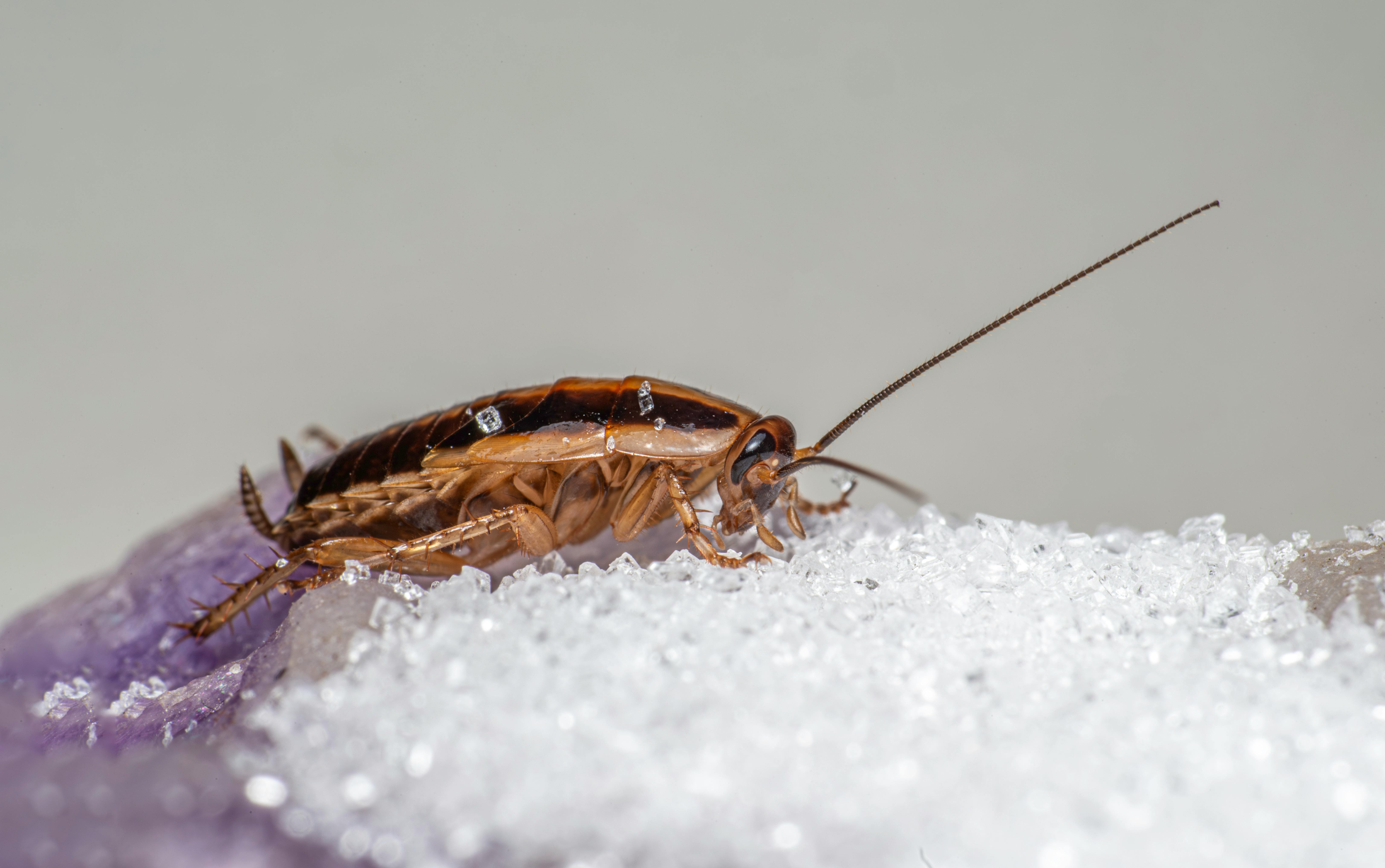
The German cockroach (Blattella germanica) is the most common indoor pest in the United States, and Canton homeowners encounter it more often than they realize. Adults measure just 1/2 to 5/8 inch (12‑16 mm) long, making them small enough to slip through a penny‑wide crack. Their bodies are light tan to brown with two distinct, parallel dark stripes running from the head to the base of the wings. Unlike larger species, German roaches have short, rounded wings that lie flat over the abdomen and are barely visible when they’re at rest.
Spotting the signs
Identification is straightforward once you know the key markers:
- Color and stripes: Light tan with the signature dark parallel lines.
- Wing length: Wings are short and do not extend beyond the abdomen, unlike the longer wings of American cockroaches.
- Nymph stages: Young roaches (nymphs) are smaller, wingless, and range from creamy white to light brown, often found in clusters near food sources.
- Rapid reproduction: A single female can produce up to 40 eggs per ootheca, and she may carry several oothecae at once, leading to exponential population growth.
Where they hide
German cockroaches prefer warm, humid environments close to food and water. In a typical Canton home, you’ll find them nesting in:
- Kitchen cabinets, especially behind or beneath stored dishes and pantry items.
- Behind appliances such as refrigerators, stoves, and dishwashers where crumbs and spills accumulate.
- Bathroom corners, under sinks, and around leaky faucets.
- Cracks, crevices, and the undersides of countertops where moisture lingers.
Because they are nocturnal, you’re more likely to see them scurrying at night when lights are on, but their eggs and shed skins are often left behind during the day.
Health hazards
Beyond being a nuisance, German cockroaches pose genuine health risks:
- Allergen production: Their saliva, feces, and shed skins contain proteins that trigger allergic reactions in sensitive individuals.
- Asthma triggers: Studies link cockroach allergens to increased asthma attacks, especially in children and the elderly.
- Bacterial contamination: As they forage through garbage, pet food, and decaying matter, they can transfer pathogens such as E. coli, Salmonella, and Staphylococcus onto kitchen surfaces and ready‑to‑eat foods.
Even low‑level infestations can compromise indoor air quality and exacerbate respiratory conditions, making early detection essential.
What the EPA says
The U.S. Environmental Protection Agency (EPA) confirms that cockroach allergens are among the most common indoor triggers for asthma and allergic rhinitis. Their cockroach allergen fact sheet notes that a single cockroach can produce enough allergen to affect an entire household. This endorsement underscores why professional monitoring and prompt treatment are critical for protecting your family’s health.
Understanding these identification cues and health implications equips Canton homeowners to act quickly. If you spot any of the signs described above, consider contacting a trusted local expert—such as Anthem Pest Control—to assess the situation and implement a targeted, EPA‑compliant control plan.
Seasonal Activity Patterns of Cockroaches in Georgia
Georgia’s climate is a perfect breeding ground for cockroaches. The state experiences hot, humid summers and mild winters, with average temperatures ranging from the mid‑50s °F in January to the high 80s °F in July. High humidity levels—often above 70 % during the warm months—provide the moisture cockroaches need to thrive. Because indoor environments stay relatively warm year‑round, especially in homes with central heating, roaches can remain active longer than in cooler, drier regions. This climate backdrop explains why Georgia consistently ranks among the states with the highest indoor cockroach sightings.
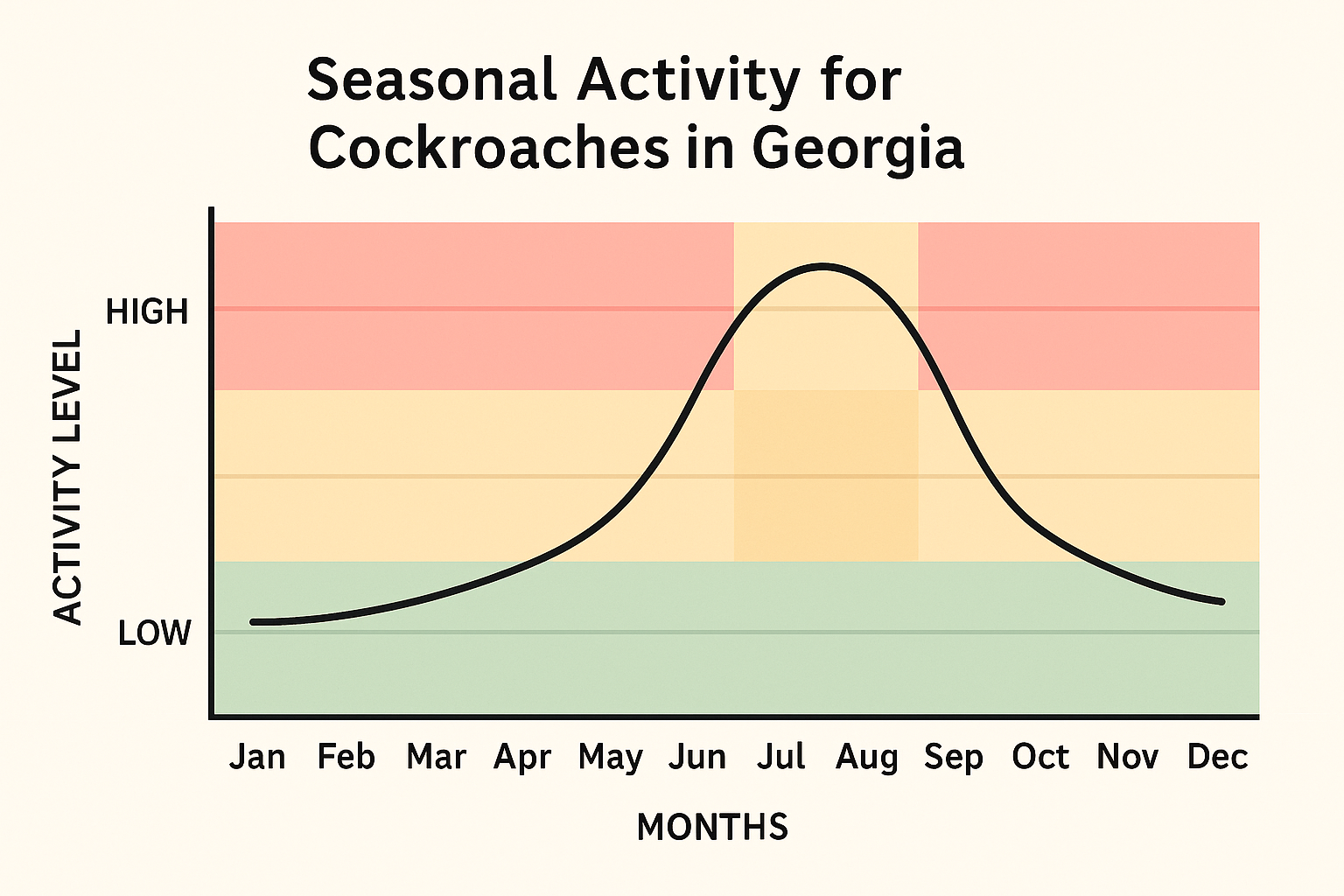
The line graph above illustrates the typical seasonal ebb and flow of cockroach activity. In winter (December‑February), activity dips to its lowest point as cooler outdoor temperatures reduce the insects’ foraging drive. Spring (March‑May) and fall (September‑November) show a moderate rise; temperatures become comfortable enough for roaches to explore indoor spaces, but humidity hasn’t yet peaked. The sharpest climb occurs in summer, especially June through August, where the graph spikes to its highest values. During these months, the combination of heat and moisture creates an almost ideal indoor habitat, prompting larger populations to emerge from cracks, wall voids, and outdoor debris.
Three key factors drive this summer surge:
- Temperature: Cockroaches are ectothermic; their metabolism accelerates as ambient temperatures rise, increasing feeding and breeding rates.
- Humidity: Moisture is essential for egg development and molting. Summer rainfalls and indoor humidity from air‑conditioning condensate keep the environment suitably damp.
- Food availability: Warm weather encourages more outdoor activity, bringing insects, crumbs, and spilled liquids into homes. Open windows, outdoor dining areas, and pet feeding stations become additional food sources that attract roaches.
Homeowners can stay ahead of the infestation curve by focusing their monitoring efforts during the high‑risk summer window. Here are practical steps to keep cockroach activity in check:
- Place sticky traps in kitchens, bathrooms, and along baseboards at the start of May. Check them weekly; a sudden increase signals a brewing problem.
- Seal cracks and gaps around pipes, vents, and foundation walls before the heat peaks. Silicone caulk and weather‑stripping are inexpensive, long‑lasting barriers.
- Reduce indoor humidity by running dehumidifiers or setting air‑conditioners to a drier setting, especially in basements and crawl spaces.
- Maintain a clean kitchen: wipe counters nightly, store food in airtight containers, and empty garbage cans regularly.
- Inspect outdoor lighting fixtures. Bright lights attract insects that roaches feed on; swapping to yellow “bug” bulbs can lessen the draw.
By aligning inspections and preventive measures with Georgia’s seasonal cockroach rhythm, homeowners can catch an infestation before it explodes, keeping their homes comfortable and pest‑free all year long.
Effective Treatment Methods for Cockroach Control
When cockroaches make a home in Canton, GA, a quick, targeted response is essential. The most reliable solutions fall into three categories: spray applications, gel baits, and structural fumigation. Each method has its own strengths, and the right choice depends on the size of the infestation, where the insects are hiding, and the homeowner’s safety preferences.
Spray Applications: Fast Knock‑Down
Sprays deliver an immediate hit to visible roaches. Professionals apply a residual insecticide directly to baseboards, cracks, and other travel paths. Within minutes, active insects are paralyzed, and the residual layer continues to work for weeks, catching any stragglers that cross the treated zones.
When to use: Sprays shine in spot‑treatments where you can see activity—kitchens, bathrooms, and pantry edges. They’re also ideal for post‑renovation clean‑ups where construction debris may have introduced new roaches.
Safety considerations: While modern formulations are low‑toxicity, it’s wise to keep children and pets out of treated areas for at least two hours. Anthem Pest technicians wear protective gear and follow EPA‑approved application rates, minimizing risk for your family.
Gel Bait Stations: Long‑Term Control
Gel baits work on a different principle: they lure roaches with a sweet, protein‑rich matrix, then deliver a slow‑acting poison that the insect carries back to the nest. Because the active ingredient spreads through the colony, a single bait can suppress an entire population over weeks.
Placement strategy: Success hinges on positioning. In Canton homes, the best spots are the seams of kitchen cabinets, behind refrigerators, under sinks, and in any dark crevice where roaches travel. Bait stations should be placed about 6‑12 inches apart for optimal coverage.
Why choose gel baits: They’re discreet, low‑odor, and pose minimal exposure risk. Once placed, they require only periodic checks—typically every two weeks during the first month, then monthly thereafter.
Structural Fumigation: The Comprehensive Sweep
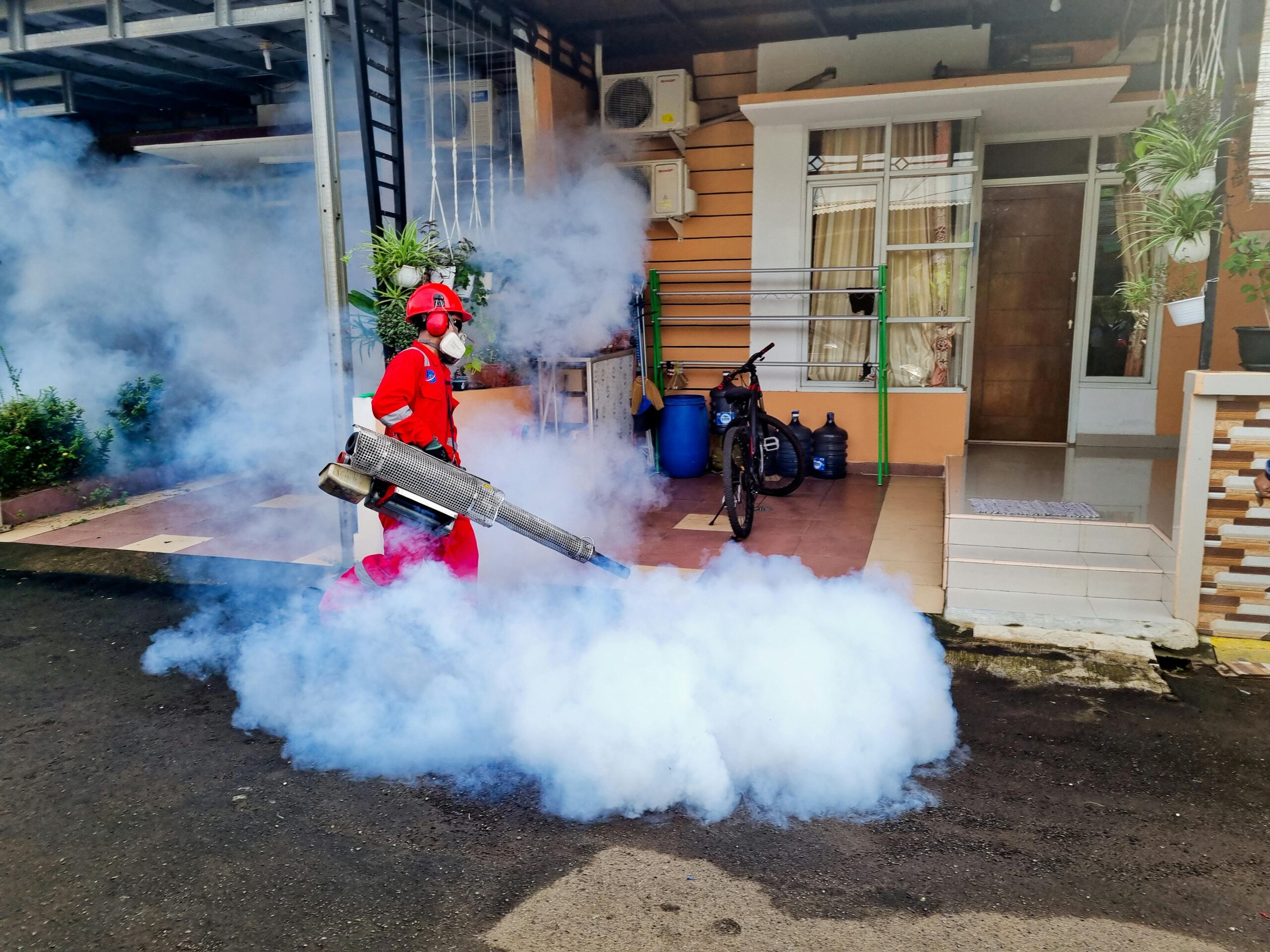
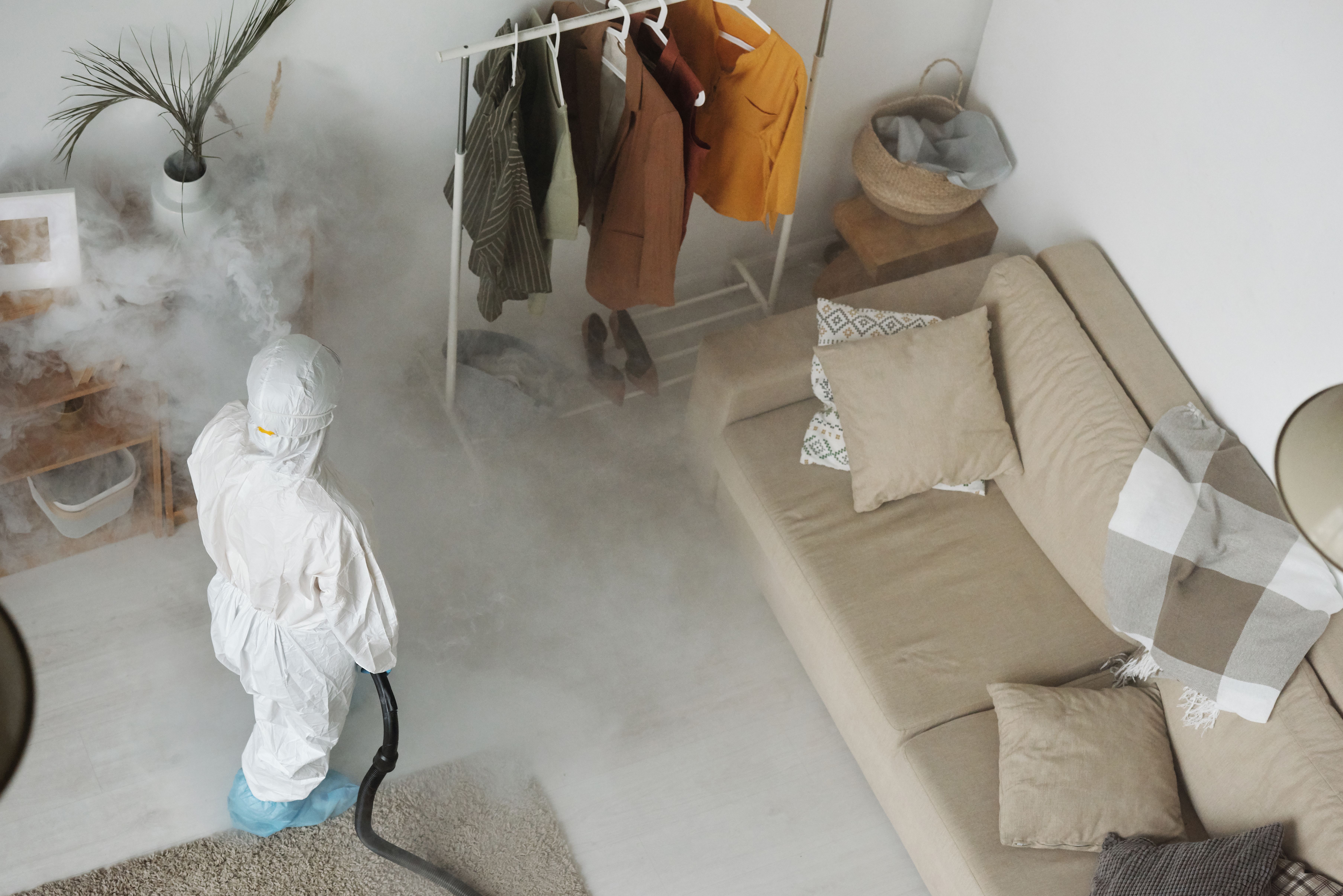
For severe, multi‑room infestations, a whole‑house fumigation may be the most effective route. A licensed technician seals the home, introduces a gas‑based pesticide, and allows it to circulate for a prescribed dwell time. The gas penetrates hidden voids, wall voids, and attic spaces where roaches hide.
The process: After a thorough pre‑treatment inspection, the technician will advise you to vacate the property for 24–48 hours. Once the gas dissipates, a ventilation phase clears residual fumes, and a final walkthrough confirms that the environment is safe for re‑entry.
When it’s appropriate: Fumigation is reserved for cases where sprays and baits have failed, or when the infestation is so widespread that spot‑treatments would be impractical. It’s also a good option for landlords or property managers needing a quick, guaranteed reset before new tenants move in.
Integrating Treatments with IPM Principles
Anthem Pest follows Integrated Pest Management (IPM) to keep cockroach problems from returning. IPM blends chemical tools with non‑chemical actions, creating a lasting barrier against future invasions.
- Sanitation: Eliminate food debris, fix leaky pipes, and store pantry items in sealed containers. Roaches thrive on moisture and crumbs, so a clean kitchen cuts off their primary food source.
- Exclusion: Seal cracks around doors, windows, and utility entry points. Installing door sweeps and repairing damaged screens prevents roaches from slipping inside.
- Monitoring: Place sticky traps in high‑traffic zones to gauge activity levels. Regular checks let you spot early signs before an infestation escalates.
- Treatment: Apply the most suitable method—spray, gel, or fumigation—based on the inspection findings. Combining a quick‑acting spray with strategically placed gel baits often delivers the best balance of immediate knock‑down and long‑term suppression.
By pairing the right chemical approach with diligent sanitation, exclusion, and monitoring, Canton homeowners can achieve lasting cockroach control without repeatedly reaching for the spray bottle. Whether you need a fast‑acting spray, a discreet bait system, or a full‑scale fumigation, Anthem Pest tailors each plan to your home’s unique layout and infestation level, ensuring effective results at a transparent price.
Understanding Cockroach Control Costs in Canton, GA
When a cockroach infestation shows up in a Canton home, the first question most homeowners ask is how much it will cost to eliminate the pests. Prices can vary, but knowing the typical range helps you avoid surprise fees and choose a plan that fits your budget.
Typical price ranges in Canton
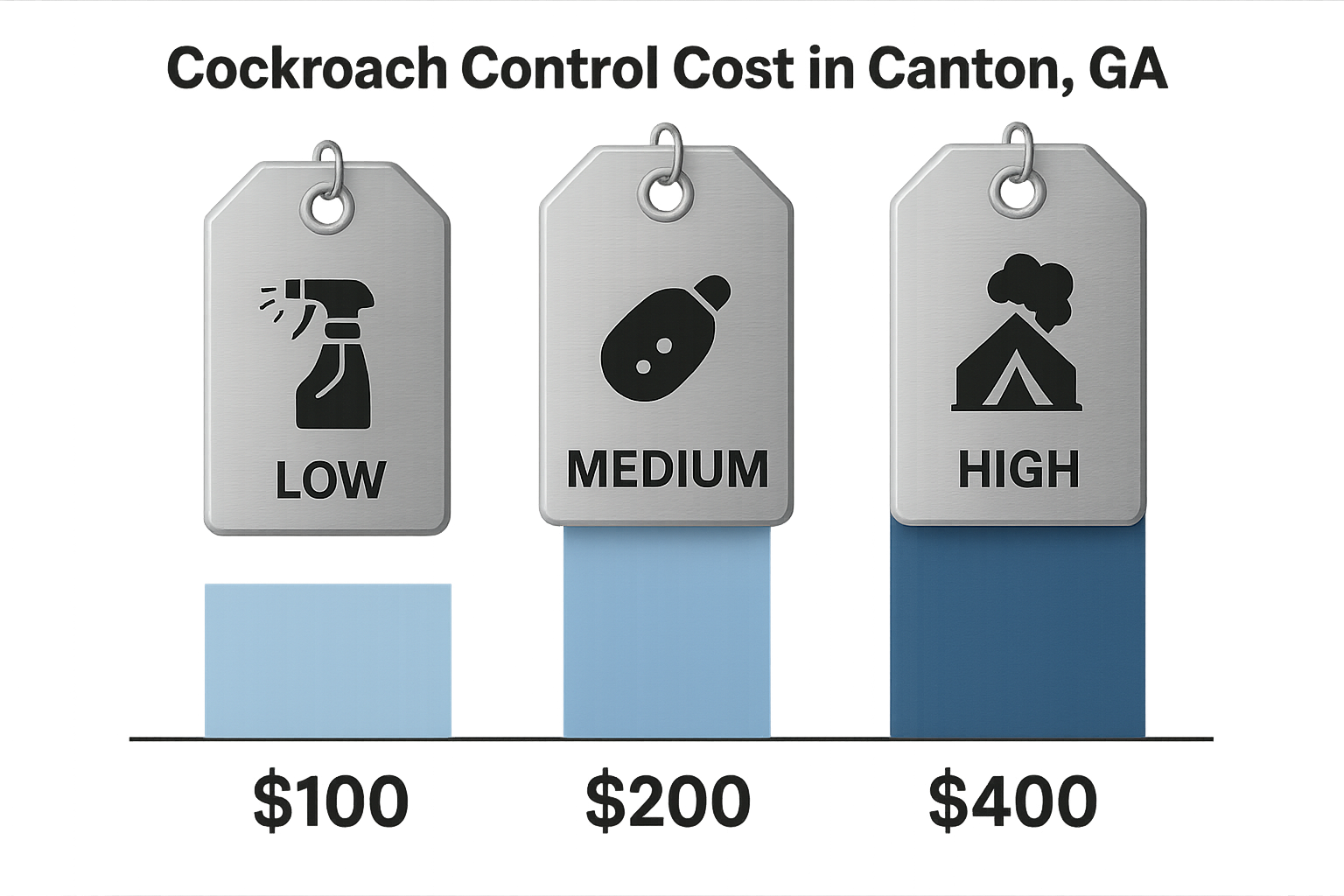
Professional cockroach control in Canton generally falls between $120 for a single‑visit spray and $1,200 for a full‑scale fumigation of a large property. Most homeowners land in the $250‑$600 bracket, which covers a mix of gel baits, perimeter sprays, and one or two follow‑up visits.
Cost tiers by treatment method
The bar chart above breaks the market into three tiers:
- Low‑cost tier ($120‑$250): Basic spray applied to visible hotspots.
- Mid‑tier ($300‑$600): Adds gel bait stations and a second service visit to target hidden nests.
- High‑tier ($800‑$1,200): Comprehensive interior and exterior treatments, often including fumigation or heat‑treatment for severe infestations.
Factors that influence the price
Several variables can push a quote up or down:
- Infestation severity – a few roaches versus a full‑blown colony.
- Square footage – larger homes require more product and labor.
- Chosen treatment type – spray, gel bait, or fumigation.
- Number of follow‑up visits – additional visits increase cost but improve success.
- Accessibility of entry points – hard‑to‑reach areas may need extra time.
- Seasonal demand – peak summer months can affect pricing.
Cost‑benefit analysis: why professional treatment saves money
DIY kits may cost $30‑$50, but they rarely eradicate an established infestation. Cockroaches can damage wiring, chew food packaging, and spread allergens that trigger asthma or other health issues. Unchecked, they may lead to costly repairs to cabinetry, electrical components, and even medical expenses. A professional service, though higher upfront, protects your home’s structure and health, often paying for itself within months.
Getting accurate quotes – questions to ask your provider
- What specific treatment(s) are included in the quoted price?
- How many follow‑up visits are part of the package?
- Is the price based on square footage or the severity of the infestation?
- Are gel baits, sprays, and monitoring devices all covered?
- What guarantees or warranties accompany the service?
- Will there be any additional fees for entry‑point sealing or extra labor?
- Can you provide a written estimate that breaks down each cost component?
Armed with these numbers and questions, you can budget confidently and select a solution that eliminates roaches without breaking the bank.
Protect Your Home with Anthem Pest Control
By now you’ve learned how to spot the tell‑tale signs of a cockroach invasion—tiny droppings, a musty odor, shed skins, and those nocturnal sightings near food or water sources. You also know that the hottest months in Canton, Georgia, especially late summer and early fall, are prime time for populations to explode. Armed with that knowledge, the next step is choosing the right treatment plan to eliminate the pests and keep them from returning.
Quick Recap
- Identification signs: fecal specks, egg casings, greasy trails, and occasional live sightings.
- Seasonal peaks: warm, humid periods from June through October, when cockroaches breed most rapidly.
- Treatment options: targeted baits, residual sprays, crack‑and‑crevice dusts, and ongoing monitoring programs.
Why Choose a Local, EPA‑Approved Team?
Anthem Pest Control’s technicians are based right here in the Canton area, meaning they understand the unique climate patterns, building styles, and common entry points that affect your home. Every product we apply is EPA‑approved, ensuring a balance of maximum efficacy and minimal risk to your family and pets. Our crew follows strict safety protocols, keeps detailed treatment records, and stays current on the latest integrated pest‑management techniques.
Take the First Step—Schedule Your Free Inspection
Professional intervention is the fastest way to stop a small problem from becoming a full‑blown infestation. When you schedule an inspection with Anthem Pest Control, you’ll receive a transparent, no‑obligation quote that outlines exactly what will be done, how long it will take, and what you’ll pay—no hidden fees, no surprise add‑ons.
Ready to protect your kitchen, pantry, and entire home? Call us today at 877‑371‑8196 or visit Anthem Pest Control to book your free, no‑obligation cockroach inspection. Let our experienced team give you peace of mind with safe, effective, and affordable pest solutions.