Cricket Activity Surge in Tucker Summer Evenings

On a typical Tucker summer night, the air fills with a steady chorus of crickets, turning quiet backyards into a rhythmic symphony that seems to echo from every porch, garden bed, and fence line. Homeowners noticing this often start researching cricket control cost Tucker to plan effective treatments.
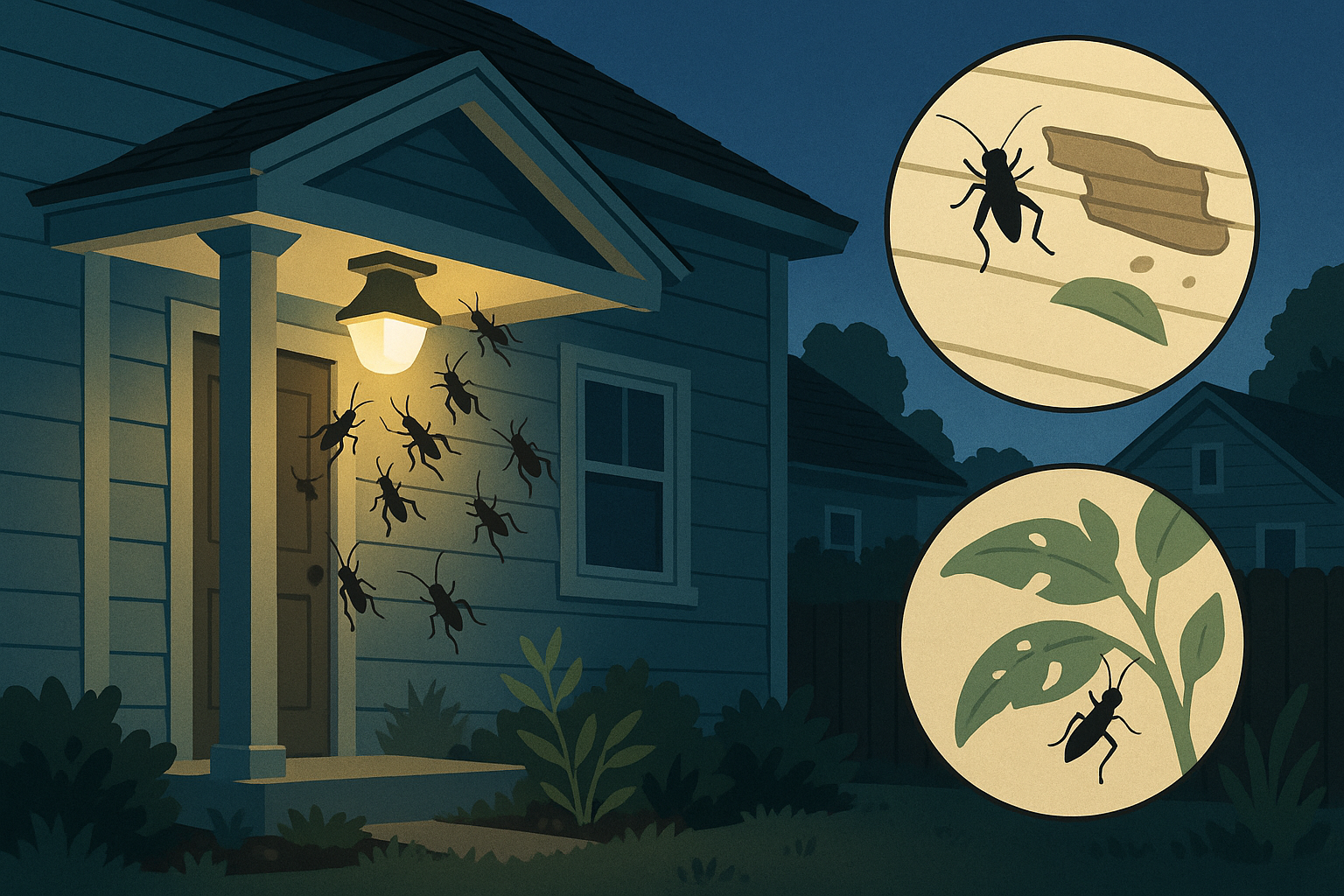
While the soundtrack may be nostalgic, an unchecked cricket population can quickly become costly: they chew through wooden siding, gnaw at outdoor furniture, and strip the foliage from beloved garden plants, leaving homeowners with repair bills, replacement costs, and a backyard that no longer feels inviting for evening barbecues or family gatherings.
That’s why transparent pricing matters. Before you pick up the phone, you deserve a clear picture of what a professional treatment will cost, what factors drive those numbers, and how those expenses compare to potential damage if the insects are left to multiply.
Below, this guide walks you through every step:
- Species identification
- Cost drivers
- Pricing breakdown
- Optimal timing for treatment
- DIY vs. professional options
- Local provider spotlight
- Frequently asked questions
- Final call‑to‑action
When crickets surge, they do so quickly. Warm temperatures and evening humidity create the perfect breeding ground, so waiting even a week can mean a ten‑fold increase in numbers. Knowing the cost upfront lets you schedule treatment at the optimal moment, preserving your home’s exterior and your outdoor lifestyle.
Anthem Pest Control has mapped cricket activity across Tucker’s neighborhoods, allowing us to pinpoint hot spots and tailor treatment plans that target the most problematic areas while avoiding unnecessary applications. Our transparent quote includes labor, materials, and a follow‑up guarantee, so there are no hidden fees.
All recommendations are backed by local data from Tucker, GA, and reflect the seasonal patterns we see year after year. By the time you finish reading, you’ll have a concrete cost framework, know exactly when to act, and feel confident choosing a pest‑control partner that offers the clear, affordable pricing Anthem Pest Control is known for.
Common Cricket Species and Local Hotspots
In Tucker, two cricket species dominate the backyard soundtrack and the occasional nuisance: the House Cricket (Acheta domesticus) and the Fall Field Cricket (Gryllus pennsylvanicus). Both are native to Georgia, but they behave differently enough that homeowners should be able to tell them apart.
House Cricket (Acheta domesticus)
The House Cricket is the smaller of the pair, typically ½‑inch long with a light brown body and distinct, long antennae. It prefers the shelter of indoor cracks, garage corners, and wooden siding, where it can chirp loudly at night. Though it rarely damages structures, its steady chewing can thin wooden trim and create unsightly holes in siding. Homeowners dealing with this nuisance often consider cricket control cost Tucker when evaluating professional treatment options.
Fall Field Cricket (Gryllus pennsylvanicus)
Fall Field Crickets are larger—up to ¾‑inch—and sport a darker, mottled exoskeleton. They thrive outdoors, especially in leaf litter, garden beds, and grassy buffers. When populations surge, they may wander onto decks and porches, leaving behind chewed plant leaves and occasional bite marks on soft‑wood furniture.
Both species share a seasonal peak that runs from late spring through early fall, with noticeable spikes after heavy rainstorms. Moisture softens the soil, encouraging eggs to hatch and nymphs to emerge, which explains why a sudden downpour often precedes a chorus of chirps.
Neighborhood Hotspots
- Lake Forest – dense canopy and mature trees create perfect overwintering sites.
- Southlake – expansive lawns and frequent irrigation attract field crickets.
- Oakwood – older homes with wooden siding offer ideal hiding spots for house crickets.
- Historic Downtown Tucker – mixed‑use buildings and ornamental gardens provide both shelter and food sources.
According to the 2023 Tucker County Health Report, cricket‑related complaints rose by 15 % compared with the previous year, with the majority of calls originating from the neighborhoods listed above. The increase aligns with the region’s wetter spring and the growing popularity of ornamental landscaping that offers crickets ample cover.
Recognizing which cricket you’re dealing with—and where they’re most likely to appear—helps Anthem Pest Control tailor an effective treatment plan. Early identification means we can target the right habitats, reduce damage, and keep the evening chorus from turning into a homeowner’s nightmare.
What Drives Cricket Control Pricing in Tucker
When you call a professional for cricket control, the quoted price isn’t random. Tucker pest‑control firms calculate each estimate based on concrete variables, so you understand why you’re paying for a particular service. Knowing these drivers helps you compare quotes and choose the right protection for your home.
Property size matters. The average Tucker home is about 2,200 sq ft, but many are larger or have big yards. More square footage means more product and labor, so a 3,000‑sq‑ft house with a sprawling garden can cost 15‑20 % more than a modest 1,800‑sq ft ranch.
Infestation level is the next big factor. Light cricket activity—just a few chirps—usually needs a spot‑treatment at entry points. Heavy infestations across multiple zones require a barrier spray that blankets the perimeter and interior, raising product use and labor, often adding $100‑$200 to the bill.
Treatment type options add flexibility—and cost. Homeowners can choose a single‑visit spray, a perimeter barrier that creates a long‑lasting shield, or an annual maintenance plan that combines both approaches with scheduled follow‑ups. Single‑visit sprays are the most affordable entry point, while barrier treatments and ongoing plans carry higher price tags because they involve more material, repeat labor, and longer‑lasting guarantees.
Access challenges can raise the bill. Tucker properties with dense landscaping, mature trees, or hard‑to‑reach crawl spaces require extra effort. Technicians may need special equipment, longer setup times, or additional safety precautions. Likewise, homes built on slab foundations are generally easier to treat than those with crawl‑space foundations, where technicians must navigate tight under‑floor areas.
According to the 2024 National Pest Management Association (NPMA) survey, barrier treatments cost roughly 30 % more than spot treatments. The report attributes the premium to the higher volume of pesticide required, the need for multiple application zones, and the added labor for thorough coverage. This industry benchmark aligns closely with what you’ll see on local quotes in Tucker.
At Anthem Pest Control, we factor each of these variables into a transparent, itemized estimate. We start by measuring your home’s square footage, inspecting for cricket activity, and evaluating any access obstacles. From there, we recommend the most cost‑effective treatment—whether that’s a targeted spot spray or a full‑perimeter barrier—and provide a clear price breakdown before any work begins.
Quick tip: Ask for an itemized quote that separates product, labor, and any access surcharge. Seeing the exact cost breakdown lets you decide if a one‑time spray or an annual plan fits your budget and cricket pressure.
Breakdown of Typical Professional Pricing
Understanding what you’ll actually pay for cricket control helps you avoid surprise invoices and decide whether a professional plan makes sense for your home. In Tucker, Georgia, Anthem Pest Control structures its pricing around three core service levels—single‑visit treatments, foundation barriers, and annual protection plans—plus a handful of optional add‑ons. Below is a clear snapshot of the price ranges you can expect when you request a quote.
Standard service options and price ranges
| Service | Price Range (USD) |
|---|---|
| Single‑visit interior/exterior spray | $100 – $250 |
| Foundation barrier treatment | $150 – $300 |
| Annual protection plan (four visits) | $350 – $500 |
| Inspection (one‑time) | $50 – $75 |
| Follow‑up visit (after initial treatment) | $75 – $100 |
Each of these options includes a thorough inspection, targeted application of EPA‑registered residual insecticides, and a guarantee of coverage for the specified period. The annual protection plan spreads the cost across four scheduled visits, ensuring that the treatment remains effective throughout the peak cricket season.
DIY alternatives: What the numbers really mean
Many homeowners consider over‑the‑counter (OTC) sprays because the upfront price looks tempting—typically $20 – $40 for a bottle that claims to “kill crickets on contact.” However, EPA data shows that these consumer products achieve **less than 30 % effectiveness** against established cricket populations when used in a typical household setting. The EPA pesticide facts page confirms that short‑lived sprays degrade quickly, especially after rain or routine cleaning, leaving gaps for new insects to re‑infest.
When you factor in the hidden costs of repeated applications, protective gear, and the time spent re‑treating problem areas, the DIY route can quickly eclipse the advertised $20‑$40 price tag. Homeowners often end up buying three or four bottles over a single season, pushing the total expense to $80‑$160—still lower than a professional single visit, but with dramatically reduced efficacy.
Why professional residual treatments offer better value
- Long‑lasting protection. EPA‑registered residuals applied by certified technicians cling to walls, cracks, and soil for weeks, maintaining a lethal barrier that OTC products cannot match.
- Targeted application. Professionals identify the exact entry points and breeding sites, applying the right formulation in the right amount—something a homeowner can’t reliably replicate.
- Safety assurance. Anthem Pest Control follows strict safety protocols, using low‑toxicity products that protect children, pets, and the environment while still delivering a high kill rate.
- Cost predictability. With transparent pricing and bundled plans, you know exactly what you’ll spend each year, avoiding the “spray‑and‑pray” cycle that often leads to higher cumulative costs.
In short, while a DIY spray may appear cheaper on paper, the limited effectiveness and need for frequent re‑applications usually make professional services the smarter financial choice. By investing in a single‑visit spray ($100‑$250) or an annual plan ($350‑$500), Tucker homeowners secure a reliable, long‑term solution that protects their property and peace of mind.
Timing Your Treatment for Maximum Effect
Crickets may seem harmless, but a sudden surge can turn your backyard into a noisy, unsightly nuisance. The key to keeping their numbers low is not just what product you use, but when you apply it. By aligning treatment with the cricket life cycle and local weather patterns, you give the chemicals the best chance to work before the bugs multiply.
The optimal window in Tucker runs from early May through July. During these months adult crickets emerge, mate, and lay eggs that will hatch later in the summer. Applying a residual spray right before this peak breeding period creates a barrier that kills adults and stops new hatchlings from establishing colonies. Waiting until August often means you’re fighting an already entrenched population, which requires more frequent applications and higher costs.
Weather plays a decisive role in treatment success. A rainfall event within 24 hours of application can wash away the pesticide, reducing its residual effect and sometimes necessitating a re‑application. For this reason, schedule your service on a dry forecast day, or ask your technician to monitor the radar and adjust timing if a storm is predicted. Light mist is usually acceptable, but heavy rain will dilute the product and compromise coverage.
One local factor homeowners often overlook is the Tucker Summer Festival. The event brings crowds, food vendors, and extended nighttime lighting—exactly the conditions crickets love. The extra illumination can draw insects from surrounding neighborhoods, raising the local cricket count for several days after the festival ends.
To enjoy the festival without an unwanted chorus of chirping, book a pre‑festival inspection and treatment. A professional from Anthem Pest Control can assess your property, apply a targeted residual spray, and set up perimeter barriers before the lights go on. This proactive step ensures uninterrupted outdoor fun and keeps your yard quiet well into the fall.
DIY vs. Professional Cricket Control
When crickets start chirping louder than a summer night in Tucker, you have two clear paths: roll up your sleeves and tackle the problem yourself, or call a licensed technician. Both routes can work, but they differ dramatically in cricket control cost Tucker, safety, and lasting results.
DIY Pros
- Lower upfront cost – A bottle of over‑the‑counter spray or a few traps usually runs under $50.
- Immediate action – You can apply the product the moment you spot the first cricket.
- Flexibility – You decide where, when, and how often to treat, tailoring the approach to your schedule.
DIY Cons
- Limited residual effect – Most consumer products lose potency after a few weeks, so re‑applications become routine.
- Safety risks – Improper mixing, over‑application, or using the wrong pesticide can endanger children, pets, and the environment.
- Potential property damage – Aerosol sprays or foggers can stain fabrics, corrode metal, or affect indoor electronics if misused.
Professional Pros
- EPA‑approved, industry‑grade products that penetrate cracks and provide months of protection.
- Guaranteed coverage – Technicians follow a proven protocol, often backed by a service guarantee.
- Technician insurance – Any accidental damage or injury is covered by the company’s liability policy.
- Follow‑up support – Post‑treatment inspections ensure crickets stay gone and allow adjustments if needed.
Professional Cons
- Higher initial price – A full‑service cricket treatment in Tucker typically starts around $150‑$200.
- Scheduling required – You must coordinate a visit, which may mean waiting a day or two for the technician.
To help you weigh the trade‑offs, the table below breaks each option down by cost, effectiveness, safety and long‑term value.
Consider how your budget today matches the peace of mind you want tomorrow.
| Option | Cost | Effectiveness | Safety | Long‑Term Value |
|---|---|---|---|---|
| DIY | Low (≈ $30‑$50) | Moderate – short‑term only | Variable – depends on user expertise | Low – frequent re‑applications |
| Professional | Higher (≈ $150‑$200) | High – EPA‑approved, residual protection | High – trained technicians, insured | High – lasting results, warranty |
Why Choose Anthem Pest for Tucker Cricket Control
Anthem Pest’s licensed technicians live and work right here in Tucker, and they cover the entire DeKalb County area. Because they know the neighborhood’s housing styles, landscaping trends, and seasonal cricket activity, they can pinpoint entry points faster than a generic “one‑size‑fits‑all” approach. Their local knowledge translates into fewer follow‑up visits and a treatment plan that fits the unique layout of your yard and home.
Local Expertise You Can Trust
Our technicians have completed over 1,200 cricket‑control jobs in Tucker, giving them insight into the insects’ breeding cycles and the most effective sealing methods. They stay current with DeKalb County codes and neighborhood guidelines, ensuring every treatment meets local standards while respecting your home’s appearance.
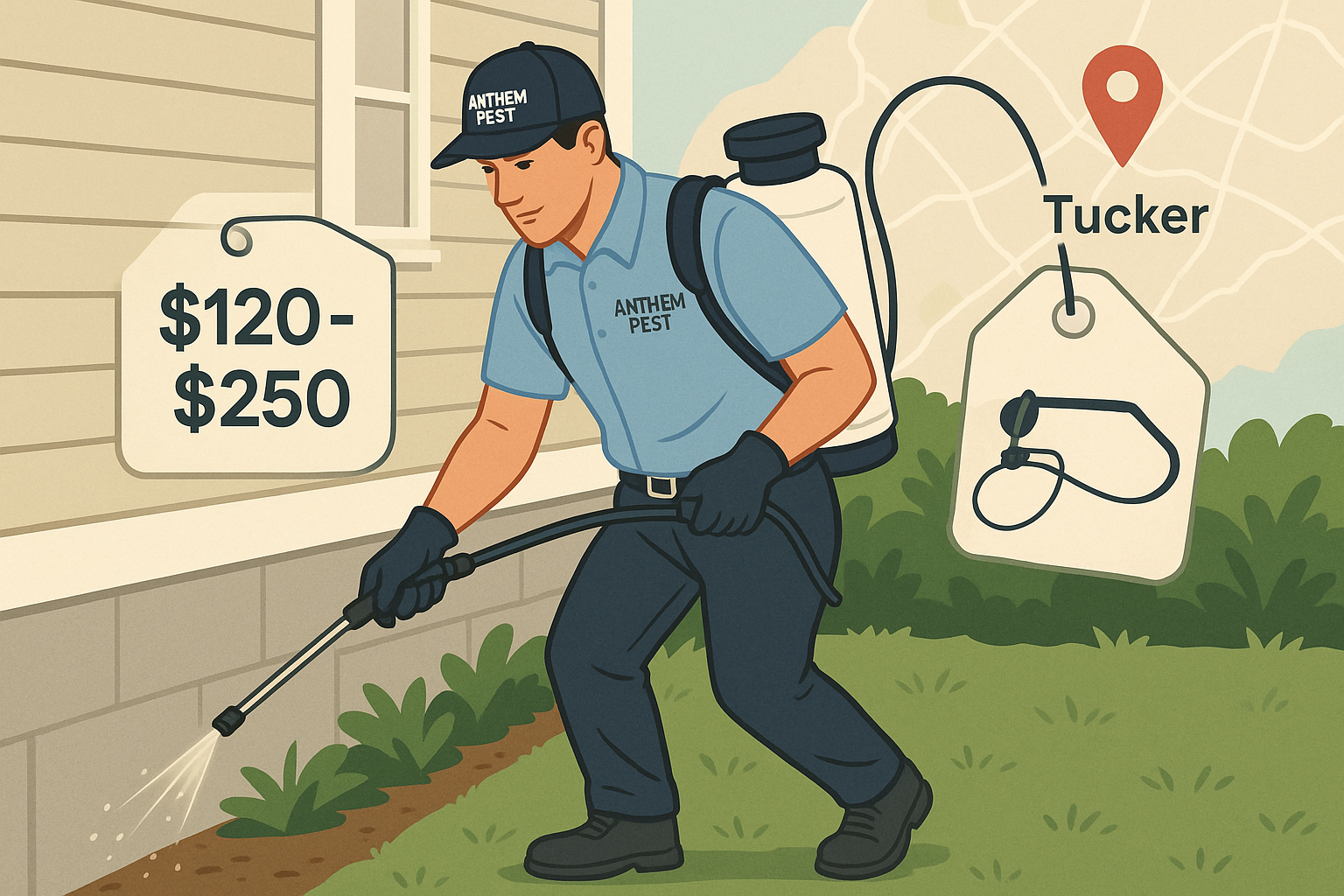
Our pricing model is built for transparency. You get a complimentary on‑site inspection, during which the technician notes the infestation level and explains every step of the process. After the walkthrough, you receive a detailed written quote that lists labor, product costs, and the expected price range—$120‑$250 for a full cricket control service in Tucker. There are no surprise add‑ons, no hidden fees, and no pressure to sign up for unnecessary upgrades.
Step‑by‑Step Cricket Treatment
- Inspection: Locate nests, check humidity, and identify outdoor lights that draw crickets.
- Application: Apply EPA‑registered spray to perimeter, foundation cracks, and interior voids.
- Follow‑up: Verify suppression and give prevention tips.
Safety is a top priority. All treatments use EPA‑registered products that have been rigorously tested for efficacy and minimal impact on pets, children, and the surrounding environment. In addition, Anthem Pest is fully insured, so you’re protected against any accidental damage that could occur during the service.
“I called Anthem after hearing crickets chirping nonstop in my garage. The technician arrived within an hour, explained the spray, and had the noise gone by the next evening. The follow‑up was on schedule, and I haven’t heard a single cricket since. Best service I’ve had in years!” – Mark T., Tucker homeowner
Ready to experience the same quick response and lasting results? Visit our dedicated cricket control service page to schedule your free inspection or call us at 877‑371‑8196. Choosing Anthem Pest means choosing a local partner who combines expertise, clear pricing, and a commitment to keeping your home cricket‑free.
Frequently Asked Questions About Cricket Control
How long does a treatment last?
Our standard residual barrier remains effective for 4–6 weeks under normal conditions. If you sign up for an annual protection plan, we reapply before the barrier wanes, giving you year‑round peace of mind against crickets and other summer pests. Extreme heat can shorten efficacy, so we schedule a follow‑up in the hottest weeks to ensure continuous coverage.
Will crickets return after treatment?
A properly applied barrier dramatically reduces the chance of re‑infestation. However, heavy rain or irrigation can wash away a portion of the product, so a spot‑treatment may be required after a major storm. Regular inspections keep the perimeter sealed. We also provide a complimentary inspection six weeks after the initial service to catch any early signs of activity.
Are pets and children safe?
We use EPA‑approved formulations that are safe for families when applied by our certified technicians. After a treatment, we advise a 2‑hour re‑entry period to allow the spray to dry. During that time, keep pets and children away from treated areas. If you notice any residue, a simple wipe with mild soap and water removes it safely.
What payment options are available?
Anthem Pest accepts major credit cards and ACH bank transfers. For larger, multi‑visit contracts we also offer flexible financing plans so you can spread the cost without sacrificing protection. Homeowners who bundle cricket control with other pest services receive a 10 % loyalty discount.
For more details on product safety, review the EPA pesticide facts page. Always read the product label for specific re‑entry instructions and storage guidelines.
Source References
The data and pricing information in this guide were drawn from the following authoritative sources:
- EPA pesticide facts
- CDC pest‑control health page
- NPMA 2024 pricing report
- Anthem Pest cricket control service page
All links were accessed in March 2026 for accuracy and reflect current industry standards. These references ensure transparency and reliability.
Secure Professional Cricket Control Today
Understanding the price tag starts with three main factors: the square footage of your home, the severity of the cricket infestation, and the type of treatment you choose. Larger properties require more product and labor, while a heavy infestation may need multiple visits or a combination of barrier sprays and interior fogging. Opting for a comprehensive, EPA‑registered solution often costs more upfront but prevents repeat invasions, saving you money over time.
Anthem Pest backs those decisions with a free, no‑obligation inspection, a clear, itemized quote, and only EPA‑registered products that protect your family and pets, plus a satisfaction guarantee.
Give us a call today at 877‑371‑8196 for that free quote and let our local experts map out a plan that fits your budget.
When crickets keep you up at night, a trusted local partner can restore quiet to your evenings while providing clear cricket control cost Tucker, so there are no surprise fees.
Visit Anthem Pest Control to learn more.