
Why Earwigs Matter to Homeowners
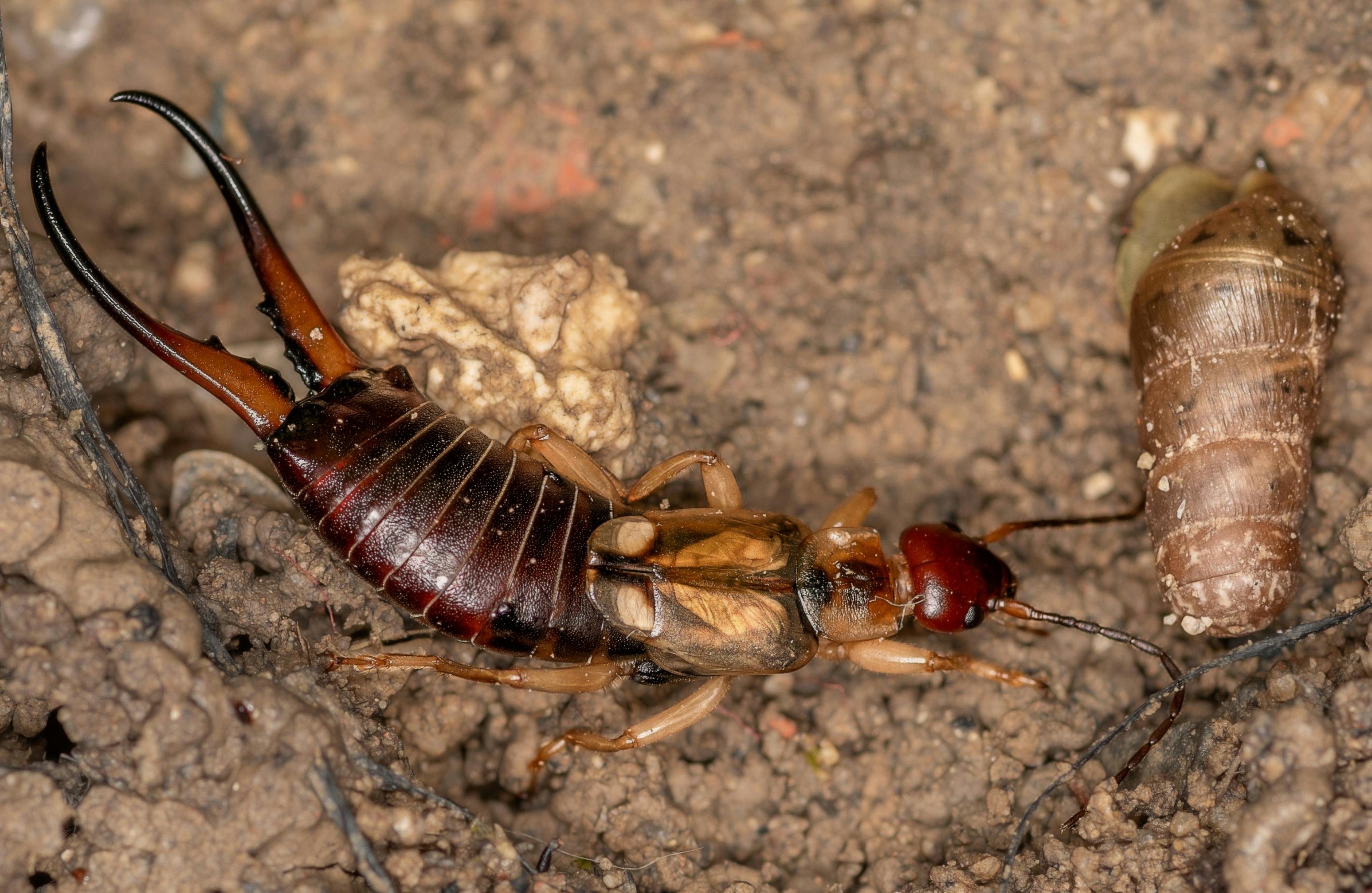
Earwigs belong to the order Dermaptera and are easily recognized by their elongated bodies and the pair of pincers (cerci) at the end of their abdomen. In the United States the most common backyard visitors are the European earwig (Forficula auricularia) and the Southern earwig (Labidura riparia). Both species are harmless to humans but their habits can quickly become a nuisance for anyone who enjoys a tidy yard or a thriving garden.
Where They Like to Hide
Earwigs thrive in moist, sheltered environments. Typical hotspots around a home include:
- Mulch beds and wood chips where moisture is retained.
- Leaf litter and compost piles that provide both food and cover.
- Garden beds with soft soil, especially where seedlings are just emerging.
- Damp foundations, crawl spaces, and under deck boards that stay cool and humid.
Because they prefer these damp refuges, a well‑maintained lawn can still harbor a hidden population if moisture isn’t managed.
Why Homeowners Notice Them
Earwigs are primarily nocturnal. After sunset they emerge to forage, and the flick of their pincers often catches a homeowner’s eye. Their habit of wandering into homes through cracks, vents, or open doors means you might find a few on a kitchen counter or in a bathroom at night. The sight of those distinctive “forceps” can be unsettling, even though they rarely bite.
Core Problems They Can Cause
While earwigs don’t chew through wood or spread disease, they do have a few impacts that matter to gardeners and homeowners:
- Seedling damage: Young plants are especially vulnerable; earwigs will nibble on tender shoots, slowing growth or killing seedlings outright.
- Ornamental plant injury: Repeated feeding can create ragged leaf edges and reduce the visual appeal of flower beds.
- Allergic reactions: A bite is uncommon, but when it occurs it can cause mild itching or a localized rash, which some residents find uncomfortable.
Myth‑Busting Quick Facts
It’s easy to hear rumors that earwigs are disease carriers or that they’ll infest a home in massive numbers. The truth is:
- Earwigs are not known to transmit diseases to humans or pets.
- They become a problem only when moisture and shelter are abundant, creating a “perfect storm” for population growth.
- Regular yard maintenance—reducing mulch depth, clearing leaf litter, and sealing foundation cracks—keeps numbers low.
For a deeper dive into earwig biology and control options, visit the trusted guide from Pest Extinct: Earwig Control.
Earwig Biology and Life Cycle
Earwigs are easily recognized by their slender, flattened bodies that range from ½ to 2 inches long. The most distinctive feature is the pair of forceps‑like cerci extending from the rear of the abdomen; these pincers are used for defense, mating, and manipulating food. While a few species possess short wings tucked beneath short forewings, the majority you’ll encounter around Buford homes are flightless, relying on their legs to scuttle under mulch, leaf litter, and foundation cracks.
Life Stages and Timeline
Earwigs undergo three primary stages: egg, nymph, and adult. After mating, the female deposits a clutch of 30‑70 eggs in a protected pocket of soil, mulch, or rotting wood. The eggs hatch in 2‑3 weeks, releasing nymphs that look like miniature adults but lack fully developed cerci and wings. Nymphs molt five to seven times over a period of 6 to 12 months, gradually acquiring the characteristic forceps and, for some species, short wings. By late summer, the final molt produces the reproductive adult.
Reproductive Habits and Maternal Care
Female earwigs are notably attentive mothers. Once the eggs are laid, she guards the brood, cleaning the chamber and even feeding the hatchlings by regurgitating pre‑digested food. This care typically lasts three to four weeks, after which the young disperse to find their own shelters. Because the mother protects the early stages, a single female can establish a sizable local population if conditions remain favorable.
Seasonal Activity Patterns
In Buford’s climate, earwig activity peaks during the cool, moist months of spring and fall. During these periods they emerge from their underground refuges to hunt for insects, plant material, and decaying organic matter. Extreme heat in midsummer or freezing temperatures in winter drives them back into deeper soil or under dense mulch, where they enter a state of dormancy until conditions improve.
Environmental Influences on Population Growth
Moisture is the single most critical factor; earwigs thrive in damp environments and will congregate under wet mulch, garden beds, and around leaky foundations. Temperature also plays a role—moderate temperatures (65‑80°F) accelerate development, while prolonged cold slows or halts it. Mulch depth matters, too: a layer of 2‑3 inches provides the perfect shelter, but excessive depth can create a humid micro‑climate that boosts breeding rates. By managing irrigation, trimming back overly thick mulch, and sealing cracks, homeowners can disrupt the conditions earwigs need to multiply.
Spotting Earwig Infestations and Assessing Damage
Visual clues you can’t ignore
Earwigs leave a trail of subtle evidence that, once you know what to look for, is easy to spot. Small, dark droppings resembling fine pepper often accumulate near garden beds or under mulch. You may also find silvery, oval‑shaped egg cases tucked into soil cracks or tucked under stones—these are the protective capsules females deposit each spring. Finally, look for irregular bite marks on tender foliage; the edges will appear ragged rather than cleanly cut.
Inspection checklist for yards
Conduct a systematic walk‑through of your outdoor space, especially after a rainstorm when earwigs are most active. Use the following checklist to stay organized:
- Inspect mulch and compost piles for droppings or egg cases.
- Examine garden beds, paying close attention to the base of leafy vegetables and ornamental shrubs.
- Check foundation cracks, especially near drainage points, for tiny clusters of insects.
- Observe outdoor lighting areas at night; earwigs are attracted to the warmth and may congregate around porch lights.
Indoor indicators that earwigs have crossed the threshold
While earwigs prefer damp, outdoor habitats, they’ll wander indoors during prolonged rain or high humidity. Common indoor hotspots include basements, bathrooms, and windowsills that receive direct moisture. If you start finding lone earwigs crawling on tile floors, in bathroom corners, or near the base of exterior windows, it’s a clear sign that the outdoor population is spilling over.
Types of plant damage to watch for
Earwig feeding is usually not catastrophic, but repeated attacks can weaken young plants. Typical damage includes:
- Chewed leaf edges that look shredded or feather‑like.
- Wilted seedlings that fail to stand upright after a few days of feeding.
- Occasional fruit blemishes—small, irregular pits that can affect marketability.
If you notice a pattern of these symptoms across multiple plant varieties, the infestation is likely larger than a few stray individuals.
When DIY measures fall short
Homeowners can start with traps, diatomaceous earth, or simple moisture control, but there are three red flags that signal professional intervention is needed:
- Large populations: Hundreds of earwigs seen during a single night inspection.
- Repeated damage: Same plants or structural areas suffer ongoing injury despite DIY attempts.
- Presence in finished basements: Earwigs establishing colonies in fully finished, dry spaces indicate they’ve found a permanent refuge.
In these scenarios, a licensed pest professional can apply targeted treatments that reach hidden cracks and moisture sources, preventing future re‑infestations.
Timing your inspections
Earwig activity peaks in the spring and early summer, then again after heavy rains in late summer. For optimal results, schedule your inspections in line with the seasonal activity chart featured in Part 5. Aligning your checks with these peaks ensures you catch an infestation early—before earwigs cause noticeable plant loss or migrate indoors.
Effective Earwig Control Methods
Cultural Controls
Earwigs thrive in damp, sheltered environments, so the first line of defense is to make your yard less inviting. Reduce mulch depth to no more than two inches and replace wood chips with gravel or stone near the house foundation. Improve soil drainage by aerating compacted areas and fixing any leaking irrigation heads. Finally, limit nighttime lighting that attracts insects—install motion‑sensor lights or switch to amber bulbs to keep earwigs from gathering around your garden.
Physical Barriers
Simple, non‑chemical barriers can stop earwigs from crossing into your garden beds or home entry points.
- Copper tape: Wrap copper strips around plant pots, raised beds, or the base of exterior walls; the metal creates a mild electrical shock that earwigs avoid.
- Diatomaceous earth: Sprinkle a thin line of food‑grade diatomaceous earth around door thresholds, window sills, and the perimeter of vegetable plots. The abrasive particles damage the insects’ exoskeletons, leading to dehydration.
- Sticky traps: Place adhesive traps at ground level along garden borders and near potential indoor entry points. Check and replace them weekly for optimal capture rates.
Chemical Options
When cultural and physical methods aren’t enough, low‑toxicity insecticides can provide targeted knock‑down without endangering pets or pollinators.
- Sprays: Apply a residual spray containing pyrethrin or neem oil to the undersides of leaves, soil surfaces, and cracks around foundations. Early‑spring or late‑fall applications work best, before earwigs begin their breeding surge.
- Granules: Broadcast granular baits along garden rows and around the house perimeter; rain‑activated granules release the active ingredient slowly, maintaining protection for weeks.
- Baits: Place bait stations containing attractants mixed with a minimal dose of insecticide in dark, damp corners. Earwigs feed and share the toxin with colony mates, amplifying control.
Always follow label directions, wear gloves, and keep children and pets away until the product dries.
When to Call a Professional
DIY tactics are effective for low‑level infestations, but a persistent or widespread earwig problem calls for expert intervention. Consider professional help if you notice:
- Frequent earwig sightings inside the kitchen, pantry, or laundry room.
- Damage to seedlings, fruit, or ornamental plants despite regular cultural practices.
- Heavy earwig activity near foundation cracks, crawl spaces, or HVAC vents.
Professional Services by Anthem Pest Control
Licensed technicians deliver three core treatments that go beyond what a homeowner can achieve:
- Fogging: A fine mist of EPA‑registered insecticide blankets the yard, reaching hidden crevices where earwigs hide.
- Perimeter treatments: Concentrated applications along the house’s outer shell create a long‑lasting barrier against re‑entry.
- Targeted indoor applications: Spot‑on sprays or dusts address interior hotspots without over‑treating the entire home.
Anthem’s trained applicators use products that meet strict EPA safety standards, and every job includes a follow‑up inspection to ensure the earwig population stays under control.

Pricing, Seasonal Guide, and What to Expect
Typical Residential Pricing
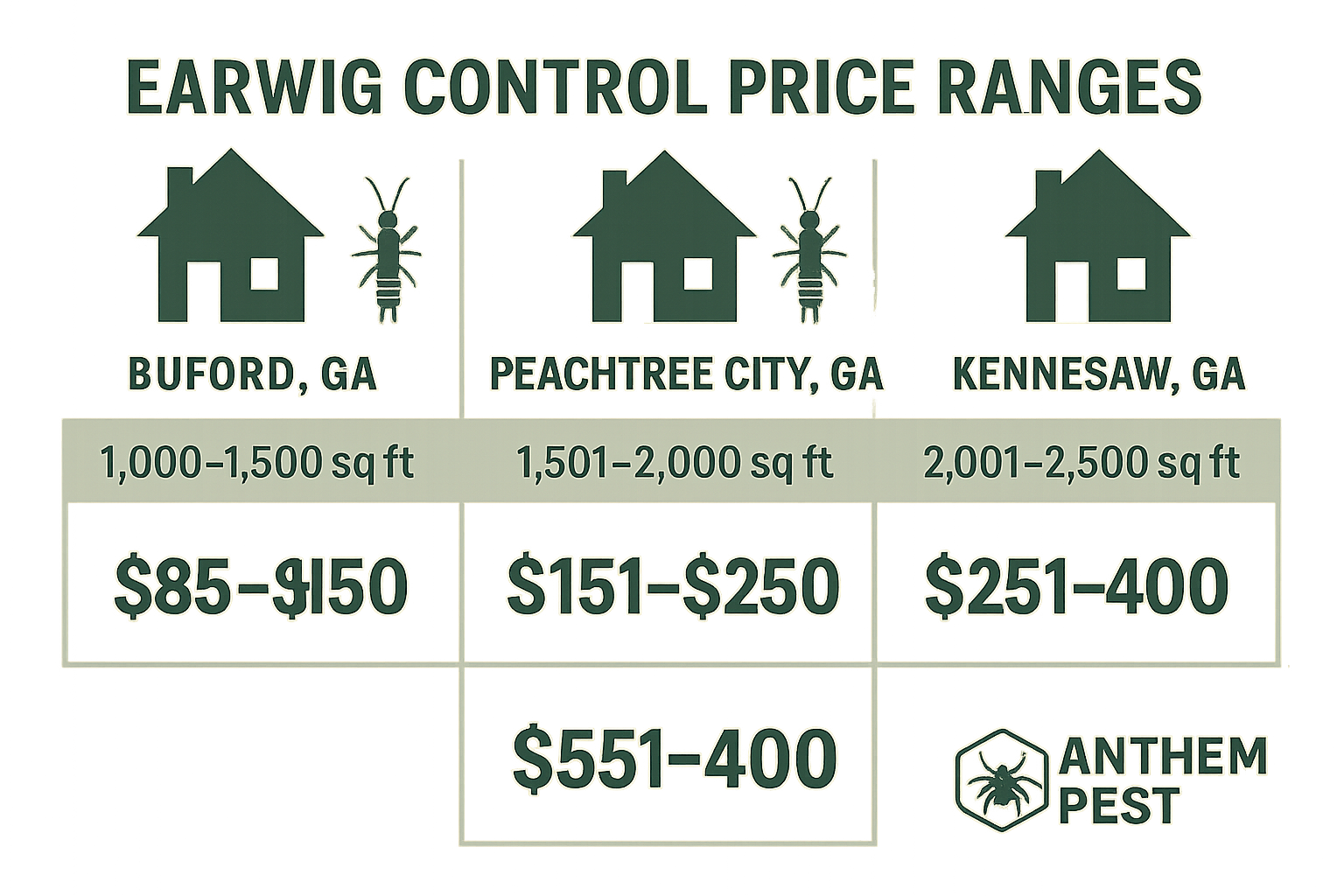
Anthem’s earwig control pricing is tiered by home size, allowing homeowners to see exactly where their budget lands. Below is a quick reference:
- Up to 1,500 sq ft: $120 – $150 per treatment
- 1,501 – 2,500 sq ft: $150 – $190 per treatment
- 2,501 – 3,500 sq ft: $190 – $240 per treatment
- Over 3,500 sq ft: Custom quote (typically $250 +)
These figures cover a standard indoor/outdoor application using EPA‑approved products. Additional services—such as perimeter barriers or follow‑up visits—are priced separately.
Seasonal Activity Chart
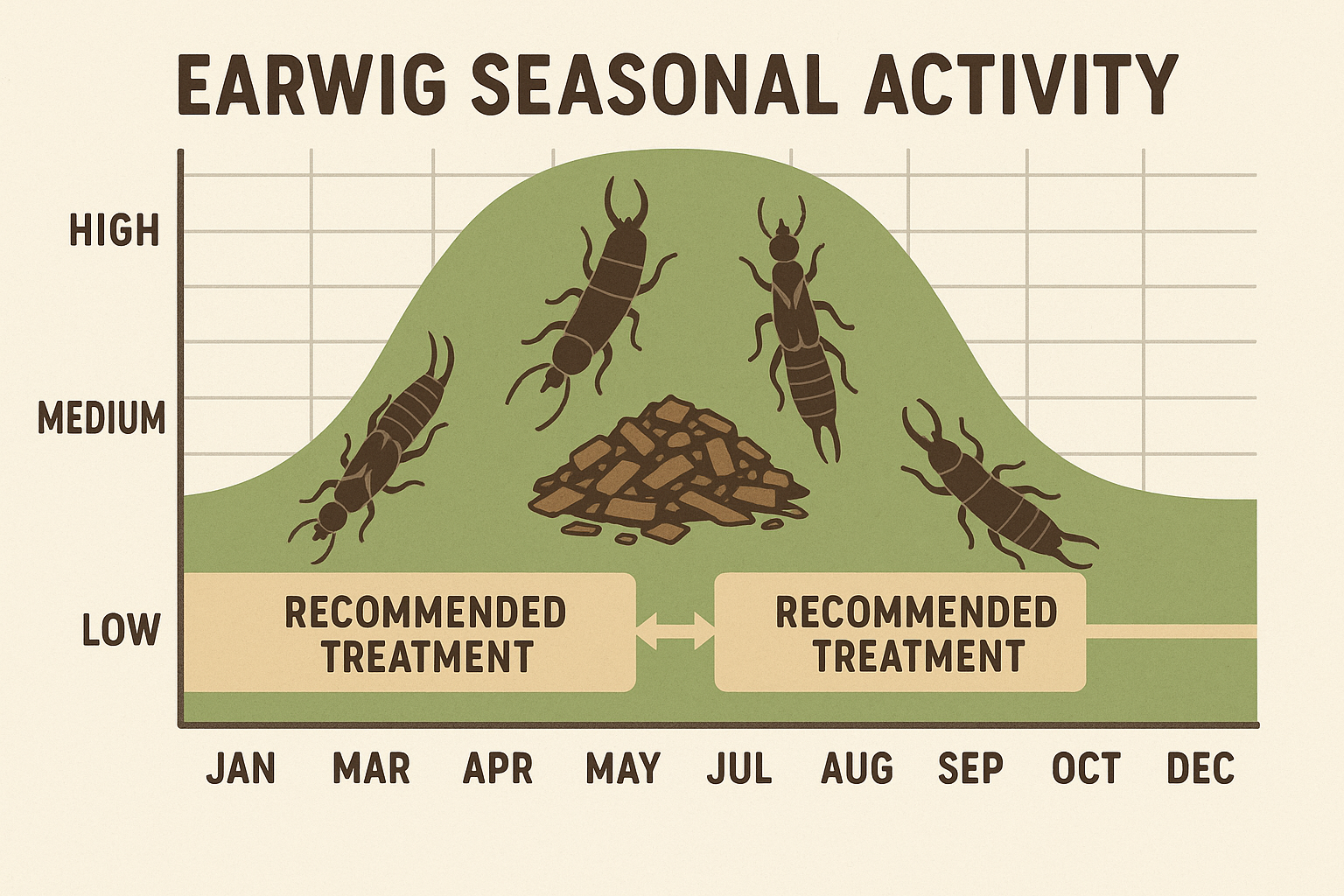
Earwig populations follow a predictable rhythm in North Georgia. Understanding the cycle helps you schedule treatments when they’re most effective.
| Month | Activity Level | Recommended Action |
|---|---|---|
| December – February | Low | Monitor only |
| March – May | Rising | First treatment |
| June – August | Moderate | Optional spot‑treatment |
| September – November | Peak | Second treatment |
How Anthem Structures Its Quotes
Transparency starts at the front door. Our process is three‑step:
- Free on‑site inspection: A certified technician evaluates indoor and outdoor zones, identifies entry points, and notes any existing earwig activity.
- Detailed written estimate: You receive a line‑item breakdown—product costs, labor, and any optional add‑ons—so there are no surprise fees.
- Optional maintenance plans: For homeowners who prefer “set it and forget it,” we offer quarterly or bi‑annual service contracts that include earwig control plus any other pest services you need.
Budget‑Friendly Tips
Saving on earwig control is easier when you look at the bigger pest picture. Consider these strategies:
- Bundle earwig treatment with routine ant, spider, or mosquito services to unlock up to 15 % off the combined package.
- Schedule both of the recommended seasonal treatments in one visit; we often provide a “dual‑window” discount for early‑bird bookings.
- Take advantage of Anthem’s annual pest‑prevention audit—if you qualify, you may receive a complimentary follow‑up visit during the peak season.
By aligning your treatment plan with the natural earwig cycle and leveraging Anthem’s transparent pricing, you can keep your home earwig‑free without breaking the bank.
Protect Your Home with Professional Earwig Solutions
Earwigs may seem harmless, but when they multiply they can damage garden plants, chew on soft‑wood furniture, and become a nuisance inside your home. Early detection—spotting the tell‑tale silvery pincers or the nocturnal scurrying—prevents a minor annoyance from turning into a full‑blown infestation.
Effective Control Strategies at a Glance
- Cultural methods: Reduce moisture, clear debris, and keep mulch away from foundations to eliminate ideal breeding grounds.
- Physical barriers: Seal cracks, install door sweeps, and use sticky traps to intercept wandering earwigs.
- Chemical treatments: Targeted insecticide applications around entry points and perimeter zones provide a rapid knock‑down.
- Professional services: Certified technicians combine all three approaches, customizing a plan based on your property’s layout and seasonal activity.
Anthem Pest Control stands behind a commitment to safe, effective, and affordable earwig management. Our pricing is transparent—no hidden fees, just a clear estimate that matches the scope of work. We use EPA‑approved products and follow strict safety protocols to protect your family, pets, and the environment.
If earwigs are nibbling away at your garden or making unwelcome appearances inside your home, don’t wait for the problem to grow. Anthem Pest Control offers fast, reliable earwig control backed by years of expertise and a satisfaction guarantee. Call us today at 877‑371‑8196 for a free, no‑obligation quote and let our certified technicians protect your property year‑round.
Schedule a free inspection now—many neighborhoods enjoy same‑day service, so you can act before the season peaks. Visit Anthem Pest Control to learn more about our comprehensive pest‑prevention programs.