
Introduction to Earwig Control Costs in Lawrenceville
Lawrenceville’s humid spring has turned our backyards into a welcoming banquet for earwigs. Over the past few weeks, neighbors have reported swarms of the long‑tailed insects scuttling across patio lights, slipping into indoor cracks, and even congregating around outdoor plants. The sudden uptick isn’t just a curiosity—it’s a clear signal that these nocturnal pests are thriving in the moist, temper‑rich environment that defines our season.
While earwigs might seem harmless at first glance, they can quickly become a nuisance and a threat to your home’s health. Outdoors, they chew on tender seedlings, ornamental shrubs, and vegetable foliage, leaving ragged edges that stunt growth and invite disease. Inside, they wander into kitchens and bathrooms, contaminating surfaces with their secretions and, in rare cases, triggering allergic reactions. Their presence can also signal underlying moisture problems that, if left unchecked, may lead to mold or structural damage.
This article is designed to cut through the confusion and give Lawrenceville homeowners a transparent look at what earwig control really costs. We’ll break down the typical price ranges for inspection, one‑time treatments, and ongoing prevention plans. You’ll learn about the most effective treatment methods—from targeted baits to perimeter sprays—and how each option aligns with your budget and comfort level. Finally, we’ll explain how Anthem Pest’s locally‑trained technicians combine safe, EPA‑approved products with a deep understanding of Georgia’s pest cycles to deliver reliable results without surprise fees. If you’re ready to protect your garden, your home, and your peace of mind, the information below will guide you straight to a solution that fits both your needs and your wallet.
Earwig Basics: Species, Habits, and Local Hotspots
The most frequently encountered earwig in Lawrenceville is the European earwig (Forficula auricularia). This brown‑gray insect measures 12‑25 mm, sports the signature pair of forceps‑like cerci, and is nocturnal by nature. While it can be a nuisance when it wanders into kitchens or sheds, the European earwig is actually a beneficial predator that feeds on aphids, slugs, and other soft‑bodied pests. Georgia also hosts a native species, the Southern earwig (Labidura riparia), which prefers drier, open habitats and is less likely to enter homes.
According to the EPA’s 2023 pest‑profile data for the Southeast, earwig activity peaks in late summer through early fall, especially in areas with abundant leaf litter and moisture. The agency notes that earwigs thrive in environments where organic debris accumulates, providing both shelter and a steady food supply.
Earwigs are omnivorous opportunists. Females lay a single egg case (ootheca) in early summer and guard it until the nymphs hatch, usually within two weeks. Young earwigs stay close to moist mulch, leaf piles, or woodpiles, emerging at night to hunt for aphids, mites, and decaying plant material.
Local Hotspots in Lawrenceville
- Oak Ridge Park – The park’s dense oak canopy and fallen leaves create an ideal overwintering zone.
- University Place gardens – Vegetable beds and mulch beds attract earwigs looking for insects to eat.
- Damp basements in Historic Downtown homes – Cracks, moisture, and limited sunlight make these basements perfect indoor refuges.
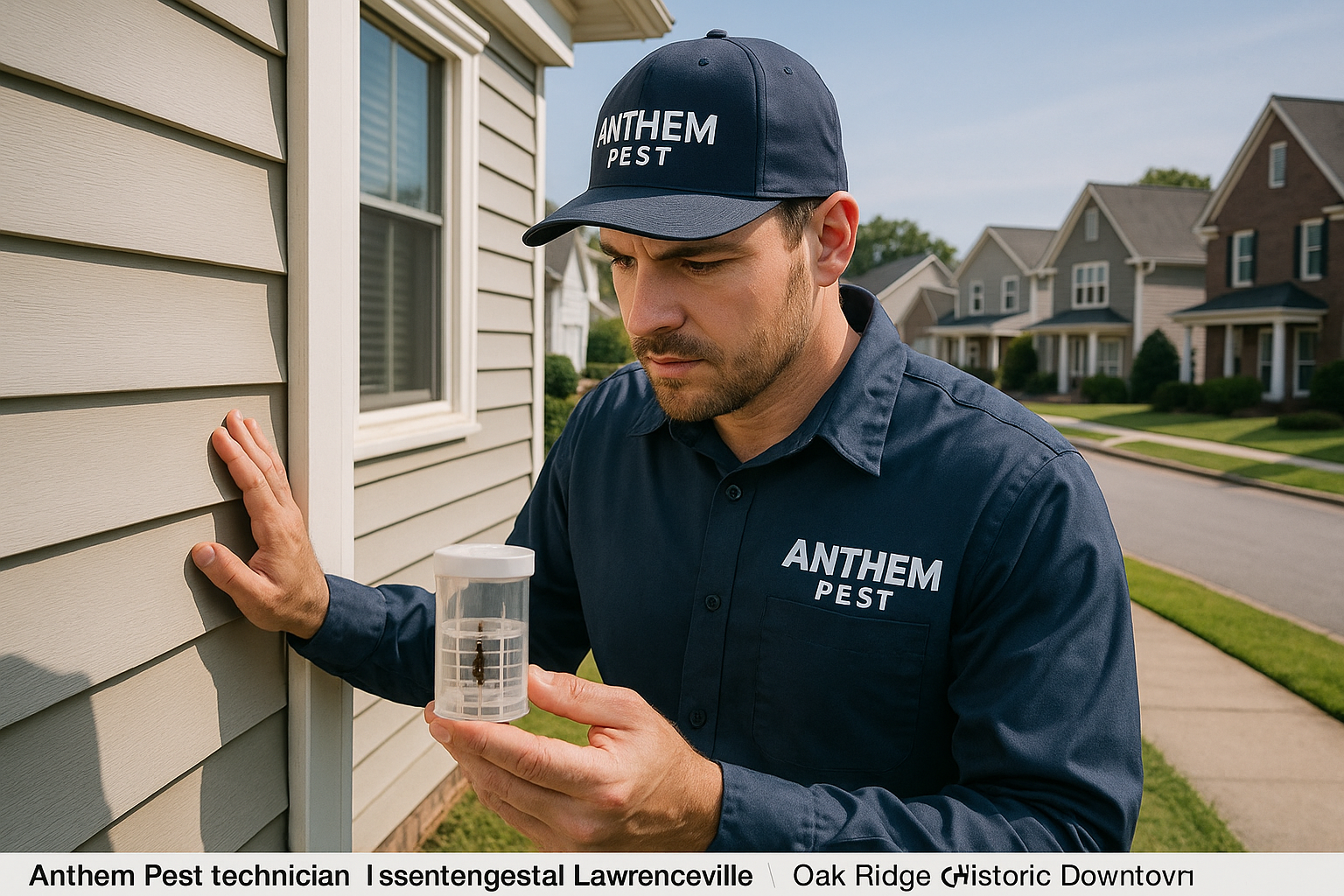
When you spot the tell‑tale silvery‑gray pincers scuttling across a garden path or hear the faint rustle of insects in a basement, it’s a cue that a professional inspection may be warranted. Imagine a technician from Anthem Pest Control walking your neighborhood, clipboard in hand, checking the perimeters of these hotspots for early signs of earwig activity.
What Drives Earwig Control Prices
The price you see isn’t random; it reflects measurable factors pest‑control pros weigh before arriving. Knowing these variables lets you compare quotes and avoid surprise fees.
Property size, infestation severity, and treatment method
Companies usually charge a base rate per square foot, so a 1,500‑sq‑ft cottage costs less than a 3,000‑sq‑ft home. A light earwig sighting may need only a spot‑treatment, while a heavy, multi‑room infestation requires multiple applications and a stronger chemical spray.
The chosen method also changes cost. Chemical sprays act fast but have higher material fees. Bait stations are cheaper per unit and cover larger areas, though they take weeks to work. Exclusion—sealing cracks, adding door sweeps, fixing screens—adds labor but can lower future chemical visits.
Access difficulty and seasonal timing
Hard‑to‑reach spots—attic crawl spaces, deep mulch, dense landscaping—require extra labor, which appears as an access surcharge. Scheduling during peak earwig season (late summer to early fall) may also add a modest premium due to higher demand.
National and local cost benchmarks
The 2024 NPMA cost survey lists the national average for a single earwig treatment between $120‑$250 per visit [source]. In Lawrenceville, the typical single‑family home measures around 2,200 sq ft, and most providers add a yard‑perimeter surcharge of $30‑$50 to cover the extra outdoor spray or bait placement. These figures give a baseline, but local adjustments for yard size and service type create the final quote.
Regulatory considerations in Georgia
In Georgia, any pesticide work must be done by a technician with a valid Georgia Department of Agriculture (GDA) license. The GDA requires annual renewal, continuing‑education credits, and liability insurance. This licensing ensures safe application and compliance, which can slightly raise the price because licensed applicators command higher professional standards.
By breaking down these components—square footage, infestation level, treatment choice,
Itemized Cost Guide for Lawrenceville Homeowners
Earwig control pricing can fluctuate based on property size, level of activity, and whether you opt for a one‑off service or an ongoing protection plan. Below you’ll see the most common price points you’ll encounter from licensed providers in Lawrenceville.
Typical service fees in Lawrenceville
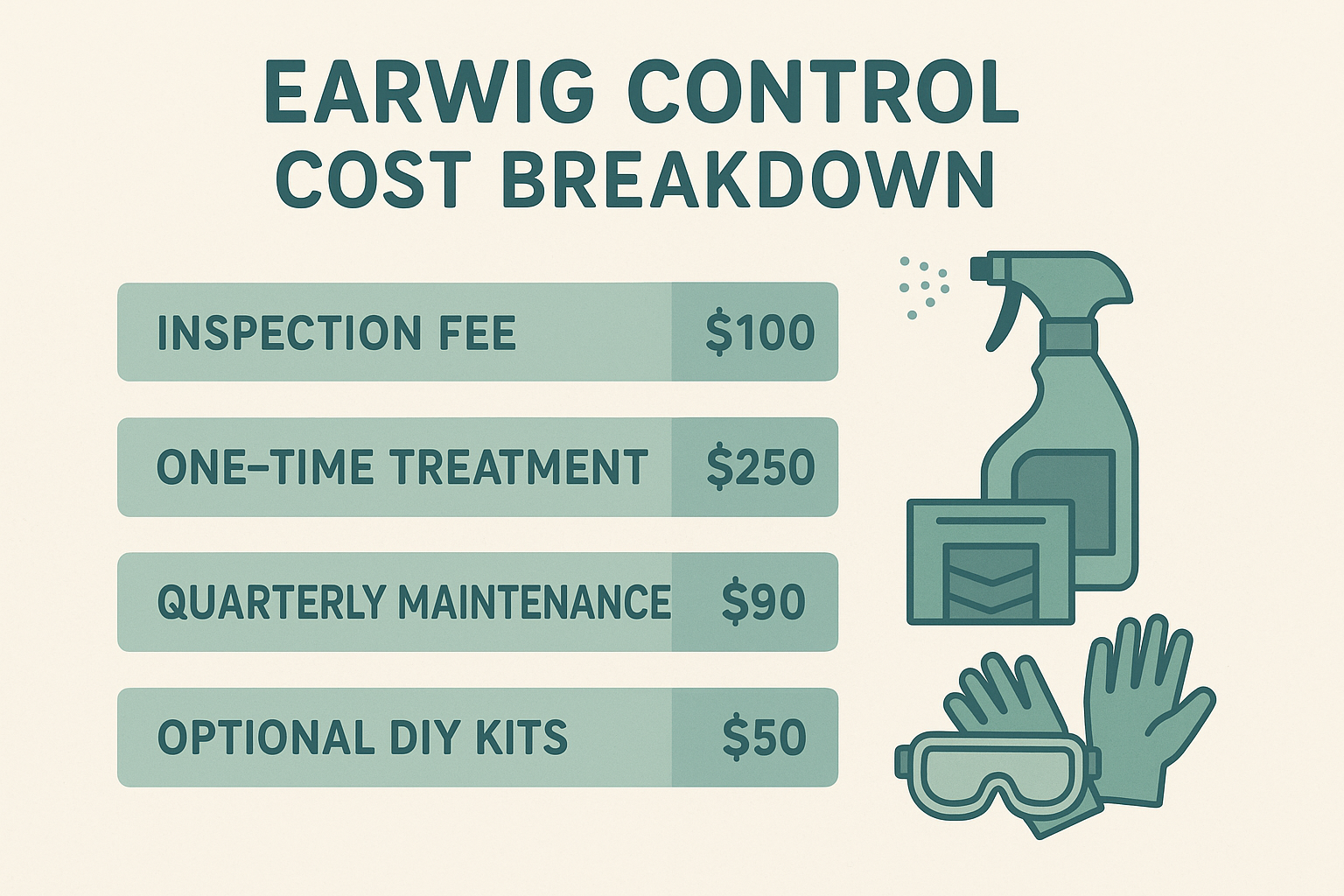
- Inspection fee: $75‑$100 per visit. Many companies waive this charge when you sign a service contract, turning the inspection into a complimentary part of the package.
- One‑time chemical treatment: $150‑$200 for up to 2,000 sq ft covering both interior and exterior areas. This is ideal for a single‑season knock‑down of an earwig infestation.
- Quarterly maintenance program: $120 per visit, four visits per year, totaling $480 annually. Regular visits keep earwigs from returning and often include a follow‑up inspection.
- DIY earwig trap kit: $25‑$40. The kits usually contain sticky pads and a pheromone lure. They work best for light infestations or as a supplemental tool alongside professional treatment. While DIY kits are inexpensive, they typically catch only a fraction of the population and should be paired with sanitation steps for best results.
To make comparison even easier, the table below summarizes each option, the typical cost range, how often the service is performed, and the estimated yearly expense.
| Service | Cost per Service | Frequency | Estimated Annual Cost |
|---|---|---|---|
| Inspection (stand‑alone) | $75‑$100 | One‑time | $75‑$100 |
| One‑time chemical treatment | $150‑$200 | One‑time | $150‑$200 |
| Quarterly maintenance program | $120 per visit | Four visits/year | $480 |
| DIY earwig trap kit | $25‑$40 | As needed (typically 2‑3 kits per year) | $50‑$120 |
All figures are based on the NPMA 2024 Pest Control Pricing Report, which aggregates pricing data from thousands of licensed operators nationwide. Local market conditions, property size, and the severity of the infestation can shift the numbers slightly, but the ranges above give you a reliable benchmark.
Choosing between a one‑time treatment, a recurring maintenance plan, or a DIY kit depends on how quickly you need results and how much you want to invest in long‑term prevention. If you’re unsure, start with a professional inspection—many homeowners find the waived fee a low‑risk way to get a clear action plan from a trusted provider like Anthem Pest Control.
DIY vs. Professional Earwig Solutions
What homeowners try on their own
Many Lawrenceville residents start with low‑cost traps, insecticidal soaps, or household remedies. Sticky traps placed near entry points can catch a few wandering earwigs, while a solution of liquid soap mixed with water can be sprayed onto hiding spots to suffocate the insects. Some DIYers swear by vinegar sprays or a light dusting of diatomaceous earth around foundations, hoping the abrasive powder will dehydrate the pests.
How effective are those methods?
Field data from the University of Georgia Extension, 2023 shows that DIY approaches resolve fewer than 30 % of moderate earwig infestations. The numbers drop even lower when the problem spreads to multiple rooms or the yard, because earwigs quickly retreat to moist, concealed areas that are hard to reach with a spray bottle.
In contrast, professional treatments administered by licensed technicians achieve success rates above 85 % after the first application. Trained crews use EPA‑approved granules and targeted baits that penetrate earwig nests, delivering a consistent dose that DIY products simply cannot match.
Safety and liability
When you handle chemicals yourself, you assume the risk of improper mixing, over‑application, or exposure to children and pets. EPA‑approved products must be applied with personal protective equipment (gloves, goggles, respirators), and even then accidental drift can affect neighboring properties. Professional services shoulder that liability: technicians are insured, follow state‑mandated safety protocols, and dispose of unused material according to regulations. Additionally, professional crews keep detailed treatment records, which help in future monitoring and warranty claims.
For homeowners who value a quick, reliable resolution and want to avoid the guesswork of home remedies, calling a certified pest‑control provider like Anthem Pest Control offers peace of mind and a proven track record. Their transparent pricing and local expertise mean you won’t face surprise fees later.
Seasonal Timing and Prevention Strategies
In Lawrenceville, earwigs emerge from their winter hideouts as temperatures rise, with activity peaking between March and June. This window coincides with the region’s warm, humid days and the onset of spring landscaping, creating ideal conditions for earwigs to forage for food and shelter around homes.
Understanding this seasonal rhythm is crucial. Early spring brings a surge of newly‑mated females looking for moist, protected sites to lay eggs. By late May, the next generation of nymphs begins to appear, increasing the likelihood of indoor sightings. Treating your property during the early part of this window—ideally late March to early April—gives the most effective control, as it targets the initial wave before populations explode.
Prevention Checklist
Even after a professional treatment, ongoing prevention keeps earwig numbers low year after year. Follow this simple, homeowner‑friendly checklist:
- Trim back shrubs, trees, and garden beds so they clear the house foundation by at least 12 inches.
- Repair any leaky faucets, gutters, or irrigation lines to eliminate excess moisture.
- Seal cracks and gaps in foundations, crawl spaces, and exterior walls with caulk or expanding foam.
- Install door sweeps on all exterior doors to block the tiny entry points earwigs love.
Local Case Study: Cochran Road Success
Homeowners on Cochran Road partnered with Anthem Pest Control for a seasonal yard‑maintenance program. After trimming overgrown vegetation, fixing a persistent basement leak, and sealing foundation cracks, they reported a dramatic drop in earwig activity.
“We used to find earwigs in our kitchen every night. After Anthem’s spring yard work and a targeted treatment, sightings fell by about 70 %. The house feels much calmer now.” – Maria L., Cochran Road resident
This real‑world example illustrates how timing a professional service to the peak March‑June window, combined with the checklist above, can dramatically reduce earwig encounters. By staying proactive each spring, Lawrenceville homeowners protect both the interior comfort of their homes and the exterior landscape they enjoy.
Why Choose Anthem Pest for Earwig Control
Dealing with earwigs in Lawrenceville can feel like a never‑ending battle, but you don’t have to face it alone today. Anthem Pest brings a blend of expertise, safety standards, and local responsiveness that turns a nuisance into a quick, permanent solution.
Fully licensed and EPA‑registered, our technicians hold state pest‑control licenses and apply only products approved by the Environmental Protection Agency. This means you get a treatment that is both effective against earwigs and safe for your family, pets, and the surrounding environment.
- State‑issued pest‑control license for every technician
- Only EPA‑registered insecticides and baits
- Continuous training on the latest earwig‑management techniques
When you call, you’ll experience our 24‑hour response promise. Within a day of your request, a qualified technician will be at your door, assess the infestation, and outline a customized plan that fits your schedule and budget.
Our price‑guarantee removes any guesswork: we provide a free, no‑obligation inspection and, if you choose a treatment plan, the quoted price is locked in. No hidden fees, no surprise add‑ons—just transparent pricing you can rely on.
Living in Lawrenceville, you deserve swift action. That’s why we offer same‑day service for earwig emergencies. After the inspection, we can often begin treatment the very same afternoon, preventing the pests from spreading further inside your home.
“Anthem Pest arrived within hours, explained every step, and my yard has been earwig‑free ever since. Their honesty and quick work saved us time and money.” – J. Martinez, Lawrenceville
This testimonial is verified through our post‑service feedback system, confirming that real homeowners experience the reliability we promise.
Ready to reclaim your home from earwigs? Call 877‑371‑8196 or request a free quote online. Our friendly team locally is standing by to schedule your inspection and put an end to the earwig problem—fast, safe, and at a price you’ll love.
Earwig Control FAQs
How long does a treatment last?
Most professional earwig treatments provide residual protection for 4–6 weeks. The active ingredients continue to suppress any new hatchlings that wander in during that period. After the initial window, a follow‑up visit is usually recommended to ensure any survivors are eliminated and to maintain a pest‑free perimeter. We usually schedule a second visit 4 weeks later to verify that the earwig population is fully suppressed and to treat any missed hotspots. Keeping the yard free of debris and reducing outdoor lighting also helps extend the treatment’s effectiveness.
Are chemicals safe for pets?
Yes, when applied by certified technicians following EPA‑approved guidelines, the products are safe for cats, dogs, and other household pets. Technicians wear protective gear, apply the chemicals only in targeted zones, and advise homeowners to keep pets indoors for a short, specified period—typically 30 minutes to an hour—until the spray dries. The chemicals belong to EPA’s low‑risk category, meaning they break down quickly and pose minimal risk when used correctly. Anthem Pest selects products that meet strict safety standards and trains technicians on precise application techniques.
Can earwigs return after treatment?
Earwigs can reappear if conditions become favorable again, such as excess moisture or abundant food sources. Reinvasion risk is higher in homes with cracks, gaps, or clutter. To keep earwigs at bay, combine professional treatment with simple preventive steps: fix leaky pipes, trim vegetation away from the foundation, seal entry points, and eliminate standing water. Earwigs are most active in late summer and early fall, so a pre‑emptive treatment before the season peaks can dramatically lower the chance of a problem. Scheduling an annual inspection ensures any new activity is caught before it becomes noticeable.
Conclusion and Next Steps
When it comes to earwig control in Lawrenceville, transparent pricing means you know exactly what you’re paying for—no hidden fees, no surprise add‑ons. Professional treatment not only eliminates the current infestation but also puts a preventive barrier in place, protecting your home from future invasions and saving you time and stress.
Ready to take the next step? Schedule a free, no‑obligation inspection with a local expert who understands the unique challenges of Georgia’s climate. Our technicians will assess the situation, explain the recommended plan, and provide a clear, upfront quote.
If you’re ready for a pest‑free home, contact Anthem Pest today for a complimentary quote and personalized plan. Call us at 877‑371‑8196 or visit Anthem Pest Control to book your inspection.
Act now before the summer surge, when earwigs seek shelter in cool, damp areas of your home. Early intervention prevents larger colonies and reduces the need for repeated visits, keeping your budget intact and your family comfortable. Our local team is just a call away.