Understanding Flea Risks for Homeowners and Pets
What a flea actually is
Fleas are tiny, wing-less insects that survive by feeding on the blood of warm-blooded animals. In the United States, the most common species is the Ctenocephalides felis, or cat flea, which also infests dogs, wildlife, and even humans. An adult flea measures only 1–3 mm, jumps up to seven inches, and can lay up to 50 eggs per day. Their life cycle—egg, larva, pupa, adult—can be completed in as little as two weeks when conditions are warm and humid, making a small introduction into a home quickly turn into a full-blown infestation and increasing concern about flea control cost Canton homeowners may face if the problem spreads.
How fleas hitch a ride into your home
Fleas thrive outdoors in grass, leaf litter, and shaded yard corners. When your pet rolls in these habitats, the adult fleas or their eggs cling to fur, paws, or the pet’s clothing. As the animal walks through a doorway or jumps onto a porch step, the insects are deposited right at the threshold of your house. From there, they scramble across carpets, bedding, and furniture, seeking a new host.

Warning signs you shouldn’t ignore
Even if you haven’t seen a flea, several clues can alert you to a hidden problem:
- Scratching pets—persistent, frantic scratching often means fleas are feeding.
- Bite clusters on humans—tiny, red, itchy spots that appear in groups, usually on ankles or waistlines.
- “Black pepper” specks—tiny, dark droppings that look like ground pepper, left on bedding or pet blankets.
- Live fleas in the carpet—a quick sweep with a flashlight can reveal moving insects.
Why the bite matters
Flea bites are more than a nuisance. They can cause intense skin irritation, and some people develop allergic reactions that lead to swelling and secondary infections. More seriously, fleas are vectors for diseases such as Yersinia pestis (the bacterium that causes plague) and Rickettsia typhi (murine typhus). While these illnesses are rare in the United States, the Centers for Disease Control and Prevention (CDC) notes that flea‑borne pathogens can pose a health risk, especially to children, the elderly, and immunocompromised individuals.
The Environmental Protection Agency (EPA) emphasizes that early detection and integrated pest management—combining proper pet treatment, environmental sanitation, and professional pest control—are the most effective ways to keep flea populations below the threshold where they become a health concern.
Flea Life Cycle and Health Implications
From Egg to Adult: How Fast Do Fleas Develop Indoors?
Under the moderate temperature and humidity typical of a Canton, GA home (around 70‑75°F and 50‑70% relative humidity), a flea can complete its entire life cycle in as little as 2 weeks and as long as 6 weeks. The breakdown looks like this:
- Egg – Female fleas lay 20–50 eggs per day. Eggs are tiny, white, and hatch within 2–5 days.
- Larva – The worm‑like larvae feed on organic debris and adult flea feces. This stage lasts 5–11 days.
- Pupa – Larvae spin silky cocoons and enter a dormant pupal phase. Depending on food availability, this can last 5 days to several weeks.
- Adult – Once emerged, an adult flea can start biting within 24 hours and begins reproducing in about 48 hours.
In a typical Canton residence, indoor heating during winter keeps temperatures within the flea’s optimal range, while humidifiers used in dry months maintain the moisture levels they need to thrive. Even a slight dip below 65°F can slow development, but it rarely halts the cycle entirely, meaning a small residual population can linger year‑round.
Where the Stages Hide
Each developmental stage is adept at slipping into the nooks of a home, making a DIY wipe‑down ineffective.
- Eggs fall through pet bedding, carpet fibers, and even cracks in baseboards. Because they are so light, they can be carried on airflow and settle in hidden corners.
- Larvae prefer dark, humid micro‑environments such as the undersides of rugs, pet crates, and the crevices between floorboards. They avoid light, so a quick vacuum often misses them.
- Pupae are protected inside resilient cocoons that cling to carpet backing, upholstery seams, and even the edges of furniture. The cocoon can remain dormant for weeks until vibrations signal a host’s presence.
- Adults are the most mobile; they hop onto pets, humans, or even stray wildlife. They hide in pet bedding, sofa cushions, and the fibers of wall‑to‑wall carpet while waiting for a blood meal.
Because eggs and larvae are microscopic—often less than 1 mm—they slip through standard vacuum filters. Only a HEPA‑rated vacuum equipped with a crevice tool can capture a meaningful portion, and even then, the protective pupal cocoons remain untouched.
Health Risks Tied to Each Stage
While the adult flea is the obvious culprit for bites, the earlier stages also contribute to health concerns.
- Adult bites cause itchy, red welts that can develop into allergic dermatitis in sensitive individuals. Repeated exposure often leads to a hypersensitivity reaction known as “flea allergy dermatitis.”
- Eggs and larvae generate a substantial amount of organic waste that can trigger respiratory irritation, especially for asthmatic occupants.
- Pupal cocoons release microscopic particles when disturbed, adding to indoor allergen load.
- Disease transmission – Adults are vectors for several pathogens. According to the CDC, fleas can transmit plague (Yersinia pestis) and murine typhus (Rickettsia typhi). The National Pest Management Association (NPMA) also notes that fleas are intermediate hosts for the tapeworm Dipylidium caninum, which can infect both pets and humans when they ingest an infected flea.
Data from the CDC indicate that flea‑borne plague cases in the United States have declined to fewer than 10 per year, yet the disease remains endemic in wildlife reservoirs across the South. Murine typhus, while less lethal, accounts for several hundred reported cases annually, many linked to flea exposure in suburban homes.
Visual Reference: Adult Flea
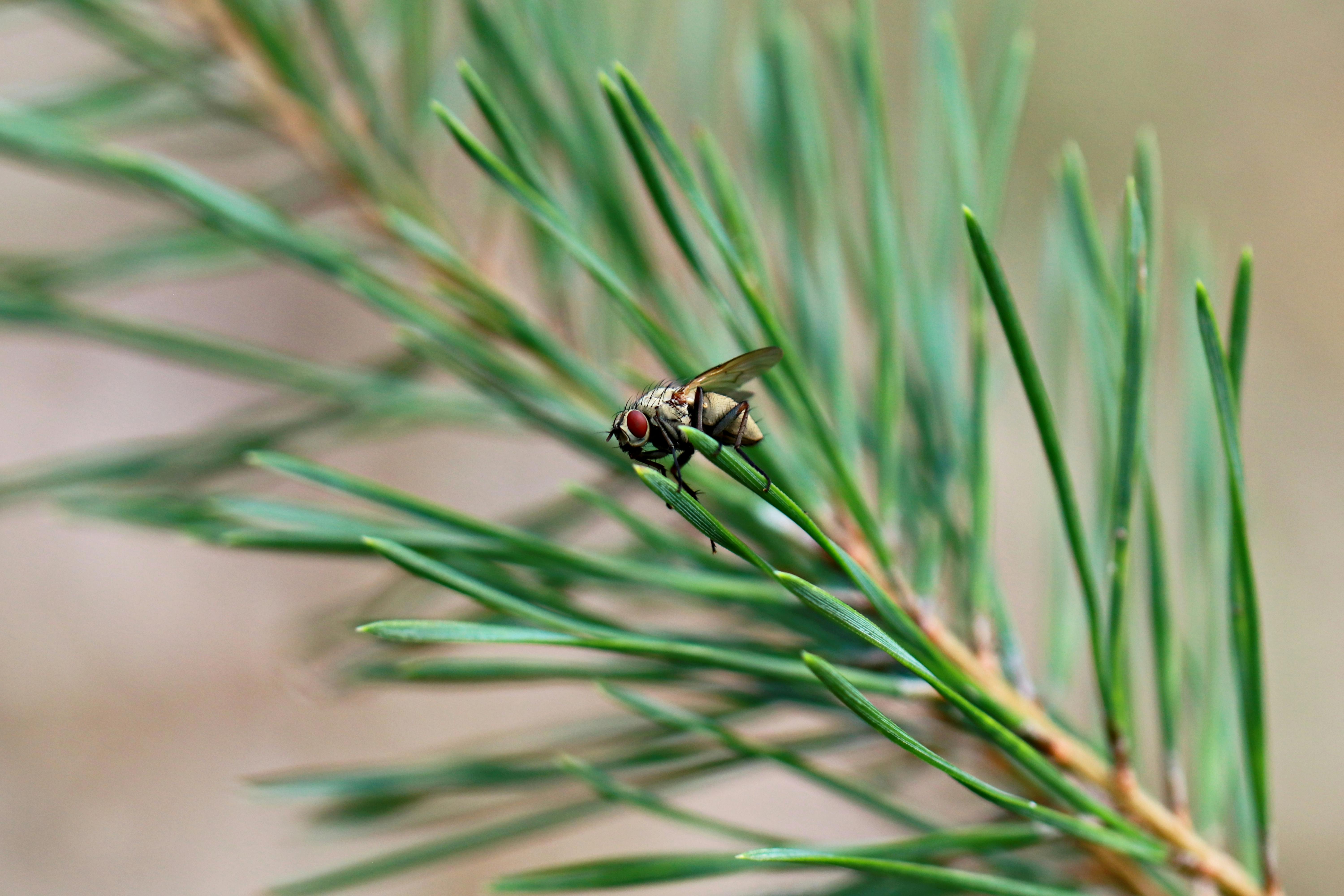
Understanding the full life cycle clarifies why a single treatment often fails to eradicate a flea problem. Eggs, larvae, and pupae can survive for weeks hidden in carpet or bedding, re‑emerging as new adults once conditions improve. That is why professional, multi‑stage interventions—combined with thorough cleaning—are essential for lasting control in Canton homes.
DIY Prevention and Early‑Stage Control
Before you pick up the phone for a professional treatment, there are several low‑cost, high‑impact actions you can take right now to keep fleas at bay. These steps focus on breaking the flea life cycle where it starts – on your pets, in your home, and in the surrounding yard. Consistency is key; a little daily effort often prevents a full‑blown infestation and can save you both time and money.
Regular Pet Grooming
Your pets are the most common carriers of adult fleas, so maintaining a grooming routine is essential. A thorough bath with a flea‑killing shampoo helps wash away any hitchhikers, while a fine‑toothed flea comb can physically remove adult fleas and eggs that hide in the fur. In addition, applying a veterinarian‑approved topical treatment each month creates a protective barrier that kills fleas before they can lay eggs.
- Baths: Use a flea‑specific shampoo and let the suds sit for a few minutes before rinsing.
- Flea comb: Comb your pet’s coat daily, especially after outdoor walks, and drop the combed debris into soapy water.
- Topical treatments: Apply the product to the back of the neck where pets can’t lick it off; follow the label for timing.
Home Hygiene Tips
Even a perfectly groomed pet can drop eggs and larvae into your home. Keeping the indoor environment hostile to fleas reduces the chances that eggs will hatch and develop into adults. Vacuuming is the single most effective tool because it physically removes eggs, larvae, and pupae from carpets, rugs, and upholstery. Follow up by washing all pet bedding, blankets, and removable cushions on the hottest setting your fabrics allow. For stubborn areas, a quick steam‑cleaning pass on rugs and upholstered furniture can raise the temperature high enough to kill hidden stages.
- Vacuum daily: Focus on pet sleeping spots, under furniture, and along baseboards; discard the vacuum bag or empty the canister into a sealed trash bag.
- Wash bedding: Use water at 130°F (54°C) or higher; dry on high heat for at least 30 minutes.
- Steam clean: Target high‑traffic rugs and upholstery; the heat kills larvae and pupae that vacuuming might miss.
Environmental Modifications
Fleas thrive in warm, humid outdoor areas where adult females can lay thousands of eggs. By altering the yard’s micro‑environment, you make it less inviting for flea development. Keep grass trimmed to a few inches, remove leaf litter, and clear away any debris that can hold moisture. Seal cracks around doors, windows, and the foundation to prevent wildlife – a common source of adult fleas – from entering your property.
- Trim grass: Short grass dries quickly, reducing the humidity fleas need.
- Clear debris: Rake leaves, pine needles, and mulch regularly.
- Seal entry points: Use weather‑stripping and caulk around doors, windows, and utility openings.
When DIY Methods Fall Short – Signs It’s Time to Call a Professional
Despite diligent grooming, cleaning, and yard work, some infestations simply outpace home remedies. Look for the following warning signs: a sudden surge in flea “bites” on family members, visible adult fleas jumping from pets or furniture, or a persistent, musty odor from pet bedding that cleaning can’t eliminate. If you notice any of these indicators, the flea population has likely entered the adult stage in large numbers, and a professional treatment is the quickest way to regain control.
Anthem Pest Control’s “Safe, Effective, Affordable” Promise
When the DIY approach isn’t enough, Anthem Pest Control offers a seamless next step. Our technicians use EPA-approved products that target every stage of the flea life cycle while prioritizing the safety of your family and pets. We provide transparent, upfront pricing so you know exactly what you’re paying for and can clearly understand flea control cost Canton homeowners typically face. If you’ve tried the steps above and still see fleas, give us a call at 877-371-8196 or visit anthempest.com for a free assessment and a plan that’s both effective and affordable.
Professional Flea Management Options and Pricing
What’s Inside a Professional Flea Treatment?
Anthem Pest Control uses a blend of proven application methods to attack fleas at every stage of their life cycle. Our technicians can apply liquid sprays that coat baseboards, under furniture, and in carpet fibers, delivering immediate knock‑down. For hard‑to‑reach spaces, we deploy foggers that disperse a fine mist, saturating closets and crawl‑spaces. Homeowners with pets appreciate our pet‑safe granules, which create a low‑toxicity barrier in yards and on indoor rugs. Finally, we offer indoor/outdoor barrier applications that leave a residual layer of protection for weeks, preventing new fleas from establishing.
How Often Should You Treat?
Flea populations can rebound quickly, especially during warm, humid months in Cherokee County. That’s why Anthem provides three frequency options:
- Single Treatment – A one‑time service that eliminates the current infestation.
- Quarterly Maintenance – Four visits per year, timed to seasonal spikes, to keep the environment hostile to fleas.
- Annual Protection Plan – Twelve monthly visits that combine treatment and monitoring, delivering the most comprehensive long‑term defense.
Each schedule is designed to match a homeowner’s urgency, budget, and willingness to stay ahead of the next wave.
Choosing the Right Tier for Your Home
Understanding the benefits of each tier helps you make an informed decision:
- One‑Time Knock‑Down – Ideal for a sudden outbreak when you need fast relief. The treatment targets adult fleas and larvae, but without follow‑up, new eggs may hatch.
- Quarterly Maintenance – Balances cost and control. By revisiting the property every three months, we interrupt the flea life cycle before it can multiply, reducing the need for heavy chemicals.
- Annual Protection – The premium choice for peace of mind. Continuous monitoring, barrier renewals, and seasonal adjustments keep fleas from ever gaining a foothold, protecting both pets and family.

Why Anthem’s Pricing Stands Out in Canton
Anthem Pest Control believes in transparent, upfront pricing—no hidden fees, no surprise add‑ons. Our Canton‑area rates reflect the local cost of living and the expertise of technicians who know the unique pest pressures of Cherokee County. Below is a quick snapshot of our standard pricing structure:
| Tier | Included Services | Price (per treatment) |
|---|---|---|
| Single Treatment | Liquid spray + indoor barrier | $119 |
| Quarterly Maintenance | Liquid spray, fogger, barrier renewal (4 visits) | $399 |
| Annual Protection Plan | Monthly spray, granules, barrier, monitoring | $1,099 |
All plans come with a 100% satisfaction guarantee, a detailed service report after each visit, and a dedicated local specialist who can answer questions about pet safety, timing, or any follow-up needed. By choosing Anthem, Canton homeowners receive a blend of scientific rigor, local knowledge, and clear pricing that makes flea control cost Canton predictable and a stress-free part of home maintenance.
Seasonal Flea Activity in Georgia and Next Steps
When Fleas Are Most Active
In Georgia, fleas follow a predictable seasonal pattern that aligns with temperature and humidity. The chart below highlights the months when flea populations typically surge and the periods when the risk drops.
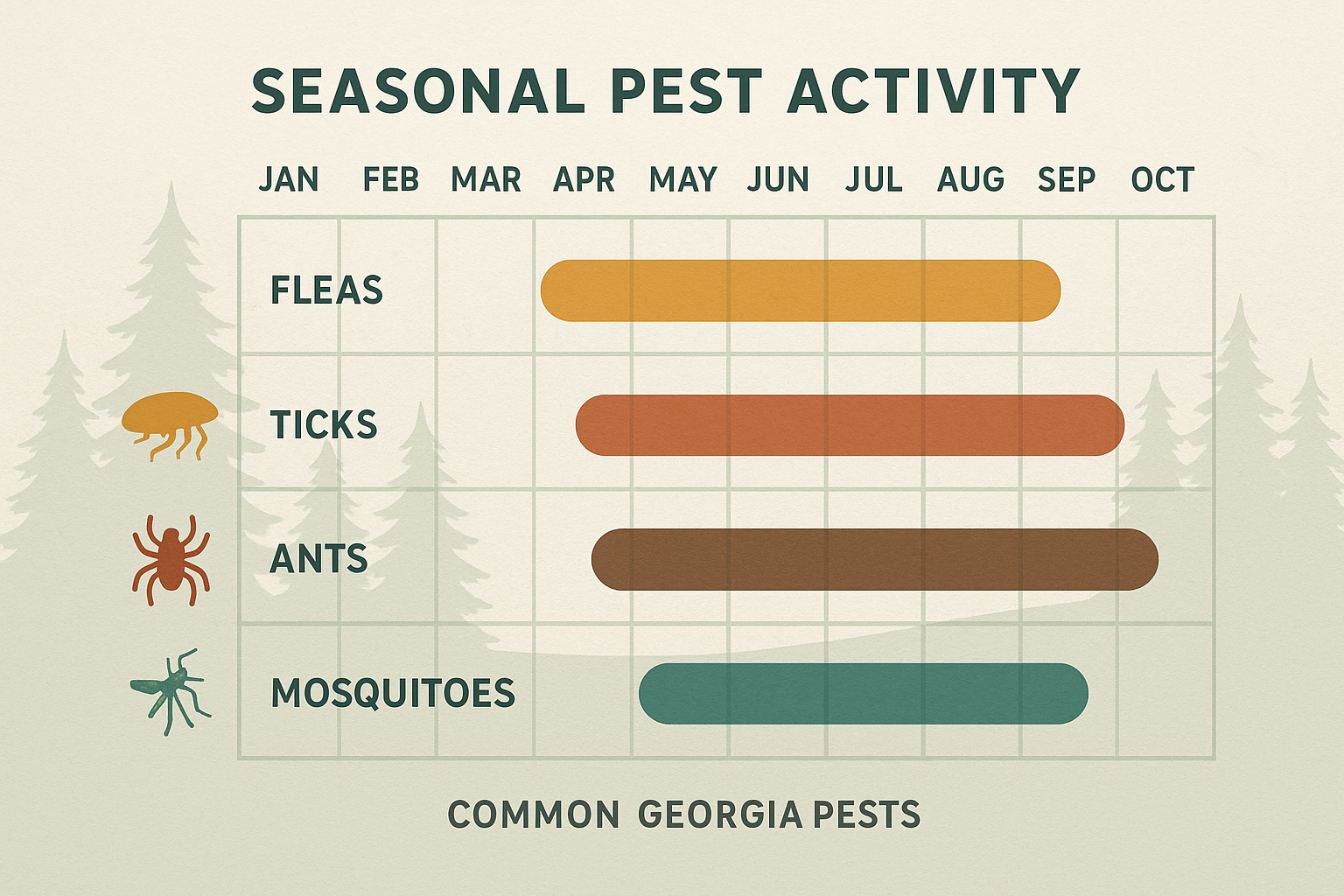
| Month | Activity Level |
|---|---|
| January | Low |
| February | Low |
| March | Moderate |
| April | High |
| May | High |
| June | High |
| July | High |
| August | High |
| September | High |
| October | Moderate |
| November | Low |
| December | Low |
Why Weather Drives the Flea Life Cycle
Fleas thrive when temperatures stay between 65 °F and 85 °F and humidity remains above 50 %. Those conditions accelerate egg hatching, larval development, and adult activity. Early‑season treatments—starting in March—target emerging eggs before they mature into biting adults, cutting the cycle short and reducing the need for repeated applications later in the summer.
Key Takeaways
- Identification: Small, jumping insects that bite the ankles of pets and humans.
- Risks: Skin irritation, allergic reactions, and potential disease transmission.
- DIY Steps: Regular vacuuming, washing bedding at 130 °F, and using pet‑safe flea shampoos.
- Professional Options: Integrated flea management, indoor/outdoor treatments, and ongoing monitoring.
Take Action Today
Because flea pressure spikes from April through September, the smartest move is to schedule a free, no‑obligation quote now. Anthem Pest Control’s technicians know Canton’s micro‑climates, so they can tailor a plan that hits the problem at its source—fast, safe, and affordably.
Call us at 877-371-8196 or click the link below to start the conversation. We’ll respond quickly, assess your home, and provide transparent pricing so you clearly understand flea control cost Canton homeowners can expect before any work begins.