Understanding Flea Infestations in Home Environments

Fleas are tiny, wing-less insects that thrive on the blood of warm-blooded hosts, and understanding the flea control cost Cumming homeowners may face starts with knowing the pest itself. The most common species you’ll encounter in Cumming, Georgia, are the cat flea (Ctenocephalides felis) and the dog flea (Ctenocephalides canis). Both will bite humans, leaving itchy welts, but they prefer pets because a single adult can consume up to 15 mg of blood each day—often driving up treatment needs and overall flea control costs if left unchecked.
Flea Life Cycle
The flea’s four‑stage life cycle makes eradication a moving target:
- Egg: After a blood meal, the female lays 20‑50 eggs on the host. These eggs drop off into the environment—carpets, bedding, or cracks in the floor.
- Larva: In 2‑14 days, eggs hatch into worm‑like larvae that feed on organic debris, including adult flea feces (tiny black specks). They avoid light, staying hidden in carpet fibers or under furniture.
- Pupa: Larvae spin silk cocoons and become pupae. This stage can pause for weeks or months, waiting for vibrations or carbon dioxide—signals that a host is nearby.
- Adult: Once conditions are right, the adult emerges, seeks a blood meal, mates, and the cycle restarts. An adult can live 2‑3 weeks without a host, but will die within a few days if it cannot feed.
Understanding each stage is crucial because treatment must target eggs, larvae, and pupae, not just the visible adult fleas.
How Fleas Get Inside Your Home
Fleas rarely “fly in” on their own; they hitch a ride:
- Pets: Dogs and cats are the primary transport vectors. A single flea on a pet can drop dozens of eggs throughout the house within hours.
- Outdoor environments: Gardens, mulch, and shaded areas provide ideal breeding grounds. When pets roam, they pick up fleas and bring them inside.
- Neighboring yards: In dense suburban settings like Cumming, fleas can migrate between adjacent properties, especially if neighboring pets are untreated.
Warning Signs of an Infestation
Early detection saves you from a full‑blown outbreak. Look for these visual cues:
- Excessive scratching or restlessness in pets, especially after outdoor play.
- Small, red bite marks on human skin, often in clusters around the ankles or waist.
- “Black pepper” specks—flea feces (digested blood) that appear as tiny dark dots on carpet, bedding, or upholstery.
- Live fleas jumping when you brush a pet’s fur or disturb a rug.
Health Risks Associated with Flea Bites
Beyond the irritation, flea bites can transmit disease. In the United States, fleas are known carriers of Rickettsia felis, the agent of flea‑borne spotted fever, and can occasionally spread tapeworms (via ingestion of an infected flea). Children, the elderly, and immunocompromised individuals are more vulnerable to severe reactions.
For a deeper dive into flea biology and the public‑health perspective, consult the EPA Fleas Overview. Armed with this knowledge, you’ll be better prepared to spot an infestation early and choose the right treatment plan—whether DIY or a professional service from Anthem Pest Control.
Seasonal Flea Activity and Timing Your Treatment
Fleas thrive when warmth and moisture combine—two factors that swing dramatically with Georgia’s climate and directly influence flea control cost Cumming homeowners may experience throughout the year. Temperatures between 70 °F and 85 °F accelerate the flea life cycle, while relative humidity above 50 % ensures eggs and larvae don’t desiccate. When a warm, damp spell arrives, a single adult female can lay up to 50 eggs each day, and those eggs hatch in as little as two weeks. Conversely, a cold snap or dry spell slows development, pushing the cycle into a dormant state and temporarily reducing treatment pressure.
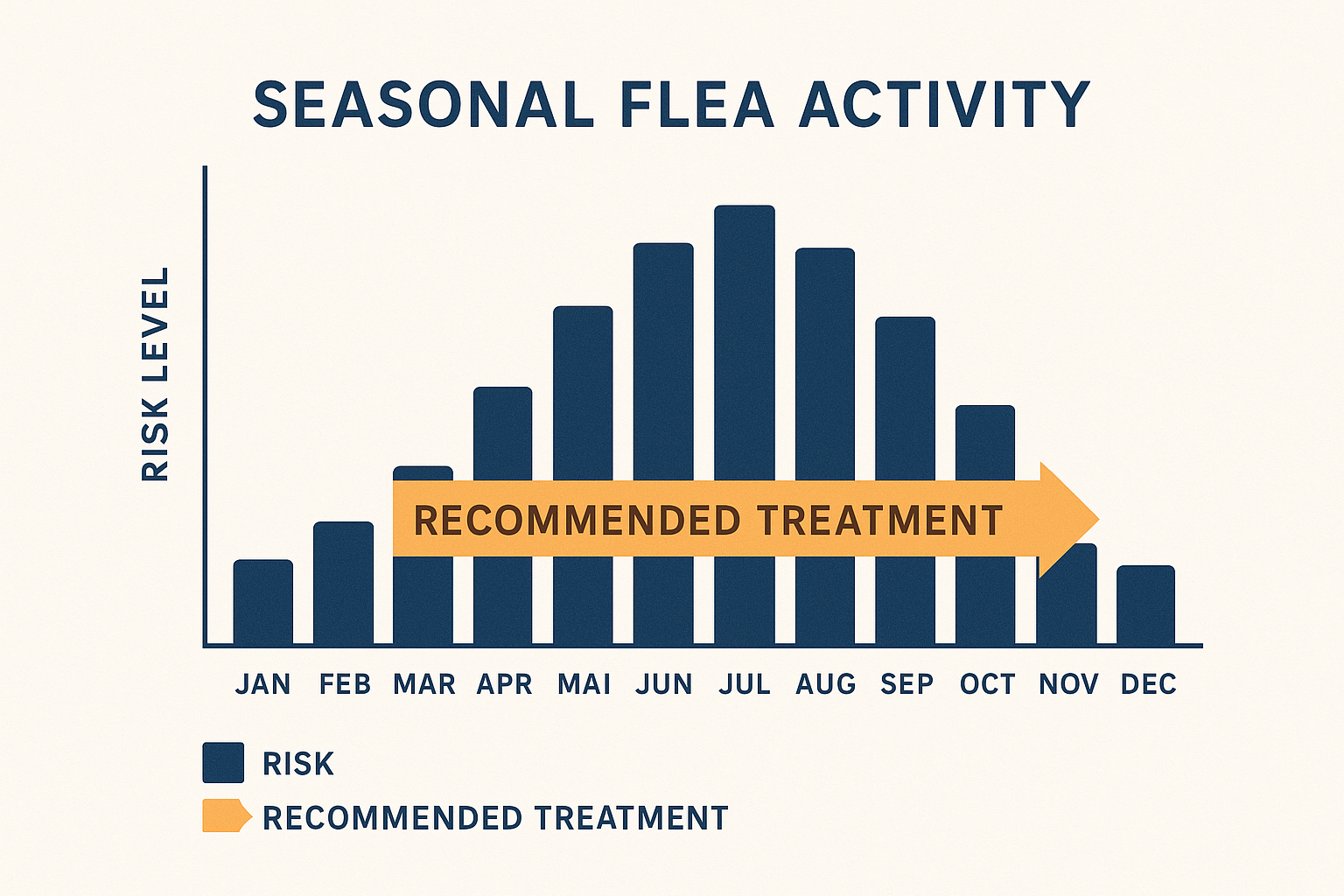
The table below condenses the typical risk pattern for Cumming, GA, from January through December. Risk levels are based on historical temperature and humidity trends combined with local flea surveillance data.
| Month | Risk Level |
|---|---|
| January | Low |
| February | Low |
| March | Moderate |
| April | Moderate |
| May | High |
| June | High |
| July | High |
| August | High |
| September | Moderate |
| October | Moderate |
| November | Low |
| December | Low |
In practice, the “high” window—late May through early September—is when you’ll see the most rapid population explosions. Warm evenings, frequent rain, and lush lawns create a perfect breeding ground. If you wait until you spot adult fleas on your pet, the infestation may already be entrenched, making eradication more costly and time‑consuming.
Our best‑practice recommendation is to schedule a pre‑emptive treatment in early spring, ideally in late March or early April. This timing hits the flea cycle just before it accelerates, killing emerging larvae and eggs before they mature. A follow‑up boost in late May provides a safety net for any late‑season hatchlings, ensuring continuous protection through the peak months.
While professional treatments form the backbone of control, homeowners can bolster results by watching outdoor activity. In spring, monitor how often your dog or cat roams in shaded brush or near compost piles—areas that retain moisture. Summer vigilance means checking for damp patches in the yard after rain and trimming tall grass weekly. In fall, as temperatures dip, reduce outdoor pet time and keep leaf litter cleared, since decaying leaves trap humidity. By aligning these simple observations with the seasonal risk chart, you’ll know exactly when to call Anthem Pest Control for a targeted, cost‑effective intervention.
Remember, a single missed month can allow a new generation to establish, so keep the schedule consistent.
Flea Control Options: DIY vs Professional Services

Common DIY approaches
Most homeowners start with the tools they already have. Typical do‑it‑yourself (DIY) methods include:
- Topical pet treatments – monthly spot‑on or oral medications that kill fleas on the animal.
- Home sprays – aerosol or pump‑spray products applied to carpets, pet bedding, and cracks.
- Vacuuming – a thorough, daily vacuum of floors, upholstery, and pet areas to remove adult fleas and eggs.
- Washing – hot‑water laundering of pet blankets, cushions, and any removable fabrics.
How effective are DIY methods?
DIY products can knock down adult fleas on a pet, but they often fall short against the entire flea life cycle. Eggs, larvae, and pupae hide deep in carpet fibers, under baseboards, and in outdoor mulch where most consumer sprays never reach. Without a systematic approach, you may see a temporary drop in activity, only for the infestation to rebound within weeks.
Risks of incomplete coverage and chemical misuse
When you apply over‑the‑counter sprays, it’s easy to miss hidden spots or use too much product, which can lead to:
- Residual chemicals that irritate a pet’s skin or a child’s lungs.
- Development of flea resistance, making future treatments less effective.
- Unintended damage to flooring, upholstery, or houseplants.
These risks are especially pronounced in multi‑unit dwellings where fleas can migrate between apartments, making a piecemeal approach ineffective.
Advantages of professional service
Professional pest control brings a level of thoroughness that DIY simply can’t match:
- Comprehensive inspection – Trained technicians locate breeding hotspots inside and out, including yard perimeters, pet shelters, and hidden indoor voids.
- Targeted indoor and outdoor treatments – Professional‑grade insect growth regulators (IGRs) and adulticides are applied with calibrated equipment, ensuring deep penetration.
- Follow‑up visits – Most plans include a second visit to treat emerging pupae, guaranteeing the life cycle is broken.
- Guaranteed results – Many companies, including Anthem Pest Control, offer satisfaction guarantees and transparent pricing.
Safety for pets and children
Licensed technicians are trained to handle chemicals that are both potent and low‑toxicity when applied correctly. They use EPA‑registered products that have been tested for safety around pets and kids, and they follow strict application protocols to avoid over‑exposure. Homeowners can rest easy knowing that the treatment won’t linger on furniture or pet bedding in harmful concentrations.
When to transition from DIY to a professional solution
Even the most diligent DIY effort can hit a wall. Consider calling a professional when you notice any of the following:
- Fleas persist after two weeks of consistent DIY treatment.
- Infestations appear in multiple rooms or in outdoor pet areas.
- You live in an apartment complex, townhouse, or multi‑unit building where neighbors may be contributing to the problem.
- Your pets have skin sensitivities or you’ve observed chemical irritation from over‑the‑counter sprays.
- You simply lack the time to maintain daily vacuuming, washing, and re‑application of treatments.
At that point, a professional service like Anthem Pest Control can evaluate the full scope of the problem, apply a coordinated indoor/outdoor plan, and give you the peace of mind that comes with a guaranteed, long‑lasting solution.
Pricing Tiers for Professional Flea Control
Anthem Pest Control offers three clear pricing tiers—Basic, Standard, and Premium—so homeowners can match the level of service to their flea infestation and budget, making it easier to understand the true flea control cost Cumming residents can expect. Each tier builds on the previous one, adding deeper inspections, more robust treatment methods, extra follow-up visits, and longer warranties to deliver better long-term value.
Basic Tier
- Inspection depth: Visual walkthrough of interior spaces and a quick check of pet bedding.
- Treatment methods: Single‑application spray using pet‑safe insecticide.
- Follow‑up visits: One post‑treatment check within 14 days.
- Warranty: 30‑day guarantee against re‑infestation.
- Cost range: $80 – $120 for a typical 1,500‑sq‑ft home.
Standard Tier
- Inspection depth: Detailed room‑by‑room inspection plus a review of outdoor entry points.
- Treatment methods: Combination of spray and low‑volume fogger; products are EPA‑approved for pets.
- Follow‑up visits: Two visits—one at 7 days and another at 21 days.
- Warranty: 60‑day protection with a free re‑treatment if fleas return.
- Cost range: $130 – $180, covering most medium‑size homes.
Premium Tier
- Inspection depth: Comprehensive inspection of indoor, outdoor, and surrounding yard, including soil sampling.
- Treatment methods: Full‑service spray, fogger, and targeted pet‑safe granules for yard control.
- Follow‑up visits: Three scheduled visits plus an optional quarterly maintenance check.
- Warranty: 90‑day guarantee with unlimited re‑treatments for the warranty period.
- Cost range: $200 – $260, ideal for larger properties or severe infestations.
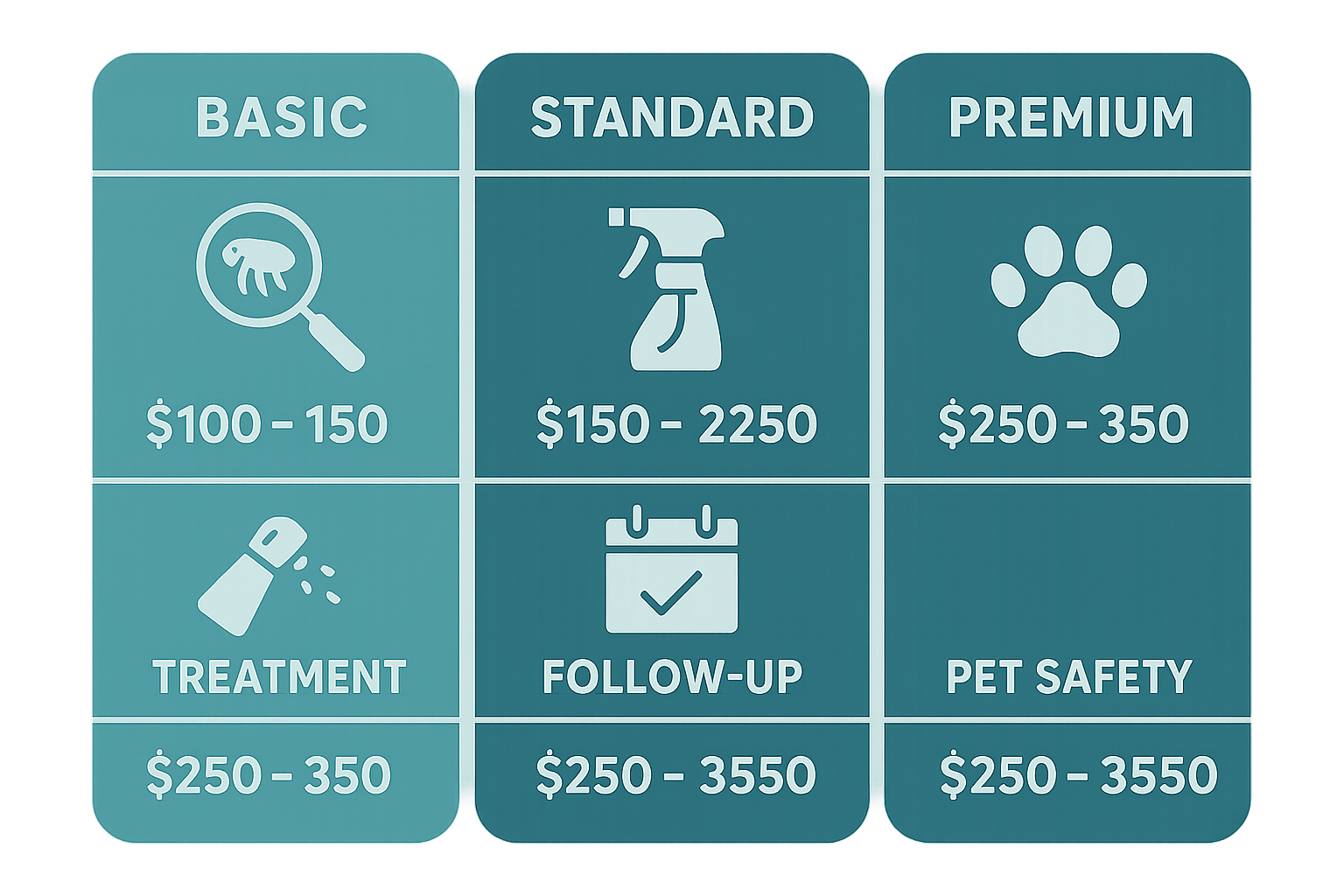
Pet safety is a priority at every level, but the Premium tier adds extra safeguards such as pet‑only zones during fogging and a post‑treatment pet‑comfort rinse. The Basic tier uses products with low toxicity, while the Standard tier introduces EPA‑registered formulas that balance speed with pet tolerance.
Choosing the right tier starts with assessing infestation severity: a few stray fleas on a dog usually call for the Basic package, moderate indoor activity benefits from Standard, and a full‑blown outbreak—especially one spreading to the yard—warrants Premium. Align the tier with your budget, but remember that a slightly higher upfront cost can prevent repeat visits and protect your pets long‑term.
Take Action with Anthem Pest Control
Understanding the flea life cycle—egg, larva, pupa, adult—helps you see why timing matters. Fleas hatch fastest when temperatures rise above 65°F, so spring and early summer in Cumming become a hotspot for infestations. A single adult can lay up to 50 eggs a day, quickly turning a modest problem into a full‑blown invasion if left unchecked.
While over‑the‑counter sprays can knock down a few bugs, they rarely break the cycle completely. Professional treatment targets every stage, using pet‑friendly products that penetrate carpets, pet bedding, and outdoor perimeters where fleas hide. The result is a faster, longer‑lasting relief that DIY methods simply can’t match.
What Anthem Brings to the Table
Anthem Pest Control combines local expertise with a proven, transparent pricing structure:
- Basic Tier: One‑time interior treatment for up to 2,000 sq ft.
- Standard Tier: Interior plus outdoor perimeter spray, includes a follow‑up visit.
- Premium Tier: Full‑home and yard coverage, quarterly monitoring, and a guaranteed flea‑free environment.
All tiers use EPA‑approved, pet‑safe formulas, so your cats and dogs stay protected while the fleas are eradicated.
Because fleas reproduce rapidly, waiting even a week after you first notice bites can let the colony explode. Acting in early spring gives you the best chance to stay ahead of the cycle, and Anthem’s seasonal schedule ensures your home is protected before the summer surge.
Ready to stop the scratching? Schedule a free, no‑obligation inspection today. Our certified technicians will assess your home, identify high‑risk zones, and craft a personalized treatment plan that fits your budget.
Call us at 877-371-8196 or click the link below to request your complimentary quote and get a clear breakdown of flea control cost Cumming homeowners can expect. We’ll respond within one business day, and there’s absolutely no pressure to commit.
Get your free flea‑control quote from Anthem Pest Control now