Understanding Fruit Flies and Their Impact in Canton, GA
Fruit flies may be tiny, but they can quickly turn a kitchen into a buzzing nuisance. In Georgia the most common culprit is the Western fruit fly (Drosophila melanogaster), followed closely by the Mexican fruit fly (Anastrepha ludens) and the Southeastern fruit fly (Rhagoletis pomonella). While each species prefers slightly different hosts, they all share a love for ripe or fermenting fruit, sugary residues, and the warm, humid environments that Canton provides.
How Fruit Flies Find Their Way Inside
- Overripe fruit left on countertops or in trash bins.
- Uncovered garbage cans that emit sweet odors.
- Houseplants with damp soil or decaying organic matter.
- Open windows or doors without screen protection.
These attractants become especially potent during warm evenings, when fruit flies are at the height of their activity.
These entry points are often overlooked because the flies are so small they can slip through the tiniest cracks. Once inside, a single female can lay up to 500 eggs, and the next generation emerges in as little as a week, creating a rapid escalation if the source isn’t eliminated.
Why Canton Is a Fruit Fly Hotspot
Canton’s climate plays a starring role. Summer temperatures regularly hover in the high 80s °F, and humidity stays above 60 %—the perfect cocktail for fruit fly breeding. The city’s proximity to Lake Allatoona adds another layer of moisture, while nearby orchards and vineyards provide a constant supply of ripe fruit that can attract flies to surrounding neighborhoods.
The combination of heat and moisture shortens the egg‑to‑adult development cycle to just a few days, allowing populations to explode before homeowners even notice.
Local agriculture also contributes. Small‑scale farms and community gardens often sell or donate fresh produce, which, if not stored properly, becomes a magnet for flies. Even well‑maintained yards can become a bridge between these outdoor sources and your home.
What the Numbers Say
According to the U.S. Environmental Protection Agency, Georgia reported a 22 % increase in fruit fly complaints between 2021 and 2023, with Canton accounting for the highest per‑capita rate in the state. This surge underscores how quickly a minor oversight—like a forgotten banana—can spark a neighborhood‑wide problem.
Looking Ahead: Seasonal Activity
Understanding the life cycle helps you stay one step ahead. Fruit flies are most active from late spring through early fall, peaking in July when temperatures and fruit availability align. In the next section we’ll explore how these seasonal patterns influence treatment timing and what you can do now to keep the buzz at bay.
Seasonal Activity and Lifecycle of Fruit Flies in Canton
Seasonal Activity Overview
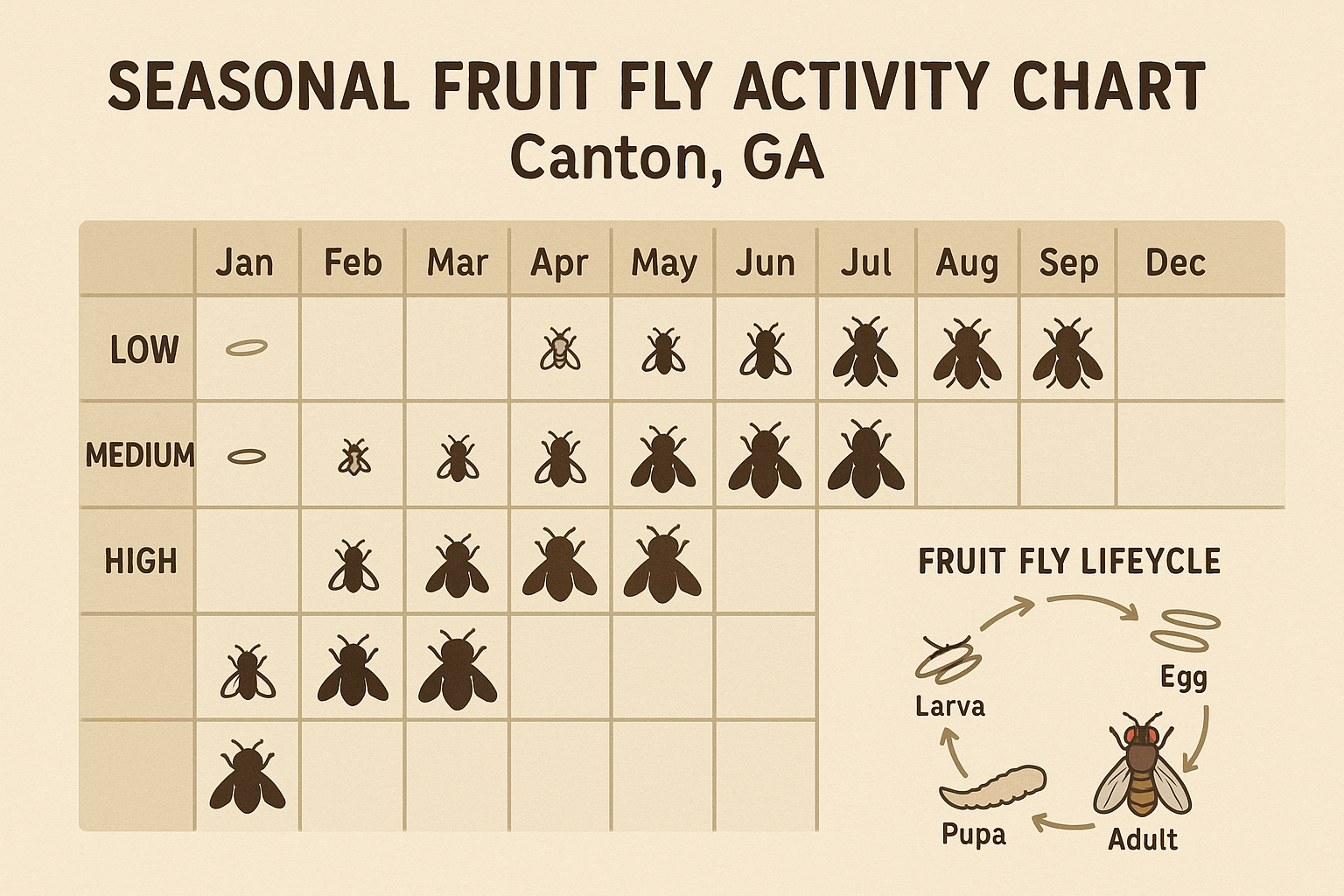
Fruit flies in Canton follow a predictable rhythm that aligns with the region’s temperature and humidity patterns. The chart above breaks the year into three activity zones:
- High activity (June – August): Warm nights and abundant ripe fruit create a perfect breeding ground.
- Medium activity (May & September): Temperatures are still favorable, but food sources begin to thin.
- Low activity (October – April): Cooler weather slows development, and most flies remain in dormant stages.
Understanding these windows helps homeowners anticipate when flies are most likely to appear and plan interventions accordingly.
Four‑Stage Life Cycle in Canton’s Climate
The CDC outlines a simple four‑stage life cycle for fruit flies: egg, larva, pupa, and adult. In Canton’s humid subtropical climate, each stage progresses faster than in cooler regions:
| Stage | Average Duration | Key Conditions |
|---|---|---|
| Egg | 1 – 2 days | Warm, moist surfaces (e.g., overripe fruit) |
| Larva | 4 – 6 days | Abundant organic material for feeding |
| Pupa | 3 – 5 days | Protected crevices; humidity >60 % |
| Adult | 5 – 10 days (reproductive phase) | Temperatures 70‑85 °F; access to fermenting foods |
From egg to adult, a full generation can emerge in as little as 10 days when summer temperatures hover in the upper 80s °F. This rapid turnover explains why fruit fly populations can explode during the June‑August window.
Linking Peaks to Local Events
Summer in Canton is synonymous with backyard barbecues, outdoor festivals, and the tail end of the local fruit harvest. Open grills, uncovered trash cans, and bowls of fresh peaches or berries provide the sugary, moist environment fruit flies love. As guests mingle, flies hitch rides on plates and clothing, unintentionally spreading the infestation to neighboring homes.
Why Timing Treatment Before the Peak Is Critical
Because a single female can lay up to 500 eggs, interrupting the cycle before it accelerates saves homeowners from a cascade of larvae and pupae. Applying a preventative treatment in late April or early May targets the medium‑activity period, eliminating existing eggs and larvae before they mature into the prolific summer generation. By the time June arrives, the population is already suppressed, reducing the need for frequent follow‑up visits and keeping control costs down.
For a deeper scientific reference, the CDC’s fruit fly lifecycle page confirms the stage durations and environmental triggers discussed above.
Health Risks and Common Signs of Infestation
Health Risks
Fruit flies may look harmless, but they can turn your kitchen into a breeding ground for disease. When they land on ripening fruit, garbage, or pet waste, they pick up bacteria such as Salmonella and E. coli, then deposit those microbes onto food surfaces. The EPA warns that this cross‑contamination can lead to food‑borne illness, especially for children, seniors, and anyone with a weakened immune system.
Beyond bacterial spread, some people experience allergic reactions to fruit fly proteins. Symptoms range from mild skin irritation to respiratory discomfort, a concern highlighted by the CDC. While the flies themselves don’t bite, the allergens they carry can trigger sneezing, watery eyes, or a rash in sensitive individuals.
Visual Indicators
Early detection is the most effective defense. Keep an eye out for these tell‑tale signs:
- Small, tan‑colored flies hovering near fruit bowls, trash cans, or kitchen counters.
- Thin, white larvae wriggling in fermenting fruit, overripe vegetables, or damp organic debris.
- Sticky traps placed in corners or under appliances that start catching tiny flies within a day or two.
Hidden Breeding Sites
Fruit flies love moisture and organic matter, so they often hide where you least expect them. Common covert locations include:
- Drain flies nesting in sink, tub, or shower drains—especially if hair and soap scum accumulate.
- Compost bins or kitchen scraps left out for more than a day.
- Pet waste and litter boxes that aren’t cleaned regularly.
- Forgotten produce in the back of the refrigerator or pantry corners.
Quick Homeowner Checklist
Use this short, printable checklist to assess your home before the problem spreads:
- Inspect fruit bowls, countertops, and trash cans for adult flies or larvae.
- Check all drains (kitchen, bathroom, laundry) for a slimy film or tiny flies emerging.
- Examine compost, recycling, and pet waste areas for moisture and decay.
- Place a few sticky traps in high‑traffic zones and review them after 24‑48 hours.
- Remove or discard overripe fruit, vegetables, and any food left uncovered.
- Clean sink drains with a mixture of boiling water and baking soda; repeat weekly.
If you tick off two or more items, it’s time to act. Recognizing these signs early lets you intervene before fruit flies multiply, protecting both your family’s health and your home’s cleanliness. In the next section, we’ll explore proven prevention strategies that keep these pests out for good.
DIY Prevention and Early Control Measures
Fruit flies thrive in the tiniest pockets of food residue and moisture. The good news is that most of the battle can be won right in your kitchen with a few disciplined habits that cost almost nothing. Below are the essential steps every Canton homeowner can start today.
1. Sanitation – The Foundation of Control
Every fruit fly you see is attracted to a food source. Keep those sources out of reach:
- Food storage: Transfer ripe fruit, vegetables, and open packages into airtight containers. A simple glass jar with a rubber seal is enough to deny flies a scent trail.
- Garbage management: Empty indoor trash cans daily, especially those holding food scraps. Use a bin with a tight‑fitting lid and line it with a fresh bag each night.
- Drain cleaning: Fruit flies love the organic film that builds up in sink drains. Pour a cup of boiling water down each drain once a week, followed by a mixture of ½ cup baking soda and ½ cup white vinegar. Let it fizz, then flush with hot water.
2. Homemade Vinegar Trap
If you already have a few flies buzzing around, a DIY trap can dramatically cut their numbers within 24–48 hours.
- Fill a 2‑liter bottle or a wide‑mouth jar with ½ cup apple cider vinegar. The sweet scent mimics fermenting fruit.
- Add 2–3 drops of dish soap. This breaks the surface tension so flies sink instead of landing on the liquid.
- Cover the opening with plastic wrap and secure it with a rubber band.
- Poke several small holes (about 3 mm) in the wrap using a toothpick. Flies can enter but can’t escape.
- Place the trap near fruit bowls, trash cans, or any area where flies gather. Replace the solution every 5–7 days.
3. Protect Yourself While Cleaning
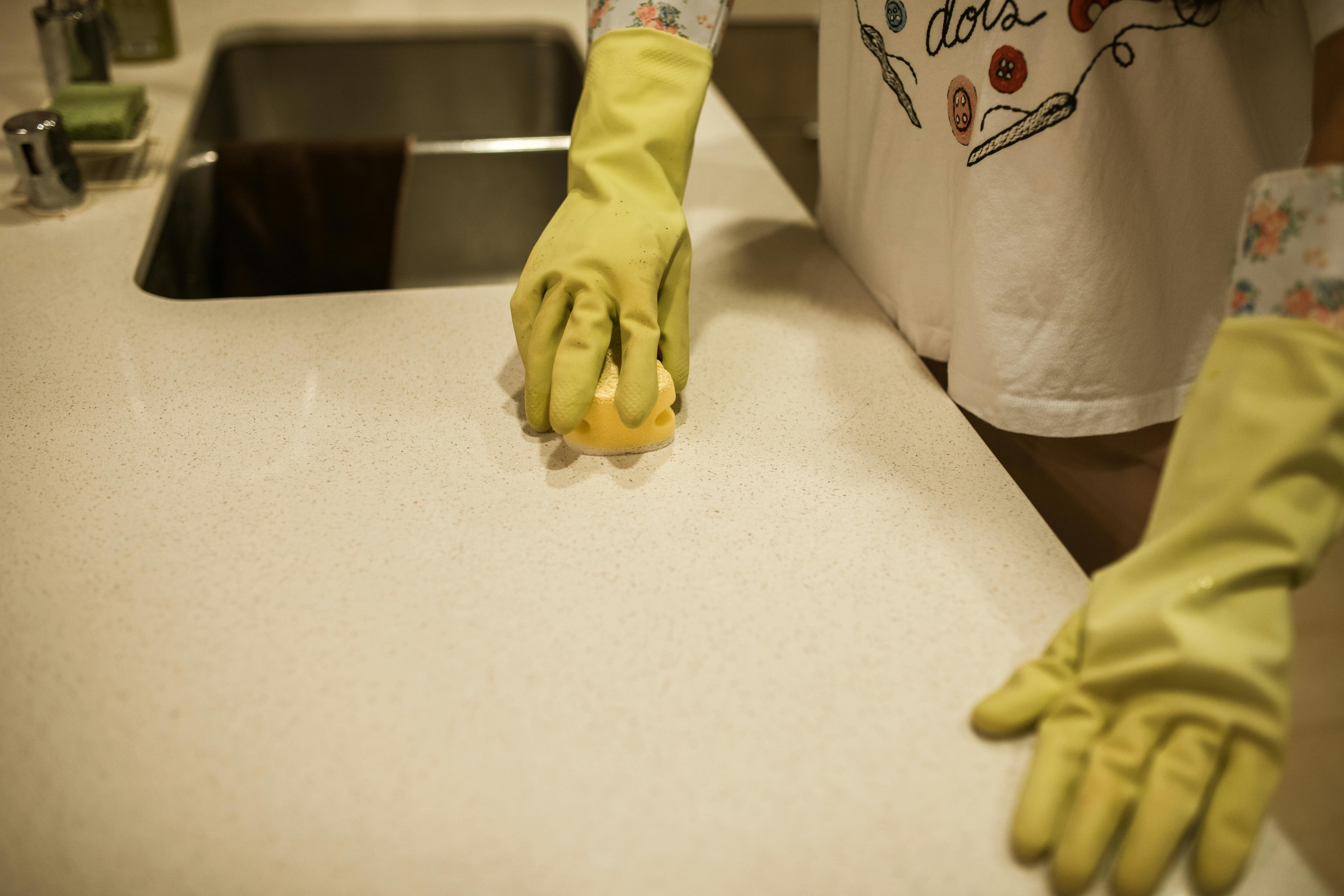
When you’re scrubbing drains or wiping down countertops, wear a disposable glove—just like the one shown in the image below. Gloves prevent direct contact with any larvae that might be present and keep your hands clean of harsh cleaning agents.
4. Moisture Control & Sealing Entry Points
Fruit flies need moisture to reproduce. Reduce excess humidity by:
- Wiping up spills immediately, especially sugary liquids.
- Ensuring the dishwasher and washing machine have proper drainage.
- Using a dehumidifier in damp basements or crawl spaces.
Next, block their path into your home:
- Install fine‑mesh screens on windows and vents.
- Seal cracks around doors, pipes, and utility openings with caulk.
- Check that exterior doors have weather stripping in good condition.
5. Knowing When DIY Isn’t Enough
While these low‑cost tactics can suppress a light infestation, they have limits. If you notice any of the following, it’s time to call a professional:
- Fruit fly activity persists after two weeks of consistent DIY measures.
- Large swarms appear in multiple rooms, indicating a hidden breeding site.
- You discover larvae in drains or soil, suggesting an established colony.
Professional pest control can locate concealed breeding zones, apply targeted treatments, and provide a preventive plan tailored to your Canton home. Combining your diligent sanitation routine with expert intervention ensures fruit flies stay out for good.
Professional Treatment Options and What to Expect
When fruit flies invade your kitchen, a DIY spray rarely solves the problem. A licensed technician from Anthem Pest Control brings a systematic approach that starts with a thorough inspection, continues with targeted treatments, and finishes with a clear follow‑up plan. Homeowners in Canton, GA, can expect a professional experience that eliminates the breeding cycle while keeping family members and pets safe.
Inspection – Finding the Hidden Sources
The first visit focuses on locating where fruit flies are reproducing. Technicians inspect kitchen counters, trash cans, drains, and any moist areas such as compost bins or over‑watered houseplants. Using a flashlight and a calibrated moisture meter, they pinpoint damp zones that serve as ideal egg‑laying sites. Identifying these hotspots is crucial because treating the adult flies alone won’t stop new ones from emerging.
Targeted Treatment Methods
Once the breeding sites are mapped, Anthem deploys a combination of proven tools:
- Specialized baits placed near drains and garbage areas to attract and poison adult flies without contaminating food surfaces.
- Residual spray applied to window sills, door frames, and other fly‑traffic zones. The formulation remains active for up to three weeks, disrupting the life cycle.
- Strategic trap placement using UV‑light or sticky traps to monitor population levels and provide immediate visual feedback for the homeowner.
All products are EPA‑registered for indoor use and are selected to minimize residue on food‑preparation surfaces.
Safety Protocols – Protecting Your Home and Health
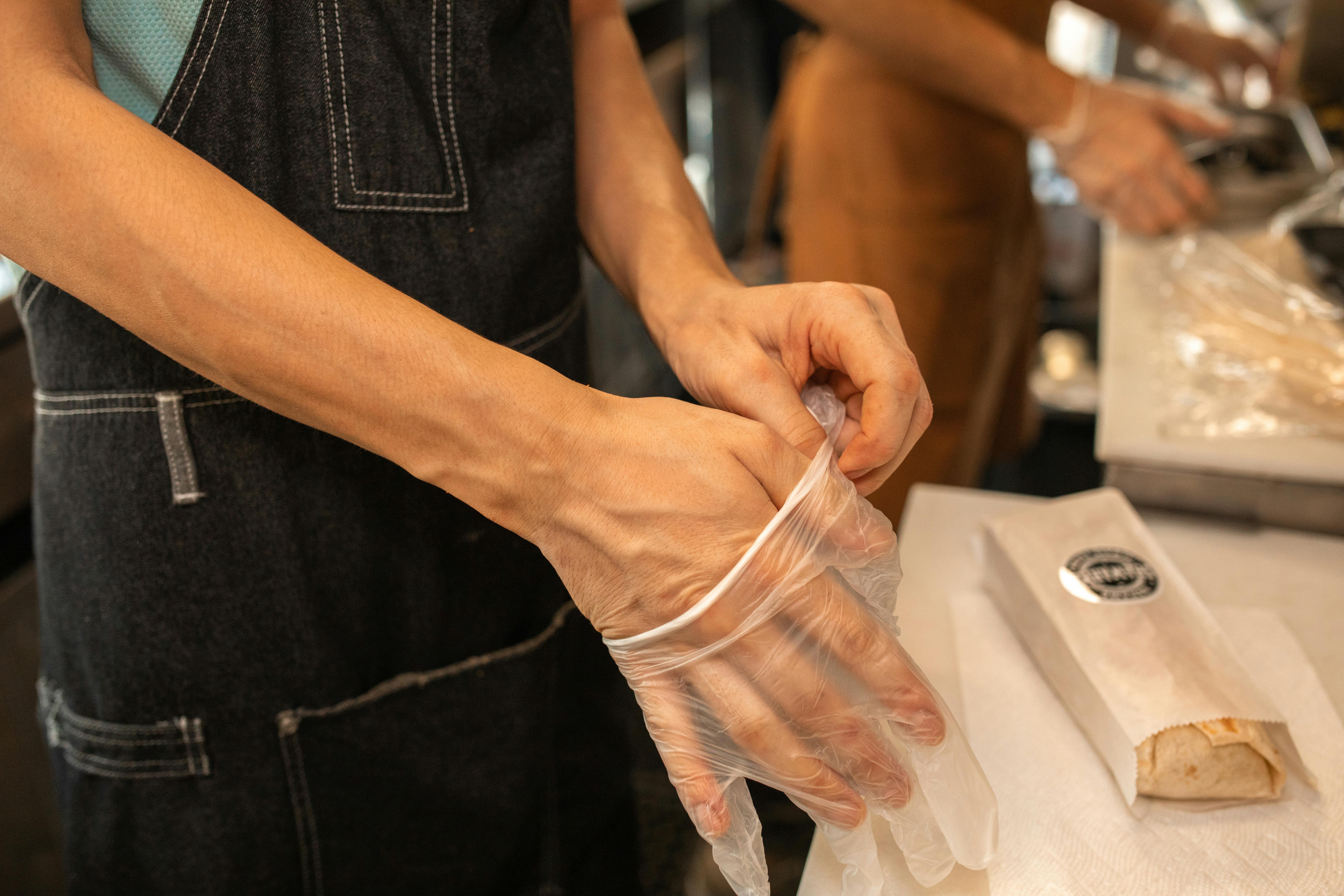
Anthem’s technicians wear full personal protective equipment (PPE) during every service. This includes nitrile gloves, safety goggles, and disposable coveralls, ensuring that chemicals never contact skin or eyes. The second glove shown in the image below illustrates the double‑glove technique we use when handling concentrated bait solutions—one glove for grip, the second for added barrier protection.
Visit Schedule – What Happens When
The typical fruit‑fly program consists of three key visits:
- Initial visit – Inspection, first round of baits, spray, and trap setup.
- Follow‑up visit (7‑10 days later) – Re‑assessment of trap counts, replenishment of baits, and a second spray if needed.
- Quarterly maintenance – Ongoing monitoring and preventive applications to keep the fly population at bay throughout the warmer months.
Most homeowners see a dramatic reduction in adult flies after the second visit, with residual protection lasting the entire season.
Cost Context – How the Price Compares Nationwide
According to the National Pest Management Association (NPMA), the average cost for a comprehensive fruit‑fly control package in the United States ranges from $150 to $300 per service visit. Anthem Pest Control aligns with this benchmark, offering transparent pricing that includes the initial inspection, all materials, and the follow‑up visit in a single quoted amount. Because Canton’s humid climate can accelerate fly breeding, the quarterly preventive service is a cost‑effective way to avoid recurring infestations.
By understanding each step—from inspection to safety measures and scheduled follow‑ups—homeowners can feel confident that the investment delivers lasting relief, not just a quick fix.
Pricing Comparison for Fruit Fly Control in Canton, GA
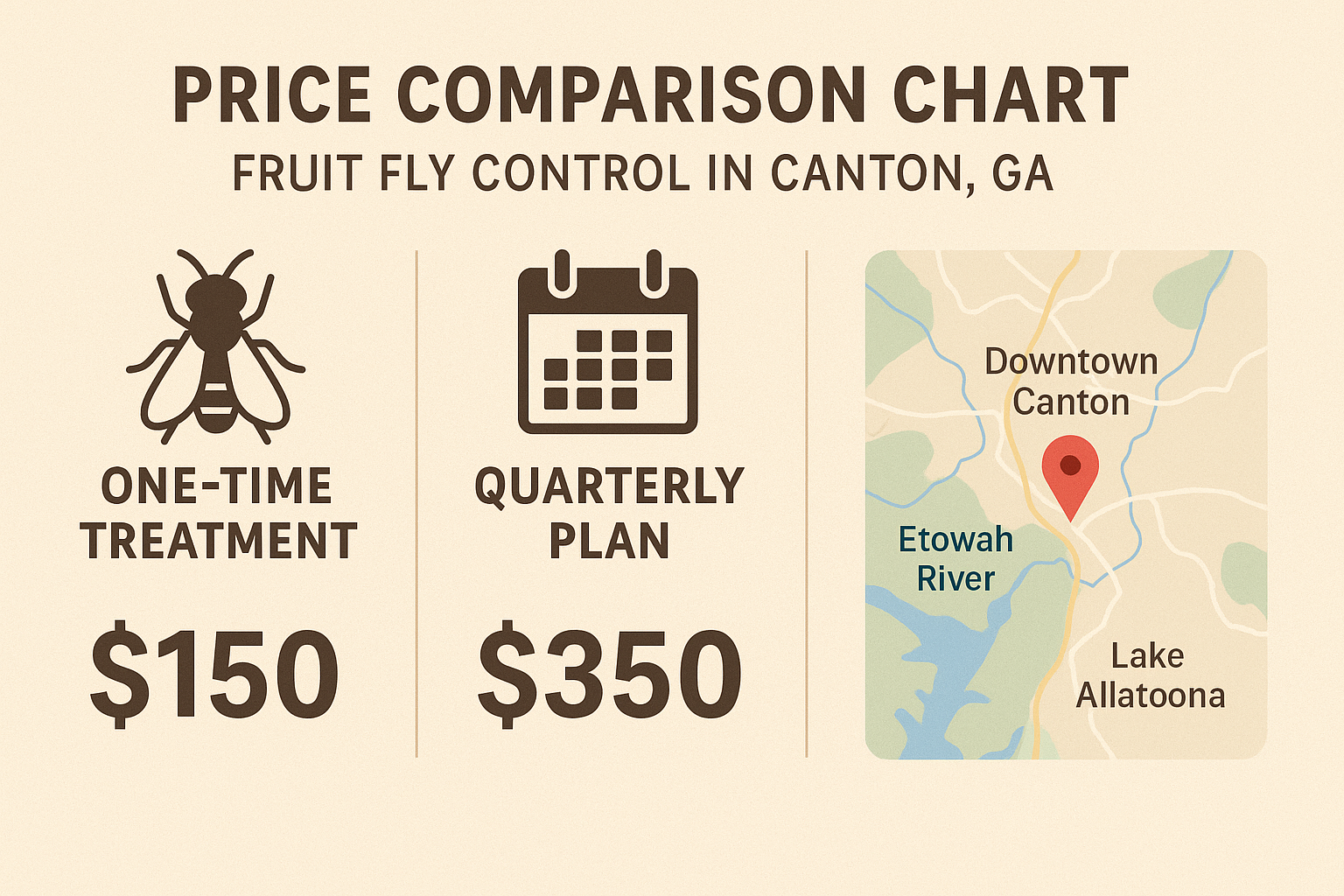
Understanding the numbers on the infographic helps you decide which service fits your budget and your fly‑problem severity. The chart lines up three typical pricing structures you’ll encounter from local providers.
One‑Time Treatment
A single‑visit package is designed for homeowners who need an immediate knock‑down. It usually includes a thorough inspection, one full‑strength application, and a limited‑time guarantee that the flies won’t return for 30 days.
Quarterly Plan
This recurring option spreads the cost over four visits a year. Each visit repeats the inspection and treatment, and the plan often adds a “fly‑free” guarantee that extends for the entire quarter, plus a small discount compared to four separate one‑time jobs.
Full‑Year Service
The most comprehensive deal covers twelve months of protection. You receive an initial inspection, monthly applications, and a year‑long guarantee that includes a free re‑treatment if flies reappear after the first month.
What’s Included in Each Package?
- Inspection: All three options start with a detailed visual check of interior and exterior entry points.
- Number of Applications: One‑time = 1; Quarterly = 4; Full‑Year = 12.
- Guarantees: One‑time offers a 30‑day fly‑free promise; Quarterly extends the guarantee to each three‑month block; Full‑Year provides a 12‑month warranty with a complimentary follow‑up if needed.
- Additional Perks: Quarterly and full‑year plans often include a complimentary “preventive seal‑up” service for cracks and gaps that attract flies.
Cost‑Benefit Snapshot
While the upfront price of a one‑time treatment looks attractive, recurring plans usually lower the average cost per application by 15‑25 %. More importantly, regular visits keep the fly population suppressed before it rebounds, saving you from costly emergency calls later in the season.
Tip: Spotting Transparent Pricing
When you call a provider, ask for a written breakdown that matches the infographic columns. Look for clear language about what’s covered, how many visits are included, and any “guarantee” clauses. If a quote hides fees for travel, equipment, or follow‑up visits, it’s a red flag—choose a company that lists every charge up front.
Choosing the Right Pest Control Partner
When fruit flies start buzzing around your kitchen, the first instinct is to find a quick fix. But a lasting solution starts with the right pest‑control partner. Below is a practical checklist that helps you separate reputable companies from fly‑by‑night operators.
Essential checklist
- Licensing and certification: Verify that the company holds a Georgia state pest‑control license and that technicians are certified for the specific treatments they use.
- Insurance coverage: A valid general liability policy protects you if a product spills or a technician is injured on your property.
- Local reviews and reputation: Look for recent reviews on Google, Yelp, or the Better Business Bureau that mention fruit‑fly or other seasonal pest work in Canton.
- Eco‑friendly products: Choose providers that prioritize low‑toxicity, EPA‑approved solutions, especially if you have children or pets.
Why local climate matters
Canton’s humid subtropical climate creates a perfect breeding ground for fruit flies year‑round, with peaks in late summer when fruit ripens and in early spring after the first rains. A company that understands these patterns will schedule treatments at the optimal times, target the hidden breeding sites (like compost bins, over‑ripe produce, and damp drains), and adjust the frequency of service to match seasonal pressure. Generic, nationwide plans often miss these nuances, leading to repeated infestations and higher long‑term costs.
Key questions to ask during the quote
- What is the recommended treatment frequency for fruit flies in Canton?
- Do you offer a guarantee or warranty if flies return within a set period?
- Will you provide a detailed follow‑up plan, including post‑treatment inspections?
- What specific products will be used, and are they safe for my family and pets?
- How does your pricing break down—service call, chemicals, and any recurring fees?
Getting clear answers to these questions not only protects your budget but also ensures you’re partnering with a company that stands behind its work.
Anthem Pest Control – a transparent option
Anthem Pest Control combines a nationwide service network with a local‑focused approach. Their pricing model is upfront—no hidden fees or surprise surcharges—so you know exactly what each visit will cost. Technicians are trained on Georgia’s specific pest cycles, and the company provides a written guarantee that includes a complimentary follow‑up if fruit flies persist after the initial treatment.
Do the numbers, not just the promises
Before you sign any agreement, request quotes from at least three different providers. Compare the items on the checklist, the scope of the treatment plan, and the total cost including any warranties. A side‑by‑side comparison will reveal which company truly offers value, safety, and the local expertise needed to keep Canton’s fruit‑fly populations under control.
Take Action to Protect Your Home Today
Fruit flies flare up each spring and early summer in Canton because the warm, humid climate and abundant ripe fruit create a perfect breeding ground. When they infiltrate your kitchen, they don’t just annoy you—they can contaminate food, spread bacteria, and quickly multiply if left unchecked. Acting fast—before the population explodes—means you protect your family’s health, keep your pantry clean, and avoid the costly, time‑consuming battle of trying to eradicate a full‑blown infestation later in the season.
That’s why a professional fruit‑fly treatment from Anthem Pest Control outperforms DIY traps or over‑the‑counter sprays. Trained technicians apply a targeted, low‑toxicity solution that reaches hidden breeding sites, delivering consistent results you can see within days. They also map out entry points, sealing gaps that could let new insects slip in—something DIY methods simply can’t accomplish. The service includes a safety‑first approach—protecting children, pets, and food surfaces—and comes backed by a warranty that guarantees the flies stay gone, giving you peace of mind all year long.
If you’re ready for a pest‑free kitchen and the confidence that comes with it, Anthem Pest Control offers a free, no‑obligation quote tailored to your home’s unique layout and seasonal needs. Our technicians will walk you through the process, explain what to expect, and schedule a treatment window that fits your busy schedule—no hidden fees, just transparent pricing and reliable protection.
Give us a call today at 877‑371‑8196 or click the link below to schedule your complimentary assessment. Our licensed experts use EPA‑approved products and follow a strict safety protocol, ensuring your home stays healthy while the flies disappear. Our local Canton team is standing by to safeguard your home against fruit flies and any other unwanted guests.