Recognizing Fruit Flies in Your Home
Fruit flies are tiny, but they can become a big nuisance if you don’t spot them early. The average adult measures just 1/8 to 1/4 inch (3–6 mm) long, with a tan‑to‑light brown body and a slightly darker head. Their most distinctive feature is the clear, veined wings that fold flat over the back when at rest, giving them a delicate, almost translucent look. Unlike house flies, fruit flies have a spotted pattern on the wings—tiny dark spots that form a subtle lattice.
Behaviorally, fruit flies are attracted to anything fermenting. You’ll often see them hovering in a slow, erratic flight pattern, especially around light sources or near the rim of a sink. They’re not aggressive, but their constant presence can be unsettling, especially when they start congregating on kitchen surfaces.
Where They Hide
- Overripe or rotting fruit: Apples, bananas, berries, and any fruit that’s begun to soften are prime breeding grounds.
- Garbage disposals and drains: Moisture and organic residue create a perfect nursery for larvae.
- Fermenting liquids: Open wine bottles, beer cans, or even homemade kombucha can lure adult flies.
- Compost bins and recycling: The combination of moisture and food scraps makes these spots attractive year‑round.
Visual Clues That Say “Fruit Fly”
When you’re scanning your kitchen, look for these tell‑tale signs:
- Small, darting insects hovering near light fixtures or windows.
- Clusters of flies on the surface of fruit bowls, cutting boards, or the rim of a sink.
- Faint, dust‑like trails of larvae near the drain or in the bottom of a trash can.
- Adults landing on the surface of fermenting liquids and then taking off again within seconds.
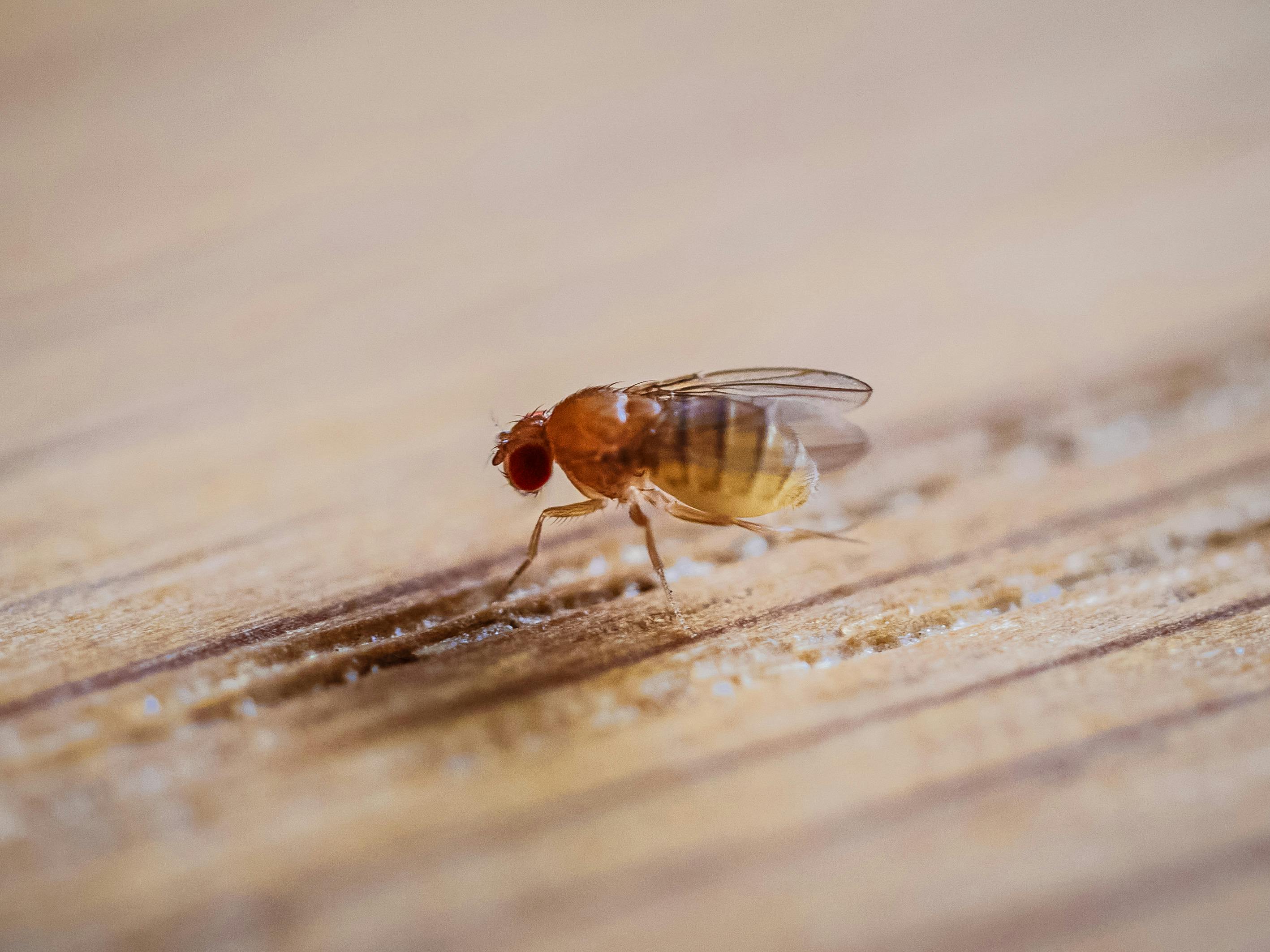
Confirming Identification with a Macro Photo
The macro image above is a handy tool for double‑checking what you’re dealing with. Notice the rounded head that tapers slightly into the thorax, and the patterned wings—the tiny dark spots are a dead‑giveaway that you’re looking at a fruit fly, not a house fly or fungus gnat. House flies have larger, more opaque wings with no spotting, while fungus gnats possess longer legs and a more delicate, almost hair‑like body.
If you’re still unsure, capture a single specimen in a clear container and compare it side‑by‑side with the photo. A quick visual match can save you from misidentifying the pest and applying the wrong treatment.
Why Accurate Identification Matters
Getting the species right is the first step toward effective control. Fruit flies reproduce in soft, moist environments, so eliminating the breeding site—such as cleaning drains or discarding overripe fruit—will dramatically reduce their numbers. Treating a fruit‑fly problem with a generic “fly spray” meant for house flies often misses the larvae hidden in drains, leading to repeated reinfestations.
By recognizing the size, wing pattern, and preferred habitats of fruit flies, you can target the source directly, keep your kitchen clean, and prevent a small annoyance from turning into a full‑blown infestation. When in doubt, a quick call to Anthem Pest Control (877‑371‑8196) can provide a professional assessment and a tailored, affordable treatment plan for your Cumming home.
Why Fruit Flies Matter – Health and Home Impacts
Fruit Flies as Hidden Vectors
Although they’re tiny, fruit flies are efficient carriers of bacteria and mold spores. Their bodies pick up microbes from decaying fruit, garbage, and damp surfaces, then transport those organisms to fresh foods and countertops. When a fly lands on a slice of apple, it can deposit Escherichia coli, Salmonella, or Aspergillus spores in just seconds. In a busy kitchen, a handful of flies can quickly contaminate multiple items, turning a minor nuisance into a genuine food‑safety concern.
Contamination Hotspots in the Kitchen
Fruit flies are attracted to the same sweet, moist environments that nurture bacteria. Common scenarios where they spread contamination include:
- Ripe or overripe fruit left on the counter or in a bowl.
- Open soda cans, juice bottles, or sugary drinks that are not sealed promptly.
- Pet food bowls that sit out overnight, especially dry kibble that retains moisture.
- Garbage disposals and recycling bins that aren’t rinsed regularly.
- Spills on the floor or under appliances that remain unnoticed for days.
Each of these sites provides a breeding ground for flies, and each fly that visits can deposit pathogens onto surfaces, utensils, and even your hands. The result is a higher risk of foodborne illness for every member of the household.
Air Quality and Allergic Reactions
Beyond direct food contamination, fruit flies affect indoor air quality. Their waste—tiny droppings and shed skins—adds particulate matter to the air, which can irritate sensitive lungs and trigger allergic responses. People with asthma or seasonal allergies may notice increased coughing, sneezing, or itchy eyes when a swarm is active in the kitchen or pantry. Over time, the buildup of mold spores from flies can contribute to a musty odor and a damp, unhealthy indoor environment.
Psychological Toll of Persistent Swarms
Seeing dozens of fruit flies buzzing around a fruit bowl is more than an eyesore; it creates a sense of loss of control. Homeowners often report heightened stress, especially when the infestation appears to multiply despite regular cleaning. The constant need to swat, cover food, and worry about contamination can erode confidence in the cleanliness of the home. This mental strain, combined with the physical health risks, makes prompt action essential.
For guidance on early detection and targeted treatment, the EPA’s Integrated Pest Management (IPM) program recommends a combination of sanitation, exclusion, and, when necessary, professional intervention to keep fruit fly populations—and their associated risks—under control.
Effective Treatment Methods for Fruit Fly Infestations
Fruit flies multiply fast, and a single missed breeding spot can undo weeks of effort. Whether you prefer a hands‑on DIY approach or want the certainty of a professional, a layered strategy works best. Below you’ll find the most reliable tactics, from quick kitchen fixes to the thorough methods used by licensed technicians.
Immediate DIY Actions
When you first notice fruit flies buzzing around the trash can or near your sink, act fast. The goal is to eliminate food sources, trap the adults, and shut down hidden breeding sites.
- Trap recipes: Mix 1 cup apple cider vinegar, a splash of liquid dish soap, and a few drops of ripe fruit essence in a shallow bowl. Cover with plastic wrap, poke tiny holes, and place the trap where flies congregate. The scent lures them in; the soap breaks surface tension so they drown.
- Sanitation tips: Wipe down countertops nightly, store produce in the refrigerator, and empty compost bins daily. Fruit fly eggs can survive on a thin film of sugary residue, so a clean surface is your first line of defense.
- Drain cleaning: Flies love the organic buildup inside kitchen drains. Pour a cup of boiling water followed by ½ cup baking soda and ½ cup white vinegar. Let it fizz for 15 minutes, then flush with hot water. Repeat weekly until activity drops.
Chemical Options
If traps alone aren’t enough, low‑toxicity chemicals can provide residual control. Always read the label and follow the recommended safety precautions.
- Residual sprays: Products containing pyrethrins or permethrin can be applied to window sills, door frames, and other entry points. These sprays remain active for several days, killing flies that land on treated surfaces.
- Baits: Gel or granule baits placed in hidden corners attract flies seeking food. The active ingredient is ingested and spreads to other flies through contact.
- Safe usage: Wear gloves, keep children and pets out of treated zones for at least two hours, and ventilate the area. If you have sensitivities, opt for botanical‑based sprays that break down quickly.
Mechanical Methods
Mechanical controls work without chemicals and can be integrated into a permanent prevention plan.
- Fly traps: Commercial sticky traps or UV‑light traps capture adults on contact. Position them near fruit bowls, trash cans, and houseplants for maximum impact.
- UV light devices: These units emit a wavelength that draws flies into a mesh or adhesive surface. They’re especially useful in basements or garages where fruit flies may hide.
- Exclusion screens: Installing fine‑mesh screens on vents, doors, and windows blocks entry without compromising airflow. Seal gaps around utility lines with caulk or foam.
Professional Approach
When an infestation persists despite diligent DIY work, a licensed pest‑control provider can pinpoint the problem and apply targeted treatments.
- Inspection: A certified technician conducts a thorough walk‑through, checking kitchen drains, garbage disposals, compost bins, and exterior entry points. They also look for hidden breeding sites such as over‑ripe fruit in garage storage or damp soil in potted plants.
- Targeted treatment: Using EPA‑approved products, the professional treats interior cracks, window frames, and any identified hotspots. They may also apply a residual barrier around the home’s perimeter.
- Follow‑up visits: Most plans include a second visit 7–10 days later to assess progress, retreat any missed spots, and reinforce exclusion measures.

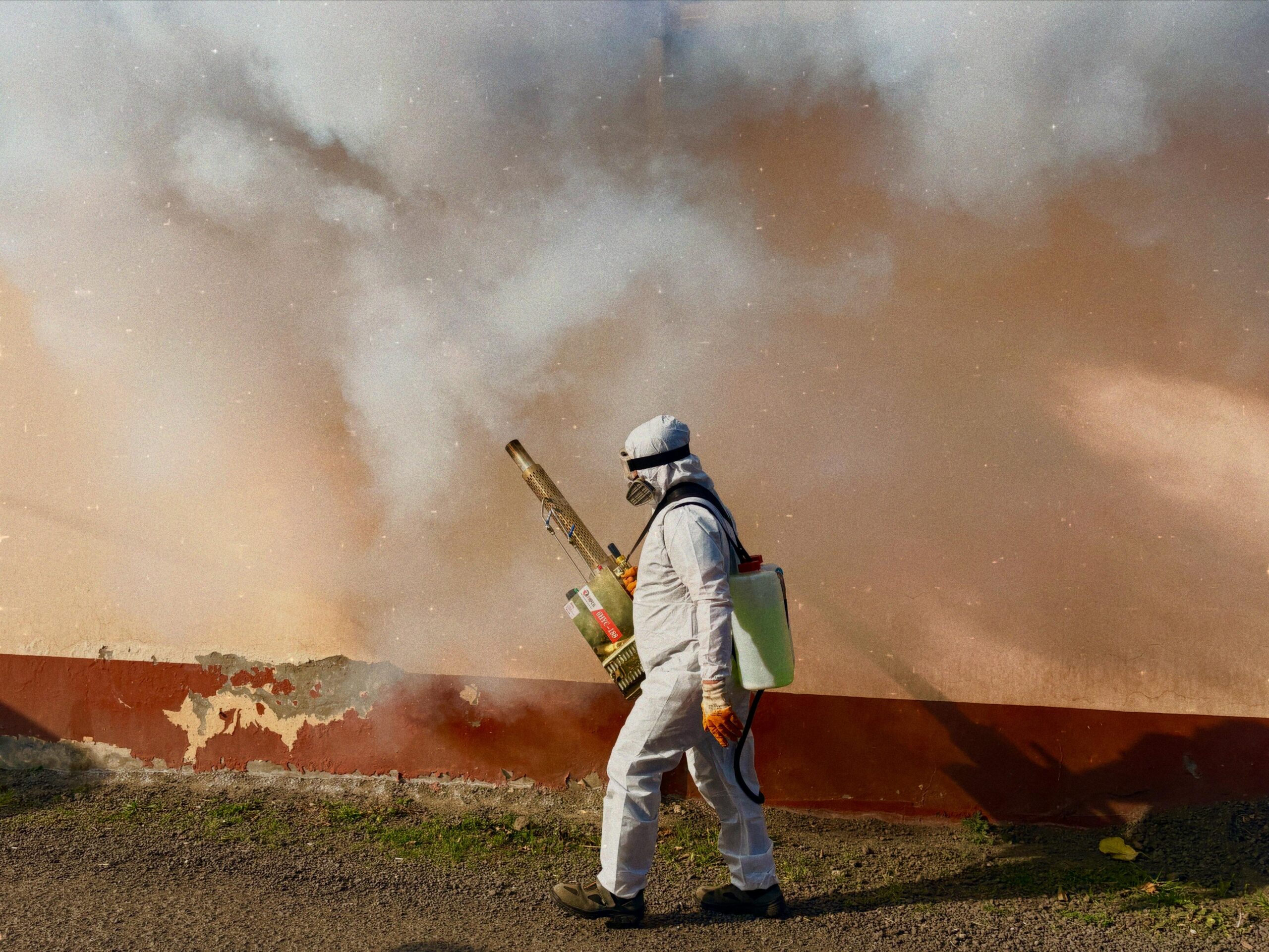
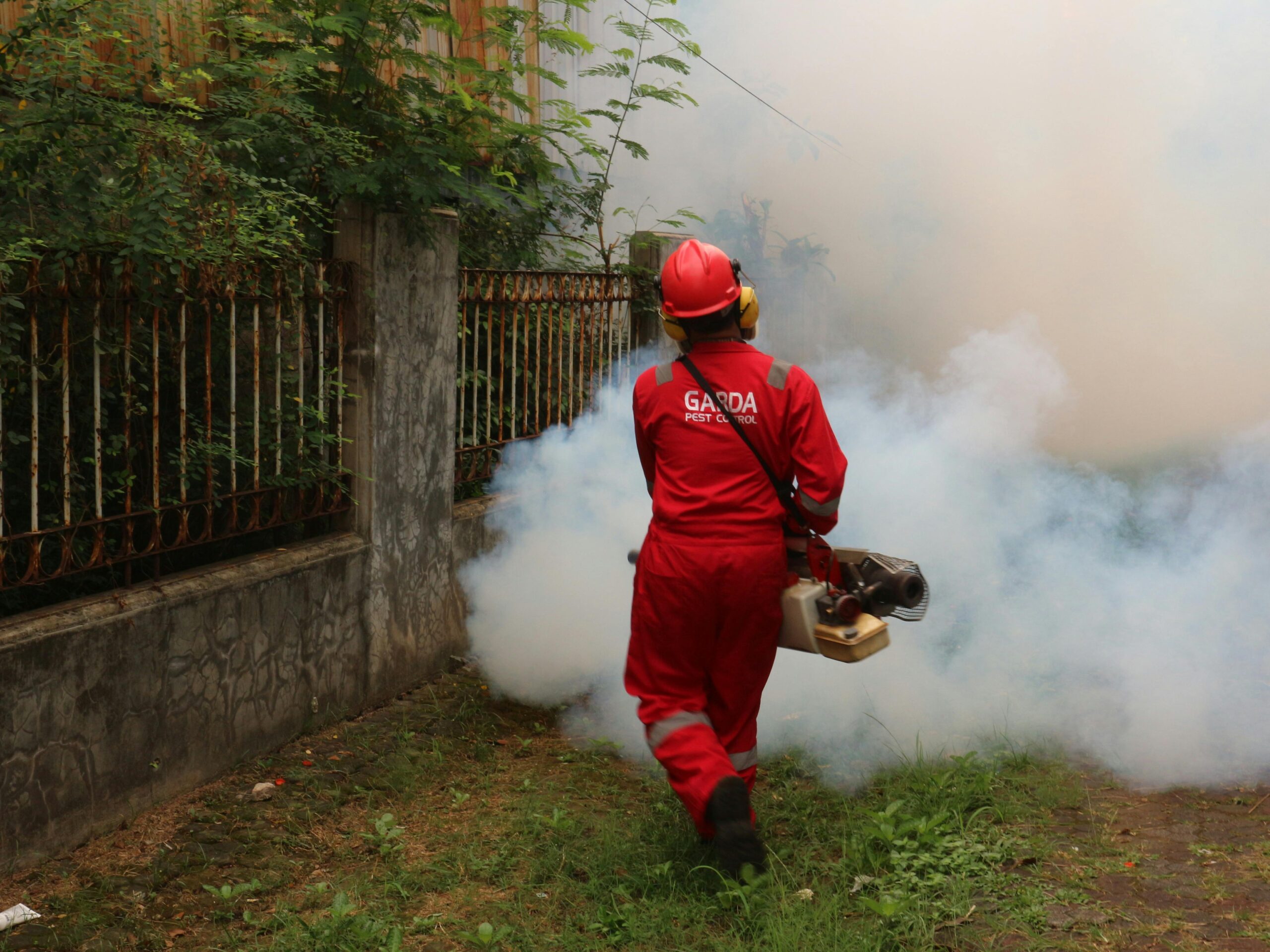
The image above illustrates a common professional technique: a low‑volume smoke machine. Technicians generate a fine, odorless smoke that penetrates tiny cracks, vents, and hidden crevices. As the smoke drifts, it carries a micro‑encapsulated insecticide that settles on surfaces where fruit flies hide. This method reaches places that sprays or traps cannot, ensuring a comprehensive knock‑down of the population.
Safety Considerations & Why a Licensed Provider Matters
Fruit fly control may seem simple, but improper application of chemicals or equipment can pose health risks. Licensed professionals bring three key advantages:
- Regulatory knowledge: They understand state‑specific pesticide regulations and use only products approved for residential use in Georgia.
- Proper dosage: Over‑application can lead to lingering residues that irritate skin or respiratory passages. Trained technicians calculate exact amounts for each treatment zone.
- Liability protection: Should an adverse reaction occur, a reputable company like Anthem Pest Control carries insurance that covers the incident, giving homeowners peace of mind.
Even when you choose DIY methods, follow label instructions, wear protective gloves, and keep the area well‑ventilated. If you’re unsure about a product’s safety or the infestation’s severity, a quick call to a local expert can save time, money, and stress.
Pricing Overview – What to Expect from Fruit Fly Control Services
When it comes to fruit‑fly control, the biggest surprise for most homeowners is the price tag. At Anthem Pest Control we keep the numbers out in the open, so you know exactly what you’re paying for before the first technician steps onto your property. Whether you need a quick knock‑out or a season‑long shield, our pricing tiers are designed to fit a range of budgets and infestation levels.
Here’s a quick snapshot of the most common fees:
- Inspection – $50: A thorough walk‑through, identification of breeding sites, and a customized action plan.
- Single Treatment – $120: One‑time application of an EPA‑approved fruit‑fly spray, covering interior and exterior zones.
- Three‑Treatment Package – $300: Three strategically spaced visits, each with re‑inspection, retreat, and ongoing monitoring to keep the flies from returning.
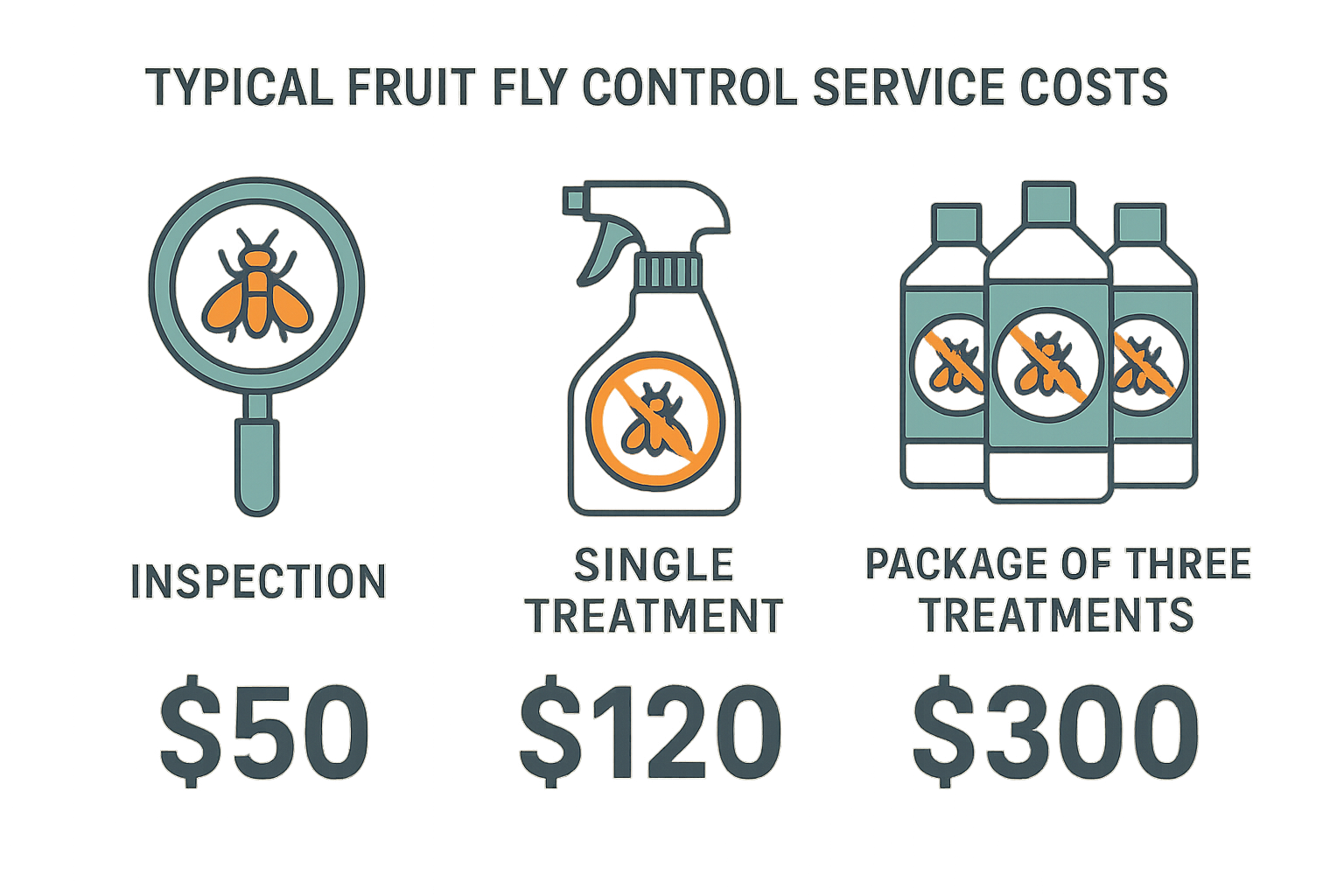
Several factors can shift these baseline numbers. Home size matters because larger square footage requires more product and longer labor time. Infestation severity is another driver; a light presence may be handled in a single visit, while a heavy outbreak often needs multiple treatments. Finally, seasonality plays a role—prices can rise during peak fruit‑fly months (late summer to early fall) when demand spikes.
Choosing a bundled package over a one‑off visit usually delivers better value. Packages spread the cost across several appointments, reducing the per‑visit price and, more importantly, providing continuous protection. The built‑in re‑inspection ensures any missed hotspots are addressed, which dramatically lowers the chance of a rebound infestation.
Anthem Pest Control structures its pricing for clarity and affordability. The $50 inspection fee is never rolled into the treatment cost; it stands alone so you can decide whether to proceed. If you opt for the single‑treatment route, the $120 charge is a flat rate with no hidden surcharges. For homeowners seeking long‑term peace of mind, the $300 three‑treatment package includes a guaranteed follow‑up schedule, a written progress report after each visit, and a 10 % discount on any additional services you might need later in the year.
Seasonal Activity Trends for Fruit Flies in Georgia
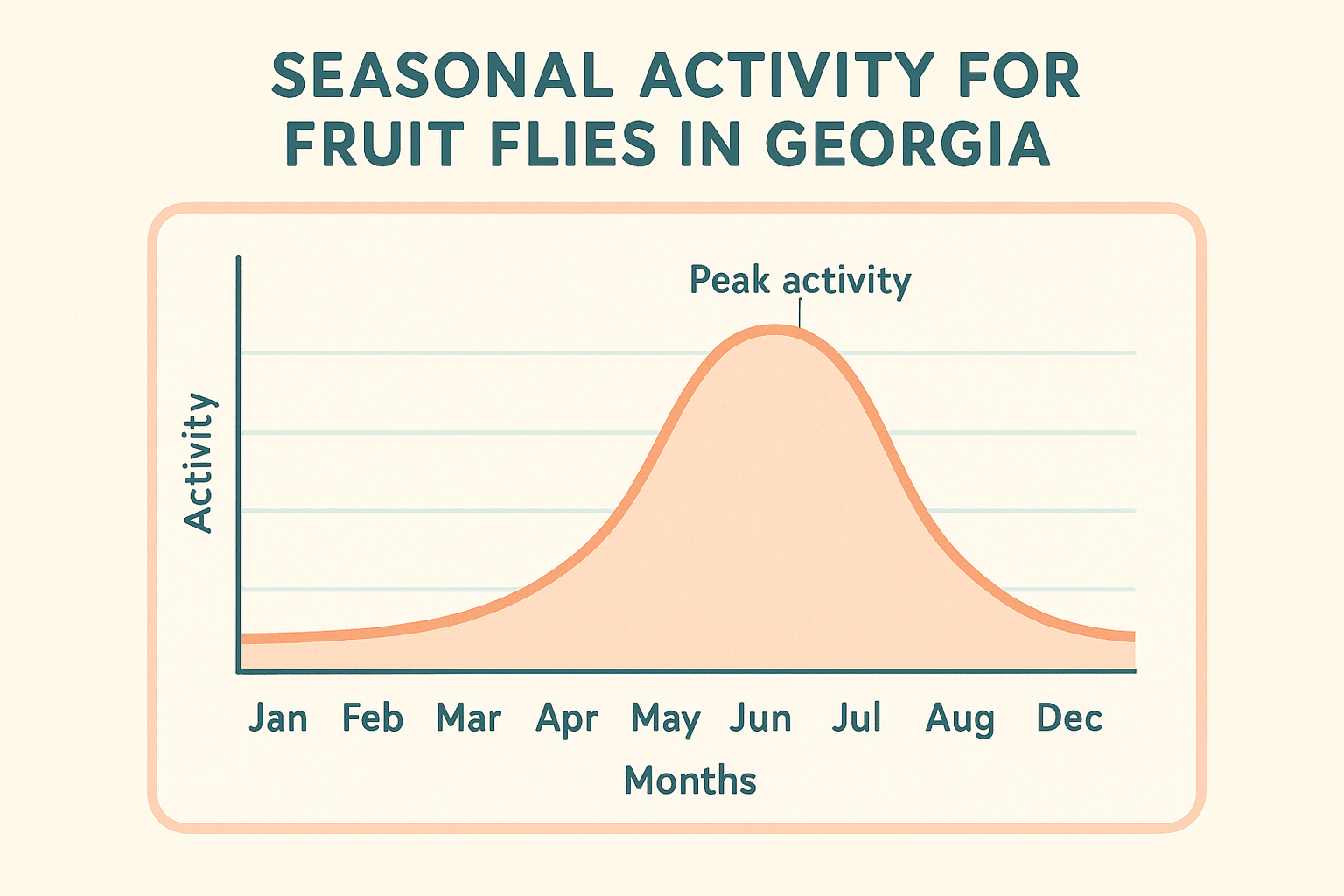
Fruit flies (Drosophila spp.) are tiny but relentless. Their life cycle—egg, larva, pupa, adult—can be completed in as little as 7‑10 days when temperatures stay between 75°F and 85°F. Below 60°F development slows dramatically, and the insects essentially go dormant. Because Georgia’s climate swings from chilly winters to hot, humid summers, the number of adult flies you see follows a predictable seasonal pattern.
What the data show
The table below summarizes typical activity levels for fruit flies across the year in the Cumming area. The “Activity Index” is a relative measure based on trap counts collected by local extension services.
| Month | Average Temp (°F) | Activity Index |
|---|---|---|
| January | 42 | Low |
| February | 45 | Low |
| March | 55 | Moderate |
| April | 63 | Moderate |
| May | 71 | High |
| June | 78 | High |
| July | 82 | High |
| August | 81 | High |
| September | 75 | High |
| October | 66 | Moderate |
| November | 55 | Low |
| December | 48 | Low |
Plan your inspections and interventions
Because the first surge begins in late March, schedule a pre‑season inspection with a certified technician before the end of February. This visit lets you identify hidden breeding sites—like overripe fruit in kitchen counters, uncovered compost bins, or clogged sink drains—before the flies multiply.
Early interventions, such as applying a residual indoor spray and sealing entry points, are most effective when temperatures consistently exceed 65°F. By treating in early April, you cut the population before it reaches the summer peak.
Seasonal sanitation tips
- Fruit storage: Keep fresh produce in the refrigerator or in sealed containers. Dispose of bruised or rotting fruit within 24 hours.
- Drain maintenance: Pour a cup of boiling water down kitchen and bathroom drains each week during May‑September to disrupt larvae that love moist organic debris.
- Compost and garbage: Use tightly fitting lids and empty bins frequently. Avoid leaving fruit scraps on the patio.
- Window screens: Inspect and repair any tears before the summer heat draws flies indoors.
How Anthem Pest Control syncs with the cycle
Anthem Pest Control structures its service calendar around these trends. Our standard package includes a February pre‑season walkthrough, a targeted treatment in early April, and a follow‑up boost in July when activity peaks. Homeowners who stay on the schedule see up to 70 % fewer fruit fly sightings compared with ad‑hoc treatments.
By aligning inspections, sanitation advice, and chemical applications with the natural rhythm of fruit flies, you protect your home while keeping pesticide use to the minimum needed for lasting results.
Protect Your Home Today with Anthem Pest Control
By now you’ve learned how to spot fruit flies, why they’re more than a nuisance, and the treatment routes—DIY traps, chemical sprays, or professional interventions. You also saw the typical price range in Cumming, Georgia, and why timing your treatment for early summer yields the best results before populations explode.
Anthem Pest Control brings that knowledge together with years of local experience. Our licensed technicians use low‑impact, EPA‑approved products that target fruit flies without endangering your family or pets. We pride ourselves on transparent pricing, so you’ll know exactly what each step costs before any work begins.
We understand that every home is unique, which is why we offer a complimentary inspection to assess your specific fruit‑fly situation. During the visit, we’ll identify entry points, recommend a tailored treatment plan, and explain how to keep your kitchen fly‑free year‑round.
If you’re ready to eliminate fruit flies and safeguard your kitchen, let Anthem Pest Control handle the job. Our licensed technicians use proven, low‑impact methods and will walk you through a clear, upfront price plan. Call us today at 877‑371‑8196 for a free, no‑obligation quote, or simply click to learn more. Visit Anthem Pest Control