Understanding Fruit Fly Infestations in Kennesaw, GA
What Are Fruit Flies?
Fruit flies belong to the family Drosophilidae, with the most common household species being the Western fruit fly (Drosophila melanogaster) and the Spotted wing Drosophila (Drosophila suzukii). These tiny insects—typically 1/8 to 1/4 inch long—are attracted to fermenting fruit, sugary spills, and moist organic matter. Inside a home they breed in the very places we keep our food, turning a simple kitchen nuisance into a persistent problem.
Why Kennesaw’s Climate Feeds Them
Kennesaw sits in the foothills of the Appalachian Plateau, enjoying a humid subtropical climate. Warm summers (average highs in the mid‑80s °F) and mild winters create a year‑round breeding window for fruit flies. The region’s abundant rain and frequent thunderstorms keep outdoor vegetation lush, while the city’s dense residential neighborhoods provide plenty of gardens, compost piles, and fruit‑bearing trees—all ideal “nursery” sites. Even indoor environments stay humid enough during the cooler months to support a second generation of flies.
Health and Home Impacts
Although fruit flies are not disease vectors like mosquitoes, they can still affect a homeowner’s peace of mind and food safety. Their constant buzzing and swarming around countertops are a visual reminder that something is amiss. More importantly, they lay eggs in rotting fruit and sugary residues, accelerating decomposition and potentially contaminating nearby foods with bacteria from the larvae. For families with young children or seniors, the presence of flies can heighten anxiety about cleanliness and overall home hygiene.
How Common Are They Here?
Recent data from the Fulton County Health Department indicate that fruit‑fly complaints have risen by 27 % over the past three years, with the highest concentration of reports coming from the Atlanta metro suburbs—including Kennesaw. In 2023 alone, the department logged 1,842 fruit‑fly related service calls across the county, and local pest‑control firms note a similar spike during the peak summer months of June through August. These numbers reflect not only the insects’ adaptability but also the growing awareness among homeowners who are eager to protect their kitchens.
Understanding the biology, climate factors, and real‑world impact of fruit flies sets the foundation for effective detection. Next, we’ll walk you through the tell‑tale signs that an infestation has taken hold in your home.
Recognizing the Warning Signs of a Fruit Fly Problem

Fruit flies may be tiny, but they’re quick to turn a tidy kitchen into a buzzing nuisance. Spotting them early can save you a lot of hassle—and prevent a full‑blown infestation that spreads to every corner of your home. Below, we break down the visual cues and habits that tell you a fruit fly problem is brewing, so you can act before they multiply.
What the Adult Looks Like
Adult fruit flies (often Drosophila melanogaster) are roughly 1/8 inch long—about the size of a small grain of rice. Their bodies are tan to light brown, and they sport clear wings with a faint, vein‑like pattern that catches the light when they hover. The most distinctive feature is their red, almost ruby‑colored eyes, which can appear as tiny specks of color against the muted body.
Where Adults Like to Hang Out
These pests are attracted to anything sugary or fermenting, so they tend to congregate in predictable spots:
- Kitchen counters—especially near fruit bowls, jam jars, or spilled juice.
- Trash cans and compost bins—the organic waste provides a constant food source.
- Drains and sink traps—the moist environment and food particles create an ideal breeding ground.
- Overripe or rotting fruit—the natural fermentation releases the sweet aromas they can’t resist.
Spotting the Larvae
While adults are easy to see, the real trouble starts with the larvae. Fruit fly larvae look like fuzzy, white‑gray “maggots” about 1/4 inch long. You’ll find them:
- Inside fermenting fruit—often hidden beneath the skin where the fruit is softening.
- In sink drains—especially if you notice a slimy, white film lining the pipe.
- Within garbage bags—particularly when fruit scraps or vegetable peels are present.
Because larvae feed on the same sugary material adults love, spotting even a few can signal that a breeding cycle is already underway.
Behavioral Clues to Watch For
Fruit flies are attracted to light and movement. If you notice a rapid, erratic swarming near a window, refrigerator light, or any bright fixture, it’s a red flag. They also hover close to sugary odors—think fresh-cut fruit, soda spills, or even cleaning products with citrus scents. Their flight pattern is typically low and fast, making them appear like a tiny cloud that disappears when you wave a hand through it.
Quick “Fly Audit” Checklist
Take a few minutes each week to run through this room‑by‑room audit. Mark any observations with a check or note, then act on the first sign you see.
- Living room: Are there any flies near lamps or coffee tables? Check for spilled drinks or fruit bowls left out.
- Kitchen: Inspect countertops, sink drains, and trash cans for adult flies or larval slime. Look for overripe fruit or crumbs.
- Dining area: Examine table surfaces and nearby cabinets for hidden fruit or sugary residues.
- Bedrooms: Though less common, flies may wander here if food is stored on nightstands. Check for open snack packages.
- Bathrooms: Look inside shower drains and bathroom trash cans—any lingering fruit‑based toiletries can attract them.
- Garage or basement: If you store compost, garden waste, or recycling, ensure it’s sealed and away from living spaces.
When you spot any of these warning signs, it’s time to act. A prompt clean‑up—removing rotting fruit, sealing trash, and cleaning drains—can halt the life cycle before it spreads. For a deeper dive into typical infestation signs, consult this expert guide. Recognizing these clues early not only protects your home but also keeps your pest‑control costs predictable and manageable.
Seasonal Patterns of Fruit Flies in Georgia
Fruit flies aren’t a year‑round nightmare in the Peach State, but their activity does follow a predictable rhythm tied to temperature, humidity, and local human activity. Understanding that rhythm lets you act before the tiny pests turn your kitchen into a breeding ground. Below we break down the science, the calendar, and the practical steps you can take to stay one step ahead.
Temperature and Humidity Triggers
Fruit flies thrive when temperatures sit between 70°F and 85°F and relative humidity climbs above 60%. Those conditions accelerate the development of eggs into adults in as little as 48 hours. Below 60°F, the life cycle slows dramatically, and the flies either seek shelter in warmer indoor spaces or go dormant. Conversely, once humidity spikes after a summer rain, even a modest temperature rise can spark a sudden population boom.
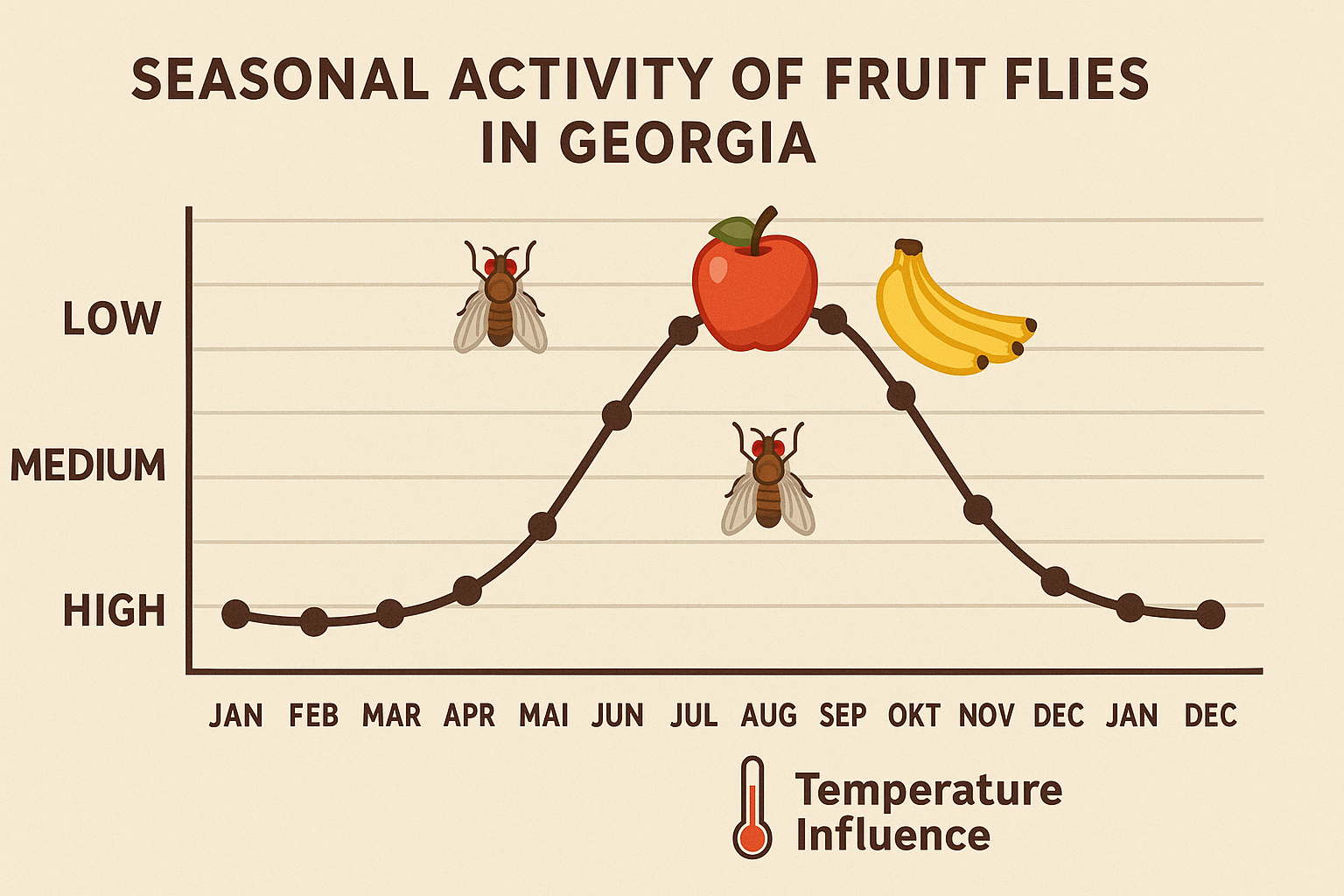
Seasonal Activity Chart
Based on years of field data from Georgia’s farms and homes, we can map fruit‑fly activity into four distinct phases:
- Low (January – February): Cool nights keep breeding to a minimum; occasional indoor sightings are usually stray adults.
- Medium (March – May): Warming days and early humidity encourage the first generations; you may notice flies near ripening fruit or compost.
- High (June – September): Peak heat and humidity create ideal conditions for rapid reproduction; infestations can explode if food sources are left uncovered.
- Tapering (October – December): Cooler evenings and lower humidity slow the cycle, but indoor heating can keep pockets of activity alive.
Local Events That Boost Indoor Infestations
Georgia’s calendar is packed with events that unintentionally feed fruit flies. The summer harvest season (June‑August) floods markets and backyards with overripe peaches, berries, and tomatoes—prime breeding material that can be carried indoors on produce bags or gardening tools. Outdoor festivals, especially food‑focused fairs in March and September, generate large volumes of discarded fruit waste, increasing the ambient fly population. When those flies migrate inside seeking cooler shelter, they can quickly find a new buffet in uncovered kitchen bowls or pet food dishes.
Seasonal Prevention Tips
- Summer (June‑August): Store all fresh produce in the refrigerator or sealed containers. Dispose of any bruised or rotting fruit within 24 hours.
- Humid Months (May‑September): Keep kitchen drains clean by pouring a mixture of boiling water and white vinegar weekly; this removes organic buildup that serves as a larval nursery.
- Harvest Season (June‑August): Rinse garden tools and reusable bags before bringing them indoors. Consider a quick spray of a food‑safe sanitizer on cutting boards after handling fruit.
- Festival Periods (March, September): Empty trash cans daily and use tight‑fitting lids. If you’re bringing home bulk produce, give it a quick rinse before storage.
- Year‑Round: Install fine mesh screens on windows and doors, and seal any cracks around vents or pipes where flies could slip through.
Month‑by‑Month Risk Summary
| Month | Risk Level | Key Action |
|---|---|---|
| January | Low | Inspect drains; keep produce refrigerated. |
| February | Low | Seal cracks; limit indoor fruit exposure. |
| March | Medium | Clean up festival waste promptly. |
| April | Medium | Start weekly drain maintenance. |
| May | Medium | Store ripe fruit in airtight containers. |
| June | High | Refrigerate all produce; clean drains daily. |
| July | High | Monitor indoor traps; keep surfaces dry. |
| August | High | Dispose of overripe fruit quickly; use mesh screens. |
| September | High | Clear festival leftovers; continue drain care. |
| October | Medium | Reduce indoor humidity; store produce properly. |
| November | Medium | Check for hidden breeding sites in pantry. |
| December | Low | Maintain clean kitchen; limit indoor plants. |
Treatment Options: Spray, Bait, and Drain Solutions
When fruit flies invade a Kennesaw kitchen, the right treatment can mean the difference between a quick fix and a lingering nuisance. Professional pest technicians typically rely on three core approaches—spray applications, bait stations, and drain treatments. Each method attacks the flies at a different stage of their life cycle, and understanding how they work helps you choose the most effective plan for your home.
Spray Treatments
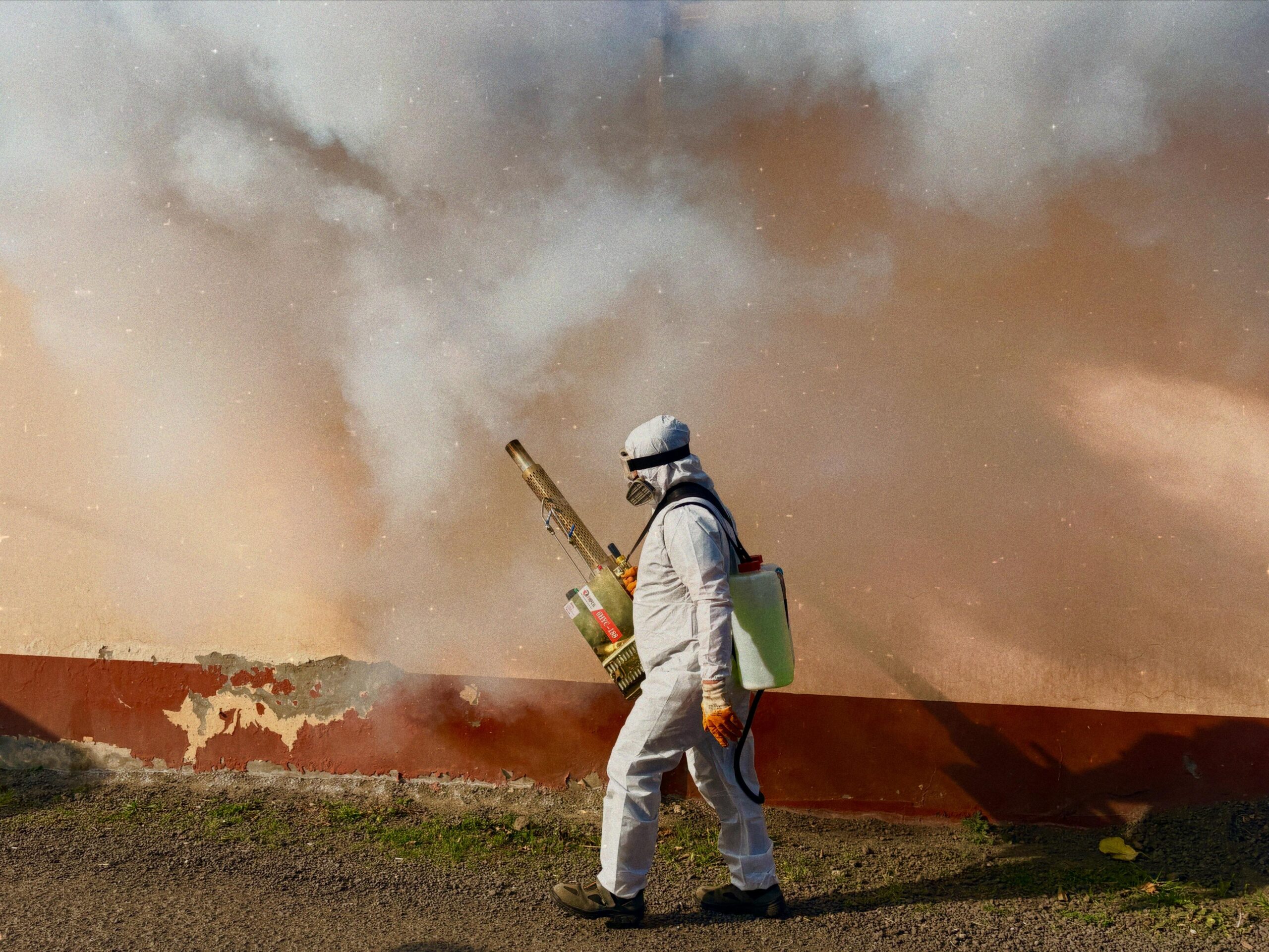
Spray treatments involve a residual insecticide that is carefully applied to interior surfaces where adult fruit flies perch: window sills, countertops, light fixtures, and the undersides of cabinets. The chemical creates a thin, invisible barrier that kills flies on contact and continues to work for several weeks. Because the spray targets only the adult stage, it’s most effective when you see a noticeable number of flying insects but haven’t yet identified a breeding hotspot.
Safety considerations are paramount. Technicians use EPA‑registered products that are low‑odor and formulated for indoor use. Areas where food is prepared are either masked or treated with a food‑safe formulation, and homeowners are typically asked to vacate the space for 30–45 minutes while the spray dries. After the brief exposure period, normal activity can resume, and the residual protection remains in place.
Bait Stations
Bait stations are attract‑and‑kill devices placed near entry points, trash cans, and around the kitchen sink. The bait contains a food‑based lure mixed with a slow‑acting insecticide. Adult flies are drawn to the station, ingest the toxin, and die, while any larvae that hatch from eggs laid nearby are also affected because the bait contaminates the surrounding area.
Because bait stations work continuously, they are ideal for moderate to heavy infestations where flies are reproducing in hidden niches. They also provide a visual cue for homeowners—if you see a station with dead flies, you know the treatment is active. The key to success is proper placement: technicians position stations where flies are most active, usually within 3–5 feet of known breeding sites.
Drain Treatments
Fruit fly larvae often develop in the organic film that lines kitchen drains, garbage disposals, and even floor‑drain traps. Drain treatments use either enzymatic cleaners that break down the biofilm or chemical solutions that both dissolve organic matter and kill any larvae present. A technician will apply the product directly into the drain, let it sit, then flush it out, removing the hidden nursery that fuels the infestation.
This method shines when you notice fruit flies congregating near the sink or when you suspect the problem stems from a clogged or poorly maintained drain. It’s a targeted approach that complements sprays and baits, ensuring you’re not just killing adult flies but also eliminating the source of future generations.
Comparing the Three Methods
| Method | Pros | Cons | Typical Duration of Control | Homeowner Involvement |
|---|---|---|---|---|
| Spray | Fast knock‑down of adults; residual protection for weeks; covers large surface area. | Doesn’t affect larvae; requires temporary vacancy; may need re‑application if heavy buildup. | 2–4 weeks | Minimal—just keep area clear during application. |
| Bait Stations | Continuous action; targets both adults and nearby larvae; easy to monitor. | Requires correct placement; effectiveness drops if bait is contaminated or replaced. | 3–6 weeks (depends on bait life) | Periodic check‑ups and occasional bait replacement. |
| Drain Treatment | Eliminates hidden larval habitat; reduces future adult emergence; works where sprays can’t reach. | May need multiple applications for stubborn buildup; limited to drain locations. | 1–2 weeks for immediate effect; longer if maintenance continues. | Keep drains clean; avoid pouring grease or food scraps. |
Combining Methods for Severe Infestations
When fruit flies swarm in numbers, a single tactic rarely suffices. The most reliable strategy blends all three treatments: a spray to knock down the current adult population, bait stations to keep catching any survivors, and a drain treatment to eradicate the breeding ground. Technicians often schedule the spray first, followed by bait placement the next day, and then perform a thorough drain clean‑out within the same service window. This layered approach creates a “kill chain” that interrupts the life cycle at every stage.
DIY Alternatives vs. Professional Application
Homeowners can purchase over‑the‑counter sprays, sticky traps, or vinegar‑based drain cleaners. While these DIY options may provide temporary relief, they usually lack the residual potency, precise placement, and safety assurances that a licensed professional brings. For example, a generic aerosol spray might evaporate within hours, leaving the flies to return, and DIY drain cleaners can be harsh on plumbing if used repeatedly.
Professional services, like those offered by Anthem Pest Control, use products that are specifically formulated for indoor use, calibrated for the exact square footage of your home, and applied by technicians trained to minimize exposure risks. Moreover, a licensed provider can identify hidden sources—such as a forgotten fruit bowl or a slow‑draining dishwasher—that DIY attempts often miss.
In short, if you’re dealing with a light, occasional sighting, a DIY trap may be enough. But for any persistent problem, especially in a kitchen that sees daily food prep, investing in a professional spray, bait, and drain regimen will save you time, reduce health risks, and keep your home fruit‑fly free for the long haul.
Pricing Guide for Fruit Fly Control in Kennesaw
When you discover fruit flies buzzing around your kitchen, the first question is often “how much will it cost to get rid of them?” According to the HomeGuide cost guide, most homeowners in the Kennesaw area spend between $150 and $350 for a single treatment, depending on the severity of the infestation and the type of service selected. These figures give you a realistic benchmark before you call a professional.
Understanding the Three Severity Levels
Anthem Pest Control categorizes fruit‑fly problems into three clear tiers. Knowing which tier applies to your home helps you anticipate the right level of service and price.
- Minor – A handful of flies confined to one area (usually the kitchen trash or a single drain). This level typically triggers a single‑visit spray or bait application.
- Moderate – Flies appear in multiple rooms and are found in both trash areas and drains. Treatment usually involves a combination of spray, bait, and a targeted drain treatment.
- Severe – A full‑house infestation with flies in every room, often accompanied by a strong odor. This scenario requires multiple visits, comprehensive spray coverage, bait stations, and thorough drain cleaning.
Pricing Infographic

The infographic above breaks down each severity level into three treatment columns—spray, bait, and drain—along with the typical price range you can expect in Kennesaw. It also places the pricing in a local map context, so you can see how neighborhood factors sometimes influence costs.
Simple Cost‑Calculation Worksheet
Use the worksheet as a quick mental calculator. Multiply the number of planned treatments by the base cost for your severity level (shown in the table below). For example, a moderate infestation usually requires two visits at $200 each, yielding an estimated $400 total.
Pricing Table
| Severity Level | Typical Cost Range | Recommended Treatment(s) |
|---|---|---|
| Minor | $150 – $200 | Single spray or bait |
| Moderate | $200 – $300 | Spray + bait + one drain treatment |
| Severe | $300 – $450 | Multiple sprays, bait stations, comprehensive drain cleaning |
Factors That Can Adjust the Price
While the table gives you a solid starting point, a few real‑world variables can shift the final bill:
- Square footage – Larger homes require more product and longer service times.
- Access difficulty – Tight crawl spaces, high ceilings, or hard‑to‑reach drains may add a modest labor surcharge.
- Repeat visits – If the infestation persists after the initial treatment, additional visits are billed at the same per‑visit rate.
- Seasonal demand – Summer months see higher fruit‑fly activity; some companies offer off‑season discounts.
Anthem’s Transparent Pricing Promise
At Anthem Pest Control, we believe you deserve a clear, upfront quote before any work begins. Our pricing sheet matches the ranges shown above, and we never tack on hidden fees. Homeowners also benefit from:
- Free on‑site inspection – We assess the situation, identify the severity level, and provide a written estimate at no cost.
- Discounts for bundled services – Combine fruit‑fly treatment with any other pest‑control plan and receive up to 15% off.
- Veteran and senior savings – Additional reductions are available for qualifying customers.
By choosing Anthem, you get a predictable price, a professional technician, and a guarantee that the flies will be gone—so you can focus on enjoying your home instead of swatting insects.
Choose Anthem Pest Control for Fast, Affordable Relief
Dealing with fruit flies in Kennesaw doesn’t have to be a lingering nightmare. The most effective strategy starts with four simple steps: spot the problem early, treat at the right season, choose a method that targets the source, and know exactly what you’ll pay. When these pieces line up, homeowners see rapid results and avoid the hidden costs of DIY guesswork.
Anthem Pest Control has built a reputation for turning that formula into reality across Kennesaw and the greater Georgia area. Our technicians know the local climate patterns that drive fruit fly outbreaks—from the humid summer months to the early fall harvest period—so we schedule treatments when they’ll be most impactful. Whether you’re confronting a kitchen infestation or a larger outdoor breeding site, we tailor our approach to match the scope of the problem.
What sets us apart is our commitment to safety and transparency. Every product we apply is EPA‑approved, ensuring it’s effective against fruit flies while remaining harmless to your family, pets, and the environment. All of our field staff are fully licensed, undergo continuous training, and back their work with a satisfaction guarantee. If the flies return, we’ll re‑treat at no extra charge.
We also keep pricing clear from the start. Our flat‑rate quotes break down the cost of inspection, treatment, and any follow‑up visits, so you won’t encounter surprise fees later. To make the process even easier, we offer a free, no‑obligation estimate and flexible scheduling that fits around your busy life.
Ready to reclaim your home from fruit flies? Give us a call at 877‑371‑8196 or visit our website for a quick quote. Our friendly team will walk you through the next steps, answer any questions, and set up a service window that works for you.
Take the first step toward a fly‑free home today—click here or dial 877‑371‑8196 for your free, no‑obligation quote.