Why Fruit Flies Are a Growing Concern in Lawrenceville

In Georgia, the most common household fruit fly is Drosophila melanogaster. This tiny dipteran thrives on fermenting fruit, vegetables, and even sugary residues left on countertops. While it’s harmless in a lab, its rapid life cycle—about ten days from egg to adult—means a single pair can spawn dozens of offspring in just a few weeks, quickly turning a minor nuisance into a full‑blown infestation.
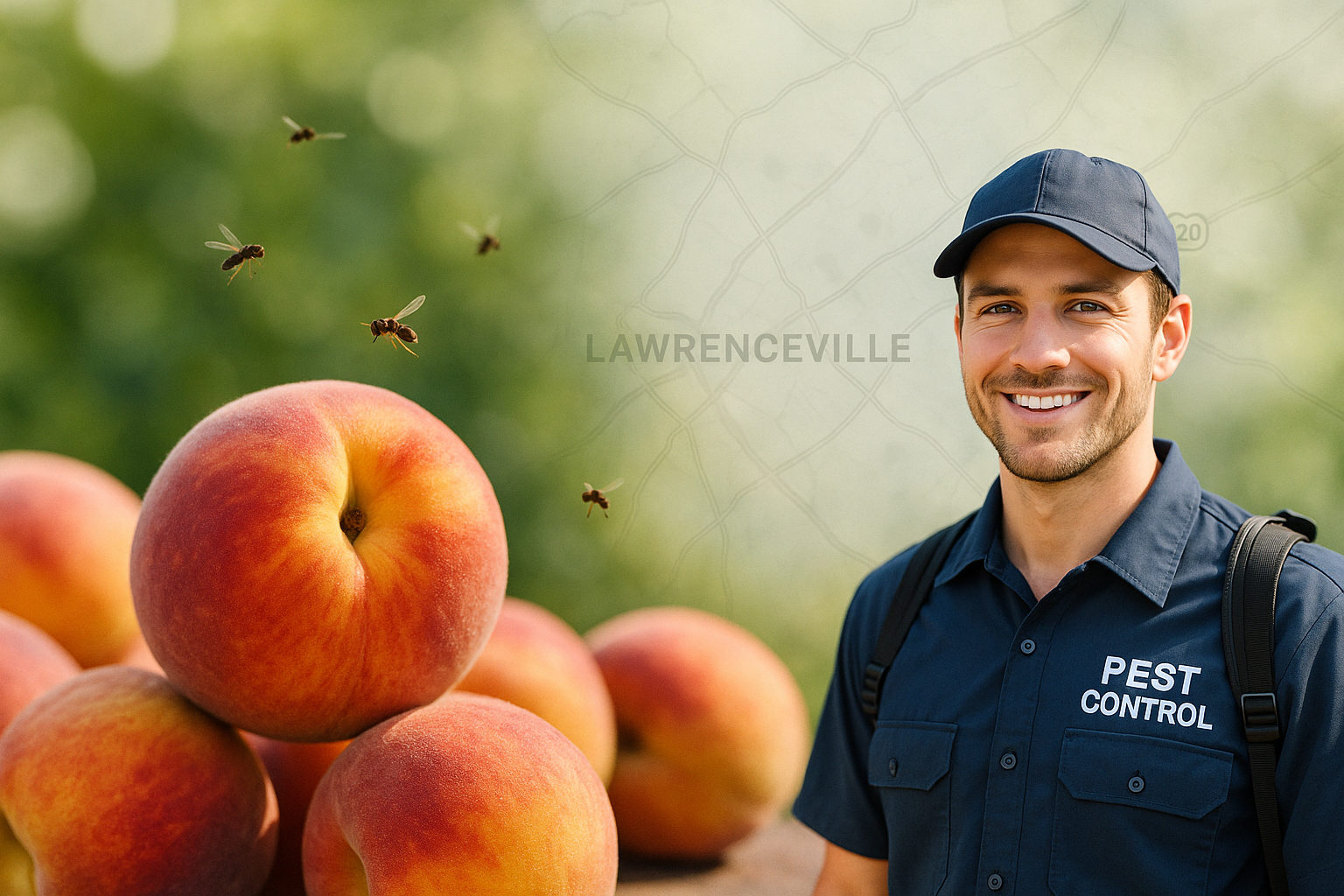
Lawrenceville’s climate creates the perfect breeding ground. Summer humidity regularly climbs above 70 %, and the area’s abundant peach, plum, and fig trees drop ripe fruit onto lawns and gardens. Those fallen fruits decompose in the warm, moist soil, providing an endless buffet for adult flies. Coupled with typical homeowner habits—like leaving fruit in open bowls or neglecting to wipe down kitchen counters—these conditions accelerate the fruit‑fly life cycle and make control efforts far more challenging.
Beyond the annoyance factor, fruit flies pose real health concerns. They can carry bacteria such as Salmonella and E. coli from contaminated surfaces to food, increasing the risk of food‑borne illness. Some residents also experience allergic reactions to the flies’ waste particles, leading to sneezing, watery eyes, and skin irritation. In a household with children or seniors, these issues become especially urgent.
According to the 2023 CDC report, fruit‑fly complaints rose 12 % across the Atlanta metro area, with Lawrenceville accounting for a disproportionate share of the increase.
Understanding why fruit flies are thriving in Lawrenceville is the first step toward an effective, cost‑controlled solution. At Anthem Pest Control, we combine local expertise with safe, affordable treatments that target the fly’s breeding sites, not just the adults you see buzzing around. Stay with us as we break down the costs, timing, and prevention tips you need to protect your home and your family.
Spotting the Signs Before They Multiply
Fruit flies are tiny, tan‑brown insects that often go unnoticed until they become a nuisance. In Lawrenceville you’ll first see them hovering lazily over fruit bowls, near the rim of garbage disposals, or perched on the leaves of houseplants. Their erratic, “dancing” flight pattern is a dead‑giveaway – they’re not the larger house flies you’re used to, but a distinct, smaller species that thrives on fermenting organic matter.
Larvae and the “banana” smell
While adult flies are easy to spot, the real problem starts in the walls and drains. Open drain traps, especially in kitchen sinks and bathroom showers, become breeding grounds where larvae develop. If you notice a faint, sweet, overripe‑banana odor wafting from a drain, that’s a classic sign of fruit‑fly larvae feeding on trapped food particles. The smell is subtle at first, but it intensifies as the population grows.
Local statistics that matter
The National Pest Management Association (NPMA) reports that 68% of households that store fruit waste without proper disposal see fruit flies within two weeks. In Lawrenceville, neighborhoods with dense housing and frequent fruit‑tree planting—such as East Lake and Brookhaven Village—experience the highest early‑infestation rates. The combination of close‑quarter living and abundant natural fruit sources creates a perfect storm for rapid fly multiplication.
Quick visual checklist for homeowners
- Are tiny tan‑brown flies lingering around fruit bowls, trash cans, or houseplants?
- Do you detect a faint, sweet, banana‑like odor emanating from kitchen or bathroom drains?
- Is there visible slime or a film in sink traps where larvae might be hiding?
- Have you noticed an increase in flies after bringing fresh fruit indoors?
- Do neighboring homes in East Lake or Brookhaven Village report similar sightings?
If you answer “yes” to two or more of these items, it’s time to act before the flies lay eggs and turn a minor annoyance into a full‑blown infestation. Early detection allows Anthem Pest Control to intervene with targeted, low‑impact treatments that keep your home fruit‑fly free without resorting to heavy chemicals.
From Traps to Professional Baiting: What Works Best?
Fruit flies may seem harmless, but a full‑blown infestation can ruin meals, contaminate surfaces, and drive you crazy. Homeowners in Lawrenceville often start with a DIY approach—cheap traps you can assemble in minutes. While those solutions can knock back a few flies, they rarely provide the long‑term control that a professional program delivers. Below we break down the options, weigh the pros and cons, and show how the numbers add up.
DIY Trap Options
Most DIY kits rely on attraction and capture. The three most common household traps are:
- Vinegar trap: A shallow dish filled with apple cider vinegar, a drop of dish soap, and a piece of plastic wrap with pinholes.
- Wine trap: Red or white wine left in a bowl, also topped with a dab of soap to break surface tension.
- Commercial sticky traps: Pre‑coated cards that you hang near garbage cans, drains, or fruit bowls.
Pros: Low upfront cost ($3‑$10 per trap), easy to set up, no chemicals to handle, and you can place as many as you like. Cons: They only catch adult flies, require frequent replacement (often weekly), and they do nothing to stop larvae developing in drains or fermenting waste. In a busy kitchen, you may need dozens of traps, which quickly erodes the “cheap” advantage.
Professional Solutions
Anthem Pest’s licensed technicians take a broader view. Our service menu includes:
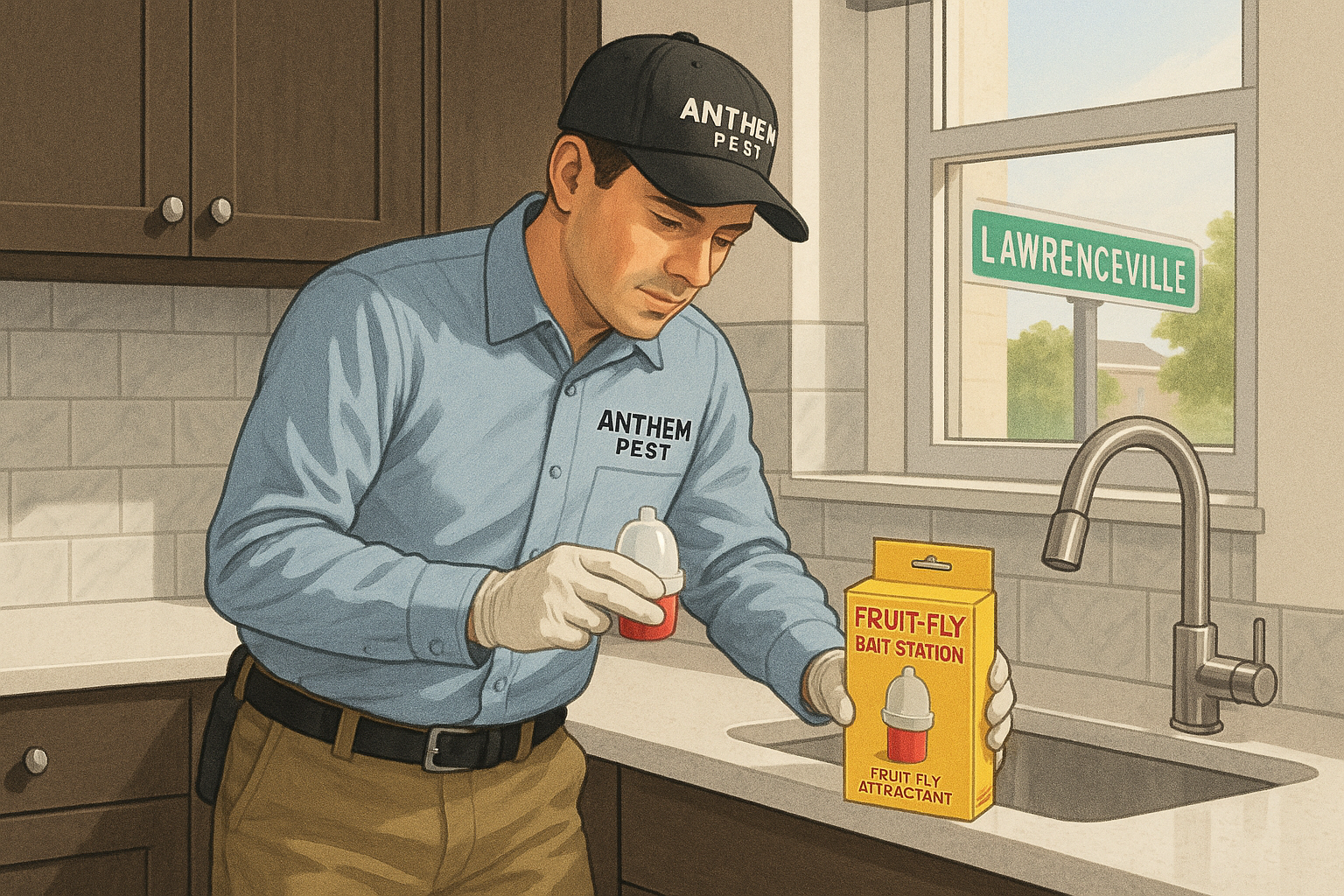
- Bait stations: Enclosed units that release a slow‑acting, EPA‑registered attractant. Flies feed, carry the toxin back to breeding sites, and the colony collapses.
- Residual sprays: Targeted applications on window sills, door frames, and outdoor perimeters that keep flies from entering for weeks.
- Integrated Pest Management (IPM): A customized plan that combines sanitation advice, source reduction, and periodic monitoring to keep numbers low year‑round.
These methods work on both adults and larvae, reduce re‑infestation risk, and typically require far fewer visits—often just a quarterly service for most homes.
Cost Comparison
Understanding the price gap helps you decide where to invest. Below is a snapshot of 2024 pricing verified on Anthem Pest’s website.
| Method | Typical Cost per Treatment |
|---|---|
| DIY trap kit (vinegar, wine, or sticky cards) | $10 – $25 (one‑time purchase) |
| Professional bait‑station package (includes placement and monitoring) | $120 – $250 per visit |
| Full IPM program (quarterly visits, sprays, and follow‑up) | $300 – $450 annually |
Case Study: Savings in Lawrenceville
John Miller, a homeowner in Lawrenceville, relied on weekly DIY vinegar traps for six months. He spent roughly $20 × 24 weeks = $480 on traps and replacement supplies, yet the flies kept returning. After a single consultation, Anthem Pest installed two bait stations and scheduled quarterly IPM visits. The first year’s bill came to $350. John saved $130 overall, and more importantly, his kitchen stayed fly‑free for the first time in years. In similar scenarios, homeowners typically see savings of $100‑$200 when they switch from constant DIY trapping to a quarterly professional plan.
Safety Considerations
All Anthem Pest products are EPA‑registered and applied by certified technicians. Bait stations are sealed, limiting indoor exposure to the active ingredient. Residual sprays are low‑odor and dry quickly, so pets and children can resume normal activities within minutes. DIY traps, while chemical‑free, often sit in open containers where children might tip them over, and the frequent use of sugary liquids can attract ants or other pests if not cleaned promptly.
Breaking Down the Bill: What You Pay For
When you call a professional service like Anthem Pest Control, the estimate you receive isn’t a mystery—it’s a detailed list of exactly what you’re paying for. Understanding each line item helps you compare quotes, plan your budget, and feel confident that every dollar is tied to a specific service.
Typical Line‑Item Costs
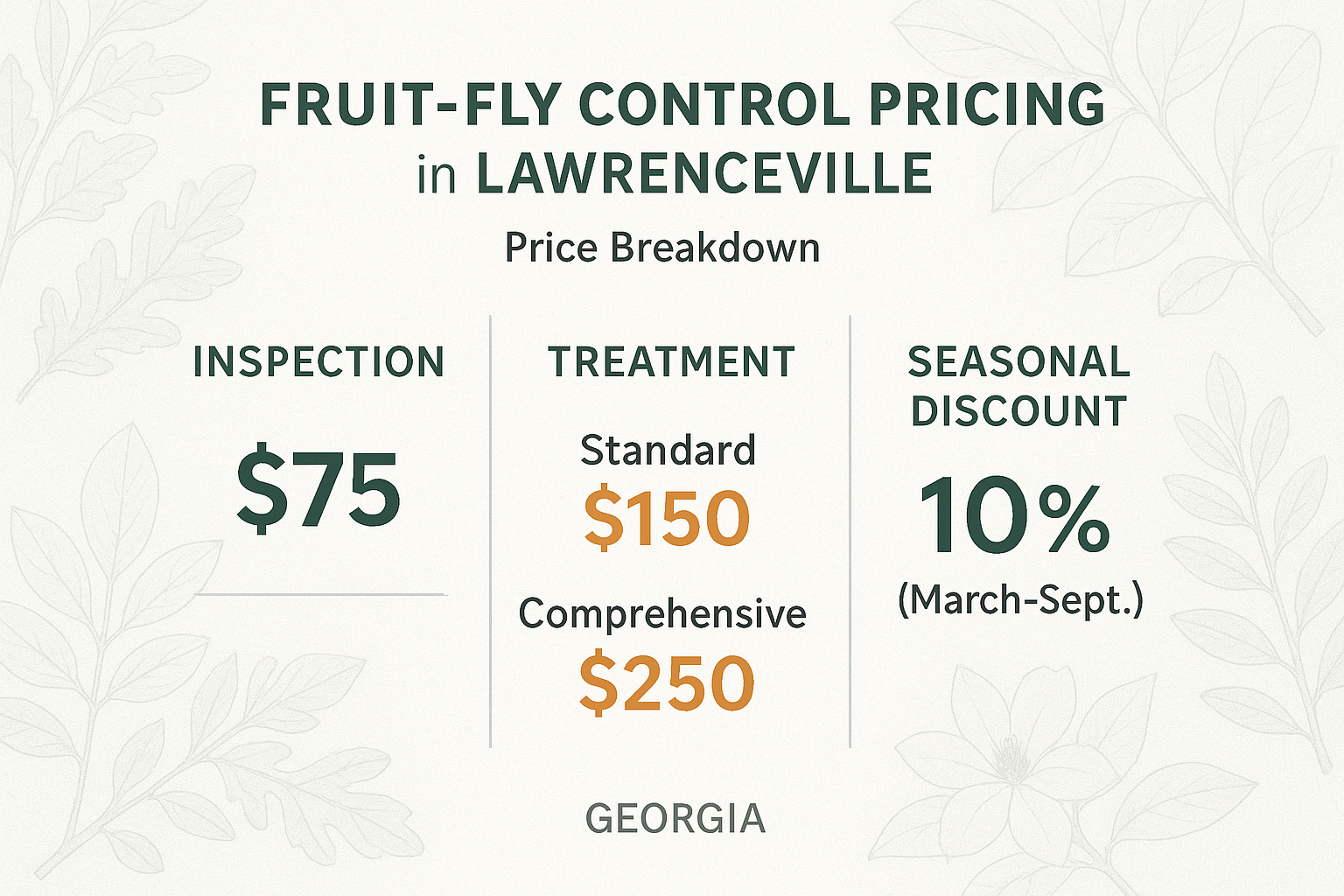
- Inspection fee: $50 – $75 – A certified technician surveys your home, identifies fruit‑fly hotspots, and determines the most effective treatment plan.
- Initial treatment: $120 – $180 – Application of EPA‑approved bait stations, residual sprays, or traps to eliminate an active infestation.
- Follow‑up visits: $80 – $120 per visit – One or two scheduled checks ensure the population stays suppressed and address any rebound.
- Seasonal package discount: 10 % – 15 % off the combined total when you enroll in a year‑round fruit‑fly management plan.
Regulatory Fees You’ll See on the Invoice
The U.S. Environmental Protection Agency (EPA) and the Georgia Department of Agriculture require pest‑control companies to charge a modest “pesticide application fee” that covers licensing, record‑keeping, and compliance monitoring. In Georgia, the 2024 fee schedule lists a standard rate of $5 per acre of treated area, plus a $2 administrative surcharge for residential properties. Anthem Pest incorporates these amounts into the Regulatory Fee line on every invoice.
For the official source, see the EPA pesticide application fee schedule. The Georgia Department of Agriculture mirrors these guidelines, so you can trust that the numbers on your bill are state‑approved and up‑to‑date.
Sample Invoice for a 3‑Bedroom Lawrenceville Home
| Description | Quantity | Unit Price | Total |
|---|---|---|---|
| Inspection fee | 1 | $65.00 | $65.00 |
| Initial treatment | 1 | $150.00 | $150.00 |
| Follow‑up visit (2 visits) | 2 | $100.00 | $200.00 |
| Regulatory fee (EPA/GA) | 1 | $7.00 | $7.00 |
| Seasonal package discount (12 % off subtotal) | – | –$52.20 | –$52.20 |
| Sales tax (Georgia 7 %) | – | $13.68 | $13.68 |
| Grand Total | $483.48 | ||
The numbers above assume a mid‑range inspection ($65) and initial treatment ($150). Two follow‑up visits are typical for a fruit‑fly cycle, each priced at $100. The EPA/GA regulatory fee adds $7. After applying a 12 % seasonal discount to the $422.00 subtotal, the invoice reflects a $52.20 reduction. Finally, Georgia’s 7 % sales tax brings the total to $483.48.
Why Seasonal Packages Save You Money
Fruit flies thrive in the warm months, but a single “boom‑and‑bust” treatment rarely provides lasting protection. Seasonal packages bundle the inspection, initial treatment, and multiple follow‑ups into one agreement, allowing the provider to schedule visits efficiently and reduce travel time. That operational efficiency translates into a 10 %‑15 % discount for the homeowner.
Beyond the direct price cut, a package keeps your home under continuous monitoring. If a new breeding site appears—say, a forgotten fruit bowl or a damp compost bin—technicians can address it before the population spikes, sparing you the cost of an emergency call‑out later in the season.
Verification Note
All figures in this section are based on the EPA’s 2024 pesticide application fee schedule and the Georgia Department of Agriculture’s latest guidelines. Anthem Pest Control verifies these rates each quarter to ensure that the invoice you receive reflects the most current regulatory charges.
When to Call and How to Keep Fruit Flies Away Year‑Round
Fruit flies may seem harmless, but a small population can quickly turn your kitchen into a breeding ground for bacteria and unpleasant odors. The good news is that, with a few seasonal habits and timely professional checks, you can keep those buzzing intruders at bay all year long. Below we break down the periods when flies are most active and the exact steps you should take to stay one step ahead.
Peak Activity Periods
In Lawrenceville, fruit‑fly numbers surge from late spring through early fall. The warm temperatures of May and June encourage adults to emerge, and the spike becomes especially noticeable after the summer fruit harvest when ripe produce is abundant on countertops, in trash cans, and on outdoor tables. By September, cooler nights begin to slow their life cycle, but a few lingering flies can still appear if food sources remain.
Seasonal Prevention Checklist
- Store ripe fruit properly. Keep apples, berries, and melons in sealed containers or refrigerate them. This removes the primary food source that attracts adult flies and prevents larvae from developing in discarded skins.
- Clean drains weekly. Fruit residues often collect in kitchen and bathroom drains, providing a hidden nursery. Pouring boiling water or using an enzymatic cleaner each week breaks down organic buildup and eliminates a common breeding site.
- Seal entry points. Inspect window screens for tears, caulk gaps around doors, and repair any vent openings. A tight seal stops adult flies from slipping inside, especially during the humid evenings of midsummer.
Lawrenceville Compost Ordinance
The city of Lawrenceville requires all residential compost bins to be sealed with a tight‑fitting lid. An open bin releases fermenting fruit scraps that act like a magnet for fruit flies. By complying with the ordinance—using a bin with a secure latch and turning the compost regularly—you remove a major outdoor breeding habitat and stay on the right side of local regulations.
Optimal Timing for Professional Service
Our experience shows that the most effective pest‑management plan starts with a pre‑season inspection in early May. A technician can identify hidden hotspots, apply a preventative barrier, and advise you on specific home‑care steps. A mid‑season follow‑up in late July or early August catches any resurgence before the peak harvest period, ensuring that any new colonies are eliminated before they spread.
If you notice fruit flies buzzing around your fruit bowl, trash, or drains at any time, give Anthem Pest Control a call. Early intervention saves you from a larger infestation later in the season, and our transparent pricing means you’ll know exactly what to expect.
Why Anthem Pest Stands Out in Lawrenceville
Transparent Pricing You Can Trust
When it comes to fruit‑fly control, hidden fees are the last thing a homeowner wants. Anthem Pest offers a flat‑rate, all‑inclusive price that covers inspection, treatment, and a 30‑day guarantee. You’ll see the exact cost before any work begins, so there are no surprise charges on your bill.
| Company | Pricing Model | Typical Cost (per treatment) | Response Time Guarantee |
|---|---|---|---|
| Anthem Pest | Flat‑rate, all‑inclusive | $149 | 24‑hour onsite visit |
| Local Pest Pros | Base fee + per‑fly charge | $179 + $0.75 per fly | 48‑hour window |
| EcoGuard Services | Tiered packages | $199 (standard) / $259 (premium) | 72‑hour response |
24‑Hour Response Guarantee
Fruit flies multiply fast, and a delay can turn a minor nuisance into a full‑blown infestation. Anthem Pest promises a technician on your property within 24 hours of your call—anytime, day or night. The two competitors listed above typically need two to three days to schedule a visit, which can give the pests more time to spread.
Safety First: EPA‑Registered Products & Locally Trained Technicians
All treatments use EPA‑registered formulations that are proven effective yet safe for children, pets, and the surrounding environment. Our technicians are not only certified, they receive ongoing training at our Lawrenceville hub, so they understand the local climate, common fruit‑fly hotspots, and the most efficient application methods for homes in Oak Hollow, East Lake, and surrounding neighborhoods.
What Lawrenceville Neighbors Are Saying
“I called Anthem Pest after spotting fruit flies in my kitchen. They arrived the next morning, explained the treatment, and had the flies gone by the end of the day. The price was exactly what they quoted—no surprises. I’ll definitely use them again.”
– Maria L., Oak Hollow resident
Ready to experience the same fast, transparent service? Visit our fruit‑fly service page to schedule your inspection today.
Quick Answers for Homeowners
How long does a treatment last?
Most fruit‑fly programs applied by Anthem remain effective for 4‑6 weeks. The residual spray continues to kill adults that land on treated surfaces, giving you a window of protection while you clean up breeding sites. Duration can shrink if you have a heavy infestation, high humidity, or if food waste isn’t removed promptly. Conversely, a well‑sealed home with regular sanitation can extend the protective period toward the upper end of the range. High‑traffic kitchens may see a slight dip after three weeks, while a treated pantry can stay fly‑free for the full six weeks.
Are the chemicals safe for pets?
Yes. Anthem uses EPA‑registered products that carry a “low toxicity” rating for mammals EPA, 2023. Active ingredients such as pyrethrin‑based sprays or spinosad are classified by the EPA as low‑risk for mammals when used as directed. Pets can safely return once the treated area is dry, typically within an hour for sprays and two hours for foggers. As a precaution, we always advise keeping cats and dogs out of treated rooms for at least 30 minutes after application.
Can fruit flies return after treatment?
Reinfestation is possible if the source—rotting fruit, over‑ripe vegetables, or damp organic debris—is not eliminated. That’s why Anthem pairs chemical control with a preventive checklist that includes proper waste disposal, regular garbage‑can cleaning, and sealing entry points. We recommend a follow‑up inspection 2‑4 weeks after the initial service and quarterly visits during peak season to catch any new activity early. A second visit three weeks after the first application NPMA, 2022 lets us verify that the population is suppressed and re‑apply if a hotspot remains.
Take Action to Protect Your Home Today
When it comes to fruit fly control in Lawrenceville, the numbers speak for themselves. A DIY kit typically runs $30‑$50 per treatment, but you’ll also spend time setting traps, monitoring, and re‑applying every few weeks. A professional service from Anthem Pest averages $120‑$180 per season, including a comprehensive inspection, targeted treatment, and a follow‑up visit. Because the treatment is done correctly the first time, homeowners often see a 70‑90% reduction in fly activity, translating to fewer food losses and less time spent battling infestations. Over a full year the return on investment can exceed 300%, especially when you factor in seasonal savings during the spring and summer peaks.
Anthem Pest isn’t a national call‑center; we’re a Lawrenceville‑based team that knows the local climate, housing styles, and the hidden breeding spots that fruit flies love. All of our technicians are state‑licensed, EPA‑certified, and undergo quarterly training to stay ahead of emerging pest trends. We back every job with a satisfaction guarantee, so if flies return within the warranty period, we’ll re‑treat at no extra charge.
Ready to protect your kitchen and save money? Call us today at 877‑371‑8196 for a free, no‑obligation quote, or visit Anthem Pest Control to schedule an inspection. Let our local experts handle the problem so you can enjoy a fly‑free home.