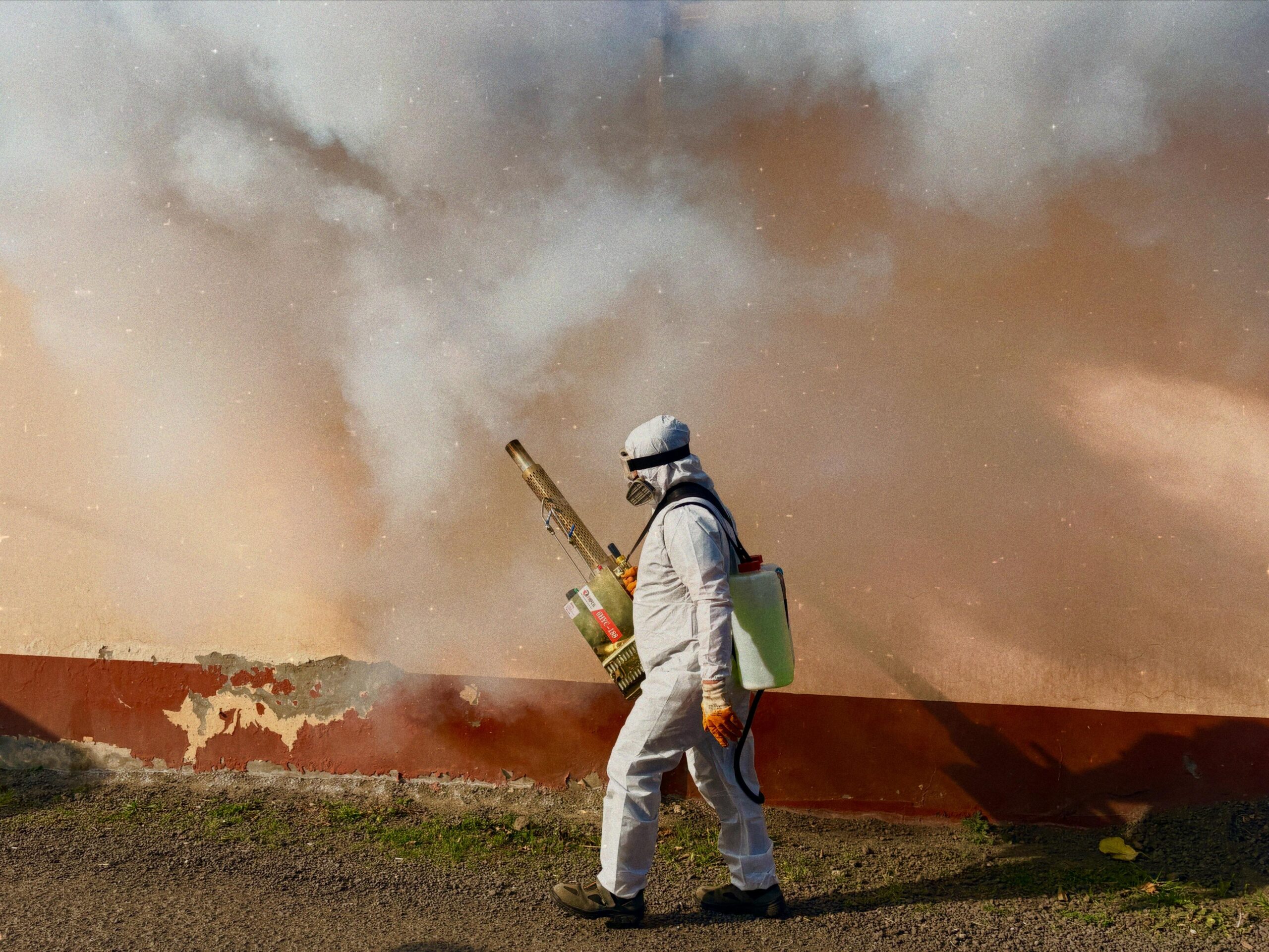
What Are Fruit Flies and Why They Invade Your Home
When tiny, buzzing insects hover around your fruit bowl, you’re likely dealing with fruit flies—a common issue that leads many homeowners to research fruit fly control cost Sugar Hill residents may face. The most common culprits are Drosophila melanogaster, the classic “vinegar fly,” and members of the Fusarium genus that thrive in damp, fermenting environments. Though minuscule—about 1/8 inch long—they can turn a kitchen into a persistent nuisance.
Life Cycle in a Nutshell
Fruit flies are prolific breeders. In warm conditions (70‑80 °F), a single female can lay up to 500 eggs, progressing through four stages in just 8‑10 days:
- Egg – deposited on the surface of moist, fermenting material.
- Larva – the “maggot” stage, feeding on the organic matter.
- Pupa – a protective cocoon where transformation occurs.
- Adult – emerges ready to mate and repeat the cycle.
This rapid turnover means a small infestation can explode within a week if left unchecked.
Where They Love to Breed
Fruit flies are drawn to any environment that offers moisture and sugar. Typical breeding hotspots in a home include:
- Overripe or rotting fruit left on countertops.
- Fermenting vegetables such as sauerkraut or kimchi.
- Kitchen drains, garbage disposals, and sink traps where food particles accumulate.
- Compost bins or outdoor trash cans that are not sealed.
Warning Signs You Can’t Ignore
Spotting fruit flies early can save you a lot of hassle. Look for these tell‑tale clues:
- A small, constant swarm hovering over fruit bowls, cutting boards, or open soda cans.
- Tiny flies darting in and out of sink drains, especially after running water.
- White, worm‑like larvae in the bottom of garbage disposals or in the pulp of discarded fruit.
Health Concerns: Nuisance More Than Threat
Unlike house flies, fruit flies are not known disease vectors. Their main impact is food spoilage and the psychological irritation of seeing them everywhere. However, a heavy infestation can lead to unpleasant odors and may attract other pests.
Quick Fact
According to the National Pest Management Association, a single fruit fly female can produce up to 500 eggs in one breeding cycle, underscoring why swift action is essential.
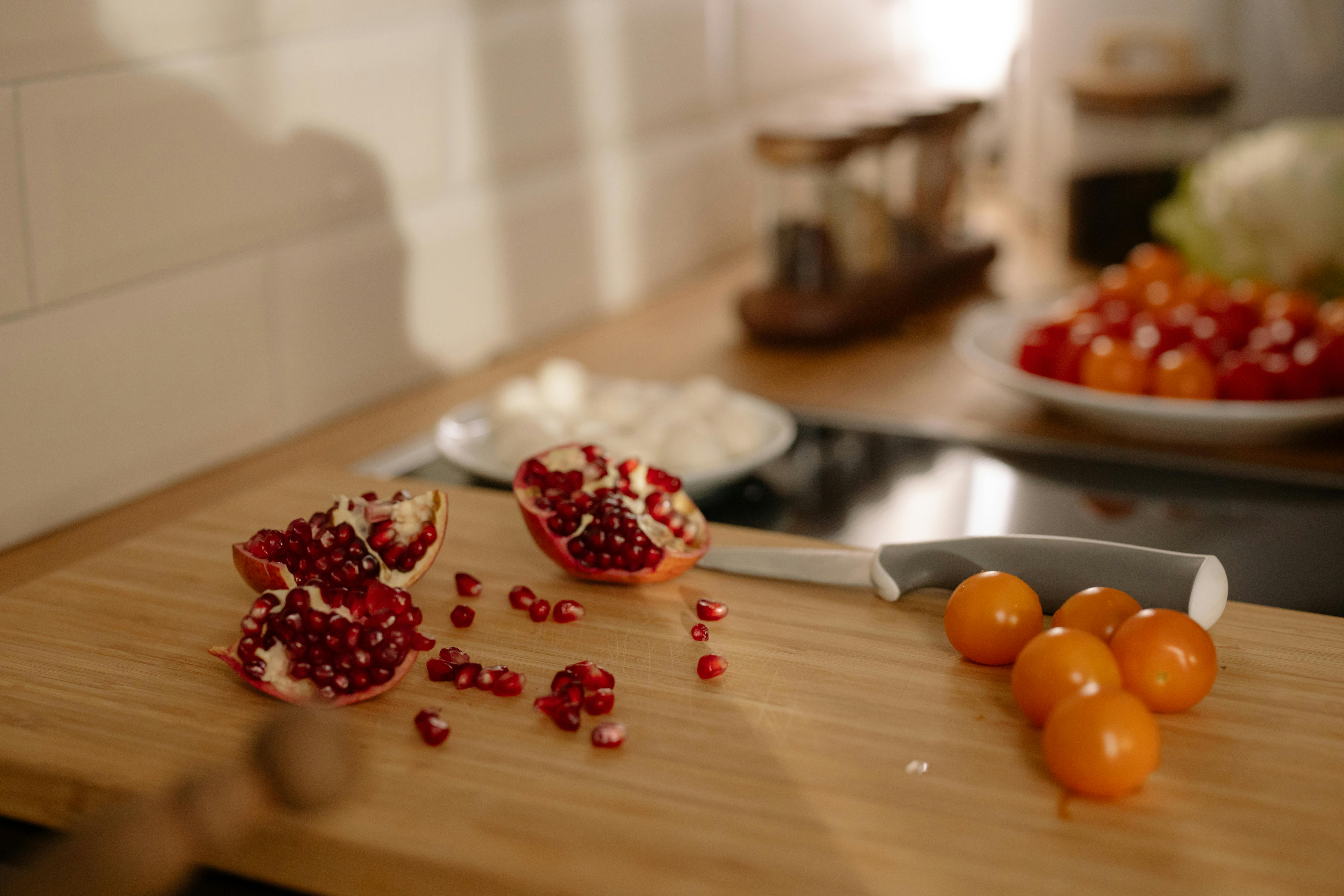
How Fruit Flies Are Attracted Inside
Fruit flies are tiny, but they have a keen nose for anything sweet or fermenting. When you leave a ripe banana on the counter or forget to cover a bowl of jam, you’re essentially rolling out a red carpet for these pests. In a typical Sugar Hill home, the combination of food residues, moisture, and organic debris creates an indoor buffet that can turn a quiet kitchen into a fly‑friendly hotspot. Understanding exactly what draws them in is the first step toward keeping them out.
Food Sources
Anything that ripens, ferments, or contains sugar can become a magnet.
- Ripe or rotting fruit (bananas, apples, berries)
- Sugary drinks, sodas, and spilled juice
- Jam, preserves, and honey left uncovered
- Compost bins or kitchen scraps that sit too long
- Pet food that’s left out overnight
Moisture Sources
Fruit flies need moisture to complete their life cycle, so damp areas are just as inviting as sweet foods.
- Wet sponges or dishcloths that stay moist for days
- Over‑filled sink drains and gunk‑filled garbage disposals
- Damp mop buckets or cleaning rags left in corners
- Leaky faucets or pipe joints under the sink
Organic Debris
Even the leftovers you think are harmless can provide the protein and yeast fruit flies love.
- Vegetable peelings, potato skins, and wilted greens
- Coffee grounds or tea leaves that dry in the trash can
- Yeast residues from home‑brewed beer or bread dough
Indoor Plants
Potting soil retains water, creating a miniature greenhouse that fruit flies can’t resist.
- Over‑watered houseplants with standing water in saucers
- Soil that’s not changed regularly, allowing mold growth
Poor Trash Management
The way you handle garbage can either shut the door on flies or leave it wide open.
- Uncovered trash bins that let aromas escape
- Delayed removal of food waste, especially after meals or parties
- Recycling containers that hold sugary bottle caps or juice cartons
Seasonal Spikes in Attractants
During summer barbecues and holiday cooking, the amount of exposed fruit and sugary leftovers skyrockets, giving fruit flies a seasonal boost.
By spotting these attractants and cleaning them up promptly, you remove the invitation and make your home far less appealing to fruit flies.
Preventing Fruit Fly Infestations

Fruit flies love the same things you do—ripe fruit, sugary spills, and damp corners. The good news is that a disciplined routine can shut down their breeding cycle before it even starts. Below is a practical, step‑by‑step checklist you can begin today. Each action takes just a few minutes, but together they create a fortress that keeps fruit flies out of your home.
- Sanitation. Wipe down countertops, stovetops, and kitchen islands after every meal. Any stray juice or crumbs is an invitation. Store fresh fruit in the refrigerator or in airtight containers; a sealed plastic bin or glass jar is far less appealing than a bowl left on the counter.
- Proper waste handling. Use trash cans with tight‑fitting lids and empty them daily. If you compost, keep the bin sealed and store it away from the main living area. A covered trash system deprives flies of a breeding site and eliminates odor that draws them in.
- Drain maintenance. Fruit fly larvae love the organic film that builds up in sink drains. Once a week, pour a kettle of boiling water down each drain, or follow with a mixture of one cup white vinegar and one teaspoon baking soda. Let it fizz, then rinse. This simple ritual clears food residue and breaks the life cycle.
- Reduce moisture. Leaky faucets, pet water dishes, and damp mop heads are perfect larval habitats. Fix any drips promptly, wipe down sinks after use, and hang mop heads to dry completely. For pets, change water daily and wipe the bowl’s rim to remove any spilled droplets.
- Seal entry points. Install fine‑mesh screen on windows and vents. Check door sweeps for gaps and replace worn strips. Even a tiny opening can let an adult fly inside; sealing these routes cuts off their primary invasion path.
- Use passive traps. Set out small containers filled with apple cider vinegar topped with a drop of dish soap. The flies are attracted to the scent, slip on the soap, and drown. Place a few traps in high‑risk areas—near fruit bowls, trash cans, and sink drains—to catch any stragglers early.
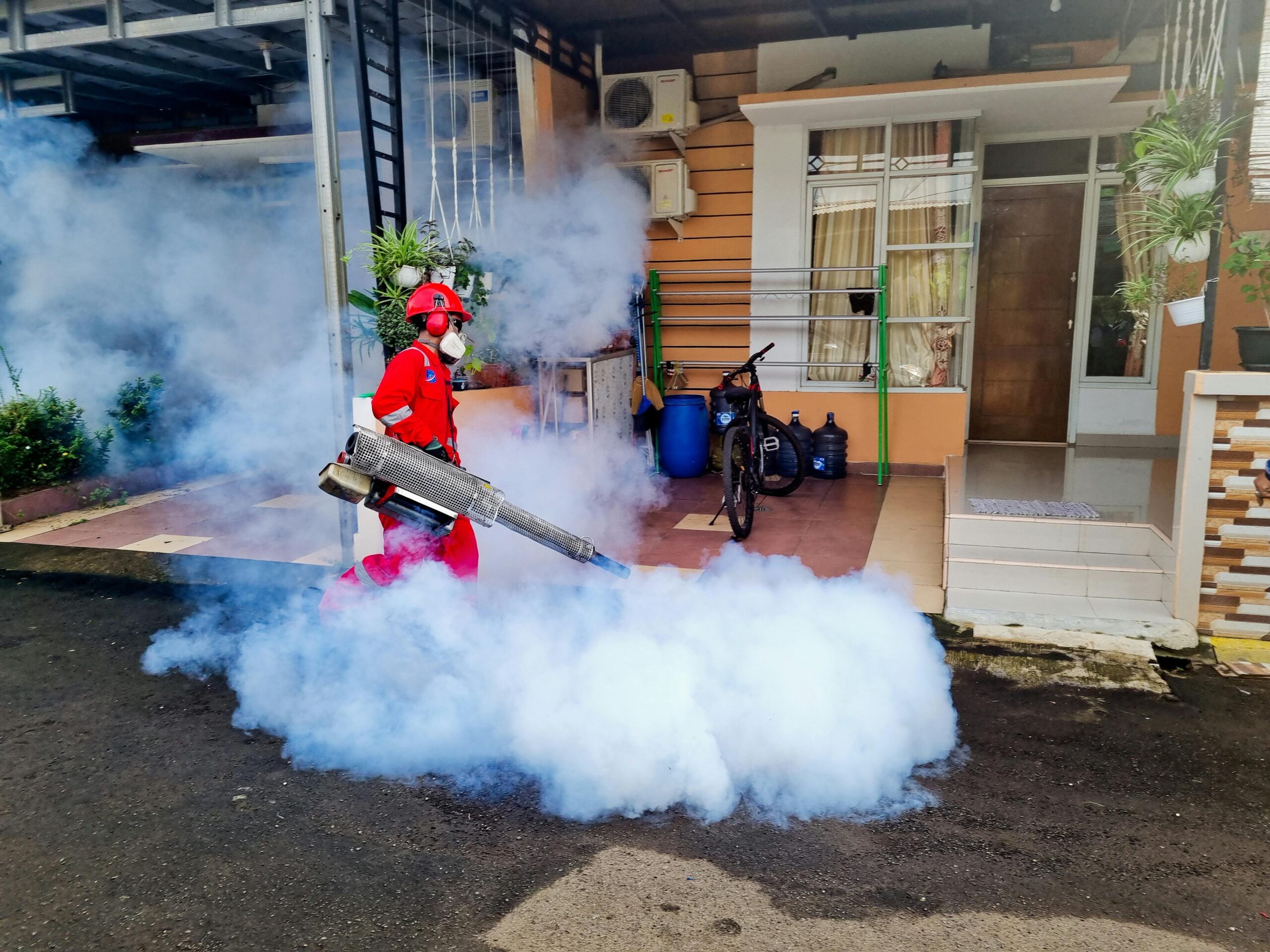
- Professional preventive service. For homeowners who want an extra layer of protection, consider a smoke‑based exclusion treatment from a licensed provider like Anthem Pest Control. The low‑toxicity smoke creates a temporary barrier that deters adult flies from entering and helps keep the environment hostile to new eggs.
By following this checklist consistently, you’ll remove the food, moisture, and shelter fruit flies need to thrive. Think of it as a daily “fly‑proof” routine—much like locking doors at night. When the basics are covered, any occasional sighting is likely a stray that didn’t find a home, not a sign of an infestation.
Remember, prevention is always more cost‑effective than treatment. A few minutes of effort each week saves you from the hassle of emergency pest control and keeps your kitchen a pleasant, fly‑free zone for the whole family.
Treatment Options and Pricing Explained
Initial Inspection
Our certified technicians start every job with a thorough walk‑through of your home. We locate fruit‑fly breeding sites—often hidden in overripe fruit, drains, or damp compost bins—and assess the infestation severity. This step lets us tailor a treatment plan that targets the exact hotspots, saving you time and money.
Chemical Spray
For immediate adult fly knock‑down, we apply a fast‑acting adulticide to interior surfaces, baseboards, and hard‑to‑reach crevices. The spray is EPA‑approved and applied at a concentration that eliminates flying adults within minutes while remaining safe for pets and children when used as directed.
Bait Stations
Strategically placed bait stations contain an attractant that lures fruit flies into a concealed poison source. These stations work continuously for weeks, catching flies that emerge from hidden breeding sites. Because the bait is enclosed, it poses no risk to household members.
Exclusion Techniques
Sealing cracks, installing fine‑mesh window screens, and treating ventilation openings cut off entry points. Even the most diligent sanitation routine can’t stop flies that slip through gaps, so exclusion is a critical layer of defense.
Integrated Pest Management (IPM)
Anthem Pest’s IPM approach blends sanitation, mechanical traps, bait stations, and targeted chemicals. By addressing the problem from multiple angles, we reduce the likelihood of re‑infestation and keep your home fly‑free year after year.
DIY Alternatives and Their Limitations
Homeowners often reach for store‑bought aerosol sprays or concoct vinegar‑based traps. While these can provide a temporary visual reduction, they rarely reach the hidden breeding sites where fruit flies reproduce. Over‑reliance on DIY solutions can also lead to chemical over‑application, creating health risks without solving the root cause.
Pricing Breakdown
We believe in transparent pricing, so you’ll know exactly what you’re paying for each service tier. Below is a concise comparison of our most popular plans.
| Plan | Visits per Year | Cost per Sq Ft | What’s Included |
|---|---|---|---|
| Single‑Visit Treatment | 1 | $0.12 | Inspection, chemical spray, two bait stations, exclusion check |
| Quarterly Plan | 4 | $0.09 | Inspection, spray, bait replenishment, trap monitoring, seasonal adjustments |
| Annual Plan | 12 | $0.07 | All quarterly services plus unlimited trap swaps, priority scheduling, and a complimentary home‑wide sanitation audit |
Visual Pricing Comparison
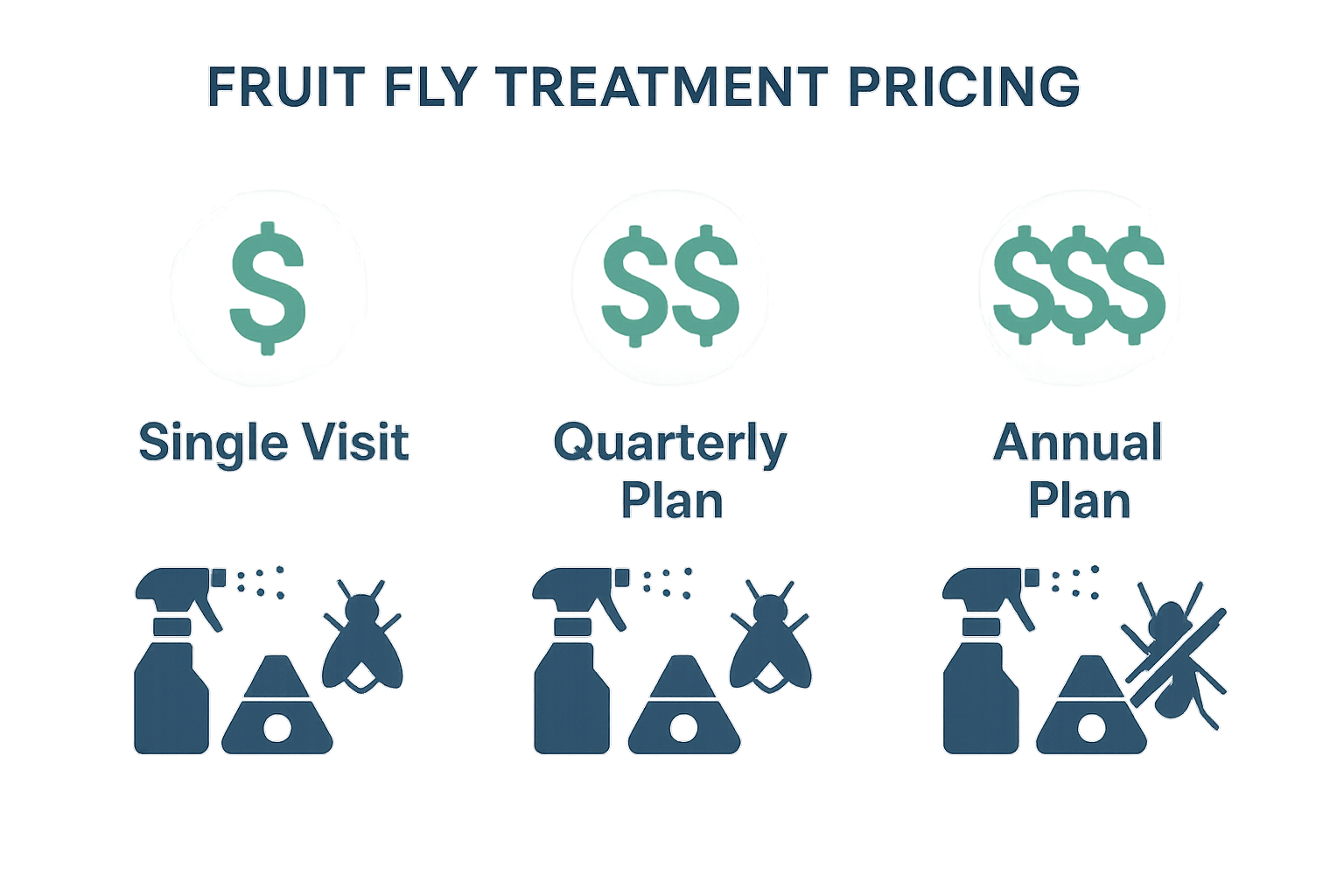
Whether you opt for a single-visit fix or a year-long protection plan, Anthem Pest Control tailors each service to the square footage of your home and the specific infestation level identified during the initial inspection—an approach that helps keep fruit fly control cost Sugar Hill homeowners pay fair and accurate. This ensures you never overpay for unnecessary treatments while still receiving the most effective, science-backed solutions available in Sugar Hill, Georgia.
Seasonal Activity and Best Timing for Control
Fruit flies in Sugar Hill, Georgia, follow a predictable rhythm that aligns closely with the region’s temperature swings. Understanding this cycle lets you act before the pests become a nuisance, saving you both time and money.
Overview of Seasonal Patterns
The busiest period for fruit flies falls in the warm months, with peak activity typically occurring from late June through early October. During this window, adult flies emerge in large numbers, seeking out fermenting fruit and organic debris inside homes.
Temperature Correlation
Research shows fruit flies thrive best when outdoor temperatures hover between 70‑85°F (21‑29°C). As soon as the mercury consistently climbs into this range, the insects’ life cycle accelerates, producing multiple generations in just a few weeks.
Interpreting the Seasonal Activity Chart
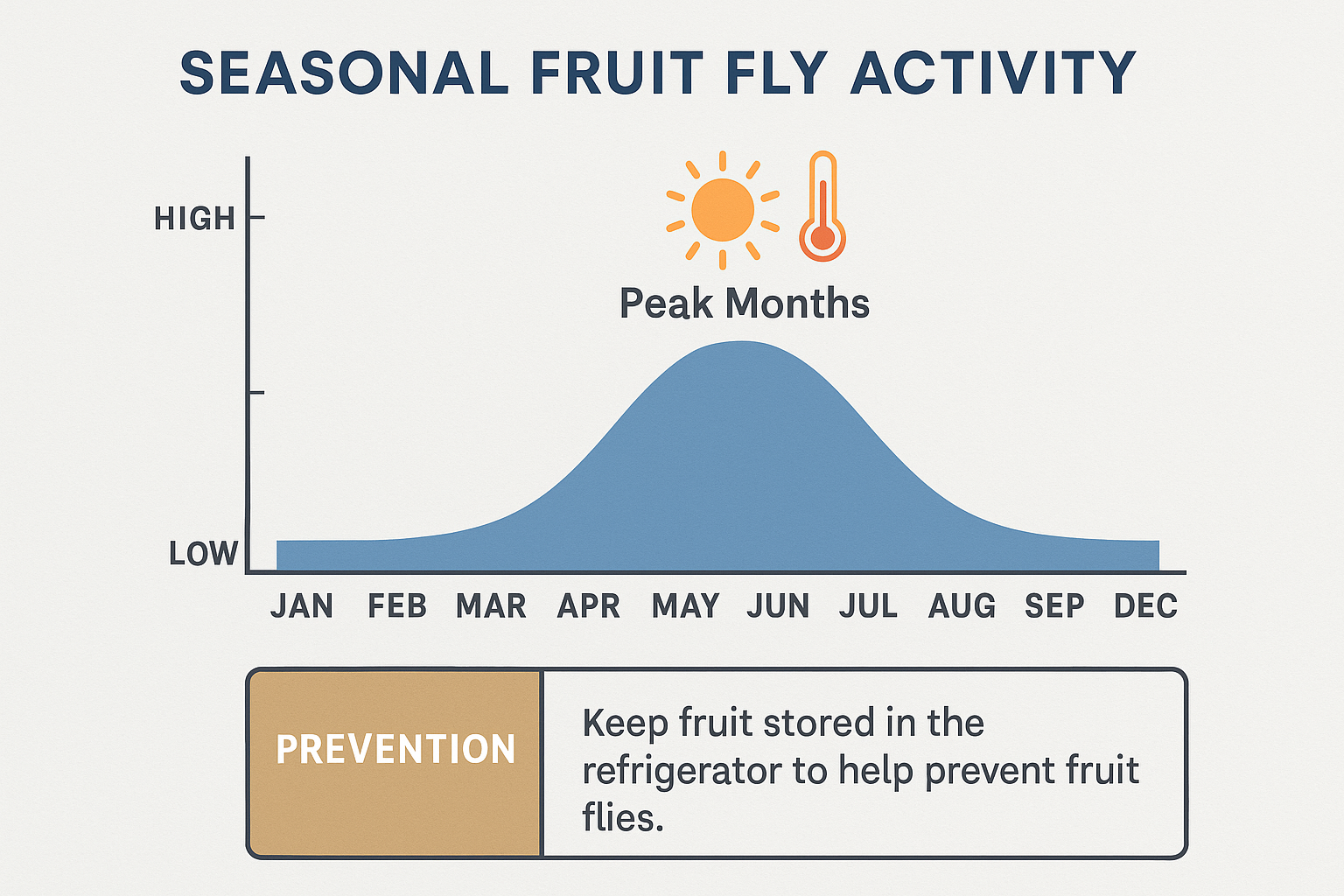
The chart breaks down activity by month, pairing each period with a temperature icon. Notice the steep rise in July and August—these are the months you’ll want to be most vigilant.
Prevention tip: Keep fruit refrigerated and clean drains weekly during peak months.
Regional Variations
Even within the same state, micro‑climates can shift the timeline. Areas that sit a few miles south of Sugar Hill may experience the start of activity as early as May, while higher‑elevation neighborhoods might see a shorter, later peak that tapers off by September.
Recommended Treatment Schedule
- Pre‑season inspection (late spring): Have a professional assess vulnerable entry points and identify any lingering breeding sites before temperatures rise.
- First treatment at the start of peak season: Apply targeted controls in early June to disrupt the first wave of adult emergence.
- Follow‑up in mid‑summer and early fall: Schedule two additional visits—one in mid‑July and another in September—to keep the population in check through the entire active period.
Sticking to this timeline not only curbs the immediate infestation but also reduces the chance of a rebound later in the season. For homeowners who prefer a DIY approach, regular sanitation combined with the preventive tip above can be surprisingly effective, especially when paired with professional monitoring.
For a deeper dive into fruit fly biology and control methods, consult the NPMA fruit fly guide. This resource offers detailed, science‑based recommendations that complement the seasonal strategy outlined here.
Protect Your Home with Anthem Pest Control
By now you know how to spot fruit flies, why they’re drawn to ripe produce and standing water, and the steps you can take to keep them out of your Sugar Hill kitchen. From early identification and proper sanitation to targeted treatment and timely follow‑up, each piece of the puzzle works together to break the breeding cycle.
Key Takeaways
Remember these five essentials: identify, eliminate attractants, seal entry points, treat promptly, and schedule regular inspections.
- Identify fruit‑fly activity early by spotting small, tan‑colored flies near fruit.
- Remove or cover ripe produce and clean spills that create breeding sites.
- Seal cracks, screens, and gaps where flies can enter from outside.
- Apply targeted EPA‑approved treatments to hotspots identified during inspection.
- Schedule follow‑up visits every 30 days during peak season to keep populations low.
Why Choose Anthem Pest Control?
- Certified technicians with nationwide coverage – Our team holds state‑approved licenses and stays current on the latest IPM strategies, so you get expertise that’s both local and backed by a national network.
- Safe, EPA‑approved products and transparent pricing – We use only chemicals that meet strict safety standards for families and pets, and we lay out every cost up front—no hidden fees.
- Proven IPM approach tailored to fruit‑fly hotspots – Anthem combines monitoring, sanitation advice, and precise application to eliminate the insects where they hide, rather than relying on blanket sprays.
Special Offer for Sugar Hill Homeowners
Call us today for a free on‑site inspection and a customized quote that reflects the size of your home and the severity of the infestation. Our specialists will walk you through a step‑by‑step plan, answer any questions, and set a schedule that fits your calendar.
We stand behind our work with a satisfaction guarantee—if fruit flies return within 30 days, we’ll re‑treat at no extra charge. Our technicians arrive in fully equipped vehicles, conduct a thorough inspection, and provide a written action plan you can keep. Transparent pricing means you’ll know exactly what’s included—initial treatment, follow‑up visit, and any recommended preventive measures.
Ready to reclaim your kitchen? Dial 877‑371‑8196 for a no‑obligation estimate, or click the link below to schedule your inspection online.
Take the first step toward a fruit-fly-free home today by understanding fruit fly control cost Sugar Hill homeowners can expect.