Gnat Control Costs Overview for Buford Homeowners
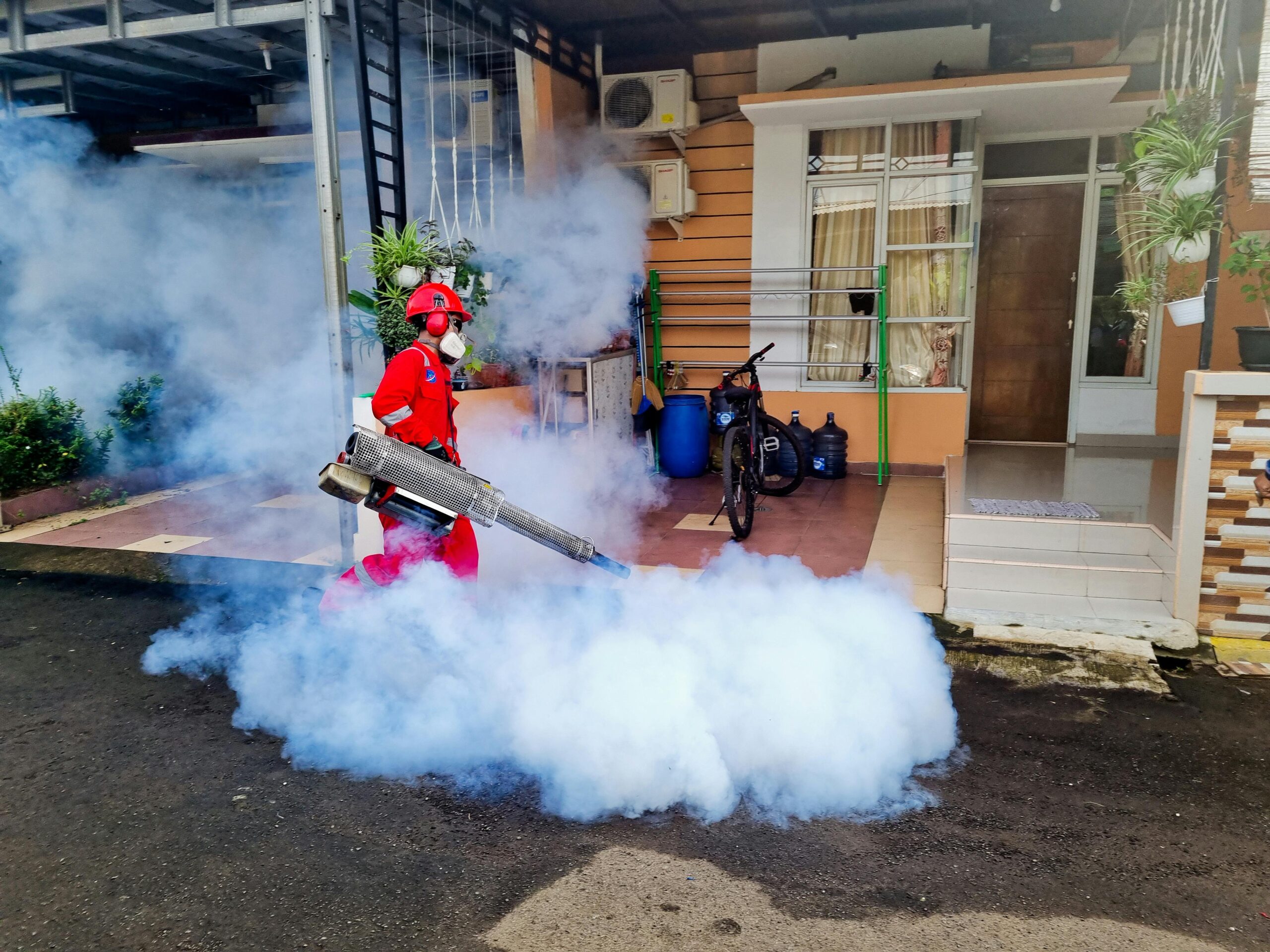
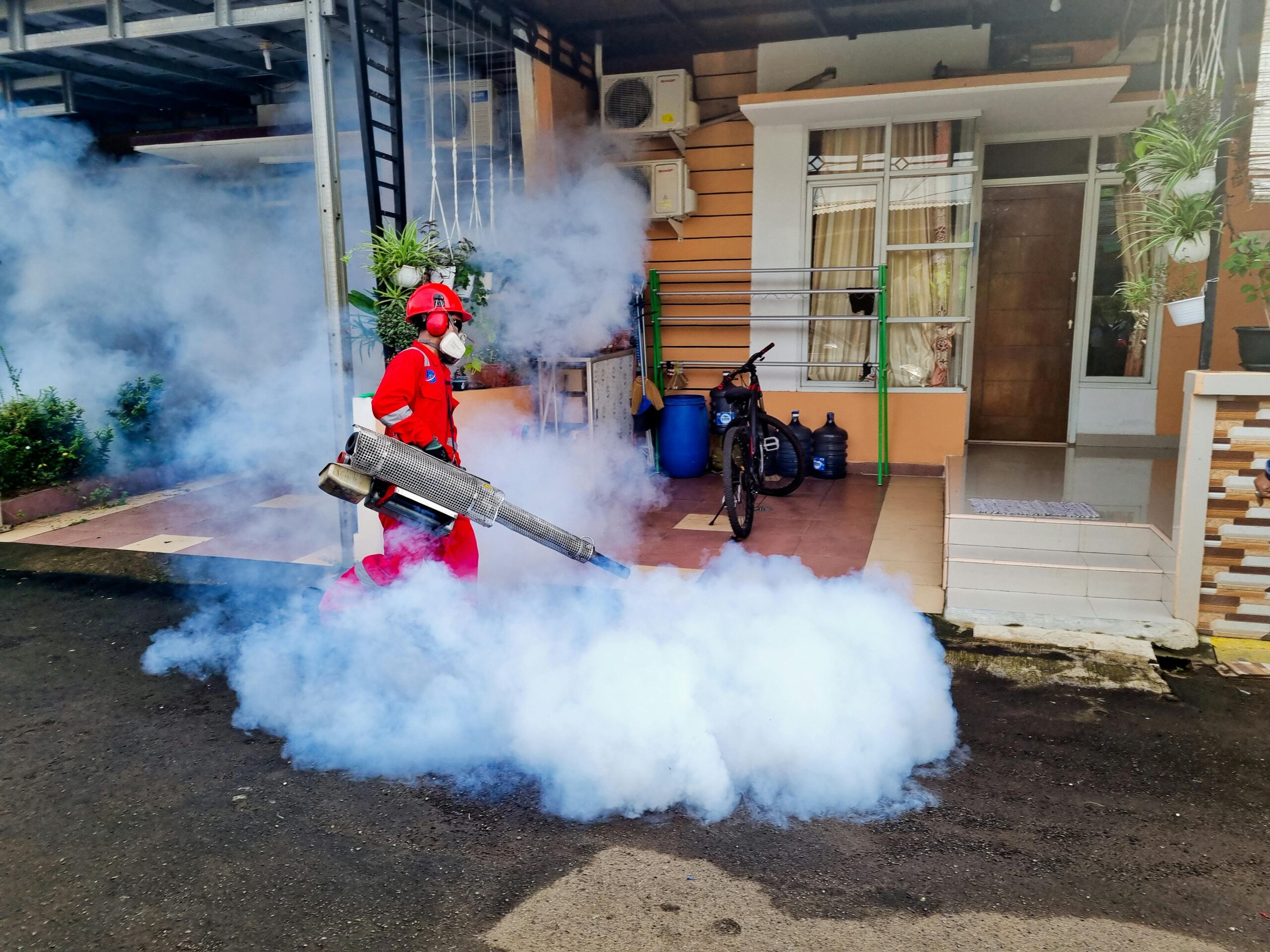
Late spring and early summer in Buford, Georgia, often bring a familiar, tiny irritant: gnats. Whether you’re dealing with fungus gnats that hover around houseplants or the biting midges that swarm near patios, these insects can turn a pleasant evening outdoors into a relentless swatting session and can even find their way inside, unsettling your indoor comfort.
What Are Gnats and How Do They Affect Your Home?
Fungus gnats (family Sciaridae) are attracted to moist soil and decaying organic matter, making them common in garden beds, compost piles, and indoor potted plants. Their larvae feed on roots, which can stress ornamental foliage and, in severe cases, affect the health of vegetable gardens.
Biting midges, often called “no‑see‑ums,” are adult flies that feed on human blood; their tiny bites leave itchy welts and their swarms can make outdoor dining or family barbecues uncomfortable.
Beyond the physical nuisance, gnats can also signal underlying moisture problems, poor drainage, or inadequate landscaping practices. Ignoring the issue may lead to larger pest invasions, such as mosquitoes, which share similar breeding habitats.
Why Cost Transparency Matters for Buford Homeowners
Seasonal pest control is a line‑item many homeowners budget for each year, but gnat treatment costs can vary widely based on the scope of the problem, the treatment method, and the provider’s pricing structure. Without clear pricing, a homeowner might face surprise fees for follow‑up visits, specialized treatments for indoor infestations, or additional charges for moisture remediation.
Understanding the typical price range helps you allocate funds wisely, compare quotes without feeling pressured, and decide whether a one‑time treatment or an annual prevention plan best fits your lifestyle. It also empowers you to ask the right questions—such as “Does this quote include a post‑treatment inspection?” or “Are there any hidden fees for applying larvicides in my garden?”—so you can avoid unexpected costs later.
What This Guide Provides
The purpose of this section—and the larger article—is to deliver a transparent, up‑to‑date pricing guide that reflects the reality of gnat control in Buford. We’ll break down the typical cost components: initial inspection, treatment application (soil drench, fogger, or barrier spray), follow‑up visits, and optional preventive packages. All figures are based on recent service calls from local professionals, including Anthem Pest Control, and are adjusted for seasonal demand.
By presenting the data in a straightforward, data‑driven format, we aim to give you confidence when you speak with a pest‑control technician. You’ll know what a fair price looks like, how to evaluate the value of different service tiers, and when it makes sense to invest in a comprehensive plan versus a targeted, spot‑treatment.

Why Gnats Thrive in Buford’s Climate
Common gnat species you’ll encounter
In the Buford area homeowners most often deal with two types of gnats: fungus gnats and biting midges (also called “no‑see‑ums”). Fungus gnats belong to the family Sciaridae; they are small, dark‑colored insects that hover around houseplants and moist soil. Biting midges are members of the Ceratopogonidae family; they are tiny, winged pests that can deliver an irritating bite, especially during dusk and dawn.
Life‑cycle basics
Both species share a four‑stage life cycle—egg, larva, pupa, and adult—but the timing and habitat of each stage differ enough to make control a bit tricky.
- Eggs: Female gnats lay hundreds of eggs in damp organic material. For fungus gnats, that means the top inch of potting mix; for biting midges, it’s shallow pools of standing water, such as birdbaths or clogged gutters.
- Larvae: Fungus gnat larvae feed on decaying plant matter and fungal growth in soil, while midge larvae are aquatic predators that thrive in stagnant water rich in organic debris.
- Pupae: After a few days to weeks, larvae spin a protective cocoon and transform into pupae, a stage highly sensitive to moisture levels.
- Adults: Once emerged, adults seek out new breeding sites. Fungus gnats are weak fliers and stay close to the soil surface, whereas biting midges can travel several hundred yards in search of a blood meal.
Buford’s humid summer climate
Buford, Georgia, sits in USDA hardiness zone 7b, where summer temperatures regularly climb into the high 80s °F (30 °C) and humidity hovers between 70 % and 80 %. The region receives an average of 50 inches of rain per year, with many days of light, lingering showers. This combination creates a perpetual source of moisture—exactly what gnat larvae crave. Warm, damp conditions accelerate the egg‑to‑adult cycle, allowing multiple generations to develop within a single month.
Landscaping habits that unintentionally help gnats
Homeowners in Buford often maintain lush lawns, ornamental flower beds, and decorative water features. While beautiful, these practices can become miniature gnat factories when moisture isn’t managed properly.
- Irrigation schedules: Over‑watering lawns or setting sprinklers to run late at night leaves surface moisture for hours, perfect for midge larvae.
- Mulching: Organic mulches (bark, wood chips, straw) retain water and provide a nutrient‑rich layer for fungus gnat eggs to hatch.
- Leaky irrigation systems: A study by the University of Georgia Extension found that a leaking drip line can increase local gnat activity by roughly 30 % compared with a properly sealed system.
How these conditions influence treatment intensity and cost
When gnats have abundant breeding sites, pest‑control professionals must apply more comprehensive strategies. A light, spot‑treatment for a few potted plants might cost $80‑$120, but a full‑property approach—targeting soil drenches, perimeter fogging, and moisture‑reduction recommendations—can range from $200 to $350. The extra steps are necessary to break the life cycle at multiple points, reduce the moisture reservoirs, and prevent rapid reinfestation. Understanding why gnats flourish in Buford helps homeowners see that higher treatment intensity isn’t a markup; it’s a direct response to the local climate and landscaping realities.
Factors That Influence Gnat Control Pricing
When you call a pest‑control professional in Buford, the quote you receive isn’t a one‑size‑fits‑all number. Several variables shape the final cost of gnat control, and understanding these factors helps you compare options with confidence.
Infestation Size & Location
The most immediate driver of price is the scope of the problem. A small indoor infestation—think a few gnats buzzing around a kitchen or bathroom—can often be resolved with a targeted spray and typically falls in the $100‑$175 range. The treatment is focused, the chemicals are applied to a limited area, and the labor time is short.
By contrast, a large outdoor perimeter that includes a backyard, patio, and surrounding yard demands more product and more labor. Homeowners with expansive lawns, multiple decks, or adjacent trees can expect quotes between $300‑$500. The higher price reflects the need for a broader application area, additional safety precautions, and often a more robust formulation designed to hold up against wind and rain.
Service Type Distinctions
Not all gnat treatments are created equal. Companies typically offer three main service types:
- One‑time spray – A single application aimed at immediate relief. Ideal for a sudden surge but may require follow‑up if the source isn’t eliminated.
- Perimeter barrier – A longer‑lasting treatment that creates a protective ring around the property. This option is popular for homes with pools or outdoor entertaining spaces.
- Integrated mosquito‑gnat packages – Some pest‑control firms bundle gnat work with mosquito control, leveraging shared chemicals and application routes. Bundles can be cost‑effective, especially if you’re battling both pests.
Each service type carries its own price bracket. A one‑time spray might sit at the lower end of the range, while a perimeter barrier or integrated package often lands in the mid‑to‑high range because of the broader coverage and added value.
Frequency of Service
Gnats reproduce quickly, so many homeowners opt for recurring treatments. The frequency you choose directly impacts the monthly or quarterly cost:
- Quarterly plan – Four visits per year, typically priced between $120‑$180 per visit.
- Bi‑monthly plan – Six visits annually, with each visit ranging from $110‑$165.
- Monthly plan – Twelve visits a year, often the most economical per‑visit rate, falling around $100‑$150 each.
While a higher frequency raises the total annual spend, it also reduces the chance of a re‑infestation and can lock in a lower per‑visit price.
Property Characteristics
Beyond the obvious size of your home, the layout and features of your property influence labor time and material usage:
- Square footage – Larger homes naturally require more product and longer service windows.
- Landscaping complexity – Dense shrubbery, rock gardens, or intricate irrigation systems create hidden breeding spots that demand extra attention.
- Standing water or pools – Water sources are prime gnat habitats. Treating a pool deck or a decorative pond adds steps for safety and may require specialized formulations.
Companies often conduct a walkthrough to assess these variables before finalizing a quote, ensuring you’re not surprised by hidden fees.
Real‑World Example
Consider a typical Buford homeowner with a 2,000‑sq‑ft house that includes a swimming pool, a landscaped garden, and a patio area. For a comprehensive perimeter treatment that covers the pool deck, garden beds, and the entire yard, most reputable providers will quote between $250‑$350. This price reflects:
- Application of a longer‑lasting barrier around the entire property.
- Special handling of the pool area to protect both guests and the pool’s filtration system.
- Targeted treatment of garden beds where organic matter fuels gnat breeding.
Choosing a quarterly or bi‑monthly maintenance plan for this scenario could reduce each subsequent visit’s cost, but the initial comprehensive service sets the baseline for effective control.
Putting It All Together
When you request a gnat‑control estimate, ask the technician to break down the quote by these factors. A transparent price list that separates infestation size, service type, frequency, and property specifics shows you exactly where your money is going. It also makes it easier to compare Anthem Pest Control’s offering with other local providers, ensuring you get safe, effective, and affordable protection for your home.
Common Pricing Scenarios in Bufland
When you call a local provider in Buford, the first thing you’ll hear is a range rather than a single price. That’s because “gnit control” can be packaged in several ways, each reflecting the depth of inspection, the frequency of application, and the breadth of the service. Below we break down three of the most common offers you’ll encounter, so you can see exactly what you’re paying for and compare them side‑by‑side.
Scenario 1 – Basic One‑Time Treatment
This is the “quick fix” many homeowners start with when they notice a sudden surge of gn‑at activity around patios or indoor plants. The service typically includes a thorough inspection of the affected area, a targeted spray of a professional‑grade insecticide, and a follow‑up visit within two weeks to ensure the pests have been eliminated. Because it’s a single‑session deal, the price stays relatively low, ranging from $120 to $250
What you get: If you live in a property surrounded by wetlands, a pond, or dense shrubbery, you’ll notice gnit activity returning every few months. A quarterly package tackles the problem proactively, applying seasonal spray before the peak season and targeting breeding sites like standing water or damp soil. This “season‑first” approach costs between $180 and $300 per quarter
What you get: For homeowners who want “set‑it‑and‑forget‑it,” many local firms bundle gnit control with broader pest‑and‑mosquito services. The package eliminates the need to negotiate separate contracts and often drops the per‑visit price. For an annual flat rate of $250‑$400
What you get: Below is a quick reference table that puts the three scenarios side‑by‑side. The price ranges reflect data collected from local businesses such as Angi, Northwest Exterminating, and Expest. Start by assessing the severity of the problem and the surrounding environment. If you only see a handful of gn‑ats near a single patio, the basic one‑time treatment may be sufficient. However, if your property is near a water feature or you notice seasonal spikes, the quarterly package offers the most value by addressing the root cause before it becomes a nuisance. Finally, for households that already have a contract for mosquitoes or other pests, the full‑service bundle often delivers the best overall savings and eliminates the need to manage multiple contracts. Buford’s humid climate, the proximity of the Lake Lost Mike area, and the prevalence of mature landscaping all create ideal conditions for gn‑ats. Companies factor in travel distance, the size of the property, and the amount of “source elimination” needed when calculating the final price. That’s why you’ll see a modest range within each scenario—different companies may include additional steps like vegetation trimming or moisture‑proofing, which can shift the total by a few tens of dollars. When it comes to gnat control in Buford, Georgia, homeowners have a few reputable choices. Below we break down the three most‑visible local companies, looking at how they price their gnat‑inclusive plans, what service bundles they offer, and whether they prioritize eco‑friendly solutions. Understanding these details helps you weigh cost against coverage and environmental impact before you pick a partner. Northwest Exterminating markets a “Free, no‑obligation estimate” on its website — https://northwestexterminating.com/estimate. Their flagship Green Elite Plus bundle combines general pest control with mosquito and gnat treatment, and the company advertises an “eco‑friendly option” that relies on low‑toxicity formulations. Pricing for the combined pest/mosquito package typically falls between $100 and $300 per season, depending on property size and treatment frequency. Northwest also offers a separate “Eco‑Friendly Add‑On” for an extra $30‑$50, which swaps synthetic insecticides for botanical extracts. Homeowners appreciate the clear, upfront estimate and the ability to opt for greener chemicals, though the exact gnat‑only price isn’t listed, so you’ll need to request a customized quote. Expest structures its offerings into three tiered packages—Silver, Gold, and Platinum—each with a different level of coverage. The Silver Package starts at $149 per season and includes quarterly perimeter sprays; gnats are covered only as part of the broader “general pest” service. The Gold Package (quoted at $229) adds monthly perimeter treatments and explicitly mentions “gnat‑inclusive” control in the description. Their top‑tier Platinum runs $349‑$350 and bundles all services, including a “night‑time fogger” for hard‑to‑reach areas. Expest’s website highlights an “alternate‑month perimeter treatment” schedule that can be tailored, and the company notes that all packages meet EPA‑approved low‑impact standards. While the tiered model gives flexibility, the price range of $150‑$350 for gnat‑inclusive plans can feel steep for a single‑issue homeowner. Anthem Pest does not list a dedicated Buford gnat price on its site, but the neighboring Sugar Hill market offers a clear benchmark. The “One‑Time Gnat Treatment” is advertised at $149 — https://anthempest.com/sugar-hill/gnat. For recurring protection, Anthem suggests its “Seasonal Shield” plan, which runs $199‑$270 for a full‑season, multi‑pest service that includes gnats, mosquitoes, and common household insects. Anthem emphasizes “safe, EPA‑registered products” and offers an “Eco‑Guard” add‑on that replaces synthetic chemicals with a botanical blend for an additional $40. Because Anthem’s Buford pricing isn’t publicly posted, homeowners should request a free quote, but the Sugar Hill figures give a realistic window of $100‑$270 for a one‑time or seasonal treatment. In short, Northwest Exterminating offers the most straightforward bundle with a clear green angle, Expest gives you tiered flexibility at a slightly higher price point, and Anthem Pest provides a solid, nationally‑backed option that can be tailored after a free quote. Use this comparison to match your budget, desired treatment frequency, and environmental preferences before you call a technician. A single‑appointment service is perfect for homeowners who have just discovered a gnat hotspot and need an immediate fix. Our technician will perform a thorough inspection, identify the breeding source, and apply a targeted treatment that tackles the current infestation. If you want extra peace of mind, you can add an optional follow‑up visit to verify that the gnats are gone—this add‑on typically runs $50‑$90 beyond the base fee. Most Buford residents find the quarterly plan to be the sweet spot between cost and protection. Over the course of a year you receive four seasonal visits, each timed to intercept gnats before they become a nuisance. These visits include source elimination, perimeter spraying, and a preventative barrier that keeps new adults from hatching. Pricing scales with property size and the extent of treatment, ranging from $100 to $300 per quarter. The predictable schedule also spreads the expense across the year, making budgeting easier. For homes with high moisture levels, dense landscaping, or frequent outdoor gatherings, a more aggressive schedule may be warranted. Bi‑monthly (every two months) and monthly plans lower the cost per individual visit because the technician can maintain a thinner, continuous barrier. However, the total annual outlay is higher—expect anywhere from $400 to $900 per year for a monthly schedule, depending on square footage and treatment intensity. The advantage is a consistently low gnat population, even during the peak summer months. Anthem Pest Control knows that gnats rarely travel alone. When you pair a gnat control package with another service—most commonly mosquito control—you unlock a 10% discount on the combined bill. This bundling not only saves money but also provides comprehensive protection against multiple flying pests that thrive in the same damp environments. Ask your technician about other bundle options, such as adding a perimeter ant barrier, to maximize value. Regardless of the option you select, Anthem Pest Control guarantees transparent pricing and a clear scope of work before any chemicals are applied. Our technicians will walk you through the treatment plan, explain how the pricing scales with visit frequency, and help you pick the package that aligns with your home’s unique conditions and your budget preferences. When you request a gnat‑control service in Buford, the base price often looks straightforward, but the final bill can be influenced by a handful of optional items. Understanding what those items are—both the extra charges that can pop up and the discounts that can shave off the total—helps you avoid surprise‑month‑end invoices and lets you negotiate with confidence. Committing to a longer‑term agreement often yields the greatest per‑month reduction. For example, a two‑year contract for quarterly gnat‑control in a typical 2,000‑sq ft home might look like this: In this scenario, the homeowner saves roughly $150 per year—$300 over the two‑year period—by locking in the lower rate and avoiding the occasional “first‑month‑promo” surcharge. By keeping these potential extra fees, seasonal promotions, and contract‑based savings in mind, you can approach the g‑file — gathering, negotiating, and ultimately locking in a transparent, affordable solution for your home’s gnat problem. When gnats start buzzing around your patio, kitchen, or yard, the first instinct is to call a professional. But a quick phone call isn’t enough to guarantee you’ll receive a fair, transparent price. By following a clear, step‑by‑step process, you can collect written estimates that reflect the true scope of work, protect you from hidden fees, and give you confidence that the provider you choose truly understands the gnat situation on your Buford property. Begin by reaching out to at least three local pest‑control companies, including Anthem Pest Control, and ask for a free, no‑obligation quote. Most reputable firms will let you submit basic details—address, type of property (single‑family home, condo, etc.), and a brief description of the gnat activity—through an online form or a quick phone call. Capture the name of the representative, the date of the request, and the promised delivery time for the written estimate. This initial contact also gives you a sense of the company’s customer service style, which can be a good early indicator of professionalism. Once you’ve secured a free estimate, arrange for a qualified inspector to visit your home. During the walkthrough, the technician should examine: Ask the inspector to take notes and, if possible, photos of problem spots. A thorough on‑site assessment ensures the final quote reflects the actual work required, rather than a generic “one‑size‑fits‑all” price. Before the inspector leaves, dive into the details that most homeowners overlook. Here are the key topics to cover: When the written estimate arrives, scrutinize every line item. A transparent quote typically breaks down costs into: If any component is vague or missing, request clarification in writing before you sign a contract. This step eliminates surprise fees and gives you leverage when comparing multiple quotes. Having a written estimate that details every service, material, and fee protects you from hidden costs and ensures you receive the level of gnat control you expect. Use the checklist above during each consultation, keep all quotes in a single folder, and compare them side‑by‑side. The provider that offers the most transparent, comprehensive, and reasonably priced plan is the one you can trust to keep your Buford home gnat‑free. Keeping gnats at bay doesn’t have to mean a pricey annual treatment. By tackling the conditions that attract these tiny flyers, you can dramatically cut the chance of a re‑infestation and keep your pest‑control bill in check. Below are simple, low‑cost steps every Buford homeowner can start today. Gnats breed in any stagnant moisture, from a leaky garden hose to a forgotten bird bath. Check your property weekly for puddles, and: Removing these water sources deprives gnats of a nursery, reducing the need for chemical treatments later. Water that pools near your home’s foundation creates a humid micro‑climate perfect for gnat larvae. A few landscaping tweaks can make a big difference: Good drainage not only discourages gnats but also protects your foundation from moisture‑related damage. Gnats are weak fliers and get easily tossed about by moving air. A modest patio fan creates a breezy environment that disrupts their flight patterns, making it harder for them to land on food or your skin. Fans are an energy‑efficient, one‑time investment that pays off each summer. If you enjoy evenings outdoors, supplement your physical barriers with plant‑based deterrents. Citronella candles, essential‑oil diffusers, and herb pots (like rosemary or mint) release scents that gnats find unpleasant. These options are inexpensive, safe for children and pets, and add a pleasant aroma to your backyard. The EPA recommends an IPM approach that combines monitoring, cultural controls, and targeted treatments only when necessary. By adopting these practices, you not only lower gnat numbers but also reduce the frequency of professional visits. For a detailed overview, see the EPA’s Integrated Pest Management guidance. Aligning your home care routine with IPM principles ensures you’re using the most effective, least invasive methods—saving money and keeping your family safe. Implementing these five strategies creates a hostile environment for gnats without breaking the bank. When you combine diligent water management, proper drainage, airflow, and natural repellents, you’ll notice fewer gnats and, consequently, fewer emergency calls to your pest‑control provider. In the long run, prevention is the most affordable way to protect your home from gnat‑related hassles. When it comes to gnat control in Buford, Georgia, the typical cost falls between $150 and $300 for a single‑treatment visit, while comprehensive packages that include ongoing monitoring and preventive measures can range from $400 to $800 per year. Those numbers are more than just a price tag—they reflect the size of the infestation, the extent of the property, and the level of protection you’re seeking. A small, isolated gnat hotspot may only need a targeted spray, whereas a larger yard with standing water or dense vegetation often warrants a bundled service that tackles both gnats and other flying insects. Understanding the scope of the problem helps you avoid under‑treating (which leads to recurring bites) or over‑paying for unnecessary applications. A thorough inspection—whether you do it yourself with a checklist or let a professional evaluate the site—pinpoints breeding sites, moisture sources, and entry points. This information lets you choose the most cost‑effective plan, whether it’s a one‑off treatment or a seasonal maintenance schedule. Before you pick up the phone, run through our quick checklist: identify problem areas, note the frequency of sightings, and list any previous treatments. Pair this with simple preventive steps—eliminate standing water, trim overgrown vegetation, and keep trash sealed. These actions not only lower the immediate pest pressure but also translate into long‑term savings by reducing the number of required treatments. If you’re ready for a hassle‑free solution, Anthem Pest’s experienced technicians can tailor a plan that fits your budget and protects your home year‑round. Give us a call at 877‑371‑8196 for a free, no‑obligation quote. Our transparent pricing and safe, effective methods ensure you get the best value without surprise fees. Visit Anthem Pest Control to learn more about how we can keep gnats—and all unwanted guests—out of your home.
Scenario 2 – Quarterly Maintenance Package
Scenario 3 – Full‑Service Bundle (Pest + Mosquito + Gnat)
Comparing the Three Options
Scenario
Service Components
Price Range
Basic One‑Time Treatment
Inspection, targeted spray, one follow‑up
$120 – $250
Quarterly Maintenance Package
$180 – $300 per quarter
Full‑Service Bundle (Pest + Mosquito + Gnat)
Annual inspection, monthly/quarterly spray, no setup fee, comprehensive warranty
$250 – $400 annually
How to Choose the Right Fit for Your Home
Local Factors That Influence Pricing
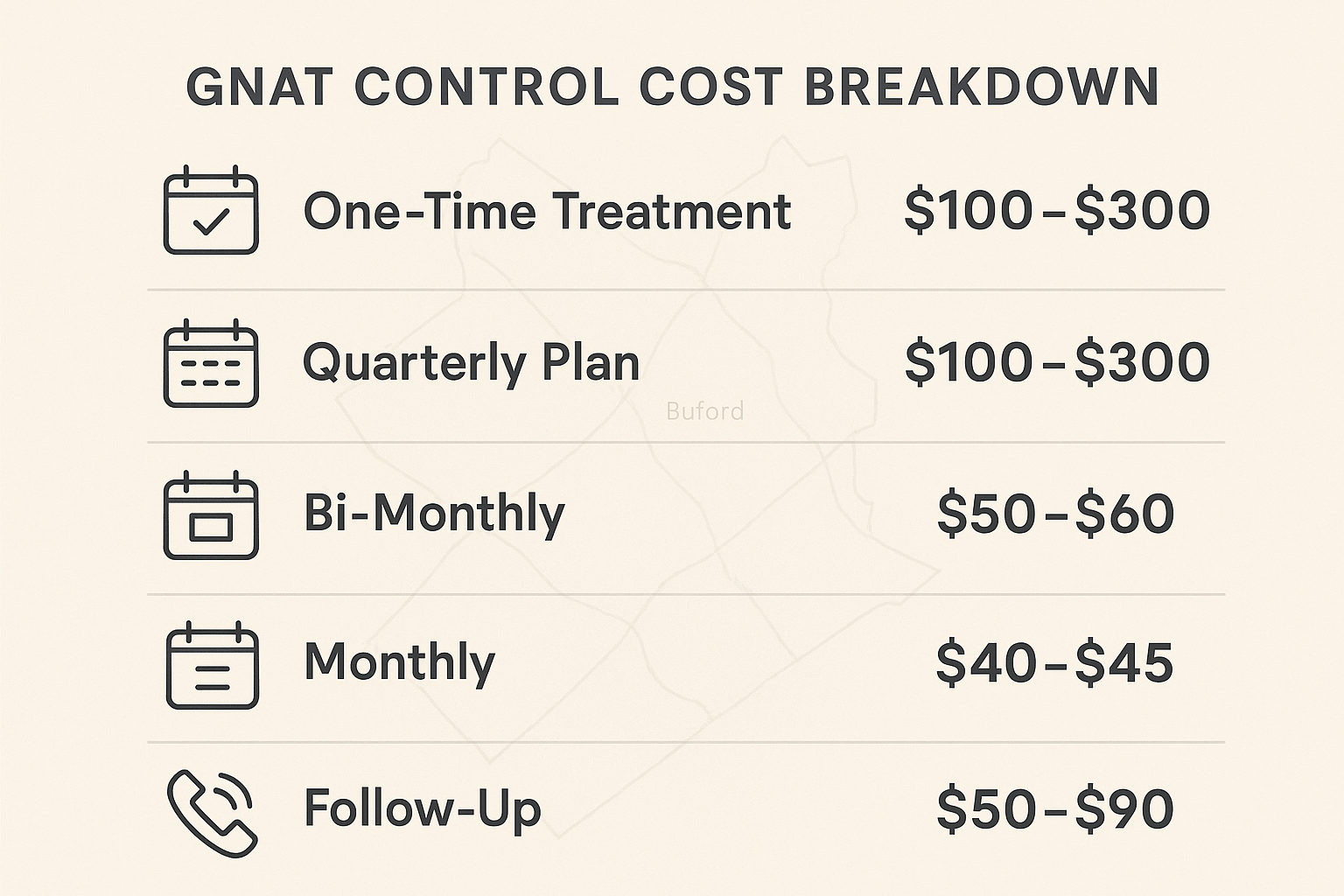
Local Provider Comparison
Northwest Exterminating
Expest Pest Solutions
Anthem Pest (using Sugar Hill pricing as a proxy)
Quick Pros/Cons Table
Provider
Pricing Range (gnat‑inclusive)
Service Options
Eco‑Friendly Focus
Pros
Cons
Northwest Exterminating
$100‑$300
Green Elite Plus bundle; separate eco‑add‑on
Low‑toxicity botanical sprays available
Free estimate; clear bundle pricing; strong green branding
Gnat‑only price not listed; may need custom quote
Expest Pest Solutions
$150‑$350
Silver/Gold/Platinum tiers; alternate‑month perimeter
EPA‑approved low‑impact formulations across tiers
Tiered flexibility; detailed package descriptions
Higher cost for premium tiers; pricing can feel complex
Anthem Pest (Sugar Hill proxy)
$100‑$270
One‑time treatment; Seasonal Shield plan
Eco‑Guard botanical add‑on
Transparent one‑time price; safe products; nationwide reputation
Buford‑specific pricing not published; requires quote call
Service Types and Package Details
One‑time Visit
Quarterly Service
Bi‑monthly & Monthly Plans
Bundled Discounts
Decision Guide: Matching Packages to Property Size & Budget
Extra Fees, Discounts, and Savings Opportunities
Possible Extra Fees
Seasonal Promotions and Common Discounts
Contract‑Based Savings
Item
Monthly Cost — Month‑by‑Month
Monthly Cost — 2‑Year Contract
Annual Savings
Base service
$120
$95
$300
$30
$15
Total per month
$150
$110
— Tips for Negotiating Price Transparency and Avoiding Hidden Fees
Getting an Accurate Gnat Control Quote
Step 1: Request a free estimate via phone or website
Step 2: Schedule an on‑site inspection; note what the inspector should assess
Step 3: Ask specific questions about treatment methods, chemicals, equipment, follow‑up visits, and warranty
Step 4: Verify what’s included in the quoted price (labor, materials, disposal)
Printable Checklist – Questions to Ask Your Provider
Prevention Strategies to Lower Future Costs
1. Eliminate Standing Water
2. Improve Drainage Around Foundations
3. Install Outdoor Fans
4. Use Natural Repellents
5. Follow Integrated Pest Management (IPM) Guidelines
Final Thoughts and How Anthem Pest Can Help
Why Assessing Infestation Size Matters
Benefits of Bundled Services
Stay Proactive with the Quote‑Getting Checklist