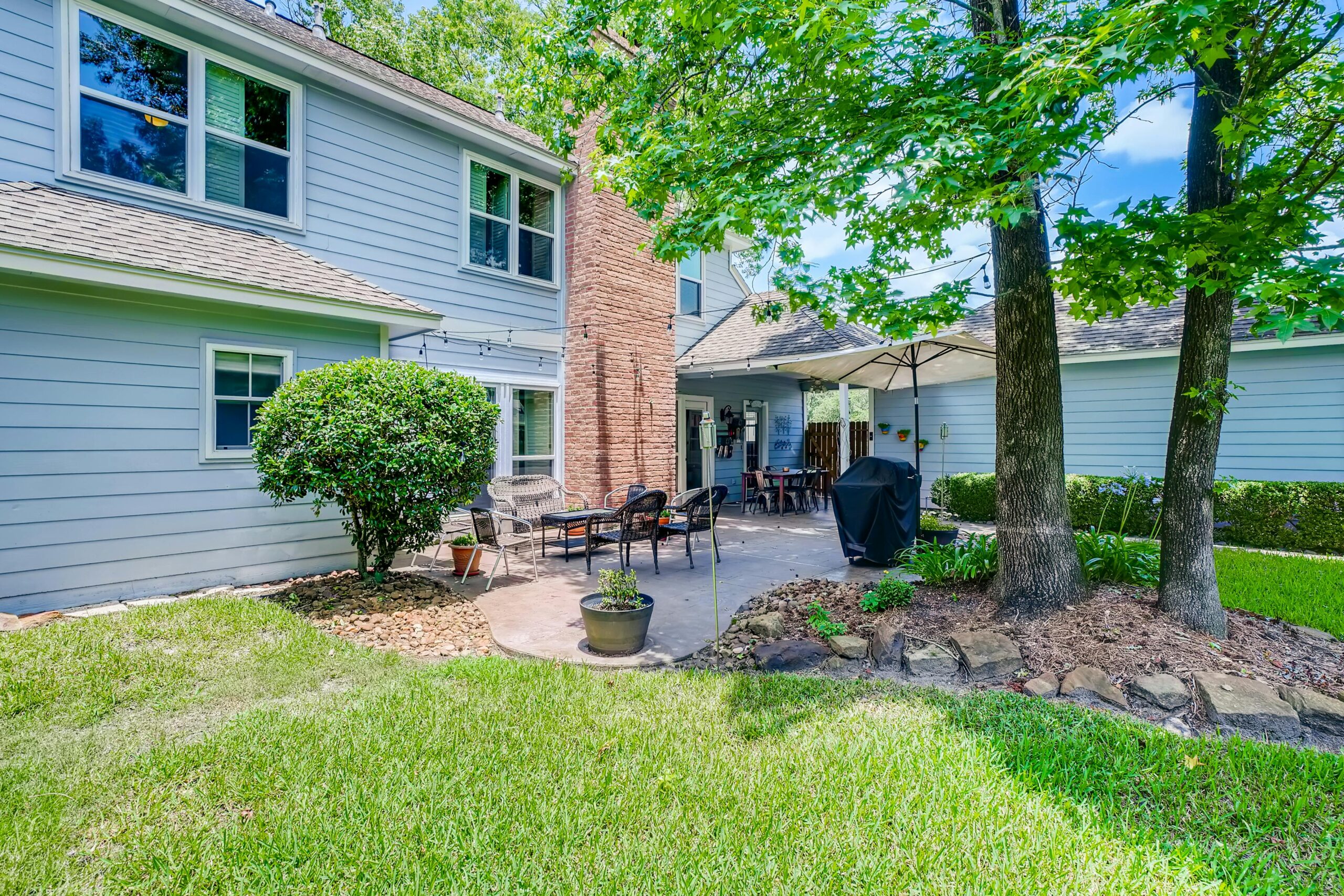
Why Gnats Become a Summer Nuisance

Gnats are tiny, delicate‑looking flies that belong to a few different families—primarily Sciaridae, Chloropidae, and the non‑biting midges. Though they’re easy to overlook, their presence can turn a pleasant evening on the patio into an irritating swarm.
These insects thrive in environments that most homeowners consider normal: damp soil, standing water, and any source of decaying organic matter. A freshly watered flower bed, a leaky hose, or a pile of leaf litter provides the perfect nursery for gnat larvae, which develop in the moist substrate before emerging as adults.
Summer’s heat and humidity act like a fast‑forward button on their life cycle. When temperatures hover between 75°F and 85°F (24‑29°C) and the air holds ample moisture, a gnat can complete a generation in as little as five to seven days. In contrast, cooler, drier conditions stretch that timeline to weeks, keeping populations low.
Key summer factors that draw gnats to your home
- Standing water—Pools, birdbaths, clogged gutters, and even pet water dishes create breeding hotspots. Adult gnats are attracted to the scent of moisture and lay eggs directly on the water’s surface.
- Organic debris—Mulch, compost, and rotting fruit release chemicals that signal a ready food source for larvae.
- Warm, humid air—Higher temperatures increase metabolic rates, so gnats reproduce faster and live longer during the summer months.
High humidity not only speeds egg development but also keeps the larvae from drying out. In a garden where the soil stays moist for days, a single female can lay dozens of eggs that hatch within 24 hours, leading to exponential growth.
Typical Canton backyards often include rain barrels, decorative ponds, and sprinkler systems that run overnight. When these water sources are left uncovered or have debris buildup, they become perfect launch pads for adult gnats seeking mates and oviposition sites.
Because these conditions often coexist in residential yards, a single overlooked puddle can quickly turn into a full‑blown infestation. The EPA reports that gnats are present in more than 70 % of suburban homes during the peak summer season, making them one of the most common nuisance pests in the United States.[Source]
Understanding the environmental triggers is the first step toward control. By eliminating standing water, reducing excess mulch, and improving drainage, you cut off the gnat’s breeding grounds before they have a chance to multiply.
Now that you know why gnats love summer, the next step is to learn how to spot the different species around your property and assess the risks they pose to your family and garden.
Identifying Gnats and Their Health Risks
What a gnat looks like
Gnats are tiny, delicate insects that most people mistake for fruit flies or mosquitoes. In Canton, they typically measure between 1 mm and 3 mm in length—about the size of a grain of sand. Their bodies are covered with fine, fuzzy hairs that give them a slightly matte appearance. Unlike the agile flight of a mosquito, gnats have a weak, erratic wingbeat and often hover in place, especially around outdoor lights or indoor fixtures. If you notice a soft‑flying, almost “floating” cloud of insects near a porch light at dusk, you’re likely looking at gnats.
Gnats vs. fruit flies vs. mosquitoes
Distinguishing gnats from other small flies helps you choose the right control strategy:
- Fruit flies are usually a bit larger (about 3–5 mm), have a tan‑brown body, and are attracted to fermenting fruit or sugary spills.
- Mosquitoes are longer (4–10 mm), possess a slender proboscis for blood‑feeding, and create a characteristic high‑pitched whine when they fly.
- Gnats stay closer to the ground, lack a noticeable proboscis, and are drawn to moisture, organic debris, and artificial light.
Georgia’s most common gnat species
In the Peach State, two groups dominate homeowner complaints:
- Fungus gnats (Bradysia spp.) – Often found near potted plants, damp soil, and compost piles. Their larvae feed on fungal hyphae, which is why over‑watering can turn a garden into a breeding ground.
- Shore flies (Ephydridae) – Common around standing water, such as birdbaths, clogged gutters, or even the edges of a pool. They thrive in salty or brackish conditions, making them a frequent sight near the Chattahoochee River’s floodplain.
Both species are harmless in the sense that they don’t bite, but their numbers can explode when moisture and organic matter are abundant.
Health and comfort risks
Even though gnats aren’t blood‑suckers, they can still affect your family’s well‑being:
- Allergic reactions – Some people develop mild skin irritation or hives after prolonged contact with a dense swarm.
- Eye and nasal irritation – Gnats often brush against eyes and nostrils, causing itching, watery eyes, or a tickling sensation in the nose.
- Potential bacterial spread – In large swarms, gnats can transport bacteria from decaying organic material to food surfaces or open wounds, increasing the risk of minor infections.
For a scientific overview, see the University of Georgia Extension’s identification guide: UGA Extension – Gnat Identification (PDF).
Why they ruin your outdoor time
Beyond health concerns, gnats are a serious nuisance. A single patio can feel like a buzzing cloud, making outdoor dining, barbeques, or pool relaxation uncomfortable. Their tendency to congregate around lights means evening gatherings are often interrupted by constant swatting. In severe cases, homeowners report reduced use of decks and porches for weeks while they wait for the swarm to subside.
What’s next?
Understanding when gnats are most active helps you plan preventative measures. In Canton, their numbers typically rise after the first heavy rains of spring and peak during the hot, humid summer months. The next section will walk you through the seasonal activity patterns you can expect, so you know exactly when to call a professional for targeted control.
Seasonal Gnat Activity in Canton, Georgia
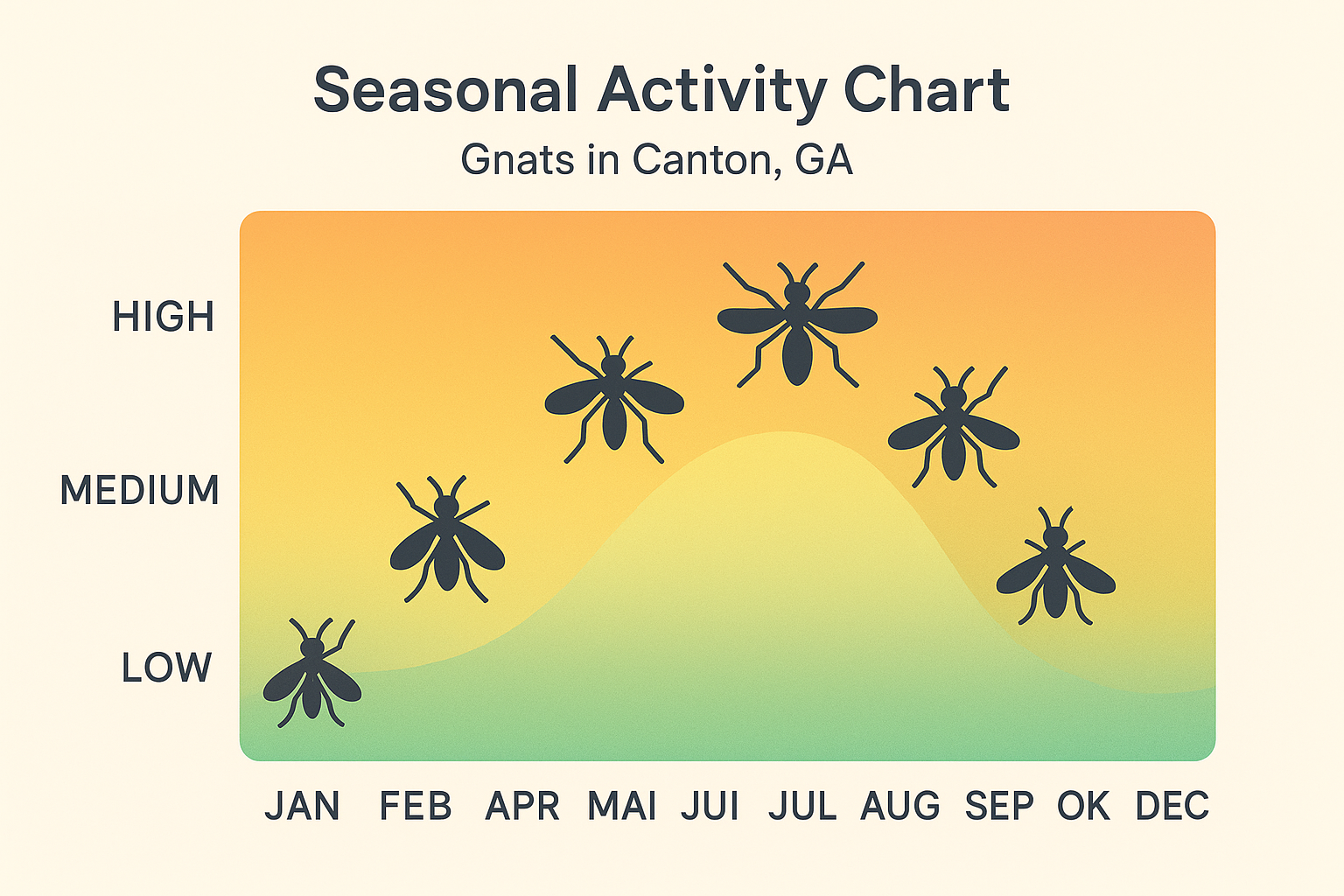
Understanding when gnats are most active helps you plan both preventive steps and professional treatments. The chart above visualizes the typical monthly fluctuations for Canton, showing a clear dip in winter, a modest rise in early spring, a pronounced peak from May through September, and a secondary bump in October.
Why Winter Brings a Break
Cold temperatures below 50°F (10°C) essentially halt gnat breeding cycles. Eggs and larvae in the soil enter a dormant state, and adult gnats either die off or seek shelter indoors where they cannot reproduce. This natural lull means you can safely postpone major interventions until the ground begins to warm.
Spring Awakening
As soil temperatures climb above 60°F (15°C) in March and April, gnat eggs hatch and larvae become active. Moisture from spring rains provides the perfect environment for their development, leading to a moderate increase in adult activity. Homeowners should start inspecting outdoor lighting, drainage, and any standing water at this stage.
Peak Summer Surge (May – September)
May through September is the high‑risk window. Warm days, high humidity, and frequent rain create ideal breeding conditions, causing adult gnat populations to explode. This is the period when gnats are most likely to infiltrate homes, especially around patios, decks, and indoor plants. Preventive measures—such as trimming vegetation, fixing leaky irrigation, and applying barrier treatments—should be implemented early in May, with follow‑up professional applications scheduled for July and August.
Fall Secondary Spike (October)
Even after the summer lull, October often sees a secondary rise. Fallen leaves and other organic debris accumulate, offering new food sources and breeding sites for gnats that survived the summer. A quick yard cleanup and a targeted treatment in early October can curb this late‑season resurgence before winter truly sets in.
By aligning your pest‑control calendar with these seasonal patterns, you maximize the effectiveness of both DIY steps and Anthem Pest Control’s professional services. Early spring inspections, mid‑summer barrier applications, and a post‑summer touch‑up in October create a three‑point strategy that keeps gnats at bay year‑round.
For a broader view of regional trends, see the National Pest Management Association’s data on gnat activity here.
Prevention Strategies for Your Home and Yard
Gnats love moisture, shade, and organic debris. By tackling those attractions before they turn into a full‑blown infestation, you can keep your Canton home comfortable and gnat‑free without reaching for a chemical spray. Below are practical, DIY steps that fit most budgets and require only a bit of weekend elbow grease.
Eliminate Standing Water
Even a shallow puddle can become a nursery for fungus gnats and other tiny flyers. Start by wiping down pool edges and splash zones after each use to prevent water from collecting in cracks. Birdbaths, water dishes, and pet water bowls should be emptied and refilled at least once a week—stagnant water is a magnet for gnats. Finally, inspect indoor and outdoor faucets for drips; a single leak can create a constant source of moisture that gnats love.
Improve Drainage
Water that pools near your foundation not only encourages gnats but also creates long‑term structural issues. Clean your gutters and downspouts at least twice a year, making sure debris doesn’t block the flow. If water still pools on the lawn, consider re‑grading the soil so it slopes away from the house by at least a 2% grade (about a quarter‑inch per foot). Proper grading directs runoff toward a drainage ditch or a dry well, cutting off a major breeding site.
Soil Management
Indoor plants are a common source of fungus gnats because over‑watering creates a damp growing medium. Allow the top inch of soil to dry out between waterings; this simple habit deprives gnats of the moist environment they need to lay eggs. For plants that thrive in a moist mix—such as ferns or orchids—swap to a sand‑based potting mix. The added grit improves aeration and drains excess water quickly, making the soil less inviting to gnats.
Organic Mulches
Wood chips and shredded bark hold moisture for days, providing an ideal habitat for gnats in garden beds and around foundations. Replace heavy organic mulches in high‑moisture zones with inorganic options like pea gravel, river rock, or crushed stone. These materials drain quickly, stay dry under shade, and still look tidy, while also reducing the organic food source gnats rely on.
Light Management
Many gnat species are attracted to the ultraviolet spectrum emitted by standard white outdoor lights. Switching to yellow “bug” lights—often labeled as “insect‑attracting reduction” bulbs—significantly cuts down on nighttime draws. Install these fixtures on porch lights, patio sconces, and any exterior illumination that stays on after dusk. The warm hue is less appealing to gnats but still provides sufficient visibility for homeowners.
Natural Repellents
Beneficial nematodes (Steinernema feltiae) are microscopic worms that hunt and kill gnat larvae in the soil. Sprinkle a nematode solution around the base of your house and in garden beds; they work silently and leave no chemical residue. For a quick surface spray, mix a few drops of peppermint essential oil with water and mist it onto plant leaves and patio furniture—gnats dislike the strong scent. Adding a small oscillating fan to your patio creates a steady breeze that interferes with gnat flight patterns, making the area less hospitable.
When DIY Measures Aren’t Enough
Even the most diligent homeowner can encounter stubborn gnat hotspots—especially after heavy rains or when landscaping features create hidden moisture pockets. If you notice persistent swarms despite following the steps above, it’s time to call in a professional. Anthem Pest Control offers targeted gnat treatments that combine safe, low‑impact insecticides with advanced moisture‑control solutions. Our technicians can pinpoint hidden breeding sites, apply a calibrated treatment plan, and provide a follow‑up schedule to keep gnats at bay year after year.
Professional Treatment Options and Pricing
When gnats start buzzing around your patio, kitchen, or pool deck, a quick DIY spray rarely provides lasting relief. Anthem Pest Control offers three distinct service packages that combine proven treatment methods with transparent pricing, so you know exactly what you’re paying for and when you’ll see results. Whether you need a one‑time fix or year‑round protection, our plans are designed to match the urgency of your infestation and the long‑term health of your home.
Our Gnat‑Control Service Packages
One‑time spray – Ideal for sudden outbreaks, our technicians apply a concentrated ULV fog directly to the affected area. The treatment kills adult gnats on contact and reduces the next generation’s emergence, giving you immediate relief without any ongoing commitment.
Quarterly maintenance – For homeowners who notice gnats returning each season, we schedule a visit every three months. Each appointment includes a fresh ULV application, a targeted soil drench, and a refreshed barrier spray around high‑traffic zones such as patios, pool decks, and outdoor kitchens.
Annual contract with monitoring – The most comprehensive option couples quarterly treatments with continuous monitoring using our smart‑sensor kits. Technicians review data remotely, adjust treatment levels as needed, and provide an annual report that details pest activity, treatment efficacy, and any recommended preventive actions.
Treatment Techniques We Use
Our gnat‑control arsenal focuses on three proven methods. Targeted ULV fogging creates a fine mist that penetrates dense vegetation and hard‑to‑reach crevices, ensuring adult gnats are knocked down wherever they hide. Soil drenches treat breeding sites directly at the source, disrupting the life cycle before larvae can mature. Finally, barrier sprays form a protective perimeter around patios, pool decks, and other outdoor living spaces, keeping gnats from re‑entering high‑use areas.
Safety First: Low‑Toxicity, Pet‑Friendly Products
All of our formulations are EPA‑approved and specifically selected for low toxicity to humans, children, and pets. When you request a pet‑friendly option, we substitute the standard active ingredient with a botanical‑based solution that still delivers rapid knock‑down without lingering residues. Our technicians wear protective gear and follow strict application protocols, so you can enjoy a gnat‑free yard without worrying about chemical exposure.

Pricing Comparison
| Service | Price | Icon |
|---|---|---|
| One‑time treatment | $149 | 🧴 |
| Quarterly service | $129 per visit | 📅 |
| Annual contract (4 visits + monitoring) | $449 total | 🛡️ |
The table above illustrates how the annual contract delivers the greatest value—four professional visits plus continuous monitoring for less than the cost of three separate one‑time treatments. Quarterly service offers a balanced approach, spreading the expense across the year while still providing regular barrier reinforcement. If you’re dealing with an acute flare‑up, the one‑time spray gives you the fastest relief at a modest entry price.
Benefits of Each Plan
- Immediate relief – One‑time ULV fogging eliminates adult gnats within hours, perfect for parties, barbecues, or unexpected weekend guests.
- Long‑term prevention – Quarterly visits keep breeding sites suppressed, reducing the need for repeat DIY sprays and lowering overall chemical usage.
- Cost savings – The annual contract bundles four treatments and monitoring for a flat fee, eliminating surprise charges and delivering up to 30 % savings compared to standalone visits.
- Transparent billing – Every service van is equipped with a digital invoice tablet that breaks down product costs, labor, and any optional upgrades, so you see exactly where your dollars go.
How to Schedule Your Free Inspection
Getting started is simple. Call us at 877‑371‑8196, or fill out the online form on our website anthempest.com to request a free, no‑obligation quote. Our certified technicians will visit your property within 48 hours, assess the gnat activity, and recommend the plan that best fits your budget and timeline. We guarantee that the initial inspection and quote are completely free—so you can decide with confidence.
Protect Your Home with Anthem Pest Control
Gnats flourish in warm, moist environments—think damp soil, standing water, and over‑ripe fruit. Throughout spring and early summer, they multiply quickly, turning a pleasant backyard into a buzzing nuisance. Recognizing the signs—tiny hovering insects, itchy bites, and clusters near drains—helps you act before an infestation takes hold. Simple DIY steps, such as eliminating standing water and trimming vegetation, are vital first defenses, but they often leave hidden breeding sites untouched.
Why Professional Treatment Matters
Even the most diligent homeowner can miss the microscopic cracks and concealed moisture pockets where gnats lay their eggs. During peak months, a professional service bridges those gaps with targeted applications that reach the source, not just the visible insects. Anthem’s certified technicians use EPA‑approved products that are safe for families and pets while delivering rapid, lasting control.
Anthem’s Commitment to You
- Safe solutions: Low‑toxicity treatments designed for residential use.
- Effective results: Proven protocols that interrupt the gnat life cycle.
- Transparent pricing: No hidden fees—just a clear, affordable quote.
- Local expertise: Knowledge of Canton’s climate and seasonal pest patterns.
Take the Next Step
Don’t let gnats ruin your outdoor enjoyment. A quick call to Anthem Pest Control can secure a free, no‑obligation quote and schedule an on‑site assessment tailored to your property’s unique conditions. Our friendly team will walk you through the treatment plan, answer any questions, and ensure you feel confident about the safety and efficacy of the service.
Ready to enjoy a gnat‑free yard this summer? Call Anthem Pest Control today at 877‑371‑8196 for a free quote and personalized treatment plan. Our certified technicians are standing by to protect your home with safe, effective solutions.
Visit Anthem Pest Control for more information.