Recognizing Gnats Around Your Home
Gnat control cost Cumming GA is a common concern for homeowners who suddenly notice tiny, buzzing insects hovering near windowsills or dancing above houseplants. Many people assume they’re dealing with fruit flies or mosquitoes, but in reality, these pests are often gnats—a distinct group of small flies that thrive in the moist micro-environments common in Cumming, Georgia homes. Understanding what a gnat looks like and where it prefers to congregate is the first step toward effective, long-term control.
What exactly is a gnat?
The term “gnat” refers to several families of tiny, soft‑bodied flies, most commonly the fungus gnats (Bradysia spp.) and the black‑legged fungus gnat (Bradysia hygida). Unlike fruit flies, which are attracted to fermenting fruit, or mosquitoes, which require a blood meal, gnats feed on fungi, decaying organic matter, and the moisture that accumulates in plant soil or standing water. The U.S. Environmental Protection Agency (EPA) groups gnats under “indoor flying insects” and provides identification tips for homeowners (EPA Indoor Pest Identification Guidance).
Physical traits you can spot
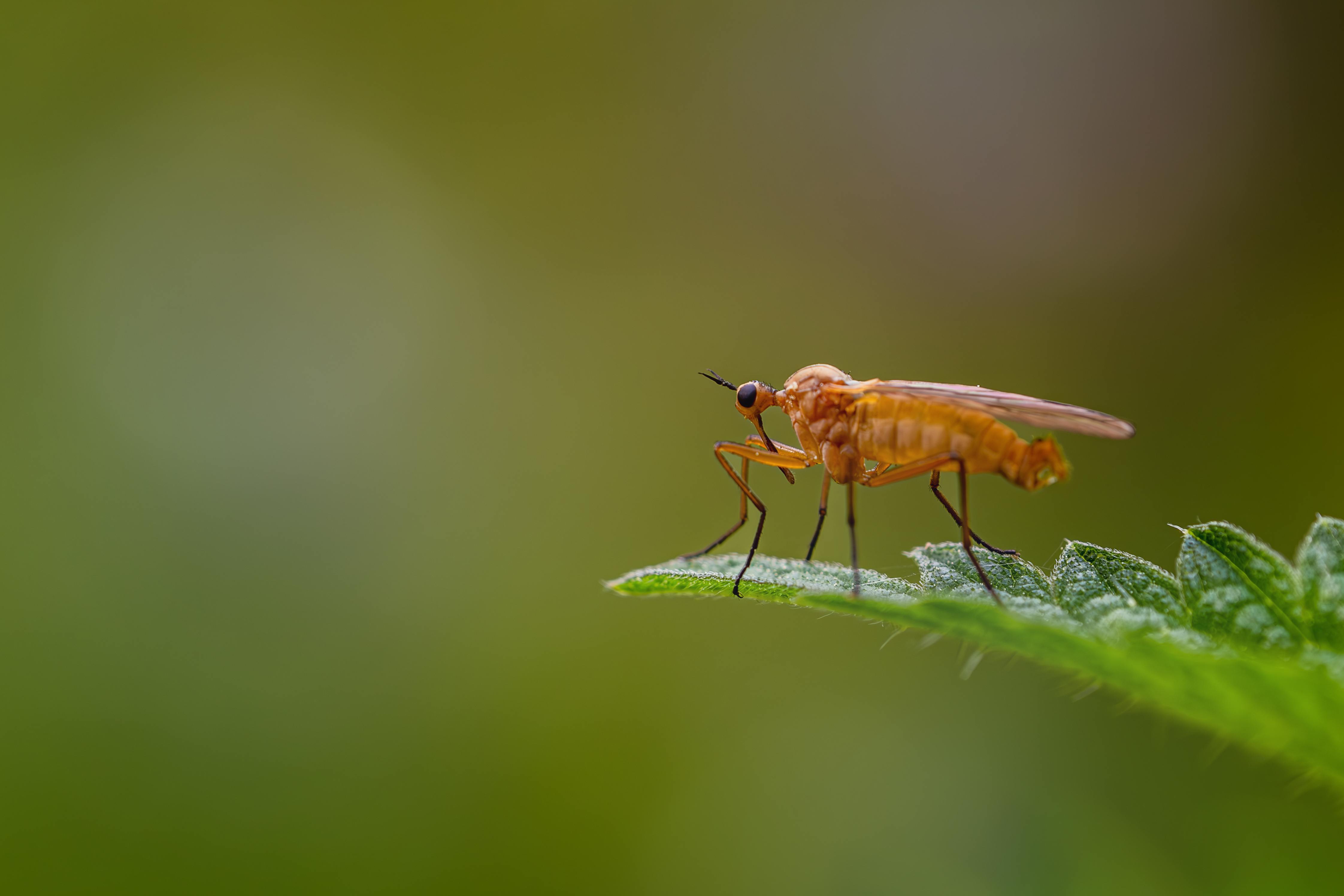
Gnats are exceptionally small—typically 1‑3 mm in length—so they often escape a casual glance. Key visual cues include:
- Wing shape: Delicate, transparent wings that may show faint veins and often rest at a slight angle over the abdomen.
- Coloration: Most are matte gray or dark brown, though some species appear almost black.
- Body form: Slender, with long legs that give them a “spindly” silhouette compared to the more robust mosquito.
Below is a macro‑photo that highlights these characteristics.
Common indoor hotspots
Gnats love any area that stays damp for more than a few hours. In a typical Cumming home, you’ll find them in:
- Houseplants: Over‑watered soil creates the perfect breeding ground for fungus gnats.
- Kitchen drains and garbage disposals: Food particles and moisture combine to attract adult gnats looking for a place to lay eggs.
- Bathroom and basement fixtures: Leaky pipes or poorly ventilated shower stalls provide the humidity gnats crave.
- Pet water bowls: Stagnant water can become a temporary nursery for larvae.
Outdoor gathering points around Cumming, GA
Even if the interior is sealed, gnats can spill over from outdoor sources. In the Cumming area, the following locations are notorious for gnat activity during the warm, humid months:
- Mulch beds: Decomposing organic mulch retains moisture and supports fungal growth.
- Shaded patios: Low‑light, damp corners under pergolas or awnings become ideal resting spots.
- Standing water: Birdbaths, clogged gutters, or rain‑filled planters act as temporary breeding pools.
Quick visual cue checklist
Use this short list to confirm whether gnats are the culprits behind the irritation you’re experiencing:
- Insects are tiny (1‑3 mm) and hover close to the ground or plant foliage.
- Wings are clear, and the body appears gray or dark brown.
- They appear in clusters near houseplants, drains, or damp outdoor zones.
- Adults are most active during early morning or evening hours.
- There is a faint, sweetish odor near the infestation site, indicating fungal growth.
If three or more of these signs match your observation, you’re likely dealing with a gnat problem. Recognizing the species and its preferred habitats lets Anthem Pest Control tailor a targeted treatment plan—whether that means adjusting watering schedules, applying a soil‑drench insecticide, or installing outdoor drainage solutions.
Health Risks and Why Gnats Matter
Nuisance and Comfort Impacts
Gnat control cost Cumming GA often becomes a serious concern once homeowners realize these pests are more than just a minor nuisance. Gnats may seem harmless, but their constant buzzing can turn a quiet evening into a stressful ordeal. When they swarm near doors, windows, or food preparation areas, they create an unsettling hum that distracts and irritates. Their tiny size allows them to land on exposed skin, where biting species—such as fungus gnats and black-fly larvae—can leave itchy, red welts. Even non-biting gnats may contaminate countertops, dishes, and uncovered food, compromising the cleanliness and safety of your kitchen.
Allergic Reactions and Skin Irritation
For many homeowners, a single bite can trigger more than a mild itch. Some individuals develop localized swelling, hives, or even a rash that lasts several days. Those with sensitive skin or pre‑existing allergies may experience heightened reactions, especially if gnats bite repeatedly. The saliva proteins injected during a bite act as allergens, prompting the immune system to overreact. Prompt treatment helps prevent these reactions from escalating into chronic irritation.
Potential Disease Vectors
While gnats are not primary carriers of human diseases, certain species can spread plant pathogens that affect indoor potted plants and garden crops. In rare cases, gnats have been linked to the transmission of bacterial infections in wounds, especially when they land on open cuts. Although the risk to humans is low, the presence of gnats signals an environment where other, more harmful insects could thrive, making early control essential.
Indoor Air Quality Concerns
Gnat control cost Cumming GA is often justified by the health risks these insects can create indoors. The Centers for Disease Control and Prevention (CDC) notes that flying insects contribute to indoor allergen buildup, which can aggravate asthma and other respiratory conditions. Gnats shed microscopic scales and waste particles that become airborne, increasing the overall allergen load inside the home. In properties with poor ventilation, these particles linger longer, reducing air quality and potentially triggering sneezing, coughing, or wheezing.
Moisture and Sanitation Indicators
Gnats are attracted to damp, organic material—think over‑watered houseplants, clogged drains, or leaky pipes. Their presence often points to hidden moisture problems that foster mold growth and bacterial colonies. Ignoring a gnat infestation can allow these underlying issues to worsen, leading to structural damage, unpleasant odors, and health hazards far beyond the insects themselves. Addressing the moisture source is a critical step in any effective gnat‑control plan.
When to Call a Professional
- If gnats appear in large numbers and persist for more than 48 hours despite DIY measures.
- If you notice bites accompanied by swelling, hives, or prolonged irritation.
- If gnats are clustering around food prep areas, indicating possible contamination.
- If you detect musty odors, visible mold, or persistent dampness alongside the infestation.
- If household members with asthma or allergies experience worsening symptoms.
- If you need a thorough inspection to locate hidden moisture sources and implement long‑term prevention.
By recognizing these warning signs early, you can protect your family’s health, preserve the comfort of your home, and avoid costly repairs down the line. Anthem Pest Control offers safe, targeted treatments that eliminate gnats and address the underlying conditions that attract them.
Preventing Gnat Infestations in Cumming, GA
Gnat problems rarely start out of nowhere. In the humid climate of Cumming, a few overlooked moisture sources can turn your backyard or kitchen into a breeding ground. By tackling those sources early, you’ll keep the tiny flyers at bay and protect your family from itchy bites and unsightly swarms.
Identify Common Moisture Sources
Gnats love damp environments. Start by checking the usual suspects:
- Over‑watered houseplants: Soil that stays soggy for days provides the perfect larval habitat.
- Leaky pipes and faucets: Even a slow drip under a sink can create a hidden puddle.
- Clogged drains: Food particles and standing water in bathroom or kitchen drains attract fungus gnats.
Sanitation Practices That Make a Difference
Cleanliness isn’t just about looking tidy; it’s a frontline defense against gnats.
- Seal trash cans tightly and take out garbage before it sits overnight.
- Rinse and scrub kitchen sinks daily; use a mixture of vinegar and baking soda to dissolve residue.
- If you compost, keep the bin away from the house, turn the material regularly, and cover it with a lid to prevent excess moisture.
Landscaping Adjustments for a Gnat‑Free Yard
Your garden can either invite gnats or keep them out. Simple tweaks can tip the balance:
- Trim back dense vegetation that traps moisture and creates shade.
- Ensure proper grading so rainwater drains away from foundations and patios.
- Empty and refill birdbaths, fountains, or pet water dishes at least once a week; avoid leaving stagnant water for more than 24 hours.
Seasonal Tips for Georgia’s Humid Summers and Mild Winters
Summer (June‑August): Heat accelerates bacterial growth in standing water. Use a fine mesh screen on outdoor lights to reduce nighttime attraction, and run a dehumidifier in basements or crawl spaces.
Fall (September‑November): Leaves can block drainage channels. Rake gutters regularly and clear leaf litter from around foundation walls.
Winter (December‑February): Even mild winters can leave indoor plants damp. Reduce watering frequency and relocate potted plants away from drafty windows where condensation forms.
Quick “Pre‑Inspection” Checklist
- Check all indoor plant saucers for standing water.
- Inspect under sinks for drips or slow leaks.
- Run water in each drain; look for slime or foul odors.
- Verify trash cans have tight‑fitting lids.
- Ensure birdbaths, fountains, and pet dishes are emptied daily.
- Examine garden soil—if it feels soggy, improve drainage.
- Clear gutters and downspouts of leaves and debris.
- Set a reminder to run a dehumidifier in humid rooms for 8‑10 hours each night.
Taking these steps now can prevent a small nuisance from becoming a full‑blown infestation. For homeowners who prefer a deeper dive, the EPA pest‑prevention resources offer science‑backed guidance on moisture control and integrated pest management.
Treatment Options and Professional Methods
DIY Solutions You Can Try at Home
For homeowners who prefer a hands‑on approach, several low‑cost options can curb a gnat nuisance before it spirals out of control. Sticky traps coated with a sweet attractant capture adult gnats as they wander near windows or light fixtures. UV‑light traps work on the same principle, drawing gnats to a bright source and trapping them on a glue board.
Natural repellents are another DIY favorite. A few drops of citronella, lavender, or eucalyptus essential oil mixed with water and a splash of dish soap creates a spray that deters gnats from landing on surfaces. Similarly, a 1:1 solution of white vinegar and water can be placed in shallow dishes around problem areas; the acidic scent confuses gnats and reduces breeding sites.
Chemical Treatments for Quick Knock‑Down
When the infestation is more pronounced, residual sprays become useful. These EPA‑registered formulations cling to walls, ceilings, and other surfaces for weeks, delivering a slow‑release dose that kills gnats on contact. For indoor emergencies, foggers (or “bug bombs”) disperse a fine mist of insecticide throughout a room, reaching hidden crevices where gnats hide.
Proper usage is critical: always ventilate the space, remove food and dishes, and follow the product label’s dwell time before re‑entering. Over‑application not only wastes money but can create health risks for children and pets.
Professional Methods: Fogging, Zone Treatments, and Integrated Pest Management (IPM)
Licensed pest‑control technicians bring tools and expertise that DIY kits simply can’t match. Targeted fogging uses a calibrated machine to emit a concentrated mist directly onto breeding hotspots—under sinks, in crawl spaces, or around outdoor lighting. Unlike consumer foggers, professional units deliver a uniform droplet size that maximizes coverage while minimizing residue.
Zone treatments divide a property into logical sections (kitchen, bathroom, exterior patio) and apply the appropriate product to each zone based on the level of activity. This strategic approach reduces chemical usage and ensures that high‑traffic areas receive the most attention.
Many companies, including Anthem Pest Control, incorporate Integrated Pest Management (IPM). IPM blends monitoring, sanitation, physical barriers, and judicious chemical use. By identifying the source—whether it’s a damp compost pile, a leaking pipe, or standing water—technicians can eliminate the root cause and prevent future outbreaks.

Safety First: Child‑ and Pet‑Friendly Choices
Home safety is non‑negotiable. EPA‑registered products are tested for human and animal exposure, and many are formulated to be low‑odor and low‑toxicity. When a homeowner requests a child‑ or pet‑friendly plan, technicians can select micro‑encapsulated insecticides that release only when a gnat contacts the surface, dramatically reducing the risk of accidental exposure.
Anthem Pest Control also offers “green” alternatives, such as botanical pyrethrins, which break down quickly in the environment while still delivering a rapid knock‑down effect. Regardless of the product, technicians always wear protective gear and advise clients on post‑treatment ventilation and restricted‑area times.
How a Licensed Technician Chooses the Right Approach
The first step is a thorough inspection. A certified technician evaluates moisture levels, identifies breeding sites, and quantifies gnat activity using sticky traps and visual counts. Based on this assessment, they recommend a tiered plan: start with sanitation and exclusion, add targeted fogging or zone sprays, and finish with a residual barrier to keep the population below nuisance thresholds.
Because each property is unique, the technician may combine methods—using a natural repellent in a child’s playroom while applying a residual spray in the garage. This customized strategy maximizes efficacy while respecting the homeowner’s safety concerns and budget.
According to the National Pest Management Association (NPMA), professionally applied gnat control programs achieve an average efficacy rate of 85% after a single treatment, compared to 45% for most DIY approaches.
Gnat Control Pricing and Service Plans in Cumming
What’s Included in the Price?
When you request a gnat control quote, Anthem Pest breaks the cost down into three transparent components:
- Inspection fee: A brief on‑site assessment (often waived if treatment is scheduled).
- Treatment materials: EPA‑registered larvicides, adulticides, and any specialty traps required for the infestation level.
- Labor: Certified technicians’ time, travel, and equipment setup.
This itemized approach lets homeowners see exactly where their dollars go, eliminating hidden fees that are common in the industry.
Typical Price Ranges in Cumming
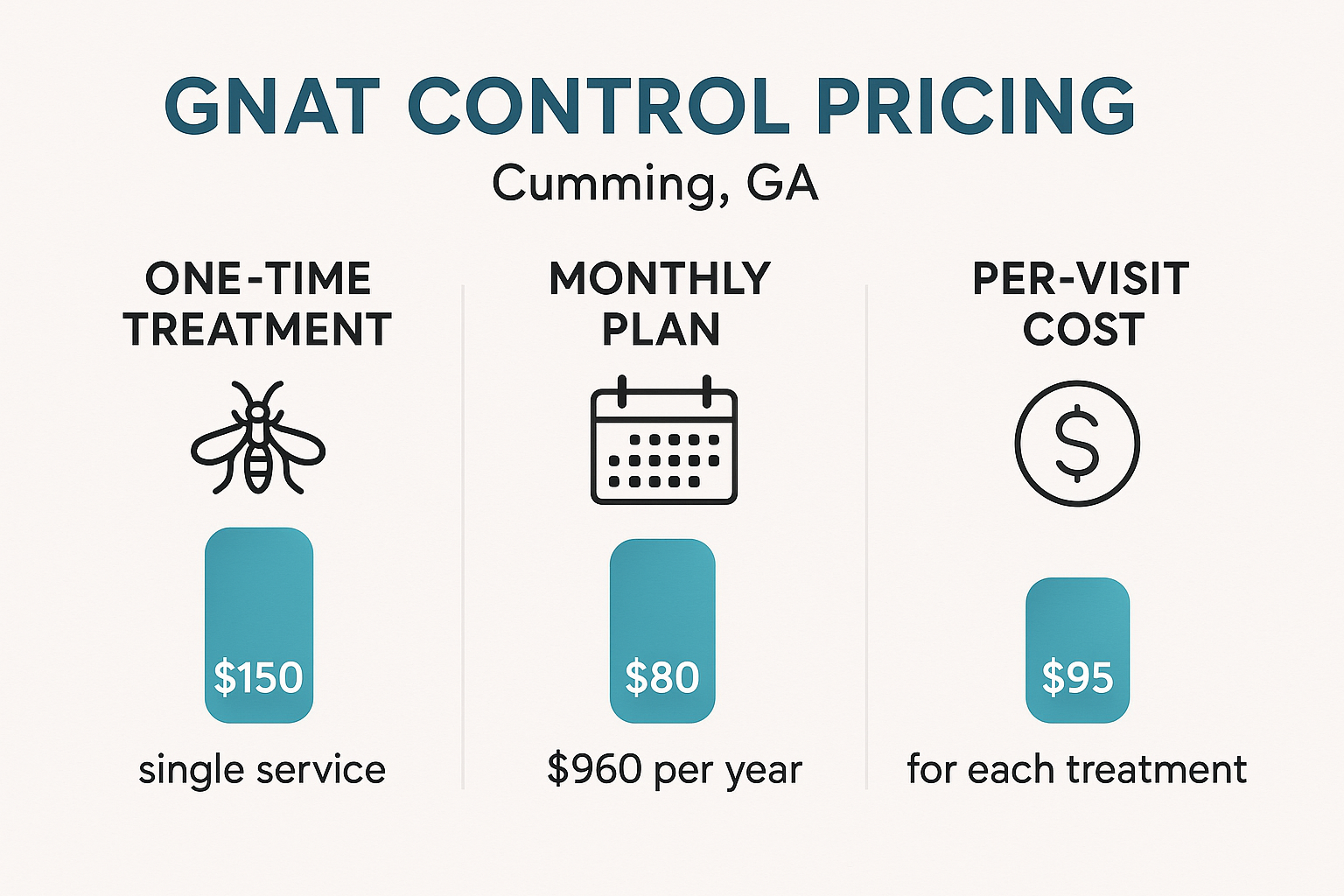
Based on the National Pest Management Association (NPMA) data for the Southeast, the following ranges represent the average cost you’ll encounter in Cumming, GA:
| Plan Type | Price Range (USD) | Typical Frequency |
|---|---|---|
| One‑time treatment | $150 – $250 | Single visit |
| Monthly maintenance plan | $90 – $130 per month | 12 visits per year |
| Per‑visit (pay‑as‑you‑go) | $120 – $180 | Each service call |
One‑Time vs. Recurring Plans
One‑time treatments are ideal for homeowners who face a sudden outbreak or who only need a seasonal “reset.” The upfront cost is higher per visit, but you avoid ongoing commitments.
Recurring plans spread the expense over 12 months, providing continuous monitoring and quicker response to new colonies. Because technicians revisit the property regularly, they can adjust dosages and target emerging breeding sites, often resulting in lower overall pesticide use.
Choosing a plan depends on two factors: the severity of the infestation and how proactive you want to be about prevention.
Seasonal Discounts & Bundled Services
Many Cumming residents notice a spike in gnats during late spring and early summer. Anthem Pest typically offers a 10‑15% seasonal discount for bookings made before June 15. Additionally, the company bundles gnat control with mosquito or ant services, shaving another $20‑$40 off the combined invoice. Bundling not only saves money but also tackles overlapping breeding habitats, delivering a more comprehensive yard protection.
How to Evaluate Cost‑Effectiveness for Your Home
Start by estimating the total annual cost of each option. For example, a monthly plan at $110 per month totals $1,320 per year, while three separate one‑time treatments at $200 each equal $600. Then factor in service value—recurring plans include regular inspections, early detection of new colonies, and priority scheduling during peak season.
Ask yourself:
- Do I have recurring gnat activity that resurfaces each summer?
- Would a bundled service (gnats + mosquitoes) address multiple nuisance pests at once?
- Can I take advantage of seasonal discounts to lower the upfront cost?
If the answer is “yes” to any of these, a recurring or bundled plan will likely deliver a better return on investment. Conversely, if gnats are a one‑off nuisance, a single treatment may be the most economical choice.
Seasonal Activity and Timing for Gnat Treatments
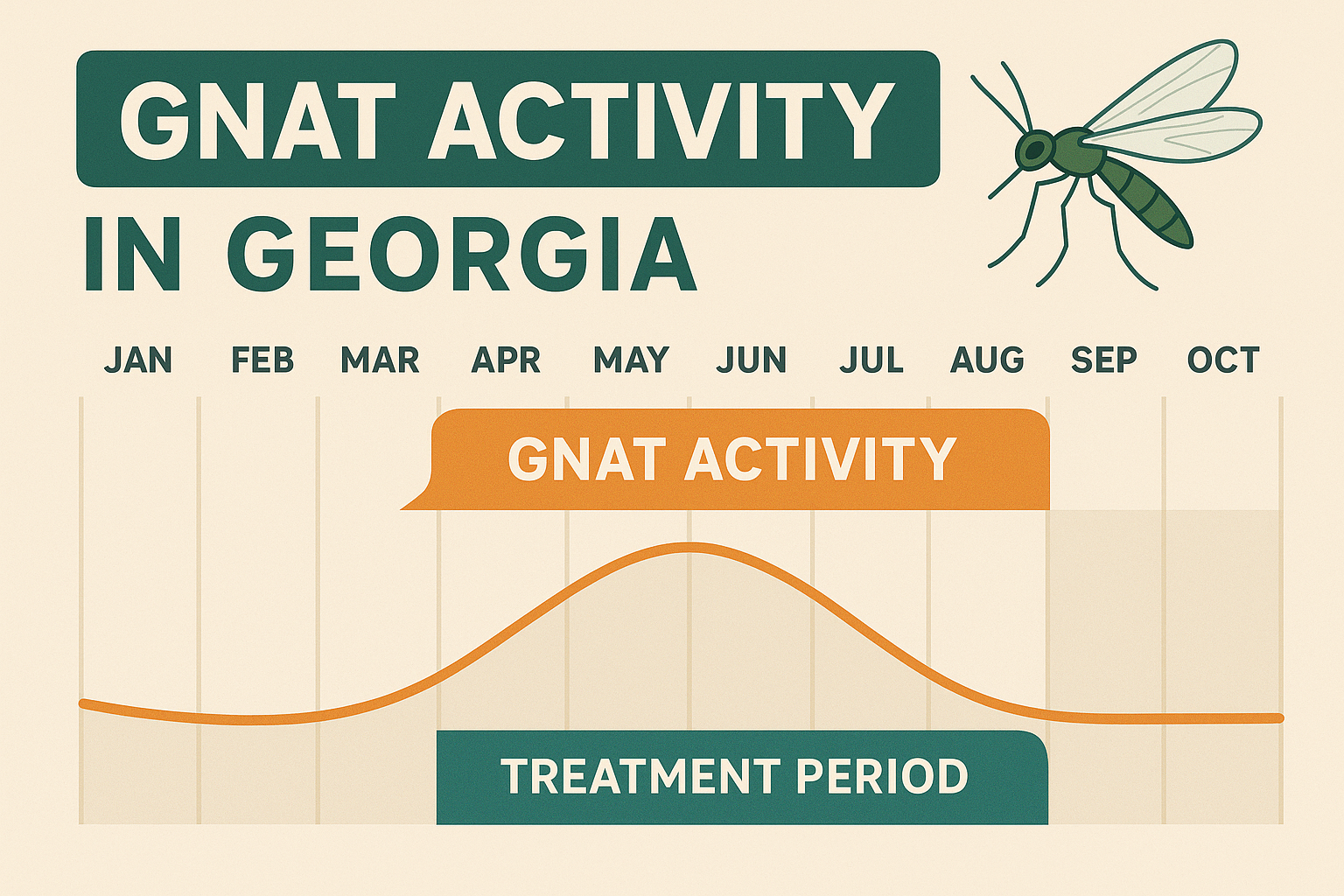
Understanding when gnats are most active in Cumming helps you schedule treatments that hit the problem before it explodes. The chart above plots monthly gnat activity levels against average high temperatures, giving you a visual cue for the periods that demand attention.
| Month | Activity Level | Avg. High (°F) | Typical Rainfall (in) |
|---|---|---|---|
| January | Low | 45 | 3.2 |
| February | Low | 48 | 3.5 |
| March | Moderate | 58 | 4.1 |
| April | High | 66 | 4.6 |
| May | High | 73 | 4.9 |
| June | High | 80 | 5.2 |
| July | High | 84 | 5.0 |
| August | High | 82 | 5.1 |
| September | Moderate | 75 | 4.4 |
| October | Low | 63 | 3.8 |
| November | Low | 53 | 3.3 |
| December | Low | 46 | 3.1 |
In Cumming, the window from late April through early October is the high‑risk zone. Temperatures consistently above 65 °F accelerate the gnat life cycle, while the region’s summer humidity creates the perfect breeding ground in damp soil, compost piles, and standing water.
Our field‑tested strategy is to apply a pre‑emptive treatment in early May—just as the first generation of adults begins to emerge. This timing lets the residual insecticide work through the peak months. Follow‑up applications are most effective when scheduled for mid‑July and again in early September, each spaced roughly six weeks apart to interrupt successive breeding cycles.
Rainfall and humidity are the hidden drivers behind sudden infestation spikes. A stretch of three or more rainy days raises soil moisture above 70 %, prompting gnats to lay eggs en masse. Conversely, a dry spell can temporarily suppress activity, giving you a brief window to inspect and treat without the interference of heavy rain washing chemicals away.
Use the checklist below to keep your calendar organized:
- Early May: Initial perimeter and soil treatment.
- Mid‑July: Mid‑season follow‑up; inspect drainage areas.
- Early September: Final treatment before cooler temperatures set in.
- Monthly (May‑September): Visual inspection of mulch, planters, and pet waste.
- After heavy rain: Spot‑check for new breeding sites and apply targeted larvicides if needed.
According to the EPA’s Seasonal Pest‑Management Guidelines, homeowners should target “early‑season interventions” for flying insects such as gnats, then employ “mid‑season monitoring” to adjust treatments based on weather‑driven population changes.
By aligning your treatment plan with these seasonal cues, you not only curb gnats when they’re most vulnerable but also avoid unnecessary applications, keeping your home comfortable and your pest‑control costs predictable.
Protect Your Home with Anthem Pest Control
Key Takeaways
By now you should be able to spot gnats, understand the health and comfort risks they pose, and know the most effective prevention steps—like eliminating standing water and sealing entry points. You’ve also learned the main treatment options, from targeted sprays to environmentally‑friendly traps, and how pricing varies with the size of the infestation and the time of year. Armed with this knowledge, you can decide when to act and what kind of service best fits your budget.
Why Anthem Pest Control Is Your Best Partner
Anthem Pest Control has spent years perfecting safe, effective gnat‑control strategies for homeowners across the United States. Our technicians are fully licensed and continuously trained on the latest integrated pest‑management techniques, so you receive solutions that target gnats without compromising the safety of your family or pets. Whether you’re dealing with a sudden swarm or looking to prevent future outbreaks, our team tailors each plan to the unique conditions of your property.
Transparent Pricing and a Satisfaction Guarantee
We believe in clear, upfront pricing—no hidden fees or surprise add‑ons. Our quotes break down every component, from inspection to treatment and follow‑up visits, so you know exactly what you’re paying for. Plus, every service is backed by a satisfaction guarantee: if gnats return within the warranty period, we’ll re‑treat at no extra cost. This commitment to honesty and results is why homeowners trust Anthem time after time.
Take the Next Step—It’s Easy
Ready to protect your home without the guesswork? Give us a call for a free, no‑obligation quote or schedule a professional inspection at a time that works for you. Our friendly staff will walk you through the process, answer any questions, and set up a treatment plan that fits your schedule and budget.
Call us today at 877‑371‑8196. Our experts are standing by to assess your situation, recommend the most cost‑effective solution, and ensure your home stays gnat‑free. Remember, a quick call can prevent a minor annoyance from becoming a full‑blown infestation.
For more information or to request your free quote online, Visit Anthem Pest Control.