
Recognizing Millipedes in Cumming, GA
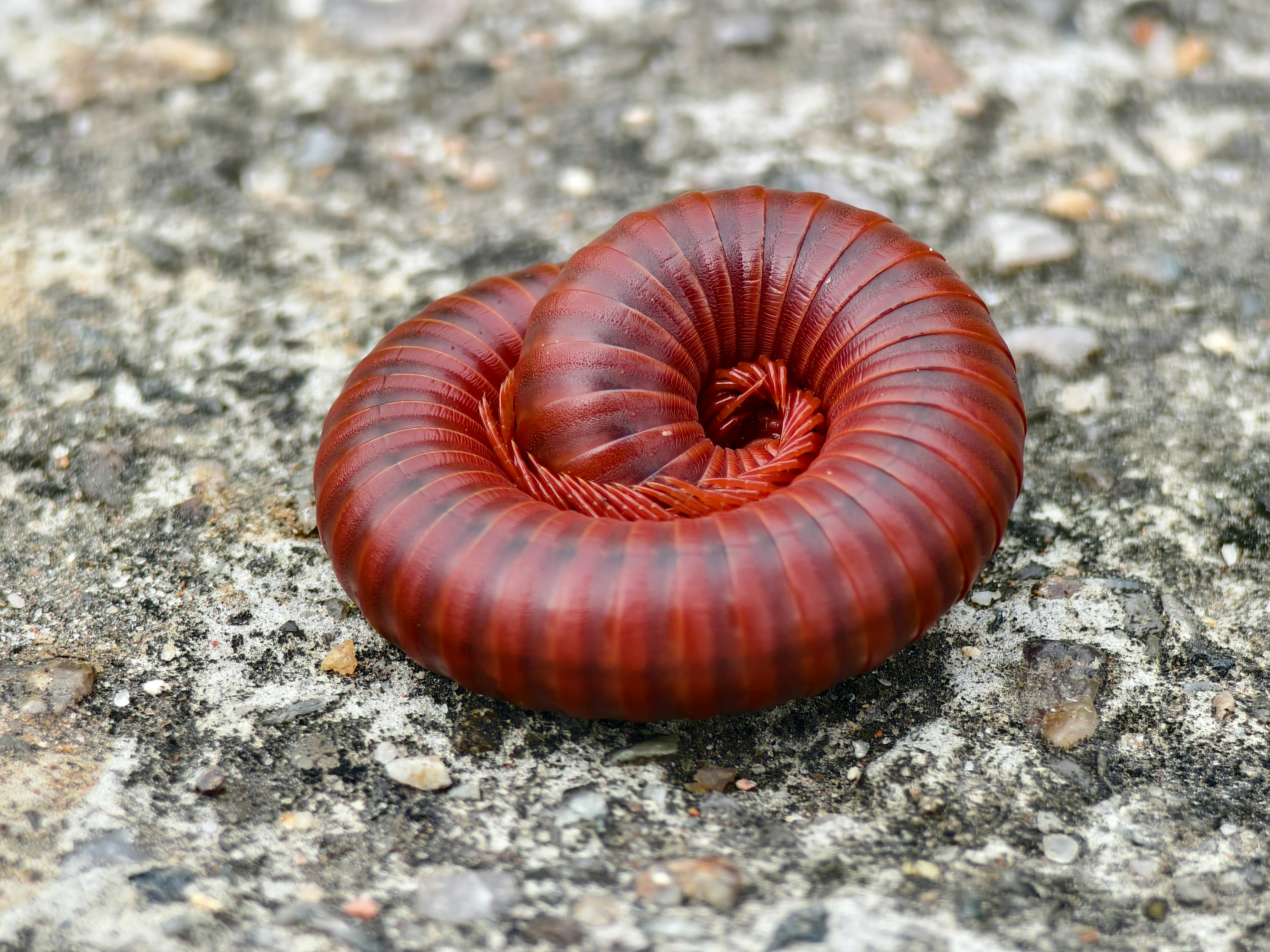
Millipedes are the “quiet neighbors” of your garden – they move slowly, keep to the shadows, and rarely bite. In the Cumming area they typically measure 1½ to 2½ inches in length, though some species can reach up to 4 inches. Their bodies are composed of dozens of rounded segments, each bearing two tiny legs, which gives them a distinctly cylindrical, almost armored look. Most of the common species sport a uniform brown or reddish‑brown hue, but you’ll also see lighter tan tones on the underside.
How to tell millipedes apart from other critters
- Centipedes: Fast‑moving, flattened bodies with one pair of long, venomous legs per segment. They’re usually brighter (yellow, orange) and hunt at night.
- Pill bugs (woodlice): Short, blocky, and capable of rolling into a ball. They have only seven pairs of legs and a glossy, gray‑blue shell.
- Millipedes: Slow, round, many‑legged (two pairs per segment), and non‑venomous. Their gait is deliberate, and they prefer damp environments.
Where you’ll find them around the home
In Cumming’s humid climate, millipedes gravitate toward any place that stays moist. Typical hotspots include:
- Leaf litter and shredded bark piled under trees.
- Mulch beds and garden borders where organic matter accumulates.
- Damp foundations, crawl spaces, and the base of exterior walls.
- Moist compost piles or vegetable garden beds with plenty of decaying plant material.
These habitats act like a buffet and a shelter combined, offering both food (decaying foliage) and the humidity millipedes need to breathe through their porous exoskeleton.
When they’re most visible
Millipedes are nocturnal for the most part, emerging after sunset when the air temperature drops and moisture levels rise. You’ll often spot them on walkways, patios, or near outdoor lights between 7 p.m. and midnight. On rainy days, they may appear earlier, crawling across driveways as they seek drier ground.
Harmless helpers that can become a nuisance
Under normal circumstances millipedes are completely benign. They don’t chew on plants, they don’t bite humans, and they actually help break down organic debris, enriching the soil. The problem starts when they gather in large numbers—especially after a wet spell. A few hundred millipedes can create a slippery, squishy carpet on your porch or in your garden, making it unpleasant to walk barefoot and potentially attracting other pests.
Understanding these basics lets you quickly confirm whether the small, many‑legged visitors in your yard are harmless millipedes or a different pest that may require treatment. If you notice repeated, heavy congregations, a professional inspection can pinpoint the moisture source and suggest targeted control measures that keep your home comfortable without harming the beneficial insects that share your garden.
When Millipedes Turn From Harmless to Problematic
Most homeowners in Cumming, GA, think of millipedes as harmless garden visitors. In reality, certain conditions can push these slow‑moving arthropods from the yard into the home, where they quickly become a nuisance. Understanding why this shift happens is the first step toward keeping your living spaces comfortable and your property intact.
Seasonal population spikes and weather drivers
Millipedes thrive in moist, cool environments. In North Georgia, the late summer rains and early fall humidity create ideal breeding grounds. When the soil becomes saturated, the insects look for drier shelter—often under siding, around foundation cracks, or through tiny gaps around windows. A sudden drop in temperature after a warm, wet period can also trigger a mass migration indoors as the insects seek warmth.
Potential damage from defensive secretions
When threatened, millipedes release a fluid that contains chemicals like benzoquinones. On carpets, upholstery, or wooden floors, this secretion can leave dark, oily stains that are difficult to remove. The stains are not only unsightly; prolonged exposure can cause the finish on hardwood to become dull or even degrade. In high‑traffic areas, the cumulative effect of repeated staining may require professional cleaning or refinishing.
Health considerations for sensitive residents
Although millipedes do not bite or transmit disease, their defensive chemicals can irritate skin, especially for people with allergies or eczema. Direct contact may cause redness, itching, or a mild rash that lingers for several hours. In homes with pets, the same secretions can lead to paw irritation or cause pets to avoid certain rooms, indirectly affecting your household’s comfort.
Impact on landscaping and garden health
When millipede numbers swell, they can overwhelm mulch layers and garden beds. While a few millipedes help break down organic matter, massive congregations compete with beneficial soil organisms, slowing decomposition and altering soil moisture levels. Over time, this imbalance can stress ornamental plants, reduce nutrient availability, and make beds more susceptible to fungal growth.
Early warning signs of an emerging infestation
Spotting the problem before it spreads saves time and money. Keep an eye out for these tell‑tale indicators:
- Visible silk‑like trails along baseboards, doorways, or window sills.
- Clusters of millipedes gathered near entry points such as vents, cracks, or pet doors.
- Unexplained stains on light‑colored rugs or furniture after a rainy spell.
- Increased activity during evenings when lights are on, as the insects are attracted to illumination.
When any of these signs appear, it’s a clear cue that a proactive treatment plan is needed. At Anthem Pest Control, we combine targeted indoor barriers with exterior habitat management to keep millipedes where they belong—outside, where they can continue their natural role without jeopardizing your home.
Seasonal Activity Patterns of Millipedes in Cumming
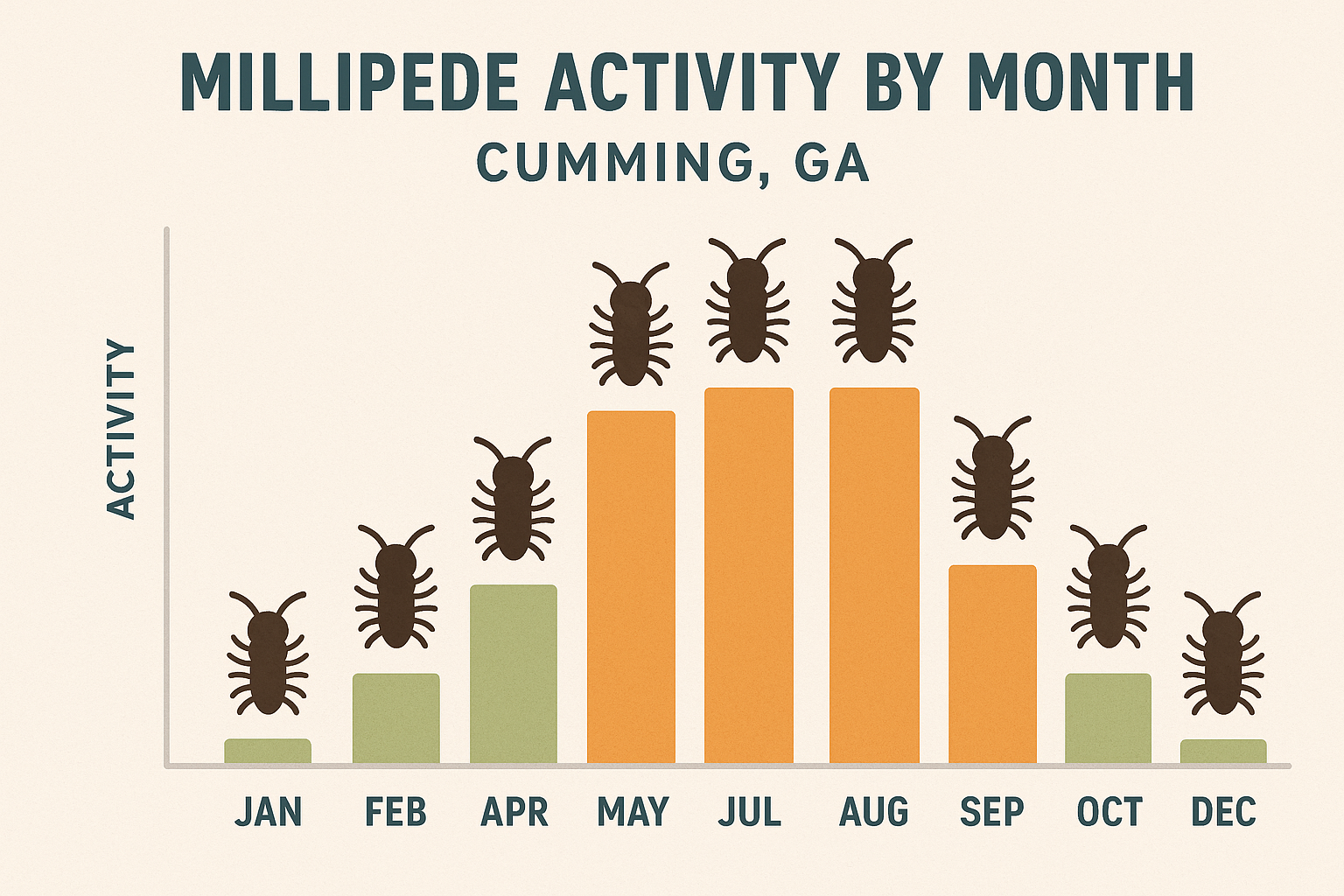
Understanding when millipedes are most active helps you time inspections and treatments for maximum effect. The chart below breaks down monthly activity levels, highlighting the high‑traffic window from late July through early October and the quieter months of winter. When you read the chart, look for the dark bars—that’s when you’ll likely see the most surface traffic and indoor incursions.
Why Late Summer and Early Fall Spark a Surge
Millipedes thrive in warm, moist conditions. As Cumming’s July and August temperatures hover between 85‑90°F (29‑32°C) with nightly humidity often above 70 %, the soil retains enough moisture for these detritivores to stay active. This period also aligns with their breeding cycle; females lay eggs in the late summer, and the resulting juveniles emerge as temperatures begin to dip, seeking shelter in homes.
When the first cool breezes arrive in September, the humidity remains high, but the cooler nights signal the end of the breeding season. Millipedes start congregating near the soil surface, looking for a safe place to overwinter—usually under mulch, leaf litter, or the foundation cracks of houses.
Linking Local Climate Data to Millipede Behavior
According to the National Weather Service, Cumming averages 58 inches of rain per year, with a pronounced spike in August (about 5 inches). This rain‑filled month creates the perfect damp environment for millipedes to move freely. Conversely, December through February sees average rainfall drop below 2 inches and temperatures dip into the 30s, forcing millipedes deeper into the soil where they become virtually invisible.
By mapping these climate trends against the activity chart, you can predict the exact weeks when millipedes are most likely to cross into your yard or home. For example, a week of 4‑5 days of rain in late August typically precedes a noticeable increase in indoor sightings.
Practical Tips for Homeowners
- Monthly visual checks: Walk your property after a rainstorm and note any millipede trails, especially near foundation walls and garden beds.
- Moisture monitoring: Use a simple hygrometer in crawl spaces; if humidity stays above 65 % for more than three days, increase vigilance.
- Light traps: Place a shallow dish of soapy water under a porch light at night; the insects are attracted to the light and will drown, giving you a quick activity snapshot.
- Record keeping: Jot down dates of sightings in a notebook or phone app; patterns will emerge that align with the seasonal chart.
Pre‑Emptive Measures Before the Peak
Start your defensive actions in early June, before the humidity climbs. Seal cracks and gaps in your foundation with silicone caulk, and trim back mulch or wood chips that sit directly against the house—these act as bridges for millipedes. Installing a perimeter drip‑edge drainage system redirects excess water away from the foundation, lowering soil moisture levels that attract the pests.
Consider a professional perimeter treatment from Anthem Pest Control in mid‑June. A targeted, low‑toxicity barrier applied to the soil surface creates a chemical “no‑go zone” that remains effective through the peak months, reducing the need for repeated indoor sprays.
Millipede Control Options and Cost Comparison
Common Control Methods
Homeowners in Cumming, GA typically rely on four main strategies to keep millipedes at bay:
- Perimeter sprays – a chemical barrier applied around the foundation to deter wandering millipedes.
- Soil drenches – a liquid treatment that penetrates the root zone, targeting millipedes that hide in the soil.
- Bait stations – slow‑acting toxins placed in strategic locations; millipedes consume the bait and carry it back to the colony.
- Habitat modification – removing mulch, excess leaf litter, and moisture sources to make the yard less inviting.
DIY Treatments: Pros and Cons
Many residents try a do‑it‑yourself approach before calling a professional. Understanding the trade‑offs helps you decide whether a DIY route is worth the effort.
- Cost – A single can of perimeter spray or a bag of bait typically runs $20‑$50, making the upfront expense low.
- Effectiveness – DIY products can reduce surface activity, but they often miss hidden populations in the soil, leading to recurring problems.
- Safety – Over‑application or improper handling of chemicals can pose health risks to children, pets, and beneficial insects.
- Time & effort – Re‑applying sprays every few weeks and constantly monitoring bait stations can become a full‑time chore.
Why Hire a Licensed Professional?
Professional pest‑control services bring several advantages that most DIY kits can’t match:
- Guaranteed results – Technicians use EPA‑approved formulations and calibrated equipment to treat both surface and subsurface infestations.
- Safety compliance – Licensed applicators follow strict safety protocols, protecting your family and the environment.
- Tailored plans – Experts assess property size, soil type, and moisture levels to design a treatment that fits your specific situation.
- Ongoing support – Annual protection plans include follow‑up visits, monitoring, and adjustments as seasonal conditions change.
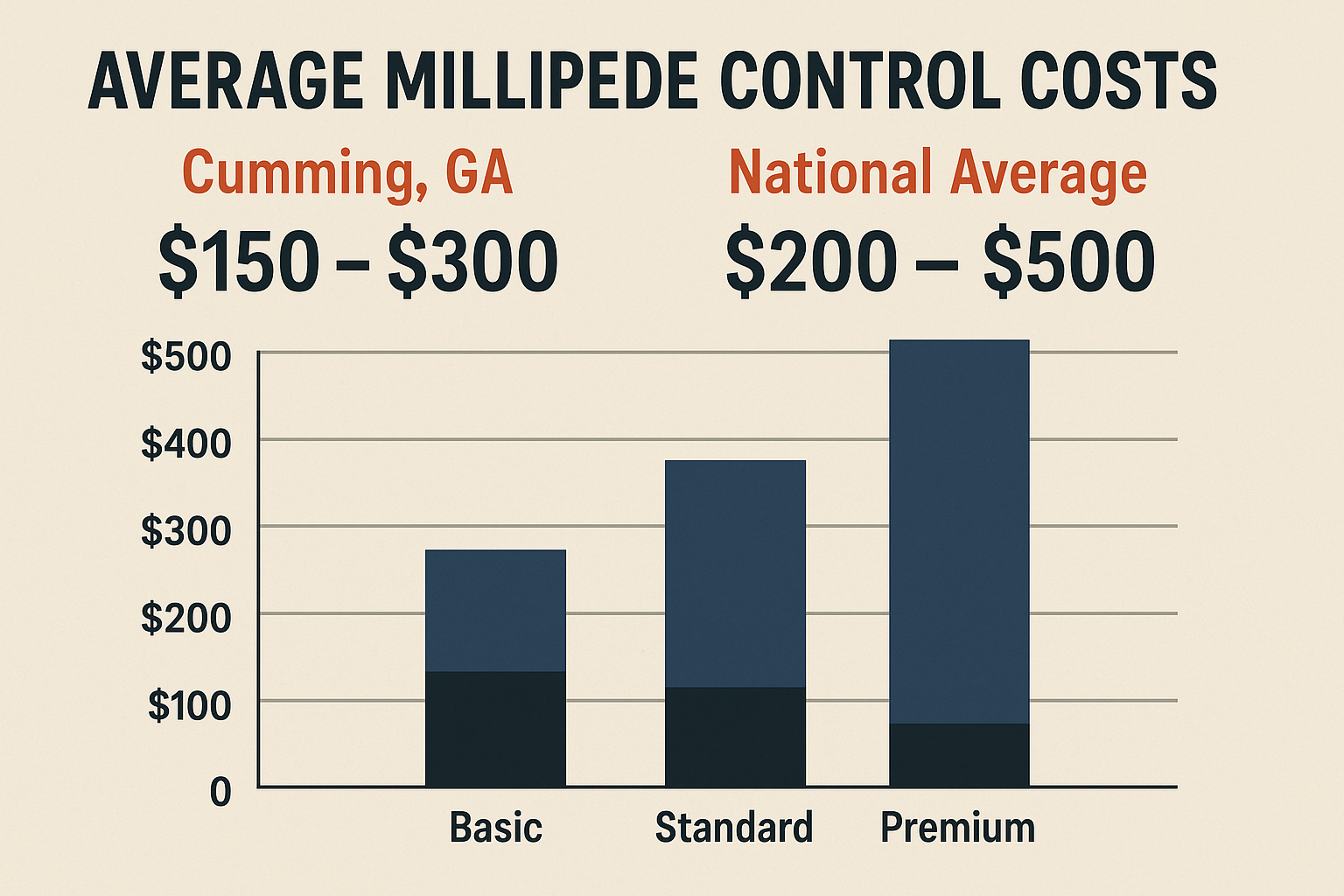
The infographic above breaks down the typical price ranges you’ll see in Cumming compared to the national average. Key takeaways:
- Average single‑treatment costs in Cumming sit between $120 and $180, roughly $30‑$50 less than the national median of $150‑$230.
- Service tiers are defined as:
- Basic – perimeter spray only.
- Comprehensive – spray plus a soil drench.
- Premium – comprehensive treatment plus bait stations and a year‑long monitoring plan.
- Homeowners who opt for an annual protection plan typically spend $250‑$350, covering two to three visits per year and guaranteeing a millipede‑free yard.
For a broader perspective, the U.S. Environmental Protection Agency (EPA) publishes average pest‑control costs across the country. Their data, which includes millipede treatments, confirms that Cumming’s pricing is competitively lower than many neighboring markets. EPA Pest Control Costs
| Service Tier | Average Cost in Cumming, GA | National Average Cost |
|---|---|---|
| Basic (perimeter spray) | $120‑$150 | $150‑$190 |
| Comprehensive (spray + soil drench) | $170‑$210 | $210‑$260 |
| Premium (comprehensive + bait & monitoring) | $250‑$350 | $300‑$420 |
Factors That Influence Price
Even within the same tier, several variables can shift the final bill:
- Property size – Larger homes or extensive landscaping require more product and longer application times.
- Infestation severity – Heavy millipede activity may need multiple treatments or higher‑dose applications.
- Treatment type – Soil drenches and bait stations add material costs compared to a simple spray.
- Seasonality – Early‑season visits often carry a premium because technicians must schedule around peak activity periods.
- Accessibility – Difficult terrain, steep slopes, or hard‑to‑reach foundation gaps can increase labor time.
By weighing DIY convenience against professional expertise and reviewing the cost breakdowns above, Cumming homeowners can make an informed decision that balances budget with long‑term peace of mind.
Protect Your Home with Anthem Pest Control
By now you’ve learned how to spot millipedes, why they surge in the warm months, and what the typical treatment costs look like in Cumming, Georgia. Those three pieces—identification, seasonal risk, and budgeting—form the foundation for a solid pest‑management plan.

Local expertise you can trust
Anthem Pest Control has been serving the Cumming community for years, giving us an intimate understanding of the area’s unique millipede activity. Our technicians know exactly where these critters hide—under mulch, near foundation cracks, and in damp wood piles—so we can target the problem before it reaches your doorstep.
Safe, effective, and affordable solutions
We combine EPA‑approved products with proven application techniques to eliminate millipedes while protecting your family, pets, and the surrounding environment. Because every home is different, we never rely on a one‑size‑fits‑all approach. Instead, we design a customized treatment plan that matches your property’s layout, the severity of the infestation, and your budget.
Transparent pricing, no surprises
Our pricing structure is straightforward: a clear upfront quote, no hidden fees, and optional maintenance schedules to keep the yard millipede‑free year after year. Whether you need a one‑time treatment or a seasonal protection program, you’ll know exactly what you’re paying for before any work begins.
Take the next step—risk‑free
Ready to safeguard your home? Request a free, no‑obligation quote today. Our friendly team will assess your situation, answer any questions, and recommend the most cost‑effective strategy for your specific needs.
Call now at 877‑371‑8196 or visit Anthem Pest Control to schedule your assessment. Let us handle the millipedes so you can enjoy a pest‑free yard all year long.