Spotting Millipedes in Your Yard
Millipedes are the long‑bodied, many‑legged critters you sometimes find scurrying across mulch or slipping into garden beds after a rain. Despite their intimidating appearance, they are completely harmless to people and pets. They feed on decaying plant material, helping break down organic matter, so they’re actually beneficial in small numbers. Knowing what they look like, however, is the first step in deciding whether a control plan is needed.
What a Millipede Looks Like
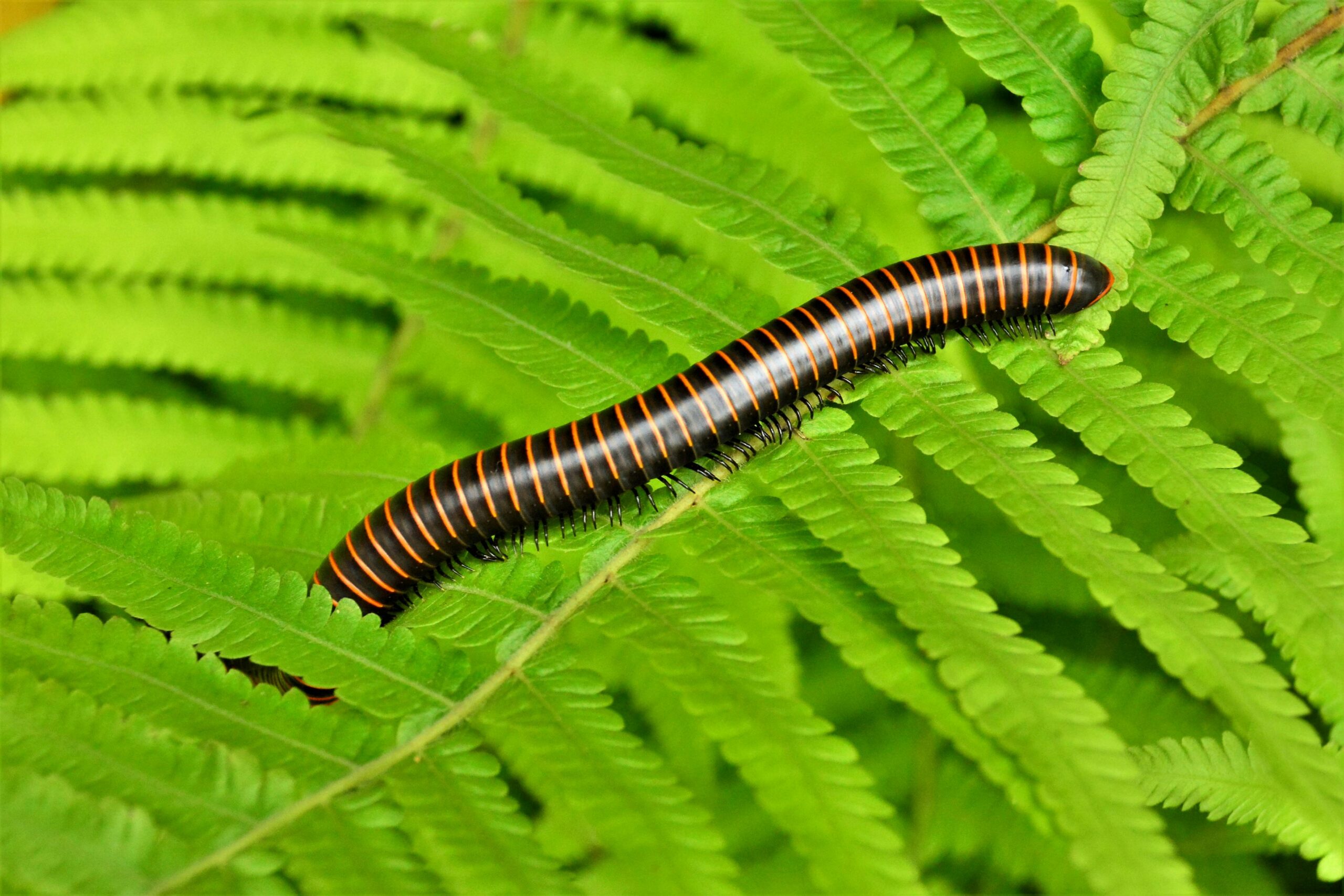
When you spot a millipede, focus on these visual cues:
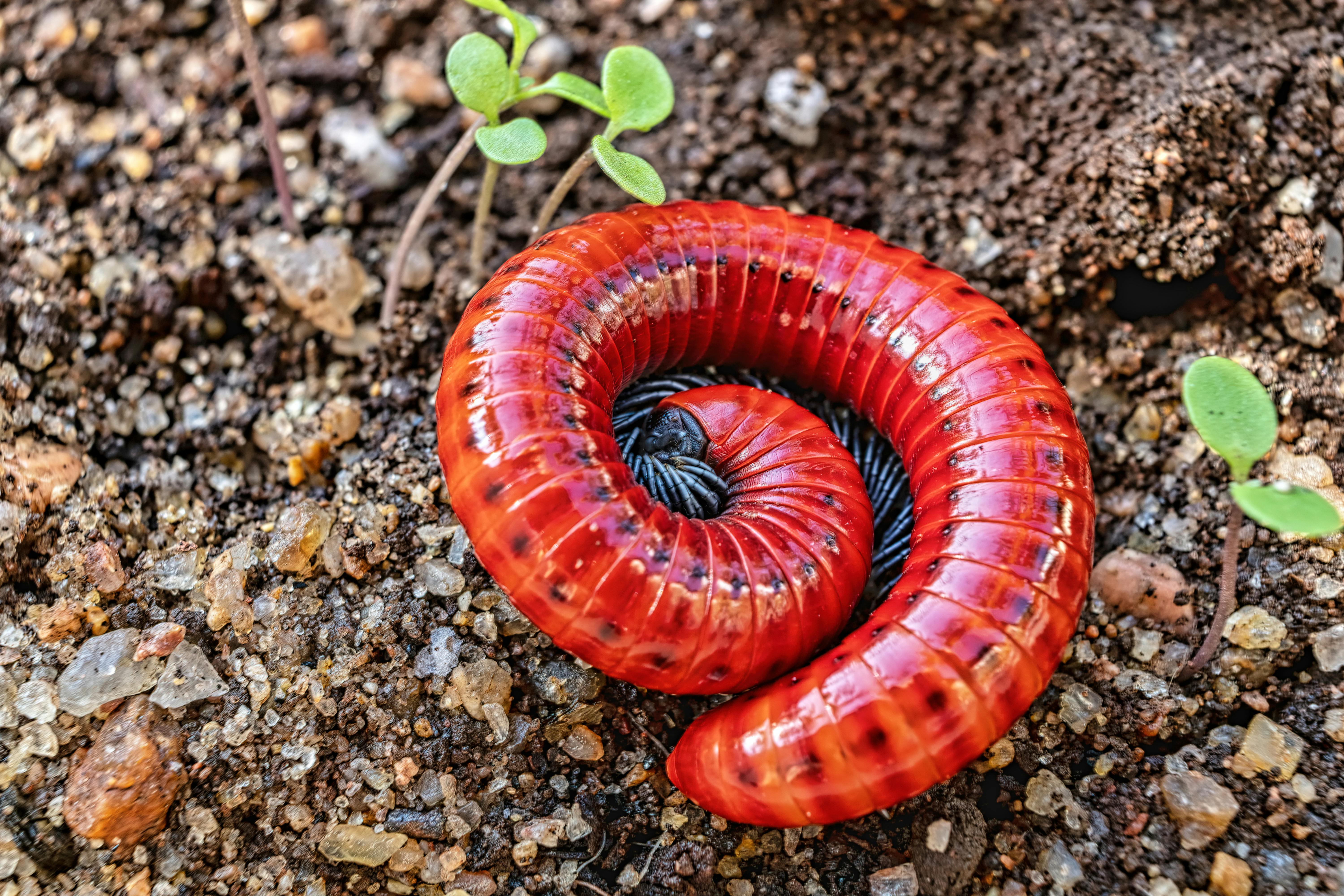
- Color: Many are reddish‑brown, dark brown, or black, though some species display bright orange or yellow tones.
- Size: Adult millipedes range from 1 inch to over 12 inches, with most garden‑yard varieties measuring 2‑4 inches long.
- Body Segments: Their bodies are divided into 20‑100 visible segments, each bearing two pairs of legs (hence the name “milli‑pede,” meaning “thousand feet”).
- Leg Count: Unlike centipedes, which have one pair of legs per segment, millipedes always have two pairs per segment, giving them a smoother, wave‑like gait.
- Defensive Curl: When disturbed, many curl into a tight spiral, protecting their softer underside.
Typical Yard Habitats
Millipedes thrive in moist, sheltered environments. In a typical Holly Springs yard you’ll find them:
- Hidden beneath mulch or wood chips, where humidity stays high.
- Amid leaf litter and decomposing organic matter.
- In the top few inches of damp soil, especially after heavy rain.
- Within garden beds that receive regular watering.
- Along the base of foundations and around crawl‑space vents, where moisture accumulates.
Because they prefer these micro‑habitats, a sudden surge often follows a wet season or a sprinkler malfunction.
Common Species Found in U.S. Residential Areas
- North American Millipede (Narceus americanus) – Large, dark brown, 4‑6 inches; common in the Southeast.
- Red Millipede (Polydesmus angustus) – Bright reddish‑orange, 1‑2 inches; frequently seen on mulch.
- Flat Millipede (Oxidus gracilis) – Small, flattened body, grayish‑brown; often found in potted plants.
- Black Millipede (Brachycybe lecontii) – Shiny black, up to 3 inches; prefers leaf litter under trees.
Why Millipedes Are Often Mistaken for Other Pests
Homeowners sometimes confuse millipedes with centipedes, cockroaches, or even beetles. The main reasons are:
- Leg Count Misinterpretation: A quick glance at dozens of legs can look similar to a centipede’s single‑leg‑per‑segment pattern.
- Body Shape: Both millipedes and roaches have elongated bodies, but millipedes lack the hard, shield‑like pronotum that roaches display.
- Movement: Millipedes move in a slow, undulating wave, while centipedes dart quickly. The slower pace can give the impression of a “creepy‑crawl” roach.
- Color Overlap: Dark brown or black specimens can look like small cockroaches, especially in low light.
Understanding these differences helps you avoid unnecessary panic and ensures you request the right treatment if numbers become problematic.
For a deeper scientific dive, consult the EPA millipede fact sheet.
When Millipedes Become a Nuisance
Millipedes are nature’s recyclers, breaking down leaf litter and wood in our yards. Yet when the weather turns wet and the soil stays soggy, these harmless decomposers can swarm into homes, turning a garden ally into a household annoyance. Understanding why and how this shift happens is the first step toward keeping your home comfortable and clean.

Seasonal surge after heavy rains or in humid climates
In Holly Springs, Georgia, the combination of warm temperatures and high humidity creates the perfect breeding ground for millipedes. After a prolonged rainstorm, the soil becomes saturated, forcing millipedes to seek drier shelter. This is why you’ll notice a sudden increase in activity during late spring and early summer, especially following a week of heavy rain.
Common entry points
Once they’re looking for dry refuge, millipedes exploit the smallest gaps in your home’s envelope. Typical pathways include:
- Cracks in the foundation or slab.
- Gaps around exterior doors and windows.
- Openings around utility vents, dryer exhausts, and crawl‑space vents.
- Unsealed pipe penetrations and conduit sleeves.
Even a hairline crack can become a highway for hundreds of tiny legs.
Signs of infestation
Spotting millipedes early can prevent a larger problem later. Look for these tell‑tale signs:
- Large numbers crawling across interior walls, especially near entryways.
- Clusters in basements, closets, or under sinks where moisture accumulates.
- Millipedes on indoor plants or in potting soil, indicating they’ve followed the water source.
Because they move slowly, you’ll often see them congregating in one spot before they disperse again.
Property concerns
Although millipedes don’t bite or chew wood, their presence can still cause nuisance damage:
- Staining: Their bodies release a defensive fluid that can leave yellowish or brownish marks on painted walls, tiles, and wooden surfaces.
- Drain clogs: When they enter sinks or floor drains in large numbers, they can contribute to slow‑flowing or blocked pipes.
- Landscape wear: Mulch and decorative stone beds may become littered with dead millipedes, creating an unsightly mess that looks like a pest outbreak.
Psychological impact on homeowners
Seeing dozens of millipedes scuttle across a kitchen floor can be unsettling, even if they pose no health risk. Homeowners often feel a loss of control, fearing that the infestation could worsen or that other pests might follow. This anxiety can prompt unnecessary chemical treatments or costly “quick fixes” that don’t address the root cause—excess moisture and entry points.
Case study: The Johnson family’s rainy weekend
“We had a weekend of nonstop rain, and the next morning we woke up to a line of millipedes marching across our living‑room rug. Within hours, they were in the basement and even on our houseplants. We tried sweeping them up, but they kept returning. After calling Anthem Pest, a technician identified a small crack in our foundation and recommended a moisture‑control plan. Within a week, the millipedes disappeared, and we finally felt safe again.” – Emily Johnson, Holly Springs homeowner
Emily’s story illustrates a typical scenario: heavy rain creates moisture, millipedes search for dry refuge, and a few unnoticed cracks become the gateway. The solution isn’t a panic‑inducing spray; it’s a combination of sealing entry points, reducing indoor humidity, and, when needed, professional treatment to remove the existing swarm.
By recognizing the seasonal patterns, monitoring entry points, and acting quickly when you see the first signs, you can keep millipedes in their natural role—working the leaf litter outside—rather than turning them into an indoor nuisance.
DIY Prevention and Early‑Stage Control
Millipedes are attracted to damp, decaying organic matter. By tweaking a few everyday habits around your home, you can make your property far less inviting to these harmless‑looking critters. The best part? Most of these steps cost pennies, not dollars.
Landscape Adjustments
- Trim mulch depth. A layer thicker than 2‑3 inches holds moisture, creating a perfect millipede nursery. Pull back excess mulch and replace it with a thinner, well‑aerated layer.
- Improve drainage. Low spots that pool after rain should be re‑graded or fitted with a French drain. Faster runoff means drier soil and fewer hiding places.
- Remove decaying wood. Stumps, rotting logs, and wood piles are prime shelter. Stack firewood off the ground and dispose of any dead timber promptly.
Seal Entry Points
- Caulk foundation cracks. Use a silicone‑based sealant around the perimeter of your home, especially where the slab meets the walls.
- Install door sweeps. A simple brush or rubber sweep on exterior doors blocks the tiny gaps millipedes use to slip inside.
- Repair screen mesh. Torn or warped screens on windows and vents should be patched or replaced to keep the insects out.
Natural Repellents
- Diatomaceous earth (DE). Lightly dust DE around the foundation, garden beds, and entry points. Its microscopic sharp edges dehydrate soft‑bodied pests without harming pets or children.
- Cedar mulch. Unlike pine, cedar releases aromatic oils that millipedes find unpleasant. Swap a portion of your existing mulch for cedar to add a natural barrier.
- Essential‑oil sprays. Mix 10‑15 drops of peppermint or tea‑tree oil with a cup of water and a splash of dish soap. Spray the solution around doorways, baseboards, and moist corners. The strong scent deters millipedes and many other insects.
Home Maintenance Tips
- Keep gutters clean. Clogged gutters spill water onto the foundation, raising soil moisture levels. A quick seasonal sweep prevents that.
- Fix leaky pipes. Even a slow drip under a sink can create a damp micro‑habitat that attracts millipedes. Repair leaks promptly.
- Turn off exterior lights at night. Bright lights lure insects, and those insects become food for millipedes. Use motion‑sensor lights or timers to limit illumination after dusk.
When DIY Isn’t Enough
If you notice any of the following, it’s time to call a professional:
- Massive swarms crossing your porch or driveway after rain.
- Persistent millipede activity inside walls, closets, or crawl spaces.
- Repeated sightings despite consistent DIY measures for several weeks.
At that point, a licensed technician can assess moisture sources, apply targeted treatments, and advise on long‑term prevention strategies. Anthem Pest Control offers transparent pricing and environmentally‑responsible solutions, so you won’t be left guessing about costs.
Professional Treatment Options and Pricing
Inspection Process
Our certified technicians start with a thorough on‑site inspection. First, they identify the millipede species and assess the extent of the infestation. Next, a perimeter assessment pinpoints entry points around foundations, doors, and windows. Finally, moisture levels are evaluated, because excess dampness is the primary catalyst for millipede activity in Holly Springs.
Treatment Methods
Based on the inspection findings, we tailor a mix of proven control techniques:
- Perimeter barrier sprays – EPA‑approved chemicals applied around the home’s exterior to create an invisible shield.
- Soil drenches – Liquid treatments infused into the topsoil, targeting millipedes before they surface.
- Bait stations – Strategically placed devices that attract and eliminate millipedes over time.
- Structural fumigation – Reserved for severe cases, this method treats interior voids and crawl spaces where millipedes may congregate.
Frequency Recommendations
For most homeowners, a one‑time treatment is sufficient to knock down an active population and address immediate moisture issues. However, we often recommend a quarterly maintenance plan in humid seasons. Regular visits keep the barrier intact, adjust treatments for shifting moisture patterns, and provide peace of mind throughout the year.
Pricing Comparison
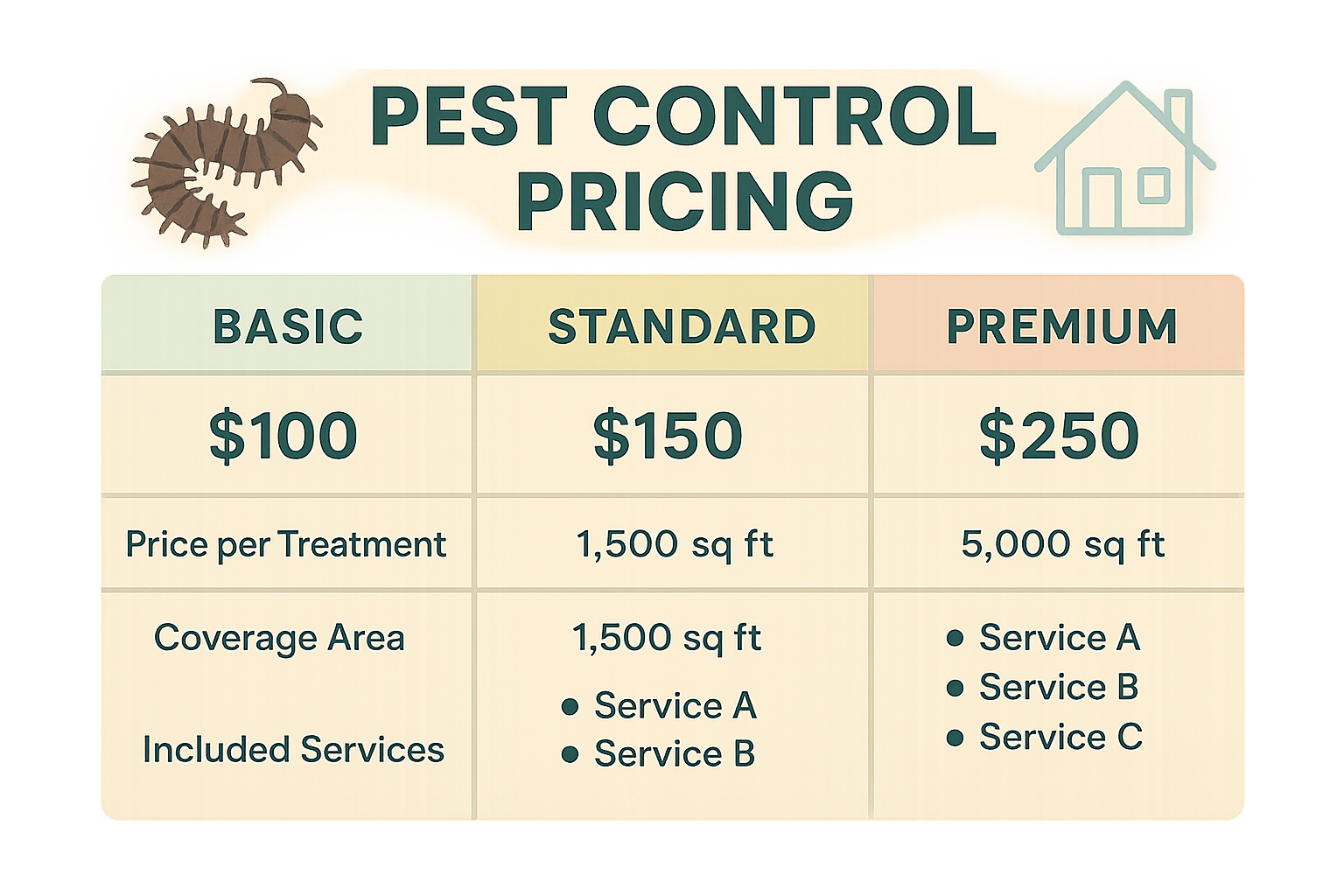
| Tier | Price per Treatment | Coverage Area | Included Services |
|---|---|---|---|
| Basic | $149 | Up to 2,500 sq ft | Perimeter spray, moisture assessment, one follow‑up visit |
| Standard | $229 | Up to 4,000 sq ft | All Basic services + soil drench, bait stations, detailed moisture‑control advice |
| Premium | $329 | Up to 6,500 sq ft | All Standard services + structural fumigation (if needed), priority scheduling, unlimited follow‑up visits for the season |
Benefits of Professional Service
Choosing Anthem Pest means you’re covered by a guarantee that DIY solutions simply can’t match. Our technicians use EPA‑approved chemicals that are proven effective against millipedes while remaining safe for children and pets when applied correctly. We also handle the moisture component—providing actionable advice and, when necessary, recommending dehumidifiers or drainage improvements to keep your yard dry and less inviting to these pests.
In addition, professional treatment offers consistent coverage. The barrier we create is designed to last through rainstorms and seasonal humidity spikes, reducing the chance of a re‑infestation. With transparent pricing and clear service tiers, you know exactly what you’re paying for—no hidden fees, no surprise visits.
Seasonal Activity and Timing Your Millipede Management
Millipedes follow a predictable life cycle that hinges on two primary environmental cues: moisture and temperature. In Holly Springs, Georgia, the warm, humid months trigger rapid breeding, while cooler, drier periods slow development and push the insects into a dormant state. Adults emerge in early spring, mate, and lay dozens of eggs that hatch within weeks when the soil stays moist. The juveniles molt several times, growing larger as they feed on decaying organic matter. Understanding this cycle helps homeowners anticipate when millipedes will be most active and when treatment will be most effective.
Seasonal Activity Chart
| Month | Activity Level |
|---|---|
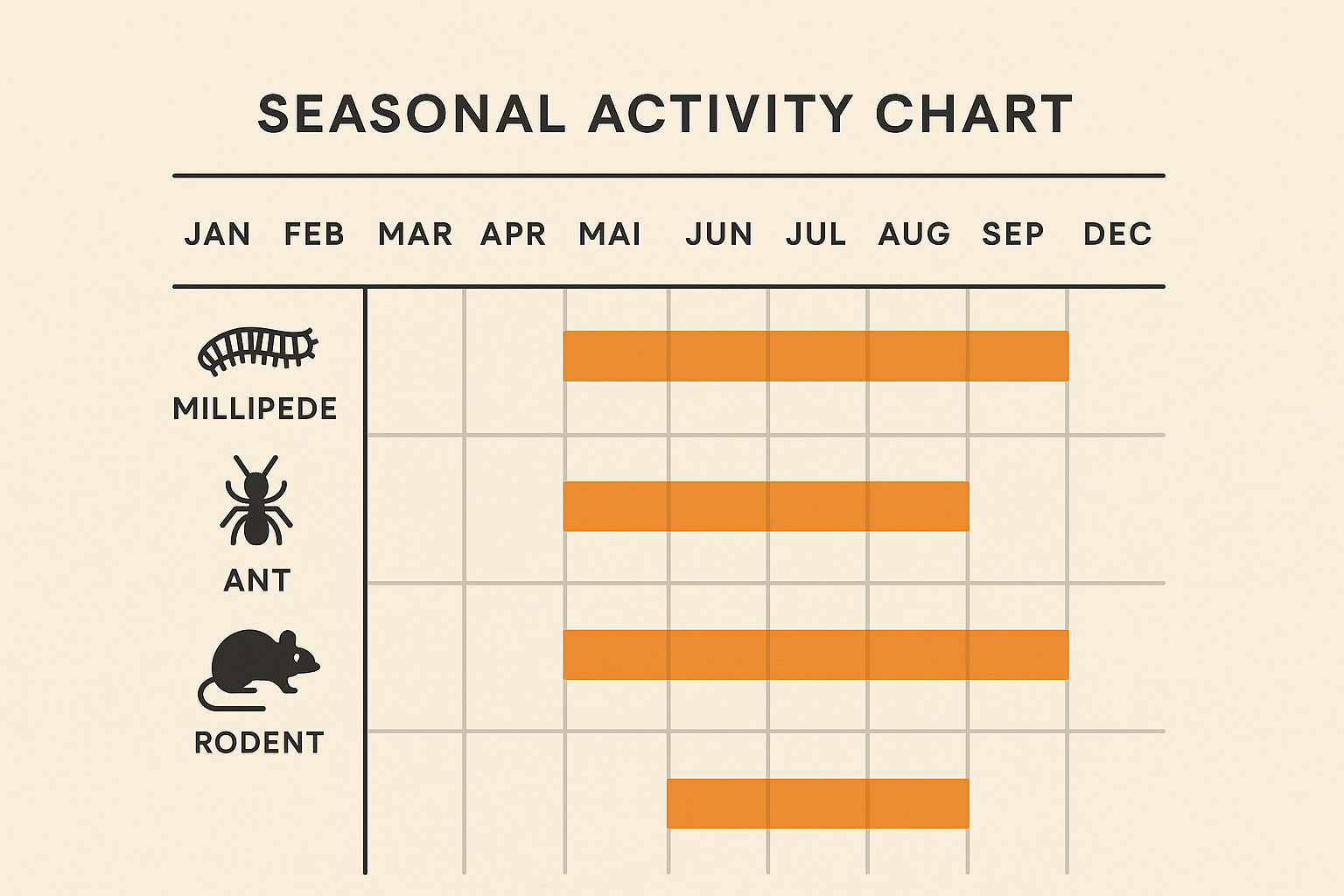
| January – February | Low (dormant) |
| March – April | Increasing (early emergence) |
| May – June | High (peak breeding) |
| July – August | High (continued activity) |
| September – October | Decreasing (pre‑dormancy) |
| November – December | Low (dormant) |
Timing Recommendations for Homeowners
Pre‑emptive treatment in early spring—Schedule an inspection as soon as soil temperatures consistently reach 55 °F (13 °C). Applying a perimeter barrier at this stage stops the first wave of adults from entering your yard and laying eggs.
Follow‑up after heavy rains—A sudden rain event can drive millipedes from the soil into homes and outdoor structures. A quick post‑storm treatment, especially around foundation cracks and mulch beds, reduces the surge of active insects.
Post‑treatment in late summer—By late August, the population begins to wind down. A final application helps eradicate any late‑season hatchlings before they seek shelter for winter, minimizing the chance of a spring resurgence.
Regional Climate Variations
While Holly Springs experiences a classic humid subtropical climate, neighboring counties farther north may see cooler springs and earlier dormancy. In those areas, push the pre‑emptive inspection back by two to three weeks. Conversely, in the southernmost parts of the state, warm temperatures can start as early as late February, so an early‑March visit may be warranted. Adjusting your schedule to local micro‑climates—such as low‑lying, moisture‑rich zones—ensures you’re treating millipedes when they’re most vulnerable.
Coordinating with Other Pest‑Control Programs
Millipedes often share the same landscape features that attract ants, termites, and other soil‑dwelling pests. Aligning your millipede service with existing ant or termite inspections maximizes efficiency and reduces the number of separate visits. For example, a spring termite barrier can be combined with a millipede perimeter spray, saving both time and money. Discuss a comprehensive yard‑care plan with Anthem Pest Control, and we’ll map out a calendar that tackles all seasonal threats in a single, streamlined approach.
Protect Your Home with Expert Millipede Control
Quick Recap
By now you should be able to spot millipedes, understand why they become a nuisance in Holly Springs, and know the basic steps you can take on your own—like sealing cracks, trimming vegetation, and removing excess moisture. While DIY measures can reduce numbers, a full‑scale infestation often requires a professional touch to protect both your garden and the interior of your home.
Why Choose Anthem Pest Control?
Anthem Pest Control brings years of local expertise to every millipede job. Our certified technicians know the specific habits of Georgia’s millipedes and use treatments that are both safe for children and pets and highly effective against the insects. We pride ourselves on transparent pricing—you’ll never encounter hidden fees, and our service plans are designed to fit a range of budgets without sacrificing quality.
Free Inspection & Personalized Quote
We understand that each property is unique. That’s why we offer a free, no‑obligation inspection. During the visit, we’ll assess the severity of the millipede activity, identify any underlying moisture or structural issues, and tailor a treatment plan just for you. After the inspection, you’ll receive a clear, itemized quote that outlines every step of the process.
Get Started Today
Ready to keep your garden and home millipede‑free? Our certified technicians are just a call away, offering prompt, affordable service tailored to your property. Give us a ring at 877‑371‑8196 to schedule your free inspection. We’ll arrive on time, explain the treatment options in plain language, and answer any questions you may have.
When you choose Anthem Pest Control, you’re not only hiring a pest‑removal service—you’re gaining a partner who cares about the long‑term health of your home and landscape. Our integrated approach combines immediate millipede control with preventative measures, so you enjoy a pest‑free environment season after season.
Don’t let millipedes turn your yard into a slippery, unsightly mess or find their way inside where they can cause moisture‑related damage. Let the professionals handle the problem so you can focus on what matters most—relaxing in a comfortable, pest‑free home.
Visit Anthem Pest Control for more information about our services and to read testimonials from satisfied homeowners across the region.