Millipede Sightings Spike in Lilburn After the Rain

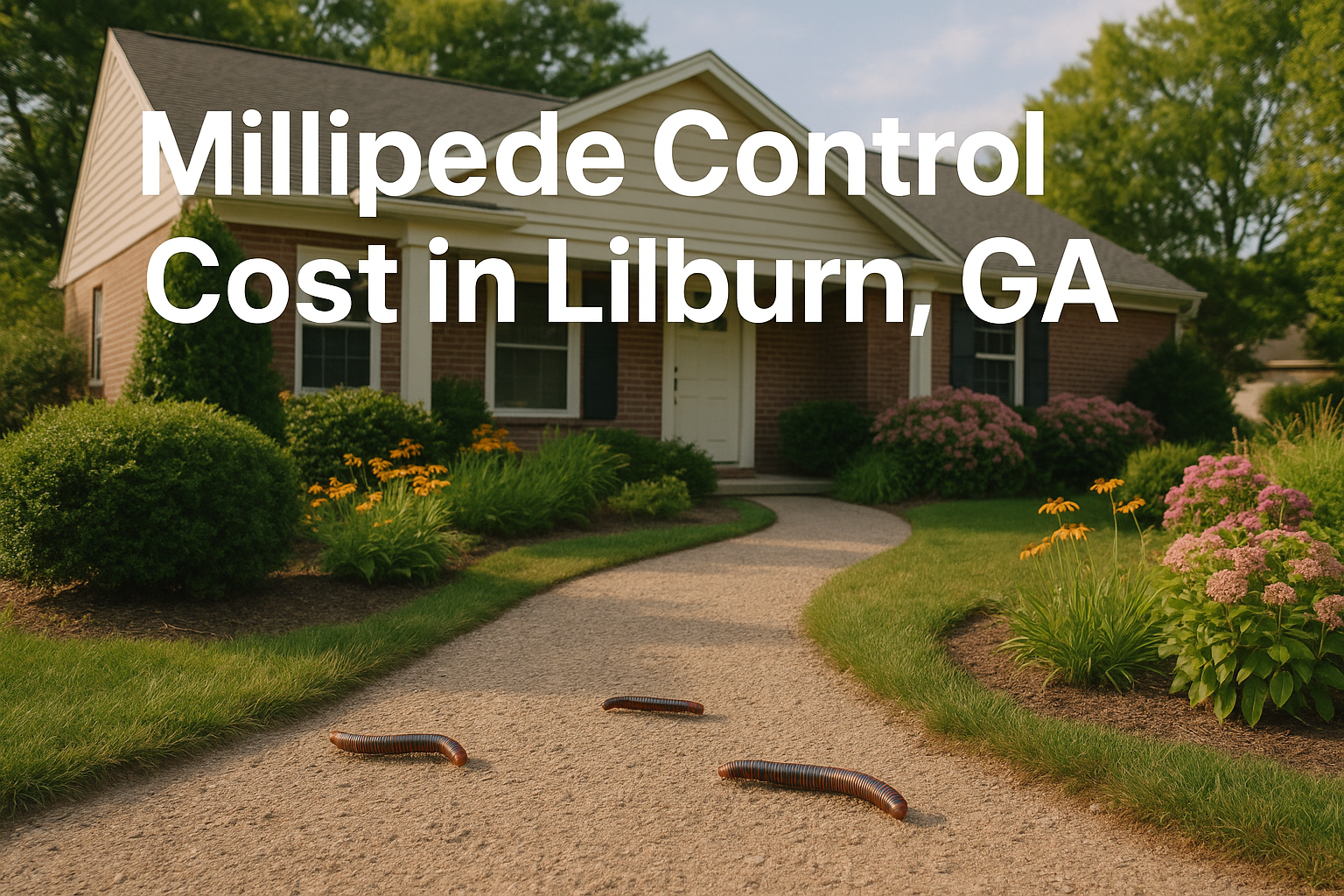
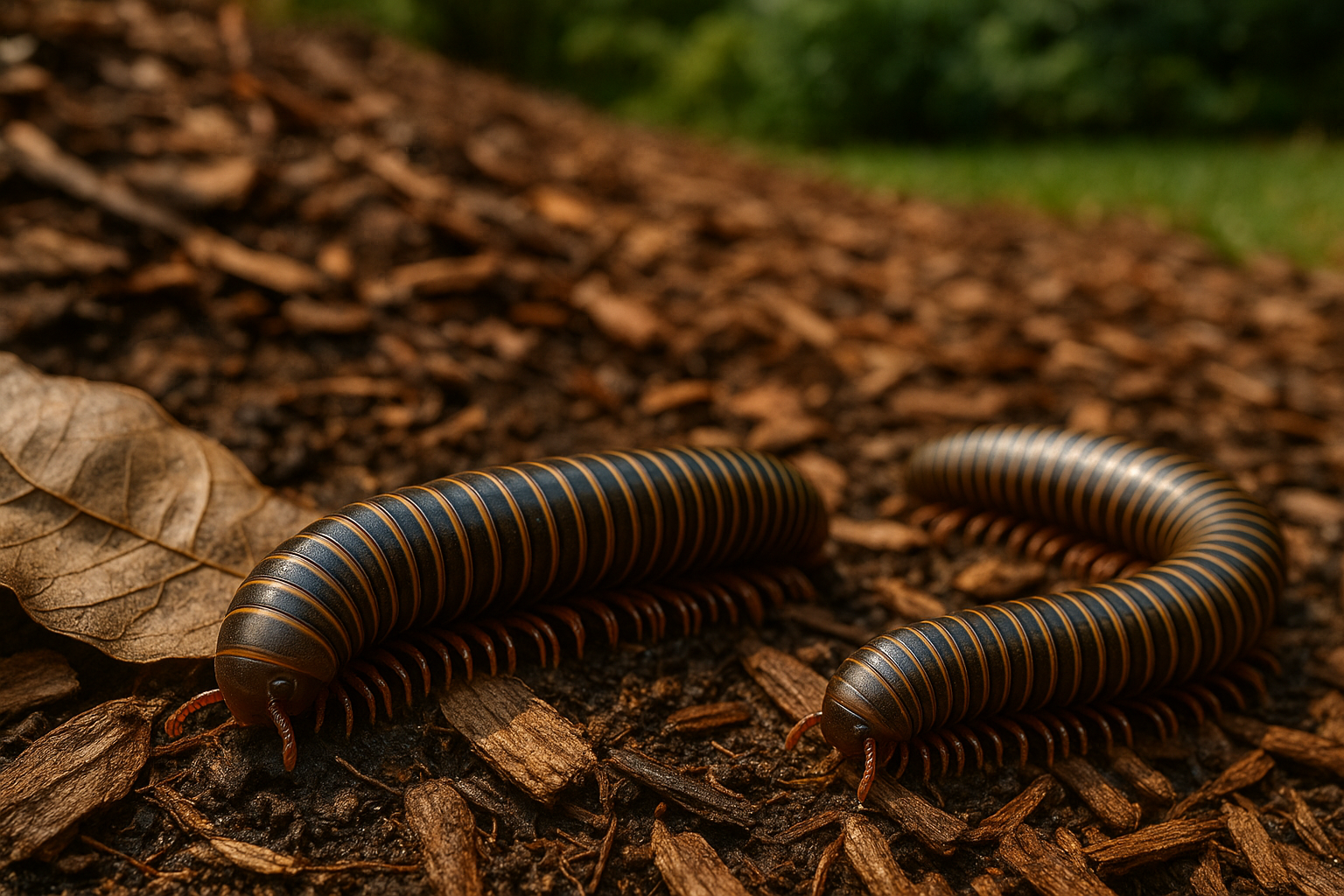
After an unusually wet spring in Georgia, Lilburn homeowners are reporting a dramatic uptick in millipede activity. The 2024 rainy season has turned gardens, sidewalks, and even foundation cracks into highways for these many‑legged insects. If you’ve started spotting long, segmented critters scurrying across your porch after the latest downpour, you’re not alone.
Millipedes are often misunderstood. In the wild they serve a vital role as decomposers, breaking down dead leaves and wood to enrich the soil. They’re completely harmless to people—no bites, no stings, and no disease transmission. The problem begins when they migrate indoors in search of the cool, moist environments that our homes unintentionally provide.
Why the sudden indoor invasion? Excess moisture saturates mulch, leaf litter, and the soil around your foundation, creating an ideal breeding ground. Cracks in exterior walls or gaps around windows act as entry points, allowing thousands of millipedes to slip inside. Once inside, they congregate in basements, crawl spaces, and even kitchens, where they can become a visual nuisance and a slip hazard.
In the sections that follow, we’ll walk you through everything you need to know to keep these unwelcome guests under control:
- Cost Breakdown: Transparent pricing for inspection, treatment, and follow‑up.
- Treatment Options: From targeted perimeter sprays to interior barriers.
- Local Climate Factors: How Lilburn’s weather patterns influence millipede behavior.
- FAQs: Answers to the most common homeowner questions.
- Selecting a Provider: What to look for in a reputable pest‑control partner.
Quick safety note: While millipedes won’t bite or sting, large congregations can make floors slippery and create an unsightly mess. Prompt, professional treatment not only restores the look of your home but also reduces the risk of accidental falls.
Why Millipedes Become a Problem in Lilburn
Lilburn sits squarely in the humid subtropical zone of the Southeast. With an average of 50‑55 inches of rain each year, warm summers that regularly climb into the high 80s °F and winters that rarely dip below freezing, the environment is a perfect incubator for millipedes. The moisture‑rich climate allows eggs to hatch quickly and populations to multiply throughout the growing season.
Moist Soil and Mulch
Local landscaping practices amplify that natural advantage. Homeowners often spread organic mulch and leave generous piles of leaf litter around foundations. These materials act like a sponge, holding water and creating a cool, dark refuge where millipedes can seek shelter during the day. The constant humidity in the soil encourages them to venture farther from the forest floor and into residential yards.
Common Entry Points
When the outdoor habitat becomes too crowded, millipedes look for the nearest exit—your home. The most frequent pathways include:
- Cracks and gaps in the concrete foundation.
- Improperly sealed door sweeps that leave a narrow gap at the threshold.
- Utility penetrations (pipes, vents) that are not wrapped with caulk or foam.
- Mulch beds that sit directly against the house, providing a moist bridge.
Even a hairline crack can become a highway for thousands of tiny arthropods, especially after a heavy rain when the ground is saturated and the insects are searching for drier ground.
Real‑World Example
Neighbors in the East Lilburn and Brookside neighborhoods reported a noticeable spike in millipede sightings after the September 2023 storm system dumped over 8 inches of rain in 48 hours. Residents described “rivers” of millipedes spilling out of mulch beds and crawling across patios, doorways, and even inside kitchens.
According to the Georgia Department of Agriculture pest report for 2023, homeowner calls for millipede issues rose by 22 % compared with the previous year. This surge underscores how quickly the combination of rain, mulch, and small foundation gaps can turn a harmless garden dweller into a household nuisance.
Once inside, millipedes are attracted to the cool, damp spaces beneath kitchen sinks, laundry rooms, and basement foundations. While they don’t bite or damage structures, their sheer numbers can clog drains, leave silvery trails on floors, and trigger allergic reactions in sensitive individuals. Understanding the environmental triggers helps homeowners work with professionals like Anthem Pest Control to seal entry points, reduce mulch moisture, and apply targeted perimeter treatments before populations explode.
Treatment Options for Millipedes
Barrier Treatments
Barrier treatments are the cornerstone of long‑term millipede control. Technicians apply an EPA‑registered perimeter spray—commonly a bifenthrin‑based formulation—directly to the foundation, footing, and any cracks where insects can enter. The chemical creates an invisible shield that kills millipedes on contact as they crawl toward your home.
In Lilburn, we recommend a quarterly re‑application schedule to stay ahead of the rainy season when millipedes are most active. The typical cost runs about $120‑$150 per acre, which translates to roughly $80‑$120 for an average single‑family lot. This investment pays off quickly: a study by the National Pest Management Association (NPMA) showed an 85 % reduction in millipede activity after the first barrier treatment.
Indoor Spot Treatments
If you’ve already spotted millipedes inside, a targeted indoor spot treatment can knock them out fast. Professionals use a low‑toxicity spray applied directly to baseboards, under appliances, and in wall voids where the insects congregate. These products are approved for indoor use and leave no lingering odor.
Safety note: Follow the CDC’s pesticide exposure guidelines—keep children and pets out of treated areas for at least two hours, and ventilate rooms thoroughly before re‑occupying them.
Non‑Chemical Controls
Reducing the conditions that attract millipedes is a smart, cost‑free complement to any chemical program. Start with a quick homeowner checklist:
- Fix leaky gutters and downspouts to stop excess moisture around the foundation.
- Regrade soil away from the house to improve drainage.
- Replace wood mulch with stone or gravel, especially near the perimeter.
- Rake away leaf litter and decaying organic matter each week.
- Install door sweeps on all exterior doors to block entry points.
Comparison of Millipede Control Methods
| Method | Pros | Cons | Effectiveness | Typical Cost |
|---|---|---|---|---|
| Barrier Treatments | Long‑lasting protection; works outdoors and prevents entry | Requires professional application; quarterly re‑treatments | 85 % reduction after first application | $80‑$120 per home |
| Indoor Spot Treatments | Quick knock‑down of visible insects; safe for indoor use | Only treats existing infestations; may need repeat visits | 70‑80 % immediate kill rate | $50‑$90 per visit |
| Non‑Chemical Controls | No chemicals; improves overall home health; low cost | Requires homeowner effort; slower to see results | 30‑50 % reduction when combined with other methods | Free to <$150 for landscaping adjustments |
What a Professional Barrier Treatment Looks Like
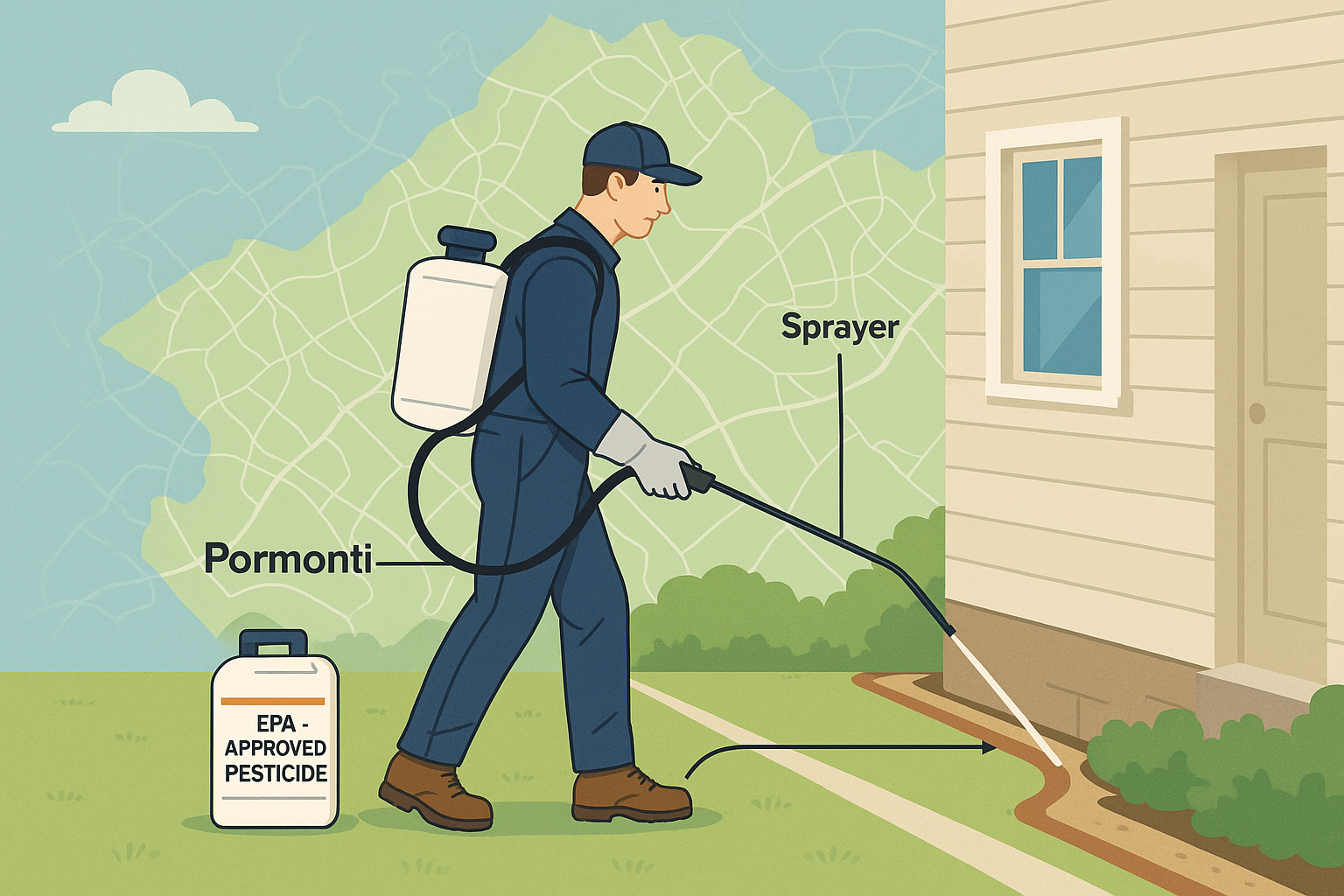
In the illustration above, a certified Anthem Pest technician walks the perimeter with a calibrated sprayer, ensuring even coverage around the foundation, crawl spaces, and any vulnerable entry points. This meticulous approach creates a continuous chemical barrier that stays effective through the wet months when millipedes are most likely to seek shelter inside your home.
Detailed Cost Breakdown for Lilburn Homeowners
When you’re budgeting for millipede control, knowing exactly where every dollar goes can turn a vague estimate into a confident decision. Below you’ll find the transparent pricing structure Anthem Pest uses for a typical 1,500‑sq‑ft home in Lilburn, GA, plus a side‑by‑side look at what the two biggest national competitors charge. Use the quick calculator table to see how each line item adds up for your situation.
Base Service Fee
The core of any millipede control job is the base service fee. Anthem Pest charges between $120 and $180 for a standard 1,500‑sq‑ft residence. This fee covers a thorough exterior inspection, a full‑coverage perimeter spray, and a one‑hour interior spot check to locate any hidden activity. The range reflects variations in property layout, landscaping density, and the specific millipede species present.
Perimeter Treatment Add‑On
If your home has a larger foundation or you simply want extra peace of mind, you can add a dedicated perimeter treatment. The cost is calculated at $0.10‑$0.15 per linear foot. The average Lilburn home has roughly 120 ft of foundation wall, which translates to an additional $12‑$18. This add‑on applies a thicker barrier along the baseboard, helping to keep millipedes from crossing onto your porch or deck.
Quarterly Maintenance Plan
For homeowners who prefer a set‑and‑forget approach, Anthem offers a Quarterly Maintenance Plan priced between $180 and $250 per year. The plan includes two seasonal barrier applications (spring and fall) plus one interior spot check each quarter. By refreshing the treatment four times a year, you stay ahead of the millipede life cycle and reduce the chance of a re‑infestation.
One‑Time Emergency Visit
Sometimes millipedes show up after a heavy rain or a landscaping change. If you need a same‑day response outside regular business hours, Anthem charges a one‑time emergency fee of $90‑$120. This fee covers the technician’s travel, after‑hours labor, and an expedited treatment, ensuring you’re not left waiting until the next scheduled visit.
Competitor Pricing Comparison
To give you a full picture, here’s what the two national rivals list on their public service pages for a comparable 1,500‑sq‑ft home in the Lilburn area:
- Terminix: Base fee $130‑$190, perimeter add‑on $0.12‑$0.18 per foot, quarterly plan $200‑$270, emergency visit $95‑$130.
- Orkin: Base fee $140‑$200, perimeter add‑on $0.11‑$0.16 per foot, quarterly plan $210‑$280, emergency visit $100‑$135.
These ranges are pulled directly from the companies’ online pricing calculators and service brochures, which are publicly available on their respective websites.
| Service | Anthem Price | Terminix | Orkin |
|---|---|---|---|
| Base Service (1,500 sq‑ft) | $120‑$180 | $130‑$190 | $140‑$200 |
| Perimeter Add‑On (120 ft) | $12‑$18 | $14‑$22 | $13‑$19 |
| Quarterly Maintenance (annual) | $180‑$250 | $200‑$270 | $210‑$280 |
| One‑Time Emergency Visit | $90‑$120 | $95‑$130 | $100‑$135 |
Putting It All Together – Sample Calculation
Let’s walk through a typical scenario. Imagine a Lilburn homeowner opts for the base service, adds the perimeter treatment, and signs up for the quarterly maintenance plan. Using the mid‑range of Anthem’s pricing, the math looks like this:
- Base Service: $150
- Perimeter Add‑On: $15
- Quarterly Maintenance (annual): $215
The total annual investment comes to $380. If an unexpected rainstorm forces an emergency visit later in the year, add another $105 and the yearly cost rises to $485. Compare that to Terminix’s mid‑range total of roughly $530 and Orkin’s $560, and you can see how Anthem delivers a competitive edge without hidden surprises.
Potential Hidden Fees
Transparency means flagging any extra charges before they appear on the invoice. In the millipede world, you might encounter:
- Disposal Fees: If a severe infestation requires removal of large debris or mulch, a modest $20‑$40 disposal surcharge may apply.
- Travel Distance: Homes located more than 15 miles from the nearest Anthem service hub could see a $10‑$25 mileage fee.
- Additional Treatments: Extremely high millipede populations sometimes need a supplemental interior fogging session, billed at $50‑$80 per occurrence.
All of these potential add‑ons are disclosed during the initial estimate, so you never face an unexpected line item after the job is done.
By breaking down each component, showing a side‑by‑side competitor view, and providing a simple calculator, Anthem Pest makes it easy for Lilburn homeowners to budget confidently for millipede control. If you have specific dimensions or unique concerns, give us a call at 877‑371‑8196 or visit anthempest.com for a personalized quote.
Seasonal Timing and Savings Opportunities
Millipedes in Lilburn become most active when the soil is moist and the temperature climbs above 60°F. By aligning your treatment with the two natural lull periods—early spring before the summer rains and early fall after the peak rains—you can stop the insects before they breach your home’s foundation.
Best treatment windows
- March – May: Soil is warming but the heavy summer showers haven’t started yet. A barrier applied now creates a protective moat that stops millipedes from migrating upward.
- September – October: The first autumn rains have softened the ground, prompting a second wave of activity. Treating during this window catches any stragglers that survived the summer.
Anthem Pest “Early‑Season Discount”
Anthem rewards proactive homeowners with a 10 % discount on barrier treatments booked before May 15. The discount is automatically applied when you schedule online or mention it during the call. (Check the Anthem website for the most current offer details.) This incentive not only lowers your upfront cost but also encourages you to act while the pest pressure is still low.
How timing cuts repeat visits
When a barrier is installed at the start of the season, millipedes are blocked from entering crawl spaces, basements, and garage doors. Homeowners who wait until an infestation is visible often need multiple spot‑treatments to eradicate the problem. By preventing entry, you can avoid up to $75 – $100 in additional service fees each year, according to Anthem’s field data.
In Lilburn, March‑May usually brings daytime highs of 68‑75°F and occasional showers that keep the ground damp but not saturated. This moderate moisture level is perfect for a perimeter barrier to soak into the soil and form a continuous shield. Conversely, September‑October sees cooler nights and a second rain pulse that pushes any remaining millipedes deeper into the yard. Treating during these windows maximizes product absorption, meaning you get the full value of each application without having to re‑apply later in the season.
Quick tip
Call Anthem Pest at 877‑371‑8196 to arrange a pre‑season inspection. The technician will assess soil moisture, entry points, and existing landscaping, then lock in the Early‑Season Discount and provide a customized treatment plan tailored to your property.
Frequently Asked Questions
Q1: Are millipedes harmful to humans?
Millipedes do not bite, sting, or carry diseases that affect people. They are primarily a nuisance when they gather in large numbers inside homes, especially after heavy rain. Because they lack venomous mouthparts, the risk of a direct health impact is virtually nil. For a trusted health perspective, see the CDC’s pest‑related health information.
Q2: How long does a barrier treatment last?
A professionally applied barrier treatment typically remains effective for 8–12 weeks. The exact duration depends on factors such as soil type, rainfall, and how well the homeowner manages moisture around the foundation. Maintaining proper drainage and fixing leaks can extend the protection window. Detailed guidance on treatment longevity and safety can be found on the EPA’s pesticide safety page.
Q3: Can I handle millipedes myself?
DIY methods—like reducing excess moisture, sealing entry points, and manually removing visible millipedes—may help with a light presence, but they rarely eradicate a sizable infestation. Over‑the‑counter sprays often lack the residual power needed for long‑term control and may pose health risks if misused. For most homeowners, especially those dealing with recurring or large populations, a professional treatment offers reliable, lasting results. Review the EPA’s list of approved pest‑control products before attempting any DIY approach.
How to Choose a Local Millipede Provider
When millipedes start invading your yard, the right professional can make the difference between a quick fix and a recurring problem. Use the short checklist below to weed out fly‑by‑night operators and find a service that truly protects your home.
A reliable partner will also offer a follow‑up inspection to confirm the treatment’s success.
- Valid Georgia pest‑control license. A state‑issued license proves the technician has completed the required training and adheres to local regulations.
- Use of EPA‑approved products. Only chemicals cleared by the Environmental Protection Agency are safe for children, pets, and the surrounding ecosystem.
- Positive local reviews on Google or Yelp. Consistent five‑star feedback from Lilburn residents indicates reliable service and honest communication.
- Transparent, itemized quotes. A detailed estimate that breaks down labor, materials, and follow‑up visits prevents surprise charges later.
Anthem Pest checks every box on that list. As a fully licensed Georgia operator, we employ only EPA‑approved treatments and provide homeowners with clear, itemized proposals before any work begins. Our 24‑hour hotline ensures you can reach a qualified technician whenever a millipede surge occurs, and our 100 % satisfaction guarantee means we won’t consider the job done until you’re completely pest‑free.
“Anthem’s technician arrived on time, explained every step, and our yard has been millipede‑free ever since.” – Sarah M., East Lilburn
Choosing a local provider isn’t just about price; it’s about peace of mind. By following the checklist and selecting a company like Anthem Pest that demonstrates licensure, product safety, strong community reviews, and transparent pricing, you’ll protect your home and avoid costly repeat treatments.
Take Action with Anthem Pest Control Today
When it comes to millipede control in Lilburn, you get transparent pricing, proven treatment options, and timing that matches the seasonal surge. Our plans are designed to keep costs predictable while delivering reliable protection, so you know exactly what you’re paying for and when you’ll see results.
Anthem’s technicians live and work in Lilburn, so they understand the local climate, soil conditions, and the most common entry points that millipedes exploit. This local insight lets us target the problem where it starts—around foundations, doorways, and moisture‑rich zones—ensuring a thorough, lasting solution.
Ready to protect your home? Call 877‑371‑8196 for a free, no‑obligation estimate, or visit our website to schedule your service online. Our friendly staff will walk you through the process, answer any questions, and set up a treatment that fits your schedule.
Whether you need a one‑time barrier treatment to stop an immediate invasion or a full‑service maintenance plan for year‑round peace of mind, Anthem Pest Control tailors each solution to your budget and comfort level. We combine safe, EPA‑approved products with a proactive approach, so you can enjoy a pest‑free home without worrying about hidden fees or ineffective fixes.
Take the first step today—visit Anthem Pest Control and let our local experts handle the millipede menace for you.