What Are Millipedes and Why They Matter in Roswell, GA
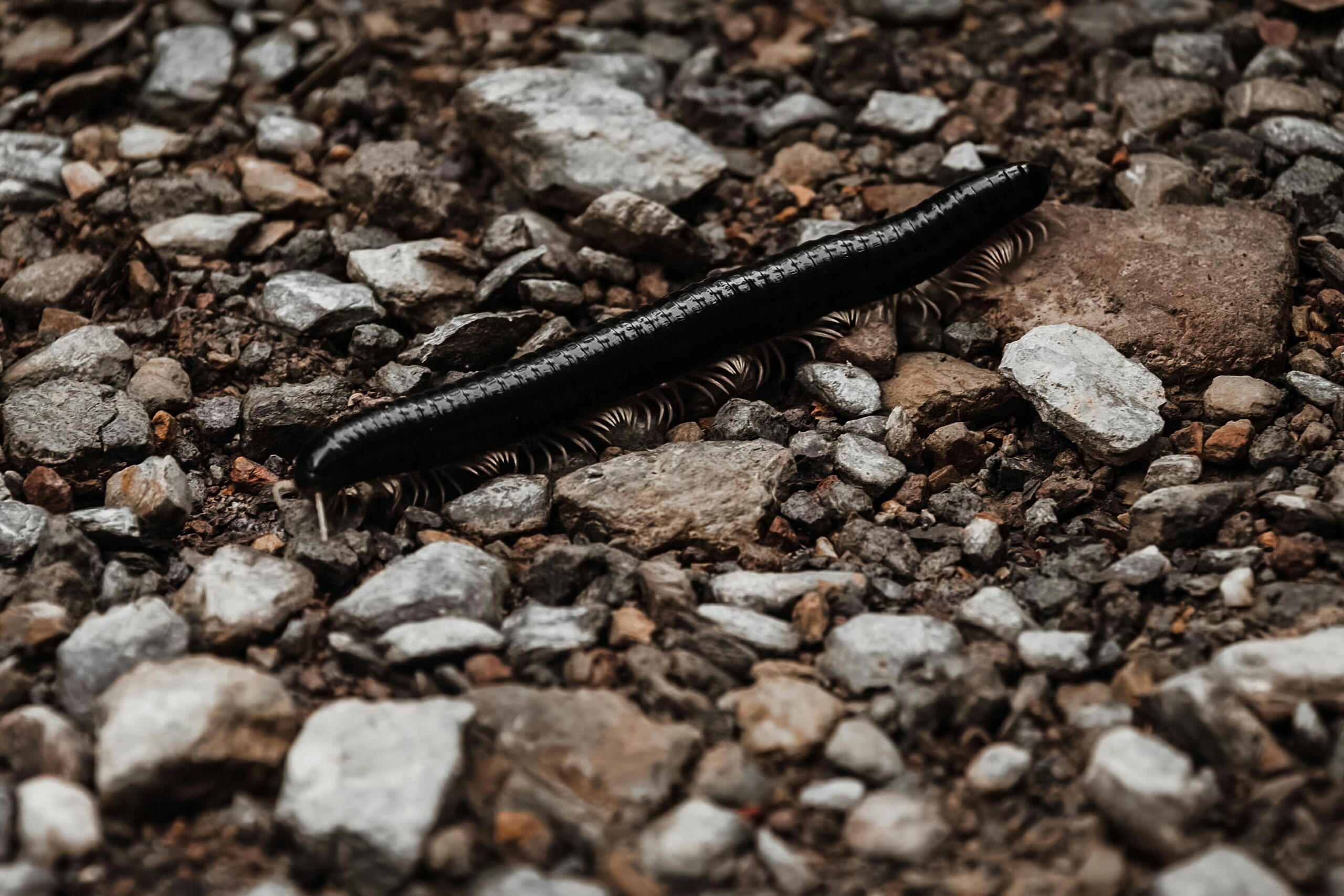
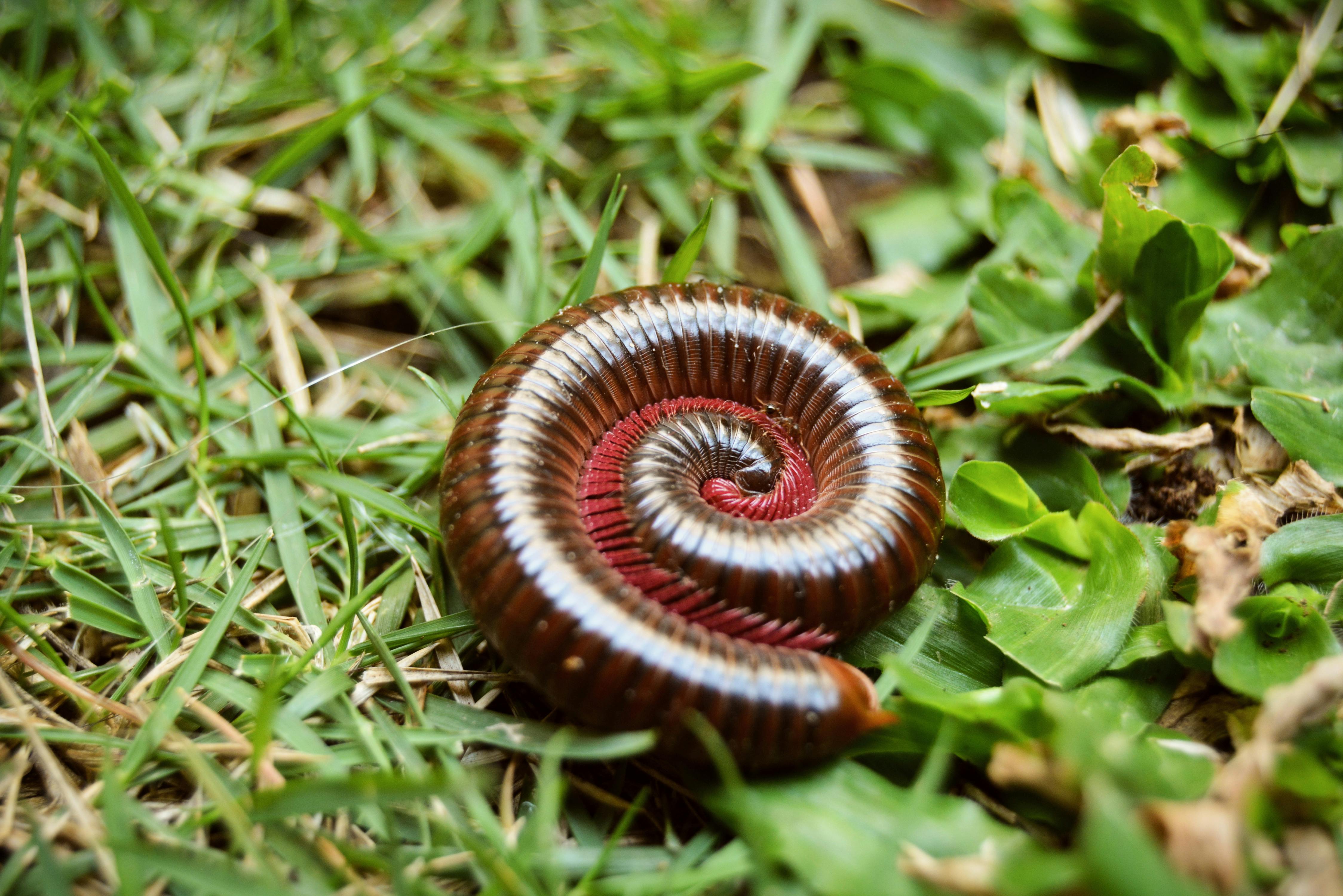
Millipedes are elongated arthropods most easily recognized by their many body segments and the two pairs of legs that spring from each segment. Unlike centipedes, which have one pair per segment and move quickly, millipedes are slow‑moving detritivores that feed on decaying plant material. Their segmented, cylindrical bodies can range from a few centimeters to over 30 cm in length, and the number of legs can exceed 300, giving them the “thousand‑legged” nickname.
Common Georgia Species and Where You’ll Find Them
In the Roswell area you’ll most often encounter the Polydesmus angustus (the flat‑backed millipede) and the Oxidus gracilis (the greenhouse millipede). Both thrive in moist, shady environments—think leaf litter, garden mulch, compost piles, and the damp spaces beneath decks or stone walls. After a rainy spell, these habitats become bustling highways for millipedes as they search for food and shelter.
Harmless Helpers vs. the Few Problematic Species
For the majority of homeowners, millipedes are harmless allies that accelerate the breakdown of organic matter, enriching soil health. Only a handful of species—such as the Armadillidium vulgare (pill millipede)—have been known to cause structural concerns. These larger, moisture‑loving millipedes can congregate in massive numbers and, if they infiltrate crawl spaces or basements, may create moisture‑related issues that weaken wood or encourage mold growth.
Why Millipedes Can Become a Nuisance
- Swarming behavior: When conditions are ideal, millipedes emerge in swarms that can overwhelm patios, decks, and entryways.
- Home infiltration: Small cracks around foundations, windows, and doors provide easy access. Once inside, they can crawl across floors, walls, and even into stored food areas.
- Potential damage: While they don’t chew wood like termites, large congregations can retain moisture against foundations, accelerating rot and creating conditions favorable for other pests.
- Landscaping impact: In garden beds, dense millipede populations may strip away leaf litter, reducing the protective mulch layer and exposing plant roots.
Health Concerns to Keep in Mind
Millipedes are not disease vectors, but they can trigger allergic reactions in sensitive individuals. Their defensive secretions—often a milky fluid—contain compounds that may irritate skin or eyes. In rare cases, these secretions can contaminate food surfaces, leading to unpleasant odors and the need for thorough cleaning.
Seasonal Patterns of Millipede Activity in Georgia
Understanding when millipedes are most active helps you time inspections and treatments for maximum impact and cost‑efficiency. Below is a line graph that tracks millipede sightings from January through December across the Metro Atlanta area, giving a clear visual of the yearly ebb and flow.
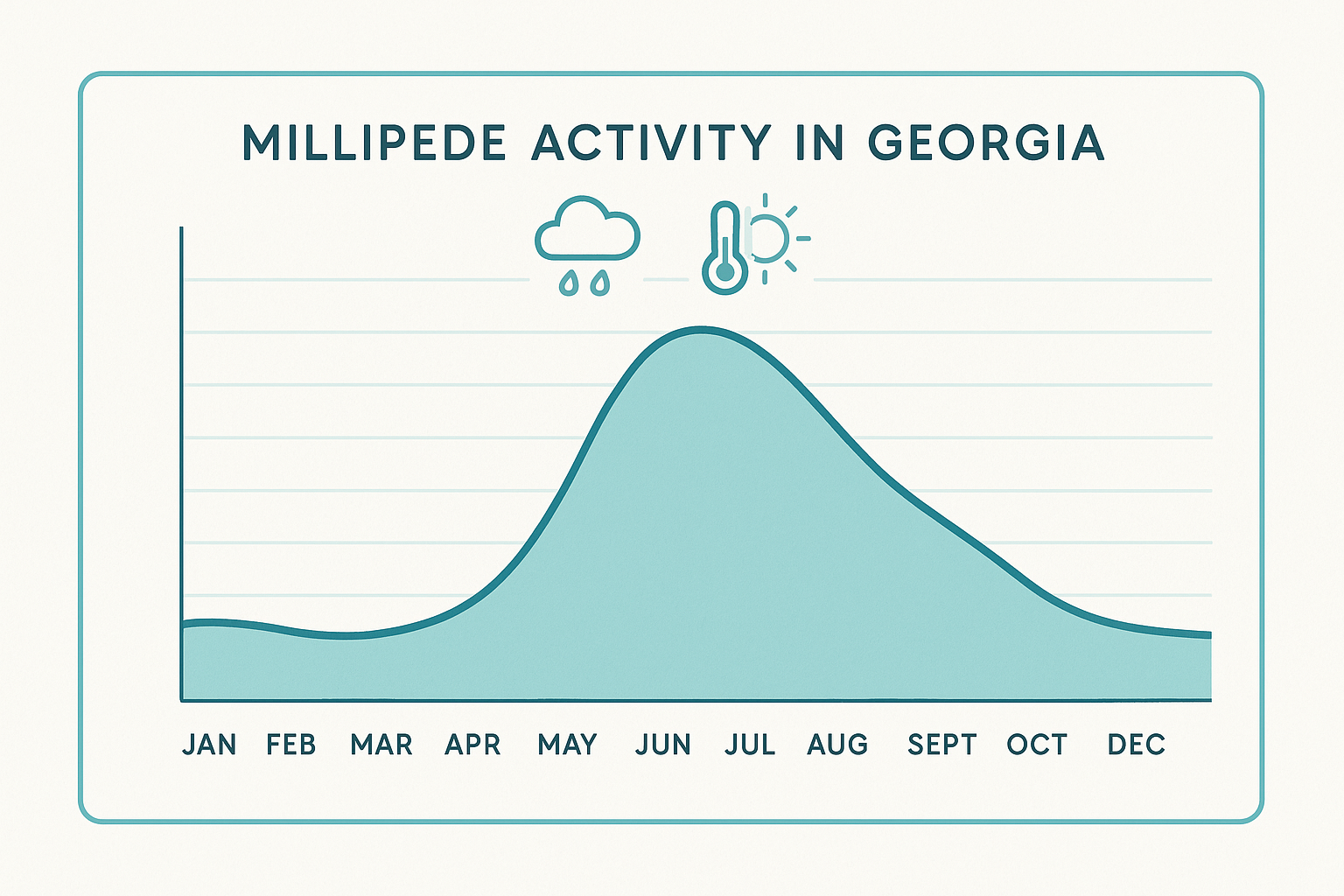
Notice how the line climbs steadily after the March thaw, hits its highest point in July, then tapers off as temperatures dip in October. The sharp dips in January and February reflect the insects’ dormant state.
Peak Activity: Late Spring to Early Fall
From May to September the graph spikes sharply. Warm temperatures—generally above 65 °F (18 °C)—combined with frequent summer rain create the perfect conditions for millipedes to emerge from the leaf litter and soil. Moisture softens the ground, making it easier for them to travel, and the heat accelerates their reproductive cycle. Homeowners often notice the most indoor incursions during this window, especially after a heavy thunderstorm.
Temperatures above 75 °F (24 °C) accelerate feeding, while humidity levels above 60 % create a moist micro‑environment that encourages breeding. This combination explains why neighborhoods near wooded areas see the densest populations during midsummer.
Rain‑Driven Surges
Heavy rain events act like an evacuation alarm for millipedes. When the soil becomes saturated, they crawl upward to avoid drowning, and many end up inside basements, crawl spaces, or entryways. A single downpour can increase indoor sightings by 30‑40 % within 24 hours.
Low‑Activity Periods: Winter
From December through February activity drops dramatically. Cooler, drier conditions drive millipedes back into deeper soil layers where they become dormant. This lull is an ideal time for preventive treatments—soil‑applied barriers and perimeter sprays can be placed before the insects awaken, reducing the amount of product needed later in the season and lowering overall costs.
Applying a perimeter barrier in February locks the treatment into the soil before the first freeze, ensuring the chemical remains active when millipedes resume activity in spring.
Actionable Tip
Schedule a professional inspection before the first substantial rain of the year—typically late March or early April in Marietta. Early detection lets Anthem Pest Control apply a pre‑emptive barrier, curbing the summer surge before it starts and keeping your home pest‑free without the premium price of emergency treatments.
How Millipedes Invade Your Home and Warning Signs

Common Entry Routes
Millipedes are opportunistic travelers. They slip through the smallest cracks in your foundation, especially after a heavy rain when the soil softens. Gaps around doors, windows, and utility vents act like open doors for them, and a layer of mulch placed directly against the foundation creates a moist bridge they love to cross.
Even the tiniest opening—about the width of a pencil—can become a highway for these nocturnal crawlers. If you’ve recently installed new siding or repaired a porch, double‑check the sealant; unfinished seams are prime invitation points.
Signs of an Infestation
Early warning signs are subtle but unmistakable. Look for clusters of dead millipedes near suspected entry points; they often die in groups after a night’s foraging. Slime trails—silky, white‑gray lines left behind as they secrete moisture—can appear on windowsills, baseboards, or the exterior of your home.
While millipedes don’t chew wood like termites, a high‑density population can cause minor abrasion to wooden siding and garden beds. If you notice small, irregular scratches on painted surfaces or a faint, musty odor near mulch, it’s time to investigate further.
Impact on Irrigation and Soil
Because millipedes thrive in damp environments, they often congregate around irrigation heads, drip lines, and sprinkler emitters. Their movement can dislodge soil, leading to localized erosion around the foundation. Over time, this erosion creates larger gaps for more insects to enter and may even affect the stability of your footing.
In extreme cases, clogged sprinkler nozzles from millipede bodies can reduce water pressure, causing uneven watering of your lawn and garden beds. This not only stresses your plants but also encourages the moist conditions millipedes love.
DIY Inspection Checklist
- Perform a visual walk‑around after a rainstorm; focus on the foundation, door frames, and window sills.
- Feel for excess moisture in low‑lying areas—wet soil or damp wood often signals a welcoming environment.
- Examine mulch depth; keep it at least 6 inches away from the house and turn it regularly to promote drying.
- Look for slime trails or clusters of dead millipedes near vents, utility openings, and the base of exterior lights.
- Check irrigation heads for blockages or soil buildup that could harbor millipedes.
When to Call a Professional
If you continue to see millipedes after rain, especially in large swarms, the problem has likely moved beyond a simple DIY fix. Visible damage to siding, persistent slime trails, or noticeable soil erosion around the foundation are clear signals that a professional assessment is needed.
Anthem Pest Control can identify hidden entry points, treat the infestation with safe, targeted products, and implement a prevention plan that protects your home year‑round. When the sightings become frequent or the damage escalates, give us a call at 877‑371‑8196 or visit anthempest.com for a fast, transparent quote.
Millipede Control Methods and Pricing Options
Effective Treatment Strategies
Millipedes thrive in moist, shady environments, so the most reliable way to keep them at bay is to attack both the insects and the conditions they love. The four primary methods used by professionals are:
- Perimeter barrier treatments – A residual spray applied around the home’s foundation creates a chemical shield that repels millipedes before they reach the house.
- Soil drenches – A low‑volume, long‑lasting insecticide is mixed into the top few inches of soil, targeting millipedes that hide underground.
- Bait stations – Strategically placed bait attracts millipedes, allowing the active ingredient to work directly on the pests while minimizing exposure to people and pets.
- Habitat modification – Reducing excessive mulch, clearing leaf piles, and improving yard drainage removes the moisture that millipedes need to survive.
DIY Sprays vs. Licensed Professional Applications
Many homeowners consider a do‑it‑yourself spray from a hardware store. While a DIY approach can feel economical, it has notable drawbacks:
- Coverage – Home‑grown applications often miss hidden entry points, leaving gaps in protection.
- Product safety – Over‑application or misuse of chemicals can pose health risks to children and pets.
- Longevity – Consumer‑grade products typically lose effectiveness after a few weeks, requiring frequent re‑applications.
Professional services, on the other hand, bring:
- Licensed technicians trained to identify millipede hotspots.
- Access to EPA‑approved, higher‑efficacy formulations.
- Guaranteed treatment plans that include follow‑up visits and warranty coverage.
Anthem Pest Control’s Standard Service Package
Anthem Pest Control offers a comprehensive “Millipede Mastery” package that includes a thorough inspection, a full‑property perimeter barrier, a targeted soil drench, and a post‑treatment follow‑up. The package is designed to eliminate current infestations and prevent future ones, all while keeping safety at the forefront.
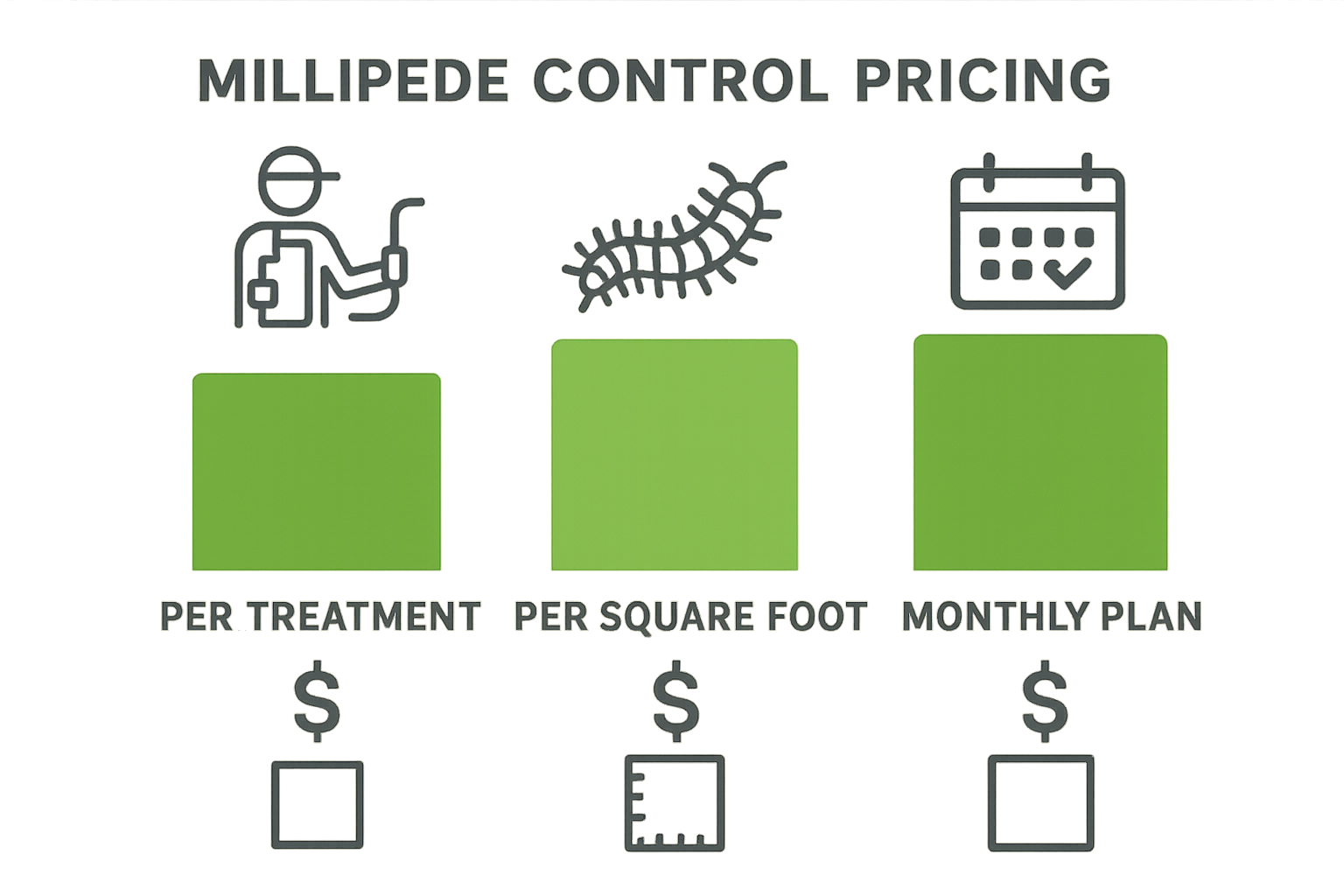
Pricing Tiers Explained
| Tier | Visits per Year | Guarantee Period | Warranty | Cost per Treatment | Cost per Sq ft | Monthly Plan |
|---|---|---|---|---|---|---|
| Basic | 1 | 30 days | 6 months | $120 | $0.15 | $15/mo |
| Standard | 2 | 60 days | 12 months | $210 | $0.12 | $22/mo |
| Premium | 4 | 90 days | 24 months | $360 | $0.10 | $35/mo |
Each tier bundles the same high‑quality chemicals and expert application; the differences lie in frequency, guarantee length, and the added peace of mind that comes with a longer warranty.
Tips to Maximize Value
- Combine millipede treatment with other seasonal services—such as ant or mosquito control—to spread the cost across multiple pest programs.
- Schedule your first treatment during the off‑peak months (late fall or early spring). Anthem often offers 10‑15 % discounts when demand is lower.
- Maintain a tidy yard: keep mulch no deeper than two inches, trim vegetation away from the foundation, and fix any drainage issues. A well‑kept landscape reduces the number of follow‑up visits needed.
- Ask for a bundled quote that includes a one‑year warranty; this protects you from unexpected re‑infestations without extra fees.
Protect Your Home with Professional Millipede Control
Why Millipedes Become a Problem in Marietta
Millipedes gravitate toward homes in Marietta and neighboring Roswell when the soil stays moist and foliage provides shelter. Heavy rains in early spring and late summer push them out of the yard, and they often end up clustering near foundations, doorways, and windows. While they’re harmless to humans, their sheer numbers can be unsettling and may signal underlying moisture issues that invite other pests.
Seasonal Window for Effective Treatment
The optimal time to intervene is during the early‑spring surge (March‑May) and again in late summer (August‑September). Treating before millipedes enter their dormancy period ensures the barrier remains active when they’re most likely to seek refuge inside your home. Delaying treatment can allow populations to establish, making control more costly and less efficient.
Benefits of Professional Inspection and Barrier Treatment
- Safety first: Licensed technicians apply EPA‑approved products that are safe for pets and children, eliminating the guesswork of DIY chemicals.
- Proven effectiveness: A thorough inspection identifies moisture hotspots, cracks, and entry points that DIY methods miss, allowing a targeted barrier that stops millipedes before they cross your threshold.
- Long‑term protection: Professional barriers are formulated to last several months, reducing the need for frequent re‑applications and giving you peace of mind year‑round.
- Cost efficiency: Early, professional intervention prevents larger infestations that could require multiple treatments and higher labor costs.
Why Anthem Pest Control Stands Out
Anthem Pest Control combines local expertise with transparent pricing. Our technicians know the micro‑climates of Marietta, so they can pinpoint exactly where millipedes are likely to breach your home’s defenses. Every quote is clear—no hidden fees, no surprise add‑ons. We use a data‑driven approach, applying the right product at the right dose, which protects your family, pets, and the environment.
Take the First Step Toward a Millipede‑Free Home
If you’re noticing millipedes gathering around your home or want to prevent a future invasion, let the experts at Anthem Pest Control handle it. Our licensed technicians will assess your property, recommend the most effective treatment plan, and protect your home year‑round. Call us today at 877‑371‑8196 for a free, no‑obligation quote, or visit Anthem Pest Control to schedule your inspection.