Mosquito Risks for Canton Homeowners
Living in Canton, Georgia means enjoying a warm climate, lush greenery, and plenty of outdoor space—perfect for family barbecues and backyard gatherings. Unfortunately, those same conditions also create an ideal playground for mosquitoes, turning a pleasant evening into an itchy, uncomfortable ordeal. Understanding why mosquitoes are more than just a nuisance is the first step toward protecting your family and your home.
Mosquito‑borne diseases that matter in Georgia
- West Nile virus – The most common mosquito‑transmitted illness in the state, often causing flu‑like symptoms and, in rare cases, severe neurological complications.
- Zika virus – Though less prevalent, Zika can lead to serious birth defects if a pregnant woman is infected.
- Eastern equine encephalitis (EEE) – A rare but potentially fatal disease that affects the brain and spinal cord, with a mortality rate of up to 30% in severe cases.
While the likelihood of contracting these illnesses is low, the presence of infected mosquitoes signals a broader public‑health risk that every Canton homeowner should take seriously.
Why Canton’s climate and geography fuel mosquito populations
Canton sits in the humid subtropical zone, experiencing hot, wet summers and mild winters. Temperatures regularly climb above 80°F (27°C), and rainfall creates abundant standing water in ponds, ditches, birdbaths, and even clogged gutters. The region’s rolling hills and dense canopy provide shaded, humid micro‑environments where mosquito larvae thrive. In short, the local weather and landscape combine to produce a near‑year‑round breeding ground.
Impact on comfort, health, and property value
A single bite can trigger itching, swelling, and allergic reactions, making outdoor relaxation miserable. Repeated bites may lead to skin infections or heightened anxiety about disease exposure. Moreover, a visible mosquito problem can deter potential buyers and lower a home’s market appeal—buyers often view heavy mosquito activity as a sign of neglect or a looming pest‑control expense.
Preview: What you can do to reduce the risk
Fortunately, homeowners have several practical tools at their disposal. Simple source‑reduction steps—such as emptying containers, maintaining proper drainage, and trimming overgrown vegetation—can dramatically cut breeding sites. Complement these actions with targeted barrier treatments and professional mosquito control services, like those offered by Anthem Pest Control, to keep adult populations in check and protect your family year after year.
Eliminate Common Backyard Breeding Sites

When we talk about mosquito hotspots, the term standing water is the first thing that comes to mind—and for good reason. Mosquitoes lay their eggs on the surface of water that isn’t moving. Within 24‑48 hours, those eggs hatch into larvae that thrive in the same tiny pool. The calmer the water, the faster the colony can explode, turning a peaceful backyard into a buzzing nightmare.
Typical Sources Around Your Home
- Flower‑pot saucers: Even a shallow dish can hold enough water after a rain shower.
- Bird baths: Beautiful for feathered friends, but they become mosquito nurseries if not refreshed daily.
- Clogged gutters: Leaves and debris trap rain, creating deep pockets of stagnant water.
- Garden tools and toys: Buckets, wheelbarrows, and kiddie pools often sit forgotten, collecting rain.
Step‑by‑Step Checklist for Elimination
- Inspect all containers after each rainstorm. If water is present, tilt or empty it immediately.
- Turn saucers upside‑down or fill them with sand to prevent water accumulation.
- Refresh bird bath water daily; add a few drops of liquid dish soap to break surface tension.
- Clear gutters of leaves, twigs, and debris at least twice a season; use a garden hose to flush out remaining water.
- Store garden tools, buckets, and toys indoors or cover them with tight‑fitting lids.
- For larger items like rain barrels, install fine mesh screens to keep mosquitoes out while allowing water flow.
Seasonal Maintenance Tips
- Spring: Perform a weekly water check on all potential sites; early action stops the first wave of breeding.
- Summer: Increase checks to twice a week during peak heat, when mosquitoes reproduce fastest.
- Fall: Drain and store outdoor items before the first frost; empty gutters to avoid puddles from autumn rains.
Picture this: a garden watering can left on the patio, its spout catching a drizzle of rain. It looks harmless, yet that tiny pool can hatch dozens of mosquito larvae overnight. By moving the can indoors or tipping it over after each watering, you eliminate a hidden breeding ground before it becomes a problem.
Consistently removing standing water is the most cost‑effective line of defense. It reduces the need for chemical treatments, protects your family’s outdoor enjoyment, and gives Anthem Pest Control a solid foundation to work from when you do call for professional mosquito control.
Manage Outdoor Water Features and Pools
Inflatable kiddie pools, pop‑up splash pads, and even small above‑ground pools are a summer staple for Canton families. But as soon as the water sits still and warms under the Georgia sun, it becomes a perfect breeding ground for mosquito larvae. Female mosquitoes lay their eggs right on the surface of calm water; within a few days those eggs hatch into tiny, wriggling larvae that will soon turn into the buzzing pests you’re trying to avoid.

To keep your backyard fun without turning it into a mosquito hotspot, follow these simple preventive actions:
- Empty and dry after each use. Drain the water, wipe down the interior, and let the pool air‑dry completely before storing it.
- Use larvicide tablets. If you plan to keep the pool filled for an extended period, add EPA‑approved mosquito larvicide tablets (e.g., Bti) according to the label instructions. These tablets target larvae without harming children or pets.
- Cover when not in use. A snug, waterproof cover blocks sunlight and prevents mosquitoes from accessing the water surface.
If you’d rather avoid a standing‑water pool altogether, consider activities that keep water moving. A garden sprinkler set to a gentle mist, a portable splash pad with recirculating flow, or even a backyard water hose game provide the same cooling fun while continuously disrupting mosquito breeding cycles.
Quick Pool Safety Tip Sheet for Families
- Never leave children unattended, even in shallow water.
- Check water temperature before each use; lukewarm water attracts more mosquitoes.
- Store chemicals, including larvicide tablets, out of reach of kids and pets.
- Use a non‑slip mat or textured surface around the pool to prevent slips.
- Inspect the pool’s drainage plug regularly to ensure it isn’t clogged.
- Teach kids to report any buzzing or “flying insects” near the pool area.
By treating your temporary water features with these low‑maintenance steps, you protect your family from mosquito bites and keep your summer gatherings itch‑free. If you need professional assistance—whether it’s a one‑time larvicide application or a comprehensive mosquito management plan—Anthem Pest Control offers safe, locally‑priced solutions tailored to Canton homeowners.
Seasonal Mosquito Activity in Canton
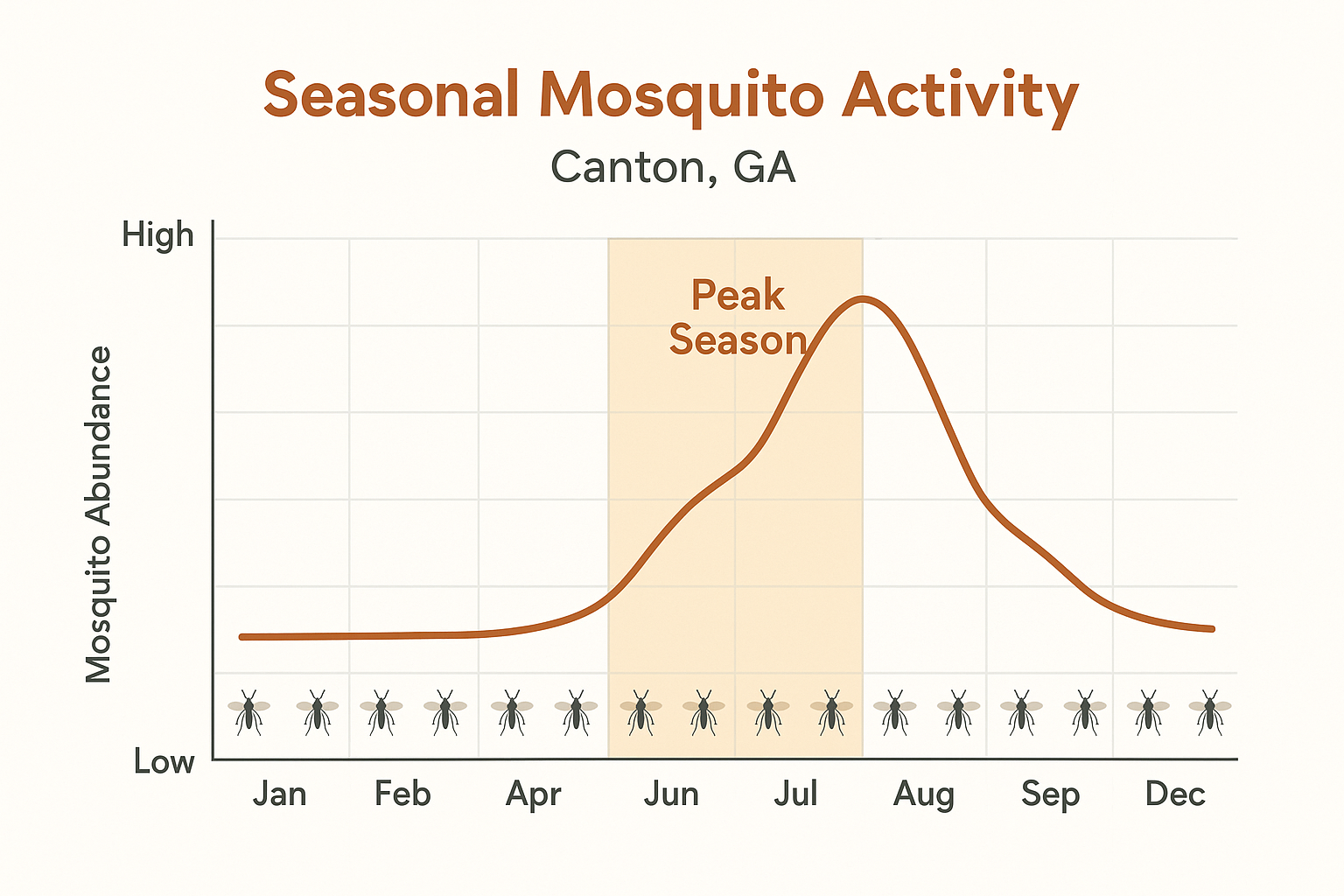
Understanding when mosquitoes are most active lets you plan treatments before the nuisance becomes a health risk. Below is a seasonal activity chart that tracks average mosquito abundance from January through December in Canton, Georgia. The line graph visualizes the natural rise and fall of the population, giving you a quick reference for timing your interventions.
Peak Mosquito Months
The curve spikes sharply from June to August, which aligns with Canton’s hottest and most humid period. Warm temperatures accelerate larval development, while high humidity prolongs adult lifespan, creating perfect breeding conditions. Expect the highest bite rates and the greatest disease‑vector risk during these three months.
During June‑August, average daytime highs hover around 88‑92°F (31‑33°C) and relative humidity often exceeds 70%. Those conditions cut the mosquito life cycle to just a week, meaning each adult can lay hundreds of eggs before dying.
Optimal Treatment Windows
Targeted applications before, during, and after the peak can keep the population under control:
- Early‑season barrier spray (late April‑early May): Treating perimeter vegetation and standing‑water sites before eggs hatch creates a protective shield as temperatures climb.
- Mid‑season fogging (mid‑June‑mid‑July): A short‑term fog or mist application reduces the adult swarm that emerges during the height of breeding.
- Late‑season follow‑up (late August‑early September): A final spray tackles any late‑emerging adults and prevents overwintering eggs from surviving the first frost.
Each application targets a different stage of the mosquito life cycle. Barrier sprays coat foliage and water‑edge plants where larvae hatch, fogging disperses an adult‑acting insecticide into the flight zone, and the follow‑up treatment knocks down any survivors that escaped earlier rounds.
Homeowner Calendar Checklist
Mark these dates on your personal calendar to stay ahead of the curve:
| Timeframe | Action |
|---|---|
| April 20 – May 5 | Schedule early‑season barrier spray |
| June 10 – July 15 | Arrange mid‑season fogging |
| August 20 – September 5 | Book late‑season follow‑up |
| Anytime | Inspect and eliminate standing water |
Weather Anomalies and Curve Shifts
Unusual weather can move the peak forward or backward. A rainy spring, for example, creates extra breeding sites and may cause the graph’s rise to begin in May rather than June. Conversely, a cooler summer can flatten the peak, giving you a longer window for barrier treatments. Keep an eye on local forecasts; if you notice extended rain or heat waves, adjust your treatment dates accordingly and contact Anthem Pest Control for a flexible service plan.
Because mosquito breeding is tied to water, a sudden summer thunderstorm can create dozens of new pools in a single afternoon. Promptly draining or treating these hotspots prevents a secondary surge that would otherwise extend the high‑activity period.
Mosquito Control Options and Cost Comparison
When it comes to keeping Canton’s swarms at bay, professional pest‑control companies typically offer three tried‑and‑true services. Knowing how each works, how often you’ll need it, and where it shines helps you match the right method to your budget and lifestyle.
Barrier Spray
A barrier spray is a liquid pesticide applied to the perimeter of your home, shrubs, and any standing‑water zones. The chemicals create a thin, invisible shield that kills adult mosquitoes on contact. Most homeowners receive a full‑property treatment every 30 days during the peak season, although a single “pre‑season” application can be enough for milder years. This method is ideal for families who spend a lot of time on decks, patios, or in the yard, because it offers continuous protection without the need for daily action.
Fogger Treatments
Foggers disperse a fine mist of insecticide into the air, reaching hidden crevices and foliage where mosquitoes rest. A typical fogger session lasts 15‑20 minutes and is usually scheduled every 2‑3 weeks during high‑mosquito months. Fogging works best for larger properties or neighborhoods with dense vegetation, where adult mosquitoes hide in hard‑to‑reach spots that a perimeter spray might miss.
Long‑lasting Larvicide Barriers
Larvicides target mosquito larvae before they become flying pests. Technicians apply a granular or liquid larvicide to standing water—birdbaths, rain barrels, or low‑lying depressions—creating a protective layer that prevents larvae from maturing. These treatments can remain effective for 8‑12 weeks, reducing the need for frequent re‑applications. If your property has multiple water sources, a larvicide barrier is the most cost‑efficient way to cut the population at its source.
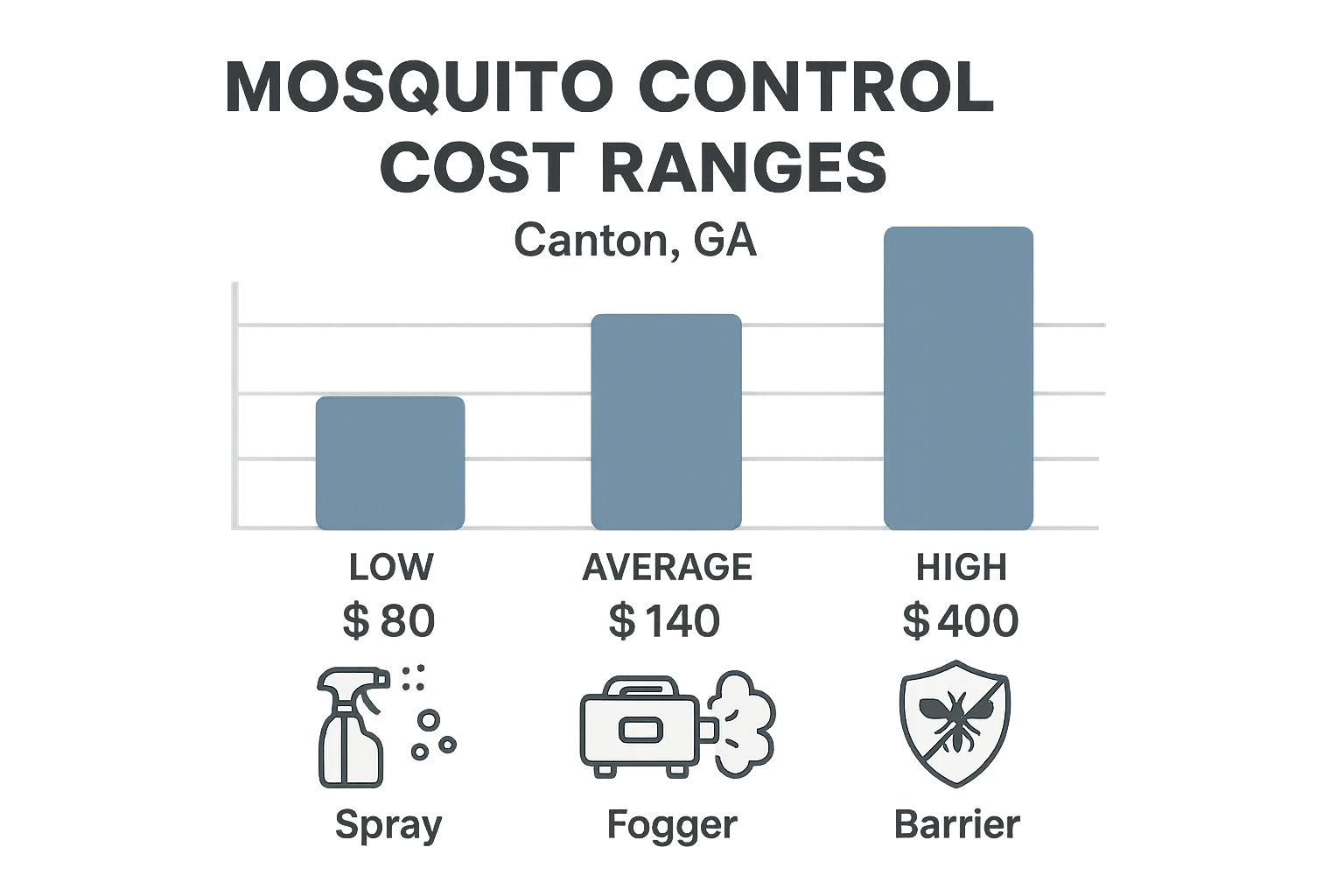
The infographic above breaks down the typical price ranges you’ll see in Canton: low‑tier options start around $70 per treatment, average plans hover near $120, and premium packages—often including multiple services—can reach $200 or more per visit. Prices fluctuate based on the method you choose, the size of your lot, and how aggressive the infestation is.
What Drives the Price?
- Property size: Larger yards require more product and longer labor hours.
- Infestation level: Heavy mosquito activity may need a combination of barrier spray and fogging.
- Treatment type: Larvicides are generally cheaper per application than foggers.
- Seasonal timing: Early‑season bookings often secure discounts before demand spikes.
Tips for Getting Accurate Quotes and Avoiding Hidden Fees
- Ask for a detailed, itemized estimate that separates product costs from labor.
- Confirm the frequency of visits—some companies bundle multiple applications into a single price.
- Inquire about any additional fees for extra zones (e.g., pools, outbuildings) before signing.
- Request a written warranty that outlines what’s covered if mosquitoes return.
- Compare at least three local providers; transparent pricing is a hallmark of reputable firms like Anthem Pest Control.
Protect Your Home with Professional Mosquito Services
Keeping mosquitoes at bay starts with three simple habits: eliminate any standing water, schedule treatments during the seasonal peak, and partner with a service that understands the local climate. In Canton, Georgia, a single puddle in a flower pot or a clogged gutter can become a breeding ground, while mistimed sprays miss the insects before they spread. Choosing a knowledgeable provider ensures every step—pre‑treatment inspection, targeted application, and follow‑up—is timed for maximum impact.
- Eliminate standing water: empty saucers, clean birdbaths weekly, and ensure proper drainage around your foundation.
- Time treatments right: early summer applications hit mosquitoes before they multiply, and a mid‑season boost keeps the population low.
- Select the right service: look for licensed technicians, EPA‑approved products, and a plan that includes both adulticide and larvicide options.
Anthem Pest Control brings more than just a spray can to your doorstep. Our technicians live in the Canton area, so we know which neighborhoods experience the heaviest swarms, which local water features need special attention, and how weather patterns affect mosquito activity. We prioritize safety—using products that protect your family, pets, and the environment—while delivering results that last weeks, not days.
Transparency is built into every quote. You’ll receive a clear, itemized price list and a complimentary on‑site assessment that pinpoints problem spots before any work begins. No hidden fees, no surprise add‑ons—just a straightforward plan tailored to your yard’s size and your budget.
Ready for a mosquito‑free backyard? Call Anthem Pest Control at 877-371-8196 for a free, no‑obligation quote. Our team responds quickly, crafts a customized treatment schedule, and gets you back to enjoying evenings outdoors without the buzz.
Visit Anthem Pest Control today and take the first step toward a comfortable, bite‑free season.