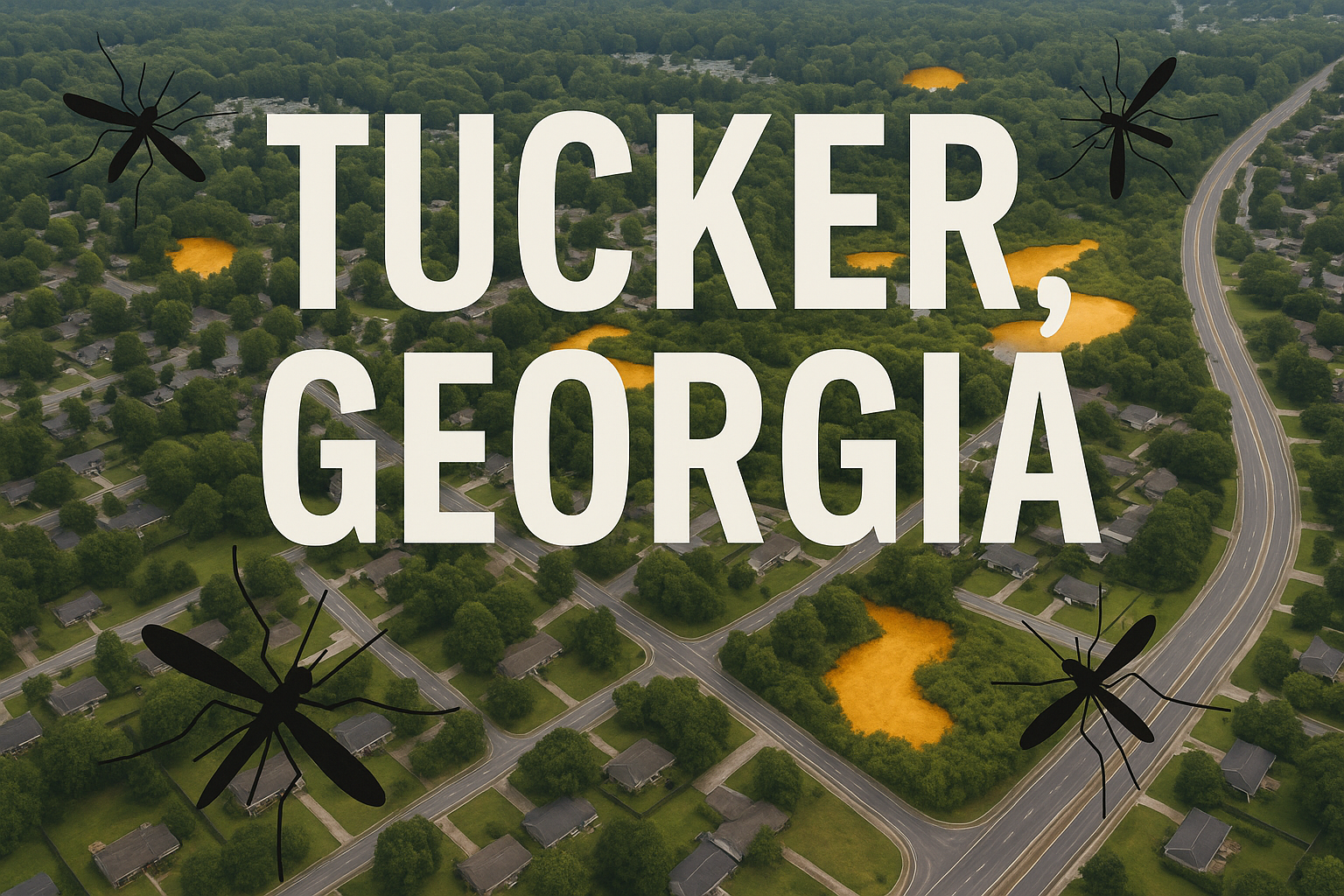
Mosquito Concerns in Tucker, Georgia

Tucker sits squarely within Georgia’s humid subtropical zone, a climate that delivers hot, muggy summers and mild winters. Those long, sticky evenings are perfect for mosquito breeding: standing water in birdbaths, clogged gutters, and even a forgotten plant saucer become miniature hatcheries. Temperatures regularly hover above 80°F (27°C) from May through September, shortening the mosquito life cycle to just a week or two. In short, the weather does most of the heavy lifting, turning any backyard into a potential mosquito factory.
What makes the situation more urgent is the recent uptick in mosquito‑borne illnesses across the state. According to the CDC’s 2023 report on mosquito‑borne diseases, Georgia recorded a 22 % increase in reported cases of West Nile virus and a noticeable rise in Eastern equine encephalitis incidents compared to the previous year. While Tucker’s numbers mirror the state trend, even a single case can have serious health implications, especially for children, seniors, and anyone with compromised immunity.
For homeowners, the stakes go beyond health. Mosquitoes quickly turn a pleasant evening on the porch into a frantic swat‑and‑scramble. They can also damage outdoor furniture, ruin landscaping, and diminish the overall enjoyment of your property. Proactive control isn’t just a luxury—it’s a practical defense that protects families, pets, and the investment you’ve made in your home’s outdoor spaces.
Because the mosquito problem in Tucker is driven by both climate and rising disease risk, a comprehensive approach is essential. This means regular inspections, targeted larvicide applications to standing water, and adulticide treatments during peak activity periods. When you pair these actions with community‑wide efforts—like neighborhood clean‑up drives and coordinated treatment schedules—you dramatically reduce the chances of a full‑blown outbreak.
Understanding the local dynamics sets the foundation for the next part of this guide: a clear, transparent breakdown of what mosquito control will actually cost you in Tucker. By recognizing why control matters now, you’ll be better equipped to evaluate pricing options, compare service plans, and make an informed decision that safeguards both health and outdoor enjoyment.
Common Mosquito Species in Tucker
Asian Tiger Mosquito – Aedes albopictus
The Asian tiger mosquito has become a familiar nuisance in Tucker’s backyards and parks. Unlike many native species, it thrives in small containers—think flower‑pot saucers, discarded tires, or even a forgotten rain barrel. These artificial habitats hold just a few centimeters of water, providing the perfect nursery for its larvae.
Peak biting activity occurs from late May through early September, with a noticeable surge in July when daytime temperatures hover above 80°F (27°C). This species is aggressive during daylight hours, especially in shaded areas near dense foliage. Homeowners often notice the characteristic “tiger‑striped” legs as a clue they’re dealing with Aedes albopictus.
Southern House Mosquito – Culex quinquefasciatus
Culex quinquefasciatus is the primary carrier of West Nile virus and other encephalitis viruses in the Southeast. It prefers stagnant, organically rich water—think clogged gutters, bird baths, or poorly drained basements. Because it breeds in larger, permanent water sources, regular yard maintenance can dramatically reduce its numbers.
Seasonally, this mosquito is most active from late summer into early fall, typically biting from dusk until dawn. While its bites are less itchy than the tiger mosquito, the health risk it poses makes it a top concern for families with children or seniors.
Potential Malaria Carriers – Anopheles spp.
Although malaria transmission is rare in the United States, Anopheles species do appear sporadically in Georgia, especially in marshy or heavily vegetated areas near water bodies. In Tucker, sightings are limited but not unheard of, mainly around the edges of the local wetlands and the occasional storm‑drain.
These mosquitoes are most active at night and prefer clean, sun‑lit water for laying eggs. Their presence signals the need for vigilant monitoring, even if the immediate disease risk is low.
For a comprehensive view of mosquito distribution across Georgia, consult the EPA Mosquito Control Overview, which maps species prevalence by county.
“Last July, the community at Tucker’s Oakridge Park was swarmed by mosquitoes the size of pennies. Residents gathered on the pavilion, waving fans and applying repellent, while kids complained about bites on their arms. The park’s drainage ditch had filled with standing rainwater, creating a perfect breeding ground for the Asian tiger mosquito. After a single professional treatment from Anthem Pest Control, the swarms vanished, and the park returned to its usual family‑friendly vibe.”
What Drives Mosquito Control Costs
When you request a quote from a pest‑control professional, the number you see on the paper isn’t random. Every dollar reflects a combination of factors that are unique to your home and to the local regulations in Tucker, Georgia. Understanding these variables helps you compare estimates, ask the right questions, and choose a plan that fits both your budget and your comfort level.
Property size – the yard’s footprint matters
The average residential lot in Tucker measures roughly a quarter of an acre, or about 10,890 sq ft of lawn and garden space. Mosquito‑control companies calculate product volume based on that square footage. A larger yard requires more larvicide granules for standing‑water treatment and a broader spray pattern for adulticide applications, which directly raises material costs. Conversely, a compact yard can often be covered with a single‑tank sprayer, keeping the price toward the lower end of the range.
Infestation level – light, moderate, or heavy
Technicians assess how many mosquitoes you’re actually dealing with. A light infestation—perhaps a few buzzing around the patio—might only need a thin barrier of larvicide and a single adulticide mist. A moderate situation, with noticeable swarms near shaded areas, usually calls for a thicker barrier and a follow‑up spray. Heavy infestations, often tied to extensive standing water or nearby wetlands, demand multiple treatments per week and a higher concentration of chemicals. Each step up in severity adds labor time and product usage, which is reflected in the final price.
Treatment type – larvicide barrier vs. adulticide spray
Larvicide barrier targets mosquito larvae before they become flying adults. It’s applied to water‑filled depressions, gutters, and low‑lying grass. Because it works at the source, the chemical load is typically lower, but the application may need to be repeated after heavy rain.
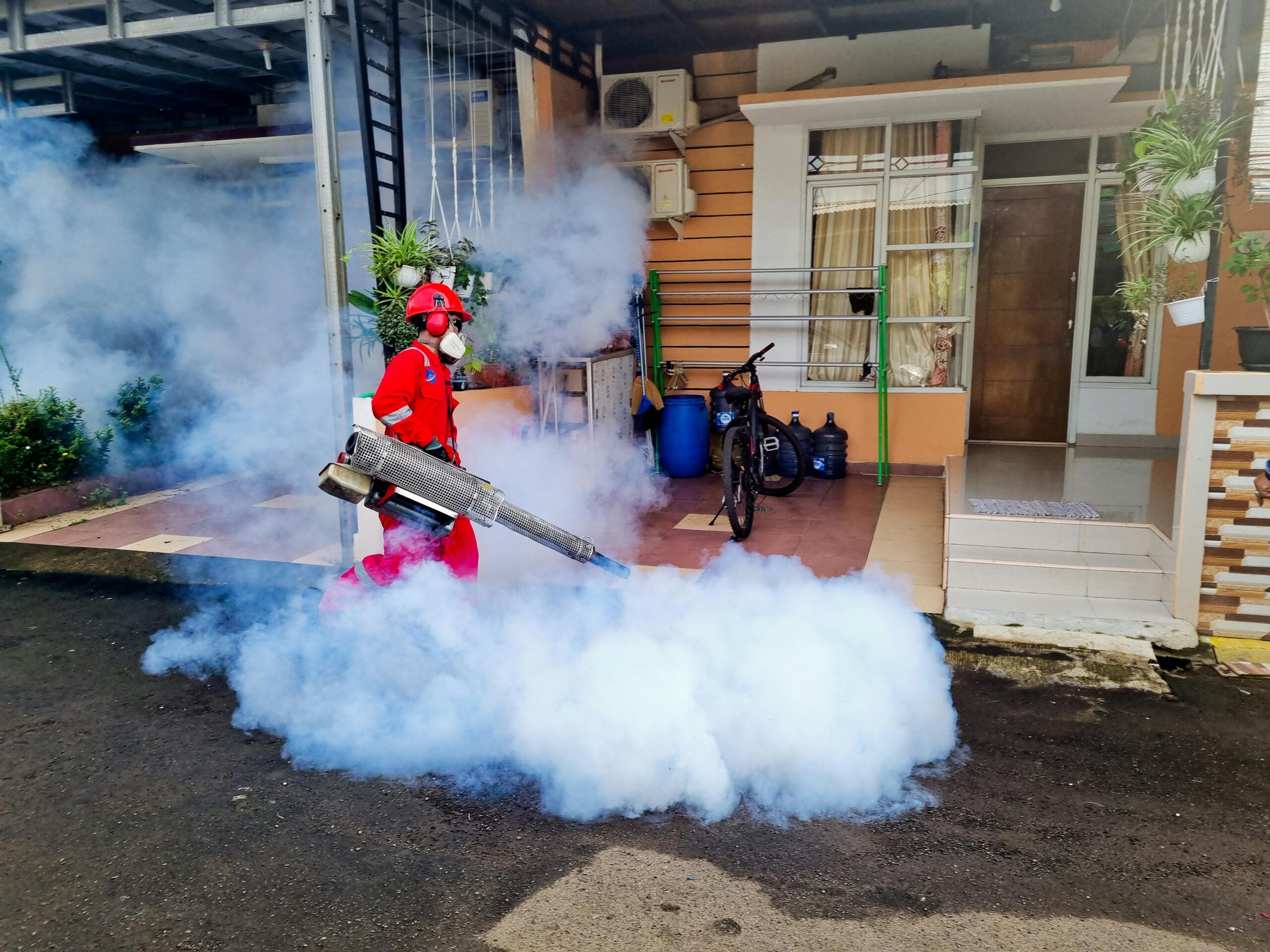
Adulticide spray attacks the flying insects directly. It creates a protective “fog” that knocks down mosquitoes for several hours. This method is faster‑acting but uses a higher concentration of insecticide and often requires a certified applicator, which can increase labor costs.
Many homeowners opt for a combined approach—larvicide for long‑term prevention plus occasional adulticide “boosts” during peak season. The blend of both services is the primary driver behind the price gap between a simple barrier treatment and a full‑service program.
Frequency options – one‑time, monthly, or full‑season contracts
A single‑visit treatment is the most affordable entry point, typically ranging from $75 to $150 for a standard 0.25‑acre yard. However, because mosquito populations rebound quickly, the protection lasts only a few weeks. Monthly visits keep the barrier fresh and can curb re‑infestations, while a full‑season contract (usually spanning May through October) spreads the cost across several appointments and often includes a discount on each service.
Regulatory fees and disposal requirements
Georgia’s Department of Agriculture mandates specific disposal methods for leftover chemicals and container recycling. Licensed pest‑control firms must factor in the cost of certified waste handling, which can add $10‑$30 per visit. In Tucker, local ordinances may also require a small administrative fee for permit processing, especially for large‑scale or aerial applications.
| Service | Typical Price Range |
|---|---|
| Small‑yard (≈0.25‑acre) one‑time treatment | $75 – $150 |
| Full‑season contract (monthly visits) | $200 – $400 |
These figures align with the findings of the NPMA Industry Cost Survey 2022, which reports that residential mosquito‑control programs across the United States typically fall within the same brackets when adjusted for local market conditions.
Typical Pricing Breakdown for Tucker Homeowners
Understanding the cost structure of mosquito control helps you avoid surprise fees and choose the service that fits your budget. In Tucker, the price you pay reflects the type of treatment, the size of your property, and any extra steps needed to keep mosquitoes at bay throughout the season. Below is a transparent, item‑by‑item look at the most common services offered by local pest professionals, including the ranges you’ll typically see on a quote.
One‑time Adulticide Spray
An adulticide spray targets mature mosquitoes that are already flying around your yard. Technicians apply a fast‑acting chemical to foliage, shrubs, and other resting spots. For a single visit in Tucker, expect to pay $80‑$120. The price varies based on the square footage treated and the specific product used, but this range covers most residential properties.
Larvicide Barrier (per acre)
Larvicides work at the source, preventing mosquito larvae from maturing in standing water and damp soil. Applying a larvicide barrier per acre typically costs $120‑$180. This service is ideal for larger lots, community green spaces, or homes with extensive landscaping that can hold water after rain.
Full‑Season Package (4‑5 Treatments)
Most homeowners prefer a bundled approach that guarantees protection from early spring through late fall. A full‑season package includes four to five scheduled treatments, covering both adulticide and larvicide applications as needed. The total investment ranges from $300‑$550, depending on the number of visits and the size of the treatment area.
Add‑on Services
Additional steps can boost the effectiveness of any mosquito program. Common add‑ons in Tucker are:
- Bird‑proofing (netting or deterrents) – $50‑$100 per installation.
- Standing‑water removal (drainage fixes, pond liners) – $50‑$100 per service call.
These optional services address the environmental factors that let mosquitoes thrive, offering a more permanent solution.
How Tucker Prices Compare to Statewide Estimates
When we surveyed generic quotes from several Georgia pest firms, the numbers aligned closely with the ranges listed above. Most companies quoted adulticide sprays at $75‑$130 per visit and larvicide barriers at $110‑$190 per acre. Full‑season packages tended to fall between $280 and $600, while add‑on services hovered around $45‑$110. Anthem Pest Control’s pricing sits comfortably within these industry norms, reinforcing our commitment to transparent, affordable rates for Tucker homeowners.
| Service | Typical Cost Range | Notes |
|---|---|---|
| One‑time Adulticide Spray | $80 – $120 per visit | Targets flying adults; ideal for immediate relief. |
| Larvicide Barrier (per acre) | $120 – $180 per acre | Prevents larvae development; best for larger properties. |
| Full‑Season Package (4‑5 treatments) | $300 – $550 total | Combines adulticide and larvicide for year‑round protection. |
| Add‑on: Bird‑proofing | $50 – $100 each | Reduces bird‑related mosquito breeding sites. |
| Add‑on: Standing‑water removal | $50 – $100 each | Eliminates stagnant water sources. |
DIY vs Professional Mosquito Control
Common DIY tools you’ll find at the hardware aisle
Most homeowners start with a handheld fogger or a small‑volume larvicide. A typical fogger runs between $30 and $60 per can, delivering a short‑lived cloud of adulticide that dissipates within minutes. Larvicides are sold by the gallon; a 1‑gal bottle of bacterial larvicide (e.g., Bti) costs roughly $15–$30 and is meant to be poured into standing water where mosquito larvae develop.
How well do DIY methods work?
Field studies show that homeowner‑applied foggers and larvicides achieve an average 40 % reduction in adult mosquito counts after a single treatment cycle. In contrast, a professionally scheduled misting or barrier spray program—performed by trained technicians using calibrated equipment—delivers about an 85 % reduction in the same period. The difference stems from coverage consistency, product potency, and the ability of pros to treat hard‑to‑reach breeding sites.
Safety considerations you can’t ignore
When you handle pesticides yourself, you assume the responsibility for proper personal protective equipment (PPE), correct dilution, and safe storage. Improper mixing can expose you, your family, and pets to skin irritation or respiratory issues. Moreover, over‑application can leach into groundwater or harm beneficial insects such as bees and dragonflies.
The CDC’s Chemical Safety Guidance for homeowners recommends using only EPA‑registered products, wearing gloves and eye protection, and applying chemicals on calm days when drift is minimal. Professional crews already follow these protocols, and they carry liability insurance that shields you from accidental exposure.
Essential PPE for DIY applications includes:
- Gloves: Nitrile or chemical‑resistant gloves to prevent skin contact.
- Eye protection: Safety goggles or face shield.
- Respiratory mask: N95 or a half‑face respirator when spraying indoors or on windy days.
- Protective clothing: Long‑sleeved shirts and pants to cover exposed skin.
Cost‑benefit snapshot
Assuming you purchase a $55 fogger and reapply it every two weeks during the peak summer months (four applications total), the out‑of‑pocket expense reaches roughly $220. Add the cost of larvicide—about $25 per gallon—and you’re looking at $245 for a single season, not counting additional PPE or accidental re‑applications. A professional mosquito‑control contract in Tucker typically starts around $250‑$300 for a full‑season service, which includes two to three technician visits, a warranty, and insurance coverage. When you factor in the higher reduction rate and the peace of mind that comes with regulated pesticide use, the professional option often delivers better value.
Why a professional service often makes more sense
Beyond the higher reduction rate, a licensed technician can map your property, identify hidden breeding hotspots, and apply a seasonal treatment plan that aligns with the mosquito life cycle. This strategic approach reduces the need for repeated DIY purchases, ultimately saving money over a full season.
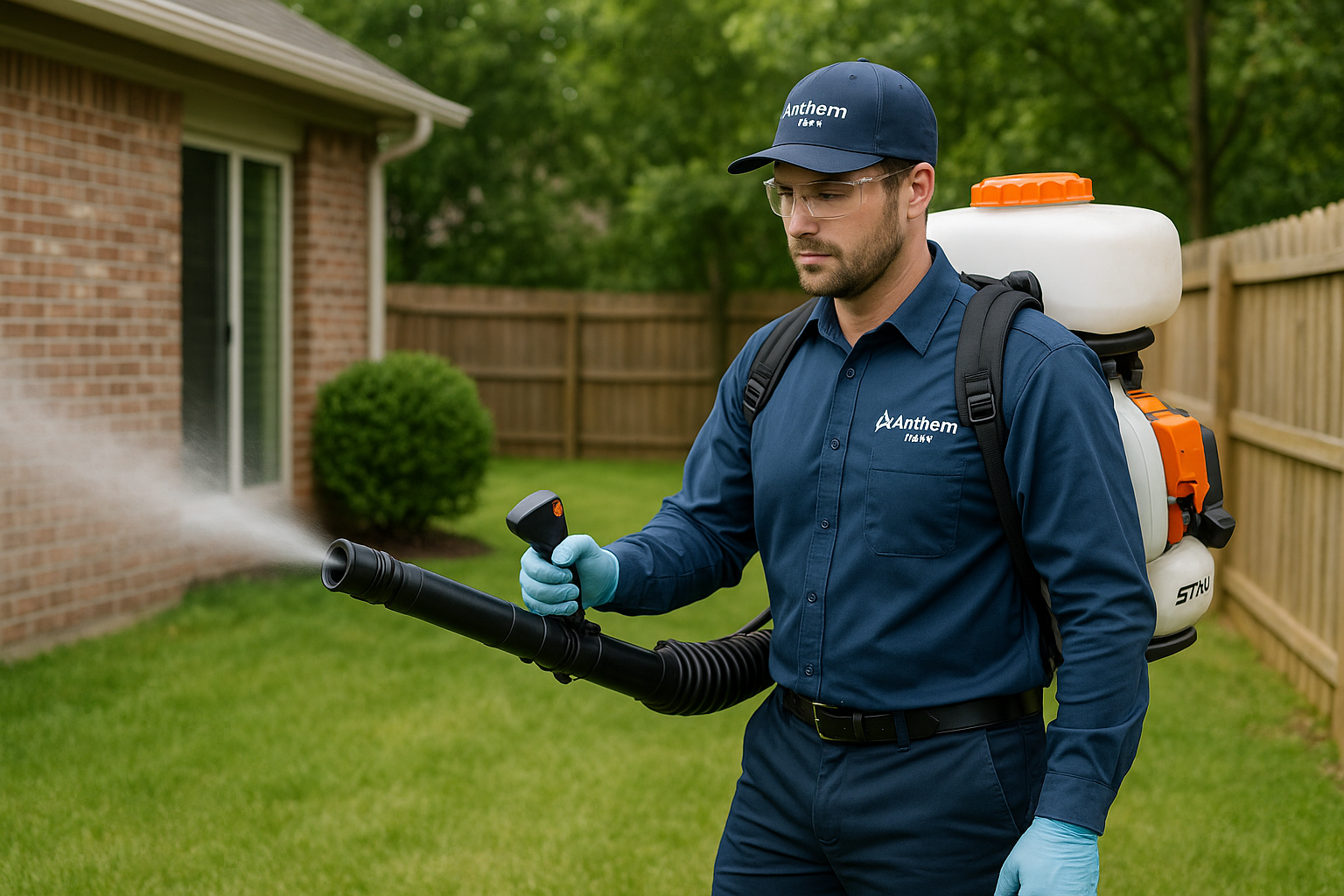
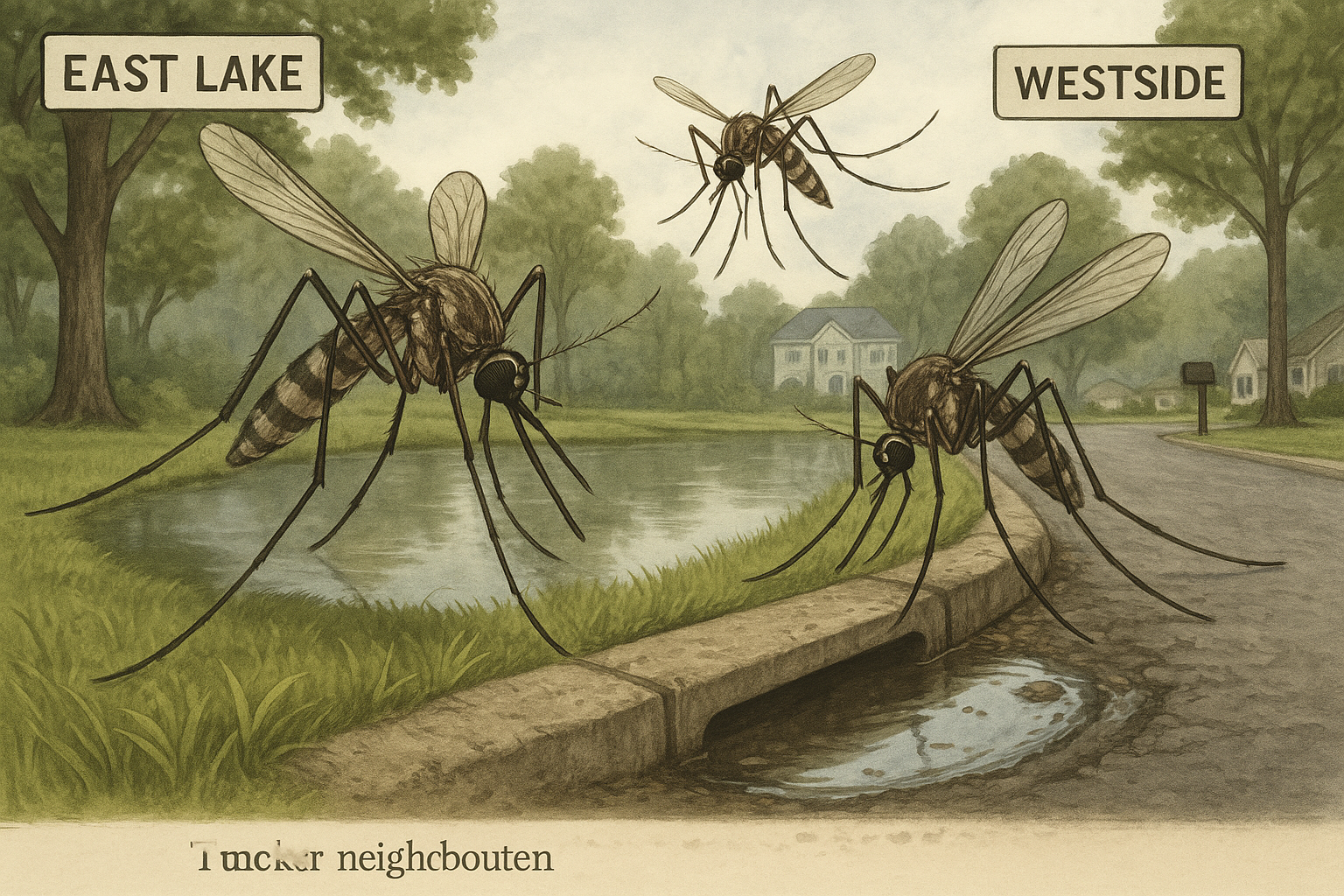
When mosquito season rolls into Tucker, Anthem Pest steps in with a neighborhood‑focused program that blends science, safety, and a 30‑day residual guarantee. Our technicians know the quirks of local yards, from the low‑lying wetlands near East Lake to the ornamental ponds in Brookhaven, so you get a treatment that actually works where the bugs hide.
What to Expect: A Step‑by‑Step Service Flow
- Initial Inspection – A certified technician walks your property, identifies breeding hotspots, and notes any resident concerns.
- Customized Treatment Plan – Using the inspection data, we design a targeted strategy that matches Tucker’s climate and your landscape.
- EPA‑Registered Products – Only government‑approved, low‑toxicity larvicides and adulticides are applied, ensuring safety for kids, pets, and beneficial insects.
- 30‑Day Residual Guarantee – Our formulas stay active for a full month; if mosquitoes return, we retreat at no extra charge.
- Free Follow‑Up – One week after treatment we return for a quick check‑up, adjusting any missed spots before the guarantee expires.
All products are applied according to strict EPA label directions, and our crew wears protective gear to keep your family and the environment safe. The residual guarantee means you won’t be left watching swarms for weeks on end—if they do reappear, we’re back on the job without you reaching for your wallet.
Why Tucker Homeowners Trust Our Local Expertise
Anthem Pest isn’t a national chain that treats every address the same. We specialize in the Tucker corridor, covering East Lake, Brookhaven, and Sugar Hill, where standing water and dense foliage create perfect mosquito nurseries. By mapping local water sources and seasonal patterns, we time applications for maximum impact—often before the first adult mosquito even takes flight.
“We had tried a few DIY sprays, but the mosquitoes kept coming back. Anthem’s crew showed up, treated our backyard, and we haven’t seen a single bite in weeks. Their follow‑up call gave us peace of mind. Highly recommend!”
— Sarah L., Tucker homeowner
Transparent pricing is built into every estimate. You’ll receive a clear, itemized quote that separates inspection fees, product costs, and the guarantee—no hidden surcharges. If you schedule early in the season, we can lock in the current rate and avoid the price jump that often occurs once demand spikes.
Timing matters. Treating early, when larvae are still in the water, prevents the next generation of adult mosquitoes from emerging. That’s why we advise homeowners to book their first service by mid‑April, especially if you have water features, bird baths, or poorly drained soil.
Ready to reclaim your patio? Visit Anthem Pest’s mosquito control page to schedule your inspection or call us at 877‑371‑8196.
Seasonal Timing and Frequency Recommendations
In Tucker, Georgia, mosquito activity spikes as soon as the weather warms above 65°F. By initiating treatment in early May—before the first generation of eggs hatches—you create a protective barrier that stops the population from exploding. This proactive approach not only reduces the number of bites you’ll endure but also limits the need for emergency treatments later in the season, keeping costs predictable.
Why Early May Is the Sweet Spot
Adult female mosquitoes lay their eggs in standing water, and the first major breeding wave typically begins in mid‑May. Starting a professional spray program in the first week of May targets any emerging larvae before they mature, effectively “nipping the problem in the bud.” Homeowners who wait until June often see a dramatic surge in bites because the initial cohort has already reproduced twice.
Recommended Treatment Interval: Every 2‑3 Weeks
Once the first application is completed, maintain pressure on the mosquito population with follow‑up treatments every two to three weeks. This interval aligns with the mosquito life cycle—egg to adult in roughly 7‑10 days under Tucker’s summer conditions. By treating on a regular schedule from May through October, you interrupt each generation, keeping adult numbers low and your yard enjoyable throughout the summer months.
Final Fall Treatment in September
Even as temperatures begin to dip, adult mosquitoes can remain active through early October, especially after warm days. A final treatment in mid‑September helps eliminate any lingering adults and prevents the last batch of eggs from surviving the first frost. This “closing shot” ensures that the next season starts with a clean slate, reducing the initial treatment load the following spring.
Month‑by‑Month Treatment Calendar
| Month | Weeks of Treatment | Key Action |
|---|---|---|
| May | Week 1, Week 3 | Initial barrier & early‑season follow‑up |
| June | Week 1, Week 3 | Maintain two‑week cycle as populations rise |
| July | Week 1, Week 3 | Peak summer protection |
| August | Week 1, Week 3 | Continue barrier during hottest weeks |
| September | Week 1, Week 3 (final) | Final fall application to curb lingering adults |
| October | None (monitor only) | Season winds down; no routine sprays needed |
These recommendations follow the Georgia Department of Public Health 2024 mosquito‑season advisory. By adhering to this schedule, Tucker homeowners can enjoy a bite‑free yard while keeping mosquito‑control costs steady and transparent.
Frequently Asked Questions About Mosquito Control Costs
What does a full‑season plan include?
A full‑season mosquito control plan from Anthem Pest Control typically covers the entire active mosquito period—from early spring through late fall. The plan includes:
- Initial property assessment and perimeter mapping.
- Four to six scheduled aerial or ground‑based treatments, spaced 2‑3 weeks apart.
- Targeted larvicide applications to standing water sources.
- Spot‑treatment visits for unexpected hot spots.
- Post‑treatment monitoring and a final inspection report.
This comprehensive approach keeps mosquito populations below nuisance levels while minimizing the need for emergency visits.
Are the chemicals safe for pets and children?
Yes. Anthem Pest uses EPA‑registered products that meet strict safety standards for residential use. The formulations are low‑toxicity, as outlined by the EPA, and are applied at rates well below the maximum residue limits. After each treatment, we advise a brief waiting period—usually 30 minutes—to allow the spray to settle, after which pets and children can safely return to the treated area.
Can I receive a discount for multiple properties?
Homeowners with more than one residence in the Tucker area can benefit from multi‑property pricing. Anthem Pest typically offers:
- 10% off the total cost when treating two properties.
- 15% off when three or more properties are added to the same contract.
- Custom bundle rates for homeowners with both mosquito and other pest control services (e.g., ticks, ants) on the same schedule.
These discounts are applied automatically during the quote process, and a single service calendar can be coordinated for all locations to streamline scheduling.
How do I know I’m getting a fair price?
Transparency is a core value at Anthem Pest. Our quotes break down every component—assessment, each treatment, larvicide, and any additional services—so you can see exactly where your dollars go. We also provide a written service agreement that outlines the number of treatments, the products used, and the total cost before any work begins. If you have questions about any line item, our customer service team is ready to explain the details.
Getting an Accurate Mosquito Control Quote
When you reach out to Anthem Pest Control for mosquito treatment in Tucker, the first step is a thorough on‑site inspection. Our certified technician walks your entire property, from the front lawn to the back patio, pinpointing every potential breeding site. They’ll identify standing water, clogged gutters, low‑lying depressions, and any decorative features that could hold moisture. While they’re on the ground, the technician also evaluates vegetation density, shade patterns, and proximity to nearby wetlands—factors that influence mosquito activity and the type of treatment required. This risk assessment creates a clear picture of what’s needed, allowing us to provide a transparent, item‑by‑item quote rather than a one‑size‑fits‑all estimate.
Homeowner Checklist – Have These Details Ready
Having a few key pieces of information at hand speeds up the quoting process and ensures you receive the most accurate pricing. Use the checklist below before you call or fill out our online form:
- Yard dimensions: Approximate square footage of your lawn, garden beds, and any auxiliary spaces such as a pool deck.
- Recent pest activity notes: Dates you first noticed mosquitoes, peak times of activity, and any patterns you’ve observed.
- Water source inventory: List of birdbaths, rain barrels, sprinklers, or any other containers that may collect water.
- Pet information: Types of pets, their typical outdoor habits, and any sensitivities to chemicals.
- Previous treatments: Dates and products used, if you’ve hired another company before.
- Neighborhood details: Proximity to parks, marshes, or construction sites that could affect mosquito pressure.
Ready to Get Your Personalized Quote?
Armed with this information, you’re just a phone call or a few clicks away from a free, no‑obligation estimate. Call us today at 877‑371‑8196 and speak directly with a local mosquito specialist, or visit anthempest.com to request an online quote. Our team will review your checklist, confirm the inspection details, and deliver a clear, upfront price that reflects the exact services your Tucker home needs. With Anthem, you’ll know exactly what you’re paying for—no hidden fees, no surprises.
Take Action to Protect Your Home Today
When it comes to mosquito control in Tucker, Georgia, the price you pay is shaped by a handful of clear factors. The most common drivers are:
- Property size and layout – Larger yards or homes with extensive landscaping require more product and labor.
- Seasonal timing – Early‑season treatments often cost less because the infestation is lighter.
- Level of infestation – A light, localized problem can be handled with a single spray, while a heavy, multi‑zone issue may need a comprehensive program.
- Treatment type – Traditional barrier sprays differ in price from newer, targeted larvicide applications or misting systems.
- Frequency of service – One‑time treatments are priced per visit, whereas quarterly or year‑round plans spread the cost across multiple applications.
In Tucker, homeowners typically see the following price ranges:
- One‑time perimeter spray: $80 – $150
- Full‑property treatment (including hidden breeding sites): $150 – $250
- Quarterly maintenance plans: $120 – $200 per visit (often billed as a seasonal package of $400 – $750)
These figures give you a realistic baseline, but the exact quote will depend on the specifics of your home and the severity of the mosquito activity.
Why Professional Treatment Still Beats DIY
Even though a DIY spray can seem tempting, professional mosquito control delivers benefits that far outweigh the modest price difference. Trained technicians know where mosquitoes hide—under decks, in storm drains, and in dense foliage—so they can target the breeding grounds that homeowners usually miss. The chemicals used by certified pros are EPA‑registered, applied at the correct dosage, and blended for maximum effectiveness while minimizing risk to pets and children.
Beyond sheer efficacy, a professional service offers peace of mind. You’ll receive a documented treatment plan, follow‑up inspections, and a warranty that guarantees the job is done right. In other words, you invest once and enjoy a mosquito‑free yard for weeks, rather than spending time and money repeatedly on ineffective over‑the‑counter products.
Ready for a Mosquito‑Free Summer?
If you’re ready to protect your family, pets, and outdoor enjoyment without the guesswork, Anthem Pest Control is here to help. We offer a free, no‑obligation quote that outlines exactly what your home needs—no hidden fees, no pressure. Give us a call today at 877‑371‑8196 or visit Anthem Pest Control to schedule your assessment. Let our local expertise turn your backyard into a place you can truly relax.