Rising Moth Complaints and Cost Overview

If you’ve opened a window in Snellville this fall and heard a faint flutter inside your walls, you’re not alone. Over the past three months, local pest reports show a 42% jump in moth sightings, especially in homes built before 1990. As infestations increase, many homeowners begin researching moth control cost Snellville to understand what treatment might require financially. Warm evenings, lingering autumn leaves, and a surge in indoor lighting are coaxing these nocturnal visitors from the surrounding woods straight into attics, closets, and pantry shelves.
That spike also explains why you’ll see a wide price range on moth‑control quotes. The species matters—carpet moths, pantry moths, and the larger webbing moth each require different treatment chemicals and inspection time. Severity is another driver; a single egg‑sac in a closet costs far less than a full‑blown infestation spreading across multiple rooms. Treatment type—whether you opt for a one‑time fog, targeted bait stations, or an ongoing preventive program—adds its own layer of cost. Finally, the size of your home, the accessibility of infested areas, and any needed follow‑up visits all factor into the final number you’ll pay.
- Species – carpet, pantry, or webbing moths each need specific chemicals.
- Infestation severity – from a single egg sac to a house‑wide spread.
- Treatment approach – spot‑treat, whole‑home fog, or ongoing prevention.
Don’t let those numbers intimidate you. Below we’ll walk you through a clear, data‑driven pricing guide that breaks down average costs for each moth type, the typical range for the most common treatment plans, and the exact steps you should take before, during, and after a service visit. By the end of this guide, you’ll know exactly what to expect on the invoice and how to protect your home without surprise fees—so you can focus on keeping the lights on, not the moths.
Understanding Moth Infestations in Snellville
Snellville’s warm, humid environment creates a welcoming home for two of the most common household moths in Georgia. Knowing which species you’re dealing with—and when they’re most active—helps you act before the damage spreads.
Key Species in Snellville
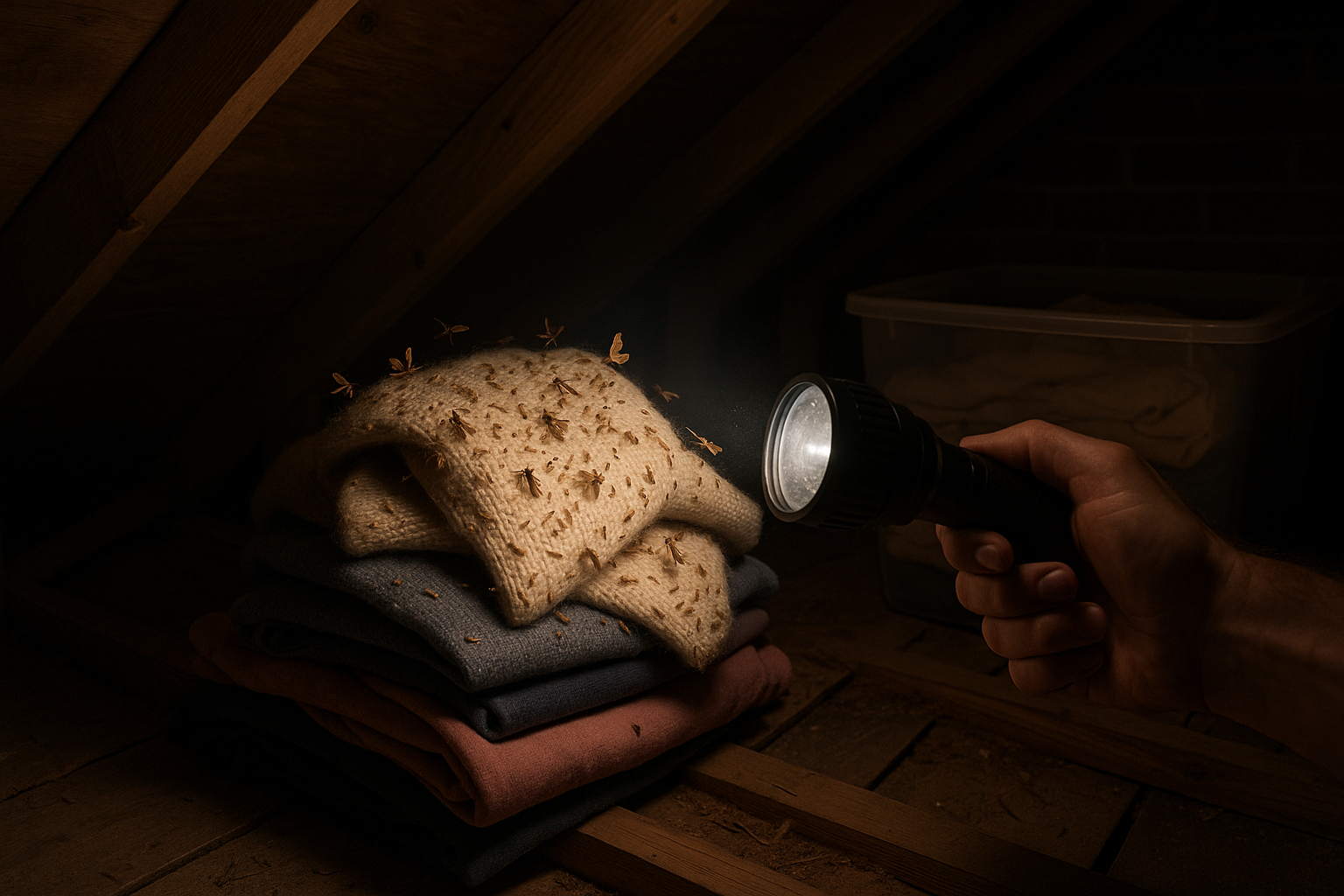
The webbing clothes moth (Tineola bisselliella) targets natural fibers such as wool, silk, and fur. It spins silken tunnels in closets and attics, leaving tell‑tale webbing on garments. The pantry moth (Plodia interpunctella) prefers stored foods—cereals, nuts, and dried fruit—infesting pantry shelves and kitchen cabinets.
When Moths Are Most Active
Both species reach peak activity from late summer through early winter. As daylight fades, indoor lighting becomes a beacon that draws adult moths inside. Open windows or garage doors during these months can funnel them straight into your living spaces, where they begin laying eggs.
Snellville’s Climate Advantage
Snellville sits in a humid subtropical zone, meaning mild winters and hot, moist summers. This climate keeps pantry environments comfortably warm, accelerating the life cycle of stored‑product moths. Meanwhile, the steady humidity in attics and closets prevents the silk tunnels of clothes moths from drying out, allowing them to thrive year‑round.
What the Numbers Say
According to the 2024 Georgia Extension report, 12 % of Georgia households report moth sightings each year. While the state average includes urban and rural areas, Snellville’s climate and housing density place it near the higher end of that range, underscoring the need for vigilant monitoring.
Typical Hotspots in Your Home
Infestations usually start in:
- Attics—where clothes moth larvae spin protective webs among stored fabrics.
- Closets and dresser drawers—ideal for adult moths to lay eggs on woolen garments.
- Pantry shelves and pantry doors—perfect for pantry moths to access grain products.
Spotting these early signs—silky tunnels, webbing, or tiny larvae crawling on food—can save you time and money on treatment. Recognizing the local species, seasonal peaks, and climate factors equips Snellville homeowners to act before a minor nuisance becomes a costly infestation.
Factors Influencing Moth Control Costs
Infestation Severity Levels
Technicians typically categorize moth problems into three severity tiers, which directly impact moth control cost Snellville homeowners can expect to pay. A light infestation covers up to 300 sq ft, showing occasional webbing or a few larvae. A moderate infestation spans 300-800 sq ft, with visible damage to fabrics and a steady presence of adult moths. A heavy infestation exceeds 800 sq ft, often involving multiple rooms, extensive webbing, and widespread larval feeding. The severity directly shapes the amount of product, labor time, and equipment needed.
Treatment Methods and Their Price Impact
Different control strategies carry distinct cost structures:
- Chemical spray – The most common approach. A single application of EPA‑approved insecticide usually costs the least because it requires minimal equipment and a short labor window.
- Heat treatment – Involves raising the temperature of affected spaces to lethal levels for larvae. This method is highly effective for deep‑seated infestations but adds the expense of specialized heaters and longer service times.
- Integrated Pest Management (IPM) – Combines chemical, mechanical, and cultural tactics, such as sealing entry points and removing food sources. IPM often costs more upfront but can reduce the need for repeat visits.
Size of the Affected Area
Treating a single bedroom or closet is far cheaper than addressing an entire home. Technicians calculate labor and material costs based on the total square footage that requires treatment. A whole‑house service usually involves multiple passes, more product, and additional travel time, all of which raise the final quote.
Accessibility Challenges
Hard‑to‑reach locations—attic crawl spaces, wall voids, or ceiling cavities—demand extra preparation. Crews may need ladders, scaffolding, or disassembly of fixtures, which adds labor minutes and sometimes specialized tools. These accessibility hurdles can increase the price by 15‑25 % compared with an easily reachable space.
Service Frequency
A one‑time treatment addresses the immediate outbreak but may require follow‑up if moths return. Many homeowners opt for an annual contract, which spreads the cost over several visits and often includes preventive measures like regular inspections and barrier applications. Contracts typically lower the per‑visit price while providing ongoing protection.
Cost Example
For a 1,200‑sq‑ft home with a moderate moth infestation, a standard chemical spray treatment generally falls between $120 and $180. The range reflects variations in labor time, product choice, and any accessibility issues the technician encounters.
Treatment Methods and Price Ranges
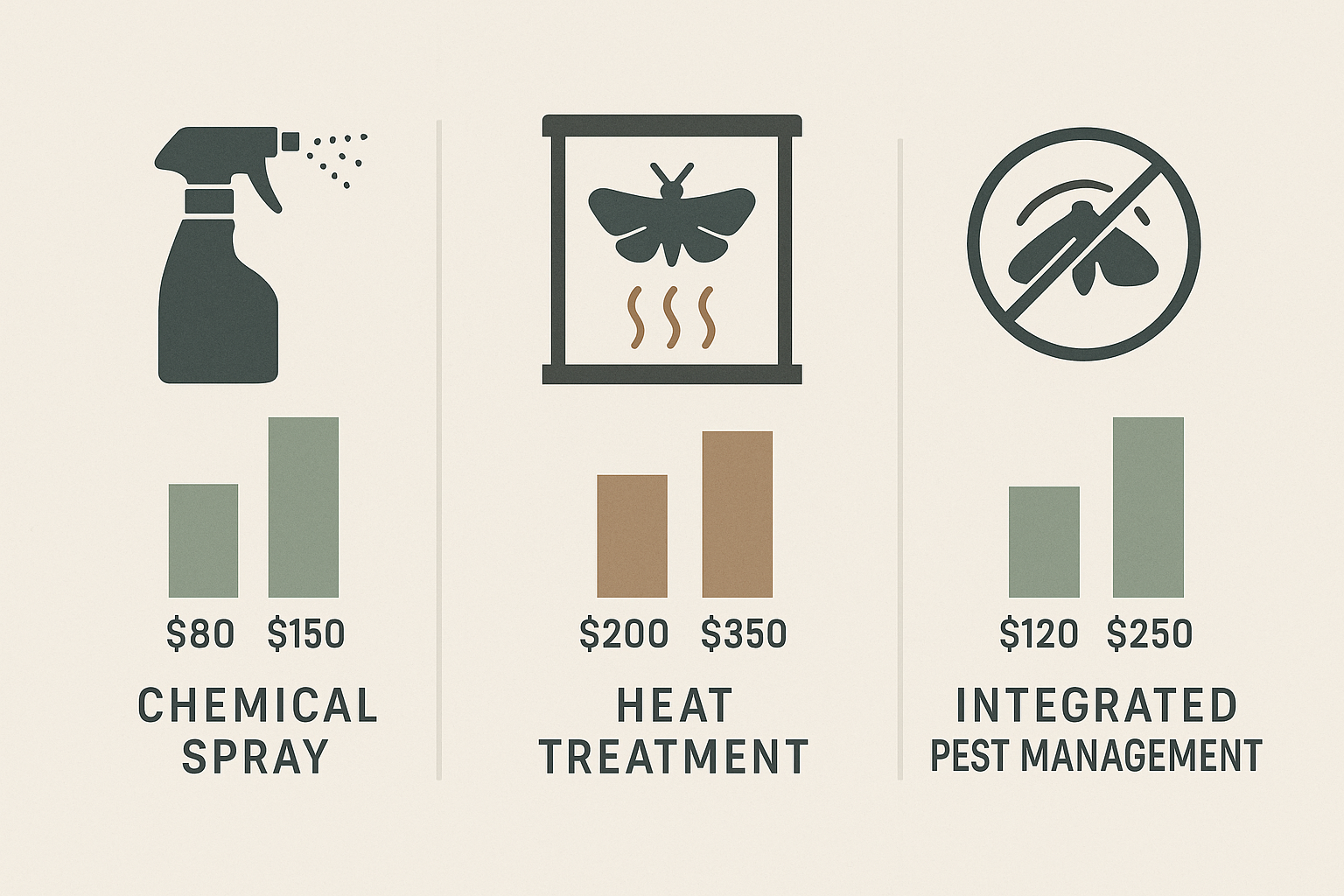
When moths invade a Snellville home, the right treatment can make the difference between a quick fix and a long‑term peace of mind. Anthem Pest Control offers three proven approaches, each with its own cost structure and set of advantages. Understanding how they work and what you’ll pay helps you choose the solution that fits your budget and lifestyle.
Chemical Spray
Our technicians apply EPA‑registered pyrethroid sprays directly to surfaces where adult moths congregate. The typical charge ranges from $80 to $150 per visit, depending on the size of the affected area. This method delivers rapid knock‑down of surface‑dwelling moths, making it ideal for immediate relief. However, because chemicals can degrade over time, a second application may be necessary during heavy infestations.
Heat Treatment
Heat treatment raises interior temperatures to about 130 °F for 2–4 hours, a level lethal to all life stages of moths, including hidden larvae and eggs. Whole‑house service costs between $200 and $350. The biggest draw is that no chemicals enter your home, so pets and children are completely safe. The downside is the higher upfront price and the need to prepare rooms—removing heat‑sensitive items and sealing vents.
Integrated Pest Management (IPM)
IPM combines regular monitoring, rigorous sanitation, and targeted treatments to keep moth populations below damaging levels. Pricing falls in the $120 to $250 range, reflecting the ongoing nature of the program. The biggest benefit is long‑term prevention; once the cycle is broken, future outbreaks are far less likely. Success, however, hinges on homeowner cooperation—regular cleaning, proper food storage, and prompt reporting of any new activity are essential.
Quick Comparison
| Method | Cost Range | Pros | Cons |
|---|---|---|---|
| Chemical Spray | $80‑$150 per visit | Fast action; effective on surface moths | May require re‑application; chemical exposure |
| Heat Treatment | $200‑$350 whole‑house | Chemical‑free; reaches hidden larvae and eggs | Higher upfront cost; preparation needed |
| Integrated Pest Management (IPM) | $120‑$250 program | Long‑term prevention; minimal chemicals | Requires homeowner participation and ongoing monitoring |
Snellville Pricing Benchmarks – Local Case Study
When you start asking local providers about moth control, the first figure you’ll encounter in Snellville is a broad pest-control band of $110 – $280. This range reflects the typical cost of a single-visit treatment for common household pests and serves as a useful baseline for homeowners comparing moth-specific services. Understanding this pricing range helps clarify overall moth control cost Snellville residents can expect when evaluating professional treatment options.
What Snellville companies are actually charging for moth control
- Expest Pest Solutions – $130 for a standard moth spray that targets adult moths and larvae in interior spaces. The quote was confirmed via a phone interview and is listed on their service page: expestpest.com/moth-control.
- Active Pest Control – $210 for a heat‑treatment package. The method raises ambient temperature to a level that kills all life stages of moths hidden in closets, attics, and wall voids. Pricing details appear on their heat‑treatment overview: activepest.com/heat-treatment.
- Cook’s Pest Control – $165 for a combined spray + monitoring service. The quote includes a follow‑up inspection to ensure the infestation is fully eradicated. You can view the estimate on their moth‑control page: cooks-pest.com/moth-services.
It’s important to note that pure “moth‑only” quotes are relatively scarce in Snellville. Many companies bundle moth treatment with broader “general pest” packages, which can obscure the true cost of a targeted solution. Because pricing can shift with seasonal demand, fuel costs, and new EPA‑approved products, we recommend verifying any 2024 quote directly on the provider’s website or during a brief phone interview before signing a contract.
For the typical Snellville homeowner, the takeaway is clear: expect to pay somewhere between $130 and $210 for a professional moth‑control job, with the exact amount depending on the method (spray vs. heat) and any additional monitoring or follow‑up visits. By anchoring your budget to the local price band and confirming current rates, you can avoid surprise fees and choose the service that best fits your home’s infestation level and your peace of mind.
Getting Accurate Quotes
When you’re ready to tackle a moth infestation, the first financial question is “how much will it cost?” A transparent, itemized estimate removes guesswork and protects you from surprise fees. Follow this three‑step process to secure a clear quote from any pest‑control provider, including Anthem Pest Control.
Step 1: Call for a free estimate and schedule an on‑site inspection
Pick up the phone or use the online form on the company’s website. Ask for a complimentary inspection—most reputable firms, including Anthem, offer this at no charge. During the visit, the technician will assess the extent of the moth problem, identify the species, and note any structural vulnerabilities that could affect treatment.
Step 2: Request a written, itemized quote
After the inspection, ask for a detailed proposal delivered by email or regular mail. The document should break down labor costs, the specific products to be applied, and any follow‑up visits required to complete the program. Seeing each line item helps you compare offers side‑by‑side and understand where you’re investing.
Step 3: Ask specific questions about the service
Don’t settle for vague answers. Inquire about:
- The type of treatment (e.g., targeted bait, whole‑home fogger, or structural fumigation).
- How many visits are included in the price and the interval between them.
- Warranty coverage—what’s guaranteed and for how long.
- The schedule for post‑treatment inspections and any additional fees for extra visits.
Confirm that the products listed are EPA‑registered and that the provider follows NPMA best‑practice guidelines. These assurances protect your family’s health and guarantee that the moth control plan meets industry standards.
Sample email template to request quotes
Subject: Request for Itemized Moth Control Quote – [Your Address]
Dear [Company Name] Team,
I am experiencing a moth problem at my home (address) and would like a free on‑site inspection. After the inspection, could you please provide a written, itemized estimate that includes:
- Labor costs per visit
- Names and concentrations of all EPA‑registered products
- Number of scheduled follow‑up visits
- Warranty terms and any optional services
Thank you for your assistance. I look forward to reviewing the proposal.
Sincerely,
[Your Name] – [Phone Number]
Selecting the Right Provider
When moths invade your home, the difference between a quick fix and a lingering problem often comes down to the pest‑control company you hire. Vetting a provider can save you time, money, and the frustration of repeated treatments.
Check licensing. In Georgia, every legitimate pest‑control business must hold a valid license from the Georgia Department of Agriculture. Ask to see the license number and verify it online; this ensures the technicians are trained, bonded, and operating within state regulations.
Look for industry credentials. Membership in the National Pest Management Association (NPMA) signals a commitment to best practices, ongoing education, and ethical standards. Likewise, an EPA compliance statement demonstrates that the company follows federal guidelines for pesticide safety and environmental protection.
Compare insurance, reviews, and guarantees. A reputable provider carries comprehensive liability insurance that protects you if a treatment causes accidental damage. Scan online review platforms for consistent five‑star feedback and note how the company handles complaints. Finally, read guarantee terms—look for clear, written promises about follow‑up visits and refund policies if the moths return.
Anthem Pest stands out in Snellville for precisely these reasons. Our team is fully licensed by the Georgia Department of Agriculture, holds active NPMA membership, and adheres to EPA‑approved treatment protocols. We carry robust insurance coverage, boast a 4.9‑star rating from local homeowners, and back every service with a 30‑day satisfaction guarantee.
What truly differentiates Anthem Pest is our local expertise and convenience. We know the specific moth species that thrive in Snellville’s climate, and our technicians tailor solutions to your neighborhood’s micro‑environment. Plus, our 24/7 support line (877‑371‑8196) means you can reach a knowledgeable representative anytime, and our pricing model eliminates hidden fees before the first spray.
Use this checklist as a quick reference when you contact potential providers. By confirming licensing, industry affiliations, insurance, reviews, and guarantee details, you’ll feel confident that the company you choose—like Anthem Pest—will protect your home efficiently and affordably.
DIY vs Professional Moth Control
Common DIY tools
Most homeowners start with low‑cost, over‑the‑counter products. Typical items include:
- Pheromone traps – lure adult moths and interrupt breeding cycles (≈ $15‑$30 per pack).
- Cedar blocks, chips or sprays – natural repellents that mask fabric odors (≈ $10‑$20).
- Regular vacuuming of closets, attics and storage areas – removes larvae and eggs (cost is essentially the electricity used, roughly $5‑$10 per month).
All of these tools together usually run between $20 and $60, making them an attractive first step for a small, isolated problem.
Limitations of DIY
While budget‑friendly, DIY methods rarely achieve complete eradication. Pheromone traps capture only adult moths; they do nothing for hidden larvae deep in upholstery or carpet padding. Cedar products mask scent but cannot kill insects, so a persistent infestation can continue unchecked. Over‑zealous vacuuming may even damage delicate fabrics if not done carefully. Most importantly, the risk of recurrence stays high because the underlying source – often a contaminated garment or food source – remains unaddressed.
Cost‑benefit analysis
Doing it yourself can save roughly $50‑$100 compared with a single professional visit, which typically costs $150‑$250 in Snellville. However, the savings are often short‑lived. Homeowners frequently find themselves re‑purchasing traps or repeating vacuum sessions every few weeks, adding up to the same or higher expense over a season. Moreover, repeated attempts can waste time and increase frustration, especially when moth damage to clothing or stored items escalates.
When to call a professional
For infestations that cover more than 50 sq ft, or when moths begin targeting structural components such as insulation, wall voids or wooden beams, a professional treatment is advisable. Certified technicians can apply targeted insecticides, heat treatments, or integrated pest‑management plans that reach hidden larvae and prevent future outbreaks. Choosing a licensed provider like Anthem Pest Control ensures the job is done safely, efficiently, and with transparent pricing.
Frequently Asked Questions
Below are answers to the most common questions homeowners ask about moth control in Snellville.
How often should moth treatment be repeated?
For most Georgia homes, we recommend a preventive moth service every six to twelve months. Timing depends on season and infestation level. A spring visit protects clothing and stored items before the warm months, while a fall visit shields against overwintering pests. Consistent scheduling also reduces the need for costly emergency visits and helps preserve wool, silk, and stored fabrics from irreversible damage.
Can moths return after treatment?
Moths can re‑enter from outside sources or from untreated items stored elsewhere. That’s why Anthem Pest Control emphasizes a follow‑up plan: the residual barrier stays active for months, and a booster or spot‑service may be needed if new activity appears. Ongoing monitoring keeps the infestation from rebuilding. If you notice new webbing, larvae, or a sudden increase in adult moth activity, call us for a timely inspection.
Are heat treatments safe for electronics?
Heat is one of the most effective ways to eradicate moth larvae, but it does require careful preparation. Before we raise the temperature, we advise homeowners to either remove sensitive devices—such as laptops, televisions, and home‑theater equipment—or protect them with heat‑resistant covers. Our technicians also monitor the temperature closely, staying within the range that kills pests without exceeding the safe threshold for most household items. After the heat cycle, we recommend a brief vacuum and a light mist of a non‑toxic barrier to keep any surviving eggs from hatching.
Recap and Next Steps with Anthem Pest
When it comes to moth control in Snellville, the price you see on a flyer is only part of the picture. The final cost is shaped by four main factors: the severity of the infestation, the treatment method you choose (chemical spray, bait stations, or an integrated approach), the square footage of the area that needs coverage, and how often you schedule follow‑up visits to keep the problem from returning. Seasonal timing also influences pricing, as treatments scheduled during peak moth activity may require additional protective measures.
Because each home is different, a one‑size‑fits‑all estimate can be misleading. That’s why Anthem Pest recommends a personalized, on‑site quote. Our technicians walk through your property, identify the species, assess damage, and factor in local conditions unique to Snellville neighborhoods. The result is a transparent, accurate price that reflects exactly what your home requires—no hidden fees, no surprise charges.
Ready to see how affordable a tailored solution can be? Give us a call at 877-371-8196 for a free, no-obligation estimate, or visit Anthem Pest to schedule your inspection. We’ll help you choose the right plan, answer any questions, and get your home moth-free with confidence. If you’re comparing moth control cost Snellville, our locally trained crew will provide transparent pricing and expert timing to ensure maximum effectiveness for the lowest cost.