Identifying Common Household Moths in Sugar Hill, GA
In Sugar Hill’s humid climate, moths find the perfect environment to slip inside homes, especially when food, fabric, or warmth is readily available. For homeowners researching moth control cost Sugar Hill, it’s important to understand that unlike outdoor moths that stay in fields, these indoor species thrive in closets, pantries, and even attic corners, turning everyday spaces into breeding grounds if left unchecked.

Clothes Moth (Tineola bisselliella)
The clothes moth is a tiny, tan‑brown insect about 6‑9 mm long. Its wings are narrow, fringed, and lack distinct markings, giving a “shaggy” appearance when at rest. Look for a subtle, creamy‑white fringe along the wing edges and a slightly pointed abdomen. These moths love natural fibers—wool, silk, cashmere—so they often hide in wardrobes, under mattresses, or inside stored blankets.
Pantry Moth (Plodia interpunctella)
Also known as the Indian meal moth, the pantry moth measures 8‑10 mm and displays a striking two‑tone wing pattern: reddish‑brown forewings with a coppery‑golden band and pale gray‑white hindwings. They are most active in kitchens, nesting inside grain bins, cereal boxes, dried fruit, and pet food. Their larvae are the real culprits, feeding on stored products and leaving a silken web behind.
Life‑Cycle Stages
- Egg: Both species lay tiny, oval eggs on or near a food source. Clothes‑moth eggs are often found on fabric seams, while pantry‑moth eggs cling to food packaging.
- Larva: The worm‑like larvae are the damaging stage. Clothes‑moth larvae create silken tubes in clothing piles; pantry‑moth larvae spin webbing inside food packages and feed on the contents.
- Pupa: After several weeks, larvae spin a cocoon. Clothes‑moth cocoons are hidden in fabric folds; pantry‑moth cocoons are tucked into the corners of pantry shelves or inside cardboard boxes.
- Adult: Adults emerge to mate and lay the next generation of eggs. Adults are the most visible sign—small moths fluttering near light sources or resting on walls.
Common Signs of Infestation
- Fine, silken webbing on fabric seams, in pantry corners, or inside food packages.
- Irregular holes or “eaten” patches in wool sweaters, blankets, or stored grains.
- Visible larvae—caterpillar‑like, cream‑colored for clothes moths; pink‑brown for pantry moths.
- Small dark droppings resembling pepper flakes, often found near larvae.
- Unexplained adult moth sightings, especially near windows or lamps.
Quick tip: How to confirm a moth problem in 3 easy steps
- Inspect closets and pantry shelves for silken webs or tiny larvae.
- Check fabric seams and stored food packaging for small holes or irregular damage.
- Set out a pheromone trap for a week; a catch of adult moths confirms an active infestation.
How Moth Infestations Damage Property and Health
Economic toll nationwide
The United States loses billions of dollars each year to pest‑related damage. According to the EPA’s estimate of pest‑damage economic impact, insects, rodents and other pests collectively cost the economy anywhere from $5 billion to $10 billion annually. Moths may seem small, but when they multiply, the hidden costs quickly add up—food waste, ruined clothing, and even higher energy bills.
Food contamination & health risks
Pantry moths (e.g., Plodia interpunctella) lay eggs directly on grains, cereals, nuts and dried fruit. The larvae spin silken webs and chew through packaging, contaminating the entire batch. Consuming infested food can introduce allergens, mold spores, and bacteria, increasing the chance of food‑borne illness. The CDC warns that improper food storage is a leading cause of preventable food poisoning, and a moth‑infested pantry is a prime example.
Textile destruction
Clothes moths target natural fibers such as wool, silk, cashmere and even some synthetic blends. Their larvae feed on the keratin proteins that give fabrics their strength, leaving behind irregular holes, fuzz, and a distinct, musty odor. Unlike a spilled jar of flour, the damage to a favorite sweater or upholstery is often irreversible, requiring replacement rather than repair.
Hidden utility costs
Many homeowners instinctively crank up heating or air‑conditioning to dry out humid corners where moths thrive. This over‑use of HVAC systems inflates utility bills, creating an indirect financial burden that’s rarely linked to the original pest problem. In addition, excessive drying can damage wood floors and paint, compounding the overall expense.
Local impact in Sugar Hill
For a typical Sugar Hill household, an undetected moth infestation can translate into $200–$500 of losses each year. That figure includes:
- Discarded pantry items—cereal, nuts, pet food—once larvae are discovered.
- Replacement of damaged garments, blankets, or sofa cushions.
- Extra heating or cooling to combat moisture that attracts moths.
- Potential medical costs if a family member suffers a food‑borne illness.
These numbers may seem modest, but they accumulate quickly, especially when families purchase premium organic foods or high‑quality wool garments.
Bottom‑line takeaway
Early detection is the most cost‑effective defense. Regular pantry inspections, proper food storage in airtight containers, and periodic checks of closets and upholstery can stop a moth problem before it spirals into wasted groceries, ruined clothing, higher energy bills, and health risks. Proactive measures protect both your wallet and your family’s wellbeing.
Effective Moth Prevention Strategies for Homeowners
Keeping moths out of your Sugar Hill home isn’t a one‑time task—it’s a year‑round habit. By combining good housekeeping, smart home upgrades, and a few natural deterrents, you can break the life cycle of pantry and clothing moths before they become a problem.
General Sanitation Rules
- Airtight containers: Store grains, cereals, nuts, and dried fruit in sealed glass or heavy‑plastic containers. This blocks adult moths from laying eggs and stops larvae from finding food.
- Pantry sweeps: Every month, pull everything out, wipe shelves with a mild detergent, and discard any crumbs or spills.
- Vacuum closets: Vacuum floors, walls, and especially the corners of wardrobes. The suction removes eggs, larvae, and the silken webs moths leave behind.
- Launder fabrics at high heat: Run sweaters, blankets, and stored clothing through a dryer on the highest setting (or steam‑iron) for at least 30 minutes. Heat kills any hidden larvae.
Structural Defenses
- Seal cracks and gaps around baseboards, windows, and doors with caulk or expanding foam.
- Install door sweeps on exterior doors to stop moths from slipping in on foot traffic.
- Repair or replace damaged window screens; even a tiny tear can become a moth highway.
- Reduce indoor humidity to 45 % or lower using a dehumidifier or proper ventilation. Moth larvae thrive in moist environments, especially in closets and pantry corners.
Seasonal Timing
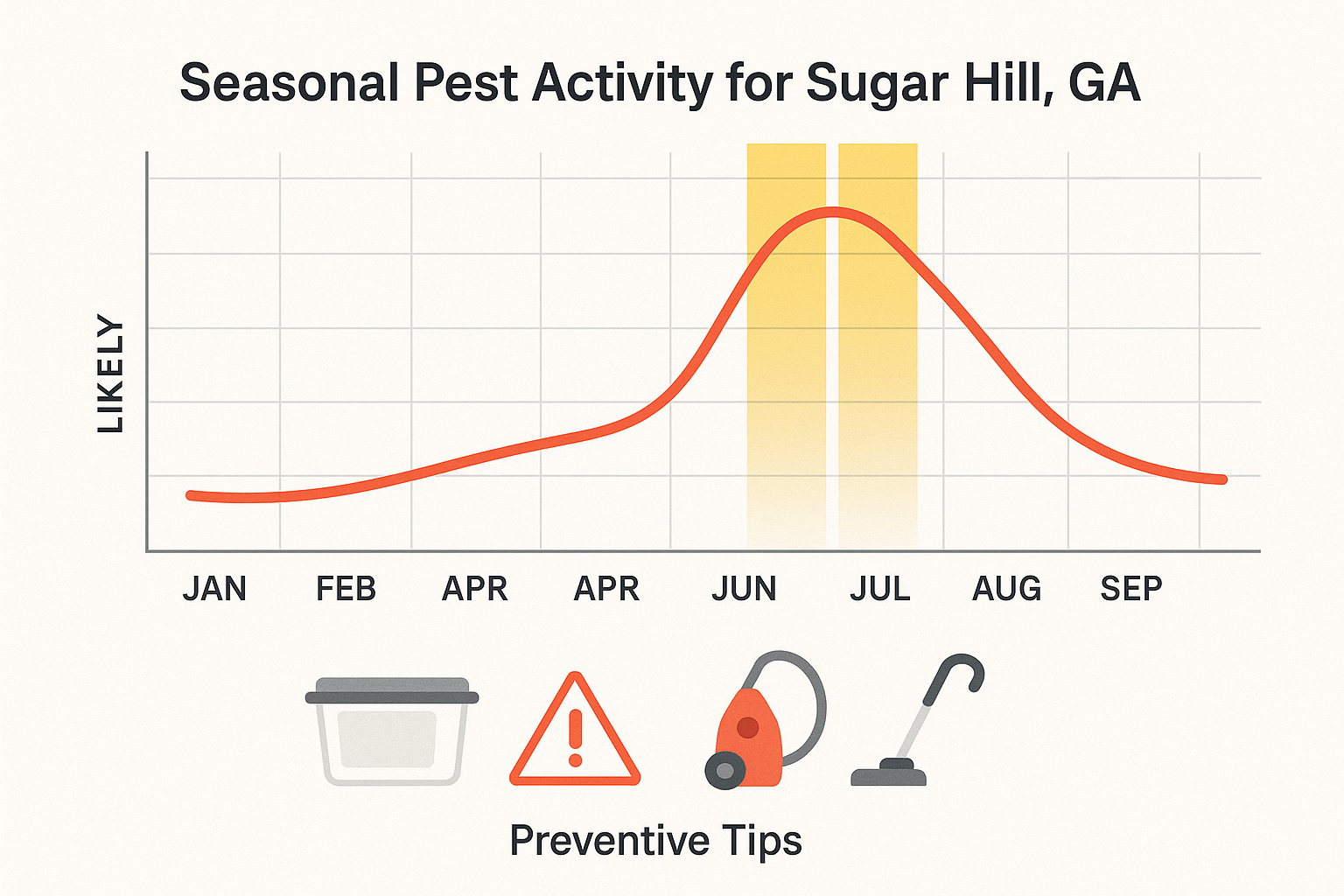
Spring and early summer are the peak months for moth activity in Georgia. Adult moths emerge after overwintering, seek out food sources, and begin laying eggs. That’s why a pre‑emptive “spring sweep” is crucial—clean, seal, and set traps before the first warm days arrive. Fall and winter pose a lower risk, but stored fabrics and pantry items can still harbor dormant eggs, so a light maintenance routine remains important.
Natural Deterrents
- Cedar: Place cedar blocks or chips in closets and drawers; the natural oils repel both adult moths and larvae.
- Lavender sachets: Dried lavender or lavender oil sachets add a pleasant scent while discouraging moths.
- Pheromone traps: These sticky traps lure male moths, interrupting breeding cycles. Position them near pantry shelves and in garment storage.
- Essential‑oil sprays: Mix 10 drops of peppermint, eucalyptus, or tea tree oil with water in a spray bottle. Lightly mist shelves, seams, and the interior of storage bins.
Monitoring Plan
Set up a few sticky traps in high‑risk zones—corners of the pantry, under the top shelf of the closet, and near any known entry points. Check the traps once a month, note the number and type of insects captured, and replace the traps as needed. Recording findings helps you spot seasonal spikes early and adjust your prevention steps accordingly.
Quick‑Reference Table: Prevention Checklist by Season
| Season | Key Tasks | Natural Deterrents |
|---|---|---|
| Spring | Deep pantry sweep, seal cracks, install pheromone traps | Cedar blocks, lavender sachets |
| Summer | Vacuum closets weekly, monitor humidity, replace trap adhesives | Essential‑oil spray, fresh cedar |
| Fall | Inspect stored fabrics, launder at high heat, tighten window screens | Lavender sachets, cedar chips |
| Winter | Light pantry tidy, keep humidity low, check trap counts | Essential‑oil mist, occasional cedar refresh |
Moth Treatment Options and Pricing in Sugar Hill, GA
When moths start nibbling through your wool blankets or pantry goods, the first question is whether you should tackle the problem yourself or call a professional. When comparing moth control cost Sugar Hill, both paths have merit, but understanding the trade-offs and local price points helps you make a confident decision.
DIY Solutions
Homeowners often reach for store‑bought tools because they’re inexpensive and easy to apply. Common DIY options include:
- Pheromone traps: Pre‑filled kits that lure male moths and disrupt breeding cycles.
- Insecticidal sprays: Aerosol or pump sprays containing pyrethroids for quick knock‑down of visible insects.
- Homemade traps: A simple mixture of flour and water placed in a shallow dish can attract larvae that you then discard.
In practice, DIY methods work best for low‑level infestations or as a preventative measure. Pheromone traps can reduce a population by 30‑50 % over a few weeks, while sprays provide instant relief but often require repeated applications. Homemade traps are cheap but lack the consistency of commercial products.
Professional Services
Licensed pest‑control companies bring a suite of treatments that go beyond what you can buy at the hardware aisle. In Sugar Hill, the most common service models are:
- One‑time treatments: A single visit where a technician applies a targeted pesticide, usually in wall voids, attic spaces, and storage areas.
- Monthly maintenance plans: Regular inspections and re‑applications that keep moth pressure low throughout the year.
- Full‑service contracts: Quarterly visits, monitoring devices, and a warranty that covers re‑infestation for a set period.
These options are designed for moderate to heavy infestations, for homes with valuable fabrics, or for families who prefer a hands‑off approach.
Why Hire a Licensed Technician?
- Proper pesticide selection and calibrated application reduce the risk of residue on clothing or food.
- Technicians follow Georgia’s safety compliance standards, protecting children and pets.
- Most companies, including Anthem Pest Control, offer a warranty that covers a second treatment if moths return within the guarantee window.
- Professional monitoring can catch early signs before an outbreak becomes visible, saving you money in the long run.
Cost Comparison

| Option | Cost Range | Typical Use Case |
|---|---|---|
| Low‑cost DIY traps | $10–$30 per kit | Minor pantry or closet sightings |
| Mid‑range professional single‑visit treatment | $120–$250 | Established infestation, one‑time eradication |
| High‑end full‑service plans (quarterly visits, monitoring) | $350–$600 annually | Large homes, valuable textiles, ongoing protection |
These figures align with the NPMA 2024 pricing guide, which sets industry benchmarks for both DIY and professional pest‑management services.
Decision‑Making Flow: When to DIY and When to Call a Pro
- DIY is sensible if you spot only a few moths, have a small pantry or closet problem, and are comfortable applying sprays or setting traps yourself.
- Call a professional when you notice widespread damage, repeated sightings after DIY attempts, or have delicate items (wool rugs, heirloom garments) that require thorough, guaranteed protection.
- Consider a maintenance plan if you live in an older home with hidden voids where moths can hide, or if you prefer an annual “set‑and‑forget” solution that includes monitoring and warranty coverage.
Why Choose Anthem Pest Control for Moth Management

Over the past sections we’ve walked through how to spot a moth infestation, the kinds of damage these pests can inflict on clothing, stored foods, and even wooden structures, the preventive steps you can take, and the range of treatment options available—from targeted traps to professional whole‑home applications. We also highlighted how seasonal humidity in Sugar Hill can accelerate larval growth, and why early detection is critical to avoid expensive fabric replacement or structural repairs.
Local expertise you can trust
Anthem’s technicians are trained right here in Sugar Hill, so they understand the specific moth species that thrive in our climate and the seasonal patterns that influence their activity. Every crew member is EPA‑registered, meaning they are authorized to handle the most effective yet environmentally responsible chemicals on the market. Our technicians stay current with annual training on the latest pheromone‑based monitoring tools, ensuring we catch even low‑level infestations before they become visible.
Safety‑first solutions for families and pets
We prioritize the health of your household. Our treatment plans use low‑toxicity products that are safe around children, dogs, and cats when applied according to label directions. In addition, we offer integrated pest‑management recommendations—such as proper storage practices and ventilation tips—that reduce reliance on chemicals without compromising results. For homes with allergy‑sensitive members, we can apply ultra‑low‑volume foggers that leave virtually no residue, yet remain lethal to moths.
Transparent pricing, no surprises
The cost infographic displayed earlier illustrates our straightforward pricing structure: a flat fee for the initial inspection, a clear quote for the chosen treatment, and no hidden add‑ons. What you see is what you pay, and we provide a written estimate before any work begins. Because we charge per square foot rather than per treatment, larger homes benefit from economies of scale, and you’ll never receive an unexpected surcharge for extra rooms.
Customer service that works around your schedule
Anthem offers 24/7 emergency response for moth outbreaks that demand immediate attention, backed by a satisfaction guarantee that ensures we return until the problem is resolved. Our flexible scheduling lets Sugar Hill residents choose weekday evenings or weekend slots, so pest control fits seamlessly into busy lives. Our dispatch center tracks every call, guaranteeing a technician arrives within two hours for emergency calls, and we follow up a week later to confirm the problem is fully resolved.
Ready to protect your wardrobe, pantry, and home from costly moth damage? A quick call for a free, no‑obligation inspection can stop an infestation before it spreads. Even if you’re only curious about the cost, the inspection is complimentary and comes with a written action plan, so you can compare options without pressure. Our experts will assess the situation, explain the best course of action, and give you a transparent quote—so you can make an informed decision with confidence.
Phone: 877-371-8196
Visit Anthem Pest Control to learn more about moth control cost Sugar Hill and schedule your free inspection today.