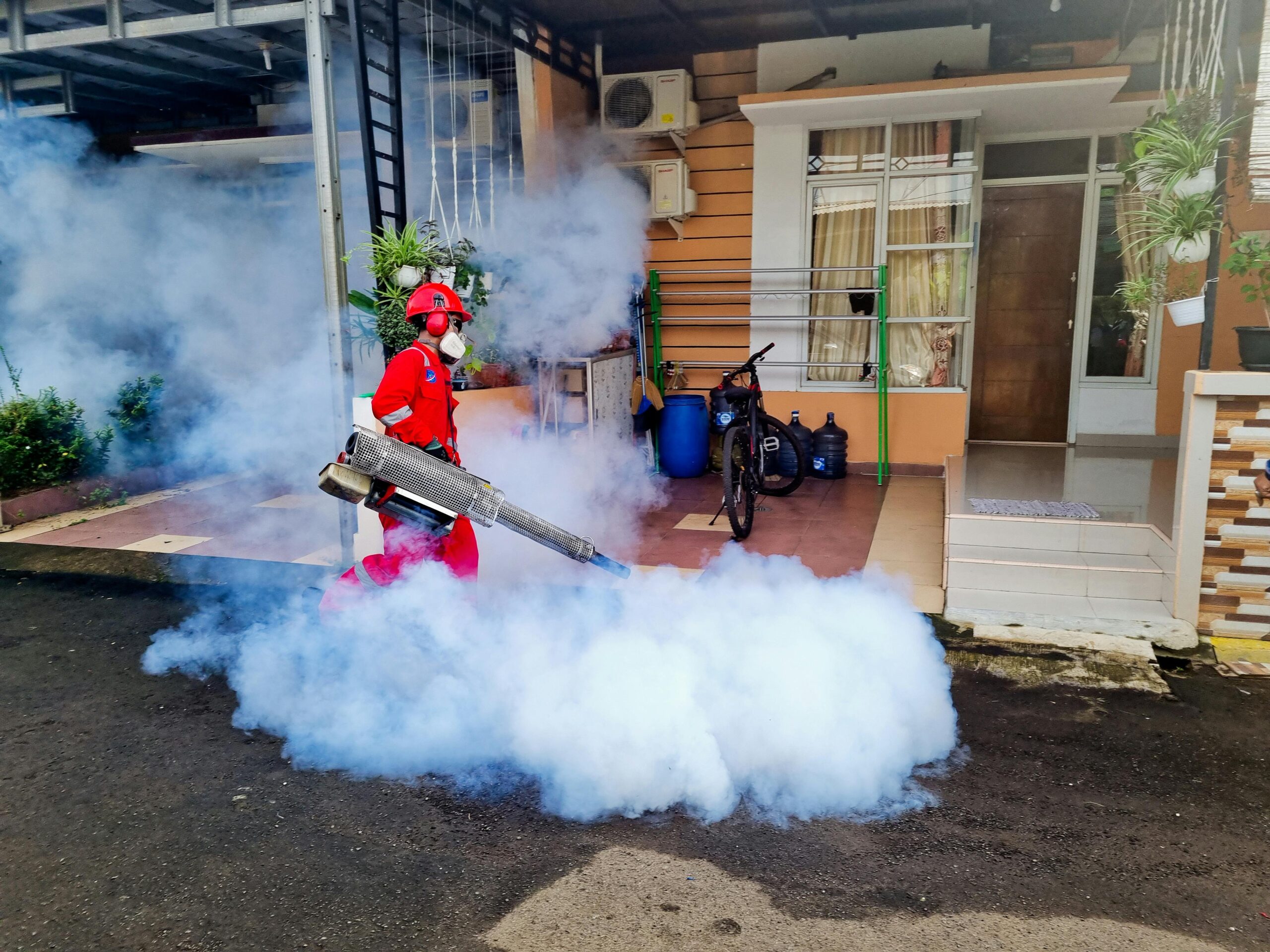
Why Mouse Infestations Matter for Homeowners

Meet the Common House Mouse
The house mouse (Mus musculus) is the most ubiquitous rodent in American homes. Measuring just 2‑4 inches long, it thrives in tight spaces—behind walls, under appliances, and in attic insulation. These tiny foragers are nocturnal, opportunistic eaters that can survive on crumbs, pet food, or even paper. Their rapid breeding cycle—up to ten litters a year—means a single pair can quickly become a full‑blown infestation if left unchecked.
Health Risks You Can’t Ignore
Beyond the nuisance factor, mice pose genuine health threats. Their urine and droppings can carry Hantavirus, a serious respiratory illness, while their fur and saliva often harbor Salmonella and other bacterial pathogens. The EPA warns that rodent‑borne diseases can spread through contaminated surfaces and food preparation areas. Likewise, the CDC lists mice among the primary vectors for zoonotic infections that affect children and immunocompromised adults.
Damage to Your Home and Belongings
Mice are relentless chewers. Their incisors grow continuously, prompting them to gnaw on electrical wiring, plastic pipes, and wooden framing. This activity can trigger short circuits, increase fire risk, and compromise structural integrity. In the kitchen, nests built from shredded paper or fabric contaminate stored food, leading to costly waste. Even upholstery and clothing aren’t safe—mouse nests leave behind oily stains and a lingering odor that’s difficult to eradicate.
The Hidden Stress Factor
Seeing a mouse dash across the floor can be unsettling, and the knowledge that unseen critters are sharing your living space amplifies anxiety. Homeowners often report sleepless nights, heightened vigilance, and a loss of confidence in their home’s safety. That psychological toll, while invisible, translates into real costs—whether it’s the time spent setting traps, the expense of professional inspections, or the peace‑of‑mind you sacrifice.
Why Mice Aren’t Just Another Cockroach
Although both mice and cockroaches thrive in cluttered, moist environments, their behaviors demand different control strategies. Cockroaches hide in cracks and feed on organic debris, while mice actively explore, build nests, and require access points as small as a quarter inch. A treatment plan that works for roaches—like residual sprays—won’t stop a determined mouse from slipping through a tiny gap in the foundation. Recognizing these distinctions is the first step toward a targeted, effective solution.
Spotting a Mouse Problem Early
Visual clues you can’t miss
When a mouse sets up shop, it leaves a trail of unmistakable evidence. Look for dark, rice‑shaped droppings near food packages, along baseboards, or tucked behind appliances. Gnaw marks are another giveaway—tiny, crescent‑shaped bites on wood, plastic, or even wiring, often accompanied by shredded paper, insulation, or fabric that looks like a miniature shredding machine at work. In kitchens, you may notice greasy streaks on cabinets or walls; these are the result of mouse fur and oils rubbing against surfaces as they scurry.
Auditory clues that scream “they’re inside”
At night, a quiet home can suddenly fill with soft scratching or scurrying sounds. Those noises usually come from walls, attics, or crawl spaces where mice travel along concealed pathways. If you hear intermittent, high‑pitched squeaks or the faint rustle of nesting material, it’s a strong indicator that a rodent family is nesting nearby.
Smell cues that most homeowners overlook
Mouse urine carries a distinct, musky odor that becomes noticeable in confined spaces like closets or under sinks. The smell isn’t as sharp as a skunk’s, but it lingers and grows stronger the longer the infestation persists. If you detect an inexplicable musty scent in a specific area, it’s worth investigating for rodent activity.
Common entry points you should seal
Rodents are expert contortionists, slipping through openings as small as a quarter‑inch. Typical gateways include gaps around utility pipes, cracks in the foundation, and unsealed vent openings. Even a tiny gap behind a dishwasher or a loose weather‑stripping panel can serve as a highway straight into your home.
How mouse evidence differs from cockroach signs
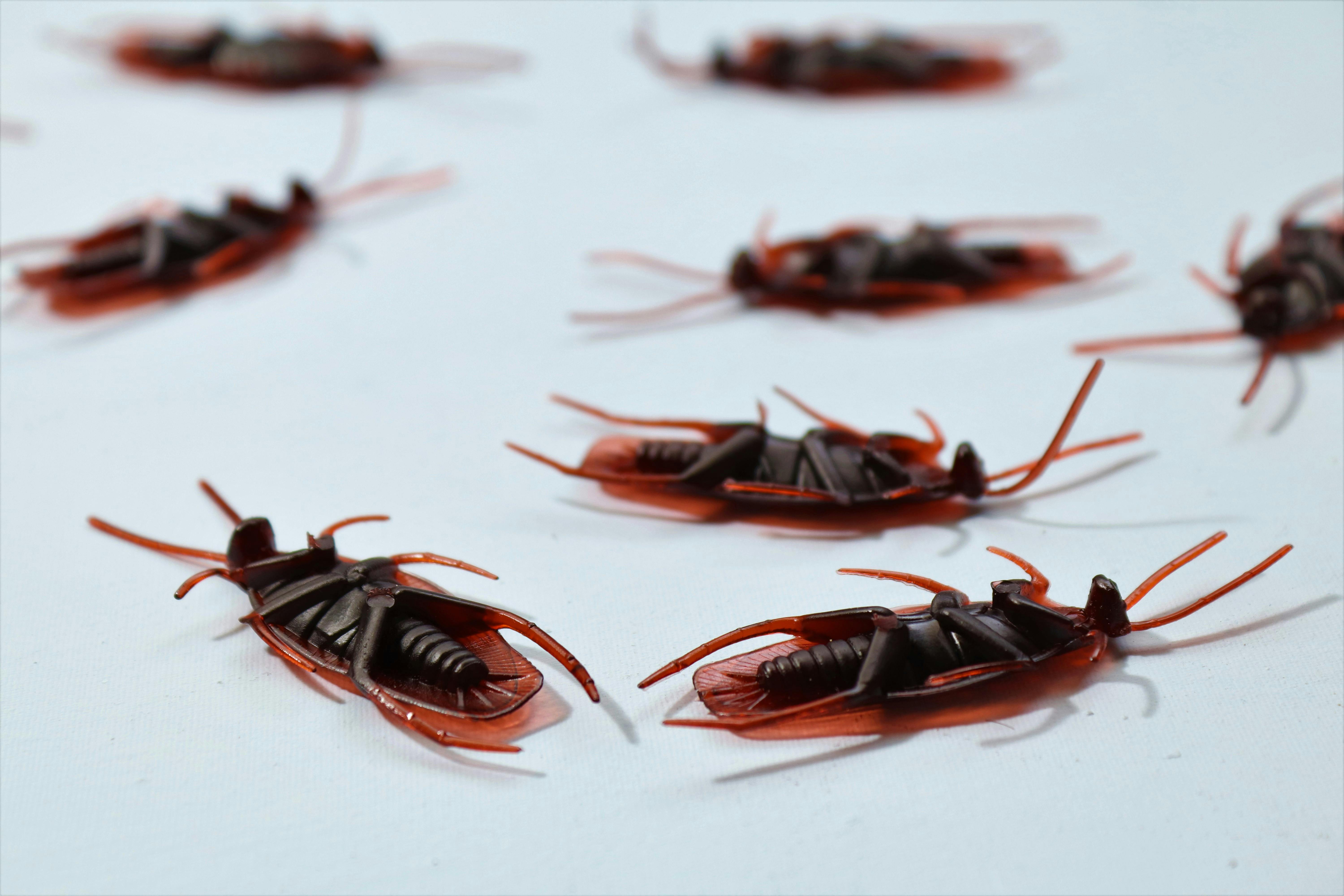
Both mice and cockroaches can leave behind droppings, but the two look very different. Mouse droppings are larger (about the size of a grain of rice) and have pointed ends, while cockroach droppings are smaller, darker, and more irregular. Cockroaches also leave behind shed skins and a faint oily residue, not the greasy streaks typical of mouse fur. Below is a side‑by‑side visual comparison.

Quick “Mouse Audit” checklist for homeowners
Run through this short list whenever you suspect a rodent problem. It takes only five minutes, but it can save you weeks of damage and expensive treatment later.
- Inspect droppings: Check countertops, cabinets, and pantry shelves for rice‑shaped pellets.
- Search for gnaw marks: Look at wood trim, plastic containers, and wiring for fresh bite marks.
- Listen at night: Pause in quiet rooms and listen for scratching or scurrying behind walls.
- Smell the air: Identify any musky, urine‑like odor, especially in closets or under sinks.
- Seal entry points: Examine pipe gaps, foundation cracks, and vent openings; use steel wool or caulk to block them.
- Compare with other pests: If droppings are tiny and dark, you might be dealing with cockroaches instead.
By mastering these visual, auditory, and olfactory cues, you’ll catch a mouse invasion before it escalates into structural damage, contaminated food, or costly repairs. Early detection also gives Anthem Pest Control a clearer picture, allowing us to tailor a fast, affordable treatment plan that protects your home and peace of mind.
Effective Mouse Control Methods
When mice start sharing your kitchen or attic, the first question is how to evict them safely and permanently. Homeowners in Canton have two broad paths: a do‑it‑yourself (DIY) approach that relies on traps and baits you can purchase locally, or a professional service that combines inspection, targeted baiting, and structural exclusion. Understanding the strengths and drawbacks of each option helps you choose the right balance of cost, effort, and safety.
DIY Options
Snap traps remain the classic choice for quick, humane kills. Modern spring‑loaded models bite instantly, leaving little chance for the mouse to suffer. Place them along walls, behind appliances, or near suspected runways, and use a small amount of peanut butter or dried fruit as bait to increase attraction.
Electronic traps deliver a high‑voltage shock that kills on contact. They are reusable, easy to clean, and eliminate the mess associated with snap traps. Position them in dark corners where rodents travel; many models feature indicator lights that confirm a catch, so you can empty them promptly.
Glue boards are inexpensive flat sheets coated with a strong adhesive. They work best in confined spaces such as crawl spaces or under cabinets. However, glue boards immobilize the mouse rather than kill it, raising humane concerns and making disposal more complicated.
Bait stations conceal low‑toxicity rodenticides behind a tamper‑proof cover. They are designed to prevent accidental exposure to children and pets while still delivering a lethal dose when a mouse feeds. Choose stations that meet EPA standards and place them in out‑of‑sight locations like behind the refrigerator or inside wall voids.
Safe Bait Choices and Proper Placement
When selecting a rodenticide, look for products labeled “low‑toxicity” or “reduced‑hazard.” These formulations use anticoagulants that require multiple feedings, reducing the risk of a single, lethal dose to non‑target animals. Always read the label for the recommended amount—over‑application does not speed up results and can increase environmental risk.
Effective placement follows the mouse’s natural travel routes: along walls, near food sources, and in hidden corners. Use a single‑point strategy—concentrate a few traps or stations in one area rather than scattering many across the home. This maximizes the chance of a mouse encountering the device while minimizing the number of hazards you need to monitor.
Limitations of DIY Methods
While DIY kits are budget‑friendly, they often leave coverage gaps. Mice can exploit unsealed entry points, and a handful of traps may not reach all active pathways. Additionally, snap and glue traps pose a risk to curious pets or small children if left within reach. Improper bait placement can also lead to bait shyness, where mice learn to avoid the devices after a few encounters.
Another hidden challenge is resistance. Over time, mice can develop a tolerance to certain rodenticides, especially if sub‑lethal doses are repeatedly ingested. Without a professional assessment of infestation size and species behavior, DIY attempts may stall, allowing the problem to persist or even worsen.
Professional Services: A Comprehensive Solution
Licensed pest‑control technicians bring a systematic approach that starts with a thorough inspection. By identifying entry points, nesting sites, and population hotspots, they can design a customized baiting plan that targets every active rodent corridor.
Professional baiting uses EPA‑approved products applied in calibrated amounts, ensuring effectiveness while protecting occupants. Technicians also install tamper‑resistant bait stations in locations that are inaccessible to children and pets, reducing accidental exposure.
Beyond bait, experts perform exclusion sealing—the process of closing gaps as small as ¼ inch in walls, foundations, vents, and utility openings. This structural repair cuts off the mouse’s entry routes, turning a temporary fix into a long‑term barrier.
Ongoing monitoring rounds out the service. After the initial treatment, technicians revisit the property to check trap counts, replace baits, and verify that exclusion measures remain intact. This proactive follow‑up catches any new activity before it escalates.
How Anthem Pest Control Integrates These Practices
At Anthem Pest Control, we blend humane trapping with scientifically vetted baits and meticulous structural repairs. Our technicians start with a visual and tactile inspection, mapping mouse pathways and pinpointing vulnerabilities unique to Canton homes.
We then deploy a mix of humane live traps for capture‑and‑release in occupied areas, alongside EPA‑approved bait stations in concealed zones. All bait stations are child‑proof and pet‑resistant, complying with Georgia’s local regulations on rodenticide use.
Once the rodents are removed, our team seals cracks, installs door sweeps, and repairs damaged soffits—essentially “mouse‑proofing” the property. Finally, we schedule a follow‑up visit within two weeks and a quarterly check‑in to ensure the exclusion remains effective.
Safety First: Child‑Proofing, Pet Protection, and Legal Compliance
Whether you opt for DIY or a professional plan, safety should never be an afterthought. Keep all traps and bait stations out of reach of children—use elevated shelving or locked cabinets. For pet owners, choose tamper‑proof bait stations and avoid placing glue boards or snap traps in areas where cats or dogs roam.
Local ordinances in Canton require that rodenticides be stored in locked containers and that bait stations meet specific tamper‑resistance criteria. Professional technicians are trained to follow these regulations, documenting each step to protect you from liability.
In summary, DIY methods can work for minor, isolated sightings, but they often fall short when faced with a larger infestation or structural vulnerabilities. A professional service like Anthem Pest Control offers a holistic, safety‑focused strategy that eliminates mice, seals entry points, and provides ongoing assurance that your home stays mouse‑free.
Comparing Mouse Control Costs
One‑time Treatment Pricing
Most Canton homeowners who opt for a single mouse‑control visit can expect to pay between $150 and $300. This range typically covers a thorough inspection, placement of snap traps or live‑catch traps, and a baiting program that lasts 2–4 weeks. The price often includes the technician’s travel time, disposal of any captured rodents, and a follow‑up call to confirm that activity has ceased. Premium services—such as sealing entry points or using electronic monitoring devices—can push the bill toward the upper end of the spectrum, but they also reduce the chance of a quick reinfestation.
Subscription‑Based Plans
Subscription models spread the cost over time and bundle preventive measures with regular service visits. In Canton, the most common plans are:
- Monthly plan: $35‑$45 per month, includes one technician visit every 30 days, continuous bait placement, and a 30‑day guarantee on mouse activity.
- Quarterly plan: $90‑$110 per quarter, provides four visits per year, seasonal adjustments to bait types, and a 90‑day warranty on each treatment.
- Annual “All‑Season” plan: $300‑$350 per year, combines quarterly visits with a comprehensive home‑sealing audit, remote monitoring sensors, and priority scheduling for emergencies.
These plans often bundle additional benefits—such as free re‑treatments if mice reappear, discounted rates on other pest services, and a dedicated account manager—making the per‑visit cost lower than a standalone service.
Industry Benchmarks from the NPMA Survey
The 2023 NPMA Cost‑of‑Service Survey reports that the national average for a one‑time rodent treatment sits at $185, while the average monthly subscription is about $38. When broken down by region, the Southeast (including Georgia) trends slightly higher for one‑time jobs—around $210—due to higher labor rates, but subscription pricing remains close to the national average. Below is a quick snapshot of the survey data compared with typical Canton pricing:
| Service Type | NPMA National Avg. | Canton Avg. (One‑time) | Canton Avg. (Monthly Sub.) |
|---|---|---|---|
| One‑time mouse control | $185 | $210 | — |
| Monthly subscription | $38 | — | $40 |
| Quarterly subscription | $110 (annualized) | — | $120 (annualized) |
Cost‑Benefit Analysis: Prevention vs. Eradication
When you look beyond the headline price, the real value emerges from how each approach protects your home over time. A one‑time treatment can eliminate an active infestation quickly, but without ongoing monitoring, rodents often find new entry points within weeks. The average homeowner who repeats a single treatment every 6–12 months may spend $300‑$600 annually—sometimes more if re‑treatments are needed.
Conversely, a subscription spreads the expense (often $400‑$500 per year for quarterly service) while continuously addressing new activity, reinforcing sealed entry points, and providing a warranty that covers re‑treatment at no extra charge. Over a three‑year horizon, the subscription model can save $150‑$250 compared with repeated one‑time jobs, and it delivers peace of mind that a single technician visit cannot match.
For families with children or pets, the added safety of reduced chemical exposure—thanks to regular low‑dose baiting rather than a heavy, one‑off application—also factors into the cost‑benefit equation. In short, if you’re looking for a long‑term solution that minimizes surprise expenses and keeps your home rodent‑free, a subscription often outperforms the “pay‑once, pray‑it‑stays‑gone” approach.

Seasonal Mouse Activity in Canton, GA
Understanding when mice are most active in Canton helps you stay one step ahead of an infestation. In our region, mouse pressure isn’t constant—it rises and falls with the weather, creating clear windows for prevention and follow‑up treatment. Knowing those windows lets you protect your home before the critters even think about moving in.
Temperature & Humidity Drive Breeding Cycles
House mice breed faster when temperatures hover between 65 °F and 80 °F and humidity stays above 50 %. Those conditions accelerate gestation, allowing a female to produce a new litter every three weeks. In Canton, spring brings mild days and rising moisture, while early fall offers a similar climate after the summer heat retreats. Both periods create ideal “baby‑boom” seasons for mice.

What the Chart Shows
The vertical bar chart above visualizes mouse captures from local monitoring stations over the past three years. You’ll see two distinct peaks: a sharp rise in April‑May and another, slightly broader surge in September‑October. The middle of summer dips as extreme heat suppresses breeding, while winter activity stays low but never disappears completely.
When to Treat
Because the first peak begins in early spring, the smartest move is a pre‑peak preventive service in late February or early March. This treatment seals entry points and applies a low‑toxicity bait that curtails the first wave of newborns. After the spring surge, schedule a post‑peak follow‑up in late May to mop up any survivors that slipped through the cracks.
When the fall peak approaches, repeat the cycle: a preventive visit in early August, followed by a post‑peak check in late October. Staggering services this way aligns your pest‑control calendar with the mouse life cycle, dramatically reducing the chance of a full‑blown infestation.
Weather Anomalies Can Shift Patterns
Unusually warm winters—think average highs in the mid‑60s—can kick‑start breeding weeks earlier than expected. Conversely, a damp, cool summer may extend the fall peak into November. Keep an eye on local forecasts; if the temperature curve flattens out early, move your preventive treatment forward by two to three weeks.
Actionable Tips for Canton Homeowners
- Inspect and seal all potential entry points (gaps under doors, utility openings, and attic vents) before March.
- Trim vegetation and move firewood at least two feet away from the foundation to eliminate shelter.
- Schedule a professional inspection in early August—this is the optimal window to catch mice before the fall surge.
- Place tamper‑proof bait stations in high‑risk areas (kitchen, garage, basement) during the pre‑peak visits.
- Monitor local weather alerts; if a warm spell hits in December, consider a supplemental treatment to prevent early breeding.
By matching your pest‑control actions to Canton’s seasonal mouse rhythm, you’ll spend less on emergency visits and keep your home mouse‑free year after year. If you need help timing those services, give Anthem Pest Control a call at 877‑371‑8196 or visit our website for a free quote.
Protect Your Home with Professional Mouse Control
Spotting the first sign of a mouse intrusion—tiny droppings, gnaw marks, or a faint scratching sound—can feel like a warning bell. Early detection lets you act before the problem spreads to insulation, wiring, or stored food, saving you time, money, and stress. Proper treatment, performed by trained professionals, not only eliminates the current infestation but also blocks future entry points, keeping your family safe from disease and property damage.
Why Anthem Pest Control Is Your Best Ally
Anthem Pest Control brings a blend of local insight and industry‑leading standards to every Canton, GA job:
- Licensed Technicians: All field agents hold state‑required licenses and undergo continuous training on the latest rodent‑control techniques.
- EPA‑Approved Products: We use only chemicals that meet strict environmental and safety guidelines, protecting children, pets, and the surrounding ecosystem.
- Transparent Pricing: Our quotes break down every step—inspection, bait placement, follow‑up—so you never face hidden fees.
- Local Knowledge: Canton’s seasonal patterns, housing styles, and common entry routes are second nature to our team, allowing us to tailor solutions that work where you live.
Continuous Protection Made Simple
One‑time treatments are effective, but mice are opportunistic. Our subscription plan delivers quarterly inspections, bait replenishment, and preventative sealing at a predictable monthly rate. This hands‑off approach means you stay protected year‑round without worrying about scheduling or surprise costs. Think of it as a “pest‑insurance” policy—small, regular investments that prevent a costly emergency.
Ready to Take the Next Step?
If you’re ready to eliminate mouse problems and safeguard your home, contact Anthem Pest Control today. Call 877‑371‑8196 for a free, no‑obligation quote, or visit Anthem Pest Control to schedule your inspection. Our friendly team will assess your situation, explain the plan, and set you up with a protection package that fits your budget and lifestyle.