
Mouse Problems in Woodstock, GA

Woodstock’s humid subtropical climate—warm summers, mild winters, and frequent rainfall—creates a perfect backdrop for house mice (Mus musculus). The town’s mix of historic bungalows, newer ranch‑style homes, and spacious yards full of mulch, leaf litter, and ornamental shrubs offers abundant shelter and nesting sites. When the ground stays damp, mice can burrow under foundations, slip through tiny cracks, and set up colonies just inches from your kitchen pantry.
Local pest‑monitoring data shows that roughly one in four homes in Woodstock’s suburban neighborhoods reports some form of rodent activity each year. That figure climbs even higher during the cooler months, when mice seek warmth inside heated homes. The prevalence isn’t a coincidence; it’s a direct result of the region’s attractive food sources—birdseed, pet food, and improperly stored garbage—paired with easy entry points around doors, windows, and utility openings.
Why should a homeowner care? First, mice chew through insulation, electrical wiring, and even structural wood, which can lead to costly repairs and increase fire risk. Second, they contaminate food and surfaces with droppings, urine, and fur, turning a simple snack into a health hazard. Third, mice are carriers of diseases such as Hantavirus, salmonellosis, and leptospirosis, putting families, especially children and pets, at serious risk.
Understanding the local environment is the first step toward proactive pest management. Once you recognize that Woodstock’s climate and landscaping naturally invite these tiny intruders, you can start looking for the tell‑tale signs: gnaw marks along baseboards, shredded paper in corners, faint scratching sounds at night, and fresh droppings near food storage areas. Identifying these clues early lets you assess the level of risk before a small problem escalates into a full‑blown infestation.
In the next section, we’ll walk you through how to pinpoint the exact species, evaluate the size of the colony, and decide whether a DIY approach will suffice or if it’s time to call a professional like Anthem Pest Control for a thorough, safe, and affordable solution.
Identifying Mice and Understanding Health Risks
Physical Characteristics
House mice in Woodstock typically measure 2 to 4 inches from nose to tail tip, with a slender body covered in gray‑ or brown‑colored fur. Their most recognizable feature is the long, hairless tail that often equals or exceeds the length of their body. A pointed snout and small, beady eyes complete the profile, making them easy to spot when they venture out of hiding.
Behavioral Traits
These rodents are primarily nocturnal, preferring the cover of darkness to scavenge for food. They navigate through walls, attics, and crawl spaces by following hidden pathways—often along electrical wiring, plumbing, or insulation. Their incessant gnawing habit means they’ll chew through wood, plastic, and even thin metal to create new routes or to keep their teeth from overgrowing. Because they thrive on crumbs and waste, a single mouse can quickly become the source of a larger infestation.
Health Risks
The CDC warns that mouse infestations can pose serious health threats. When mice shed urine, feces, or saliva, they release pathogens that can be inhaled, ingested, or come into direct contact with skin. Key diseases linked to mouse exposure include:
- Hantavirus – a respiratory illness that can be fatal if not treated promptly.
- Salmonella – a bacterial infection causing severe gastrointestinal distress.
- Leptospirosis – a water‑borne disease that may lead to kidney damage and liver failure.
- Allergenic proteins found in mouse droppings and urine, which can trigger asthma attacks and allergic reactions.
These risks are documented by the Centers for Disease Control and Prevention (CDC).
Who Is Most Vulnerable?
Children are especially at risk because they play on the floor and are more likely to put contaminated objects in their mouths. Seniors often have weakened immune systems, making infections harder to fight off. Pets, particularly dogs that chase or chew on mouse carcasses, can also contract salmonella or leptospirosis, leading to vomiting, diarrhea, and fever.
Why Early Detection Matters
Spotting the signs of a mouse presence—such as gnaw marks, droppings, or a faint musky odor—allows homeowners to intervene before the population expands and health hazards intensify. Prompt action not only curtails property damage but also reduces the likelihood of disease transmission to family members and pets. A quick visual inspection, combined with professional monitoring, is the most effective strategy for keeping your home safe and mouse‑free.
Spotting the Signs of a Mouse Infestation
Detecting a mouse problem early can save you time, money, and stress. Below is a practical checklist that helps you spot the most common visual and sensory clues that mice have taken up residence in your Woodstock home.
Common Indicators
- Fresh droppings: Dark, rice‑shaped pellets about ¼ inch long. Look in kitchens, pantry shelves, attics, and inside cabinets where food is stored.
- Gnaw marks: Teeth leave clean, crescent‑shaped cuts on wood, electrical wiring, and food packaging. Check the backs of appliances, base of cabinets, and any exposed drywall.
- Grease or rub marks: Mice leave oily smears along walls and baseboards as they travel. These dark streaks are often most visible in low‑light areas.
- Unusual noises: A faint scratching, scurrying, or squeaking sound, especially between midnight and 4 a.m., signals activity in walls, ceilings, or stored‑item boxes.
- Nests: Look for compacted piles of shredded paper, insulation, or fabric tucked into corners, behind appliances, or inside wall cavities.
- Odor of urine or a “musty” smell: A sharp, ammonia‑like scent or a stale, earthy odor can indicate mouse urine buildup, particularly in hidden spaces.
Quick Self‑Assessment Worksheet
Use this simple table to evaluate what you’ve observed. Mark “Yes” if the sign is present, “No” if it isn’t. If you have three or more “Yes” answers, it’s time to call a professional.
| Observation | Yes | No |
|---|---|---|
| Fresh droppings in kitchen or pantry | ||
| Gnaw marks on wood, wiring, or packaging | ||
| Grease or rub marks along walls/baseboards | ||
| Scratching or scurrying noises at night | ||
| Visible nests made of shredded material | ||
| Strong urine or musty odor |
Even a single sign can indicate a budding problem, but multiple indicators usually mean an established infestation. At Anthem Pest Control, we combine this early detection with safe, affordable treatment plans to protect your home and family.
When Are Mice Most Active in Georgia?
Georgia’s climate swings between hot, humid summers and mild, sometimes brisk winters. These temperature shifts drive rodent behavior just as they do for insects and birds. When the mercury climbs above 85 °F, mice tend to stay hidden in cool corners of the yard, but as fall approaches and nights dip below 60 °F, they become far more eager to find a warm refuge inside homes.
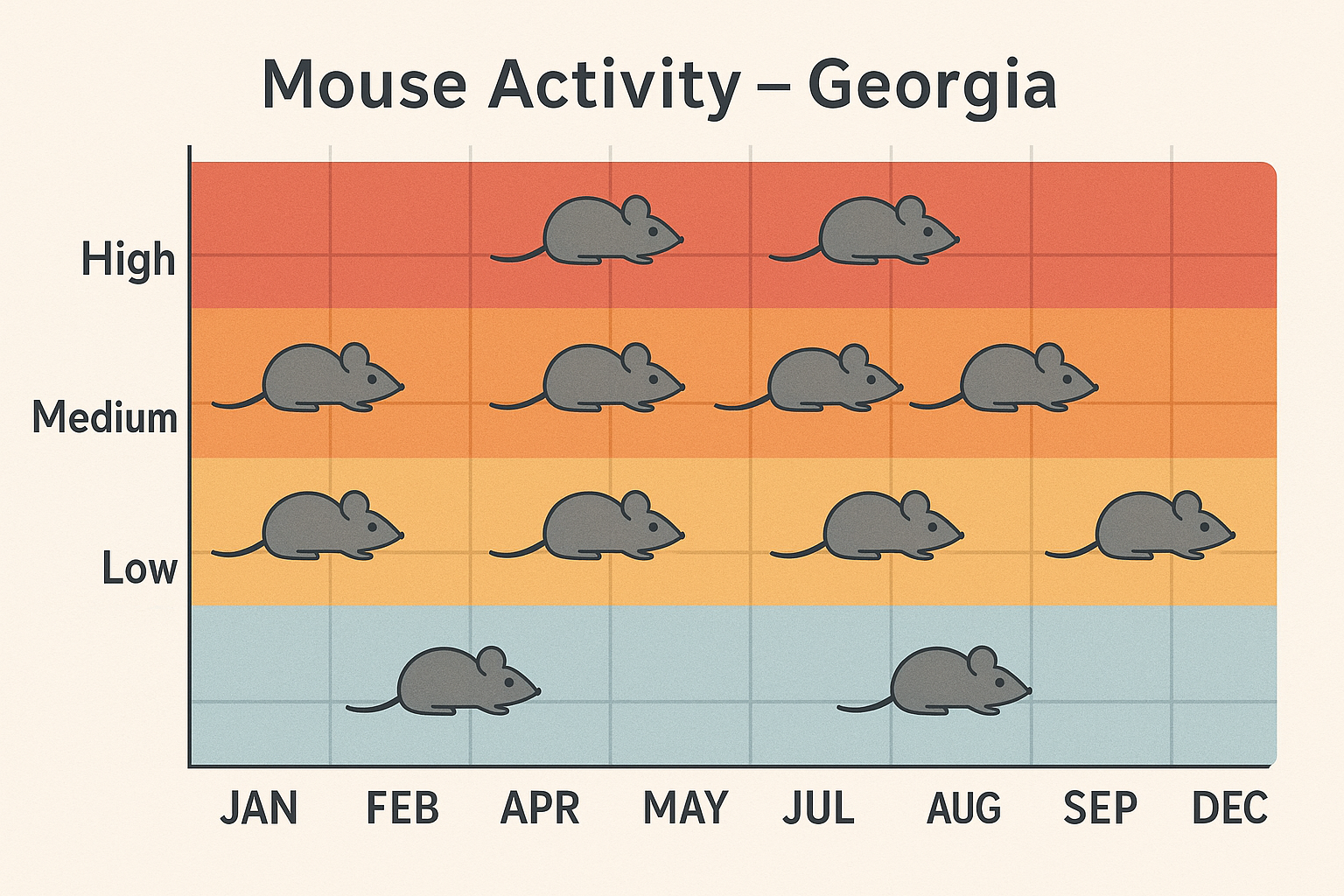
Reading the Seasonal Activity Chart
The chart below (illustrated in the image) highlights a clear peak in mouse sightings from September through early December. Activity tapers off during the hottest months of July and August, then rises again modestly in late winter as indoor heating creates a constant food supply. In short, the highest risk window is the cool, moist stretch of fall, when mice scramble for shelter and readily invade basements, attics, and crawl spaces.
Why Mice Seek Shelter as Temperatures Drop
When outdoor temperatures fall, mice lose the ability to maintain their body heat without expending extra energy. A cozy wall void or an insulated garage offers the perfect micro‑climate. At the same time, homeowners begin storing pantry items, firewood, and garden produce indoors, providing an abundant, easily accessible food source. The combination of warmth and nutrition makes a house irresistible during the September‑November window.
Pre‑emptive Inspections Before the Peak Months
Schedule a professional inspection with Anthem Pest Control in late August. Our technicians will seal entry points, trim vegetation away from the foundation, and set up monitoring stations. Early detection lets you address a few stray mice before they establish a colony, saving you time and money when the peak season arrives.
Keeping a “Mouse‑Free” Home During Low‑Activity Periods
Keep a “mouse‑free” home during low‑activity periods by following these simple habits:
- Store dry goods in airtight containers and keep pantry shelves tidy.
- Remove clutter in basements and attics where mice love to hide.
- Maintain a clear gap between the house and any wood piles or compost bins.
- Run routine visual checks each month, even in summer, to catch any unexpected visitors early.
Treatment Options – DIY Traps vs Professional Services
When a mouse scurries across your kitchen floor, the first instinct is often to grab a trap and handle it yourself. While DIY methods can be effective for a single intruder, a growing infestation or a home with kids and pets usually calls for a more comprehensive approach. Below, we break down the most common do‑it‑yourself tools, the advantages of hiring a licensed exterminator, and why sealing entry points is the key to long‑term peace of mind.
DIY Approach: Snap Traps, Glue Boards, Bait Stations, and Homemade Repellents
Most homeowners start with the basics:
- Snap traps – quick, inexpensive, and kill instantly when set correctly.
- Glue boards – sticky surfaces that capture mice as they run across.
- Bait stations – pre‑filled containers that lure rodents with food.
- Homemade repellents – mixtures of peppermint oil, cayenne pepper, or ultrasonic devices marketed as “natural” solutions.
Placement tips make a huge difference. Position traps inside cabinets, along baseboards, and near known entry points such as door cracks or vent openings. Mice travel close to walls, so aligning traps perpendicular to the wall (the trap’s trigger side facing the wall) maximizes capture rates.
Pros of the DIY route are obvious: the upfront cost is low—often under $20 for a pack of snap traps—and you see results immediately. However, the cons quickly add up. Coverage is limited to the areas you can physically access, you must check and reset traps daily, and there’s a real risk of accidental injury to children or pets. Glue boards, in particular, can cause prolonged suffering for captured mice and create a mess that’s unpleasant to clean.
Professional Extermination: Baited Rodenticides, Tamper‑Proof Stations, and Licensed Technicians
When you call Anthem Pest Control, you get more than a handful of traps. Our certified technicians start with a thorough inspection to locate hidden nests, travel pathways, and the exact points of entry. We then place tamper‑proof bait stations loaded with EPA‑approved rodenticides, ensuring that only rodents can access the poison while keeping children and pets safe.
The benefits are threefold:
- Comprehensive coverage – strategic placement throughout the home, including hard‑to‑reach crawl spaces and attics.
- Targeted treatment – bait formulations are selected based on the species and level of activity.
- Follow‑up visits – we monitor bait consumption, replace stations as needed, and verify that the population is eliminated.
Exclusion Sealing Service: Closing the Door on Future Intruders
Even the best bait program will fail if new mice can slip in through gaps. Our exclusion service identifies every potential entry point—cracks in the foundation, gaps around utility pipes, vent openings, and poorly fitted door sweeps. After sealing these openings with steel wool, caulk, or metal flashing, we provide a detailed report so you know exactly what was fortified.
Sealing is the long‑term prevention advantage that turns a reactive treatment into a proactive defense. Homeowners who combine baiting with exclusion see a 70% reduction in repeat sightings within the first year.
Safety Considerations
Whether you’re setting snap traps or opting for professional rodenticides, safety comes first:
- Keep all traps and bait stations out of reach of children and pets. Professional stations are designed to be tamper‑proof.
- Follow EPA regulations for rodenticide use—only licensed technicians should handle and apply these products.
- Dispose of dead rodents promptly, using sealed bags and double‑bagging to prevent odor and disease spread.
- Wear gloves when handling traps or cleaning up after a capture.
When to Upgrade from DIY to a Professional Plan
DIY methods work best for isolated incidents, but certain signs indicate it’s time to call in the experts:
- More than 10 mice spotted over a short period.
- Recurring sightings despite traps being reset regularly.
- Evidence of gnaw marks on structural components, wiring, or food containers.
- Presence of mouse droppings in multiple rooms, indicating a hidden nest.
- Any household with young children, seniors, or pets that could be harmed by traps or bait.
In these scenarios, Anthem Pest Control can swiftly transition you from a patchwork of traps to a full‑service treatment that eliminates the problem and blocks future invasions.

Pricing Comparison for Mouse Control in Woodstock
Below is a visual snapshot of the four most common mouse‑control options available to Woodstock homeowners. The infographic breaks down each solution into four columns: One‑time extermination, Monthly protection plan, DIY trap kit, and Exclusion sealing service. Use it as a quick reference when you compare costs, services, and long‑term benefits.
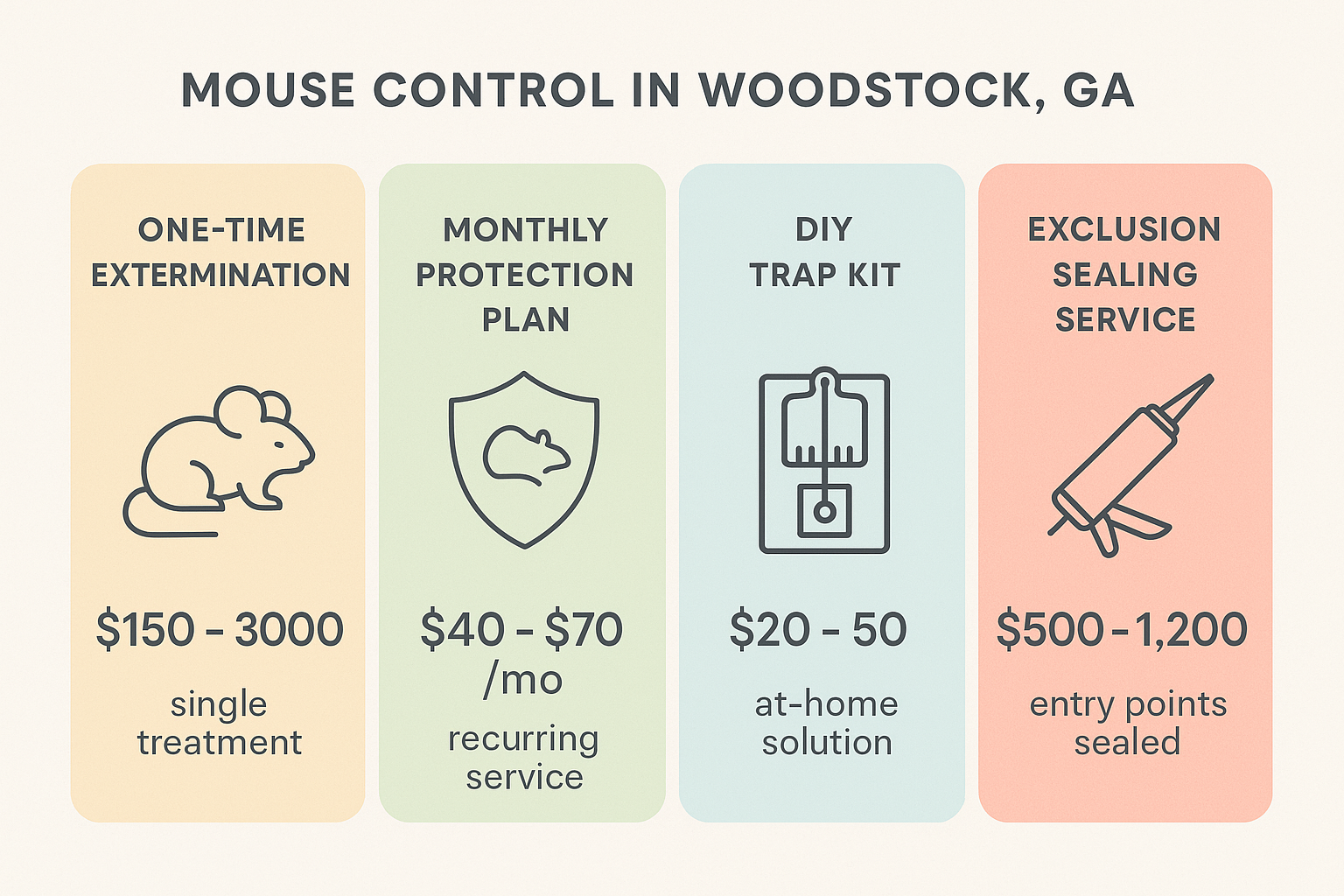
What the chart tells you
The One‑time extermination column lists a single‑visit treatment that eliminates an active infestation. The Monthly protection plan shows recurring visits that keep mice out year‑round. The DIY trap kit reflects the cost of a ready‑made set of snap or live traps you install yourself. Finally, the Exclusion sealing service captures the price of sealing entry points to prevent future invasions.
Price ranges and what you get
- One‑time extermination: $150 – $250. Includes a thorough inspection, bait placement, and a follow‑up visit within 30 days.
- Monthly protection plan: $30 – $45 per month (or $340 – $480 annually). Covers quarterly inspections, bait refreshes, and unlimited follow‑ups.
- DIY trap kit: $40 – $80. Comes with 5–10 traps, bait, and a step‑by‑step guide.
- Exclusion sealing service: $200 – $350. Professionals seal gaps, vents, and utility openings, plus a warranty on the work for 12 months.
Value factors to consider
Beyond the sticker price, look at warranties, the number of follow‑up visits, and the level of long‑term prevention each option offers. A one‑time kill may seem cheap, but without exclusion work, mice can return within weeks. Monthly plans and sealing services typically include a 90‑day guarantee and unlimited callbacks, which can save you money in repeat treatments.
Quick decision matrix
| Solution | Low‑budget | High‑risk (heavy infestation) | Long‑term protection |
|---|---|---|---|
| One‑time extermination | ✓ | ✓ | ✗ |
| Monthly protection plan | ✗ | ✓ | ✓ |
| DIY trap kit | ✓ | ✗ | ✗ |
| Exclusion sealing service | ✗ | ✓ | ✓ |
Special discounts for Anthem Pest Control customers
Anthem Pest often bundles the monthly protection plan with exclusion sealing, shaving 10‑15 % off the combined price. First‑time callers also receive a $25 credit toward any one‑time extermination service. Ask your representative about seasonal promotions or multi‑property discounts when you schedule your appointment.
Choose Anthem Pest Control for Reliable Mouse Management
Early detection, the right seasonal timing, and a treatment plan that fits your home are the three pillars of successful mouse control. Catching a problem before winter sets in, or acting quickly after a summer rainstorm, can save you from costly damage and keep your family safe.
Why Anthem Stands Out in Woodstock
- Licensed, local technicians who know the quirks of Woodstock neighborhoods and can spot hidden entry points.
- Transparent pricing – you receive a detailed estimate before any work begins, so there are no surprise fees.
- Satisfaction guarantee that backs every service with a follow‑up visit if the mice return.
- Eco‑friendly monitoring devices that alert you to new activity.
Safe, EPA‑Approved Methods & Custom Exclusion Plans
Anthem uses only EPA‑approved baits and traps that are proven effective yet pose no risk to children or pets. After eliminating the current infestation, the crew designs a customized exclusion plan: sealing cracks, installing door sweeps, and advising on landscaping tweaks that deter future invasions. Our technicians also provide homeowner education, showing you simple daily habits that keep rodents at bay.
Free, No‑Obligation Inspection
Ready to see how a professional assessment can protect your home? Call us at 877‑371‑8196 or visit our website for a free quote. Our inspectors will walk through your property, point out vulnerable spots, and explain the most cost‑effective solution for your situation. You can schedule the inspection online in just a few clicks, or speak directly with a specialist if you prefer.
Take the next step toward a mouse‑free home without feeling pressured. A quick call or online request simply starts a conversation—let us show you why Woodstock families trust Anthem for peace of mind.
Visit Anthem Pest Control today.