Understanding Silverfish and Their Risks in Sugar Hill
Silverfish (Lepisma saccharina) are small, wingless insects that have been sharing our homes for centuries. Measuring about half an inch long, they have a silvery, fish-like sheen and move in a rapid, wriggling motion that can be startling the first time you see them—one of the reasons silverfish control cost Sugar Hill homeowners encounter often depends on how early these pests are detected. Though they prefer dark, undisturbed places, you’ll often find them in kitchens, bathrooms, basements, and closets—anywhere there’s a steady supply of moisture and starch-rich debris.
What makes Sugar Hill, Georgia, a prime silverfish hotspot is its naturally humid climate. The region’s average indoor humidity frequently hovers above the 50% threshold that these pests love. According to the EPA’s guidance on indoor humidity, maintaining lower humidity levels is one of the most effective ways to deter moisture‑loving insects. In homes where humidity isn’t controlled, silverfish can multiply quickly, turning a minor nuisance into a full‑blown infestation.
Spotting a silverfish problem early can save you a lot of hassle. Typical signs include:
- Small, fish‑like insects darting across walls or floors at night.
- Silvery or brownish shed skins left behind in corners, drawers, or book stacks.
- Irregular, ragged holes or yellowed stains on paper, books, and cardboard.
- Fine, powdery droppings that resemble tiny specks of sand.
Beyond the unsettling sight, silverfish pose a genuine threat to household items. Their diet consists of carbohydrates, proteins, and cellulose, which means they’ll gnaw on:
- Books and paper products – binding glue, starches, and ink are all on the menu, leading to torn pages and weakened spines.
- Clothing and fabrics – natural fibers such as cotton, wool, and silk can be nibbled, especially when stored in damp closets.
- Pantry goods – cereals, flour, dried fruit, and even pet food provide a convenient food source, contaminating food with droppings and shed skins.
While silverfish themselves are not known to transmit diseases, the environments they favor can create secondary health concerns. Moist, poorly ventilated areas that support silverfish also encourage mold growth. Exposure to indoor mold spores has been linked to respiratory irritation, allergies, and asthma exacerbations. The CDC’s indoor air guide emphasizes the importance of controlling moisture to prevent mold, which indirectly helps keep silverfish populations in check.
Understanding the biology and habits of silverfish empowers you to act before damage escalates. Simple steps—like fixing leaky pipes, using dehumidifiers, sealing cracks, and storing food in airtight containers—can dramatically reduce the conditions that silverfish need to thrive. When these preventative measures aren’t enough, professional inspection and targeted treatment become essential to protect your home’s books, clothing, and pantry from silent, ongoing loss.
Seasonal Activity Patterns of Silverfish in Sugar Hill
Silverfish (Lepisma saccharina) thrive in the humid, temperate climate of Sugar Hill, Georgia. Their life cycle—egg, nymph, adult—can span 2–3 years, but the speed of development hinges on temperature and moisture. Warm, damp conditions accelerate egg hatch and nymph growth, while dry, cool months slow the colony to a crawl—factors that directly influence silverfish control cost Sugar Hill homeowners may face if infestations are left unchecked. Understanding these environmental cues lets homeowners schedule inspections and treatments when silverfish are most vulnerable.

Seasonal Activity Chart
| Month | Activity Level | What It Means for You |
|---|---|---|
| January – February | Low | Populations are dormant; focus on sealing entry points. |
| March – May | Medium | Moisture rises; start routine inspections in kitchens and bathrooms. |
| June – August | High | Peak breeding; schedule professional treatment if sightings increase. |
| September – October | Medium | Humidity begins to drop; maintain dry environments and monitor traps. |
| November – December | Low | Activity wanes; perform a year‑end deep clean and repair any water leaks. |
Local Weather Meets the Chart
Sugar Hill’s average high temperatures climb from the mid‑40s °F in January to the upper 80s °F in July. Simultaneously, relative humidity peaks between June and September, often exceeding 70 %. These conditions align perfectly with the “High” activity window on the chart. Conversely, the cooler, drier winter months (December–February) push silverfish into a dormant state, explaining the “Low” rating.
Quick Seasonal Checklist
- Winter (Dec‑Feb)
- Inspect attic and crawl spaces for condensation.
- Seal cracks around windows and utility openings.
- Run a dehumidifier in basements if humidity spikes above 55 %.
- Spring (Mar‑May)
- Check kitchen cabinets, pantry shelves, and bathroom tiles for tiny scales.
- Replace or clean old cardboard boxes that can harbor eggs.
- Set up sticky traps in dark corners to gauge early activity.
- Summer (Jun‑Aug)
- Schedule a professional silverfish treatment if traps catch more than a few individuals.
- Keep sink and shower drains dry when not in use.
- Ventilate laundry rooms and bathrooms to lower moisture.
- Fall (Sep‑Nov)
- Perform a deep clean of bookshelves, closets, and stored fabrics.
- Repair any roof or gutter leaks before the rainy season.
- Reduce indoor humidity with exhaust fans during cooking and bathing.
By syncing your pest‑management routine with these seasonal patterns, you’ll catch silverfish before they multiply, keep your home dry and tidy, and avoid costly emergency treatments later in the year.
Identifying Silverfish Infestations and Health Concerns

Silverfish are the sneaky, fish‑shaped insects you might spot scurrying across bathroom tiles, kitchen counters, or the edges of bookshelves. Though they’re harmless to humans in most cases, a growing population signals hidden moisture problems that can evolve into mold, allergens, and even structural damage. Knowing exactly what to look for will help you confirm an infestation before it spirals out of control.
Visual cues that scream “silverfish”
- Size & shape: Adults are ½‑inch to ¾‑inch long, flattened, and tapering like a tiny fish.
- Color: Typically a silvery‑gray or mottled brown, giving them a shimmering appearance in low light.
- Movement: They dart in a rapid, wavy motion, often flipping their tails as they flee.
- Shed skins (exuviae): Look for translucent, paper‑thin shells near baseboards, closets, or pantry corners.
- Damage patterns: Small, irregular holes in books, wallpaper, cereal boxes, or glued‑down carpet edges indicate feeding activity.
Simple traps to verify the problem
Before calling a professional, set up a few low‑cost traps to catch a sample. This not only confirms the presence of silverfish but also gives you a sense of the infestation’s size.
- Sticky traps: Place double‑sided tape or commercially available sticky pads along baseboards, behind appliances, and in dark corners. Check them after 24‑48 hours.
- Flour trap: Spread a thin layer of all‑purpose flour in a shallow dish. Silverfish will wander in, leave tiny footprints, and become easy to spot.
- Cardboard roll trap: Insert a rolled‑up piece of cardboard into a pantry or closet. Silverfish love the crevices; after a day, unwrap and inspect.
Silverfish, moisture, and the hidden mold threat
Silverfish thrive in environments with a relative humidity above 60 %. When you start seeing them, it’s often a red flag that water is seeping into walls, under flooring, or behind cabinets. That dampness creates the perfect breeding ground for mold spores. While silverfish themselves don’t carry disease, the mold they point to can.
The CDC warns that indoor mold exposure can irritate the eyes, skin, and respiratory tract, especially for people with asthma or allergies. Mold spores become airborne, reducing indoor air quality and potentially triggering chronic sneezing, wheezing, or sinus congestion.
Why early detection matters
Finding silverfish early gives you a two‑fold advantage. First, you can address the moisture source—repair leaks, improve ventilation, or use a dehumidifier—cutting off the insects’ food supply. Second, you stop mold from establishing itself, protecting both your home’s structure and your family’s health.
When left unchecked, silverfish can gnaw at paper, fabric, and even the glue that holds wallboard together. Over time, this minor damage compounds, leading to costly repairs and a higher risk of secondary infestations from other pests that also love damp conditions.
In short, spotting the tell‑tale signs, confirming the infestation with simple traps, and acting quickly on moisture issues will keep silverfish—and the hidden health hazards they herald—out of your Sugar Hill home.
Professional Treatment Methods for Silverfish
Chemical Treatments: Targeted Sprays and Residual Insecticides
Licensed technicians rely on EPA‑approved insecticides that are formulated specifically for the moist, hidden habitats silverfish favor. A targeted spray is applied directly to baseboards, under sinks, and in crawl‑space voids where the insects travel. Unlike over‑the‑counter sprays, professional products contain a residual component that continues to work for weeks, breaking the life cycle by killing both adults and newly hatched nymphs. Because the dosage is precisely measured, the treatment remains effective while staying well within safety limits for humans and pets.
Non‑Chemical Options: Heat, Vacuum, and Smoke Fumigation
When homeowners prefer a chemical‑free route, pros can deploy heat treatment, high‑efficiency vacuuming, or smoke fumigation. Raising the temperature of an infested room to > 120 °F for a few hours denatures the silverfish’s exoskeleton and destroys eggs hidden in wall voids. A commercial‑grade vacuum equipped with HEPA filtration physically removes insects and their debris, reducing the immediate population. Smoke fumigation releases a fine aerosol of botanical oils that suffocates silverfish without leaving toxic residues, making it a viable choice for sensitive environments such as nurseries or pet areas.
How a Technician Performs a Focused Silverfish Treatment
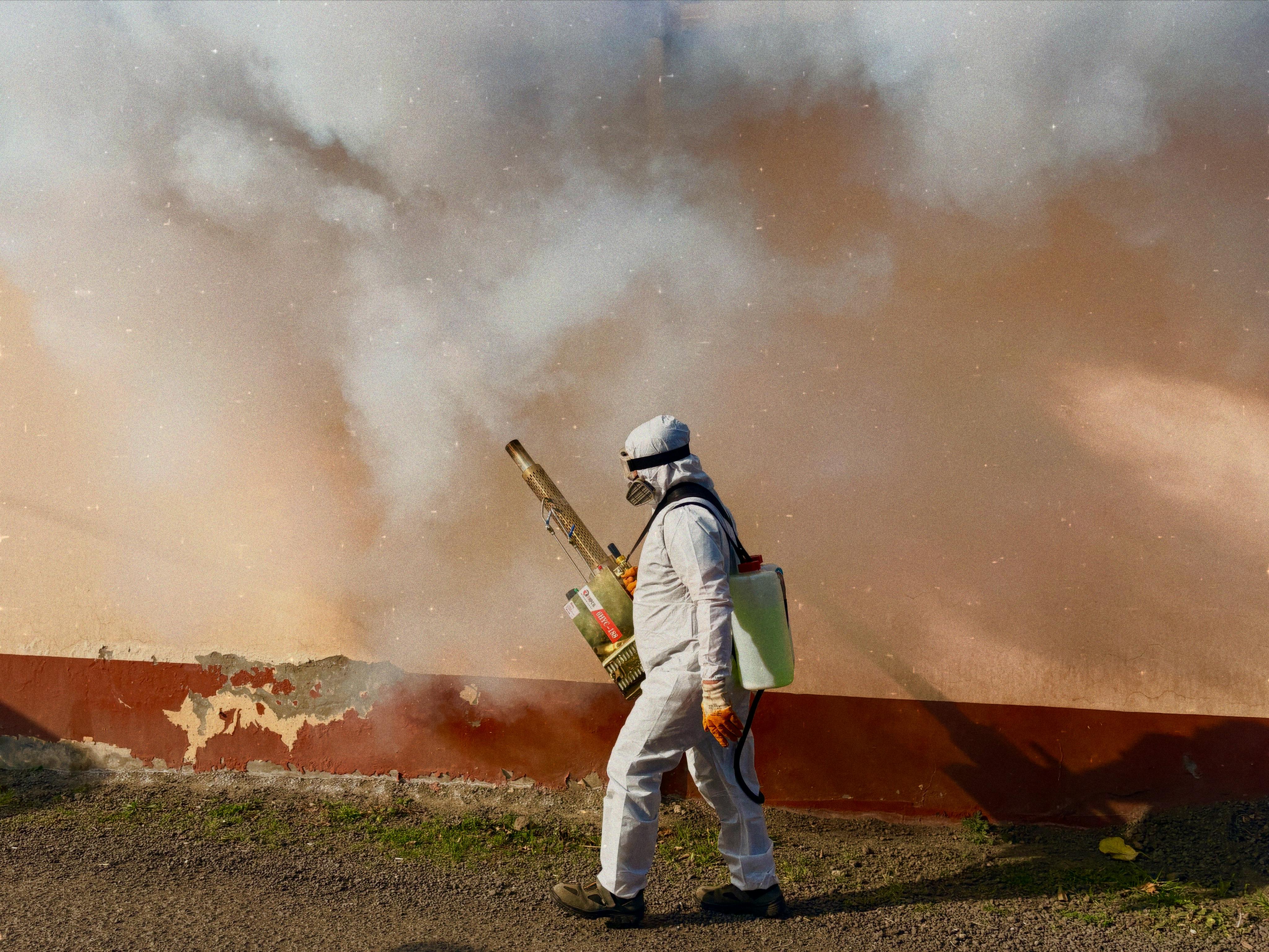
During a focused treatment, the technician first conducts a thorough inspection to locate breeding hotspots. Using a handheld applicator, they place a micro‑dose of residual spray into cracks, crevices, and behind appliances where silverfish hide. The nozzle delivers a fine mist that settles into hard‑to‑reach spaces, creating a protective barrier that remains active for up to three months. After the application, the tech advises the homeowner on short‑term restrictions—such as keeping children and pets away from treated zones for a few hours—to ensure optimal safety.
Integrated Pest Management: The Smart, Sustainable Approach
Integrated Pest Management (IPM) blends inspection, sanitation, and follow‑up treatments into a cohesive plan. First, the technician identifies moisture sources, because silverfish thrive in damp environments. Simple fixes—repairing leaky pipes, improving ventilation, and reducing food debris—strip away the conditions that attract these pests. Next, a calibrated chemical or non‑chemical treatment is applied. Finally, a scheduled revisit confirms that the population is suppressed and that preventive measures remain effective, allowing homeowners to maintain a silverfish‑free home long after the initial visit.
Why Choose a Licensed Professional?
- Accurate dosage: Professionals calculate the exact amount of product needed for each unique layout, avoiding under‑ or over‑application.
- Safety first: EPA‑registered products are used with strict adherence to safety protocols, minimizing risk to children, pets, and indoor air quality.
- Warranty guarantees: Most reputable companies, including Anthem Pest Control, back their work with service warranties that cover re‑treatment if silverfish reappear within a set period.
- Local expertise: Technicians understand Sugar Hill’s climate, building styles, and common entry points, tailoring solutions to the area’s specific challenges.
- Time and peace of mind: A single, expertly executed visit eliminates the guesswork and repetitive DIY attempts, letting homeowners focus on what matters most.
Pricing Options for Silverfish Control in Sugar Hill
One‑Time Treatment
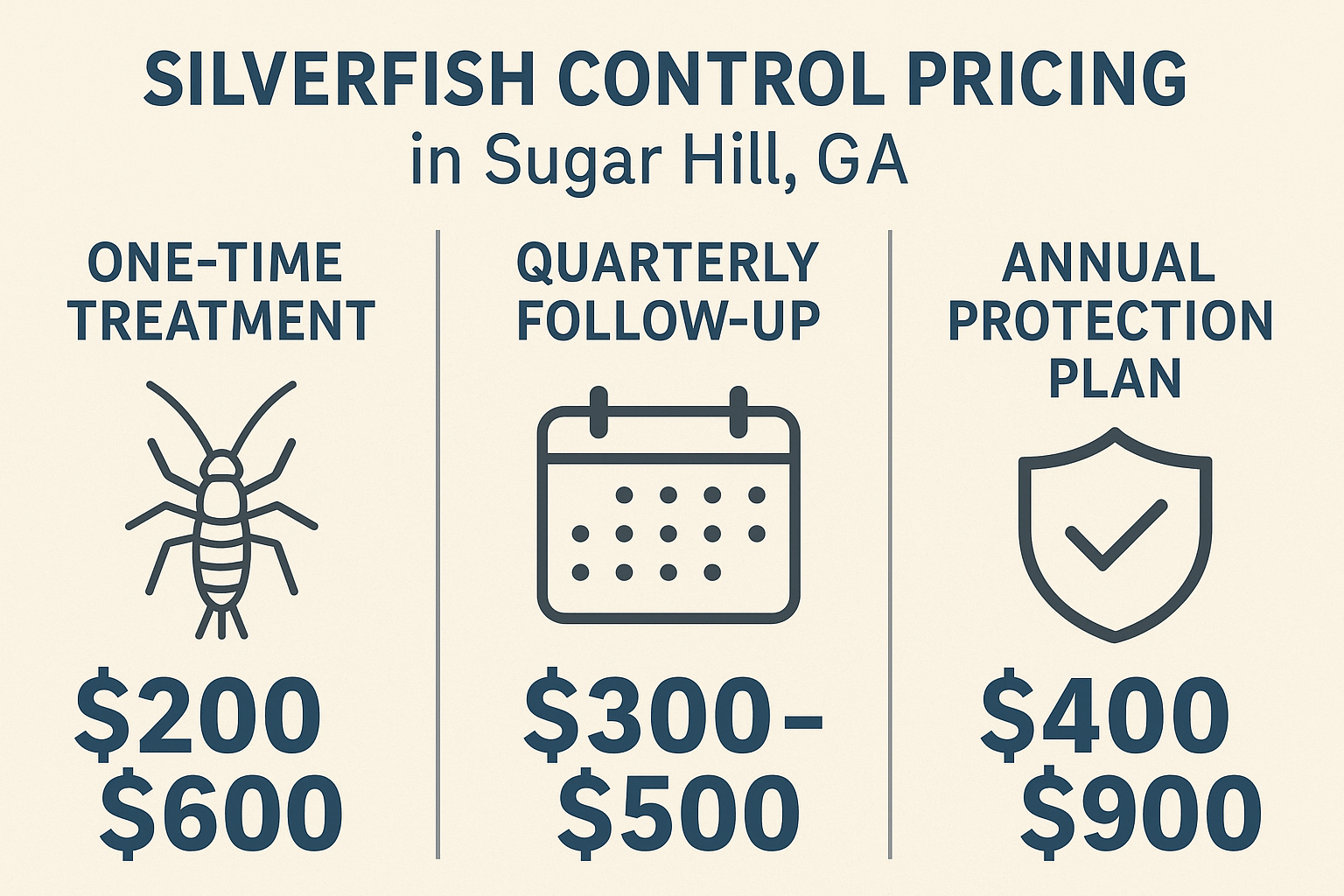
A single visit targets the current silverfish population and seals obvious entry points. This plan is ideal for homeowners who have just discovered a minor infestation or want a quick fix before a special event, helping keep silverfish control cost Sugar Hill residents face at the lower end of the pricing range. Prices typically range from $120 to $180, covering:
- Inspection and identification
- Application of a fast‑acting insecticide
- Basic sealing of cracks and crevices
Because the service is limited to one visit, any re‑infestation will require a new appointment.
Quarterly Follow‑Up
Four visits spread across the year provide ongoing monitoring and retreatment as needed. This plan suits medium‑size homes where silverfish thrive in damp basements, bathrooms, or kitchens. The cost usually falls between $300 and $350 per year and includes:
- Initial comprehensive inspection
- Quarterly applications of low‑toxicity gel or dust
- Seasonal adjustments for humidity spikes
- Two additional sealing services for new access points
Regular follow‑ups keep the population suppressed and help catch new hotspots before they spread.
Annual Protection Plan
The most hands‑off option, the annual plan bundles six visits, priority scheduling, and a “no‑re‑infestation” guarantee. Homeowners with large properties or chronic silverfish issues find the best value here. Pricing is typically $500 to $600 and covers:
- Full‑home inspection and customized treatment map
- Six scheduled applications (monthly during high‑risk periods)
- Unlimited minor repairs to seal cracks and improve ventilation
- Year‑long pest‑free guarantee with a free re‑treatment if silverfish return
| Plan | Price Range | Typical Inclusions | Best For |
|---|---|---|---|
| One‑Time Treatment | $120 – $180 | Inspection, single application, basic sealing | Minor, newly‑noticed infestations |
| Quarterly Follow‑Up | $300 – $350 | Initial inspection, four applications, seasonal adjustments, extra sealing | Medium homes with occasional damp spots |
| Annual Protection | $500 – $600 | Full inspection, six applications, unlimited sealing, guarantee | Large homes or chronic silverfish problems |
What Influences the Final Cost?
Several factors can shift the quoted price:
- Home size: Larger square footage means more treatment zones and potentially more sealant.
- Infestation severity: Heavy populations require additional product and labor.
- Access points: Older homes with many cracks, gaps, or crawl‑space vents need extra sealing work.
- Seasonal humidity: High moisture levels in summer may call for more frequent applications.
Anthem Pest Control’s Commitment to Transparent Pricing
At Anthem Pest Control, we believe every homeowner deserves a clear, upfront estimate—no hidden fees, no surprise add‑ons. Our quotes break down every service component, and we provide a written guarantee that protects your investment. If silverfish reappear within the covered period, we’ll return at no extra charge. This transparent approach, combined with locally‑trained technicians, ensures you get effective control that fits your budget.
DIY Prevention and Maintenance Tips
Even if you’ve scheduled regular visits from Anthem Pest Control, the best defense against silverfish is a proactive home‑maintenance routine. Simple, low‑cost actions you can take today will keep moisture low, food hidden, and hiding places scarce—making your home far less inviting to these nocturnal pests.
Reduce Indoor Humidity
Silverfish thrive in damp environments, so controlling moisture is your first line of defense. Place a portable dehumidifier in basements, laundry rooms, or any area that feels clammy. Inspect under sinks and around appliances for leaky pipes; a single drip can raise humidity enough for silverfish to multiply. Finally, boost ventilation by using exhaust fans while cooking or showering and opening windows on dry days.
Eliminate Food Sources
These insects love starchy foods. Store cereals, flour, rice, and pet kibble in airtight, resealable containers—glass jars or heavy‑wall plastic bins work best. Clean up crumbs promptly and wipe down pantry shelves regularly. Don’t forget to check the back of cupboards where forgotten packets can become a silverfish buffet.
Declutter and Remove Hiding Spots
Silverfish hide in paper, cardboard, and fabric. Reduce clutter by recycling old magazines, removing unused cardboard boxes, and storing seasonal clothing in sealed plastic containers. Keep bookshelves tidy and avoid stacking piles of paperwork on the floor. The fewer dark, undisturbed corners you have, the fewer places silverfish can set up camp.
Regular Vacuuming
Vacuuming isn’t just for dust—it physically removes silverfish, eggs, and their shed skins. Use a narrow crevice tool to reach cracks, baseboards, and the space behind refrigerators, washers, and dryers. Aim for a quick vacuum session once a week in high‑risk rooms, then empty the canister or bag outside to prevent re‑infestation.
Seasonal Checklist Aligned with Activity Patterns
| Season | Key DIY Action |
|---|---|
| Fall | Seal foundation cracks and exterior gaps before cooler, damper weather sets in. |
| Winter | Run the dehumidifier continuously in basements and crawl spaces; check for condensation on windows. |
| Spring | Inspect and clean pantry shelves after holiday storage; vacuum behind appliances that were moved. |
| Summer | Increase ventilation in hot, humid rooms; replace any damaged weather‑stripping on doors and windows. |
Follow this checklist year‑round. By matching your DIY tasks to the seasons when silverfish are most active, you cut down their breeding opportunities and keep your home dry and clean.
When DIY Methods Fall Short
If you notice silverfish despite diligent maintenance—especially in hidden areas like wall voids or under floorboards—it’s time to call a licensed professional. Anthem Pest Control offers thorough inspections, targeted treatments, and a transparent pricing structure that fits most homeowner budgets. A quick call to 877‑371‑8196 or a visit to anthempest.com can get you the expert help you need to protect your home for good.
Secure Your Home with Anthem Pest Control
Living in Sugar Hill means dealing with a humid climate that gives silverfish a comfortable home. These tiny, wing‑less insects thrive in damp basements, kitchens, and bathrooms, slipping into paper, clothing, and food stores. Their persistence isn’t a mystery—high humidity, abundant food sources, and hidden cracks create an ideal breeding ground that makes DIY attempts often fall short.
Why a Professional, EPA‑Compliant Approach Matters
When you call Anthem Pest Control, you’re not just hiring a service; you’re enlisting a team that follows strict EPA guidelines to protect your family and the environment. Our certified technicians use science‑backed methods that target silverfish at every life stage while minimizing chemical exposure to pets and children.
- Transparent pricing: No hidden fees, no surprise charges—just a clear, upfront estimate.
- Tailored treatment plans: We assess your home’s specific conditions, from moisture levels to entry points, to design the most effective solution.
- Long‑term prevention: Beyond elimination, we install barriers and recommend simple home‑care steps to keep silverfish from returning.
- Local expertise: Our technicians know Sugar Hill’s unique pest patterns and seasonal trends, ensuring timely interventions.
Free, No‑Obligation Quote
Understanding your home’s needs starts with a simple, free quote. Our specialists will visit, inspect vulnerable areas, and explain the recommended treatment in plain language. This assessment is completely no‑obligation—you walk away with a clear picture of what’s needed and how much it will cost.
Our certified technicians combine science‑backed methods with local expertise to protect your family and belongings—without surprise fees. We take pride in delivering results that let you breathe easy, knowing your home is shielded from silverfish and other common pests.
Take the Next Step Today
Don’t let silverfish silently damage your books, clothing, or pantry items. Reach out now for a free, no‑obligation quote and discover how Anthem Pest Control can secure your home.
Call us at 877-371-8196 or visit Anthem Pest Control to schedule your assessment. Our friendly team is ready to answer your questions, explain silverfish control cost Sugar Hill, and set up a treatment plan that fits your budget and schedule.