Rising Spider Sightings in Chamblee – Why Cost Matters
Just last week, a resident of Ashford Park called in a panic after spotting a cluster of black‑widow webs draped across their patio ceiling. A similar buzz spread through Brookhaven when a local news outlet ran a short segment on an unexpected surge of brown‑recluse activity in the area’s older homes. These anecdotes aren’t isolated—they reflect a genuine uptick in spider encounters across Chamblee, prompting homeowners to ask, “How much will it cost to keep my family safe?”

Understanding the true cost of spider control isn’t just about dollars; it’s about budgeting wisely to avoid surprise expenses that can jeopardize health and peace of mind. A well‑planned pest‑control budget lets you schedule treatments before spiders establish permanent hideouts, reduces the need for emergency visits, and protects vulnerable family members—especially children and pets—from potentially venomous bites.
In the sections that follow, you’ll discover:
- The most common spider species lurking in Chamblee neighborhoods.
- Key pricing factors that influence treatment quotes, from property size to infestation severity.
- When DIY methods make sense and when a professional touch is essential.
- Seasonal timing tips to maximize effectiveness and minimize cost.
- How Anthem Pest’s transparent, data‑driven approach can tailor a solution for your home.
This guide draws on hard data, citing the EPA’s findings on indoor pest health risks and HomeAdvisor’s national pricing benchmarks. By grounding our recommendations in reputable statistics, we help you see beyond the headline price and understand the value of a comprehensive, preventative plan.
Identify the Spiders You’re Dealing With
In Chamblee, spider sightings aren’t rare. The EPA reports that roughly 15 % of Georgia homes experience a spider encounter each summer, and a recent HomeAdvisor survey of Chamblee homeowners found that 42 % of all pest complaints were spider‑related.
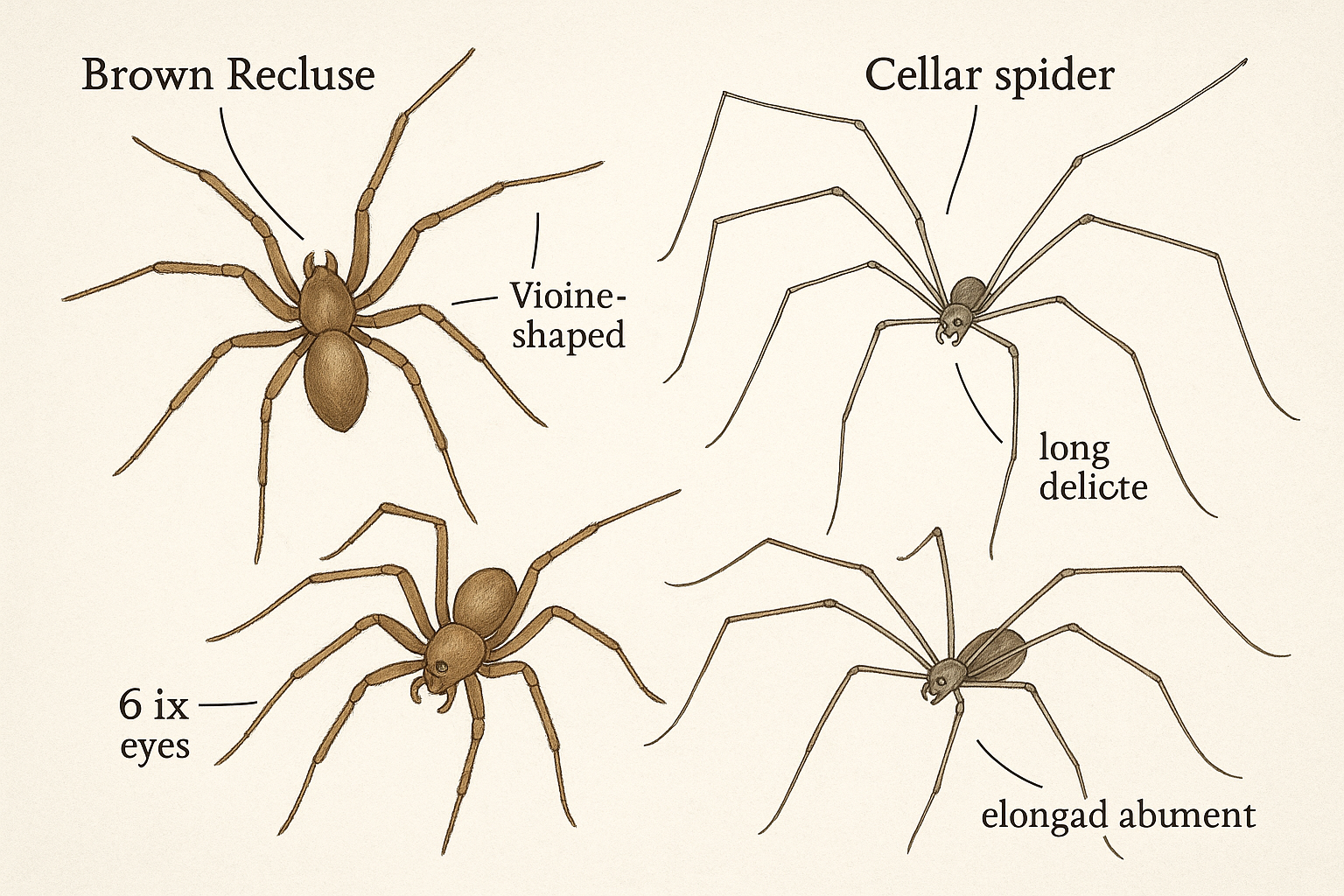
Brown Recluse
The brown recluse is a medium‑sized, tan‑brown spider with a distinctive violin‑shaped marking on its dorsal cephalothorax. It prefers dark, undisturbed places such as closets, attics, and the backs of furniture, where it can hide in crevices.
Black Widow
The black widow is instantly recognizable by its glossy black body and the bright red hourglass shape on the underside of the female’s abdomen. These arachnids favor damp, secluded spots like basements, crawl spaces, and under outdoor furniture that is stored inside.
Cellar Spider
Cellar spiders, sometimes called “daddy‑long‑legs,” have long, thin legs and a small, rounded abdomen that ranges from pale amber to brown. They are most often found in damp corners of bathrooms, kitchens, and basements, spinning loose, tangled webs.
Common House Spider
The common house spider is a small, brownish‑gray spider with a mottled abdomen and a compact, rounded body. It builds irregular, sheet‑like webs in window frames, corners, and behind picture frames, thriving in any room that offers a quiet corner.
Why Accurate Identification Matters
Accurate identification is critical because each species requires a tailored treatment plan. Brown recluse bites may need targeted residual sprays in hidden voids, while black widows respond best to spot‑on insecticide applications in their preferred damp zones. Misidentifying a harmless cellar spider as a dangerous species can lead to unnecessary chemical use and higher costs. By knowing exactly which spider you’re dealing with, Anthem Pest can recommend the safest, most effective solution and keep your family’s budget in check.
Why Professional Spider Control Is Essential
Spiders may seem harmless, but in Chamblee a few species pose real health threats. The CDC reports that bites from brown‑recluse and black‑widow spiders can cause severe tissue damage, nausea, and in rare cases, systemic reactions that require emergency care. Even non‑venomous bites can trigger allergic responses such as swelling, itching, and respiratory distress, especially in children and seniors. When a spider problem is left unchecked, these medical risks multiply as the insects spread throughout closets, basements, and outdoor patios.
Property Risks You Might Not Notice
- HVAC clogging: Dense webs accumulate in vents and ductwork, reducing airflow and forcing your system to work harder, which spikes energy bills.
- Food‑prep contamination: Spiders often spin webs in kitchens and pantries; their droppings can fall onto countertops, dishes, and stored food, creating a sanitation hazard.
- Structural concerns: Over time, large colonies leave silk that can attract moisture, encouraging mold growth on wood beams and insulation.
Professional Treatments vs. DIY Chemicals
Over‑the‑counter sprays promise quick fixes, but they typically contain broad‑spectrum insecticides that are less effective against spider behavior and carry higher toxicity for pets and children. EPA‑approved products used by certified technicians are formulated to target arachnids specifically, penetrate webs, and remain active longer without lingering residues that endanger your family.
In addition, licensed professionals follow strict safety protocols, apply the correct dosage, and schedule follow‑up inspections to ensure the infestation is fully eradicated. Choosing a trained service like Anthem Pest Control means you avoid the guesswork, protect your home’s integrity, and keep your loved ones safe from both bites and harmful chemicals.
Key Factors That Influence Spider Control Pricing
Property Size
Most Chamblee homes fall between 1,200 sq ft and 2,500 sq ft. Larger square footage means more spray coverage, longer labor hours, and a higher amount of insecticide. As a rule of thumb, the price climbs roughly $0.30–$0.50 per additional 100 sq ft after the first 1,200 sq ft.
Infestation Severity
Technicians classify spider activity as light, moderate, or severe. A light infestation (few webs, occasional sightings) may cost $120–$150 for a single treatment. Moderate cases—visible webs in multiple rooms—typically run $170–$210. Severe infestations, with dense webs and active nests, can reach $250–$320, reflecting extra labor and higher‑dose products.
Treatment Type Options
Homeowners can choose from three common approaches:
- One‑time spray: A single application aimed at immediate knock‑down.
- Quarterly maintenance: Four visits per year to keep populations below damaging levels.
- Integrated Pest Management (IPM): A tailored plan that blends chemical treatments, habitat modification, and regular monitoring for long‑term control.
Quarterly and IPM packages usually include a discount per visit, but the upfront cost is higher than a one‑time spray.
Seasonal Timing
Spider activity spikes in late spring and early summer when temperatures rise. Demand for services climbs, and many companies apply a seasonal surcharge of 5–10 %. Scheduling treatment in the off‑season (fall or winter) can lock in the base rate and avoid the premium.
Local Taxes and Disposal Fees
Fulton County imposes a 4 % sales tax on pest‑control services, plus a mandatory disposal fee of $8–$12 per visit for used containers and residual material. These charges are added to the quoted price before any discounts.
Benchmark Cost Ranges
According to the National Pest Management Association (NPMA) pricing guide and HomeAdvisor’s 2024 data, typical spider‑control costs across Georgia fall between $120 and $320 per service, depending on the variables above. Anthem Pest Control aligns its pricing with these benchmarks while offering transparent, itemized quotes.
| Severity | One‑Time Spray | Quarterly Maintenance | IPM Program |
|---|---|---|---|
| Light | $120–$150 | $400–$460 (4 visits) | $480–$540 (annual) |
| Moderate | $170–$210 | $560–$630 (4 visits) | $660–$750 (annual) |
| Severe | $250–$320 | $800–$900 (4 visits) | $960–$1,080 (annual) |
Typical Pricing Breakdown for Chamblee Homeowners
When it comes to spider control, knowing exactly what you’ll pay helps you avoid surprises and plan your household budget with confidence. Below is a transparent, item‑by‑item look at the most common services Anthem Pest offers to Chamblee residents. All figures reflect the 2024 market and are taken directly from Anthem Pest’s current price list.
Itemized Service Costs
Base inspection fee – A thorough inspection of both interior and exterior spaces typically runs between $75 and $100. Most homeowners find this fee is waived once they schedule a treatment, making the initial assessment essentially free.
One‑time interior/exterior spray – For a single, comprehensive application that targets spiders wherever they hide, expect to pay $150 to $250. This service includes a full‑coverage spray and a follow‑up check to ensure the treatment’s effectiveness.
Quarterly maintenance plan – Regular visits are the most reliable way to keep spider populations at bay. Each quarterly visit is priced at $120 to $180, which adds up to an annual commitment of $480 to $720. The plan also includes a brief re‑inspection at every visit, so you stay protected year‑round.
Add‑on services – Many homeowners benefit from supplemental work such as crack sealing or de‑cluttering, which helps eliminate entry points and hiding spots. These add‑ons are billed at $50 to $100 each, depending on the scope of the job.
| Service | Typical Price Range | Notes |
|---|---|---|
| Base Inspection | $75 – $100 | Often waived with treatment |
| One‑Time Interior/Exterior Spray | $150 – $250 | Single comprehensive application |
| Quarterly Maintenance (per visit) | $120 – $180 | $480 – $720 annually |
| Add‑On Services (e.g., crack sealing, de‑cluttering) | $50 – $100 each | Optional, based on home condition |
These numbers give you a concrete budgeting tool: if you opt for a quarterly plan plus a couple of add‑on services, you’re looking at roughly $600 to $900 for a full year of spider protection. Remember, the inspection fee is frequently waived when you move forward with treatment, so the true out‑of‑pocket cost can be even lower.
Because prices can vary with the size of your home, the severity of the infestation, and any special circumstances, it’s always a good idea to request a personalized quote. Anthem Pest’s transparent pricing ensures you know exactly what you’re paying for, and the company’s local expertise means the service is tailored to Chamblee’s unique climate and spider activity patterns.
How Chamblee Prices Compare to Regional and National Averages
When you’re budgeting for spider control, the numbers you see online can feel overwhelming. The good news is that the price you’ll pay in Chamblee, Georgia, lines up nicely with both state‑wide and national trends, meaning you’re not overpaying for a professional, safe treatment.
National benchmark (HomeAdvisor, 2024): The typical homeowner spends between $180 and $300 per spider‑control visit. This range reflects a mix of urban and rural markets, varying service packages, and the cost of premium chemicals.
Georgia snapshot: Across the Peach State, the average drops slightly to $160–$260. The modest reduction is largely due to Georgia’s milder climate, which often requires fewer repeat visits than colder regions where spiders seek shelter indoors.
Chamblee’s sweet spot: Local providers, including Anthem Pest Control, quote a range of $150–$250 per treatment. That places Chamblee right in the middle of the Georgia band and comfortably below the national ceiling. In practice, most homeowners in the area receive a full‑service treatment—including inspection, a targeted pesticide application, and a follow‑up visit—well within this budget.
If we were to illustrate the data, a simple bar chart would show three vertical bars: the first representing the national average ($180–$300), the second the Georgia average ($160–$260), and the third the Chamblee range ($150–$250). The bars would be close in height, with the Chamblee bar slightly shorter, visually confirming the competitive pricing.
Bottom line: Choosing a Chamblee‑based spider control plan means you’re paying a price that’s both locally appropriate and nationally reasonable. You get the expertise of a licensed technician, the safety of EPA‑approved products, and a cost that won’t break the bank.
DIY Methods vs. Professional Treatments
When a spider invasion shows up in your Chamblee home, the first instinct is often to reach for a quick fix from the garage. While DIY tools can provide short‑term relief, they rarely match the thoroughness and safety of a licensed professional service. Below is a snapshot of what most homeowners try on their own.
Common DIY Approaches
- Glue traps – sticky pads placed in corners, basements, and crawl spaces.
- Over‑the‑counter (OTC) sprays – aerosol or pump‑spray insecticides marketed for indoor use.
- Household insecticide dusts – powders such as boric acid or diatomaceous earth applied in cracks and voids.
Pros & Cons Comparison
| Approach | Effectiveness | Safety (Pets/Children) | Long‑Term Control | Cost |
|---|---|---|---|---|
| Glue traps | Low – catches only wandering spiders. | High – non‑chemical, but risk of accidental contact. | Poor – no residual action. | $$ (under $20 for a pack) |
| OTC sprays | Moderate – kills on contact, limited reach. | Medium – fumes can irritate sensitive occupants. | Fair – may need re‑application every few weeks. | $$ (around $15‑$30 per can) |
| Insecticide dusts | Moderate – works in hidden cracks, but uneven coverage. | Low – dust can become airborne, posing inhalation risk. | Fair – residual effect for a few months. | $$ (about $20‑$40 per bag) |
| Professional treatments | High – EPA‑backed 90%+ reduction in spider activity. | High – technicians follow strict safety protocols. | Excellent – integrated approach targets nests and entry points. | $$$ (average $150‑$300 per visit) |
According to the U.S. Environmental Protection Agency, professionally applied pest control programs consistently achieve a 90 %+ reduction in spider populations, whereas DIY methods typically deliver only a 40‑60 % decline.
In short, DIY tools can be a handy stop‑gap, especially for isolated sightings, but they fall short on lasting impact and safety. Investing in a licensed Anthem Pest Control treatment gives you a science‑backed, pet‑friendly solution that protects your home season after season.
Seasonal Timing and Prevention Tips for Spider Control
Knowing when to act is just as important as the treatment itself. In Chamblee, spider activity follows a predictable pattern, so scheduling your service during the quiet windows helps keep populations low before they become a noticeable nuisance.
Optimal Treatment Windows
The two most effective windows are early spring (mid‑March through May) and early fall (September through October). In March‑May, adult spiders are still seeking mates and laying eggs, but indoor infestations haven’t peaked yet—making it the perfect pre‑season strike. September‑October catches the post‑summer generation before they retreat to walls and basements for winter.
Everyday Prevention Actions
Everyday actions you can take to shrink spider habitats:
- Seal cracks around doors, windows, and foundation with caulk or weather‑stripping.
- Reduce indoor clutter—stacked boxes, piles of laundry, and unused furniture provide hiding spots.
- Keep outdoor lighting to a minimum or switch to yellow‑tone bulbs; bright white lights attract insects, which in turn lure spiders.
- Trim vegetation away from the house foundation and keep firewood stored off the ground.
Community Support in Chamblee
Chamblee’s city‑run community clean‑up in April is a free resource worth using. The program sweeps neighborhoods, removes leaf litter, discarded pallets, and other debris that serve as natural spider shelters. Participating not only brightens your curb appeal but also cuts down the number of places spiders can set up shop.
By aligning professional treatments with these seasonal windows and reinforcing them with simple home‑maintenance habits, you create a double barrier that keeps eight‑legged guests out of your living spaces year‑round.
Regular inspections every six months ensure any new entry points are caught early, keeping your home spider‑free all year.
Anthem Pest’s Spider Control Process in Chamblee
Step 1: Comprehensive On‑Site Inspection
When you call Anthem Pest, a certified technician arrives at your door with a detailed checklist. They examine every room, crawl space, and exterior entry point, looking for spider webs, egg sacs, and signs of activity. The inspection also notes the species present, the severity of the infestation, and any structural features that could affect treatment, such as vaulted ceilings or open‑air porches.
Step 2: Customized Treatment Plan
Based on the inspection findings, the technician designs a tailored plan that matches the spider species, infestation level, and your home’s layout. Whether you’re dealing with aggressive brown recluse sightings or seasonal house spiders, the plan outlines where sprays will be applied, how long they will remain effective, and any preventive measures you can take between visits.
Step 3: Application of Low‑Odor, EPA‑Registered Sprays
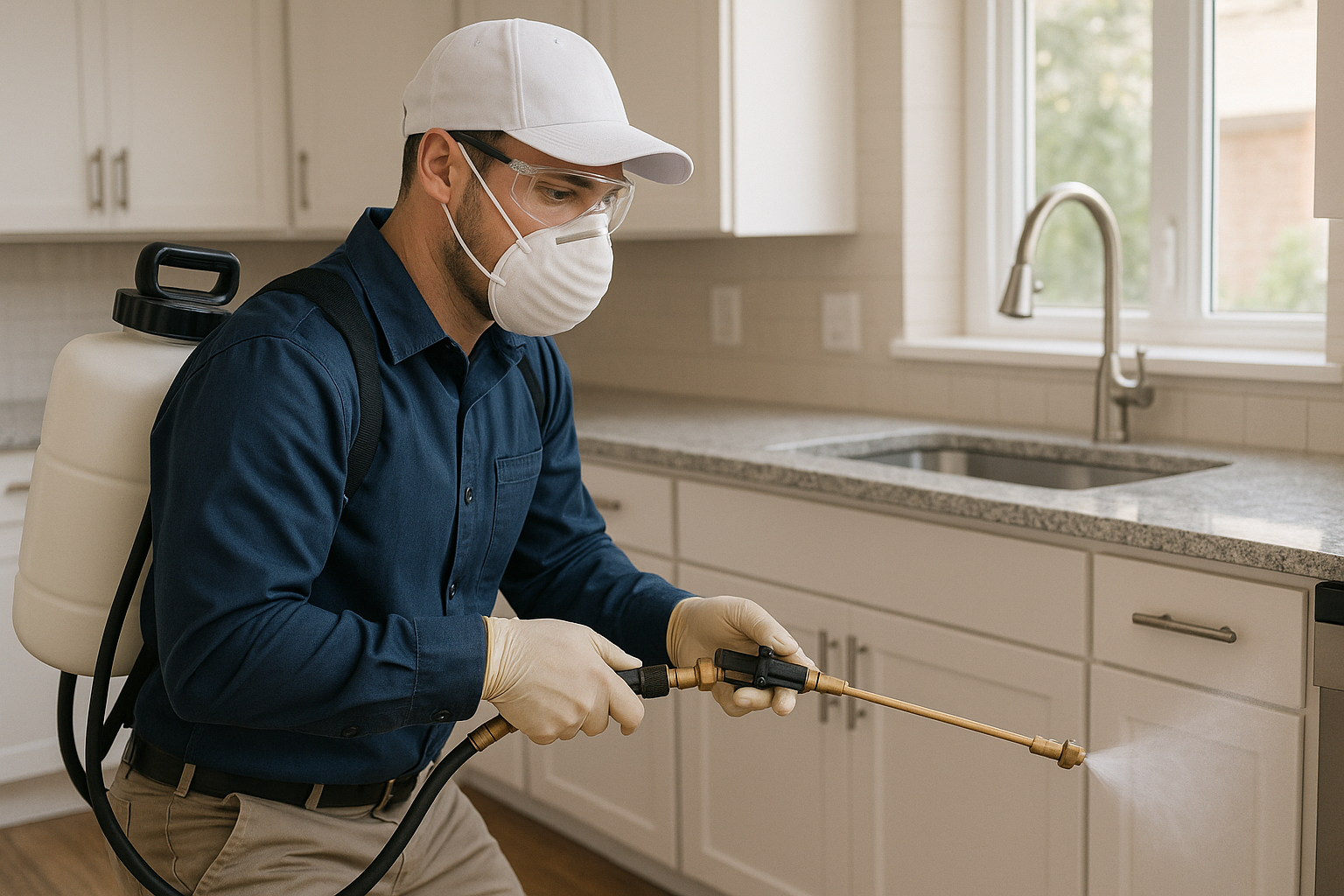
Anthem Pest uses only EPA‑registered products that are low‑odor and safe for families and pets. The technician applies the spray to interior cracks, baseboards, and outdoor perimeters, creating a barrier that targets both adult spiders and their hidden egg sacs. This step is quick, discreet, and leaves no lingering chemical smell.
Step 4: Follow‑Up Visit and Warranty Details
Thirty days after the initial treatment, a follow‑up visit confirms that the spider activity has been eliminated. If any spiders reappear, Anthem Pest offers a free re‑treatment under its 30‑day warranty, ensuring you don’t pay twice for the same problem.
“The Anthem team was at my door within an hour, inspected my home, and treated it the same day. I haven’t seen a spider since, and the follow‑up was prompt. Their service is the only one that’s truly reliable in Ashford Park.” – Resident, Ashford Park
Anthem Pest’s pricing is transparent—what you’re quoted on the day of inspection is what you pay, with no hidden fees. All costs are presented up front, so you know exactly what to expect before any work begins. As a locally owned service in Chamblee, the company understands neighborhood construction styles and seasonal spider patterns, giving homeowners a trusted partner for long‑term protection.
Frequently Asked Questions About Spider Control
How long does a professional treatment last?
Most Anthem Pest treatments remain effective for about three months under normal indoor conditions. The residual insecticide continues to suppress spider activity until it degrades, which aligns with the EPA’s recommended re‑treatment interval for indoor pest control [EPA]. Seasonal spikes or heavy traffic areas may shorten that window, so we advise scheduling a follow‑up before the three‑month mark if you notice renewed activity.
Are pets safe during and after treatment?
Absolutely. We use EPA‑registered products that carry strict pet‑safety certifications. Technicians apply the chemicals when pets are secured in another room, and we wait the label‑specified dry‑time—usually 30 minutes—before allowing animals back inside. After the dry period, the residues are considered safe for cats, dogs, and other household pets [CDC]. If you have a particularly sensitive pet, let us know and we’ll tailor the application accordingly.
Do I need multiple visits for severe infestations?
Severe spider colonies often require more than one appointment. Our initial visit targets the most active zones, then a second or third treatment may be needed to eradicate hidden nests. For ongoing protection, many homeowners opt into our quarterly maintenance plan, which spreads treatments throughout the year and keeps spider numbers at bay. HomeAdvisor notes that repeat visits are common for entrenched infestations [HomeAdvisor].
Final Takeaways and How to Get a Free Quote
When you’re weighing spider‑control costs in Chamblee, remember that the price you see on a flyer is only part of the picture. Accurate spider identification can prevent unnecessary treatments and ensure you’re targeting the right species—whether it’s harmless house spiders or the more concerning brown‑recluse. Professional technicians bring that expertise, along with calibrated equipment and EPA‑approved products, delivering a result that DIY sprays rarely match.
Scheduling a pre‑season inspection is the smartest move. An early visit lets us assess entry points, locate nests, and apply a tailored plan before spider activity peaks in the summer. This proactive approach often reduces the number of follow‑up visits and keeps your overall spend lower.
If you’re ready for a safe, effective solution, let Anthem Pest’s local experts handle the job. Our transparent pricing and 30‑day guarantee give you peace of mind without surprise costs.
Call us today at 877‑371‑8196 or Visit Anthem Pest Control for a free, no‑obligation quote.